Sunday, 11 June 2023

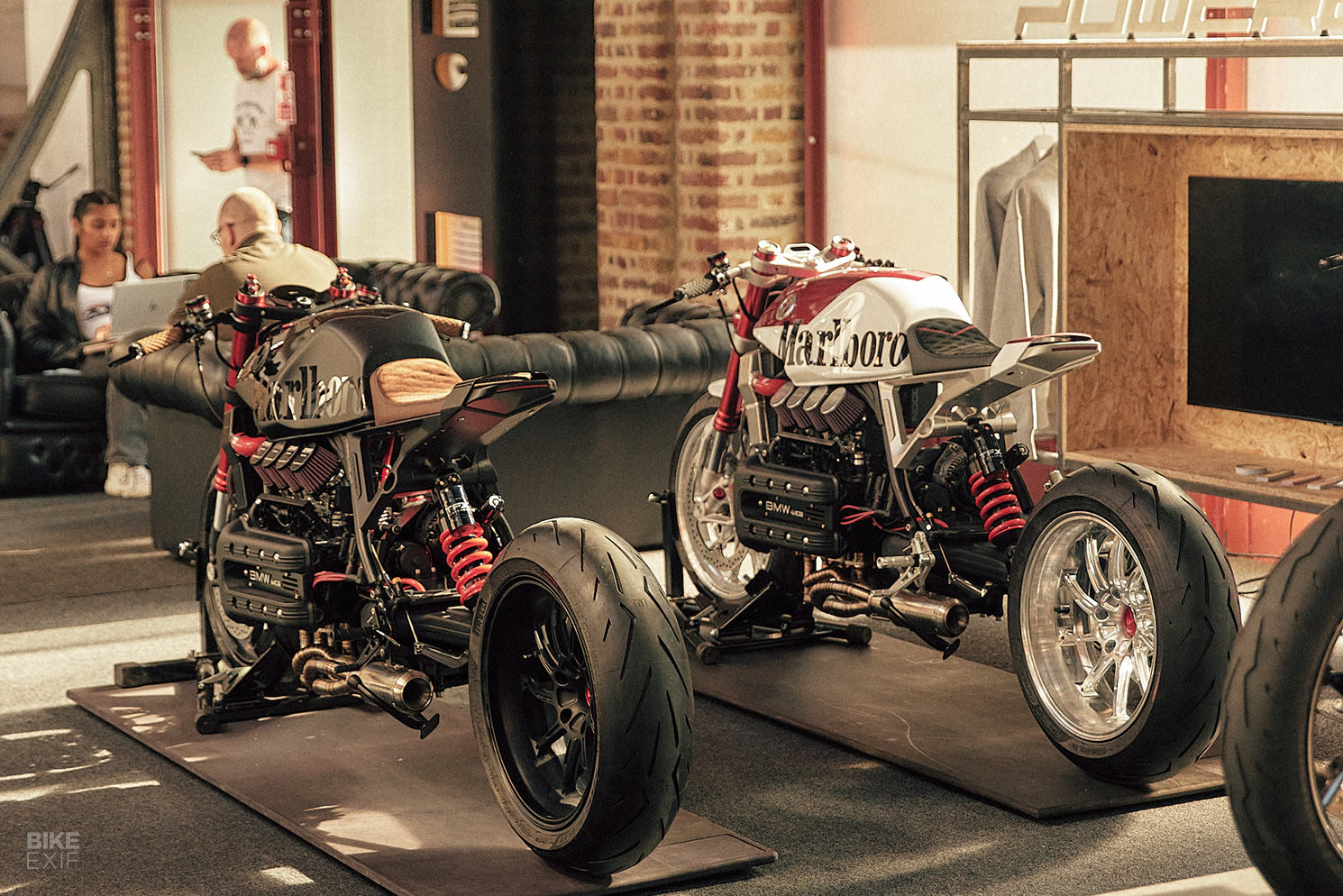
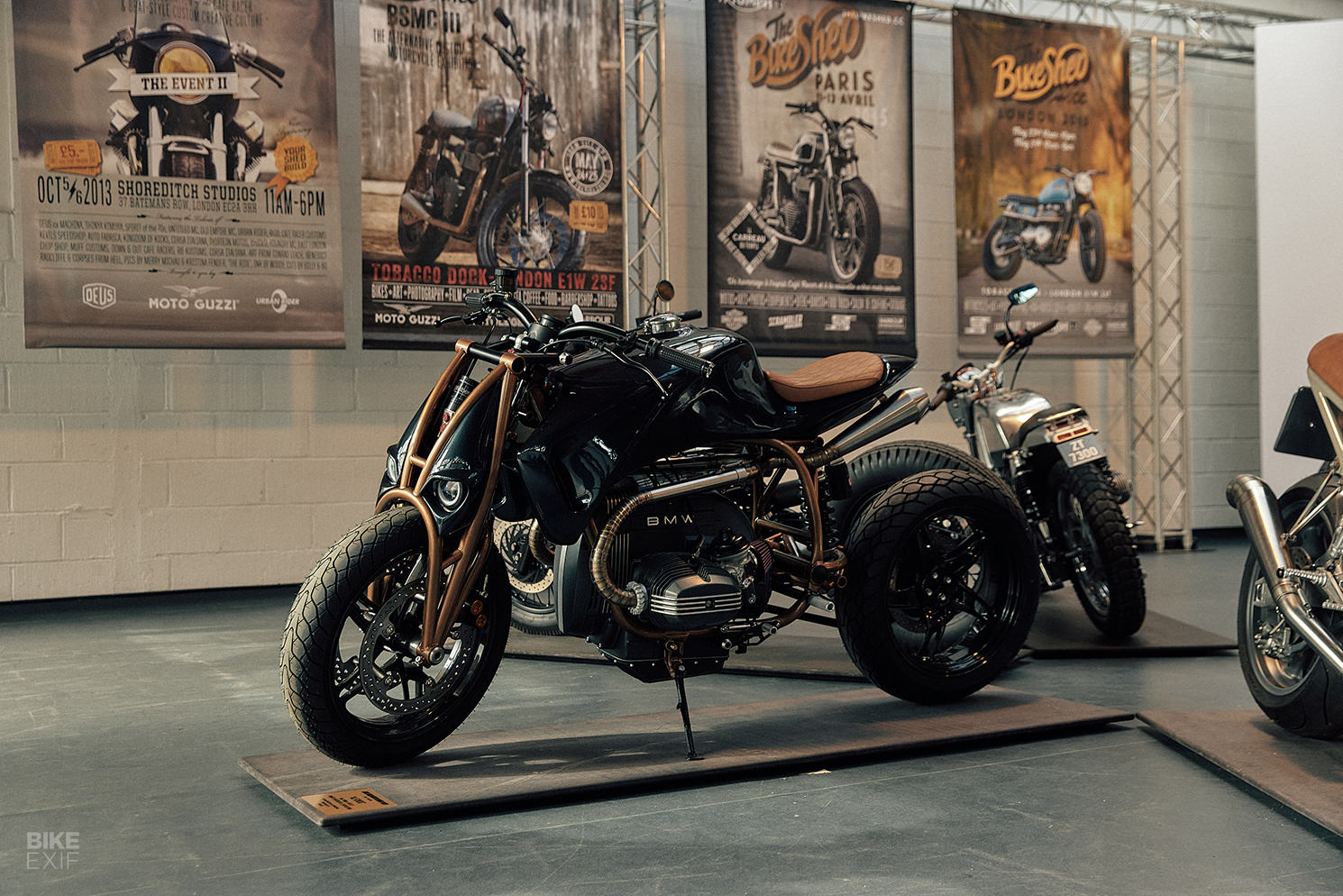
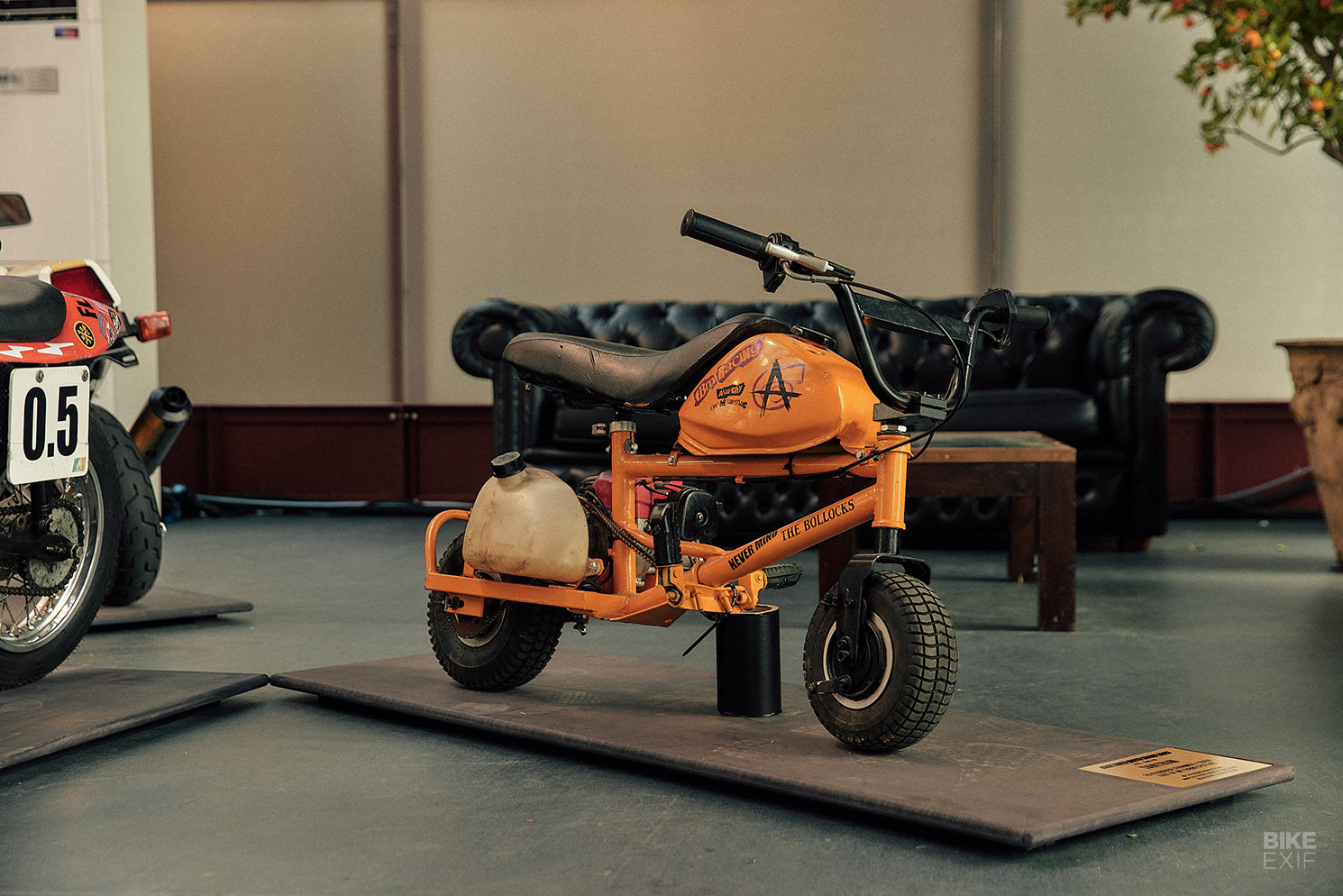
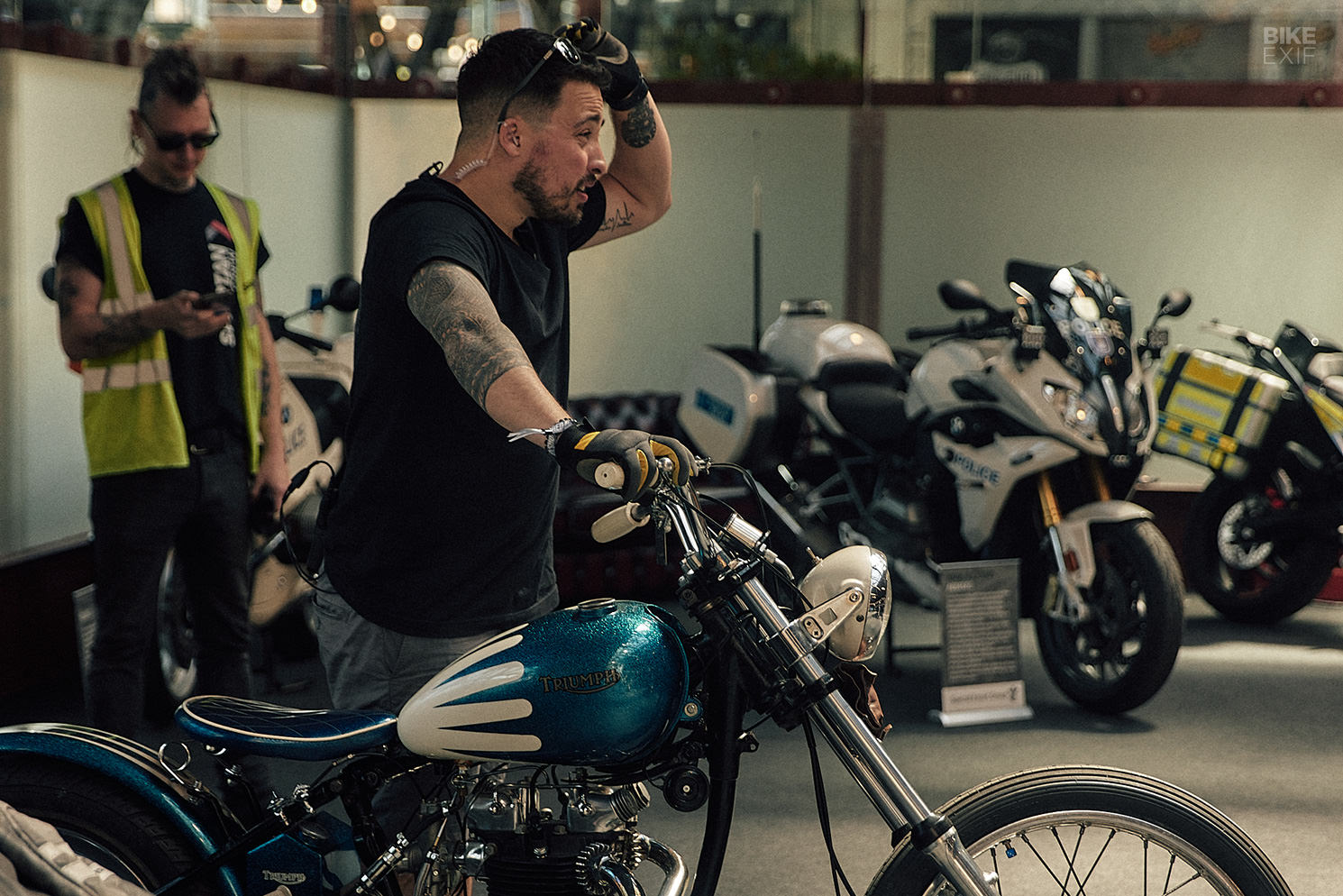
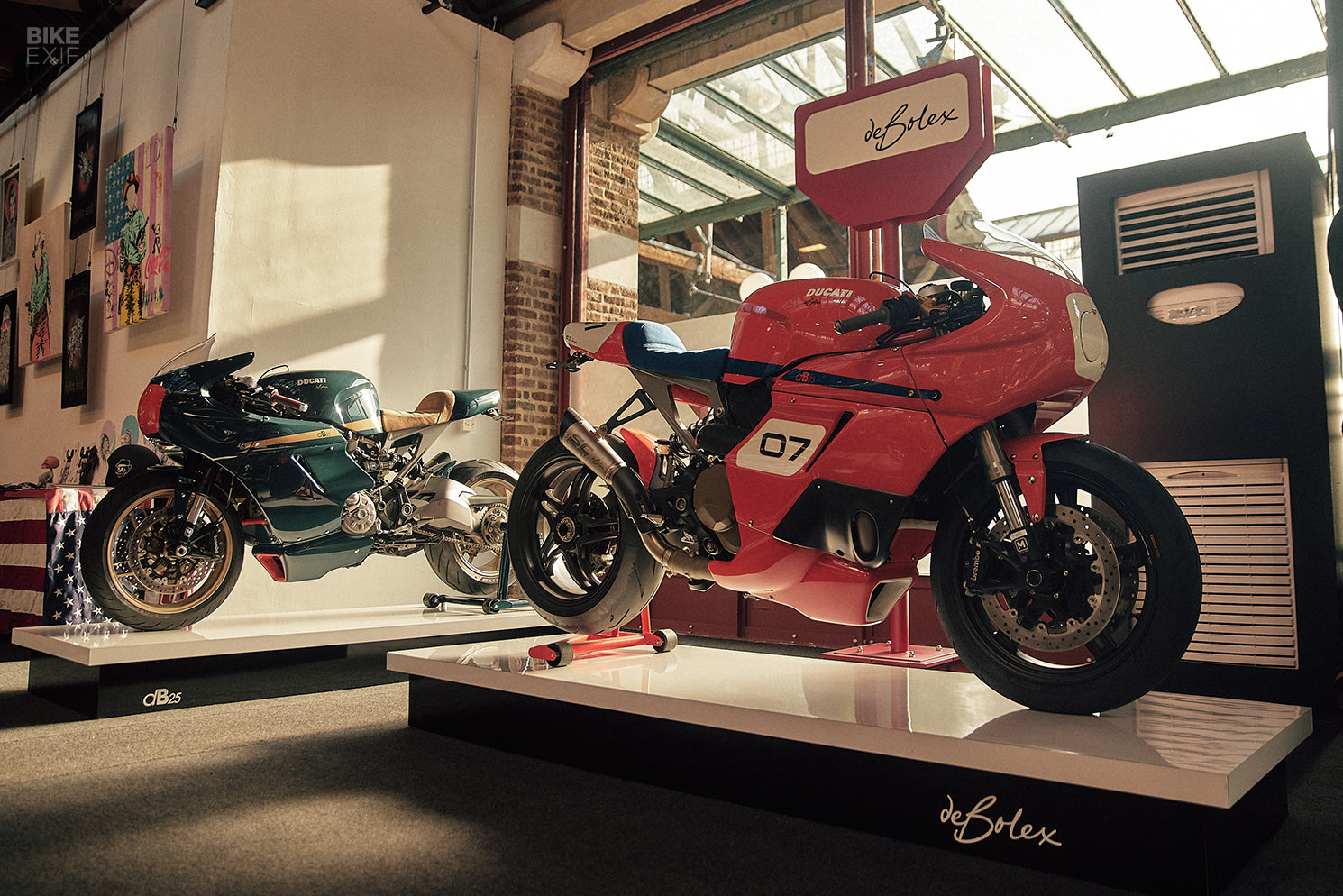
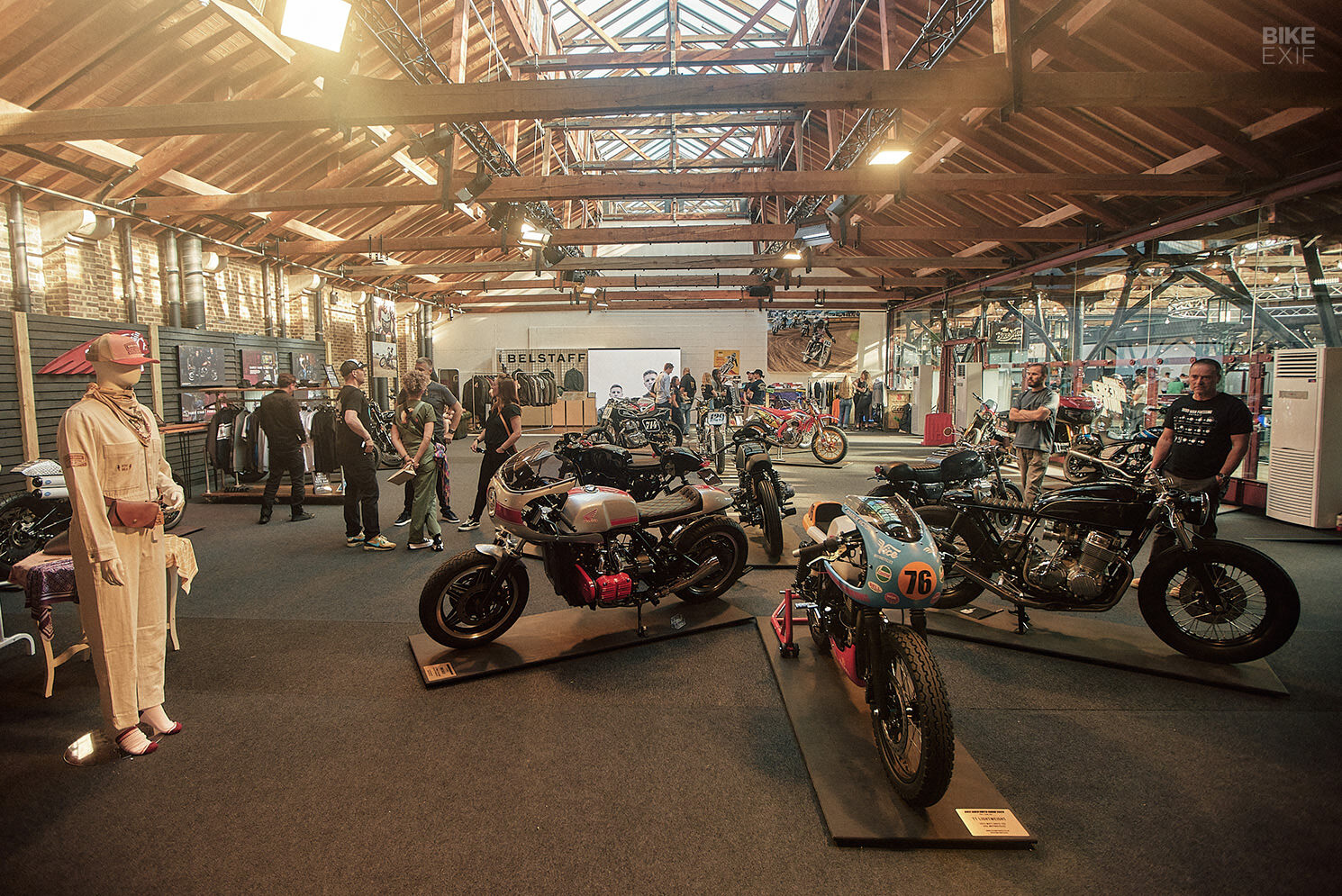
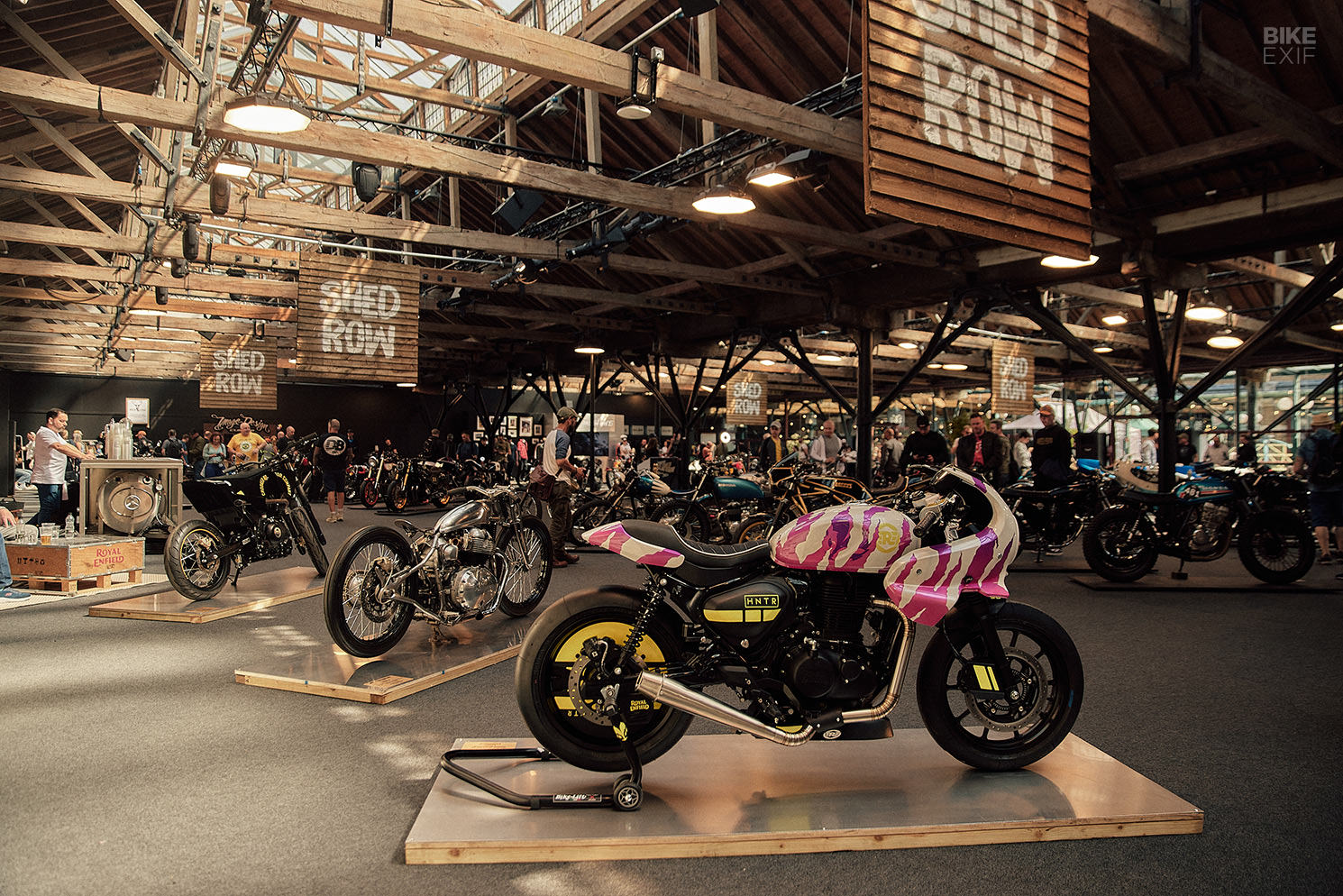
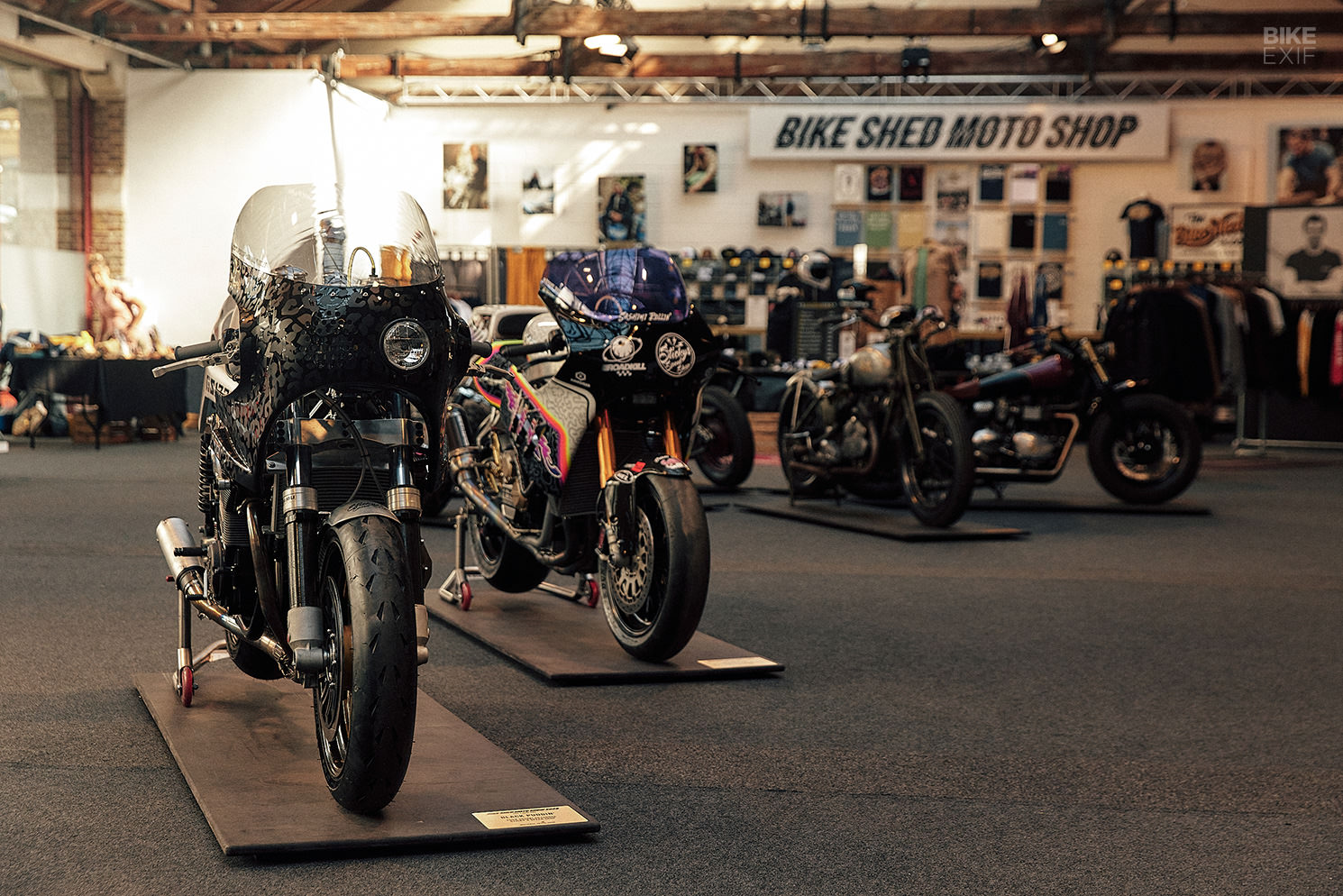
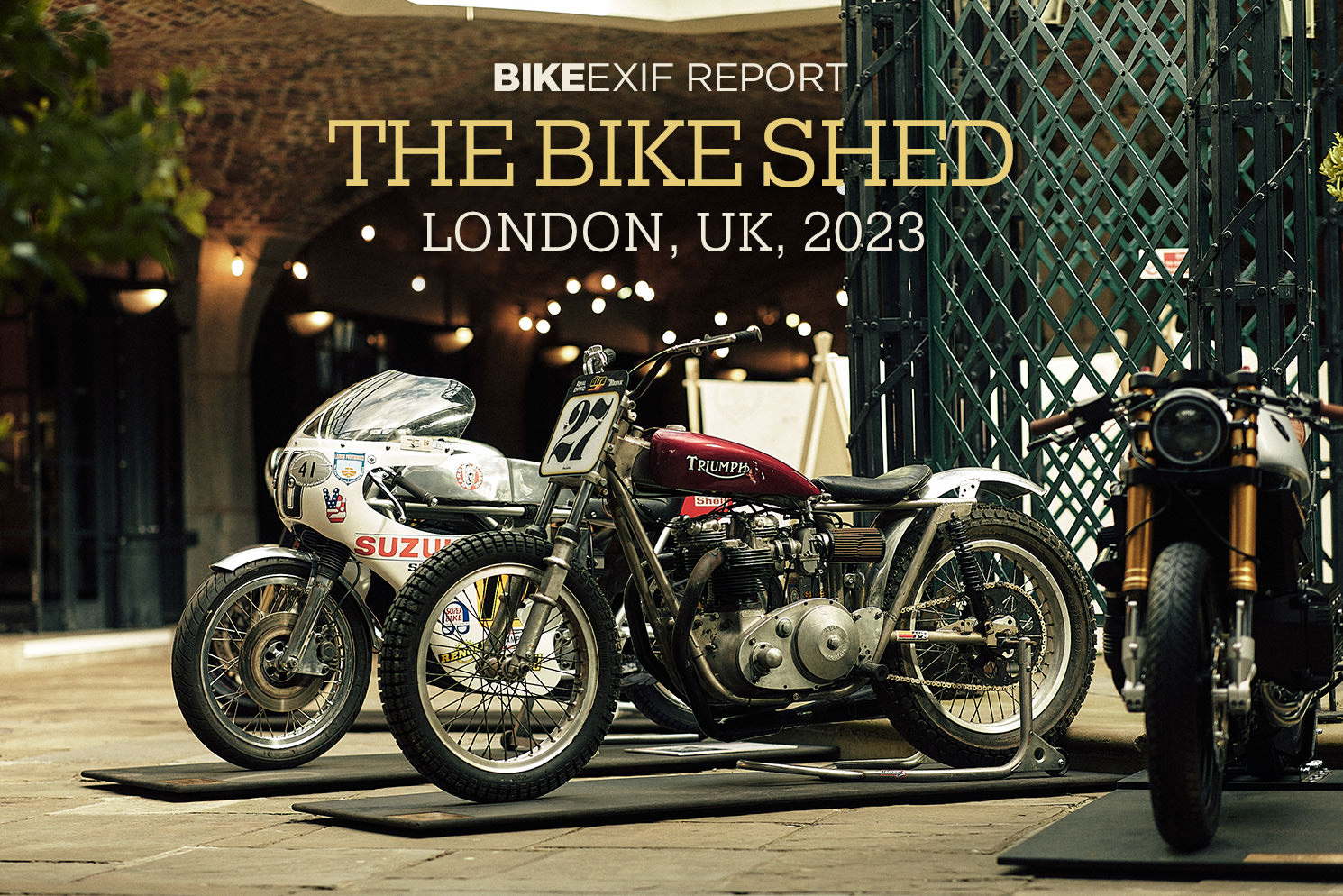
London Calling: 40 images from the Bike Shed Show

The Bike Shed Show report
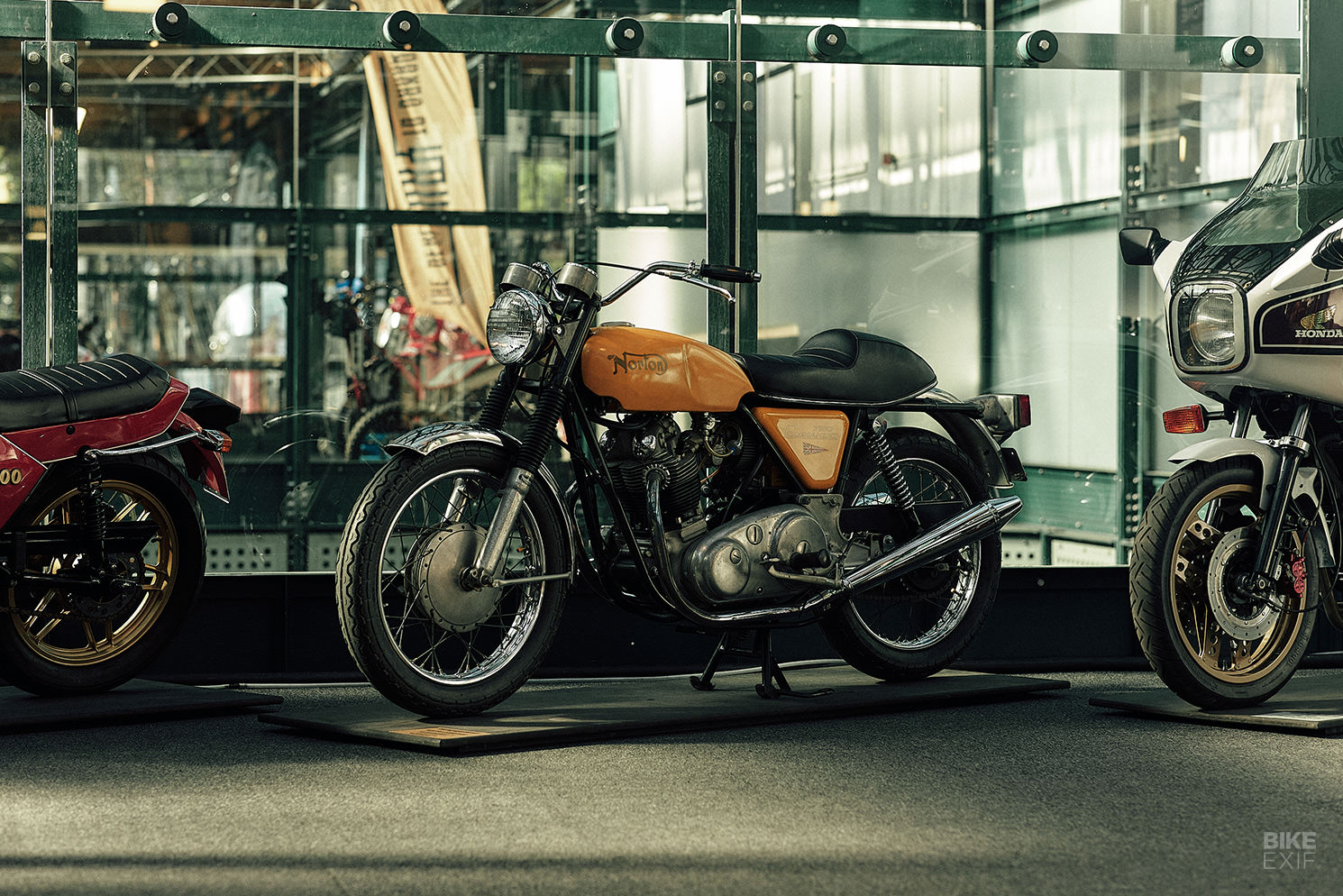
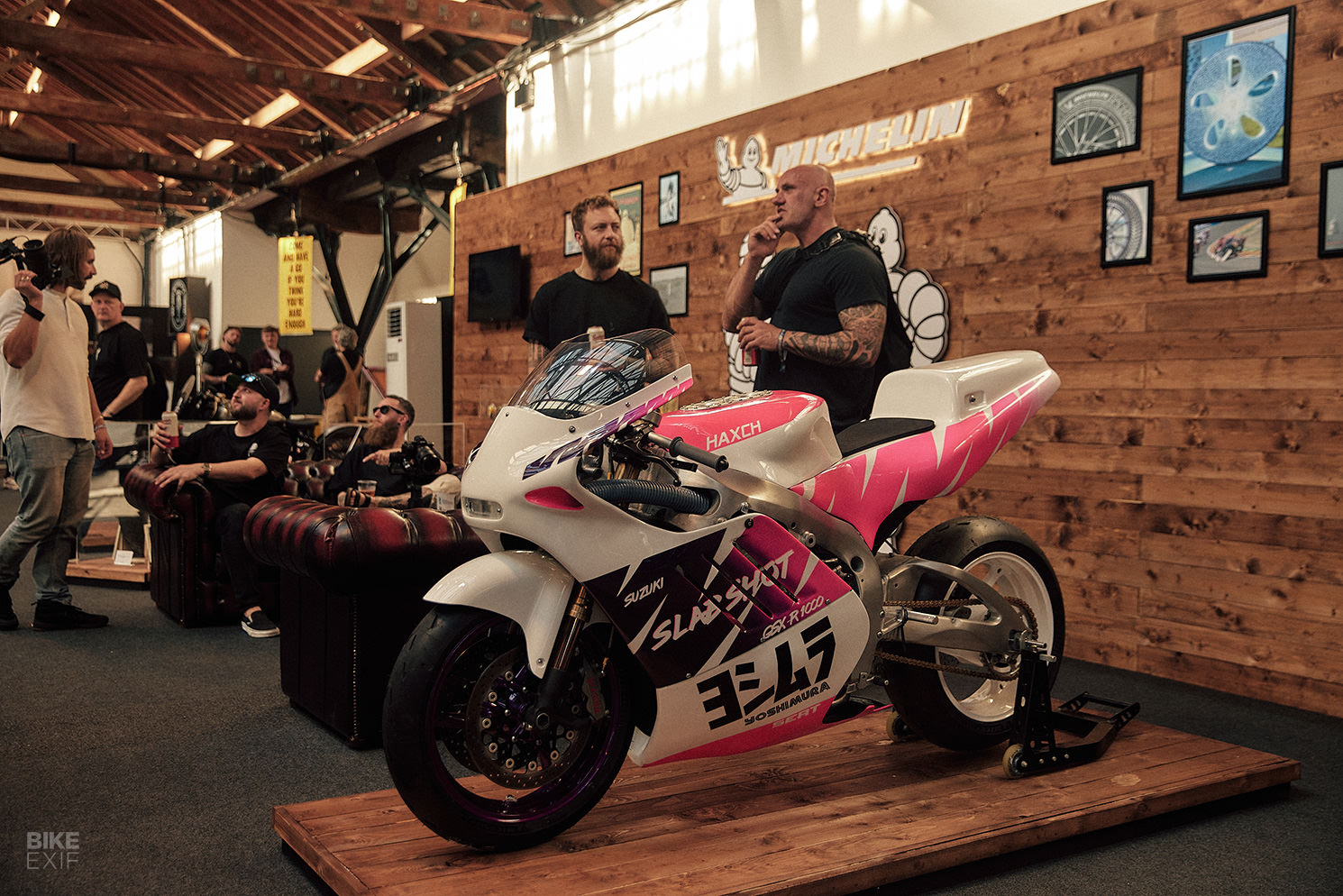
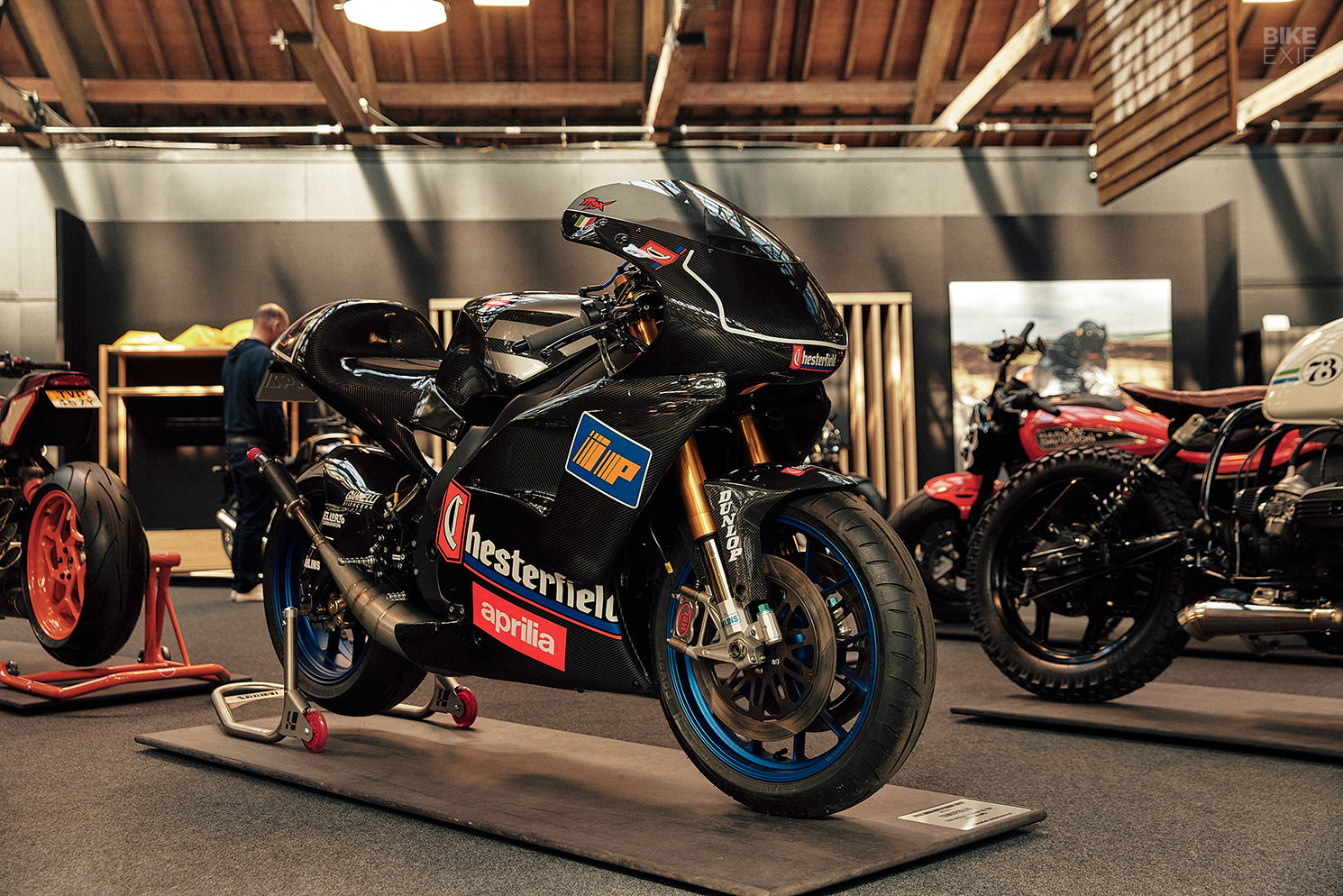
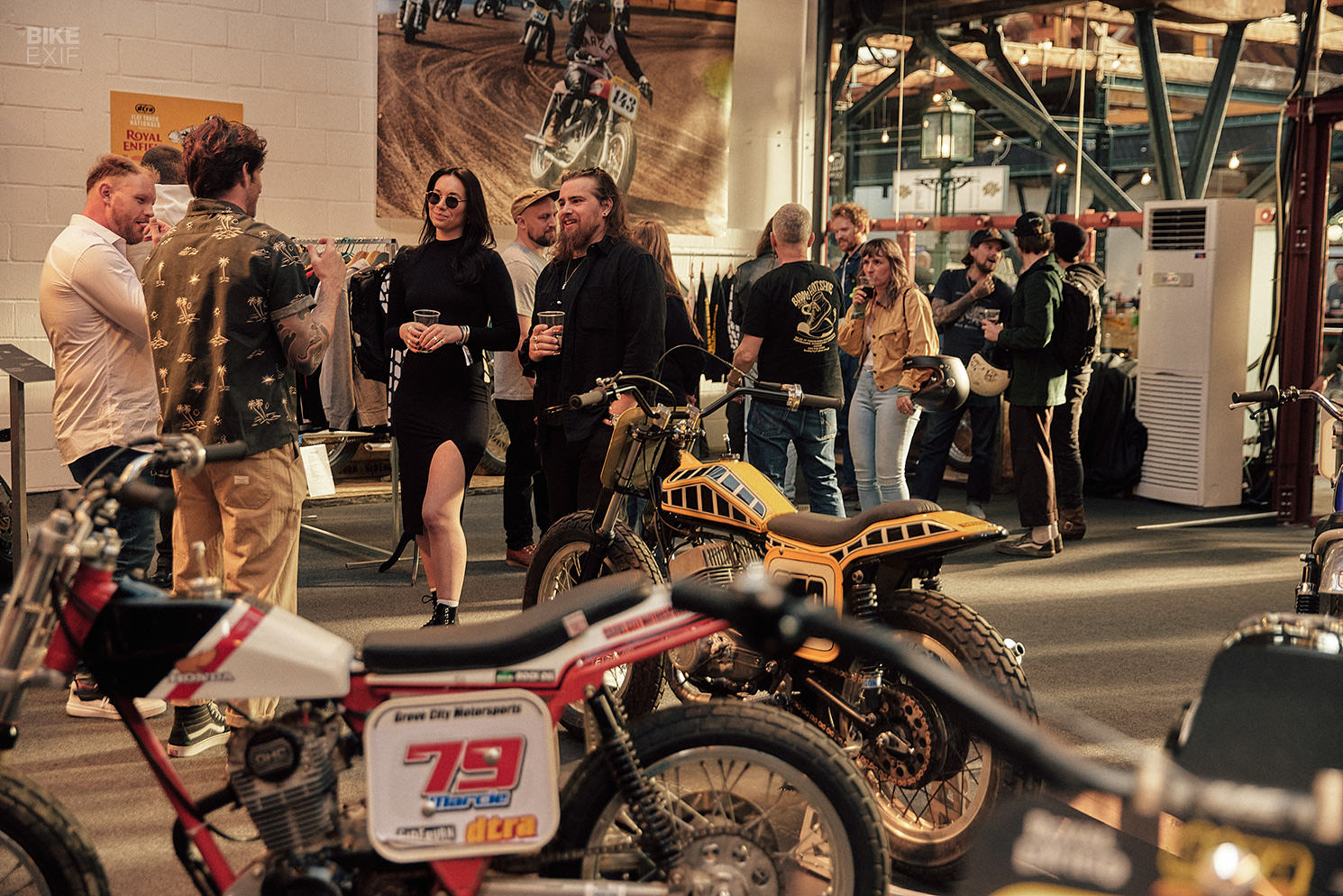
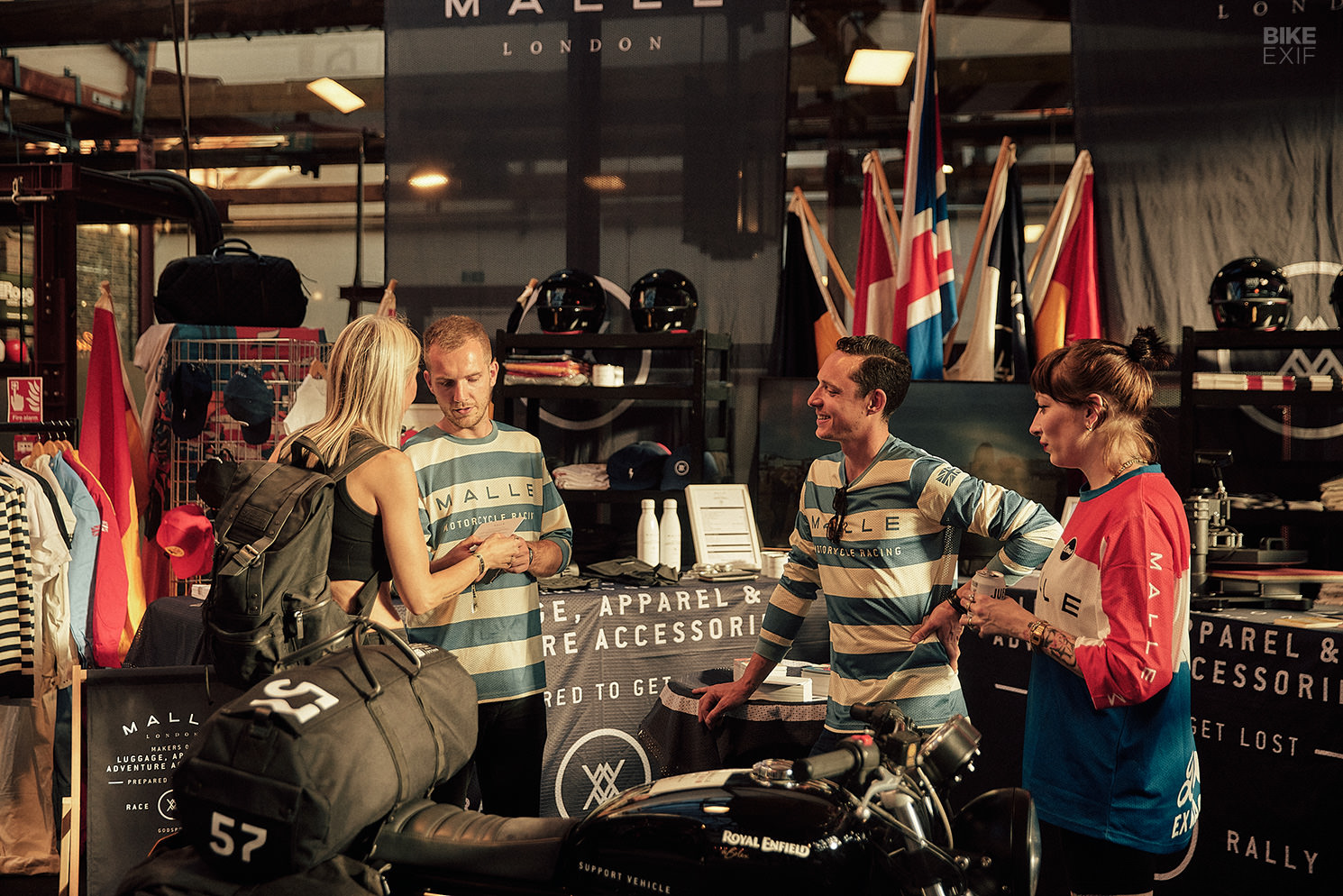
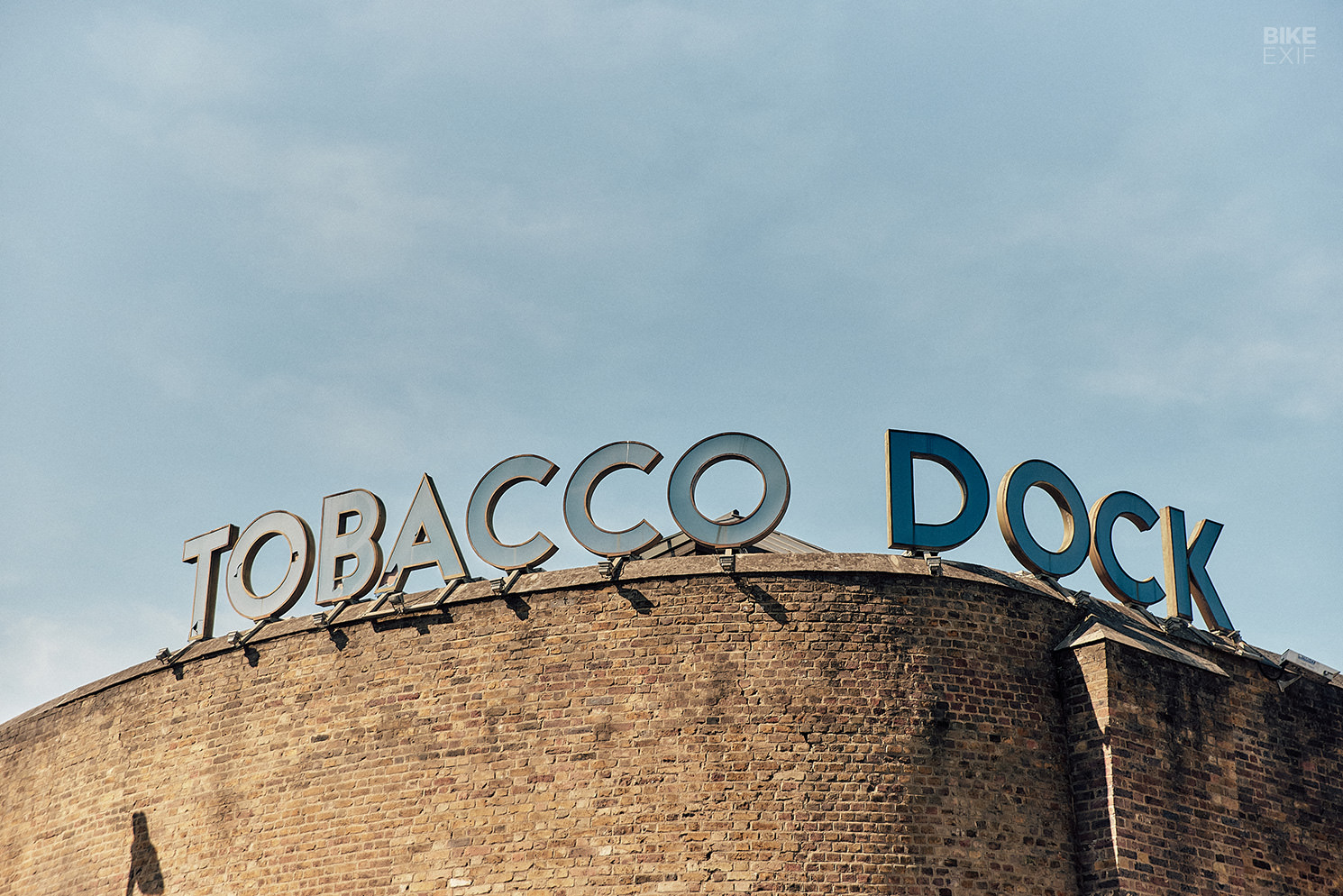
Watching thousands of people flood into London’s Tobacco Docks for the Bike Shed Show, it’s amazing to see what can grow from a mere love and admiration for custom motorcycles. The Bike Shed started as a custom motorcycle blog in 2011, but eventually grew into a restaurant, retail space and gear brand. It first opened in London, and then expanded to Los Angeles last year.

Now the brand has put on more than 13 of these custom shows between London and Paris—so it’s safe to say they’ve cracked the formula. So much so, in fact, that the Bike Shed Show often sits on many a custom builder’s calendar, as the deadline for whatever project they’re working on.

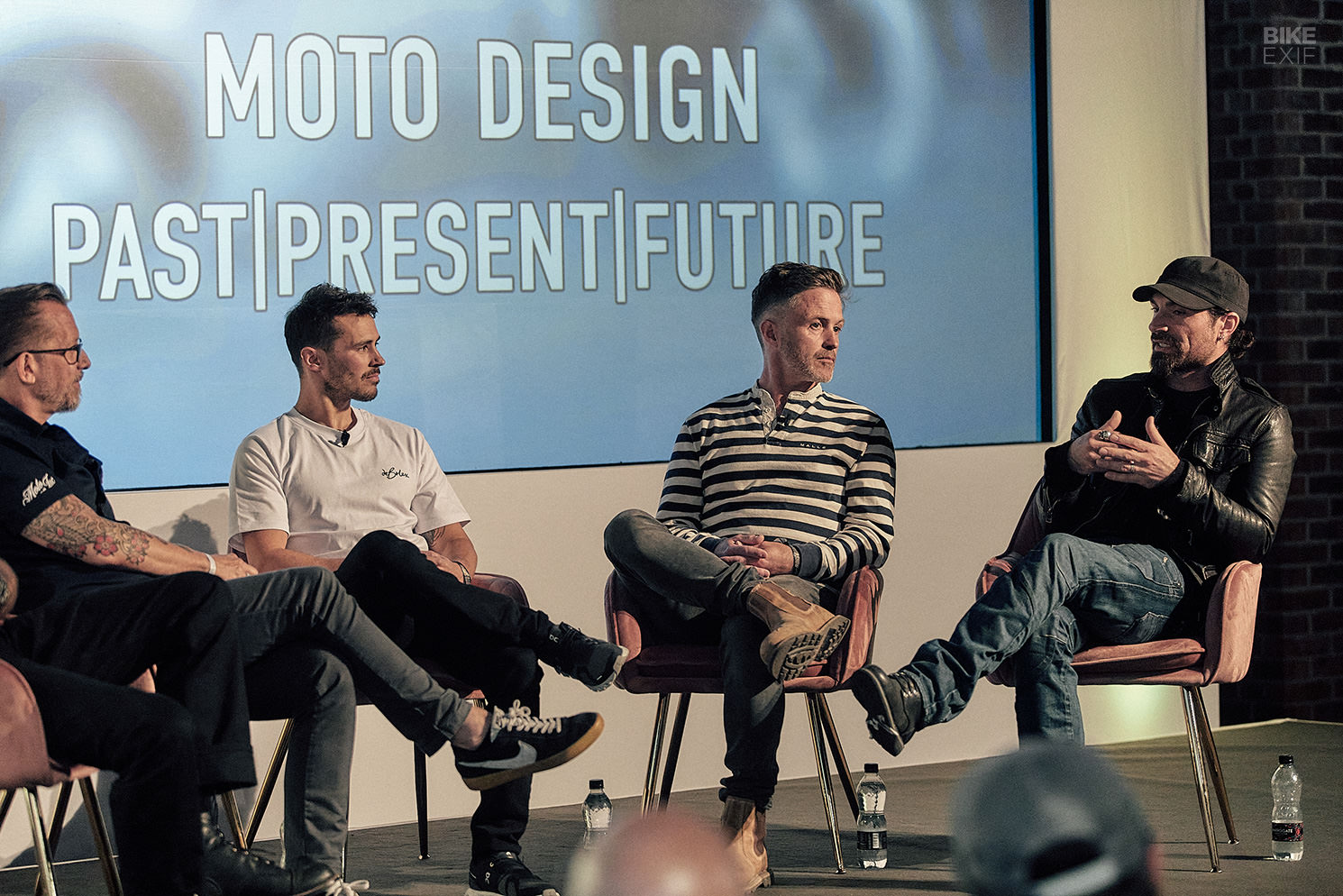
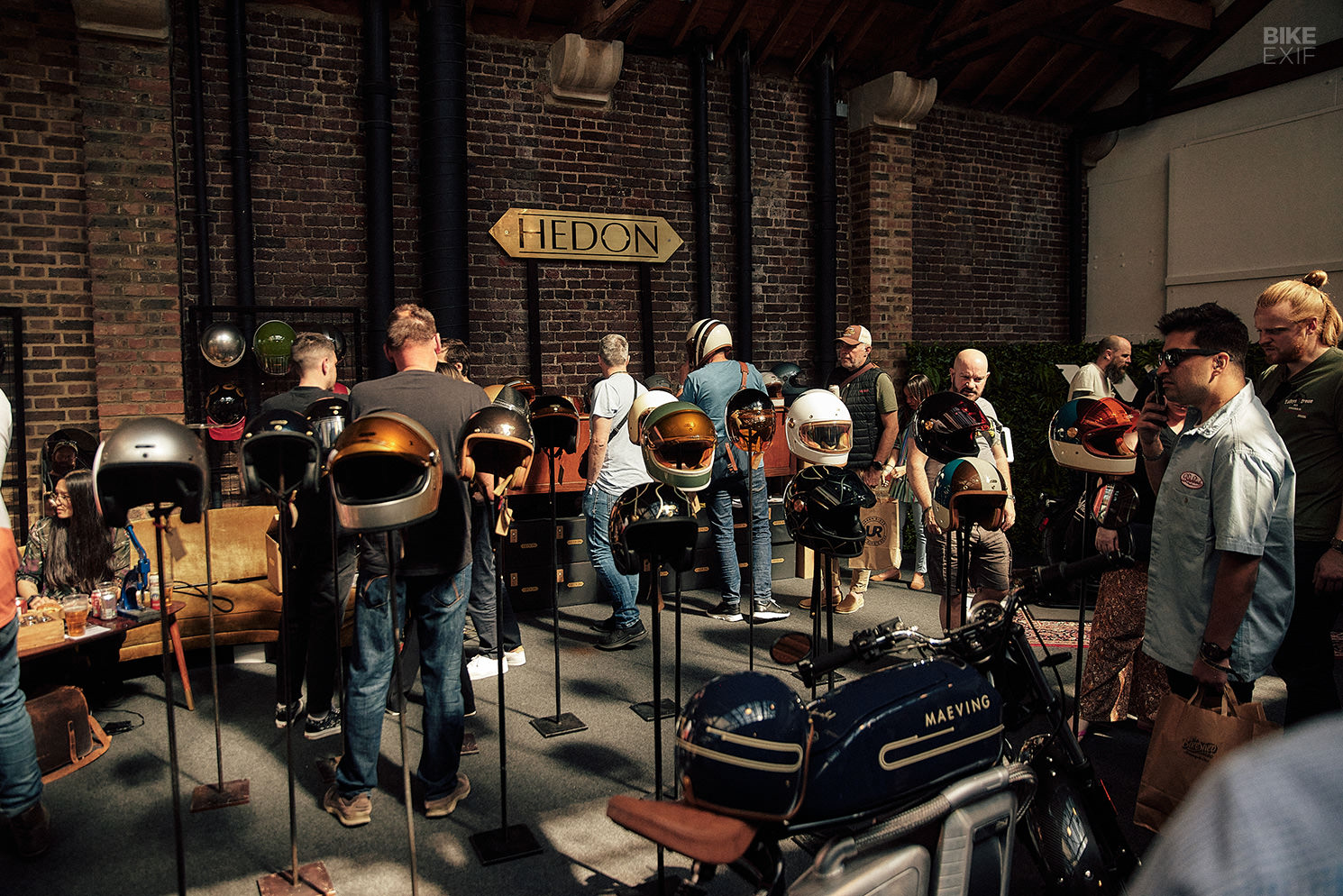
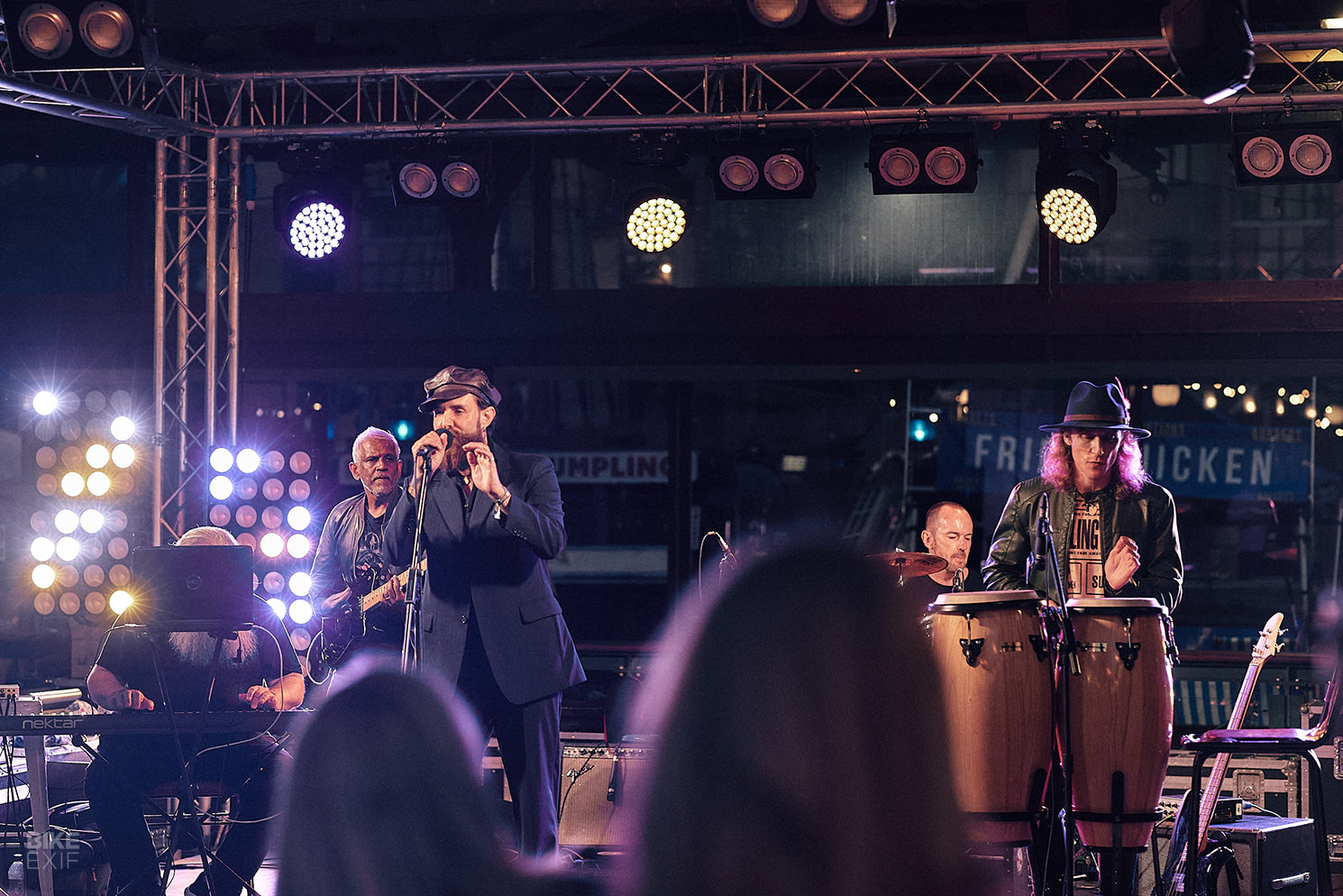
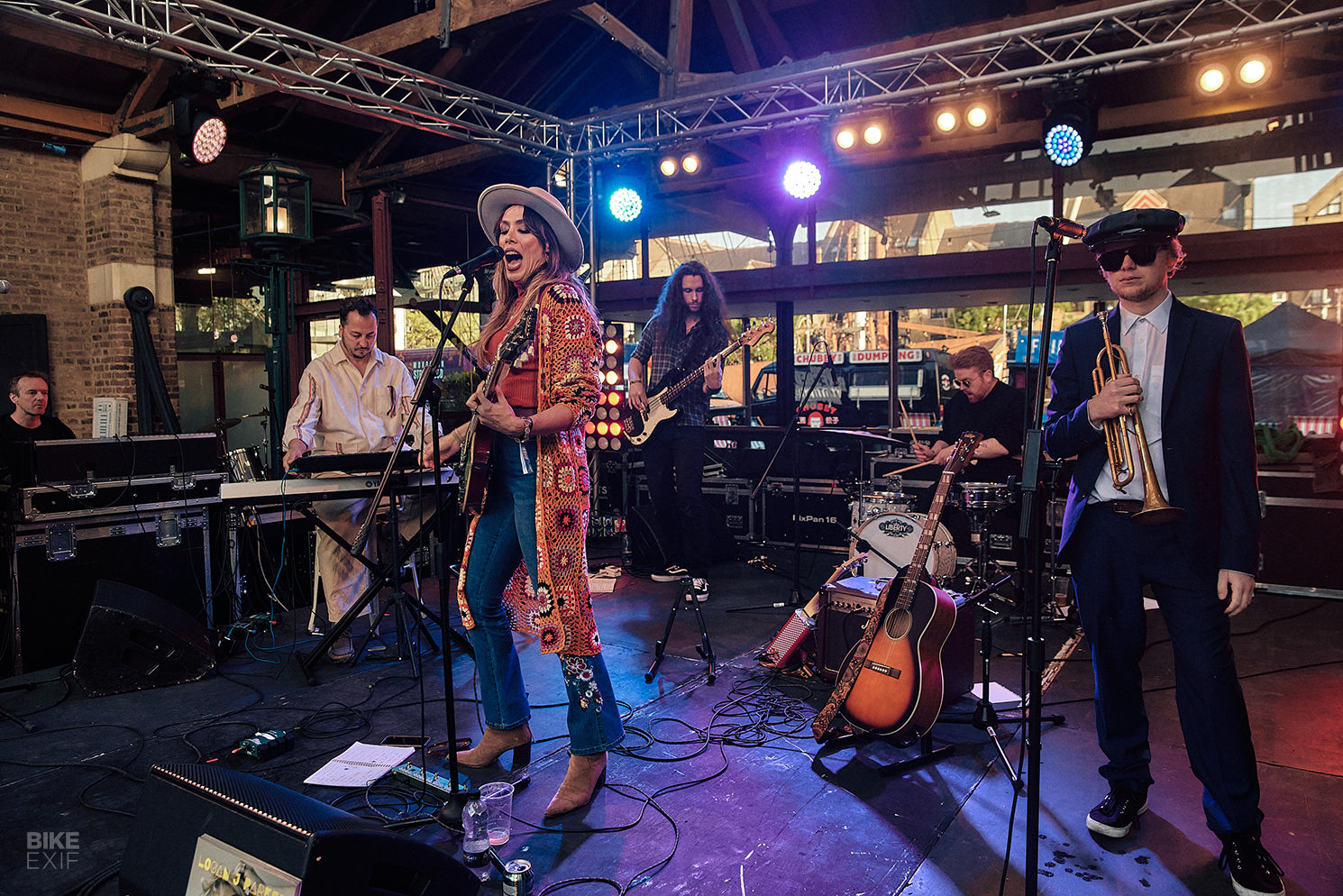
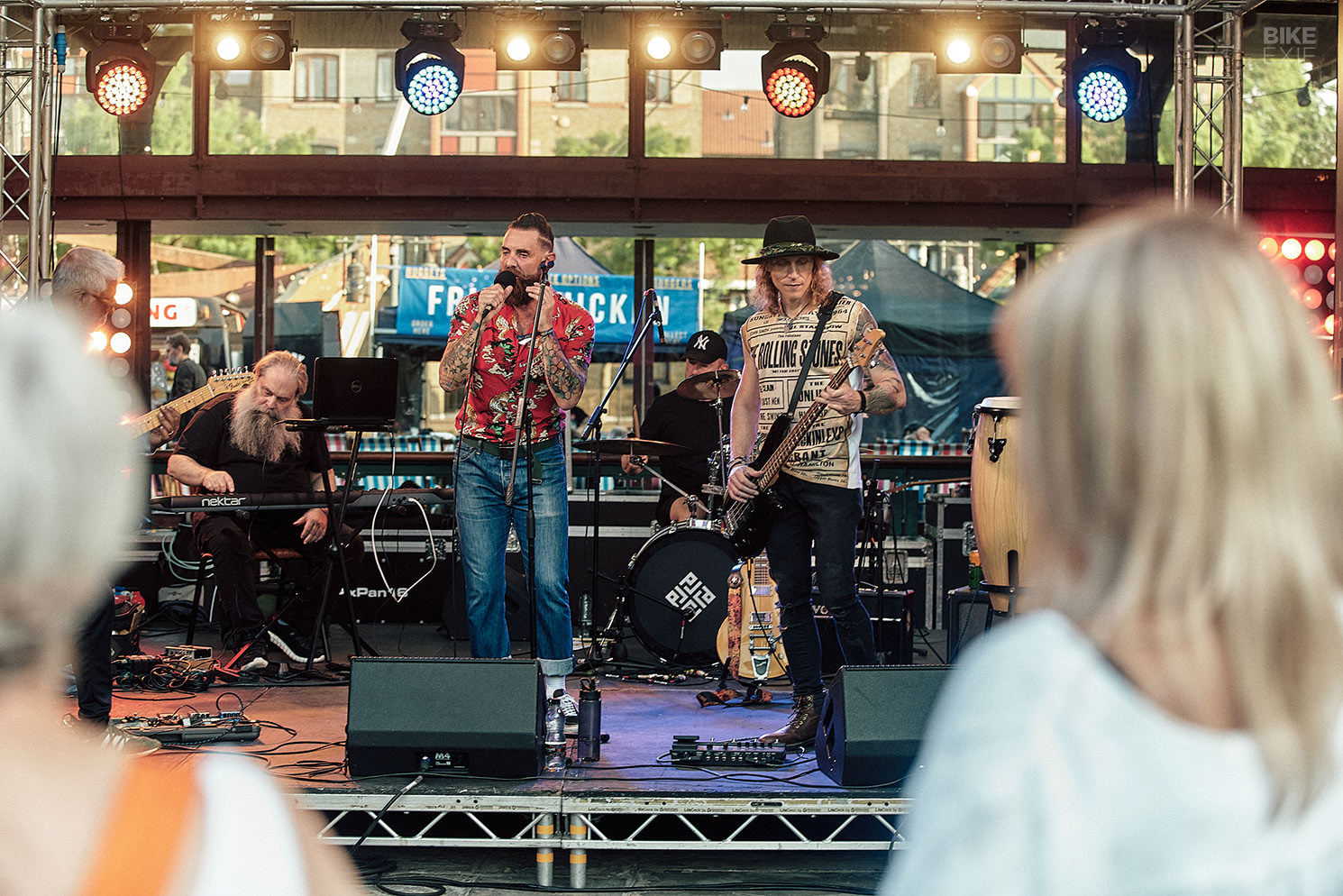
The show not only features a ton of custom bikes with lots of variety, but also has live music, great food, top vendors from all over the world, and panel discussions with brands and builders.

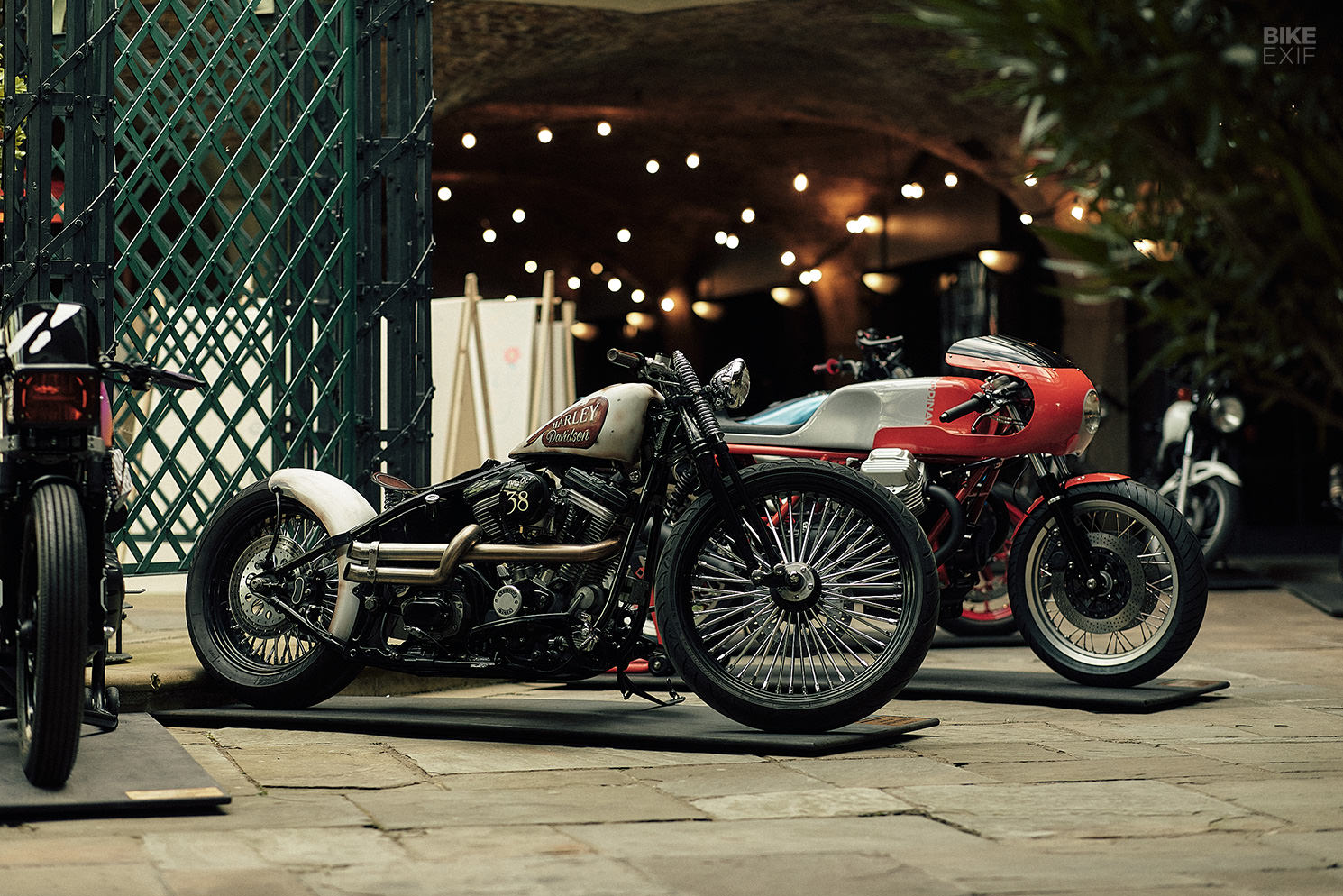
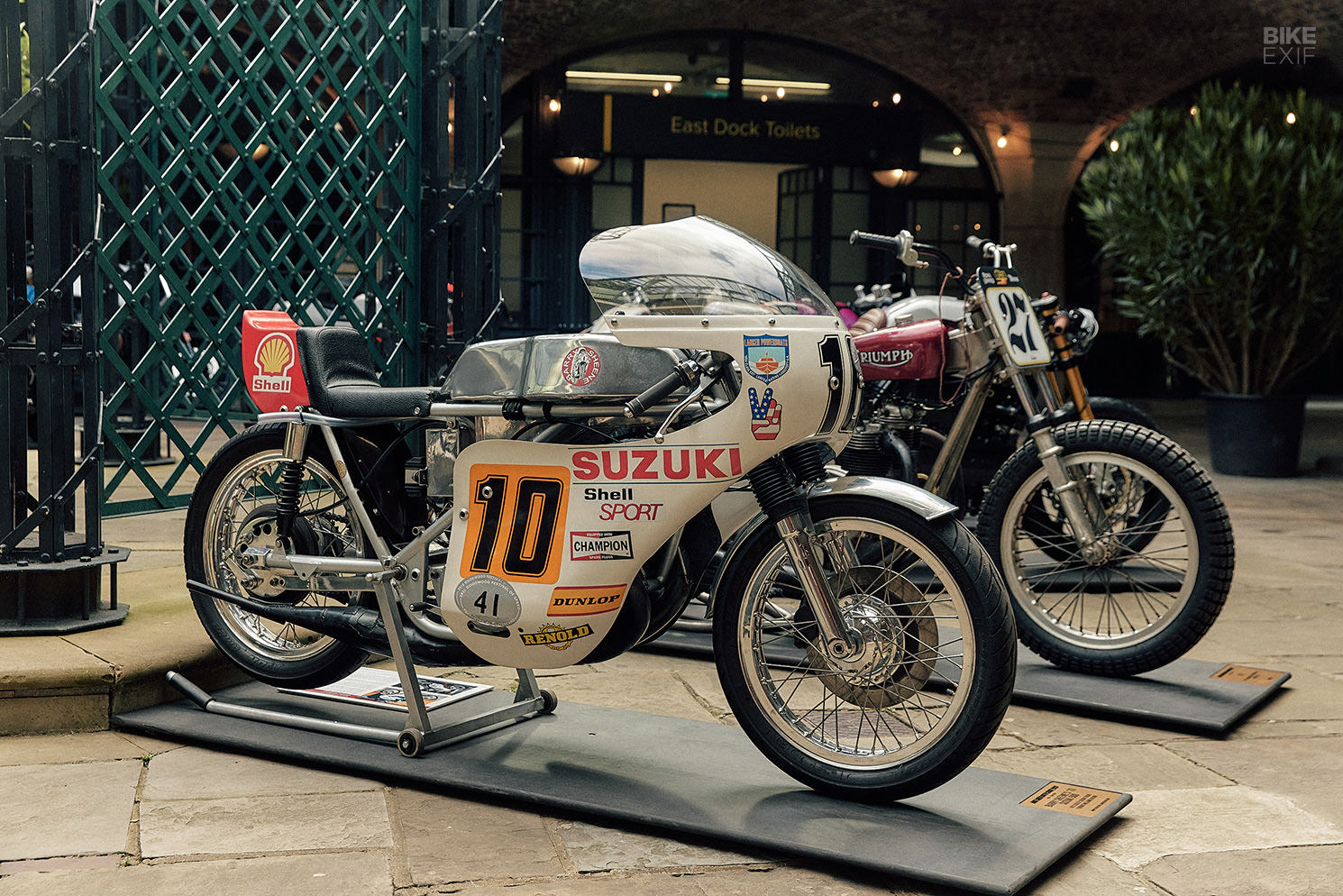
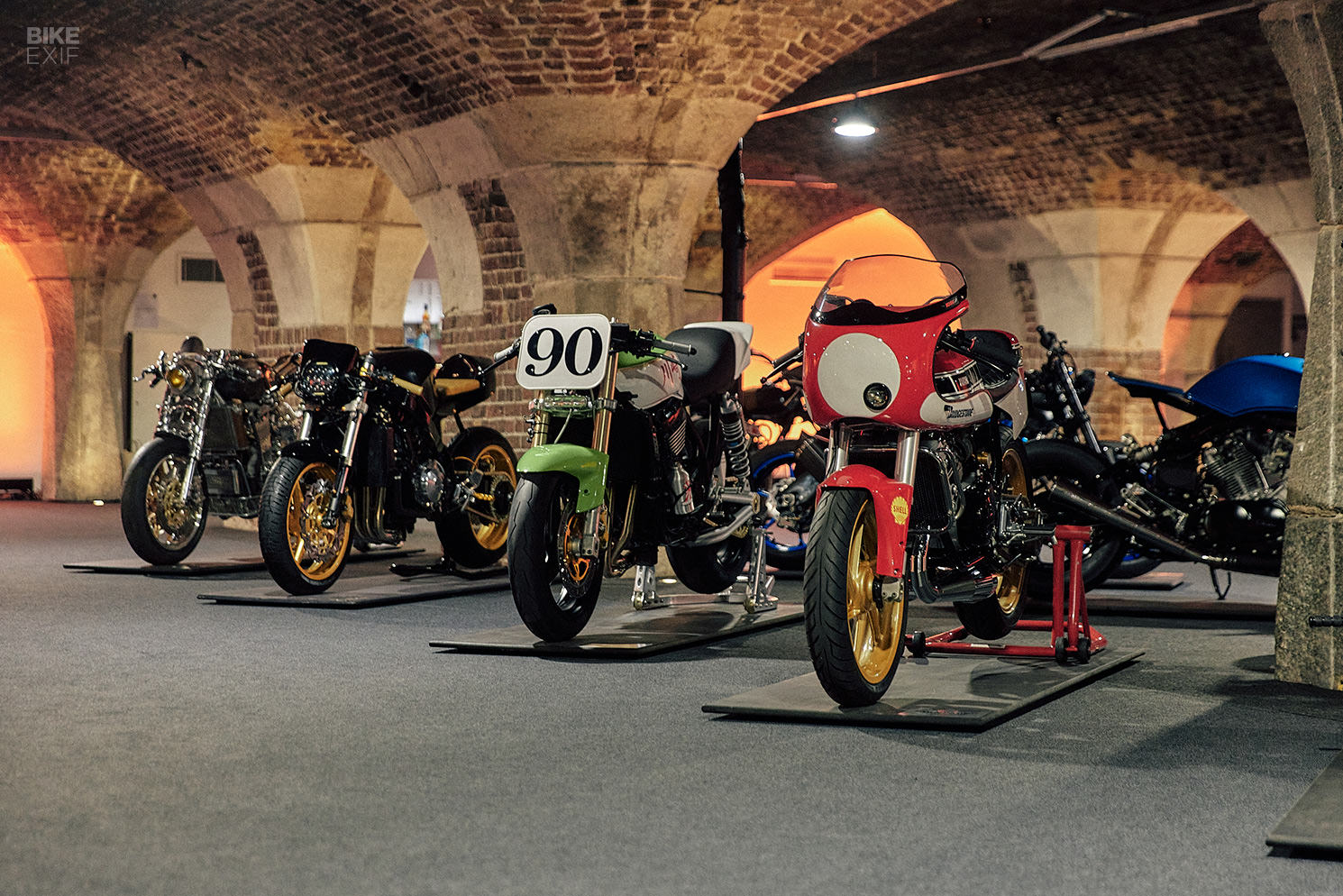
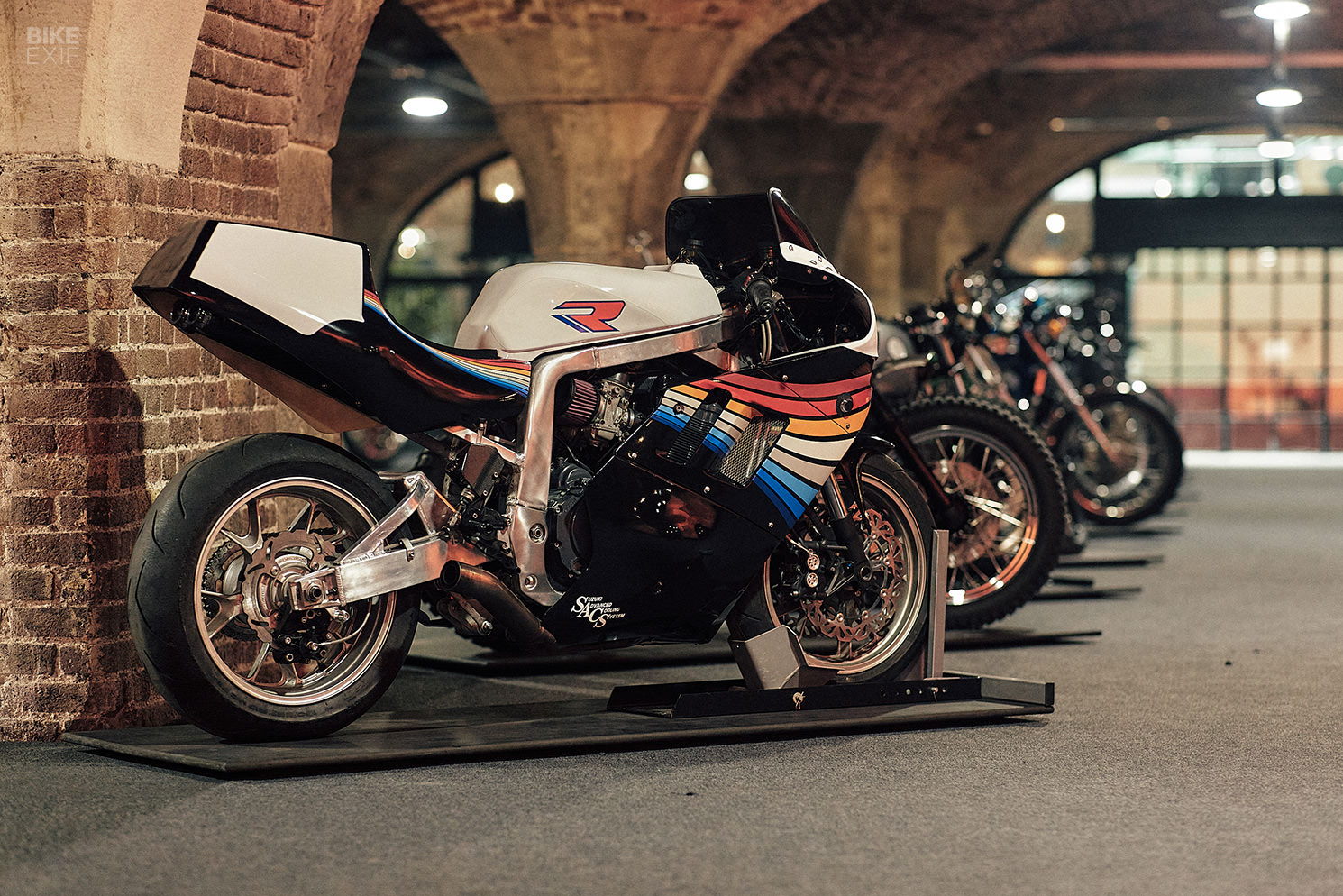
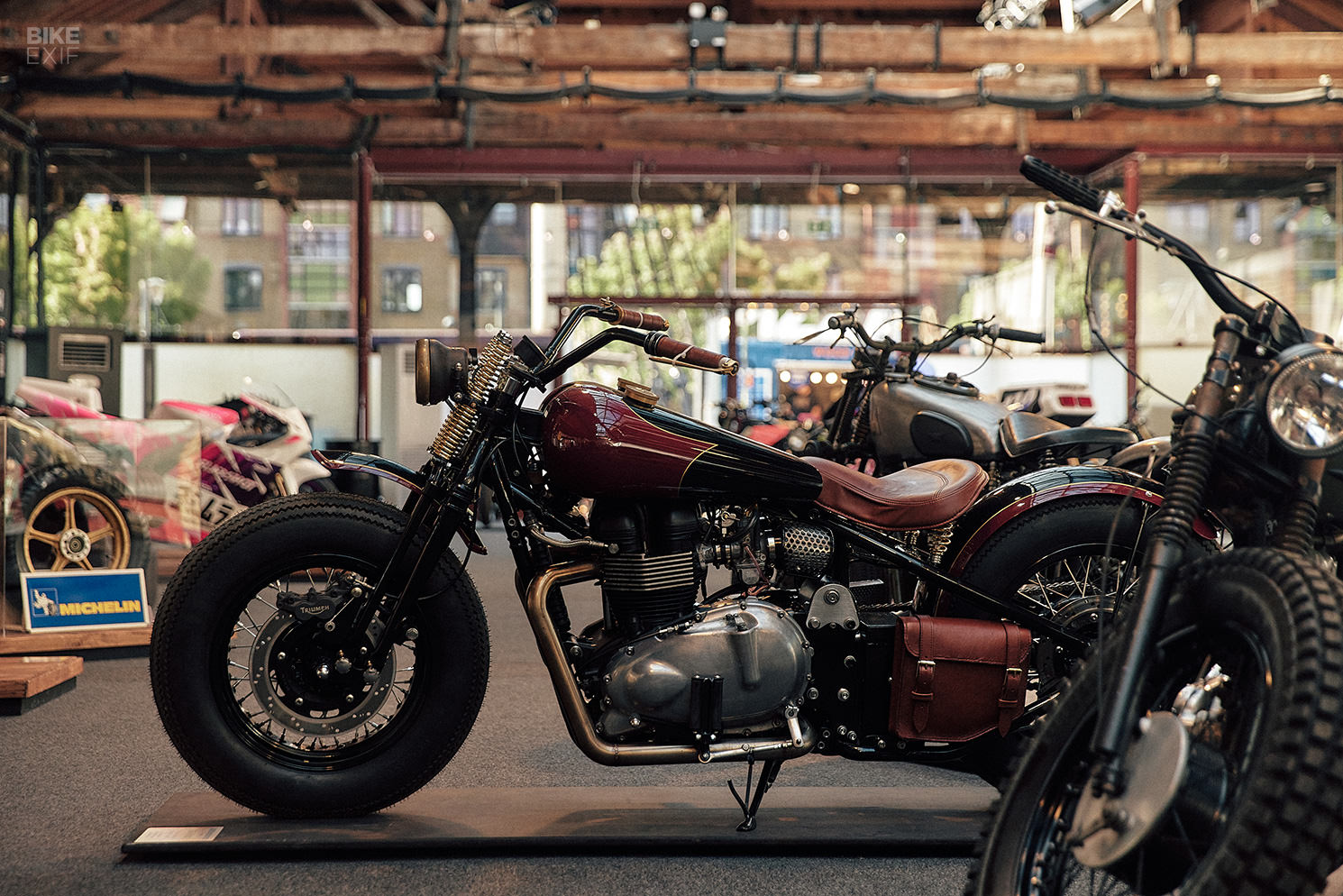
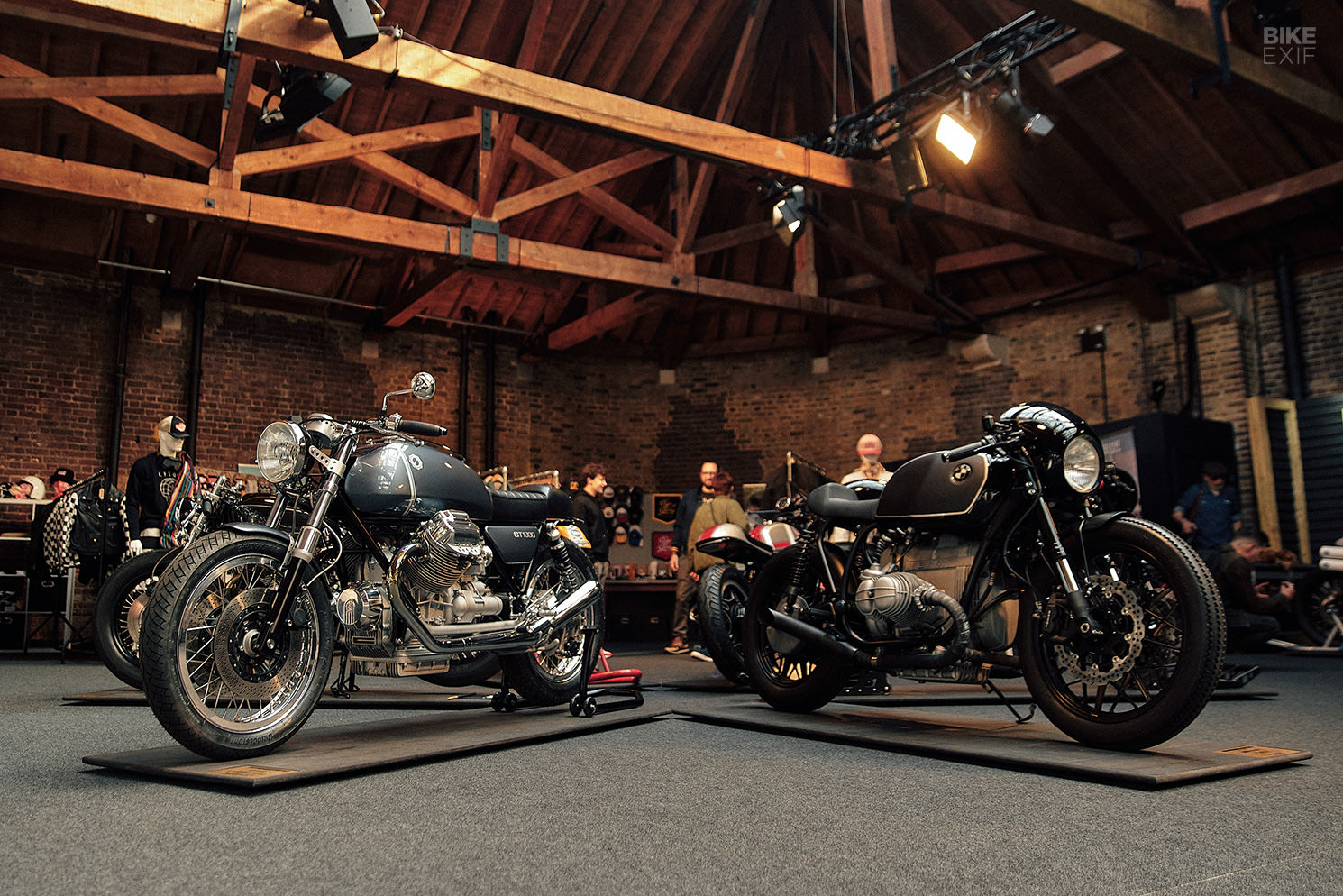
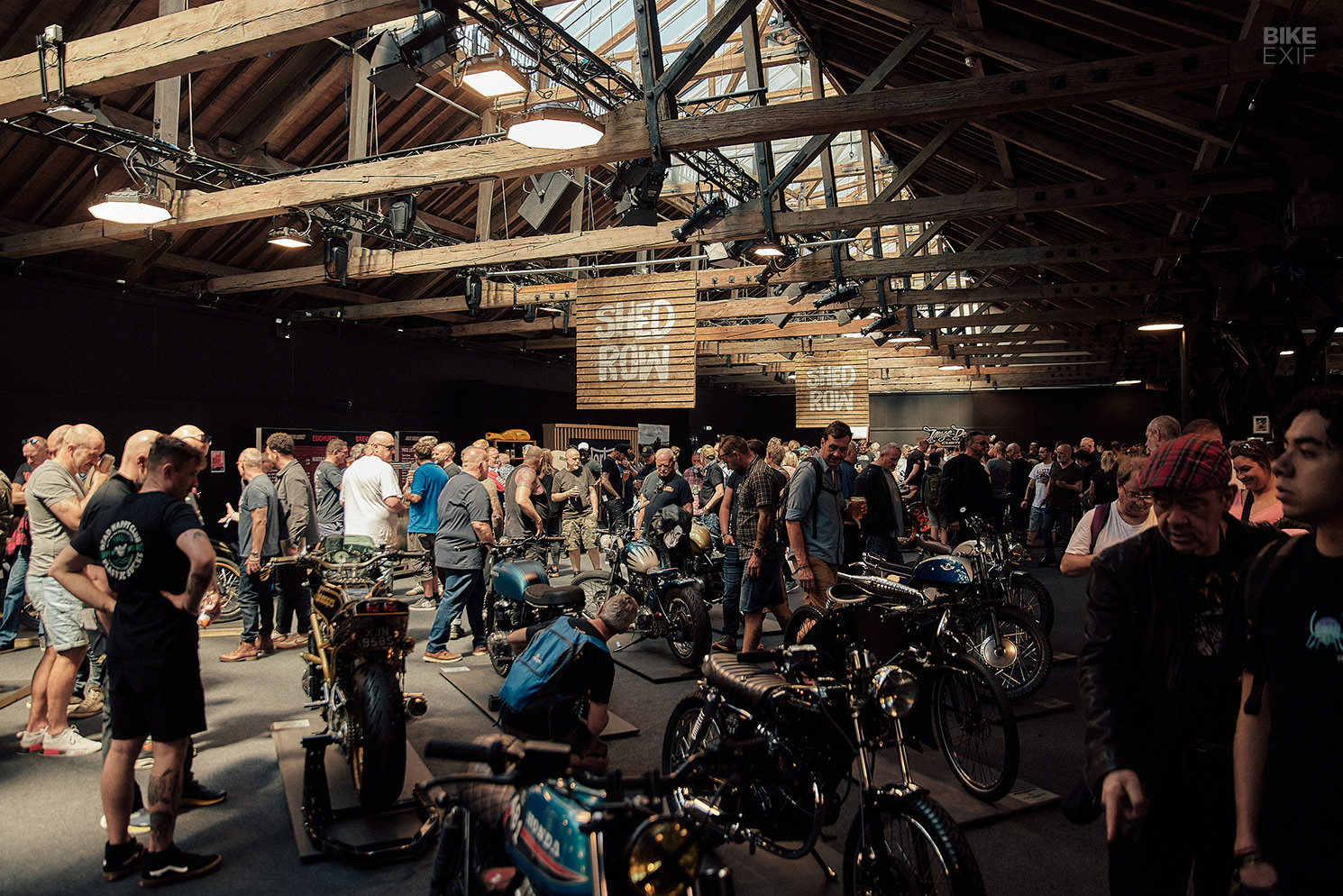
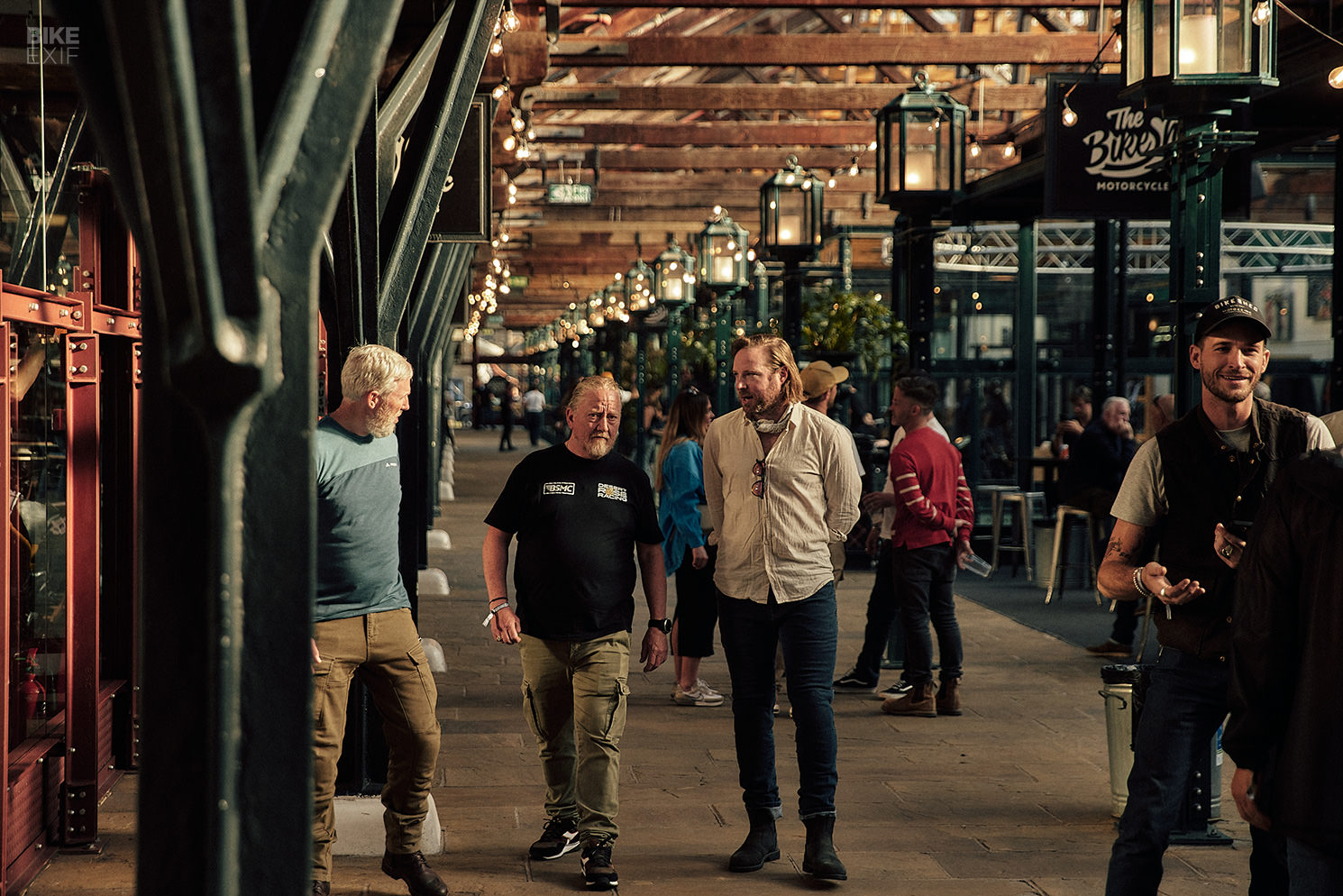
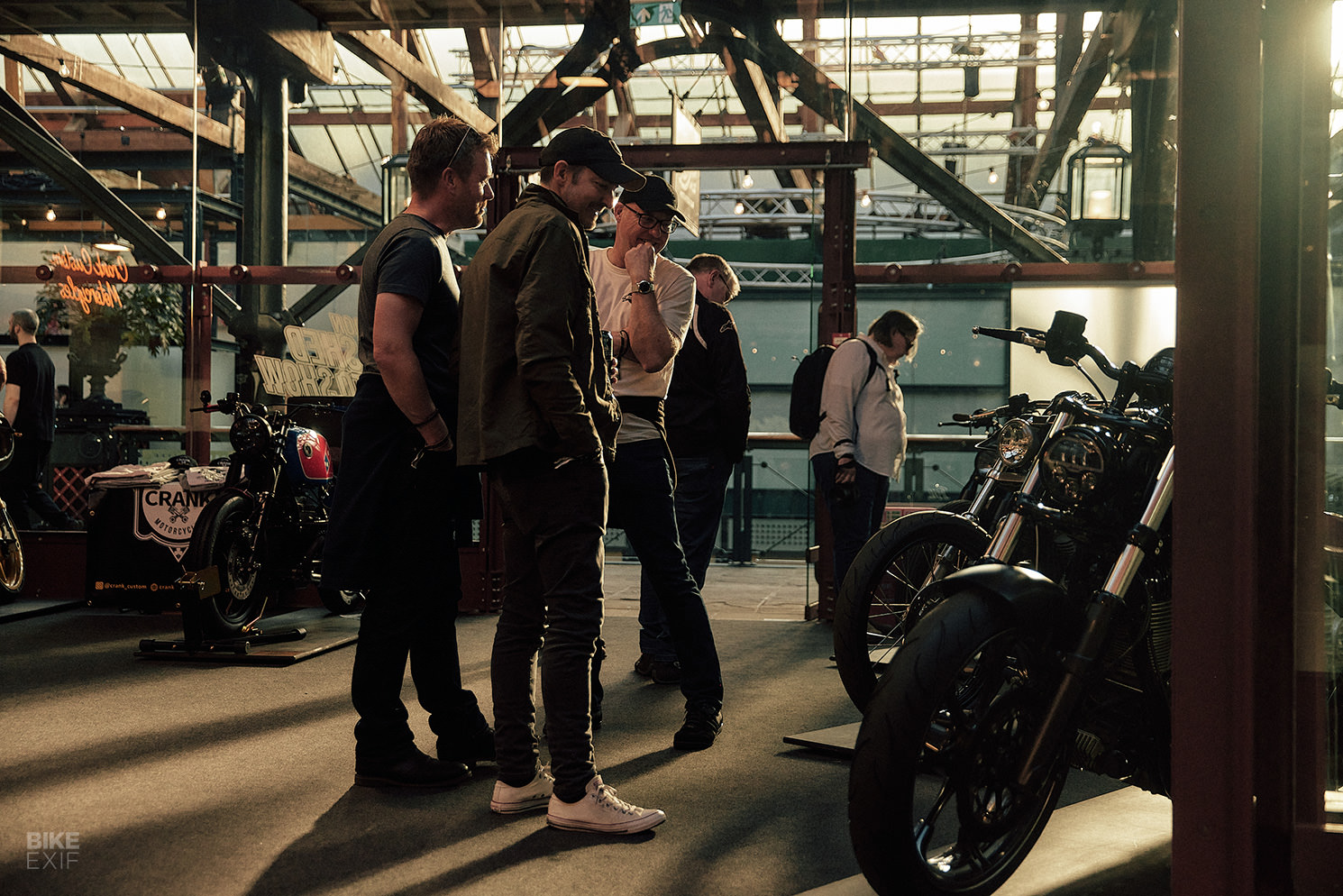
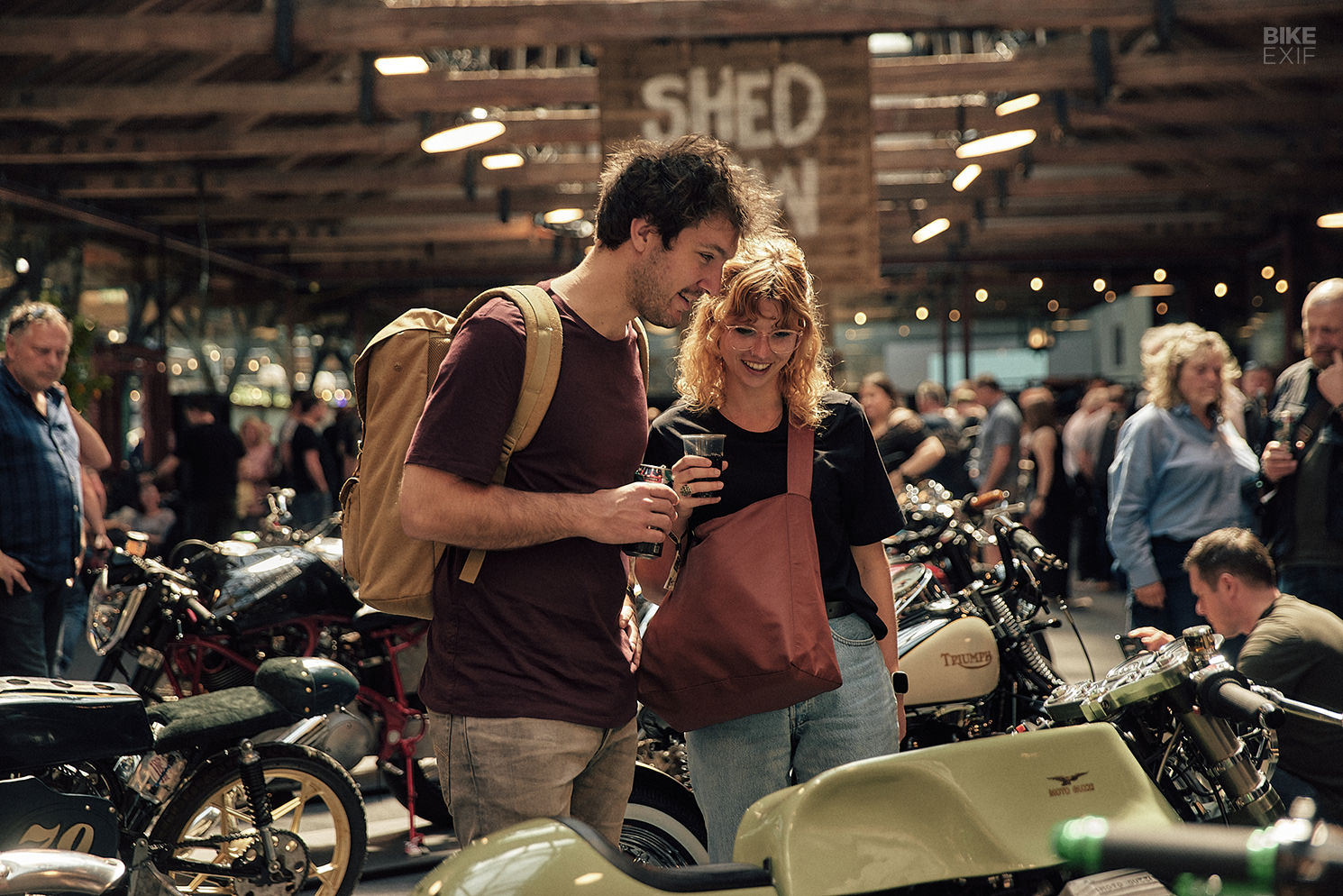
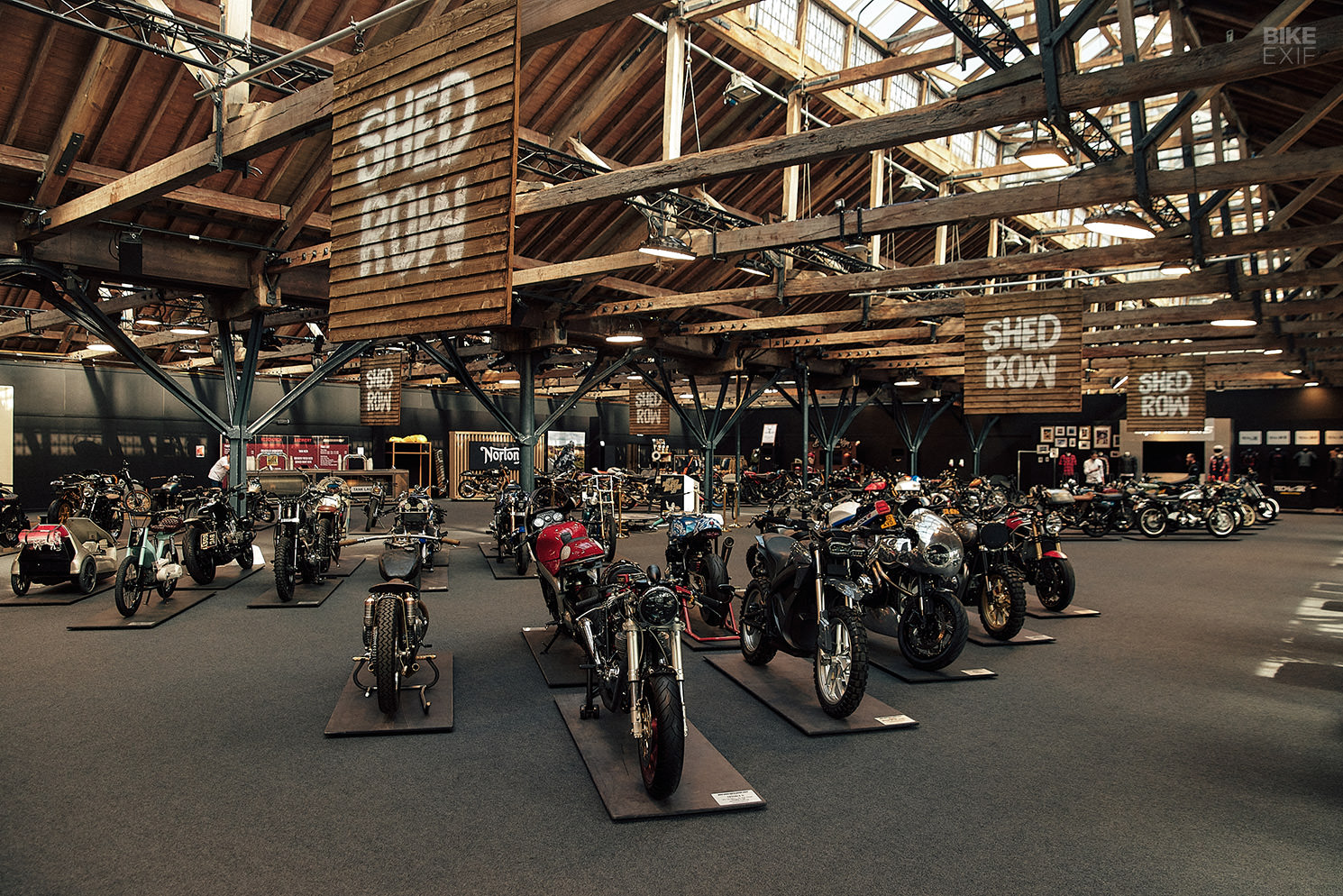
This year’s London edition show took place at the end of May at the Tobacco Docks, a large, two story warehouse building constructed in 1812. Stone walkways lead from room to room, each hosting a different array of custom machines. The ‘Great Gallery’ was for garage builders without well-known shops, with more grassroots builds downstairs in ‘Shed Row.’ Mini bikes and electrics occupied the ‘Future Room.’

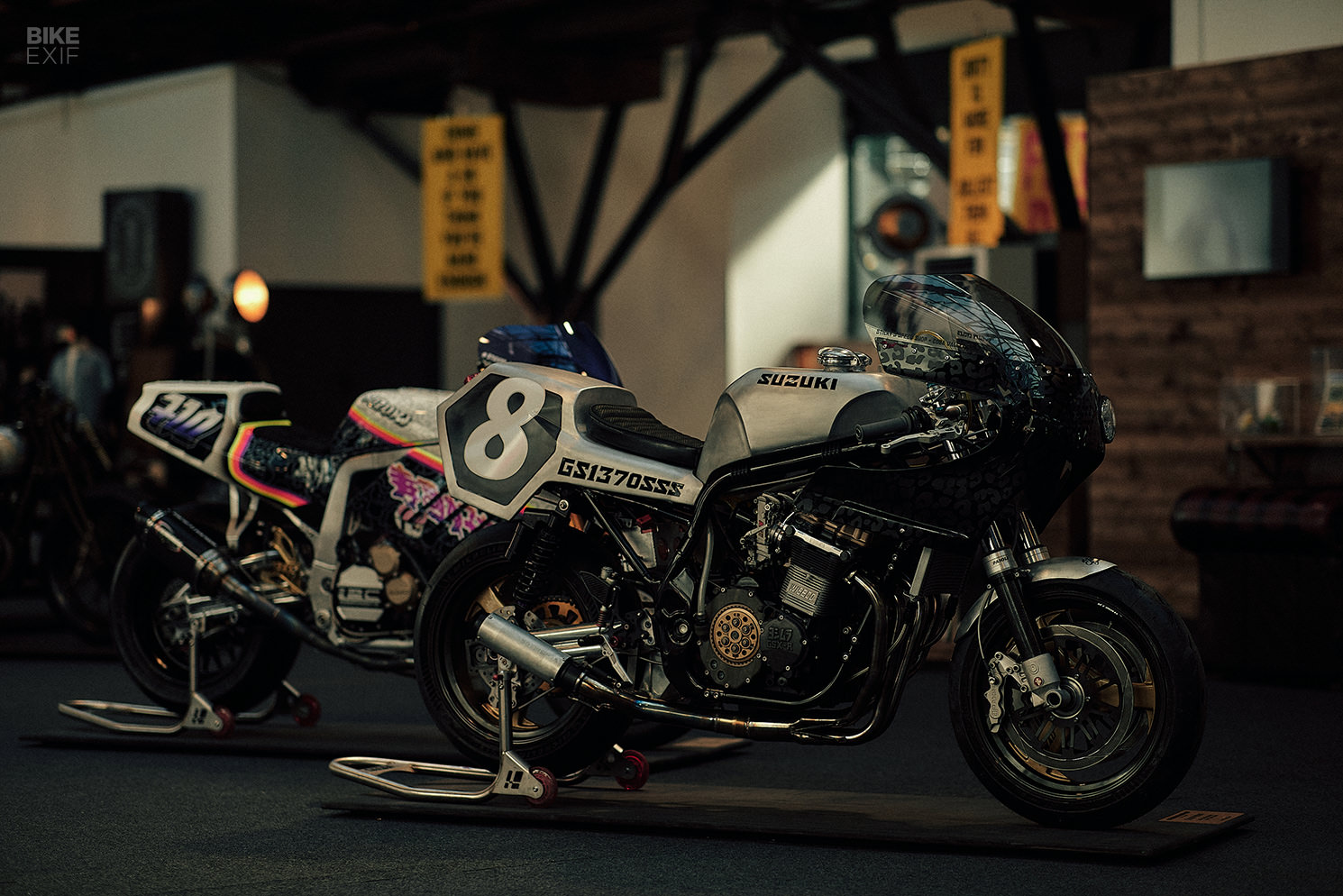
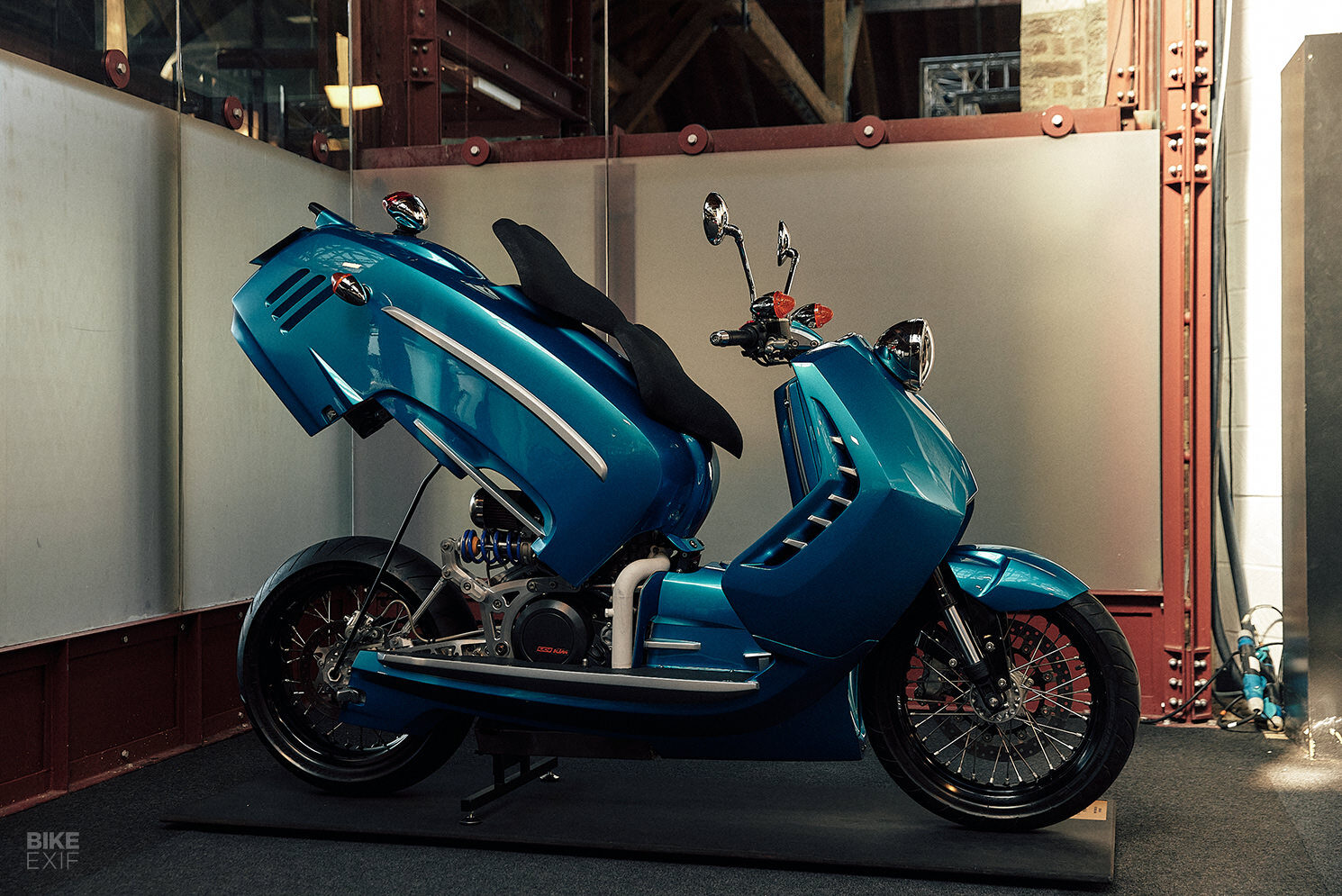
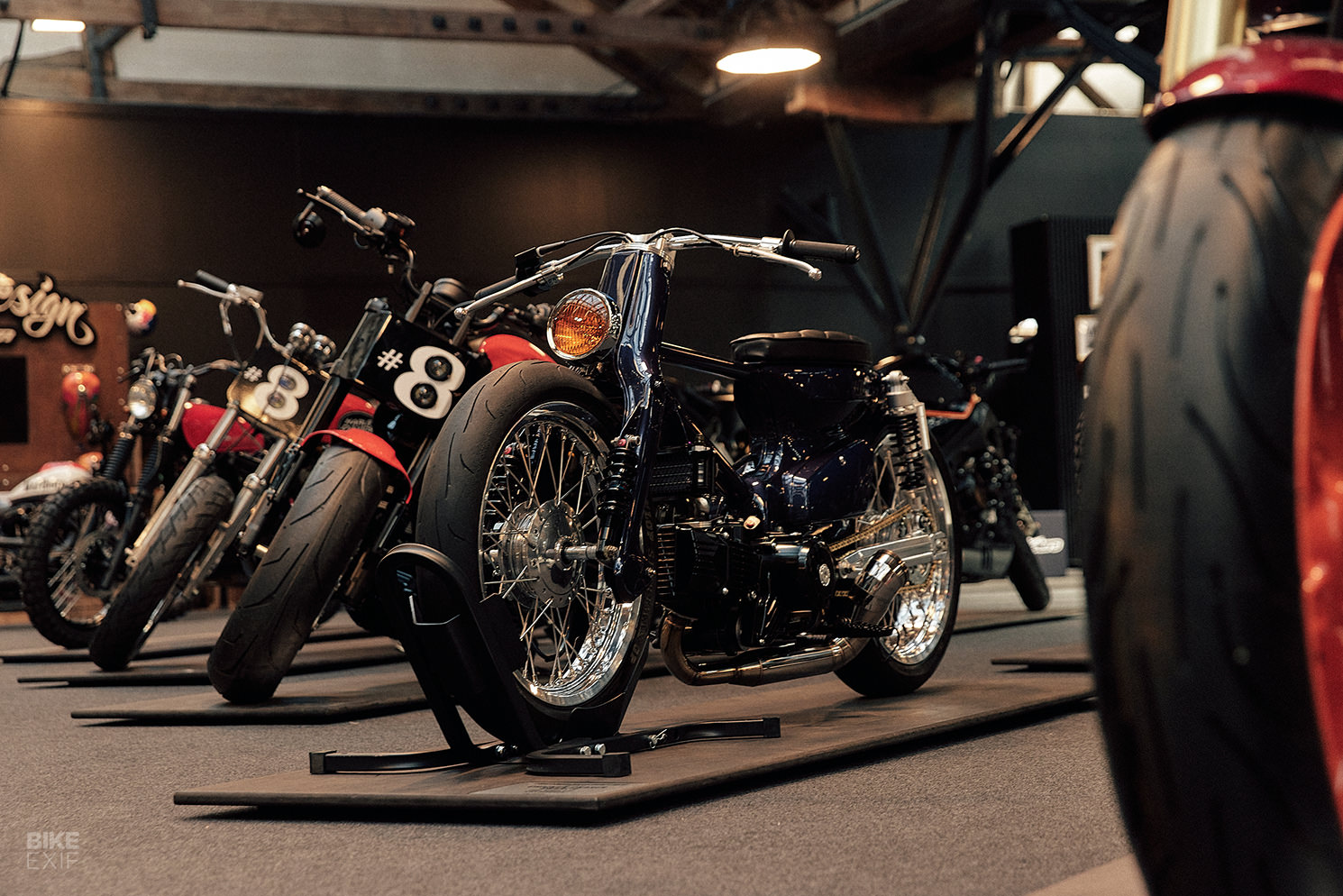
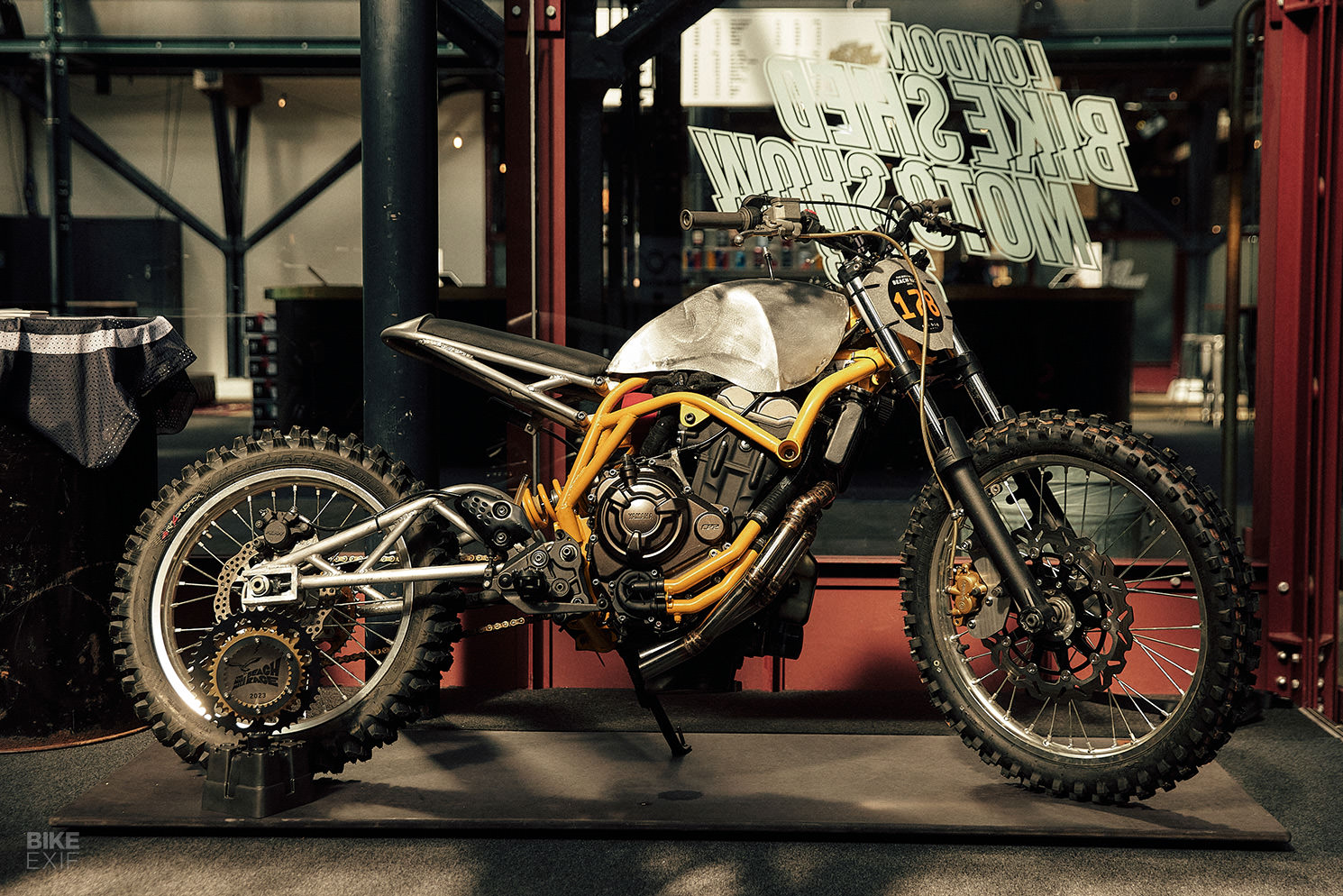
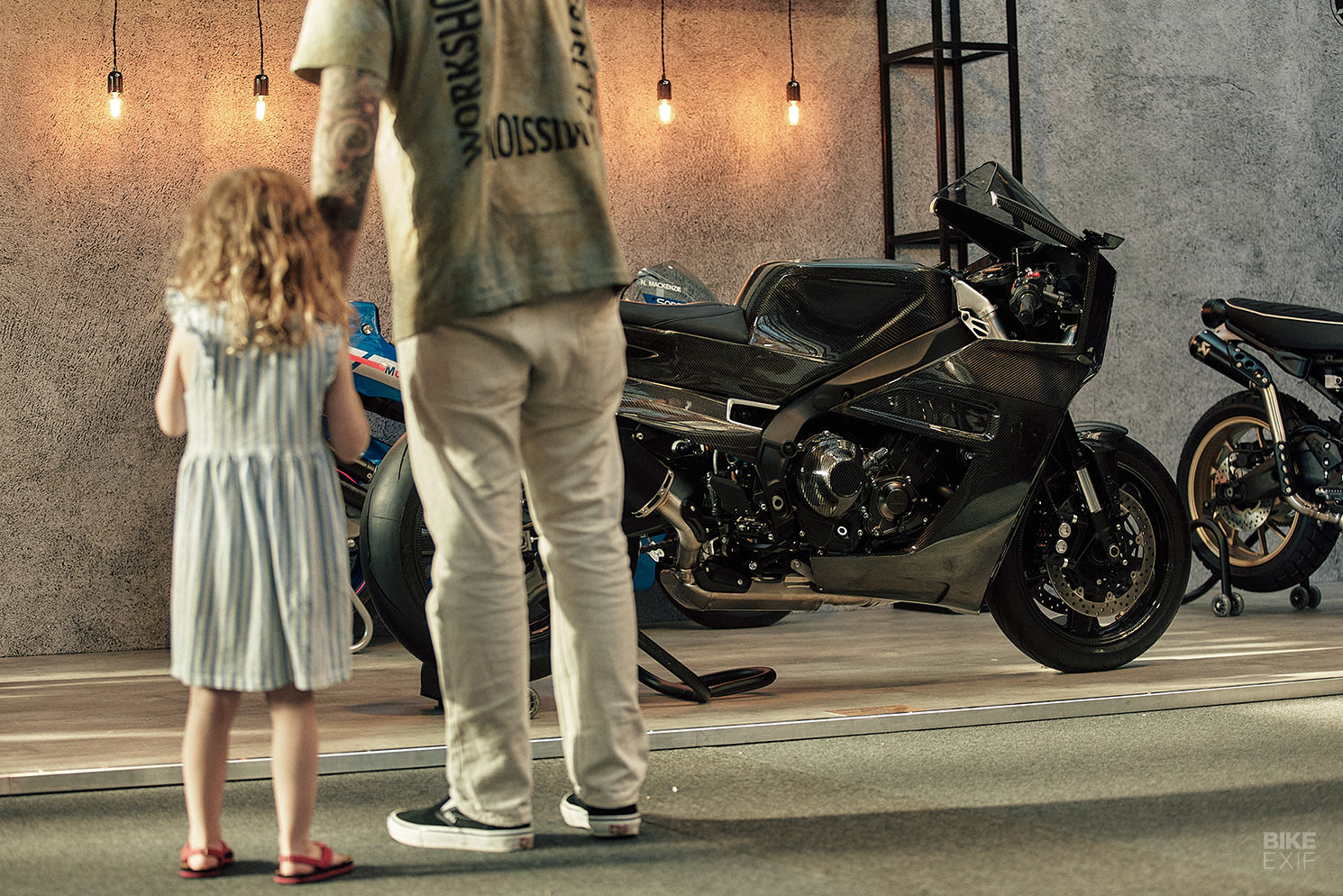
So you had a 430 hp Suzuki sitting next to a motorcycle that’s pulled a wheelie while going over 200 mph, right next to a Triumph Tiger chopper, a Honda Cub, and a Sinclair C5 recumbent E-bike thing. Other highlights included modern engines and chassis shrouded in 80s superbike bodywork, a scooter powered by a KTM LC4 engine, and even a bike that was completely virtual. (It existed only as an augmented reality design, shifting from cruiser to sport to adventure, right there in front of viewers as they pointed their phones at it.)

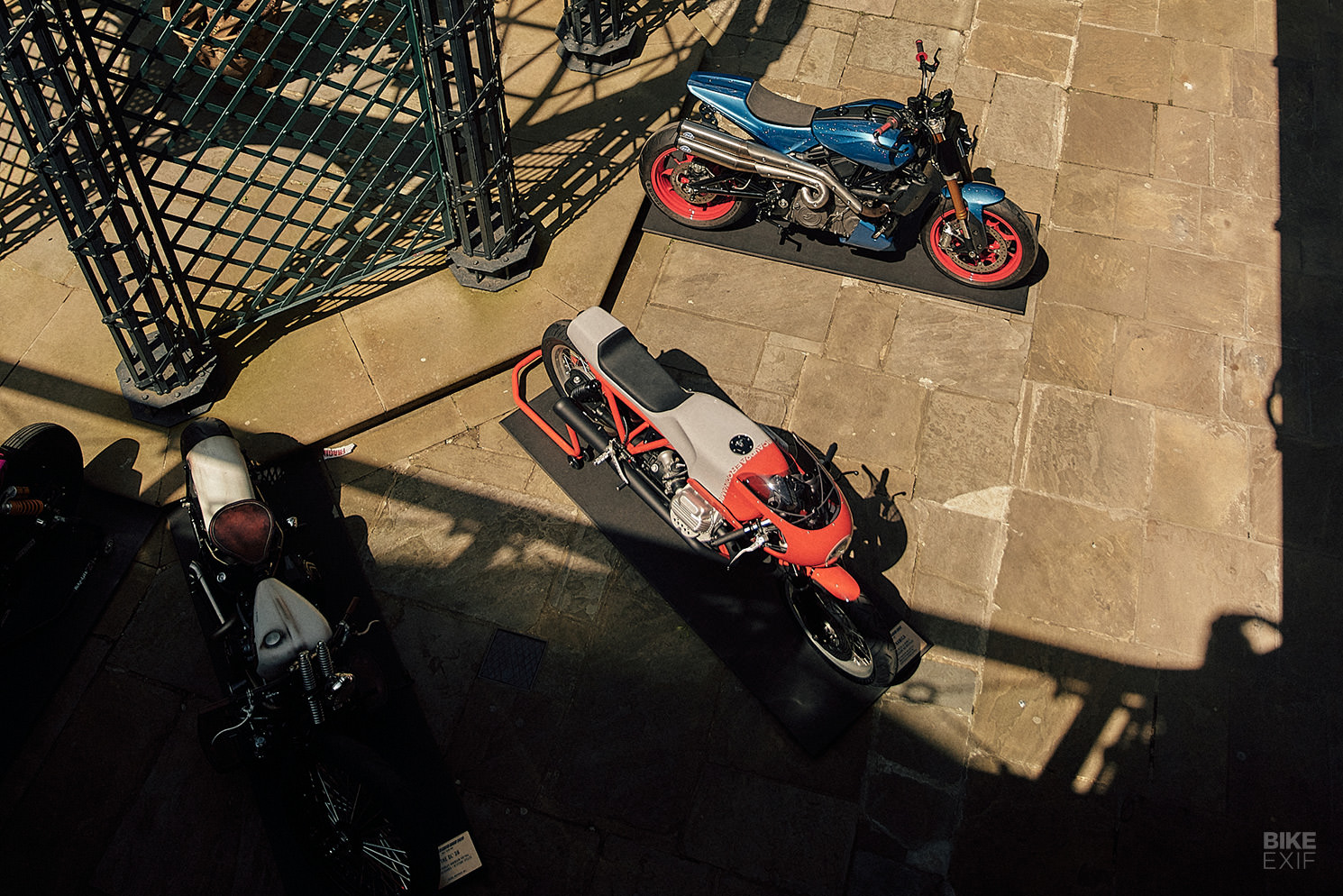
Major OEMs supported the show too. A dozen custom BMW R 18s formed a circle in the middle of the downstairs walk—perfectly viewed from the upper balcony, but easy to reach for closer inspection. From ape-hangered custom cruiser to a fastback flat-track inspired build, there was an impressive range of styles applied to the heavyweight airhead.

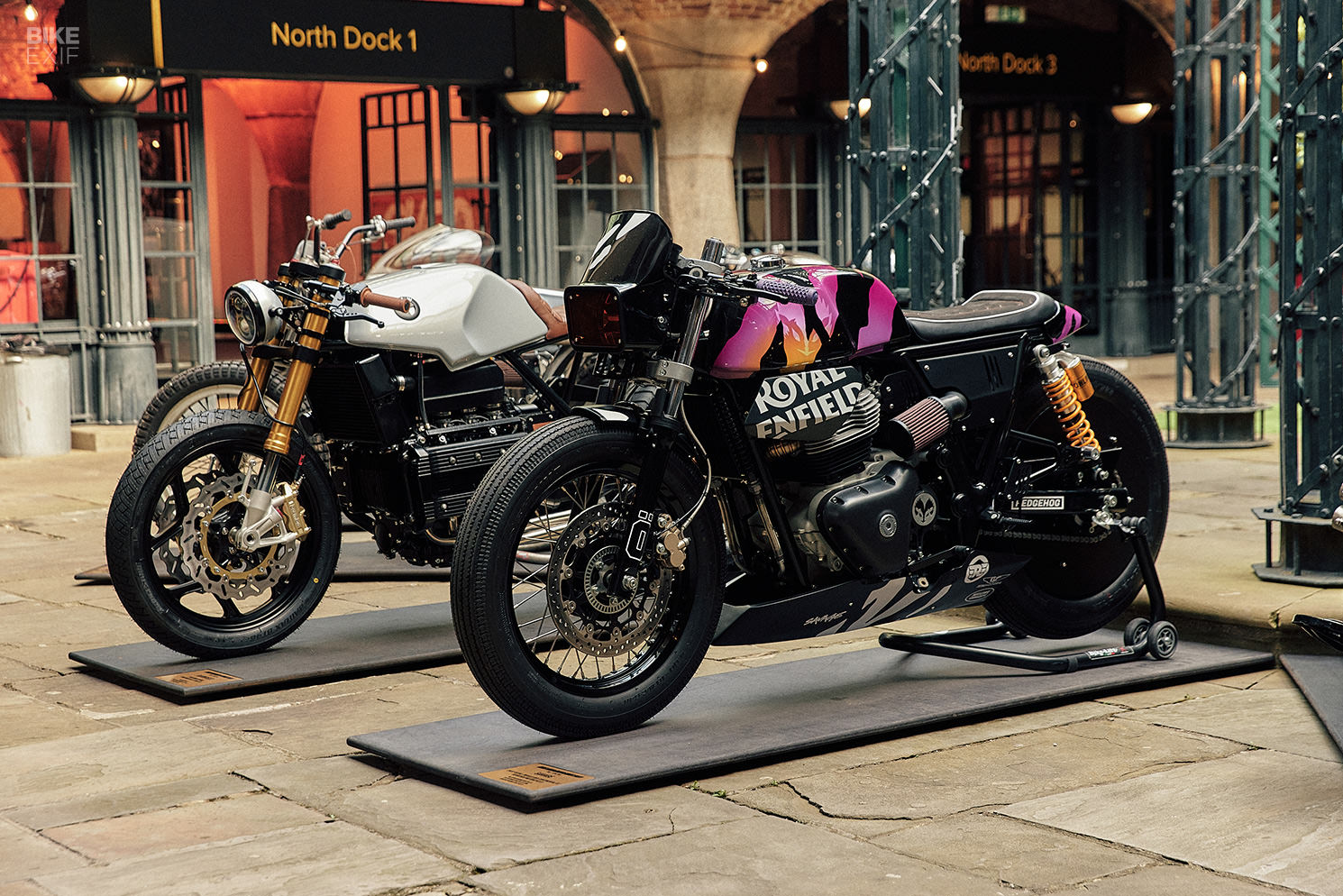
Indian Motorcycle unveiled the custom collaboration between Cheetah and Sideburn Magazine—a monocoque FTR 1200 with incredible hand engraving and stone inlay details. Norton Motorcycle’s new V4CR broke cover for the first time, showing a new, cafĂ© racer-inspired take on the brand’s high-performance V4 platform. And Royal Enfield brought a few bikes from their own custom program.

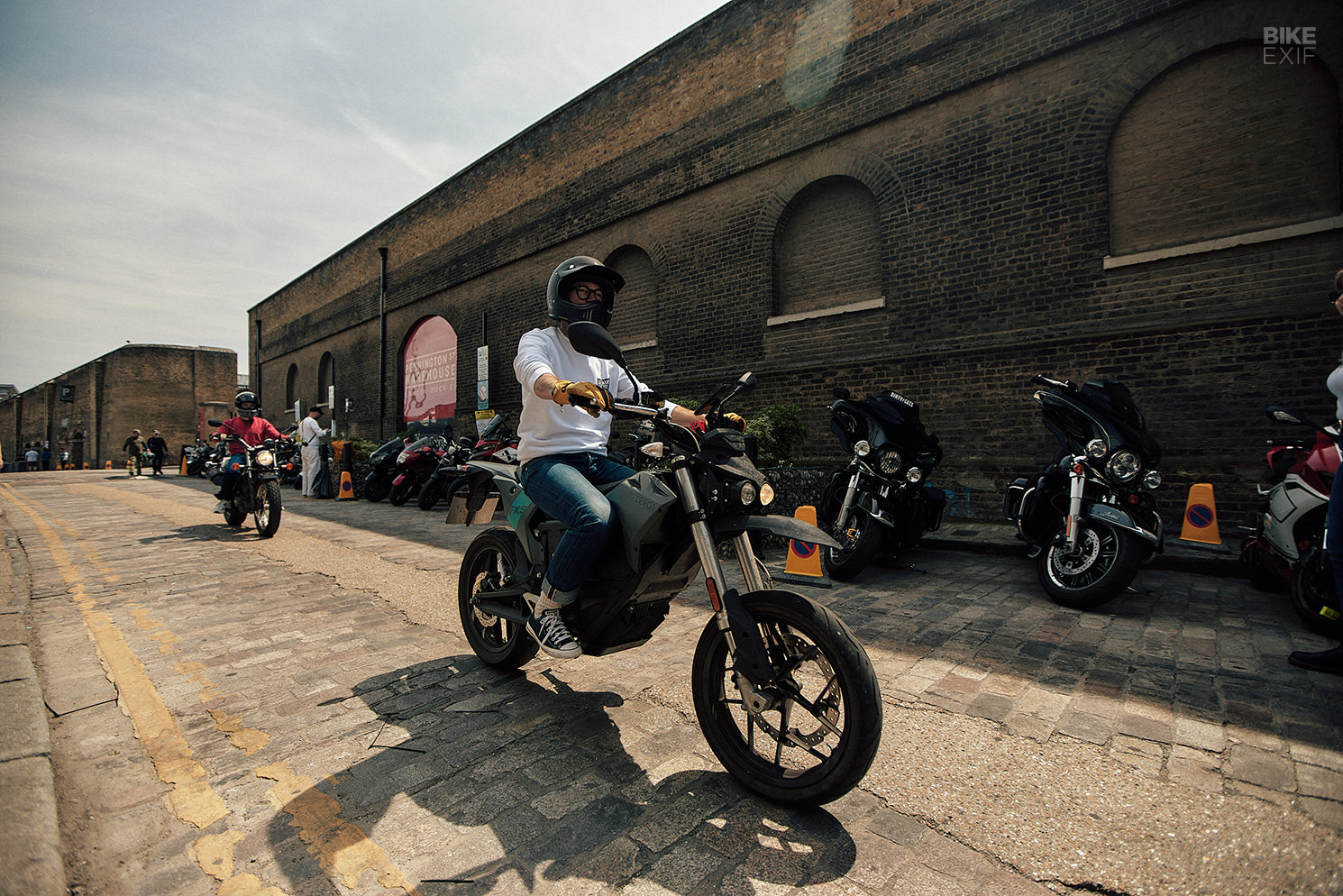
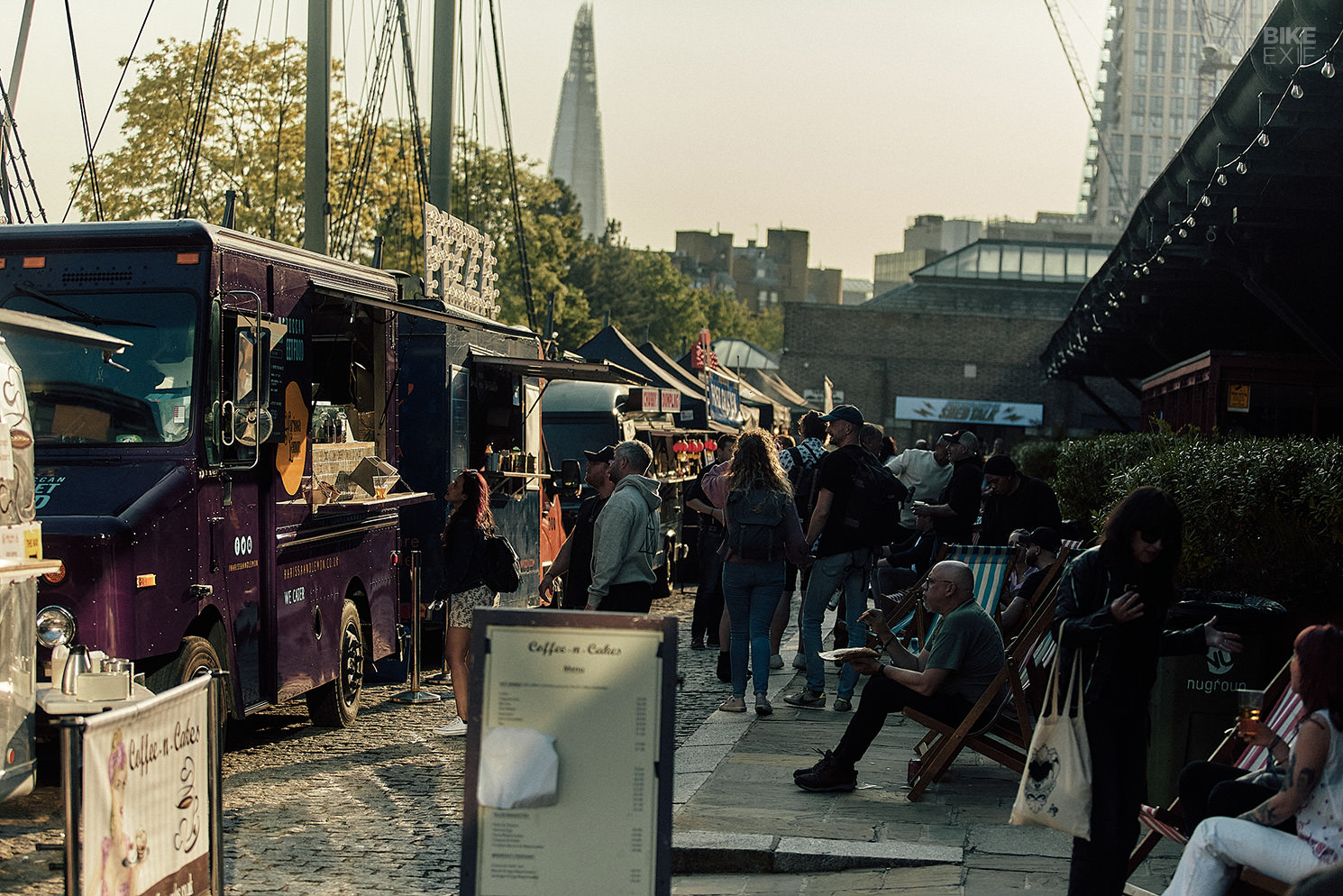
The sprawling venue was easy to navigate, and it seemed like wherever you were, you weren’t too far from a bar or a bathroom. Food trucks lined the docks outside the venue, offering everything from fresh scratch-made pasta, to Korean fried chicken or smoked barbecue. There was live screen printing, leather jacket painting, and even one artist finishing a photo-realistic black and white pencil sketch.

The Bike Shed Show went from Friday night until Sunday evening, but the Bike Shed locations in London and Los Angeles are permanent structures, with custom bikes on display year-round. And if LA is closer to you than London, there’s good news—a Bike Shed LA show is already being planned.

The Bike Shed | Images by Shane Benson

The Bike Shed Show report


from Bike EXIF https://ift.tt/J2kxKmd

Saturday, 10 June 2023

EXIF Picks: Rad Relics from Mecum’s John Parham Collection

Vincent Black Shadow Drag Bike
It’s not everyday
that you can bid on museum-caliber bikes, and Mecum’s upcoming auction at the National Motorcycle Museum in Anamosa, Iowa, is full of heavy hitters. The collection hits the market from the estate of John Parham, who founded J&P Cycles with his wife Jill in 1979. Having amassing one of the best private motorcycle collections in the country, John unfortunately passed away in 2017, and 300 of his bikes will be finding new homes.

With everything from road-racing Harleys, hill climb bikes and trick European racers in the collection, there’s plenty to see. Mecum is hosting the sale September 6th through the 9th, and if you’re in the midwest, do us a favor and bring one of the following bikes home—preferably the XRTT.
Harley-Davidson XRTT 750
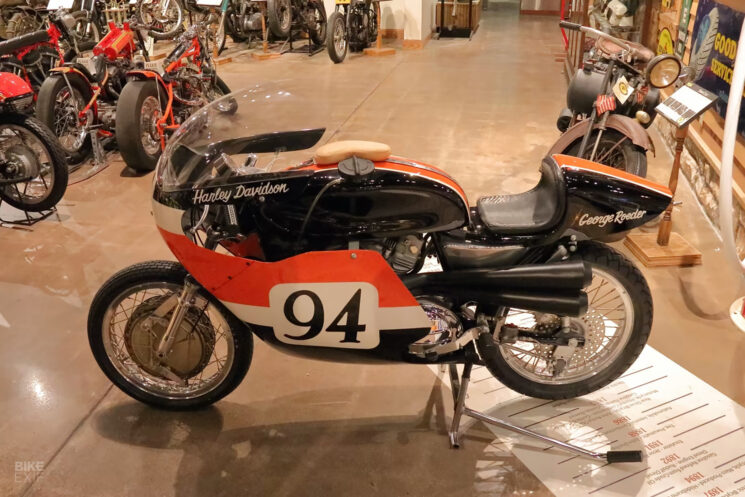
1971 Harley-Davidson XRTT
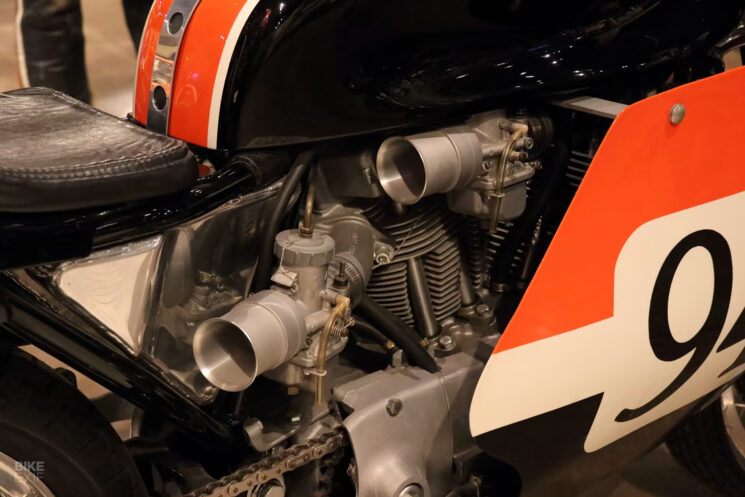
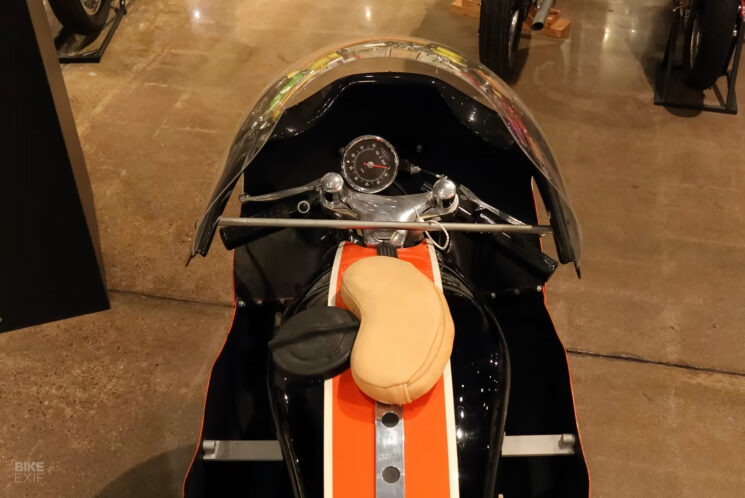
The XRTT 750 is the most beautiful road-going Harley ever built, that’s a scientific fact. Okay, it’s more like an educated opinion backed by sources, but I welcome your challenges in the comment section. A road-racing version of the wildly successful XR750 flat tracker, the XRTT is a stunning, purpose-built piece of Milwaukee iron.

Harley’s KR750 was a dominant force in flat track racing, so why wouldn’t it work on pavement? Back in the 1960s, you could modify your KR for asphalt through HD’s parts catalog, or buy a factory-built KRTT and go racing in AMA Class C.
Harley-Davidson XRTT 750
New rules from the AMA in 1969 leveled the playing field for British marques, and sent Harley back to the drawing board after seeing the KR750 struggle to compete. Hasty development of an XR750 racing engine based on the 900 cc Sportster, resulted in an iron-head mill that went into nuclear meltdown regularly, until a new top end was developed for ’72.
Harley-Davidson XRTT 750
The new alloy XRTT (and some irons as well) gave European makes a run for their money in ’72, especially in the Transatlantic Match Races, but that’s another story altogether. This 1971 XRTT was piloted by Ohio’s George Roeder, who came within inches of a Grand National Championship in 1963 and 1967. The XRTT is powered by the updated alloy-head 750 engine, and is sporting a beautiful restoration with timeless HD orange and black paint and Roeder’s No. 94. Mecum estimates Lot S142 will bring between $40,000 and $48,000.
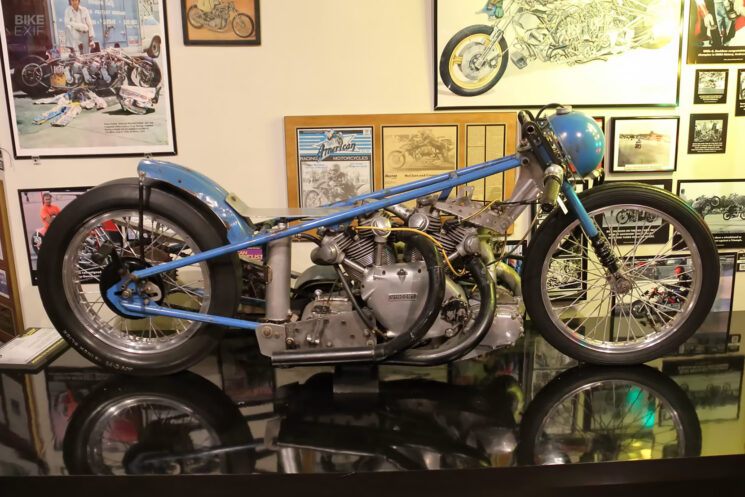
Vincent Black Shadow Drag Bike
1949 Vincent Black Shadow
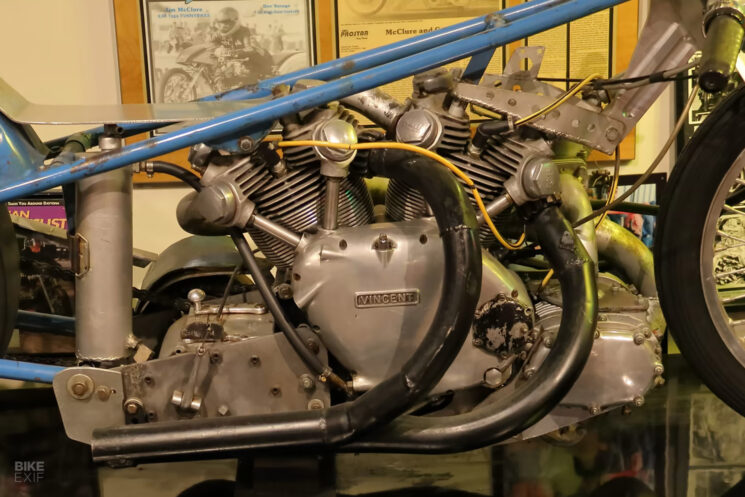
The iconic Vincent Black Shadow is without-a-doubt one of the best motorcycles ever built. It was lightweight and well-designed with the 998 cc engine as a stressed member, and of course, it went like stink. The air-cooled, 50-degree twin was good for 55 hp, and propelled the Black Shadow to 125 mph in stock trim. Off the showroom floor or on the salt flats, the Black Shadow was indeed the world’s fastest motorcycle.
Vincent Black Shadow Drag Bike
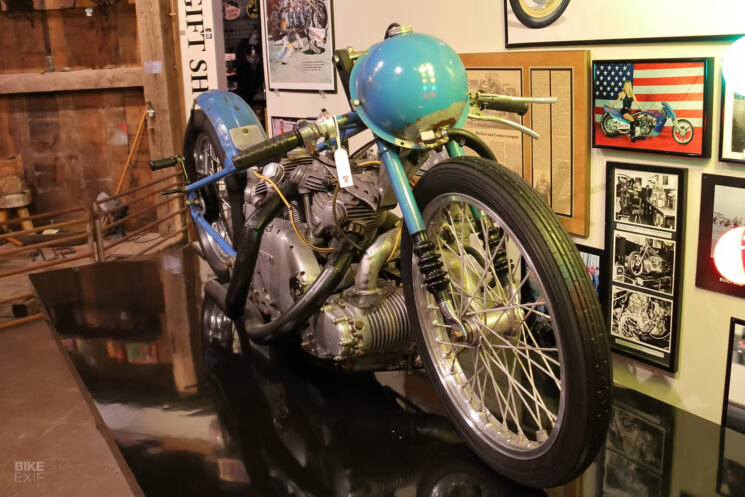
The Black Shadow would remain a speed freak favorite for years after production ended in 1955, and several American tuners perfected the bike for drag use. Minnesota-based Bill Lehmann was one of the best, and his supercharged fuel-burning Black Shadow drag bike is certainly one of the highlights of the Parham Collection.
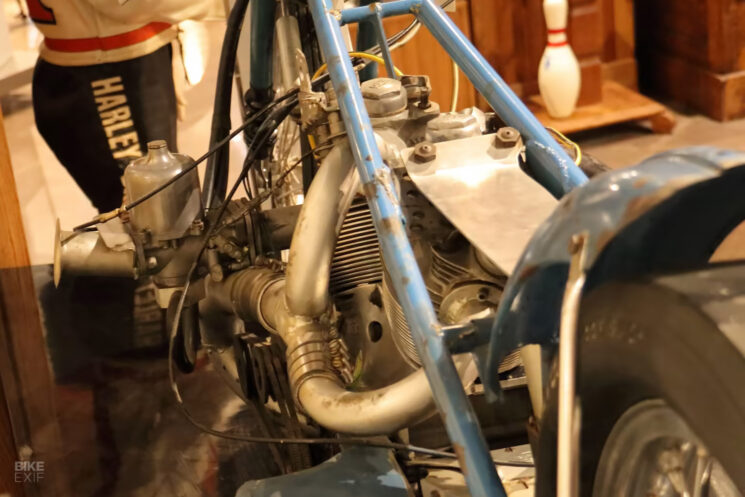
Vincent Black Shadow Drag Bike
Lehmann’s Shadow was based on a custom rigid chassis with a short Hagon inverted fork, a Harley clutch and a Burkhardt Engineering transmission. Engine output was maximized by pushing the V-twin to 1,200 cc, and installing rare Vincent Black Lightning heads. A nitromethane/alcohol blend was drawn through the SU CV carburetor and force-fed by a belt-driven supercharger from a small British car.

Rad by any definition, Lehmann’s ’49 Black Shadow is a drag racing time capsule, and one of the wildest Vincents in existence. Mecum estimates Lot F48 will sell for between $50,000 and $60,000.
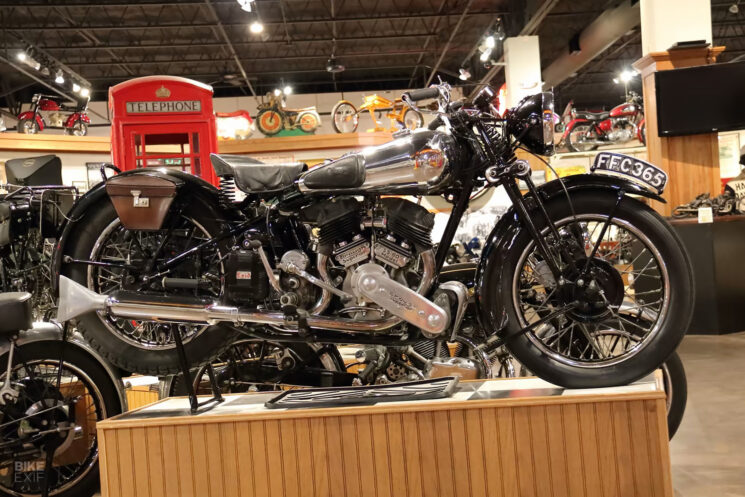
Brough Superior SS80
1937 Brough Superior SS80
Walking out on your father’s motorcycle business to start your own right down the street is definitely a cheeky move. Even more so if you take his name, and add ‘Superior’ to the end. But if your aim is to build the best motorcycle out there, George Brough did indeed have a superior way of doing things.

Brough went out on his own in 1919, and his Brough Superior motorcycles cost nearly as much as the average person made in a year. For your sizable investment, you received a bike that was tailored to your personal taste and specification, and each Superior was fully assembled, and then disassembled for paint and plating. Brough would personally guarantee that each bike performed as it should, and in the case of the SS80, that meant it would achieve a top speed of at least 80 mph.
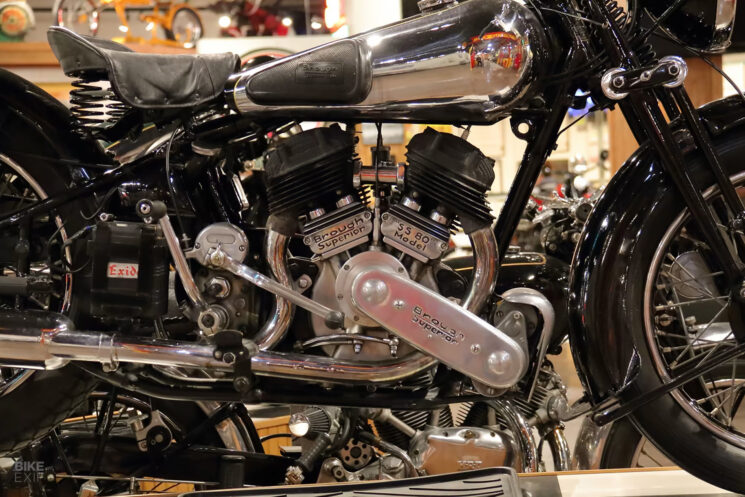
Brough Superior SS80
The SS80 was one of Brough’s earliest successes, with production starting in 1922, and ending with the outbreak of WWII in 1939. Initially, the SS80 was powered by a side-valve J.A.P. engine, and Brough became the first person to top 100 mph at Brooklands on a side-valve with one of these machines. From 1935 on, Brough used 982 cc V-twins from Matchless with modified bottom ends for the SS80.

Equipped with a brilliant alloy fuel tank with knee pads, the Brough Superior SS80 is a wonderful example of classic pre-war British bike design. Mecum expects Lot S131 from the Parham Collection to bring as much as $120,000.
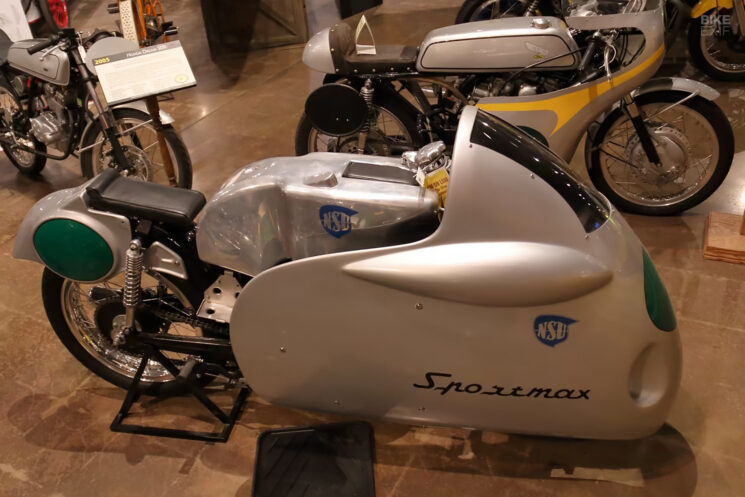
NSU Sportmax 250
1954 NSU Sportmax
Sporting a massive silver-bullet fairing and a super complex little 250 engine, this 1952 NSU Sportmax may just be the most quintessentially German motorcycle ever built. Evocative of streamlined Mercedes and Auto Union race cars of the 1930s and ’40s, this NSU brings us back to an era when aerodynamics were unlimited in road racing.

BMW reigns king of the German motorcycle manufacturers today, but for many years that title belonged to NSU. Neckarsulmer Motorrad started building motorcycles in 1901, and they supplied motorcycles to the German army in World War I and II. In fact, NSU manufactured those goofy half-track bikes with a single steer wheel out front, called the Kettenkrad. In the 1930s and mid ’50s, NSU built more motorcycles than anyone in the world.
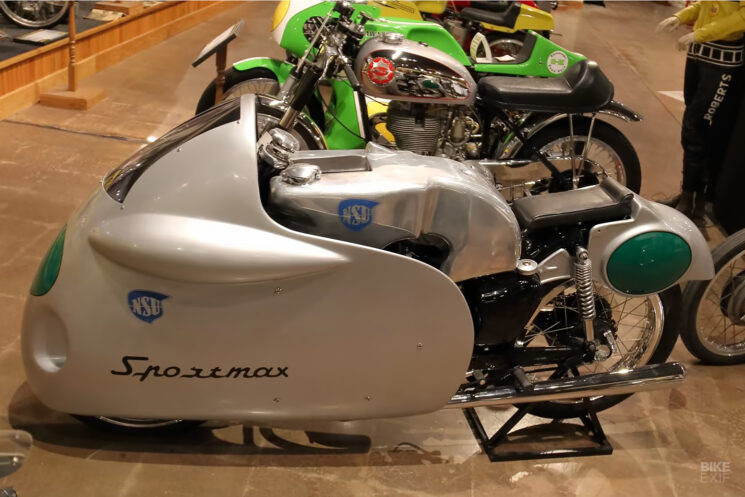
NSU Sportmax 250
The NSU Racemax was the factory’s works machine for 125 and 250 cc road racing, instantly recognizable for its massive aluminum ‘dust bin’ fairing. The works bikes were very complicated and impractical for privateers, so NSU made a small number of Sportmax bikes available that were based on Max and Super Max models.

The 247 cc OHV four-stroke used in the Sportmax employed a pair of rods, similar to connecting rods, to operate the valvetrain—technology Bentley used in the ’20s. 250-class Sportmax bikes weren’t tuned as hot as the works bikes, but were good for as much as 20 hp.
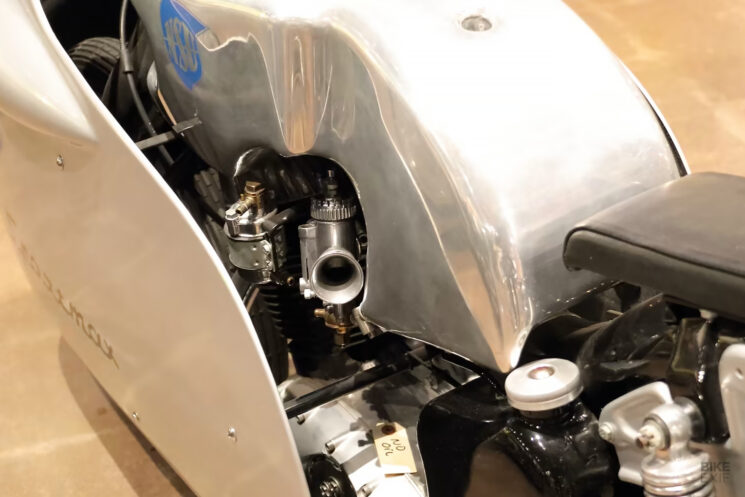
NSU Sportmax 250
These streamlined NSUs were quite successful in Grand Prix racing, with notable pilots like John Surtees and Mike Hailwood in the saddle, and NSU took home a World Championship in 1954. Unfortunately, the sanctioning bodies involved later banned large fairings after a bad experience with crosswinds. From then on, front fairings were not to enclose the front wheel.

The 1954 NSU Sportmax in the Parham Collection is an awesome piece of road racing history, but it’s worth noting that this particular bike is listed by the National Motorcycle Museum as a replica. As such, Mecum estimates Lot S15 will bring between $6,000 and $7,200.
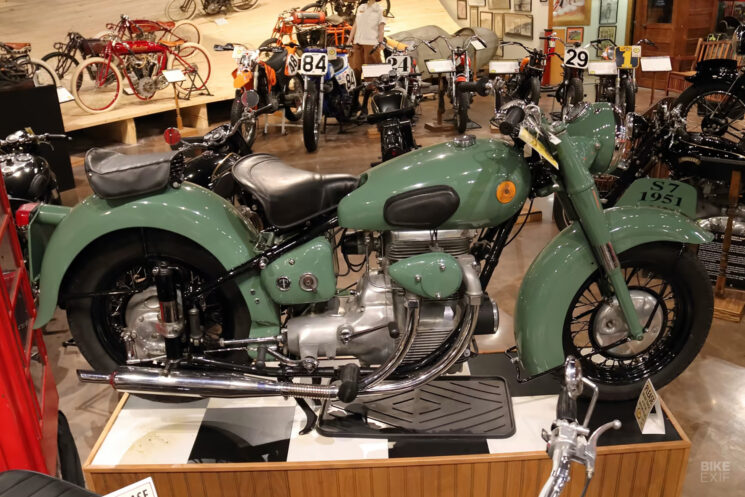
1951 Sunbeam S7
1951 Sunbeam S7
Admittedly, we find ourselves most attracted to cool customs, or bikes with notable competition history, but sometimes it’s hard to ignore a bike that’s interesting, or just plain weird. I wouldn’t call the Sunbeam S7 weird, but it’s definitely unique. I mean, look at that longitudinally-mounted twin and balloon tires?

John Marston started Sunbeam Cycles back in 1887 with a focus on high-quality bicycles. He started experimenting with motorized bicycles around 1903, but it didn’t go well, and apparently someone was actually killed. Marston dabbled with automobiles afterward (completely separate from Sunbeam Motor Car Company), but reluctantly returned to motorcycles around 1912.
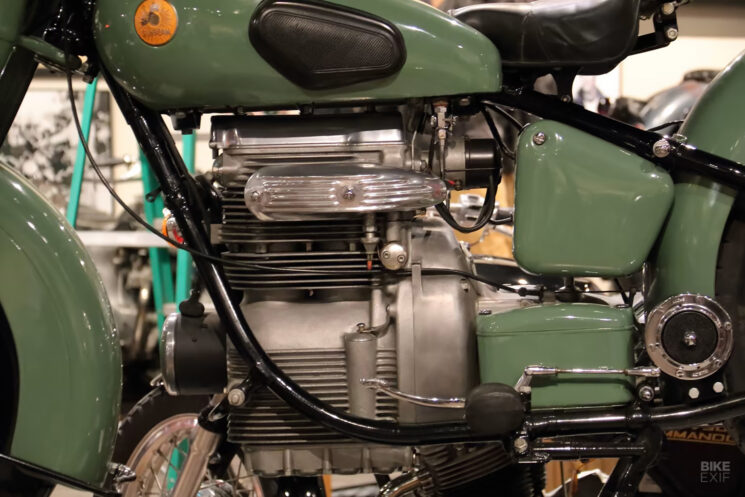
1951 Sunbeam S7
Marston’s Sunbeam motorcycles fit the standard for British bike designs of the era, and boasted modest performance (understandably so), and Marston marketed his bikes as ‘The Gentleman’s Machine.’ Marston passed away in 1918, but the production of Sunbeam motorcycles continued on.

Sunbeam is best known for its S models, which were manufactured between 1949 and 1956, and that’s where things start to get a bit strange. Sunbeam was acquired by BSA, and BSA had received the design of the BMW R75 in reparations after WWII. But the Brits were worried about the bike looking too German, so the boxer had to go.
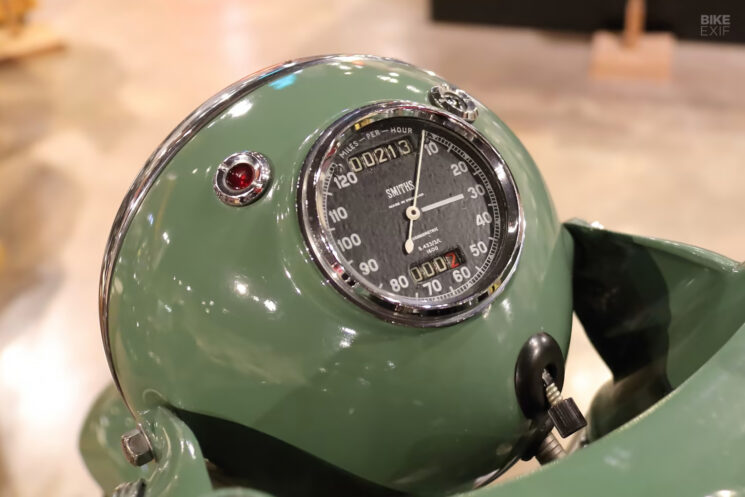
1951 Sunbeam S7
A longitudinally-mounted 500 cc twin took its place, and propelled the S7 via shaft drive. Early bikes suffered severely from engine vibration, and the bronze worm gears in the shaft drive could strip from nothing more than excessive throttle. Sunbeam’s solution was nothing more than detuning the engine!

Despite these design faults, the early S7 model commands a premium over the S7 Deluxe and S8 models today. If the S7 from the Parham Collection is indeed one of these early models, Lot F51 could be a bargain at the estimated $7,000 to $8,400. [Mecum]


from Bike EXIF https://ift.tt/c8EdzaI
Friday, 9 June 2023

Missile: An elegant Triumph Thruxton 1200 by Tamarit

Custom Triumph Thruxton 1200 by Tamarit
Tamarit Motorcycles has enough plug-and-play parts in their catalog to turn any Triumph modern classic into a passable cafĂ© racer. But the Spanish shop also knows how to take a bike like the Triumph Thruxton, and turn it into something truly spectacular. With over 100 custom Triumph builds in their portfolio, they’ve learned a thing or two about how to make them click.

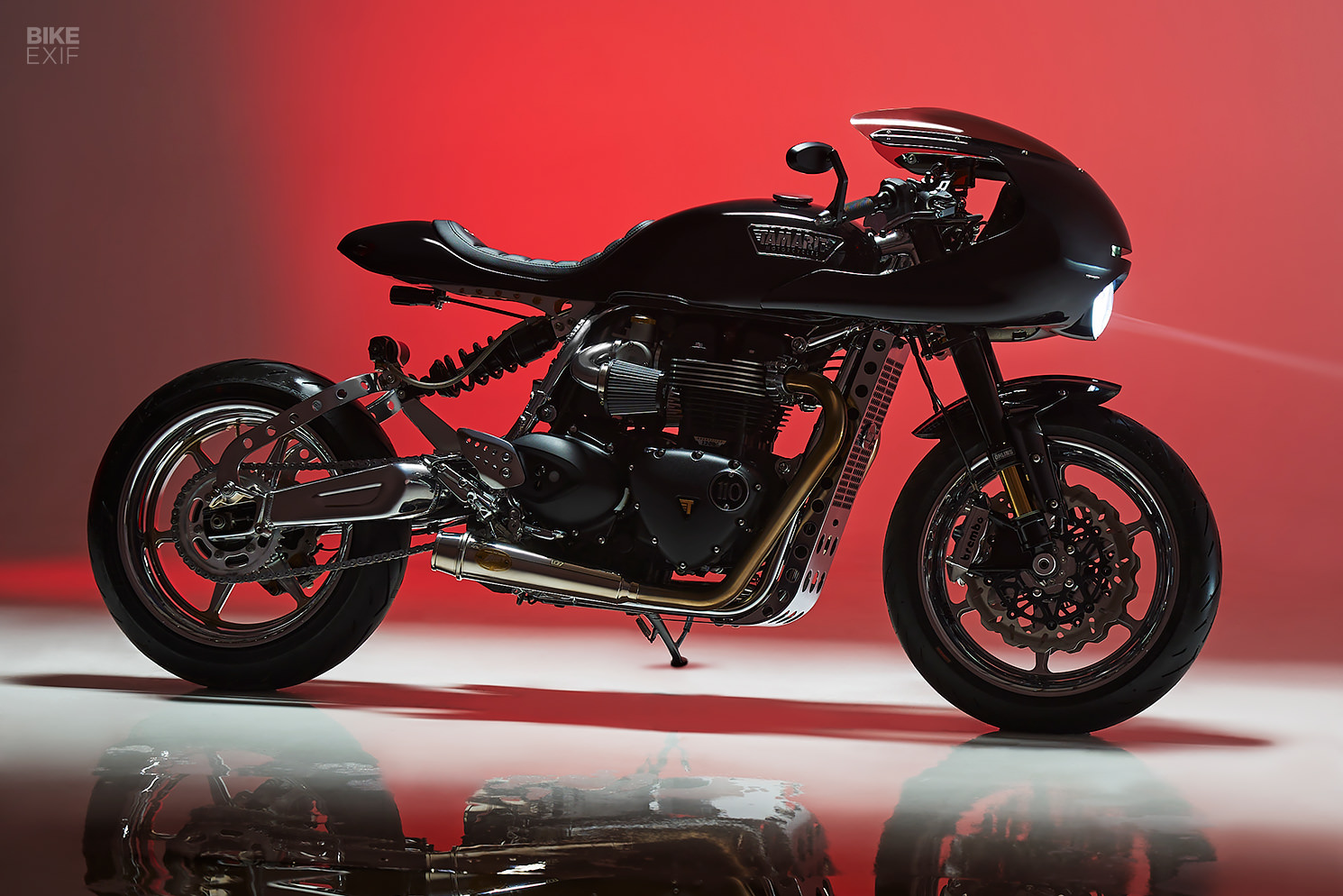
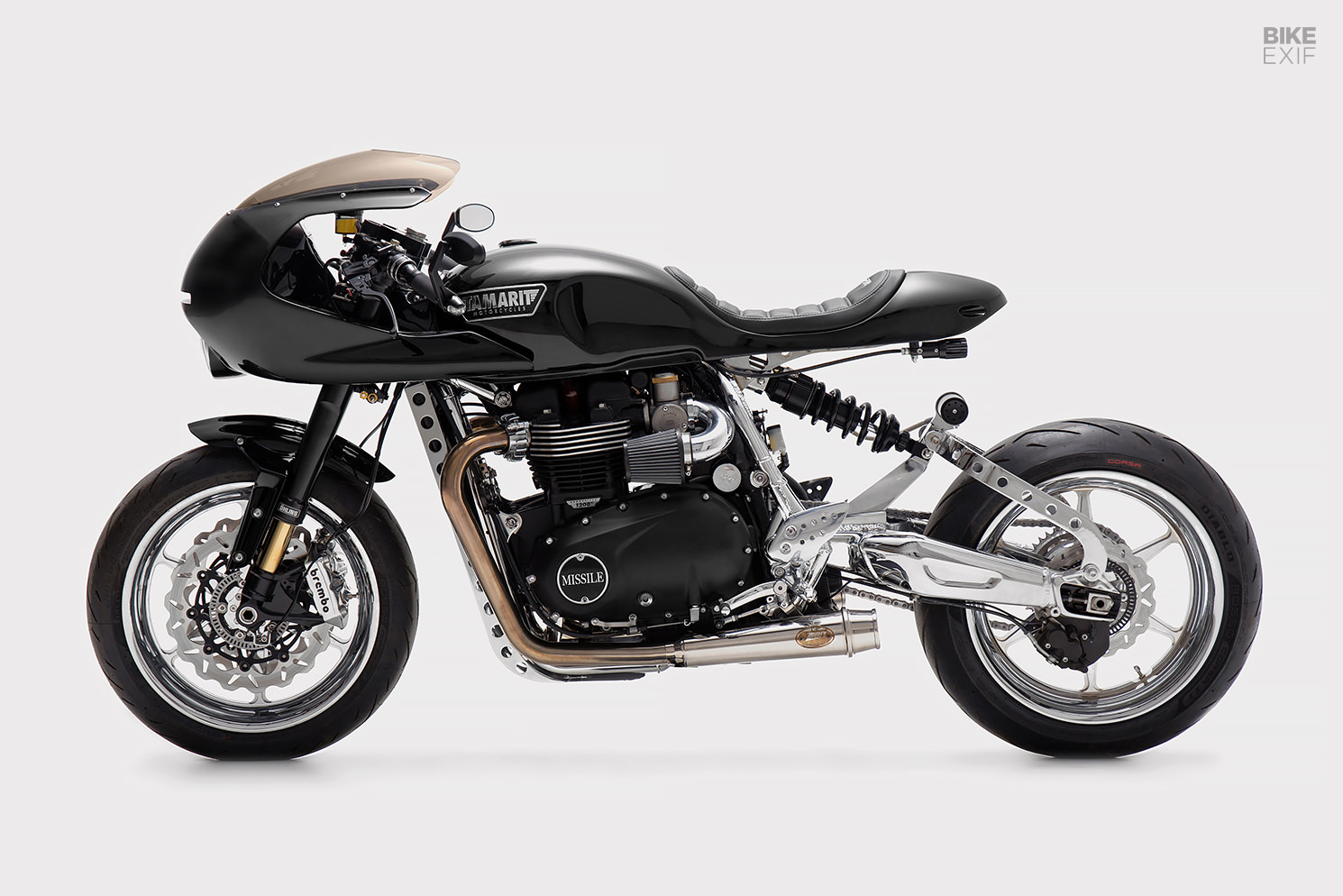
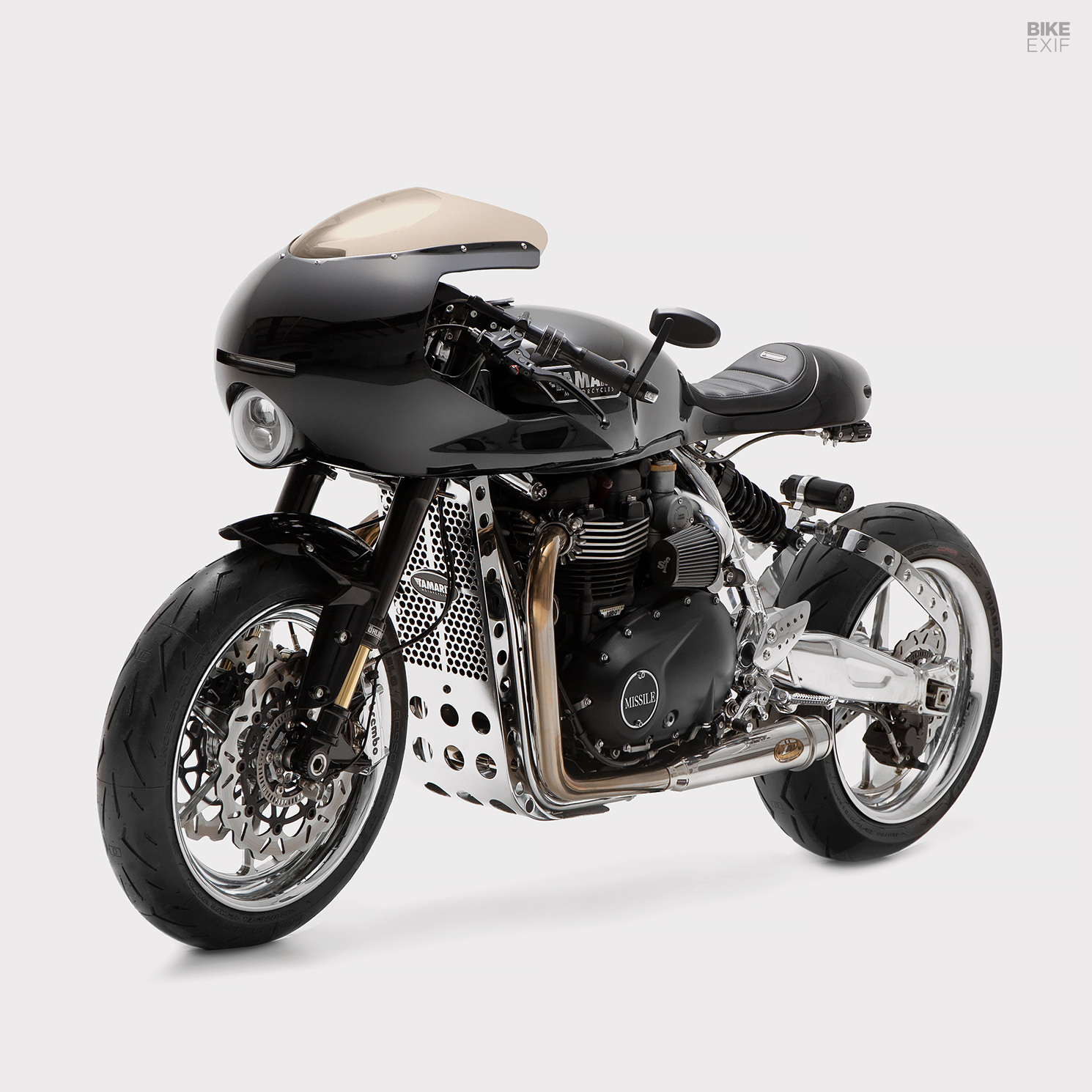
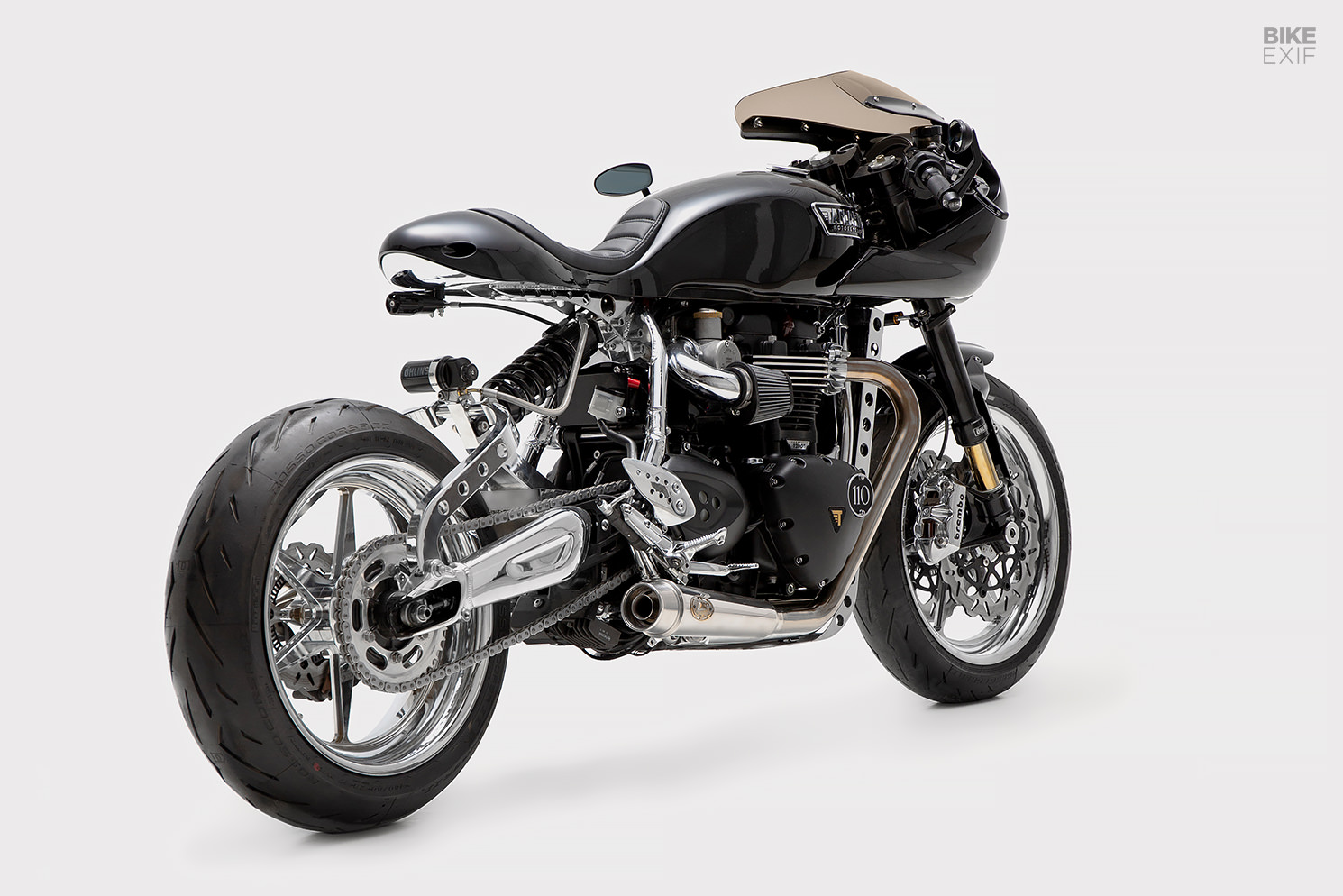
This Triumph Thruxton 1200 R is one of the most radical cafĂ© racers that Tamarit has built yet. Its aggressive stance and exaggerated proportions are what catch your eye at first. But once you’re drawn in, you’ll spot an interesting set of mods—and some deft part swaps.

Custom Triumph Thruxton 1200 by Tamarit
The Triumph Thruxton 1200 R is about as good a donor as you can get for this type of build. It’s one of few factory cafĂ© racers currently on the market, with enough go to match its show. With 97 hp from its 1,200 cc parallel twin mill, and a mix of Showa, Ă–hlins and Brembo components, it’s no slouch.

That said, Tamarit saw fit to upgrade the Thruxton’s already capable running gear even more. They kept the Brembo brakes, but swapped out the Showa forks out for a set of upside-downs from the Ă–hlins Blackline range. A stealthy Ă–hlins steering damper adds extra stability to the front end.

Custom Triumph Thruxton 1200 by Tamarit
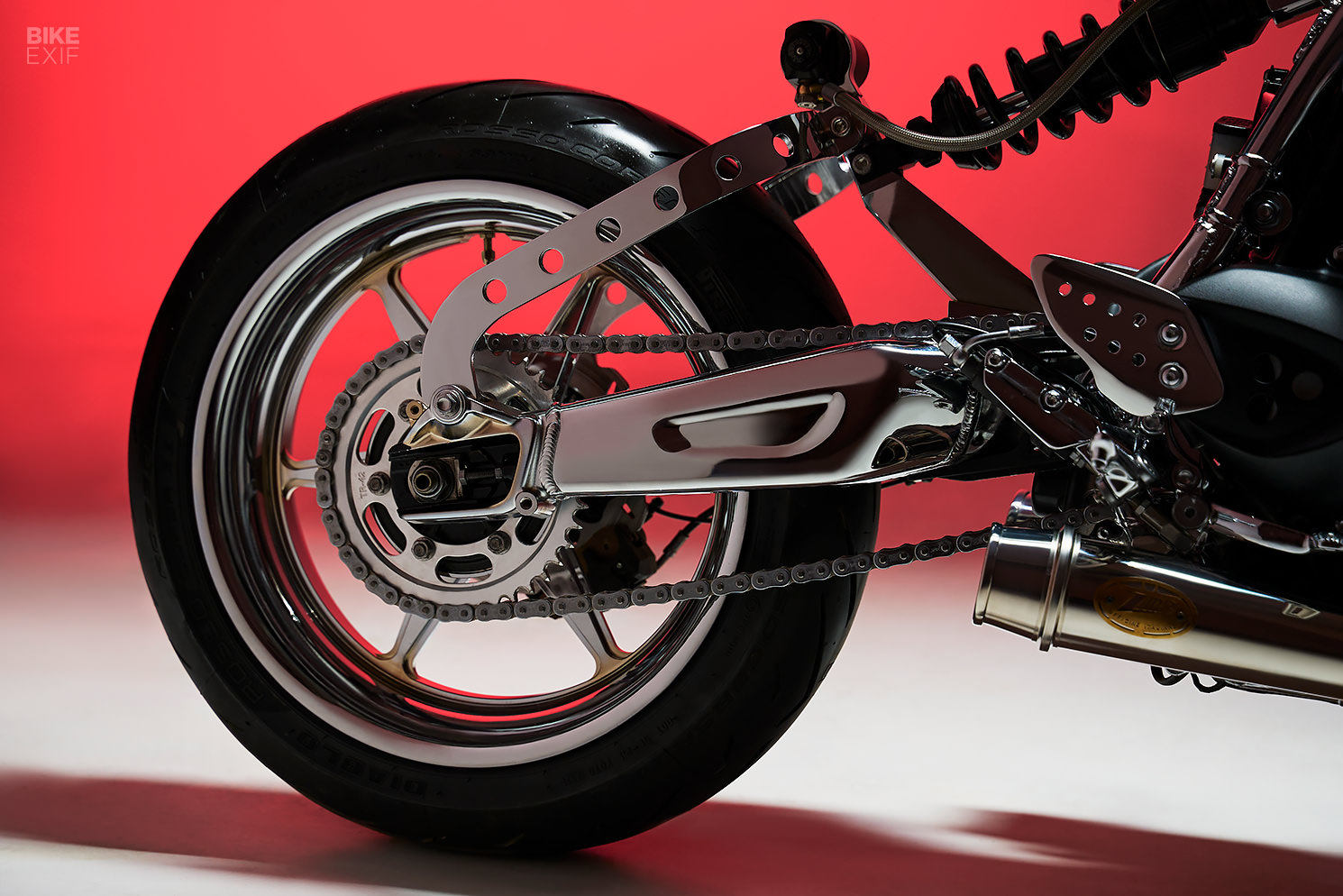
Moving to the rear of the bike, Tamarit made a change that we haven’t yet seen on the Thruxton; they installed a Triumph Scrambler 1200 swingarm. Not only is it better looking than the original unit, but it’s also longer, stronger and lighter.

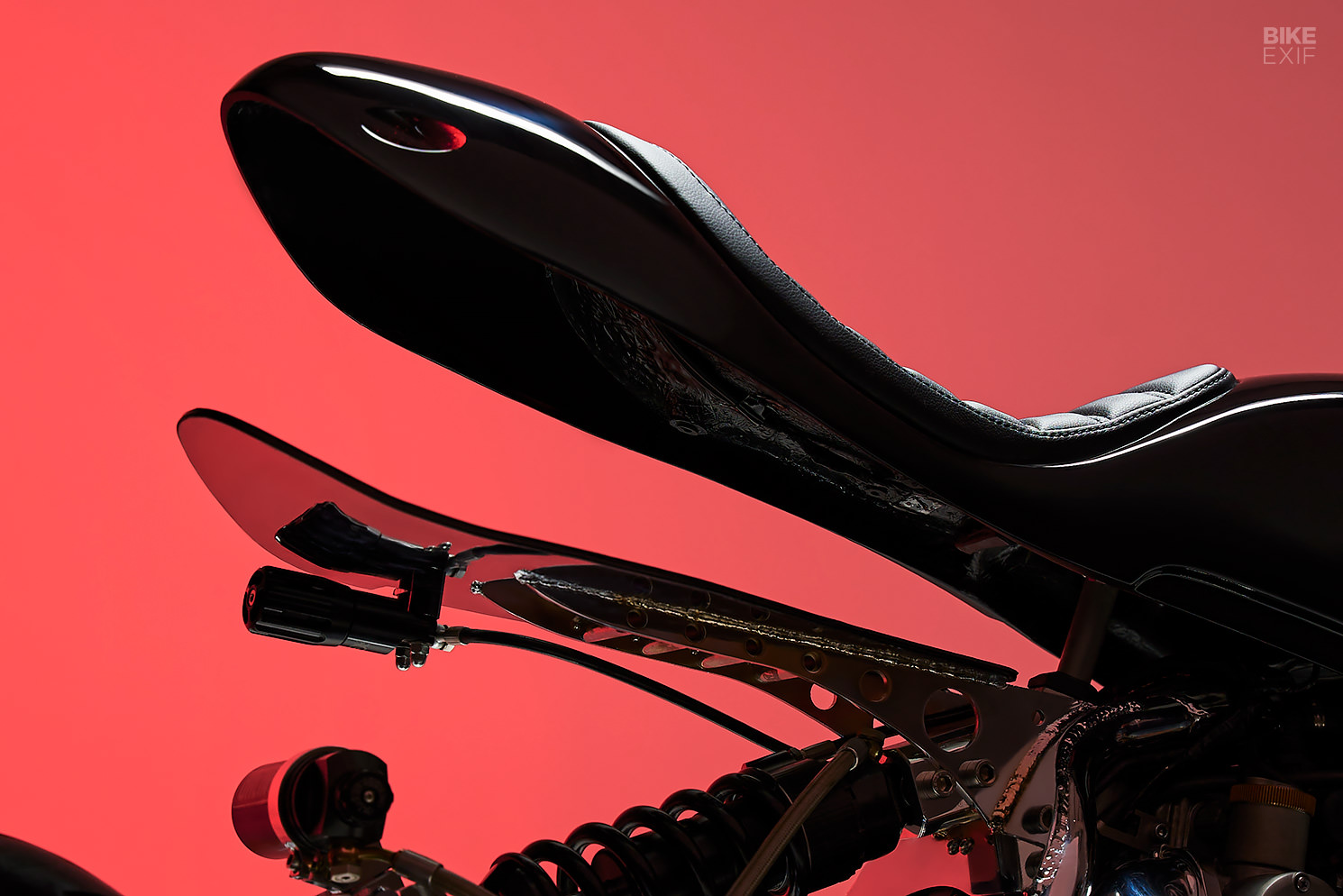
Gone is the OEM twin shock setup. In its place, Tamarit braced the swingarm and built a svelte bolt-on seat support with a new upper shock mount. An Ă–hlins unit connects the two, with a remote preload adjuster mounted just under the tail for easy access.

Custom Triumph Thruxton 1200 by Tamarit
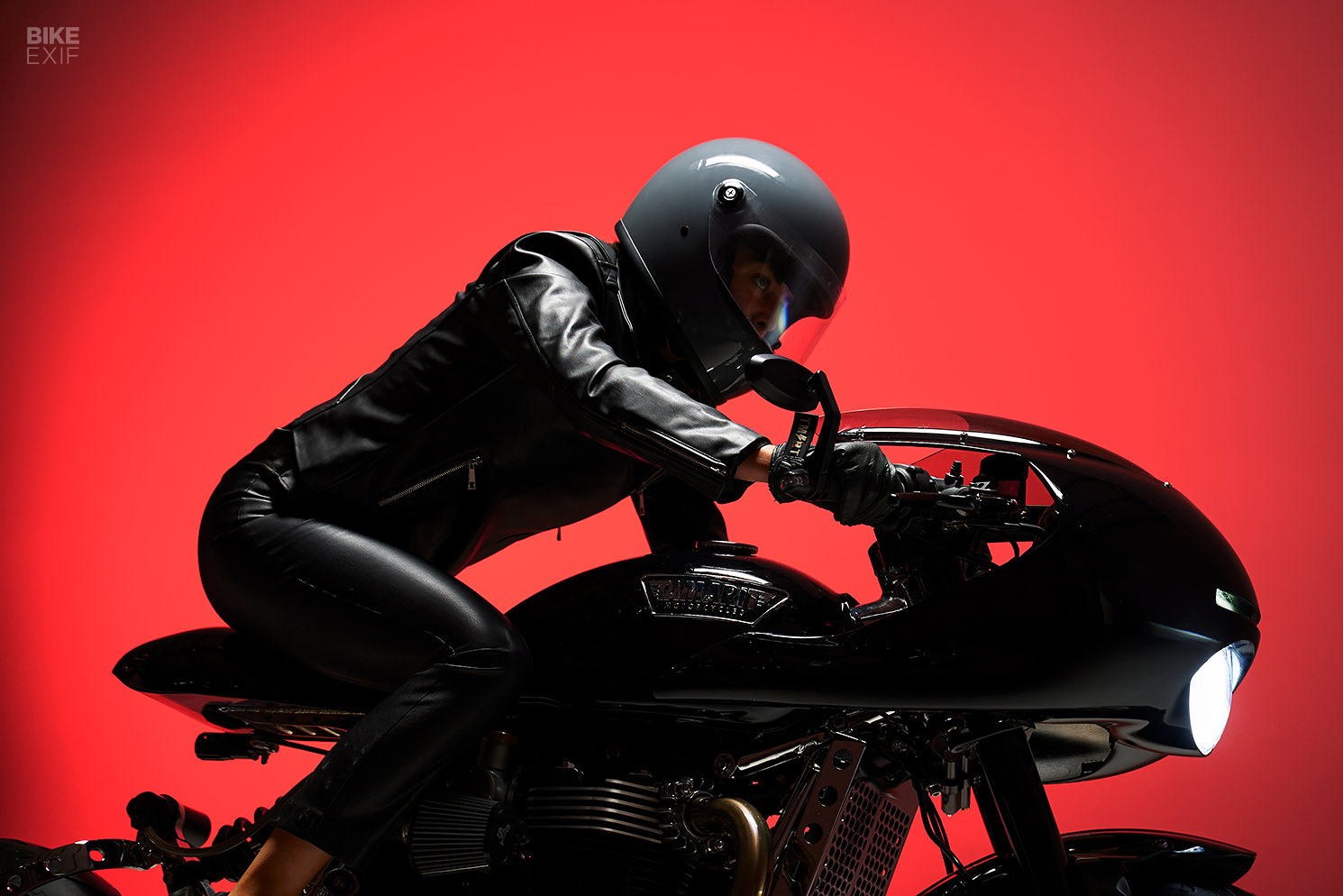
The bodywork is a mixed bag of custom and repurposed parts. Tamarit started by adapting a Triumph Speed Twin fuel tank to the bike, then fabricated a tapered tail section directly onto it, effectively creating a one-piece body. LED taillights are embedded into cut-outs at the back, with a slim seat flowing right up onto the back of the fuel tank.

Hit a button on a remote, and the whole body lifts up on a hydraulic shock, offering access to the Thruxton’s wiring. It’s a trick that Tamarit has used on a number of builds already, but we’re nowhere near sick of it yet.

Custom Triumph Thruxton 1200 by Tamarit
The front fairing is a riff on Triumph’s own aftermarket part for the Thruxton, but with a few notable changes. For starters, the traditional headlight arrangement has been traded for a slim LED daytime running light, with a more powerful round LED light sitting lower down. Tamarit also lined the inside of it, with a dashboard that molds itself around a digital Motogadget speedo.

The Thruxton’s clip-ons are fitted with tiny Motogadget push buttons, and Rizoma grips, mirrors and bar-end turn signals.

Custom Triumph Thruxton 1200 by Tamarit
To help the motor along, Tamarit installed a pair of Free Spirit pod filters, mounted on intake tubes that thrust them forward. The twin exhaust system comes from the Italian exhaust specialists Zard.

Going deeper, the team rewired the bike with a Bluetooth-enabled Motogadget mo.unit control box. But that presented its own challenge, since the Thruxton’s stock ECU is extremely fussy about what it’ll work with. In the end, Tamarit found an additional box that acts as a conduit between the OEM ECU and the new brain.

Custom Triumph Thruxton 1200 by Tamarit
Other mods include a generous sump guard, that also doubles as a radiator protector, and a custom-made front fender. The stunning 17” wheels come from Canyon, and the tires from Pirelli. No stone was left unturned—which is why it’s no surprise that this build took almost a year to complete.

Taking the build over the finish line is an elegant black paint job, and a lot of chrome. Tamarit chrome-plated obvious parts like the swingarm and wheels, then went even further by stripping, chroming and re-assembling the brake calipers. Custom engine and tank badges, and a contrasting Tamarit logo on the swingarm brace, add tasteful finishing touches.

Custom Triumph Thruxton 1200 by Tamarit
The Thruxton’s stretched, forward-biased design likely won’t appeal to everyone. But there’s one person that’s a big fan: Tamarit’s client. He traveled all the way from California to Tamarit’s shop to take delivery of the bike in person, and has already ordered another custom Triumph from them.

We’ll count that as a win.

Tamarit Motorcycles | Facebook | Instagram

Custom Triumph Thruxton 1200 by Tamarit


from Bike EXIF https://ift.tt/rGiIQJZ

Thursday, 8 June 2023

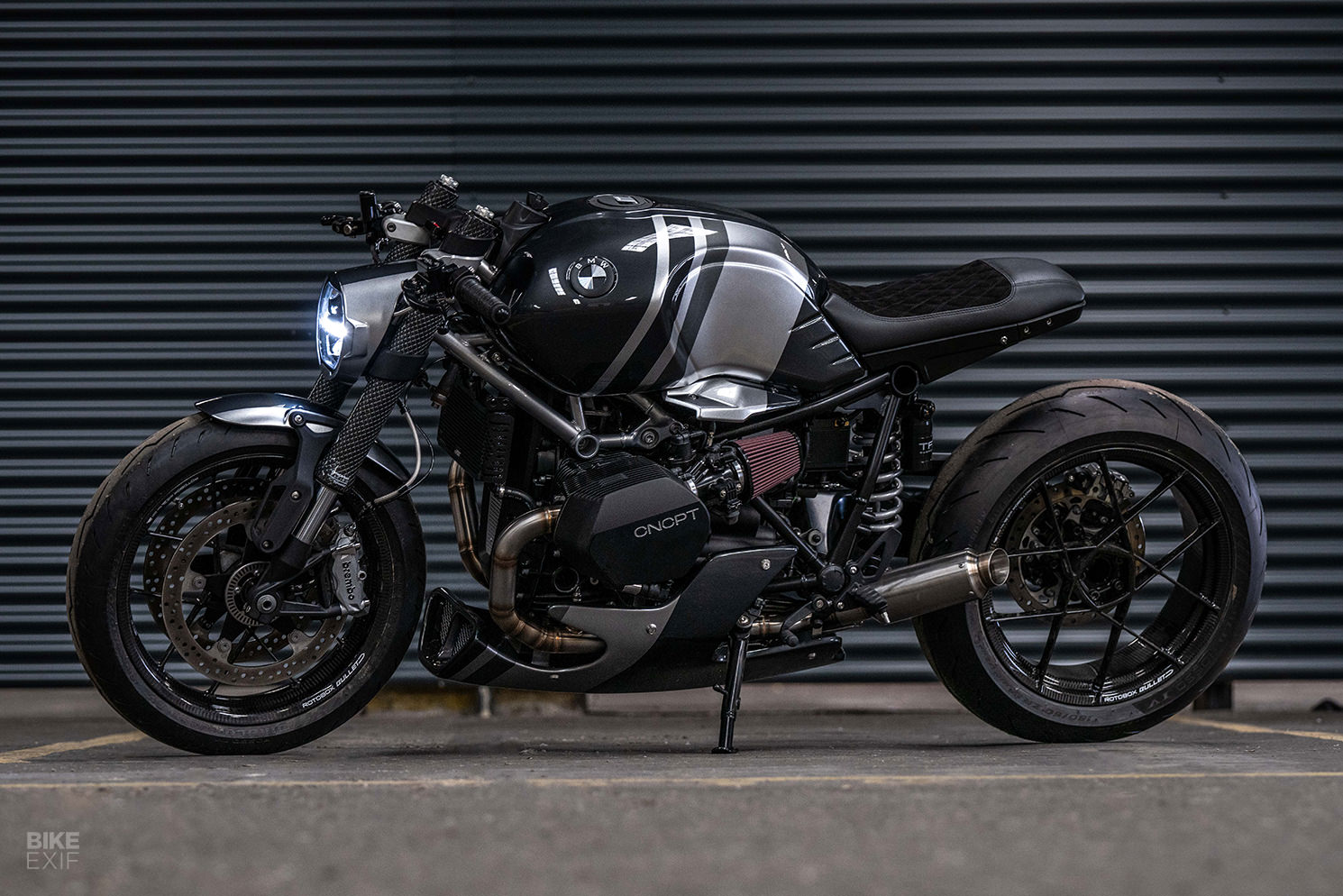
Mach 9: CNCPT Moto goes full speed on the R nineT

BMW R nineT café racer by CNCPT Moto
The BMW R nineT has just had its first major update since it first launched, but many have wondered if the changes were necessary. After all, the outgoing model is as capable as it is attractive—and it has oodles of custom bike potential in the right hands.

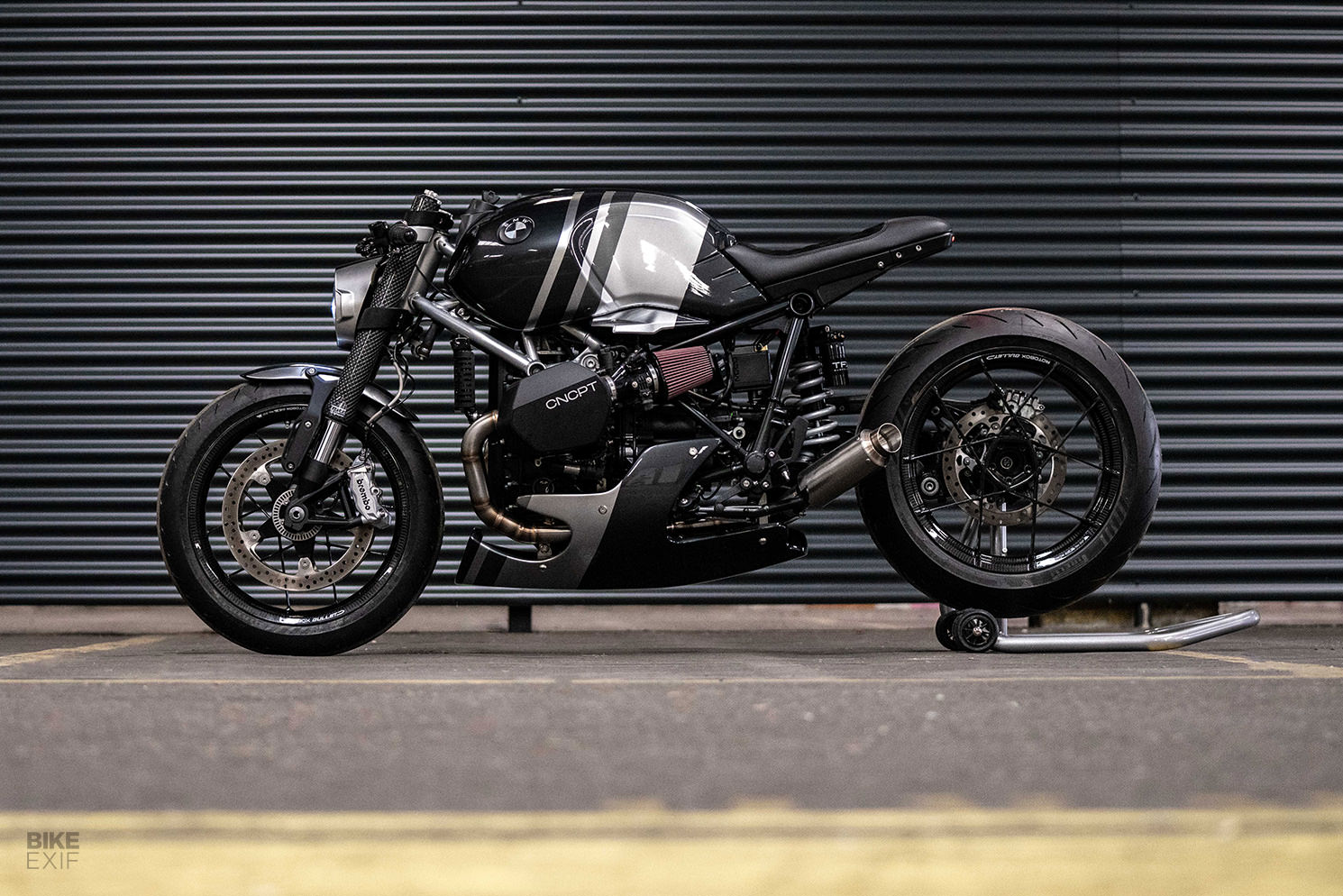
This uncompromising BMW R nineT cafĂ© racer comes from two of the deftest hands in the business. It’s the work of CNCPT Moto, an ongoing collaboration between Arjan van den Boom, the founder of Ironwood Motorcycles, and Powerbrick’s Timothy Somers. Each of them has a strong portfolio of their own—but their individual styles mesh together extremely well.

BMW R nineT café racer by CNCPT Moto
CNCPT’s debut build was a tricked-out R nineT with an ultra-futuristic vibe. Closer to a concept bike than a run-of-the-mill custom, it was made to showcase the team’s capabilities. Now Arjan and Tim have hit back with a slightly more subdued cafĂ© racer.

“After debuting our ‘Cloud 9’ BMW R nineT, we trimmed down its controversial outline to turn it into a comfortable road warrior,” says Arjan. “A motorcycle with custom looks, but fully usable and rideable.”

BMW R nineT café racer by CNCPT Moto
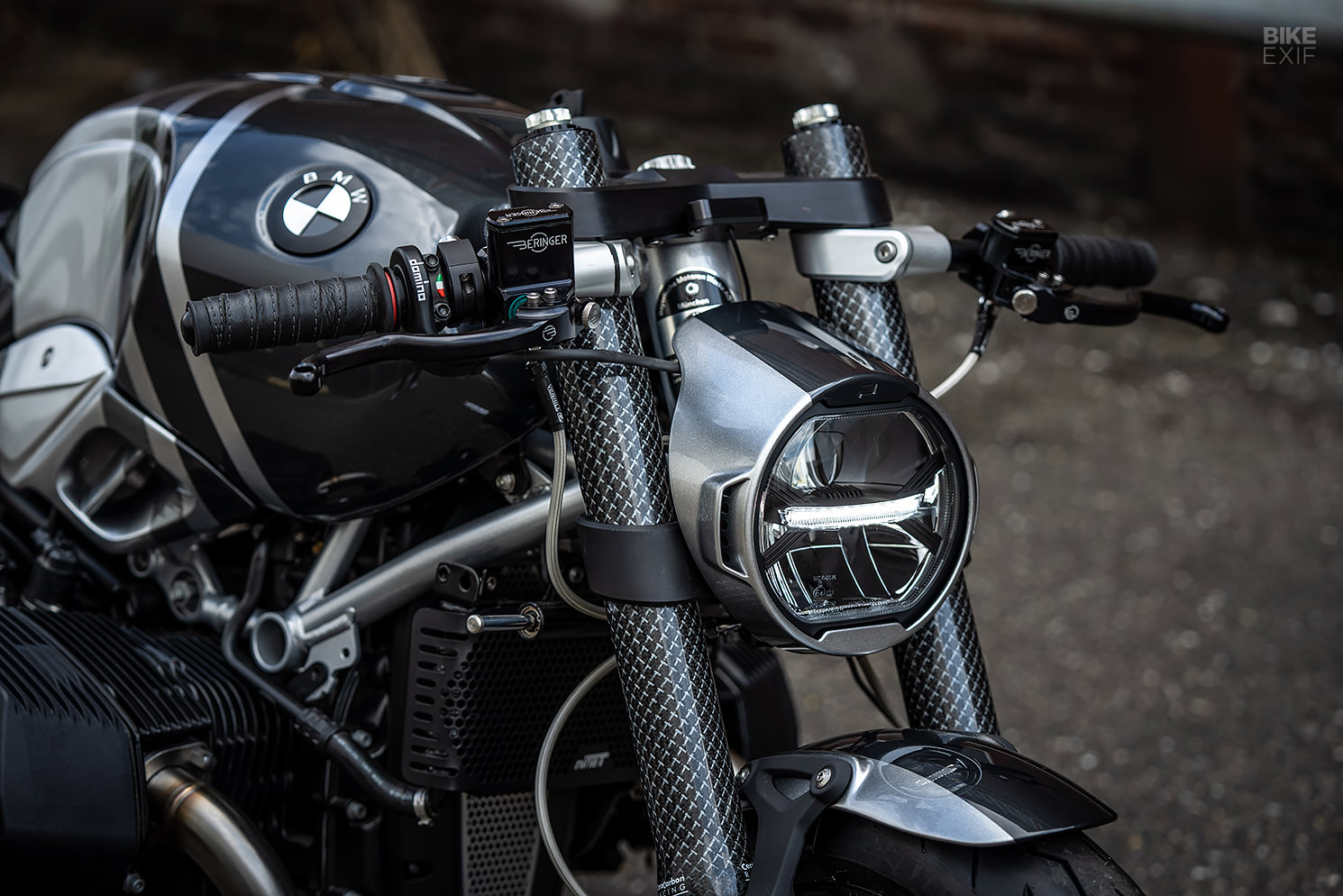
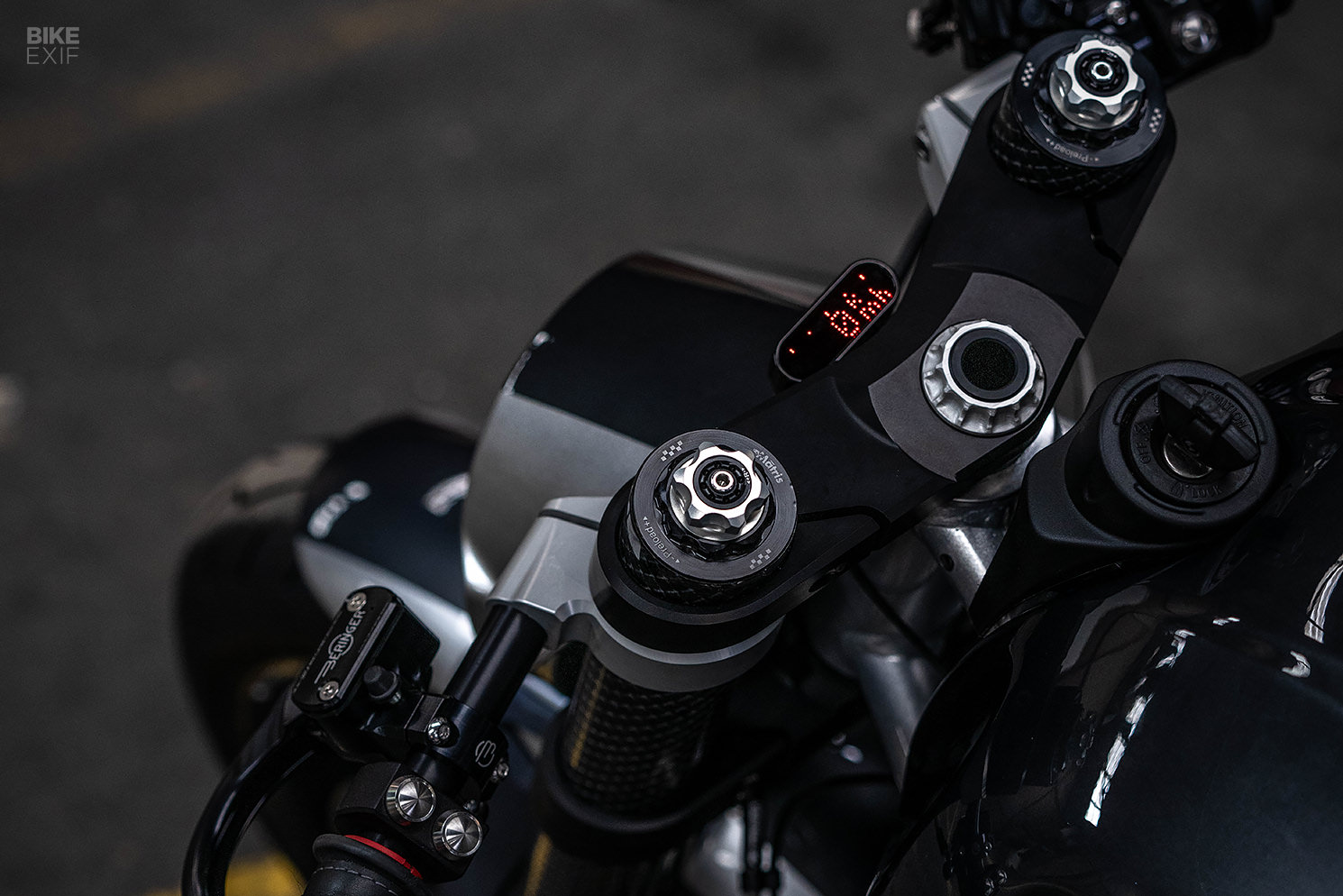
Even though the guys toned down their 9T concept aesthetically, they still went hard on the parts spec. The OEM front forks were rebuilt with carbon fiber uppers from CeraCarbon on the outside, and a cartridge kit from Matris on the inside. They’re fully adjustable now, as is the TFX Suspension rear shock.

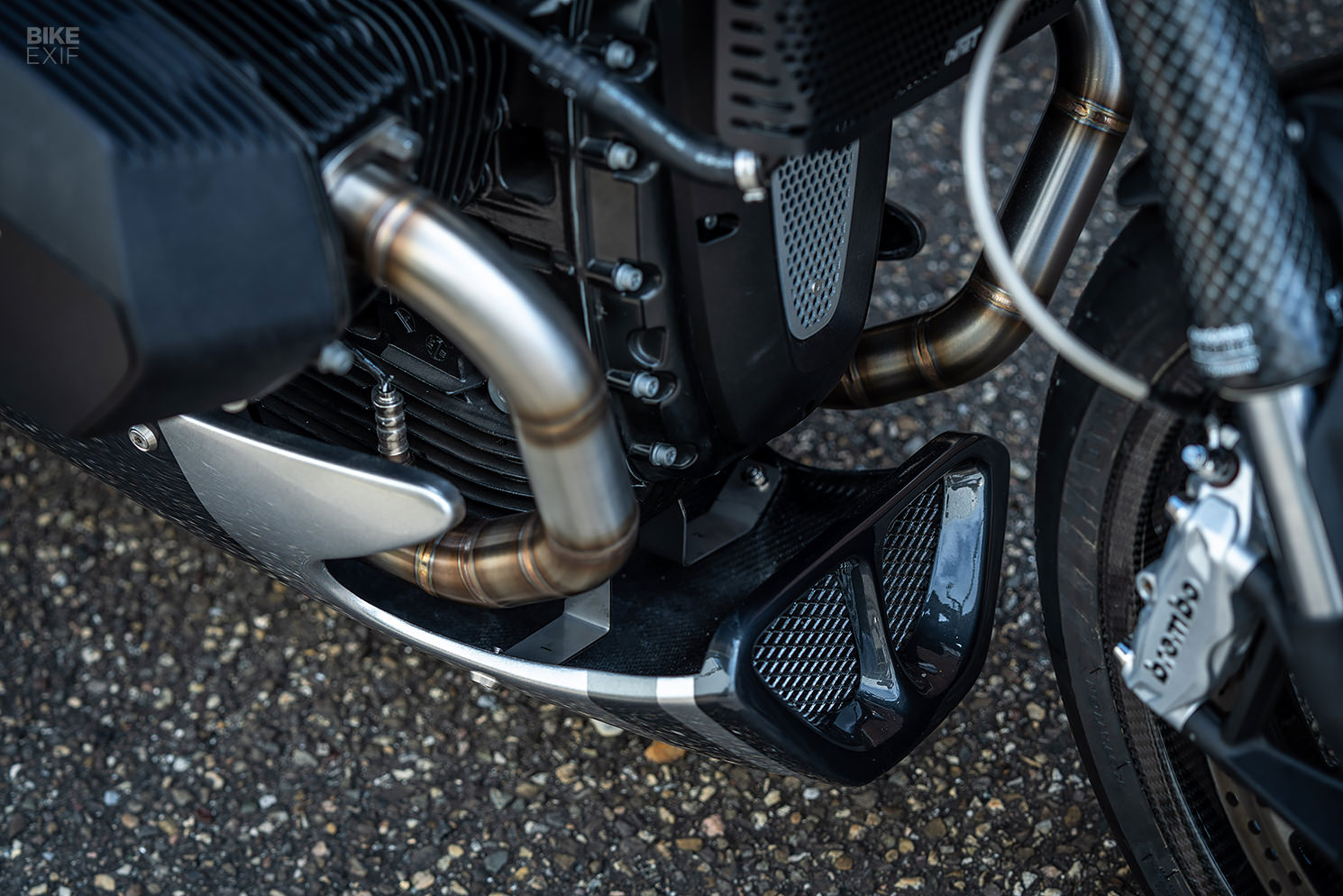
The 9T’s Brembo brakes are still in play, but its laced rims have been swapped out for something juicier. Sitting at each end is a stunning Rotobox Bullet carbon fiber wheel, wrapped in Pirelli Diablo Rosso IV rubber.

BMW R nineT café racer by CNCPT Moto
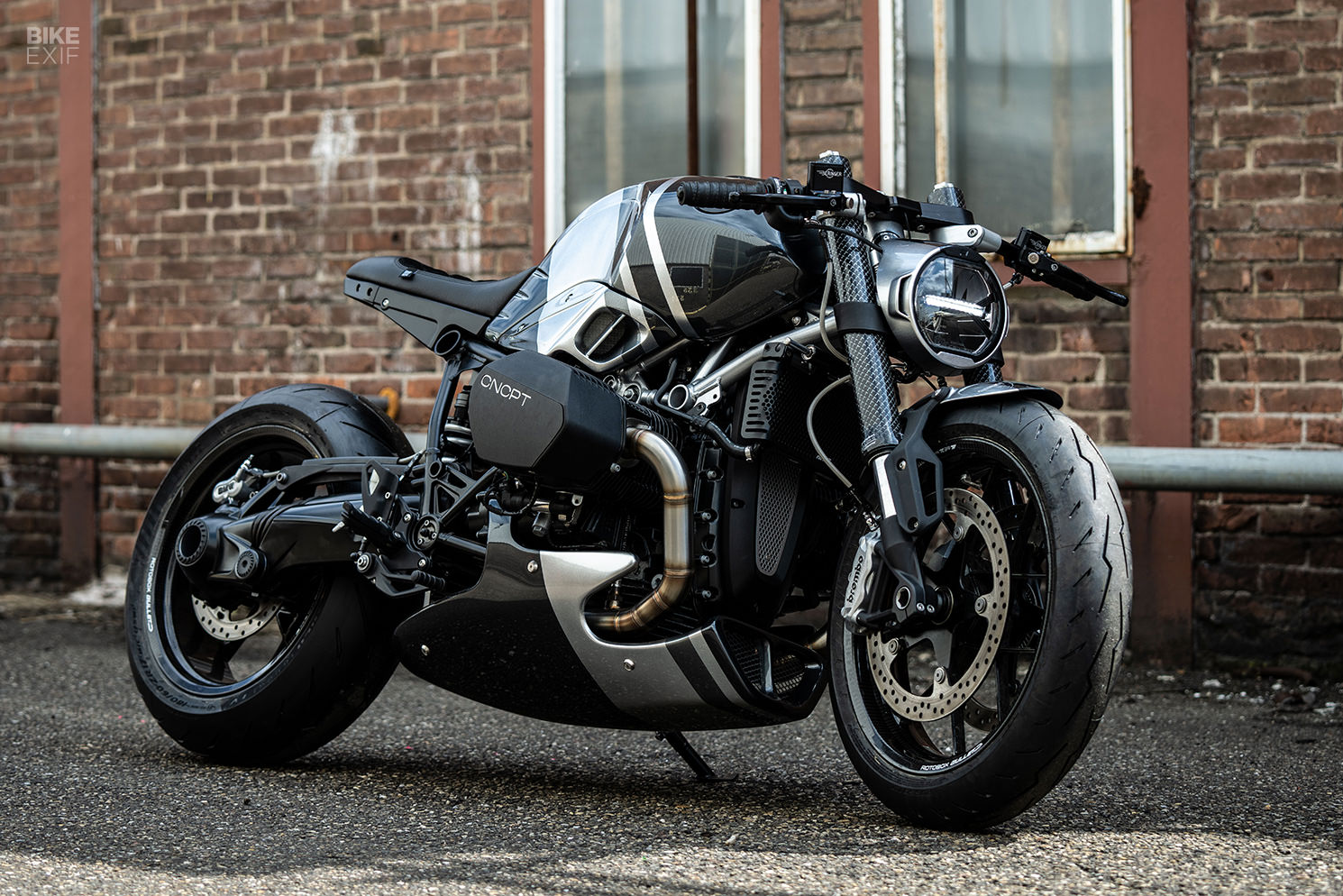
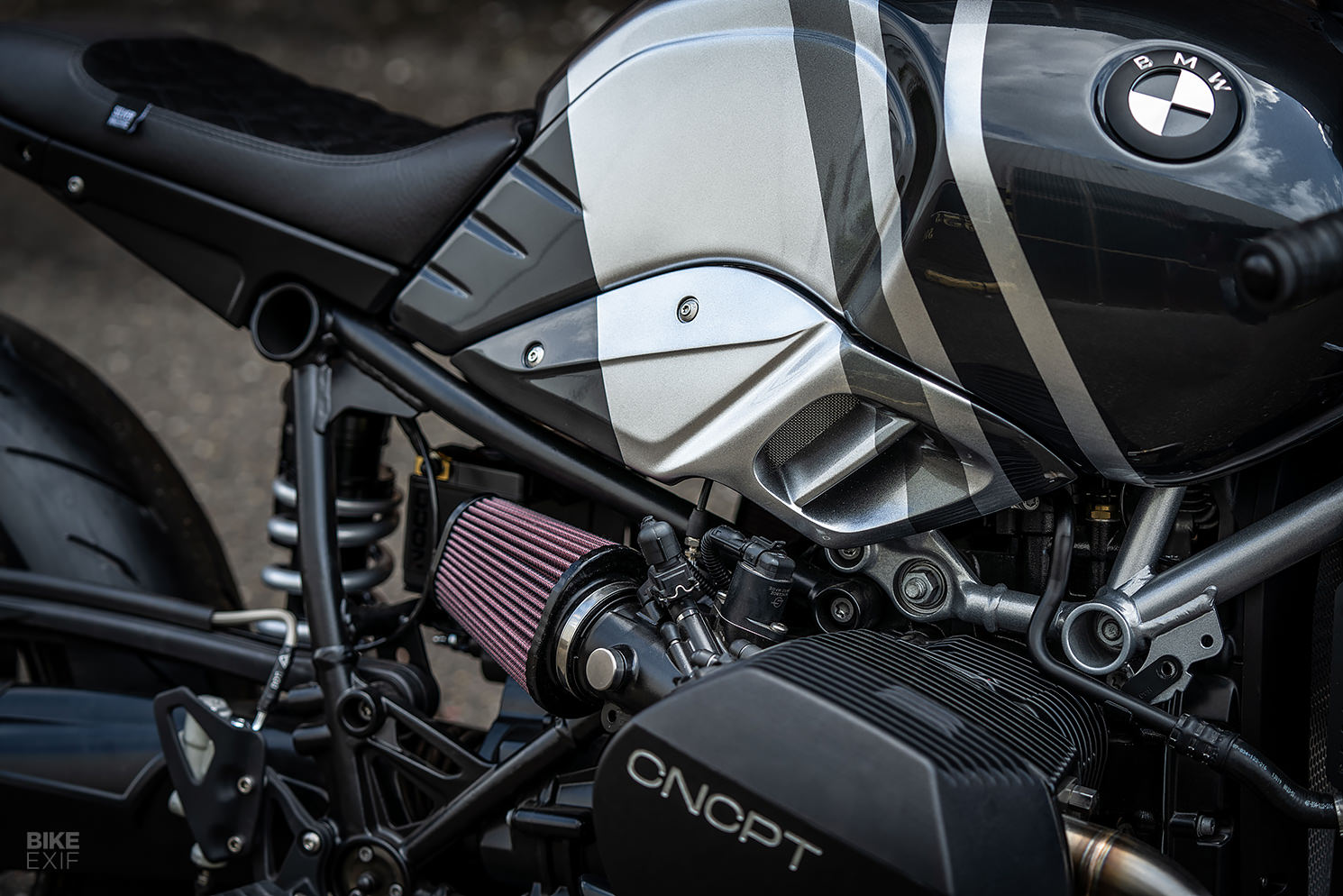
CNCPT wanted to retain some of the 9T’s original DNA, so they kept its original fuel tank. The chunky air intake that’s normally tucked into the right side of it is gone though, replaced by a better looking one from Pier City Cycles in the UK.

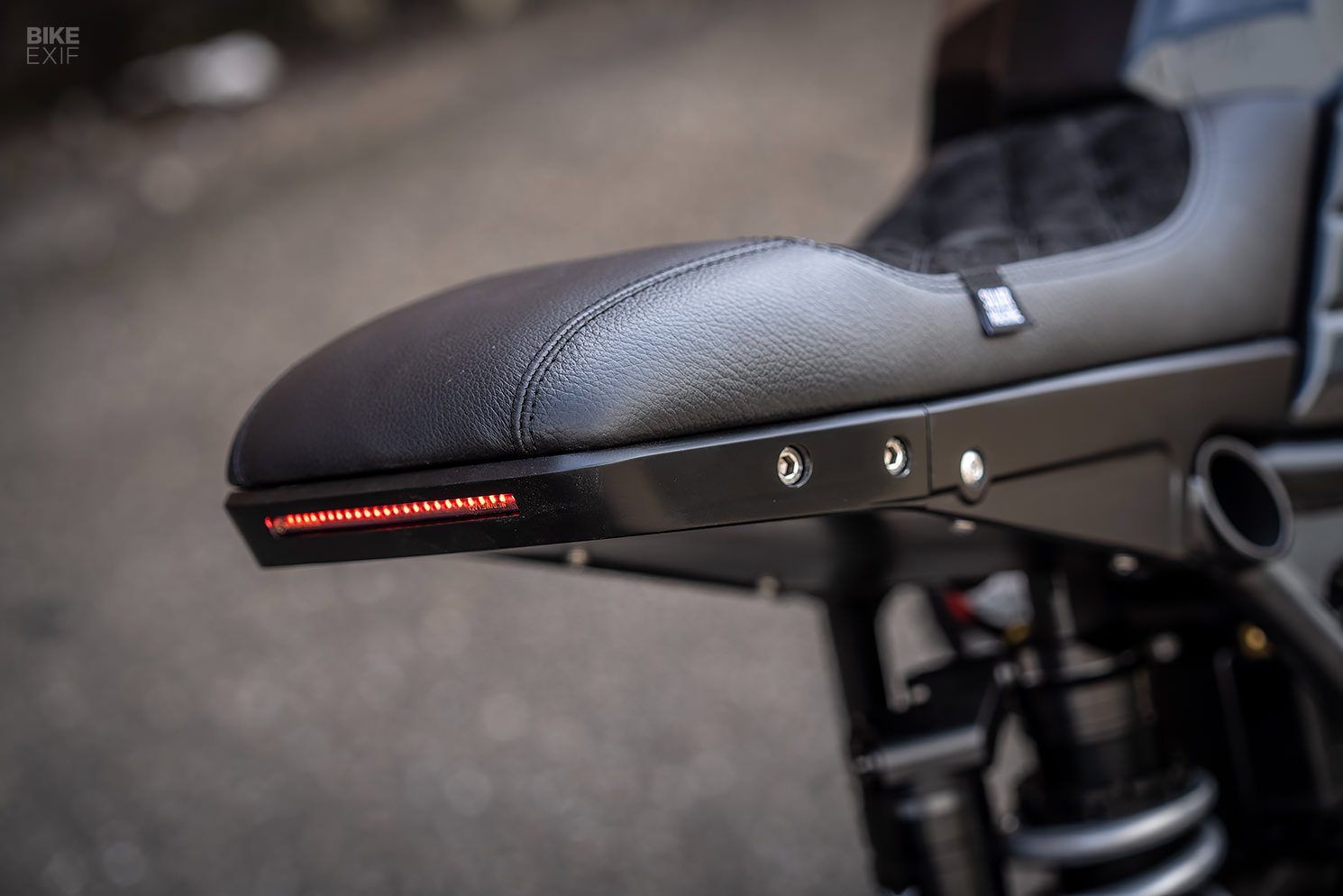
Next, Arjan and Tim unbolted the boxer’s subframe and seat brackets. A stubby 3D-printed subframe sits out back, with a slim LED taillight Frenched into the rear. The Netherlands’ most popular upholsterer, Silver Machine, was responsible for the gorgeous leather and Alcantara seat.

BMW R nineT café racer by CNCPT Moto
Up front, a headlight nacelle from Powerbrick’s existing catalog of BMW parts sits above the OEM fender. It hosts a powerful LED headlight from Koso.

Further back, you’ll find new custom yokes and clip-ons, both machined by Tim. The bars wear leather-wrapped grips, Motogadget push buttons and Beringer master cylinders for the brake and hydraulic clutch. A digital dash from Motogadget handles speedo duties.

BMW R nineT café racer by CNCPT Moto
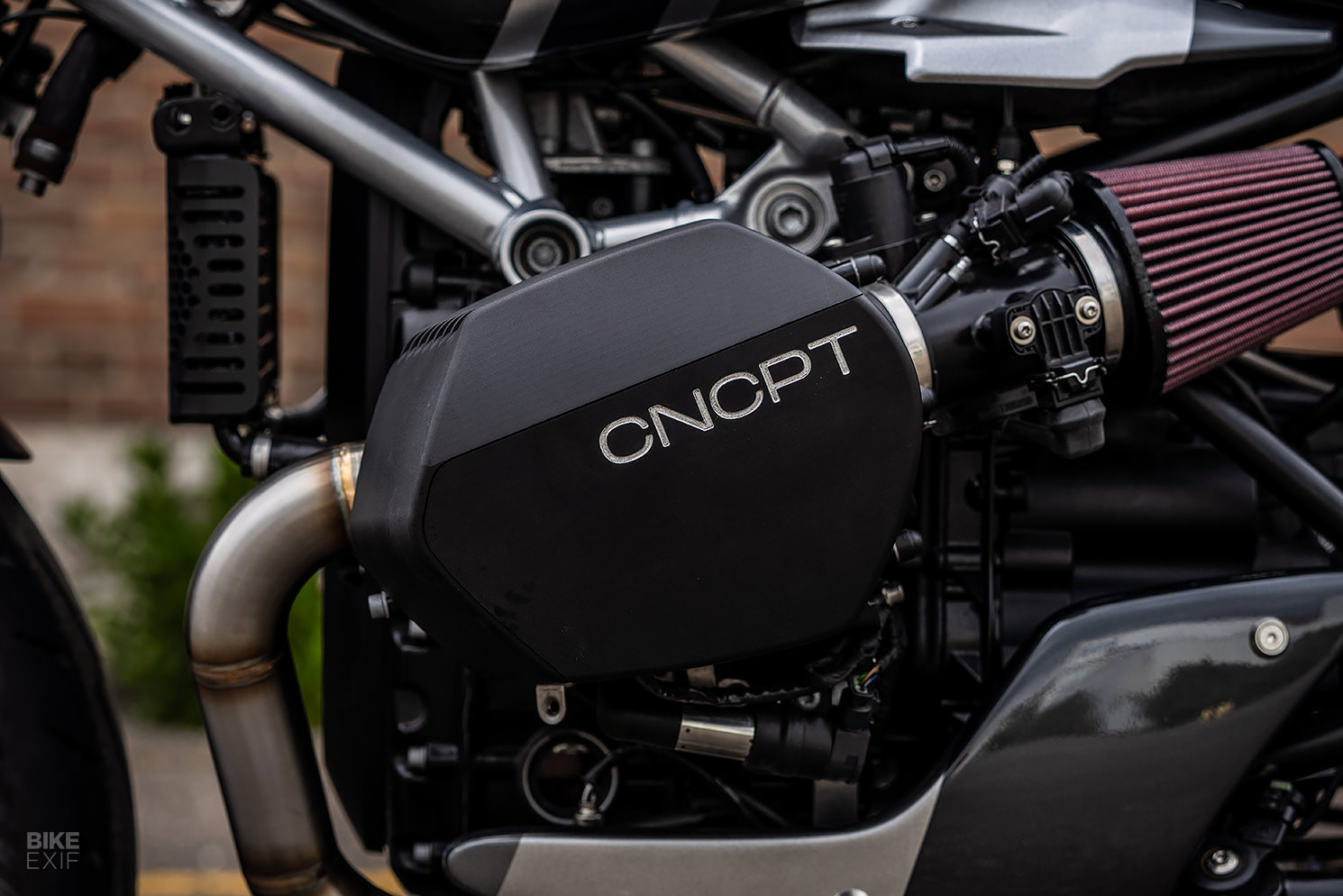
The R nineT’s air- and oil-cooled boxer motor is still stock inside, but CNCPT swapped the air box out for a pair of DNA pod filters. The stainless steel exhaust system is custom, from the two-into-one headers, right through to the retro sportbike-inspired end can. It was fabricated by MAD Exhausts to CNCPT’s design.

CNCPT didn’t mess with the wiring either, limiting their work to accommodating the air box removal and the changes to the lighting. The bike doesn’t currently have turn signals, mirrors or a license plate bracket, but that’s because it’s been busy touring the show circuit. CNCPT are now selling it, so they’ll be bolting those parts on soon.

BMW R nineT café racer by CNCPT Moto
Rounding out the bodywork is a generous belly pan supplied by the BMW parts specialists, AC Schnitzer. It changes the bike’s profile drastically—but, remarkably, it’s actually a plug-and-play part. Tim added an extra dose of style, by machining a custom ‘breastplate’ for the engine, and slick branded valve covers.

The R nineT’s livery is as sharp as its revised silhouette. CNCPT opted for a smart black and silver design, then set it off by finishing the front half of the frame in silver, and a whole lot of smaller bits in black. Royal Jack handled the paint work, while Brother Coating did all the powder coating and anodizing.

BMW R nineT café racer by CNCPT Moto
Dubbed ‘Mach 9,’ this 9T might not be as wild as CNCPT’s debut bike was. But it’s no less lustworthy. There’s no denying it; Arjan and Tim are a force to be reckoned with.

CNCPT Moto Instagram | Arjan van den Boom | Powerbrick | Images by Paul van Mondfrans Lindén

BMW R nineT café racer by CNCPT Moto


from Bike EXIF https://ift.tt/13YGvIT

Wednesday, 7 June 2023

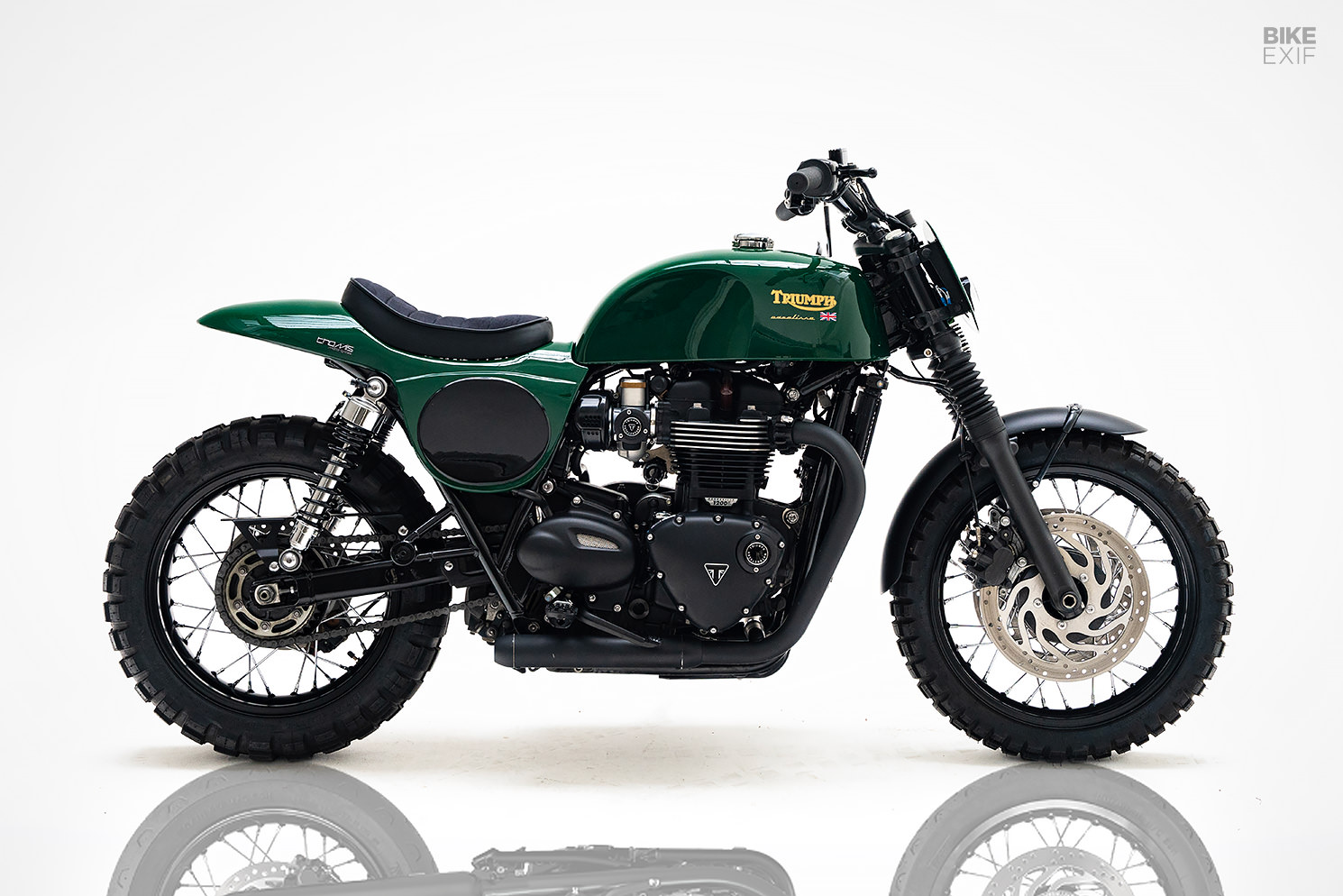
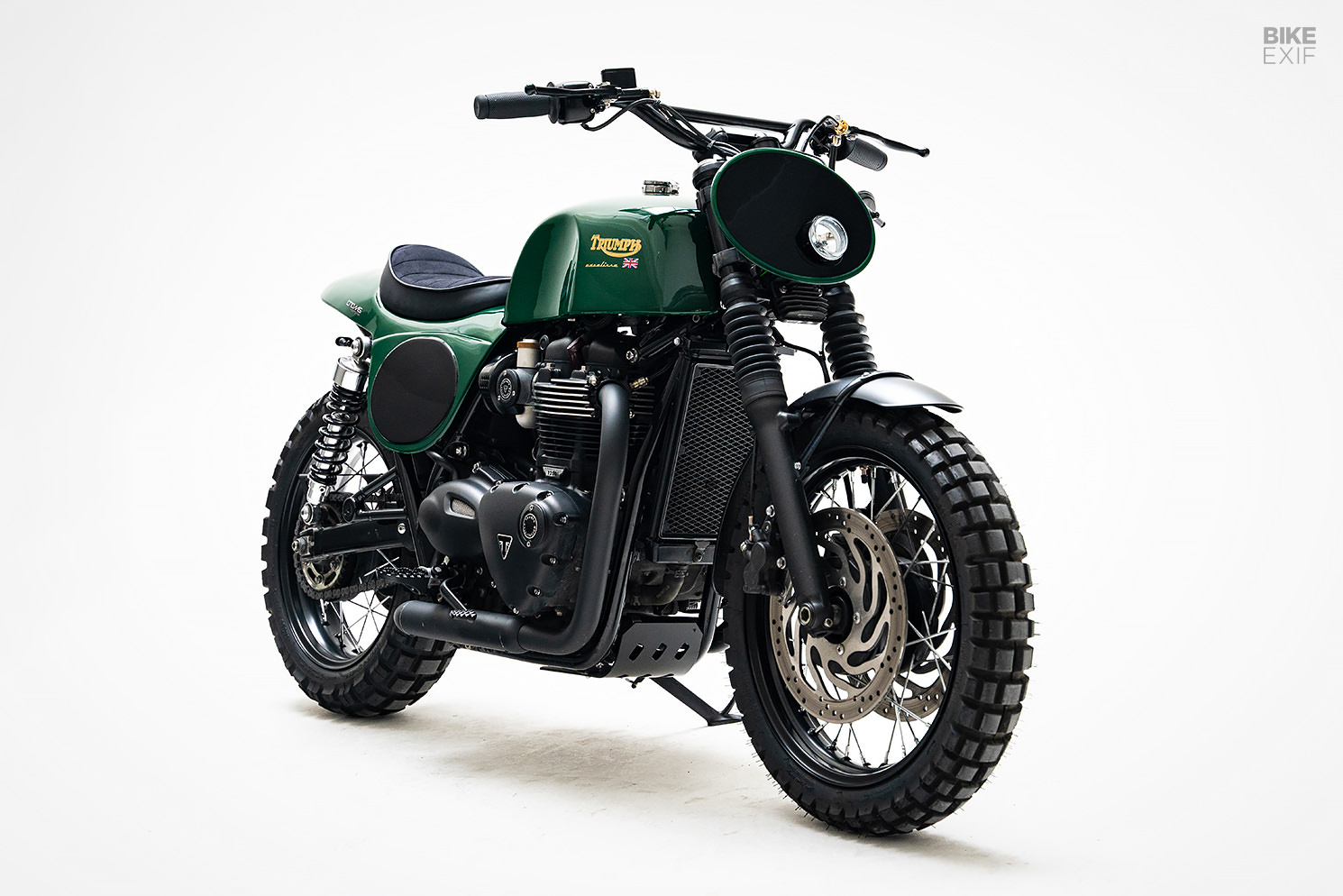
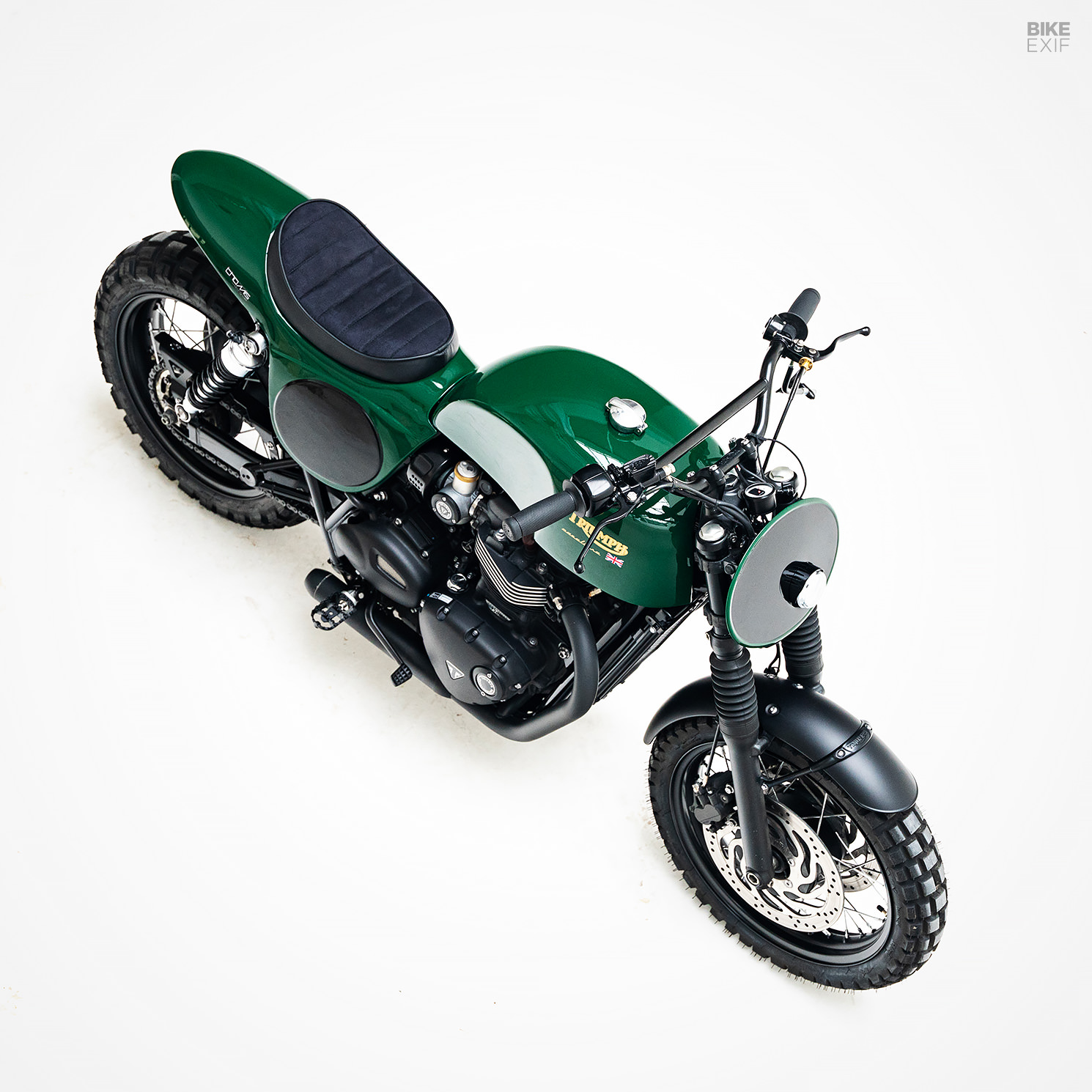
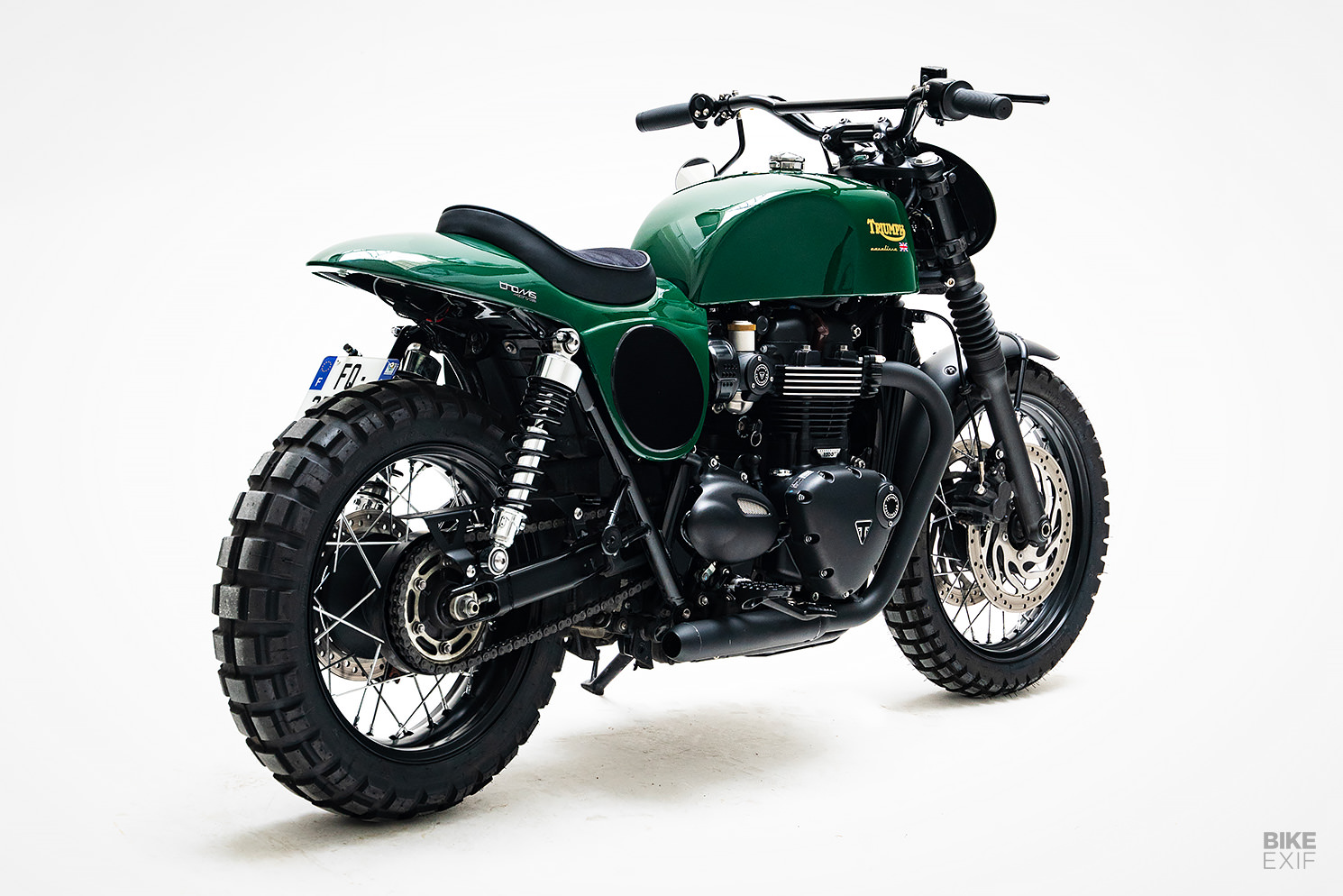
Green with envy: A Bonneville T120 scrambler from France

Triumph Bonneville T120 scrambler by Thomis Motorcycles
In the 60s, a Rickman Metisse Triumph was the bike to own if you wanted to go scrambling. But technology has moved on, and modern off-road racing motorcycles are faster, lighter and sharper than the legendary Metisse. That said, they’re also a lot less pretty.

Like many other race bikes of the era, the Metisse has become iconic—not only for its proprietary frame and its prowess in the dirt, but also for its unmistakable bodywork. Which is why Thomas Vinçon, the founder of Thomis Motorcycles in Paris, used it as the inspiration for this custom Triumph Bonneville T120 scrambler.

Triumph Bonneville T120 scrambler by Thomis Motorcycles
Thomas’ T120 isn’t meant to be a faithful recreation of the Metisse, nor a competition off-roader. Instead, it’s a homage to the original aesthetic; a way to give the contemporary Bonnie extra retro style. “This is my favorite vintage purist bike, and I wanted to do a modern reinterpretation of it,” he tells us.
The Triumph Bonneville T120 is about as sensible a donor bike as you’ll get. It’s a good performer (and a handsome machine) out the box, that gets better and better as you mod it. Thomas designed the build as a daily runner that’ll spend most of its time on public roads, so everything you see here is bolted to the OEM chassis, with little more than a judicious subframe tweak.

Triumph Bonneville T120 scrambler by Thomis Motorcycles
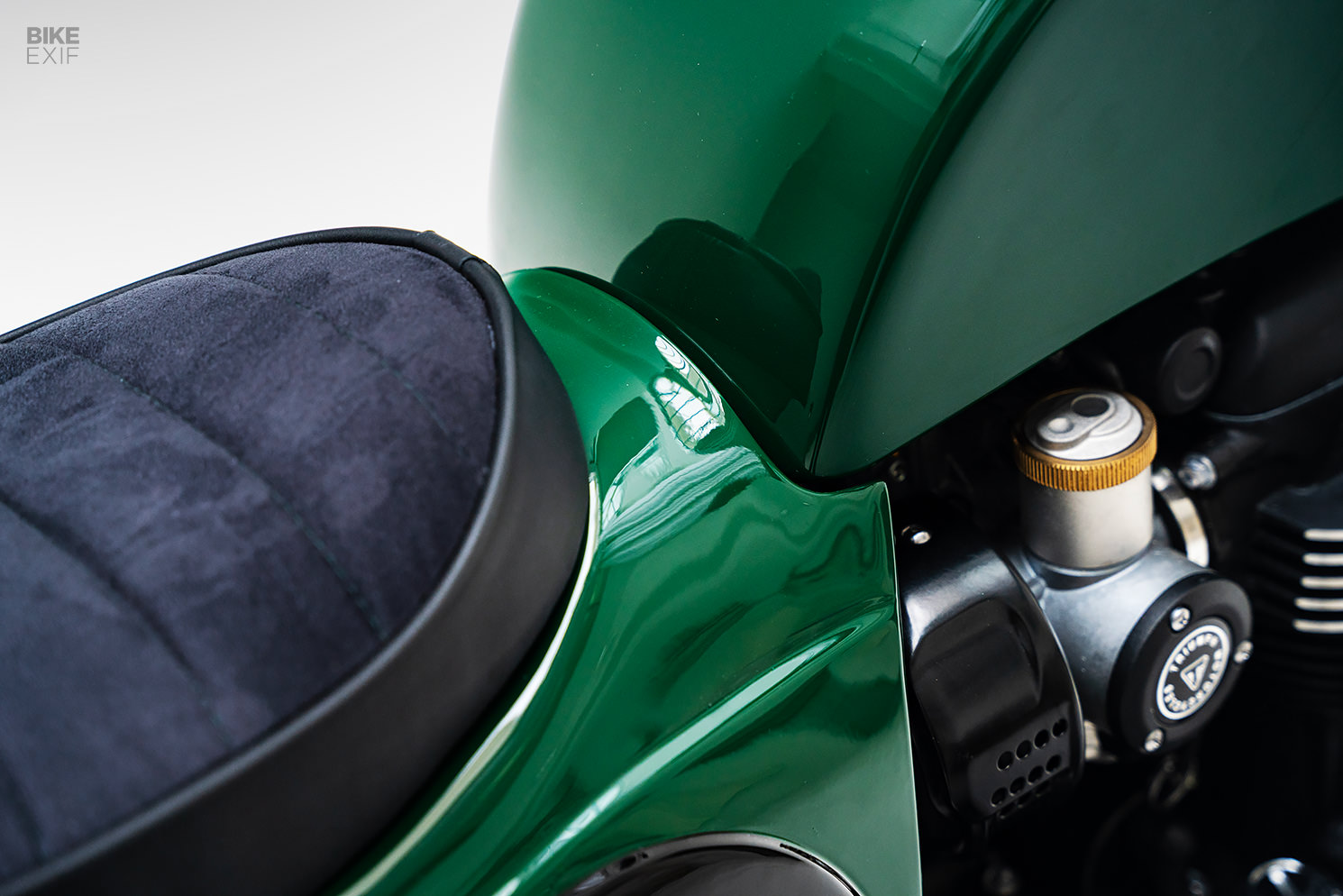
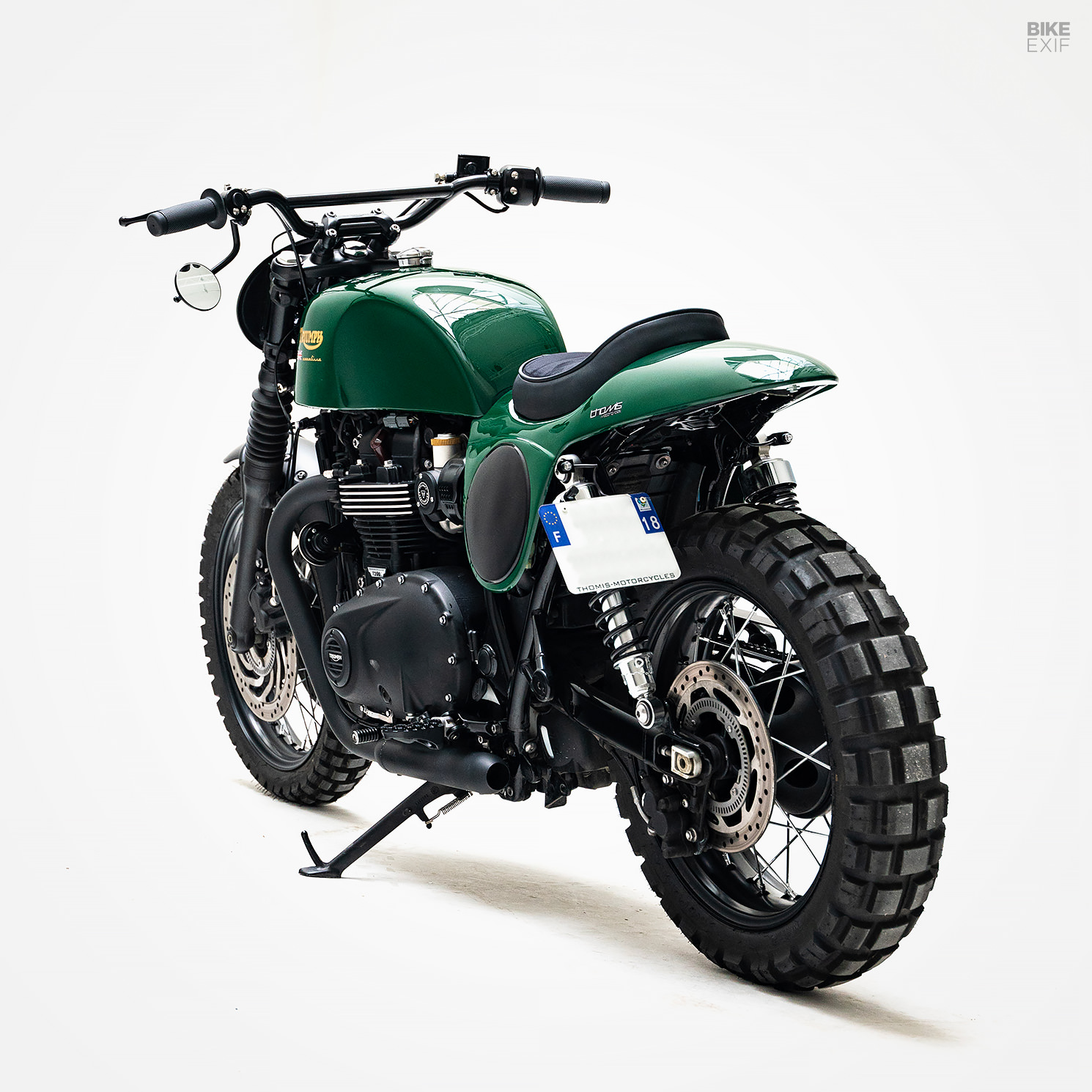
The centerpiece of the build is the new aluminum bodywork. Hand-formed by an external fabricator, the tank and one-piece tail section mimic the vibe of the Metisse, but with their proportions tailored to the chunkier Bonneville T120. Those two parts alone took 140 hours of work to fabricate.

The beautifully upholstered solo seat might look like a bit of an afterthought, but it’s a dead ringer for those found on older Metisse builds. Also in the mix are a number board with a small headlight poking out of it, and a braced front fender.

Triumph Bonneville T120 scrambler by Thomis Motorcycles
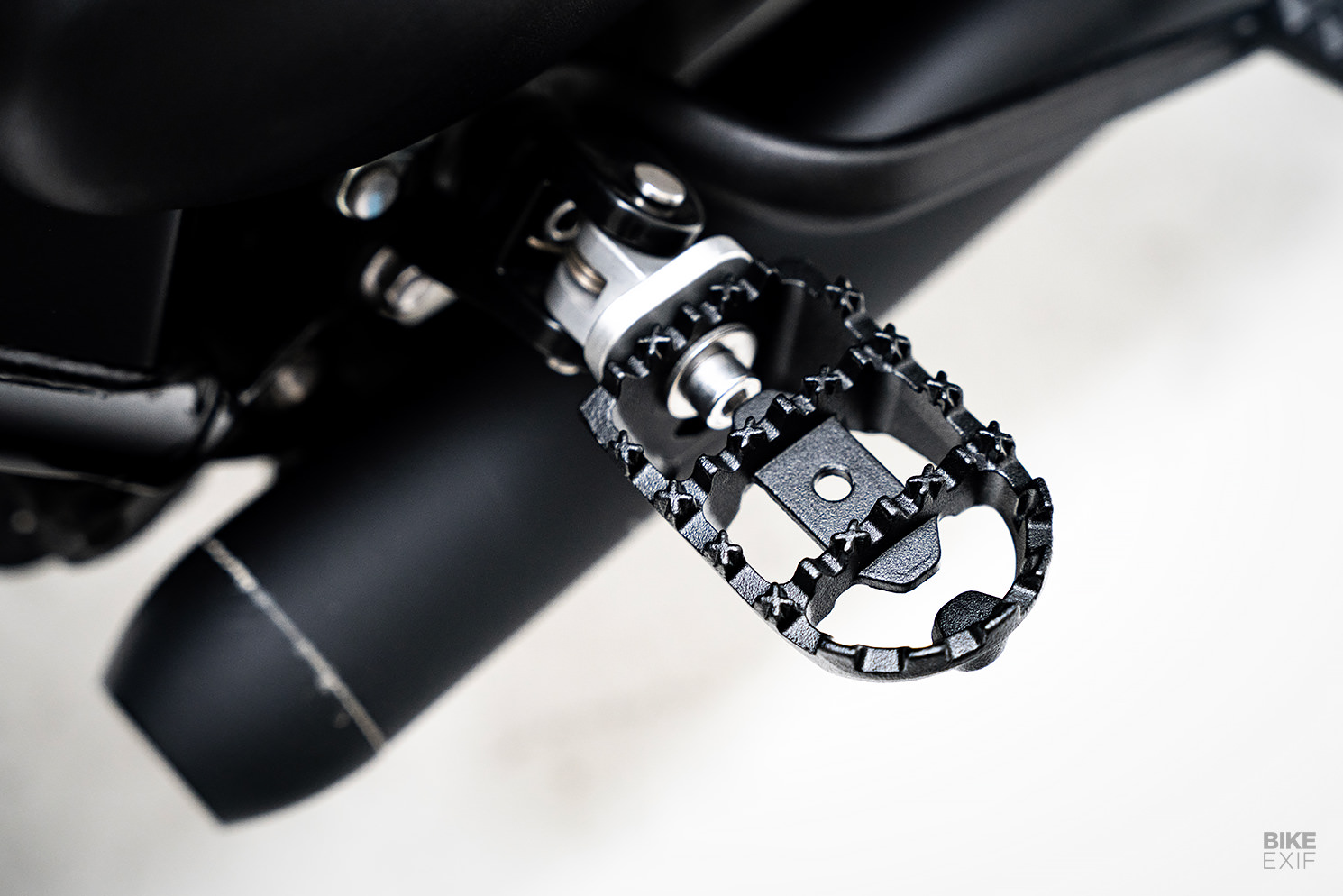
The rest of the Bonneville is dressed in premium parts from a couple of well-know French Triumph specialists. FCR Original supplied the sump guard, while BAAK Motocyclettes sent over a stubby underslung exhaust system. The foot controls use a mix of SW Motech and FCR bits.

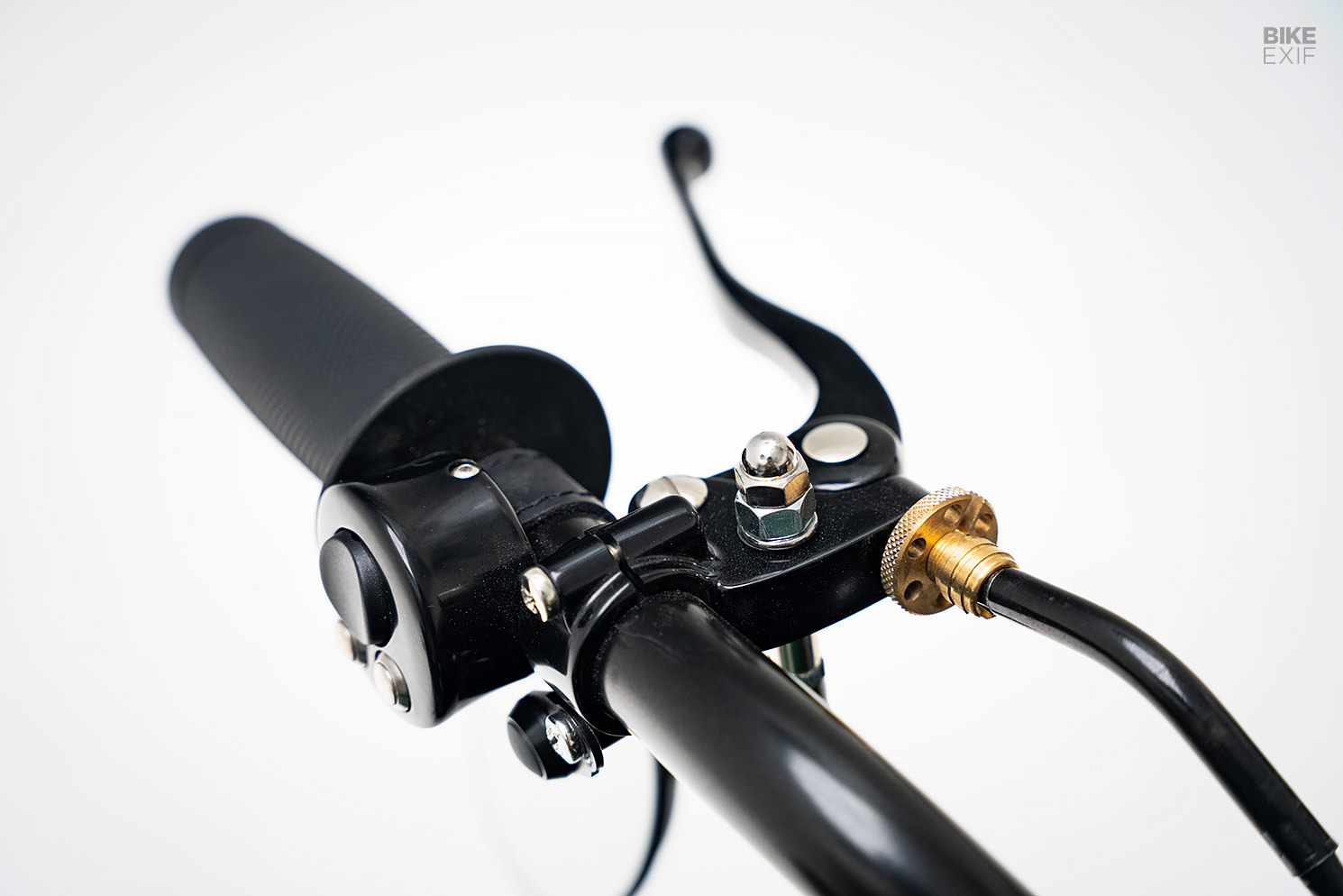
A set of Biltwell Inc. Moto handlebars dominate the cockpit, their crossbar design reinforcing the vintage MX look. The levers and switches are from BAAK, as is the side-mounted license plate bracket at the opposite end of the bike. The speedo and LED turn signals are Motogadget items, with the rear LEDs doubling up as taillights.

Triumph Bonneville T120 scrambler by Thomis Motorcycles
Thomas opted to keep the Bonneville T120’s stock suspension, brakes and 19F/17R wheels, but wrapped the latter in Continental TKC80 rubber. The engine is fully original, and the air box has gone unmolested. So this Bonnie should run as well, and as reliably, as it did before.

Triumph Bonneville T120 scrambler by Thomis Motorcycles
“When I created this bike in Photoshop, the idea was to draw my perfect bike,” says Thomas. We reckon he’s succeeded. We’re big fans of Triumph’s modern classics, so the idea of drenching one in vintage off-road racing style appeals to us, even if it’ll spend most of its time on asphalt.

Resplendent in British racing green with subtle gold details, this particular T120 is also just one in a series of 10 that Thomas plans to build. Each bike will be painted a different color, which should set you at ease if you’re thinking of ordering one, but worried that it might be a bit samey.

Triumph Bonneville T120 scrambler by Thomis Motorcycles
If, however, you like to get your hands dirty yourself, you’re out of luck. Even though these parts are plug-and-play, Thomas doesn’t plan to offer them as a kit. So they only way to get your hands on one of these is to commission a build directly from him.

You’d better hurry up though—this one’s already sold.

Thomis Motorcycles Instagram | Facebook

Triumph Bonneville T120 scrambler by Thomis Motorcycles


from Bike EXIF https://ift.tt/x9WGj0h