Harley-Davidson has always been the industry's most polarizing and rewarding can...
from BikeEXIF https://ift.tt/Ec94wM2
Friday, 31 July 2026

Thursday, 30 July 2026
Throwback Thursday—Kinetic Art: A Handbuilt Board Tracker with a Harley Sportster Engine
Tourists flock to Indonesia for its beaches, volcanoes, and temples. But our int...
from BikeEXIF https://ift.tt/byGiKSZ
from BikeEXIF https://ift.tt/byGiKSZ
Tuesday, 28 July 2026
Beginner’s Luck: Adam Vanhooser's BMW K 1100 Café Racer
Every week, the digital pages of Bike EXIF are graced by the world’s elite custo...
from BikeEXIF https://ift.tt/cnTvrfN
from BikeEXIF https://ift.tt/cnTvrfN
Pocket Rocket: Mark Zweig’s Janus Phoenix Cafe Racer
In an industry often obsessed with ever-increasing displacement, dizzying electr...
from BikeEXIF https://ift.tt/p7IWtkS
from BikeEXIF https://ift.tt/p7IWtkS
Monday, 27 July 2026
Grit and Grace: 8 of our Favorite Triumph Trackers
The Triumph parallel twin is a silhouette that has defined the dirt oval for ove...
from BikeEXIF https://ift.tt/JV4Yhvy
from BikeEXIF https://ift.tt/JV4Yhvy
Saturday, 25 July 2026
Tyrael—A Low-Slung Bobber Based on the Interceptor 650
With a 648 cc air-cooled engine and standard twin-shock frame geometry, the Roya...
from BikeEXIF https://ift.tt/95EaP2G
from BikeEXIF https://ift.tt/95EaP2G
Friday, 24 July 2026
Volvo Construction Equipment: Common DPF Problems and Solutions for Heavy Equipment
Volvo Construction Equipment (Volvo CE) has a range of machines for many applications, including for example road construction, quarry operations, utility work, and on large-scale industrial projects. Some of the machines included in the Volvo CE lineup are excavators, wheel loaders, motor graders, articulated haulers, soil compactors, asphalt pavers and compact construction equipment.
Modern Volvo CE machines are powered by Volvo D5, D8, D11, D13, and D16 diesel engines that meet Tier 4 Final and Stage V emissions standards. To achieve these requirements, they rely on advanced aftertreatment systems, including the Diesel Particulate Filter (DPF), SCR/DEF, EGR, and multiple pressure, temperature, and NOx sensors.
While these technologies significantly reduce emissions, they are also among the most common causes of unexpected downtime—especially on machines with high operating hours.
Common Problems with Volvo Construction Equipment
Many issues concerning the fidelity of Volvo construction equipment focus on the aftertreatment system. These include:
- Frequent DPF regeneration cycles
- Clogged diesel particulate filters
- SCR/DEF and NOx system faults
- EGR valve failures
- Engine power loss
- Engine derate mode
- Increased fuel consumption
- High exhaust backpressure and accelerated turbocharger wear
These issues are particularly common on motor graders, wheel loaders, excavators, and articulated dump trucks that spend long periods operating under variable loads or at idle.
Why DPF Problems Are Common on Volvo Motor Graders
In practical construction applications, one of the majorly reported problems is the DPF of the Volvo Grader.
Unlike highway trucks, motor graders often operate:
- At low engine RPM
- Under constantly changing loads
- With frequent stops
- During extended idle periods
These operating conditions often prevent exhaust temperatures from reaching the level required for a complete DPF regeneration. Soot buildup increases backpressure inside the exhaust system, which invokes regeneration more often.
Typical symptoms
- Frequent regeneration requests
- DPF warning messages
- Reduced engine power
- Engine derate mode
- Increased fuel consumption
- Unplanned equipment downtime
What Causes DPF Failures?
Soot Buildup
Incomplete combustion causes soot to build up in the DPF faster than the system can regenerate and remove it.
Incomplete Regeneration
A successful regeneration cycle requires high exhaust temperatures and a consistent engine load. Construction equipment seldom functions in such favorable conditions.
Fuel and Engine Oil Quality
Poor quality diesel fuel and inappropriate engine oil increase the formation of soot and ash. Unlike soot, ash cannot be burnt off in the regeneration process, and increases the filter blockage.
EGR, SCR, and Sensor Failures
Problems with the EGR valve, NOx sensors, temperature sensors, or differential pressure sensors can disrupt the entire aftertreatment system and trigger DPF-related fault codes—even if the filter itself is still in good condition.
Standard Repair Options
Typical techniques of repair include:
- Forced DPF regeneration
- Professional DPF cleaning
- DPF replacement
- Repairing SCR and EGR components
Even if normal operation is restored, the root issue is not always resolved. If the machine is kept in the same condition, the problems are likely to come back.
ECU Optimization and Performance Tuning
Timely fixing of machines will not solve the main issue. If the machines are left unattended, the problems will come back.
Typical tuning options include:
- Fuel map optimization
- Torque programming
- Regeneration strategy optimization
- Software solutions for DPF, EGR, and SCR/DEF systems
- Engine tuning tailored to real operating conditions
When performed correctly, ECU tuning can improve engine performance, reduce unexpected downtime, and lower long-term operating costs.
Important: Any software modifications should only be performed by specialists with extensive experience working with Volvo CE platforms and their engine control systems.
Why Equipment Owners Choose DrunkLab
DrunkLab has been a leader in ECU reverse engineering, custom software, and remote programming for Volvo Group equipment for over fifteen years.
The company supports a wide range of Volvo Construction Equipment platforms and provides software solutions for contractors, equipment owners, fleet operators, and service providers. [1]
Services for Volvo CE include:
- ECU diagnostics
- Remote ECU programming
- Factory tuning optimization
- Power and torque tuning
- Software solutions for DPF, EGR, and SCR/DEF systems
- Factory software restoration (Stock Restore)
- Remote technical support
Experienced in implementing Volvo electronic control systems, DrunkLab designs technology specific to the generation of ECU present on the machine, the engine configuration, and its operational characteristics.
Conclusion
Volvo Construction Equipment is known for its durability and productivity, but modern emissions systems such as the DPF, EGR, and SCR can become significant sources of maintenance costs and equipment downtime.
This is especially true for motor graders and other machines that operate for long periods at low engine speeds, under varying loads, or during extended idle time.
Machine reliability, operating costs, and unplanned downtime can be positively affected by professional ECU optimization in conjunction with proper diagnostics and preventive maintenance.
DrunkLab has over 15 years experience of engineering and software development, and provides remote support and advanced engineering for Volvo CE customers across the globe. This service includes ECU diagnostics, software restoration, and engine tuning for DPF, EGR, and SCR/DEF systems.
from Auto Blog | Latest Car News and Reviews, Trucks, Bikes, and Motorcycles https://ift.tt/xbXdmYy
Flashback Friday: The Top 8 Customs of July 2025
In this edition of Flashback Friday, we’re revisiting eight machines that define...
from BikeEXIF https://ift.tt/4O8Z1Va
from BikeEXIF https://ift.tt/4O8Z1Va
Thursday, 23 July 2026
Throwback Thursday—Fever Pitch: A Kymco KTR 150 Scrambler from Taiwan
In Taiwan, 150 cc motorcycles like the locally-produced Kymco KTR 150 sell...
from BikeEXIF https://ift.tt/6D7vixQ
from BikeEXIF https://ift.tt/6D7vixQ
Why More U.S. Contractors Are Choosing Volvo CE Performance Tuning
The construction industry has always had difficult conditions. Across the contracting industry in the U.S., there seems to be an expectation to complete projects within shrinking timeframes, control costs, and maintain high standards of quality. This holds true for contractors across the United States. All while fuel, labor, equipment, and materials keep increasing in price. Consequently, operational efficiency has become one of the largest competitive advantages for job sites.
One solution that has gained significant attention has been identified as the professional performance tuning for Volvo Construction Equipment (Volvo CE). When professional specialists perform tuning, contractors are able to accomplish more with the same equipment and even reduce the long-term cost of operating that equipment.
This article explores the productivity and performance benefits and cost-saving advantages of Volvo CE tuning that contractors may have previously underestimated for their return on investment.
Why Are Construction Companies Under Pressure?
Contractors are still facing many challenges in the current U.S. construction market being among the largest in the world:
- Constant fluctuations in material prices
- Rising labor and operating expenses
- Increasing environmental and regulatory requirements
- Higher financing costs
- Tight project schedules and demanding customers
Together, these factors make cost optimization more important than ever.
Heavy equipment represents one of the largest investments on any job site. Improving machine efficiency often delivers a much greater financial impact than cutting expenses elsewhere.
What Is Volvo CE Performance Tuning?
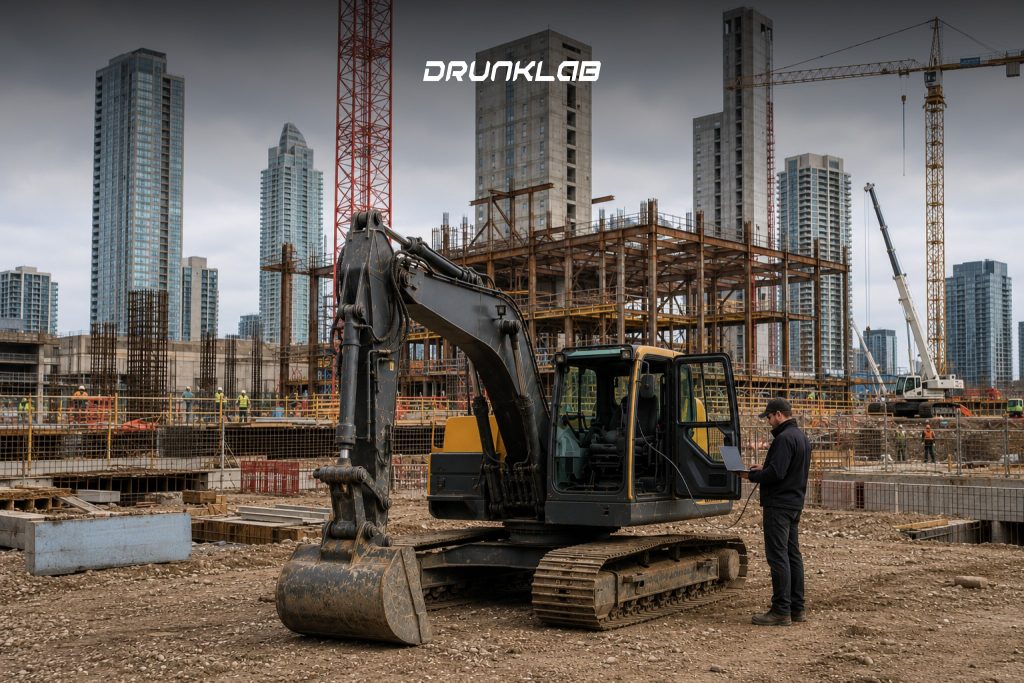
Performance tuning involves much more than simply increasing engine power. It is a comprehensive optimization process designed to improve the overall efficiency of a machine by:
- Increasing horsepower and torque
- Optimizing fuel consumption
- Improving throttle response
- Extending component life and reliability
Volvo CE machines are engineered to perform reliably across a wide variety of operating conditions. However, factory calibrations must satisfy global emissions standards, regional fuel quality differences, and countless operating environments.
That means factory software is intentionally conservative.
Professional tuning customizes engine mapping specifically for your application—whether you’re moving earth in Texas, building highways in California, or operating in demanding mining environments across North Dakota.
Instead of using a one-size-fits-all setup, professional tuning matches the machine to your workload, operating conditions, hydraulic demands, and productivity goals.
How Performance Tuning Improves Machine Efficiency
1. More Power and Higher Productivity
Factory engine mappings are designed to perform well under many different operating conditions—not necessarily under continuous heavy loads.
Professional tuning can:
- Increase available horsepower
- Improve torque throughout the working RPM range
- Optimize hydraulic performance
- Improve transmission behavior
The result is a machine that completes more work in less time.
Excavators can do more cycles in a shift. Loaders can move more material with less effort and dozers have more pulling power when loaded with material.
Improvements in cycle times, even small ones, can bring productivity gains on a project that are measured in multiples.
2. Lower Fuel Consumption
Fuel remains one of the largest ongoing expenses for contractors.
Professional Volvo CE tuning helps by:
- Eliminating unnecessary fuel consumption
- Optimizing fuel delivery under varying loads
- Improving engine efficiency
- Enhancing combustion performance
Actual field results from the field show that savings on fuel across different types of machines and different applications and operating conditions typically range from 5% to 15%.
For fleets that log hundreds of machine hours every month, savings can rapidly total thousands of dollars each year.
3. Reduced Wear and Lower Maintenance Costs
More efficient machines tend to work under significantly less unnecessary stress.
Proper tuning can contribute to:
- Engine longevity
- Less stress on drivetrain parts
- Reduced cost for maintenance
- Less frequent failures
- Less time out of service
One should distinguish working harder from working smarter. With adjustments, both the engine and hydraulic systems can be more effective, and can function within their preferred operational ranges.
4. Better Machine Control and Driver Comfort
A side benefit that is often ignored is improved operator comfort resulting from better drivability.
A properly calibrated Volvo CE machine often provides:
- Faster throttle response
- Smoother power delivery
- Better hydraulic control
- Improved responsiveness during precision work
- Reduced operator fatigue
Equipment with predictable and reliable behavior helps with fatigue and allows the worker to perform shifts more confidently and with higher quality.
Does Performance Tuning Pay for Itself?
This is one of the most common questions contractors ask.
For many operations, the answer is yes—and often much sooner than expected.
Potential financial benefits include:
- Lower monthly fuel costs
- Reduced maintenance expenses
- Increased productivity
- Less downtime
- Faster project completion
For equipment operating full-time, these combined savings frequently offset the initial investment within a relatively short period.
Example Savings
| Metric | Before Tuning | After Tuning |
| Fuel Consumption | 6.6 gal/hr | 5.8 gal/hr |
| Fuel Savings | — | ~12% |
| Daily Fuel Cost | $400 | $352 |
| Monthly Fuel Savings | — | ~$1,440 |
| Reduced Maintenance Costs | — | ~$800–$1,500/month |
Sometimes, contractors can save several thousand dollars each month just from better machine efficiency.
Extra advantages could also entail:
- Faster project completion
- Reduced risk of schedule delays
- Less need for additional rental equipment
- Improved customer satisfaction
Why More Contractors Are Choosing Equipment Tuning
Several industry trends have made machine optimization more valuable than ever.
Higher Fuel Prices
Fuel price volatility has increased the value of every gallon saved.
Rising Material and Logistics Costs
As other project costs continue climbing, improving equipment efficiency becomes one of the easiest ways to protect profit margins.
Increased Competition
With lower operating costs, contractors can place competitive bids and still make a decent profit.
Protecting Equipment Investments
Heavy equipment is a long-term capital investment.
Extending machine life while maintaining resale value makes good financial sense for companies of every size.
Volvo CE Tuning as a Competitive Advantage
For contractors operating across diverse environments—from the hot deserts of the Southwest to the humid conditions of the East Coast—professional tuning has become more than an optional upgrade.
It has increasingly become part of an overall fleet management strategy.
Professional optimization considers:
- Your specific Volvo CE engine and hydraulic system
- Actual work applications
- Load cycles
- Operating environment
- Climate conditions
This level of customization simply isn’t possible with factory software designed for worldwide use.
Choosing the Right Tuning Provider
Prior to selecting a tuning service, keep the following in mind:
- Proven experience with Volvo CE equipment
- Documented results and customer support
- Compatibility with U.S. operating requirements
- Clear reporting and measurable performance improvements
- Transparent pricing and expected return on investment
The best providers develop custom calibrations based on the specific machine and application—not generic files applied to every customer.
What Contractors Are Seeing in the Field
Companies that have implemented professional tuning frequently report benefits such as:
- Up to 15% faster earthmoving operations
- Increased excavator productivity
- Fuel savings of up to 15% during demanding applications
- Fewer overheating and overload-related interruptions
- Lower maintenance costs
Actual results vary depending on machine model, operating conditions, maintenance practices, and workload, but these are among the improvements commonly reported by contractors across different regions of the United States.
A Helpful Technical Resource for Volvo Owners
If you own or maintain Volvo construction equipment, it’s also worth bookmarking volvodpfdelete.com. While it’s not simply a service website, it’s an excellent technical resource filled with real-world troubleshooting cases, software information, optimization examples, and practical solutions for common Volvo CE issues. You can discover helpful technical information regarding the performance tuning and behavior of the emissions system behavior and unusual fault conditions before making any maintenance or tuning decisions.[1]
Final Thoughts
If your construction company wants to:
- Lower operating expenses
- Improve project profitability
- Complete jobs faster
- Extend equipment life
…professional Volvo CE tuning can be a valuable investment.
Rather than just increasing engine output, tuning today considers the total system efficiency of the machine. The result is lower operating costs, better productivity, and improved long-term value from every piece of equipment in your fleet.
Today, performance optimization offers contractors practical business strategies to help them remain competitive in an industry that continues to become more challenging. Performance optimization was once considered something reserved for racing vehicles or specialty equipment.
from Auto Blog | Latest Car News and Reviews, Trucks, Bikes, and Motorcycles https://ift.tt/GRj1H25
Wednesday, 22 July 2026
Road Tested: F-17 GP Helmet from Kabuto
In the pursuit of wanting the best of the best, we all tend to over-spec things;...
from BikeEXIF https://ift.tt/u4731ro
from BikeEXIF https://ift.tt/u4731ro
Tuesday, 21 July 2026
Heavyweight Lightweight: Le Cent Vingt Cinq’s Suzuki Vanvan 125
Just west of the gates of Versailles lies the quiet town of Thoiry, France. It i...
from BikeEXIF https://ift.tt/48ckMzt
from BikeEXIF https://ift.tt/48ckMzt
Why More U.S. Contractors Are Choosing Volvo CE Performance Tuning
The construction industry has always had difficult conditions. Across the contracting industry in the U.S., there seems to be an expectation to complete projects within shrinking timeframes, control costs, and maintain high standards of quality. This holds true for contractors across the United States. All while fuel, labor, equipment, and materials keep increasing in price. Consequently, operational efficiency has become one of the largest competitive advantages for job sites.
One solution that has gained significant attention has been identified as the professional performance tuning for Volvo Construction Equipment (Volvo CE). When professional specialists perform tuning, contractors are able to accomplish more with the same equipment and even reduce the long-term cost of operating that equipment.
This article explores the productivity and performance benefits and cost-saving advantages of Volvo CE tuning that contractors may have previously underestimated for their return on investment.
Why Are Construction Companies Under Pressure?
Contractors are still facing many challenges in the current U.S. construction market being among the largest in the world:
- Constant fluctuations in material prices
- Rising labor and operating expenses
- Increasing environmental and regulatory requirements
- Higher financing costs
- Tight project schedules and demanding customers
Together, these factors make cost optimization more important than ever.
Heavy equipment represents one of the largest investments on any job site. Improving machine efficiency often delivers a much greater financial impact than cutting expenses elsewhere.
What Is Volvo CE Performance Tuning?
Performance tuning involves much more than simply increasing engine power. It is a comprehensive optimization process designed to improve the overall efficiency of a machine by:
- Increasing horsepower and torque
- Optimizing fuel consumption
- Improving throttle response
- Extending component life and reliability
Volvo CE machines are engineered to perform reliably across a wide variety of operating conditions. However, factory calibrations must satisfy global emissions standards, regional fuel quality differences, and countless operating environments.
That means factory software is intentionally conservative.
Professional tuning customizes engine mapping specifically for your application—whether you’re moving earth in Texas, building highways in California, or operating in demanding mining environments across North Dakota.
Instead of using a one-size-fits-all setup, professional tuning matches the machine to your workload, operating conditions, hydraulic demands, and productivity goals.
How Performance Tuning Improves Machine Efficiency
1. More Power and Higher Productivity
Factory engine mappings are designed to perform well under many different operating conditions—not necessarily under continuous heavy loads.
Professional tuning can:
- Increase available horsepower
- Improve torque throughout the working RPM range
- Optimize hydraulic performance
- Improve transmission behavior
The result is a machine that completes more work in less time.
Excavators can do more cycles in a shift. Loaders can move more material with less effort and dozers have more pulling power when loaded with material.
Improvements in cycle times, even small ones, can bring productivity gains on a project that are measured in multiples.
2. Lower Fuel Consumption
Fuel remains one of the largest ongoing expenses for contractors.
Professional Volvo CE tuning helps by:
- Eliminating unnecessary fuel consumption
- Optimizing fuel delivery under varying loads
- Improving engine efficiency
- Enhancing combustion performance
Actual field results from the field show that savings on fuel across different types of machines and different applications and operating conditions typically range from 5% to 15%.
For fleets that log hundreds of machine hours every month, savings can rapidly total thousands of dollars each year.
3. Reduced Wear and Lower Maintenance Costs
More efficient machines tend to work under significantly less unnecessary stress.
Proper tuning can contribute to:
- Engine longevity
- Less stress on drivetrain parts
- Reduced cost for maintenance
- Less frequent failures
- Less time out of service
One should distinguish working harder from working smarter. With adjustments, both the engine and hydraulic systems can be more effective, and can function within their preferred operational ranges.
4. Better Machine Control and Driver Comfort
A side benefit that is often ignored is improved operator comfort resulting from better drivability.
A properly calibrated Volvo CE machine often provides:
- Faster throttle response
- Smoother power delivery
- Better hydraulic control
- Improved responsiveness during precision work
- Reduced operator fatigue
Equipment with predictable and reliable behavior helps with fatigue and allows the worker to perform shifts more confidently and with higher quality.
Does Performance Tuning Pay for Itself?
This is one of the most common questions contractors ask.
For many operations, the answer is yes—and often much sooner than expected.
Potential financial benefits include:
- Lower monthly fuel costs
- Reduced maintenance expenses
- Increased productivity
- Less downtime
- Faster project completion
For equipment operating full-time, these combined savings frequently offset the initial investment within a relatively short period.
Example Savings
| Metric | Before Tuning | After Tuning |
| Fuel Consumption | 6.6 gal/hr | 5.8 gal/hr |
| Fuel Savings | — | ~12% |
| Daily Fuel Cost | $400 | $352 |
| Monthly Fuel Savings | — | ~$1,440 |
| Reduced Maintenance Costs | — | ~$800–$1,500/month |
Sometimes, contractors can save several thousand dollars each month just from better machine efficiency.
Extra advantages could also entail:
- Faster project completion
- Reduced risk of schedule delays
- Less need for additional rental equipment
- Improved customer satisfaction
Why More Contractors Are Choosing Equipment Tuning
Several industry trends have made machine optimization more valuable than ever.
Higher Fuel Prices
Fuel price volatility has increased the value of every gallon saved.
Rising Material and Logistics Costs
As other project costs continue climbing, improving equipment efficiency becomes one of the easiest ways to protect profit margins.
Increased Competition
With lower operating costs, contractors can place competitive bids and still make a decent profit.
Protecting Equipment Investments
Heavy equipment is a long-term capital investment.
Extending machine life while maintaining resale value makes good financial sense for companies of every size.
Volvo CE Tuning as a Competitive Advantage
For contractors operating across diverse environments—from the hot deserts of the Southwest to the humid conditions of the East Coast—professional tuning has become more than an optional upgrade.
It has increasingly become part of an overall fleet management strategy.
Professional optimization considers:
- Your specific Volvo CE engine and hydraulic system
- Actual work applications
- Load cycles
- Operating environment
- Climate conditions
This level of customization simply isn’t possible with factory software designed for worldwide use.
Choosing the Right Tuning Provider
Prior to selecting a tuning service, keep the following in mind:
- Proven experience with Volvo CE equipment
- Documented results and customer support
- Compatibility with U.S. operating requirements
- Clear reporting and measurable performance improvements
- Transparent pricing and expected return on investment
The best providers develop custom calibrations based on the specific machine and application—not generic files applied to every customer.
What Contractors Are Seeing in the Field
Companies that have implemented professional tuning frequently report benefits such as:
- Up to 15% faster earthmoving operations
- Increased excavator productivity
- Fuel savings of up to 15% during demanding applications
- Fewer overheating and overload-related interruptions
- Lower maintenance costs
Actual results vary depending on machine model, operating conditions, maintenance practices, and workload, but these are among the improvements commonly reported by contractors across different regions of the United States.
A Helpful Technical Resource for Volvo Owners
If you own or maintain Volvo construction equipment, it’s also worth bookmarking volvodpfdelete.com. While it’s not simply a service website, it’s an excellent technical resource filled with real-world troubleshooting cases, software information, optimization examples, and practical solutions for common Volvo CE issues. You can discover helpful technical information regarding the performance tuning and behavior of the emissions system behavior and unusual fault conditions before making any maintenance or tuning decisions.
Final Thoughts
If your construction company wants to:
- Lower operating expenses
- Improve project profitability
- Complete jobs faster
- Extend equipment life
…professional Volvo CE tuning can be a valuable investment.
Rather than just increasing engine output, tuning today considers the total system efficiency of the machine. The result is lower operating costs, better productivity, and improved long-term value from every piece of equipment in your fleet.
Today, performance optimization offers contractors practical business strategies to help them remain competitive in an industry that continues to become more challenging. Performance optimization was once considered something reserved for racing vehicles or specialty equipment.
from Auto Blog | Latest Car News and Reviews, Trucks, Bikes, and Motorcycles https://ift.tt/RJ1jsud
Monday, 20 July 2026
FixGo Expands to San Diego County with 20 New Tire-Installation Partners
LOS ANGELES, CA — July 6, 2026 — FixGo, an online tire retailer that pairs web-based purchasing with local installation, has expanded into San Diego County, adding 20 partner installation shops effective July 2, 2026. FixGo now works with more than 200 partner installation shops across the Los Angeles and San Diego areas.
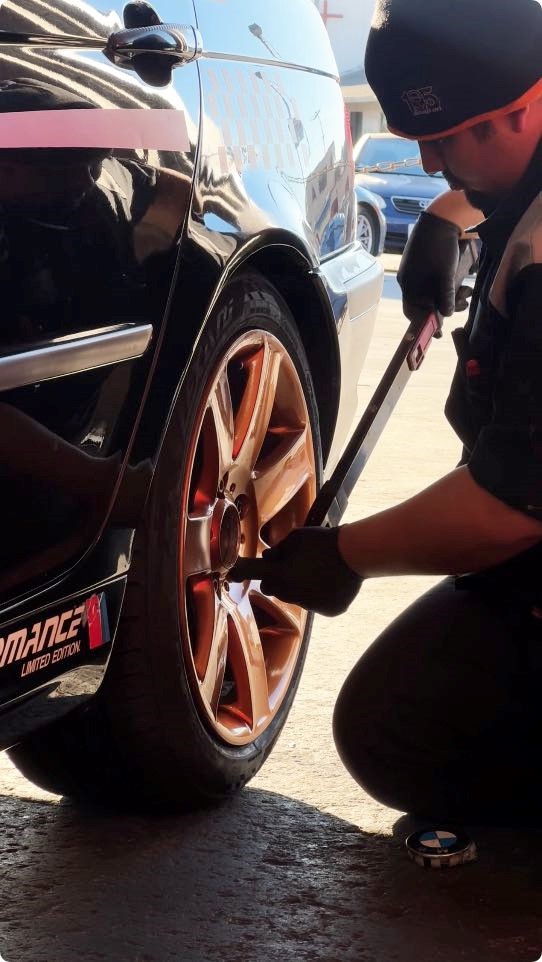
The new San Diego partner network includes partner shops in Chula Vista, National City, Escondido, and the Convoy and Miramar areas of San Diego. Customers order tires at FixGo.com, choose a nearby partner shop, and book installation — paying online at checkout, with all-inclusive pricing that covers the tires, delivery, and installation and no separate payment at the shop.
Southern California’s driving conditions shaped FixGo’s original aim. Long freeway commutes on routes such as the I-5 and I-15, high inland summer heat, coastal humidity, and mountain trips all add wear to tires, and replacing them has traditionally meant choosing between retail-chain markups and shipping tires to a shop yourself. FixGo was founded to combine online purchasing, delivery, and professional installation in a single process: customers buy tires at FixGo.com, choose a nearby partner shop, and book an installation time, paying online at checkout. After establishing that model in the Los Angeles area — working with partner shops in cities such as Alhambra and Azusa — the company is now extending it south to San Diego.
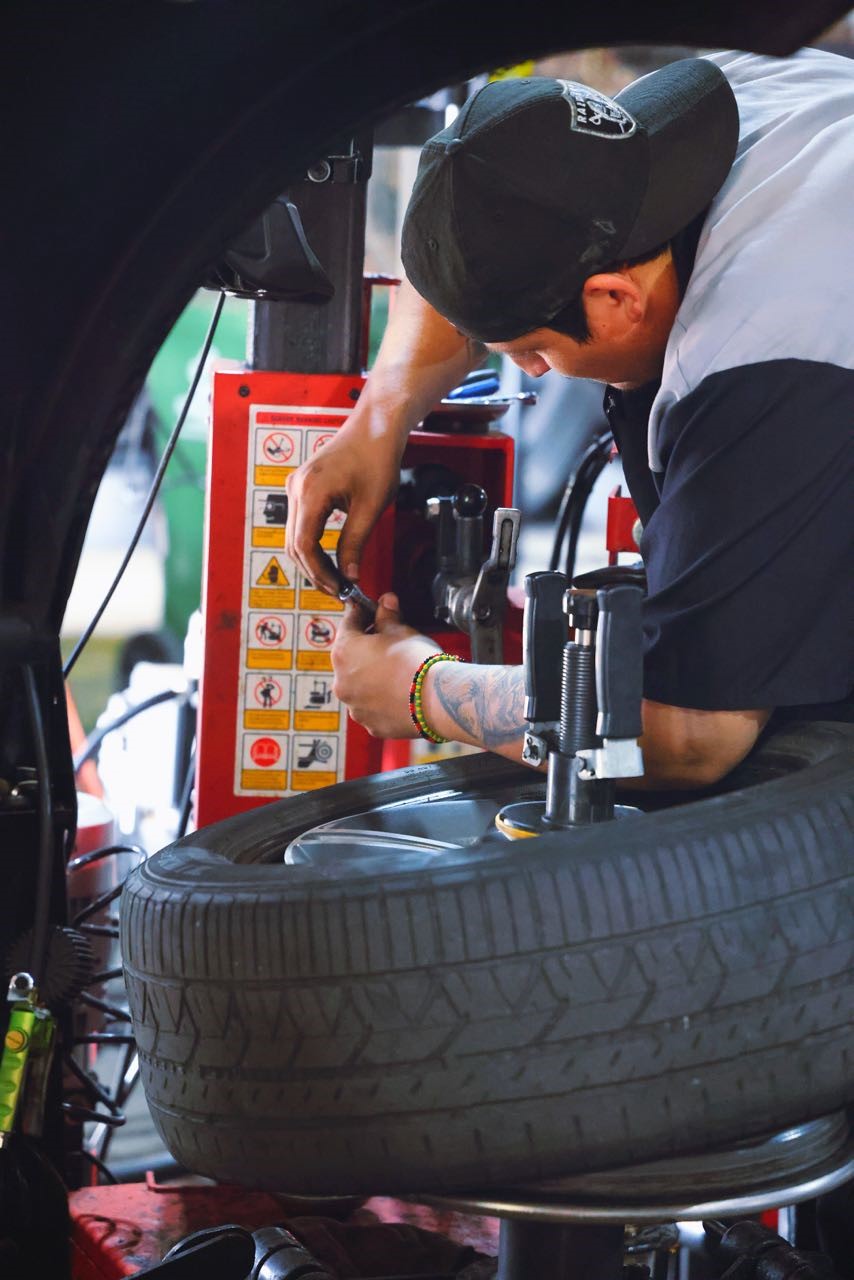
FixGo positions low prices and reliable service as complementary rather than a trade-off. Its online pricing is all-inclusive — covering the tires, delivery, and installation, with no separate payment to the shop for the fitting — and the company offers a price-match guarantee, matching a lower verified online price for the same brand and tire size, along with installment payments through Klarna and Affirm. Select popular products, such as certain EngineX tires, arrive as fast as the next day; standard delivery takes one to three business days in the Los Angeles area and three to five business days in San Diego, and shipping is free on all tires except oversized ones, which may carry a small fee. On the independent review platform Trustpilot, FixGo holds a rating of 4.8 across more than 3,700 reviews, with customers most frequently citing price, service, and product selection.
FixGo’s catalog spans more than 100 tire brands alongside value-focused options such as EngineX, with many tires carrying mileage warranties of roughly 45,000 to 70,000 miles. The company also offers a 30-day return policy.
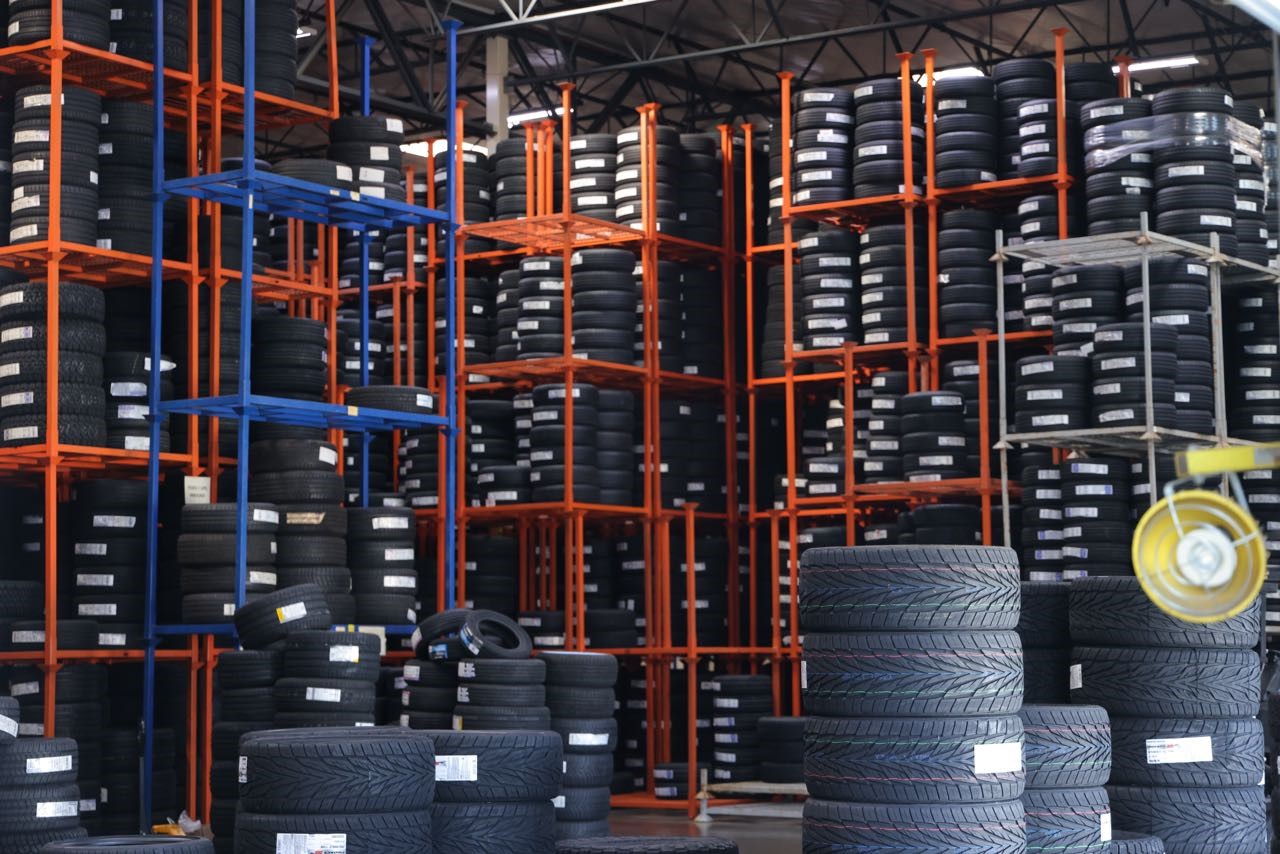
“We chose to work with independent local shops rather than build company-owned service centers,” said Jesus Rosales, a FixGo spokesperson, “so installation is handled by technicians who know their local roads and their customers.” FixGo says it plans to deepen its presence in the Los Angeles and San Diego areas before expanding further, and is developing features including real-time delivery tracking, fleet services, and updated fitment tools.
For more information, visit FixGo.com.
About FixGo
FixGo is an online tire retailer serving the Los Angeles and San Diego areas. It combines online purchasing with a network of more than 200 vetted partner installation shops, offering free delivery on most tires (one to three business days in the LA area; three to five business days in San Diego), all-inclusive online pricing with a price-match guarantee, and local installation. FixGo partners with more than 100 tire brands.
Media Contact
FixGo Public Relations Department
Email: fixgoofficial@fixgo.com
Phone: 888-693-4946
Website: https://www.fixgo.com/
from Auto Blog | Latest Car News and Reviews, Trucks, Bikes, and Motorcycles https://ift.tt/hgr8YOc
Saturday, 18 July 2026
The Featherweight Rocket: Mule Motorcycles’ Honda CRF450 Street Tracker
Regular readers of Bike EXIF are no strangers to the work of Richard Pollock. Ov...
from BikeEXIF https://ift.tt/uWgcviz
from BikeEXIF https://ift.tt/uWgcviz
Friday, 17 July 2026
Flashback Friday: The Top 8 Custom Motorcycles of July 2024
In this edition of Flashback Friday, we’re revisiting ten machines that broke th...
from BikeEXIF https://ift.tt/P376yd5
from BikeEXIF https://ift.tt/P376yd5
Premium Transportation and Luxury Travel in Armenia: The Automotive Side of Exploring a New Destination
For many automotive enthusiasts, the destination does not matter as much as the journey. A beautiful business or holiday experience can be created with a well-designed luxury vehicle, an experienced chauffeur, and a great driving route. With its variety of ancient history and beautiful landscapes, Armenia is quickly becoming popular among international travelers who enjoy luxury services and fine transportation.
Comfortable traveling can begin as soon as visitors touch down. Booking an Airport transfer in Yerevan provides business travelers, diplomats, and visitors with access to executive vehicles designed to transport them in comfort, safety, and efficiency. Instead of relying on standard transport options, luxury chauffeur services provide fine saloons and VIP vans, and drivers who know the city along with the requirements of discerning clients.
Table of Contents
Luxury Travel in Armenia
While Armenia is known for its monasteries, famous landscapes, and lively capital, it is also becoming a preferred destination for luxury road travelers. Its modern highways connect many of its attractions, and its picturesque routes through valleys and mountain passes offer enjoyable driving experiences.
One of the advantages of traveling to Armenia is that its roads are not overly congested, allowing travelers to appreciate both their vehicle and the scenery.
Some driving routes that are preferred are:
- Yerevan to Lake Sevan
- Yerevan to Garni Temple and Geghard Monastery
- The Areni Wine Region
- Dilijan National Park
- Khor Virap with views of Mount Ararat
These routes have the perfect combination of beautiful views and smooth roads, making luxury ground transportation a worthwhile investment.
Why Premium Transportation Matters
High-end transportation is not just for celebrities and government officials. Modern business and luxury travelers expect premium mobility solutions with more convenience and less hassle.
There are many advantages offered by executive transport;
- Spacious Interiors
- Advanced Safety Technology
- Able to Work During Travel
- Comfort
- Professional Chauffeur
- Flexible Travel
For travelers with busy schedules, premium vehicles help ease travel stress while allowing greater productivity and comfort.
The Right Vehicle for Every Journey
Luxury transport companies understand that not all journeys are the same, and different transport options will be necessary to meet the requirements of business meetings, airport transfers, sightseeing, and travel with groups. Some popular executive options include:
Luxury Saloon Cars
These provide outstanding comfort for corporate travelers and VIP guests.
Premium SUVs
These combine versatility with luxury and are perfect for longer journeys through the varied terrain of Armenia.
Executive Vans
The Mercedes-Benz V-Class and VIP Sprinter are great options for larger groups, like families and business or diplomatic travel.
Each category of transport strikes the necessary balance of performance, practicality, and comfort.
Yerevan Through an Automotive Lens
Yerevan is one of the oldest cities on the planet. Its modern infrastructure means that luxury ground transport is in no way an inconvenience.
Customers using a premium vehicle are able to see all of the top attractions, such as:
- Republic Square
- The Cascade Complex
- Victory Park
- The Opera House
- Northern Avenue
- Luxury hotels and fine dining.
Professional chauffeurs have expert knowledge of the most efficient routes through local traffic, allowing passengers to be more productive and enabling them to enjoy the sights.
Business Travel Needs Premium Mobility
The expansion of business opportunities in Armenia is beginning to draw foreign investors as well as tech companies and diplomats. For these guests, a business transport service is not just convenient; it is a service that needs to be dependable.
Business transport provides:
- On time pick up from the airport.
- Transportation for corporate functions.
- Travel from the hotel to business meetings.
- The ability to remain private during transport.
- The schedule adapts to the needs of the client.
VIP transport allows executives the ability to remain mobile, private, and convenient.
The Beauty of Armenia’s Road Trips
One of the most notable features of Armenia is the compact countryside. It allows easy day trips to some of Armenia’s most popular locations.
VIP Road Trips include:
- Lake Sevan
- Garni and Geghard
- Dilijan
- Areni
VIP transport removes the burden of driving in an unfamiliar country and allows guests the ability to enjoy all of the listed locations.
Transportation with Technology
In modern society, premium transport goes beyond style and safety; it incorporates advanced technology.
Some features included in modern executive vehicles are:
- An adaptive suspension.
- Driver assist technologies.
- Top of the range sound systems.
- Wi-Fi.
- Leather upholstery with built in charging ports.
These amenities focus on making long-distance travel more enjoyable and productive.
Future of Luxury Mobility in Armenia
A global travel trend is leaning towards self-sufficient travel. Customers prefer more control to make their travels easier and more comfortable by customizing connections from airports and hotels to meetings and attractions.
To meet these global standards, Armenia is advancing by providing more customized mobility solutions within their luxury transport sector. Sightseeing routes via luxury vehicles, airport transfers, and chauffeur services are becoming more important to the growing business and tourism infrastructure in Armenia.
As more international travelers are coming to Armenia, premium ground transport will lead the industry in showing visitors Armenia’s accessibility and hospitality.
Conclusion
For travel and transport enthusiasts, Armenia is a modern luxury transport country, filled with cultural gems and picturesque roads. Chauffeur services are a luxe transport option that are beyond a typical transport service, creating a seamless travel experience.
Travelers in Armenia for business, diplomacy, or pleasure can experience executive transport services that also serves as a sightseeing opportunity in a beautiful country within a mountainous region. Scenic drives and luxury transport services allow travelers to enjoy Armenia with the same dedication and focus on the details as the world’s best luxury transport services.
from Auto Blog | Latest Car News and Reviews, Trucks, Bikes, and Motorcycles https://ift.tt/EgGOeCX
Thursday, 16 July 2026
Throwback Thursday—Survivor: Restoring an Earthquake-Damaged Ducati 900 SS
Toshiyuki Kozaka doesn't have a massive profile outside of Japan. But in the Lan...
from BikeEXIF https://ift.tt/6LU1Iwm
from BikeEXIF https://ift.tt/6LU1Iwm
What Your Car’s Black Box Reveals after a Texas Crash, and Why Insurers Don’t Always Tell You
FORT WORTH, Texas — Most drivers know their phones track a lot about them. Fewer realize their car does too. Tucked under the driver’s seat or inside the center console of nearly every vehicle built after 2014 sits a small device called an event data recorder, or EDR. Drivers call it a black box, the same nickname given to the recorders used on airplanes.
This little device does not record your daily commute or listen to your conversations. Instead, it wakes up when something dramatic happens, like slamming on the brakes or getting hit from behind. Then it saves a short burst of data from just before, during, and after the event. That burst can include your speed, whether you hit the brakes, how fast the airbags deployed, and whether your seatbelt was buckled.
For most people, this technology stays invisible for the life of the car. But after a crash, it can suddenly matter a great deal. And that is where things get complicated for everyday drivers.
Why This Data Matters More Than People Think
When a crash happens, insurance adjusters do not just take your word for it, and they do not just take the other driver’s word either. They look for hard numbers. Black box data gives them exactly that. It can show precisely how fast a car was traveling three seconds before impact, or whether the brakes were engaged half a second too late.
This sounds like a win for accuracy. In many cases, it is. Black box data has cleared drivers who were wrongly blamed for a crash. It has also confirmed fault when someone tried to shift blame after the fact.
However, there is a catch that catches a lot of accident victims off guard. Insurance companies often have faster access to this data than the people they are insuring. Adjusters can request a download soon after a wreck, sometimes before an injured driver has even left the hospital. If that data gets pulled, interpreted, and used to build a settlement offer before the other side has a chance to review it, the numbers can end up working against the person who was hurt.
This is one reason legal guidance early on can make a real difference. Texas crash victims who consult an attorney soon after an accident, such as Bailey and Galyen Fort Worth, often have a better shot at getting their own independent review of that data before an insurer’s version becomes the only version on record.
A lawyer can also send a preservation letter, which legally requires the vehicle and its data to be kept intact rather than repaired, sold, or scrapped before anyone else gets to look at it.
The Numbers Are Not Always the Whole Story
Here is something that surprises a lot of people. Black box data is not perfect. It captures a narrow slice of time, often just five to twenty seconds around the crash. It does not know why a driver swerved, whether a pothole caused a sudden brake, or whether another car ran a red light seconds earlier. Numbers without context can paint a misleading picture.
This is similar to the kind of gray area drivers run into with everyday vehicle problems. When it comes to sorting out liability and insurance coverage after larger wrecks, multiple parties and layers of coverage can make fault far harder to pin down than a single data point suggests. The same principle applies here. A black box can tell you what a car did. It cannot always tell you why.
Retrieving the data itself is not simple either. It usually requires a special tool, and depending on the make and model, hiring a specialist to extract and translate it can cost anywhere from a few hundred to a couple thousand dollars. Because of that cost and complexity, not every fender bender gets this kind of scrutiny. It tends to show up in more serious crashes, especially ones involving injuries or disputed fault.
What Drivers Can Actually Do About It
The good news is that a driver is not powerless here. A few simple habits can protect your interests if you are ever in a serious wreck.
First, do not let your vehicle get repaired or sold too quickly after a significant crash if fault is unclear. Once a car is fixed or scrapped, the black box data can be lost for good.
Second, ask questions before signing anything an insurance company sends over. Some release forms include language that gives an insurer broad access to your vehicle’s data. Reading the fine print, or having someone else read it for you, matters.
Third, know that this data cuts both ways. According to research summarized by Consumer Reports, the National Highway Traffic Safety Administration has pushed to standardize how this data is collected and accessed across manufacturers, precisely because the process has historically varied so much from one carmaker to the next. That inconsistency is part of why an independent review, rather than relying solely on the insurer’s read of the numbers, tends to serve accident victims better. Cars keep getting smarter, and the data they generate keeps growing right along with them. A black box the size of a deck of cards can end up shaping how a six-figure injury claim gets resolved. For Texas drivers, understanding that this technology exists, and that it does not automatically work in your favor, is a small piece of knowledge that can carry a lot of weight after a hard hit on the highway.
from Auto Blog | Latest Car News and Reviews, Trucks, Bikes, and Motorcycles https://ift.tt/locHyD1
Wednesday, 15 July 2026
Gold Standard: Lord Drake Kustoms’ Award-Winning Harley-Davidson Softail ‘Babylon’
Francisco Alí Manén, the founder of Lord Drake Kustoms, took a far more adventur...
from BikeEXIF https://ift.tt/bpGDgz3
from BikeEXIF https://ift.tt/bpGDgz3
Tuesday, 14 July 2026
Shadow Play: WKND Customs’ Kawasaki W650 Scrambler
Porto, Portugal, is a city defined by its dramatic topography, cobblestone stree...
from BikeEXIF https://ift.tt/WO5y8Ls
from BikeEXIF https://ift.tt/WO5y8Ls
Monday, 13 July 2026
The Varese Vanguards: Our Favorite Custom Aprilias
In the world of high-performance motorcycling, Aprilia has always been the think...
from BikeEXIF https://ift.tt/jzBNk2Y
from BikeEXIF https://ift.tt/jzBNk2Y
Sunday, 12 July 2026
North America Could See the Return of the Standard Volkswagen Golf
Volkswagen is taking a fresh look at bringing mainstream Golf models back to North America, a move tied to upcoming production changes and shifting consumer habits. If plans advance, buyers in the United States and Canada could once again find non-performance versions of the hatchback in dealer showrooms.
The discussion is linked to a major manufacturing transition. Starting in 2027, Volkswagen plans to transfer Golf production from Wolfsburg to Puebla, Mexico. Once assembly moves closer to the North American market, the financial argument for offering additional Golf variants becomes stronger.
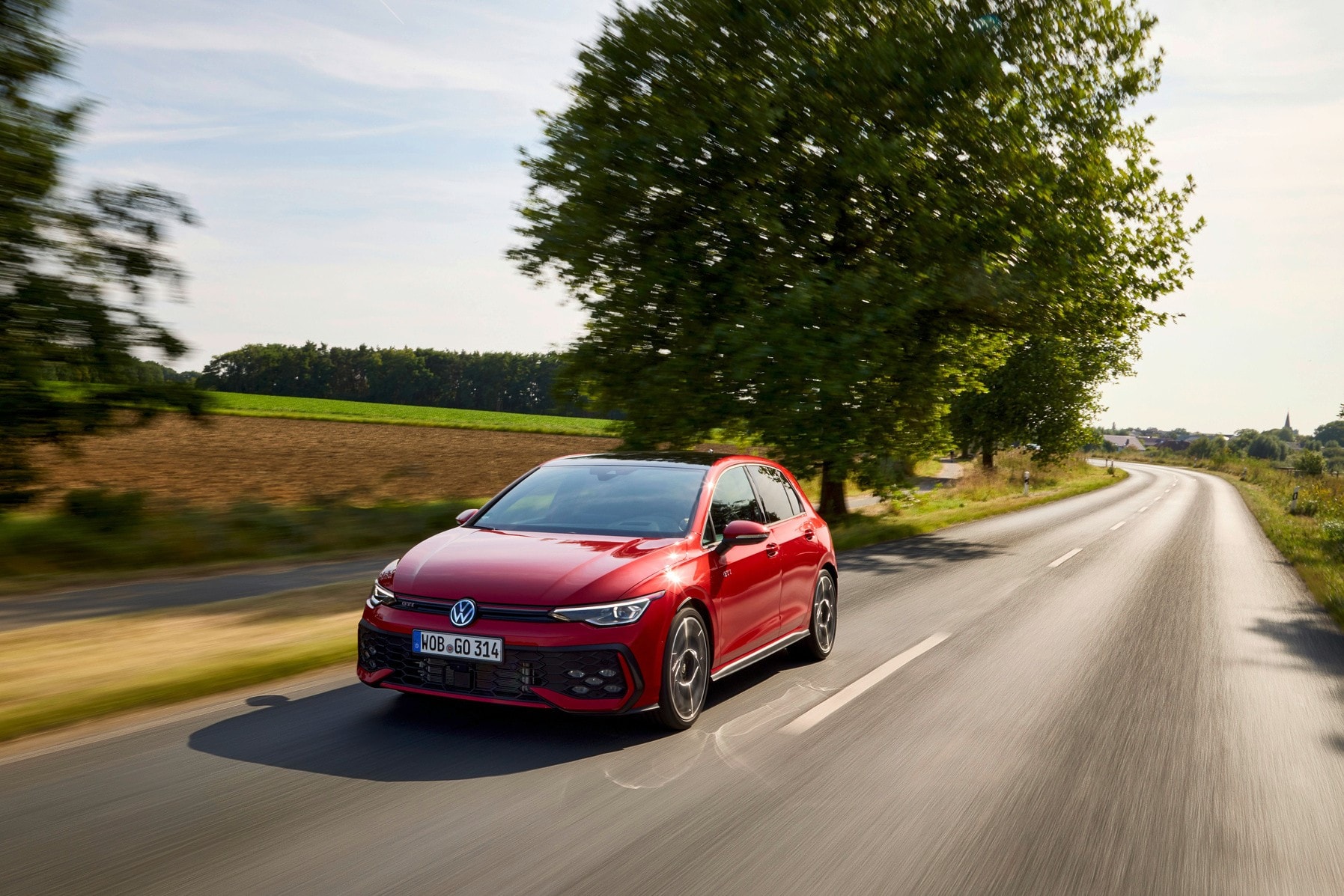
American buyers lost access to the regular Golf after the 2021 model year. Since then, the nameplate has remained available mainly through the higher-performance GTI and Golf R models. Volkswagen is now studying whether changing market conditions support the return of lower-priced trims.
One factor drawing attention inside the company is the growing burden of sport utility vehicle and truck ownership costs. Fuel prices continue to influence purchasing decisions, and Volkswagen executives believe efficient compact hatchbacks could regain some ground.
Serban Boldea, Volkswagen of America’s head of product planning, told Autoblog that rising fuel costs may steer buyers toward economical C-segment hatchbacks. Boldea and his team view fuel prices as an important variable when assessing future demand for affordable transportation.
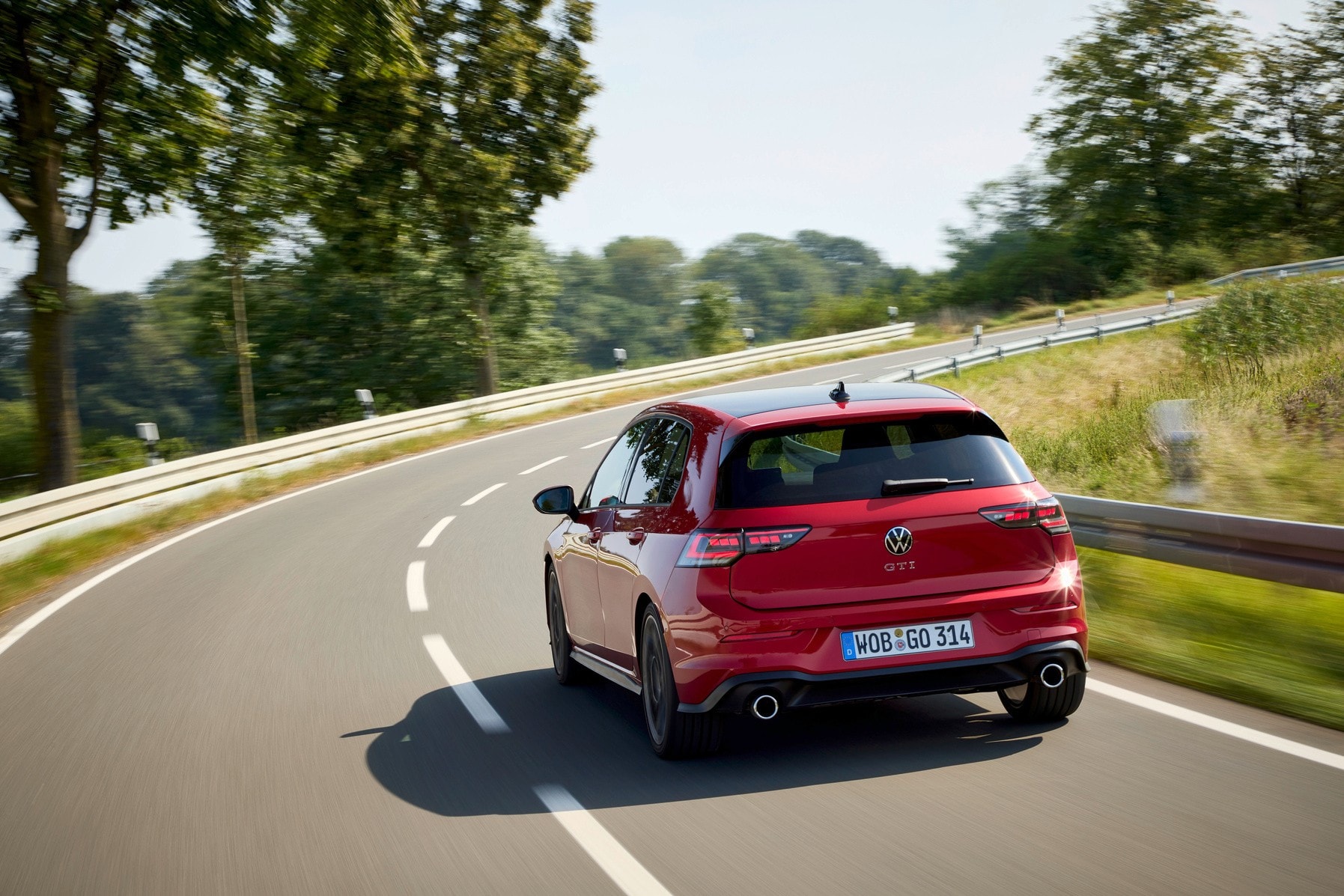
The Puebla plant already plays a central role in Volkswagen’s regional operations. The facility builds the Tiguan and Taos crossovers for North America. Both versions of the Jetta also come from Puebla. Equally important, the factory has prior experience producing Golf models for this market.
Economics still represent the biggest hurdle. Trade policy and import tariffs continue to shape Volkswagen’s strategy. The company acknowledges that heavy duties could make a basic Golf difficult to justify financially in the United States. Demand, regulatory requirements, production expenses, and trade conditions will all influence the final outcome.

The timing aligns with broader changes planned for the Golf family. Volkswagen has already confirmed that the current generation will be the last one developed entirely around internal-combustion engines. Beginning with the ninth-generation model, the ID. Golf will exist alongside a gasoline-powered Golf as part of the company’s electrification roadmap.
Meanwhile, Europe is preparing for a greater emphasis on fully electric vehicles. Volkswagen therefore sees value in extending the life of the Mk8.5. Rather than creating an entirely new architecture and fresh engine range, the company is investing heavily in electrified technologies, including a self-charging hybrid system intended for the European-market Golf.
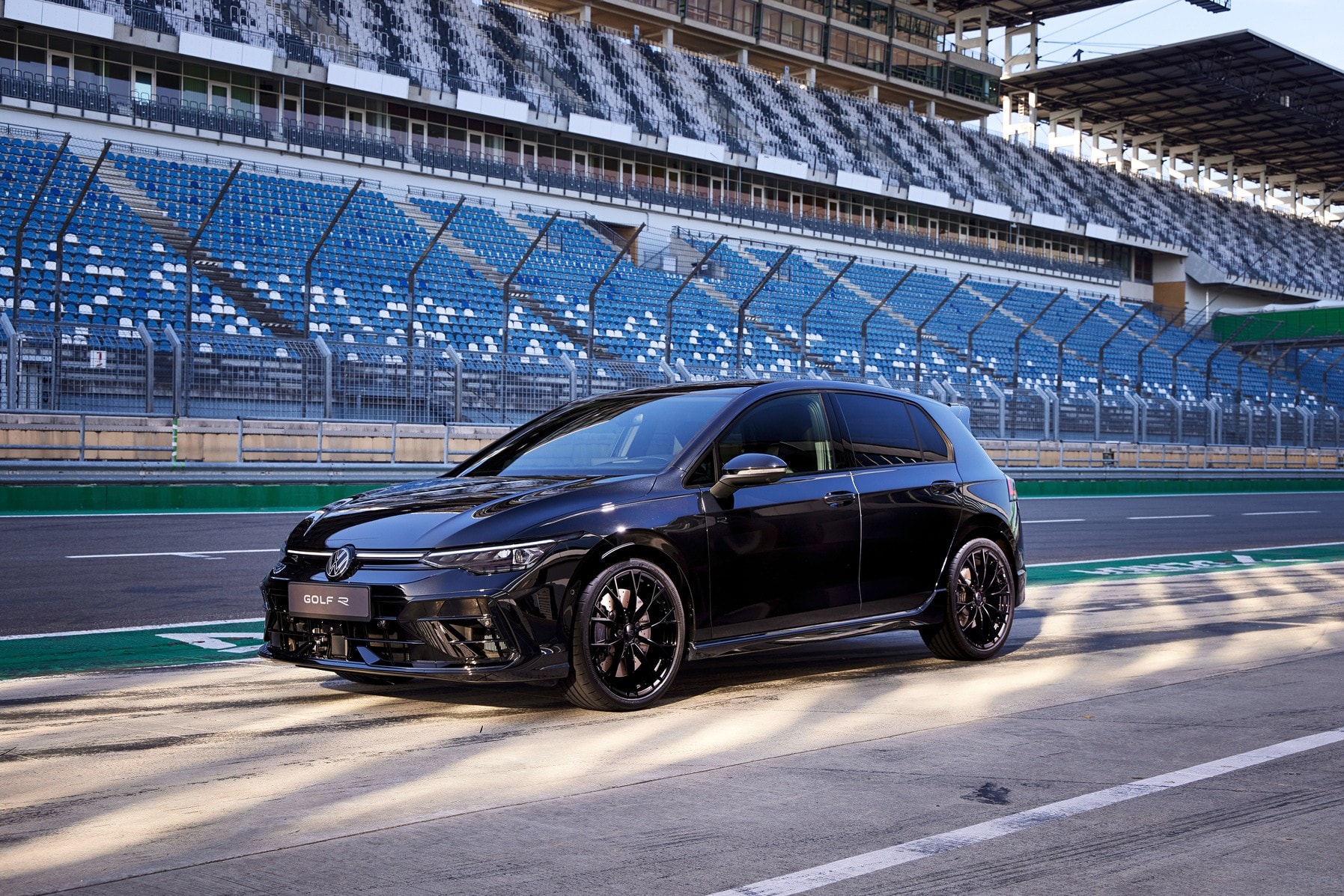
That hybrid setup is based on a 1.5-liter TSI engine. Volkswagen says the system combines an electric drive motor with an electric generator motor. Unlike Toyota’s planetary power split arrangement, the Golf and T-Roc full-hybrid models follow an approach closer to Honda’s e: HEV series-parallel concept.
If standard Golf models return to North America, Volkswagen is not expected to offer Euro-market diesels or plug-in hybrids. The company would instead rely on engine families already certified and federalized for sale in the region.
from Auto Blog | Latest Car News and Reviews, Trucks, Bikes, and Motorcycles https://ift.tt/5DjyotW
Friday, 10 July 2026
Road Tested—CarPlay MotorCycle’s X6 2K Dashcam
I hopped on a friend’s Street Glide a few weeks ago, and the first thought I had...
from BikeEXIF https://ift.tt/ApucJDj
from BikeEXIF https://ift.tt/ApucJDj
Flashback Friday: The Top 10 Custom Motorcycles of July 2023
In this edition of Flashback Friday, we’re revisiting ten machines that proved c...
from BikeEXIF https://ift.tt/qm07DdA
from BikeEXIF https://ift.tt/qm07DdA
Thursday, 9 July 2026
Innovation from Down Under: Our 5 Favorites from Purpose Built Moto
Most shops that make it to the upper echelons of custom motorcycle building have...
from BikeEXIF https://ift.tt/0hBjWTe
from BikeEXIF https://ift.tt/0hBjWTe
Wednesday, 8 July 2026
Motordrome Magic—A Razor-Thin Panhead Board Tracker From Japan
They say the brightest bulb burns half as long, and that analogy applies in more...
from BikeEXIF https://ift.tt/xFQUz5u
from BikeEXIF https://ift.tt/xFQUz5u
Tuesday, 7 July 2026
Shifting Light: Motocrew's Honda CB750 Urban Tracker
Managing blazing structure fires by day and building motorcycles by night is all...
from BikeEXIF https://ift.tt/HapReX0
from BikeEXIF https://ift.tt/HapReX0
Monday, 6 July 2026
Showstoppers: The Most Viewed Custom Motorcycles of June 2026
Well, well, well. A month ago, we were called out by a friend of ours for postin...
from BikeEXIF https://ift.tt/b60E31A
from BikeEXIF https://ift.tt/b60E31A
Sunday, 5 July 2026
Bike EXIF’s Top 8 BMW Motorcycles of 2020
Few brands captured builders' imaginations quite like BMW Motorrad. From traditi...
from BikeEXIF https://ift.tt/H7BsGVo
from BikeEXIF https://ift.tt/H7BsGVo
Friday, 3 July 2026
Silent Sentinel: Monimoto's Motorcycle Anti-Theft System
Few things match the sickening, hollow feeling of returning to the spot where yo...
from BikeEXIF https://ift.tt/4oerYm7
from BikeEXIF https://ift.tt/4oerYm7
Thursday, 2 July 2026
Built for Speed: Theo Niess' Honda CR250 Powered Hyperbike
Every so often, the boundaries between the bicycle and motorcycle worlds become...
from BikeEXIF https://ift.tt/pyiSs74
from BikeEXIF https://ift.tt/pyiSs74
Wednesday, 1 July 2026
Acid Trip: Mayerl Motorcycles Harley-Davidson Shovelhead Chopper
If you spend any time scrolling through the digital archives of Mayerl Motorcycl...
from BikeEXIF https://ift.tt/KX0nP81
from BikeEXIF https://ift.tt/KX0nP81
Subscribe to:
Posts (Atom)