When Royal Enfield introduced the Hunter 350, it quickly became a darling of the...
from BikeEXIF https://ift.tt/HKjp2lO
Wednesday, 16 September 2026

Tuesday, 15 September 2026
Superleggera Slider: GM Motorcycles' Aluminum-Clad KX250
The difference between those who do something and those who don’t is often the a...
from BikeEXIF https://ift.tt/Kkq8Yzg
from BikeEXIF https://ift.tt/Kkq8Yzg
What Does a Collision Repair Estimate Actually Include?
After a car accident, you may get a repair estimate that is several pages long.
It can list parts, labor hours, paint costs, scans, and other charges you may not recognize. At the bottom, you see one large number.
So, what are you actually paying for?
A collision repair estimate is a plan for fixing the damage found during the first inspection. It shows what parts may need repair or replacement, how much work is needed, and what other services may be part of the job.
Here is what you will usually find on one.
Your Vehicle Information
The first part of the estimate usually has basic information about your vehicle.
This may include:
- Your vehicle’s year, make, and model
- The VIN
- Mileage
- Insurance claim information
- The shop or estimator’s information
This information matters because two cars that look almost the same may have different parts.
One vehicle may have parking sensors, cameras, radar, or other safety systems that another version does not have.
Those features can change how the car needs to be repaired.
Repairing a Part vs Replacing It
A large part of the estimate lists what the shop plans to do with each damaged area.
Some parts can be repaired.
Others need to be replaced.
For example, a small dent in a fender may be repaired instead of replacing the entire fender. A bumper that is badly cracked may need to be replaced.
You may also see terms such as “remove and install.”
That often means the shop needs to take a part off to reach the damaged area, then put the same part back on afterward.
A headlight, trim piece, door handle, or bumper may need to come off even when that part itself is not damaged.
This is why an estimate can contain many lines for what seems like one damaged area.
Replacement Parts
If a part cannot be repaired, the estimate may list a replacement.
There are several types of replacement parts.
OEM parts come from the vehicle manufacturer or its approved parts network.
Aftermarket parts are made by another company.
Recycled parts are original parts taken from another vehicle.
Remanufactured parts are used parts that have been rebuilt or restored.
Your estimate may show which type of part the shop plans to use.
This is worth checking because two estimates may have very different prices based on the parts being used.
If you are not sure what a part code means, ask the shop.
A good repair shop should be able to tell you what part is being used and why.
Body Labor
Labor is another major part of a collision estimate.
The shop may charge for time spent repairing dents, removing damaged parts, installing new parts, checking the structure of the vehicle, or getting areas ready for paint.
The estimate usually shows a number of labor hours next to each job.
For example, repairing a damaged door may have one labor amount, while replacing and setting up a bumper may have another.
Labor hours on an estimate do not always mean the technician will spend that exact amount of clock time on the car.
Repair estimating systems use set labor times for many common jobs.
The shop then uses those times to help work out the cost of the repair.
Paint and Materials
Fixing the shape of a damaged panel is only part of the job.
The panel also needs to look right when the repair is finished.
That may include sanding, primer, paint, clear coat, and other materials.
Paint work may appear as its own part of the estimate.
Matching automotive paint can also take more work than many drivers expect.
A factory paint code gives the shop a starting point, but paint can change slightly as a vehicle gets older.
Sun, weather, past repairs, and small factory color differences can all affect the final match.
Sometimes the shop may need to blend color into a nearby panel so the repair does not stand out.
For example, if a front fender is painted, some color may also be blended into the door next to it.
Hidden Damage
The first estimate may not show every damaged part.
That is normal after many accidents.
A bumper can look like it only has scratches on the outside while parts behind it are bent or broken.
The same can happen with brackets, supports, wiring, sensors, and parts of the vehicle’s structure.
A shop usually cannot see all of this until some parts have been removed.
This is one reason shops like One Stop Auto Body & Paint in Phoenix, AZ may need to inspect areas behind damaged panels before the full repair plan is clear.
Hidden damage is also why the first estimate and the final repair cost are not always the same.
What Is a Supplement?
If the shop finds more accident damage after taking the vehicle apart, it may create a supplement.
A supplement is an update to the first estimate.
For example, the first inspection may show a damaged rear bumper.
Once the bumper is removed, the shop may find that the support behind it is also damaged.
That extra repair can then be added to the estimate.
For an insurance claim, the shop will usually document the new damage and send the information to the insurance company for review.
A supplement does not automatically mean someone made a mistake on the first estimate.
Some damage simply cannot be seen until the vehicle is taken apart.
Diagnostic Scans
Cars now have far more computers and electronics than they did years ago.
Even a fairly small accident can affect electronic systems.
A modern vehicle may have cameras, parking sensors, radar, airbags, blind spot systems, steering sensors, and other safety equipment.
Because of this, the shop may need to scan the vehicle’s computer systems.
According to I CAR repair guidance, a scan before repairs can help find stored trouble codes and problems that may not be easy to see.
A scan after the repair can help check that the vehicle’s systems are working correctly.
You may see these scans listed as separate items on the estimate.
Safety System Calibration
Calibration is different from a scan.
A scan checks the vehicle’s computer systems for information and trouble codes.
Calibration sets certain cameras, radar units, or sensors so they work in the correct position.
This can be needed after some bumper repairs, windshield replacements, suspension work, wheel alignment, or repairs near safety sensors.
Not every vehicle needs calibration after every accident.
The shop should follow the repair information for that vehicle to find out what is needed.
If calibration is listed on your estimate, ask which system needs it and why.
Outside Services
Sometimes the body shop needs help from another company.
You may see this listed as outside work or sublet work.
This could include glass replacement, wheel repairs, towing, special mechanical work, or certain electronic services.
The collision shop may still manage the job even when another company performs that one part of the repair.
Your Deductible
If insurance is paying for the repair, the full repair cost is not always the amount you personally have to pay.
For example, the total repair may cost $4,500.
If your insurance policy has a $500 deductible, you may be responsible for that $500 while insurance covers the rest, based on your policy and claim.
Your estimate may show the total repair cost, your deductible, and the amount the insurance company expects to pay.
If these numbers do not make sense, ask before the repair starts.
Why Two Estimates Can Be Different
It is normal for two collision shops to give estimates that are not exactly the same.
One shop may plan to repair a part that another shop wants to replace.
They may use different types of parts.
One estimate may include scans or calibration that another estimate does not list yet.
Labor rates can also be different.
This is why choosing a shop based only on the lowest total price may not tell you much.
Look at what each estimate actually includes.
A $3,000 estimate and a $4,000 estimate may not be describing the same repair.
Questions to Ask About Your Estimate
You do not need to understand every code on the page.
You should understand the basic repair plan.
Ask which parts will be repaired and which will be replaced.
Ask what type of replacement parts will be used.
Ask if paint blending will be needed.
Ask whether your vehicle needs computer scans or safety system calibration.
You can also ask what happens if the shop finds more damage after taking the vehicle apart.
These simple questions can tell you much more than looking at the final price alone.
What the Estimate Really Tells You
A collision repair estimate is not just a bill.
It is a list of the work the shop believes your vehicle needs based on what can be seen and tested at that time.
It may include body repairs, replacement parts, labor, paint, materials, computer scans, calibration, outside services, and insurance information.
The estimate may also change if hidden damage is found during the repair.
The best thing you can do is read the main parts of the estimate and ask questions when something does not make sense.
You do not need to be a collision repair expert.
You just need to know what is being fixed, what parts are being used, and why the work is needed.
from Auto Blog | Latest Car News and Reviews, Trucks, Bikes, and Motorcycles https://ift.tt/aM47Y9b
Monday, 14 September 2026
Inside the Builders Best: 6 Custom BMWs Heading to the Barber Vintage Festival
For the motorcycle enthusiast, few places on earth evoke the sheer essence of tw...
from BikeEXIF https://ift.tt/IpXC7sM
from BikeEXIF https://ift.tt/IpXC7sM
Saturday, 12 September 2026
Shilpa: The Unchained Sibling of Glemseck Moto
When Enrico de Haas and the youth at Glemseck Moto pulled the covers off 'Pariva...
from BikeEXIF https://ift.tt/12cMtKj
from BikeEXIF https://ift.tt/12cMtKj
Friday, 11 September 2026
Flashback Friday: The Top 10 Custom Motorcycles of September 2023
September 2023 was a month defined not just by aesthetic flair, but by deep mech...
from BikeEXIF https://ift.tt/CKzo2gR
from BikeEXIF https://ift.tt/CKzo2gR
Thursday, 10 September 2026
Dark Knight Boxer: Kevils Speed Shop’s BMW R nineT Urban G/S
Operating out of Paignton, Devon, along the coastal stretch of southwest England...
from BikeEXIF https://ift.tt/u8msNKb
from BikeEXIF https://ift.tt/u8msNKb
Wednesday, 9 September 2026
Speedblock Stance: Norton Muzzone’s Yamaha XV750 Tracker
When the Yamaha XV750 Virago debuted in 1982, few envisioned the awkward, shaft-...
from BikeEXIF https://ift.tt/kmZz8P5
from BikeEXIF https://ift.tt/kmZz8P5
Tuesday, 8 September 2026
High-Tech Nostalgia: Kaffeemaschine’s Moto Guzzi V7 Scrambler
If you have even a passing interest in custom Italian twin-cylinder motorcycles,...
from BikeEXIF https://ift.tt/B741wN8
from BikeEXIF https://ift.tt/B741wN8
Monday, 7 September 2026
Showstoppers: The Most Viewed Custom Motorcycles of August 2026
We threw some mighty fine iron at you in August, and it was one of those months...
from BikeEXIF https://ift.tt/qRa3pNj
from BikeEXIF https://ift.tt/qRa3pNj
Saturday, 5 September 2026
Parivar: Wannabe-Choppers Custom Royal Enfield Shotgun 650
Enrico de Haas is a familiar and highly respected figure in the European custom...
from BikeEXIF https://ift.tt/wCAGZi7
from BikeEXIF https://ift.tt/wCAGZi7
Friday, 4 September 2026
Flashback Friday: Bike EXIF’s Top 10 Ducati Motorcycles of 2024
There is a distinct art to reshaping Italian desmodromic soul. While some manufa...
from BikeEXIF https://ift.tt/7MxRNrf
from BikeEXIF https://ift.tt/7MxRNrf
Thursday, 3 September 2026
Throwback Thursday—Grab-and-Go: A Custom Kit for the Honda CB350 from Taiwan
The modern-day Honda CB350 is one of those motorcycles we wished was available i...
from BikeEXIF https://ift.tt/ZOCj59o
from BikeEXIF https://ift.tt/ZOCj59o
Wednesday, 2 September 2026
Master of the Thumper: HB-Custom’s Latest Honda NX650 Supermoto
At the risk of offending thousands of enthusiasts, I’ll say that the Honda NX650...
from BikeEXIF https://ift.tt/vzmhAB8
from BikeEXIF https://ift.tt/vzmhAB8
Tuesday, 1 September 2026
Modular Precision: Earth Motorcycles’ BMW R100R Cafe Racer
When Slovakian outfit Earth Motorcycles introduced its production-series BMW R10...
from BikeEXIF https://ift.tt/fjetrSC
from BikeEXIF https://ift.tt/fjetrSC
Monday, 31 August 2026
Unboxed: Bolt Motor Co.’s BMW R 100
Bolt Motor Company is no stranger to the pages of Bike EXIF, nor to the timeless...
from BikeEXIF https://ift.tt/TbFYns2
from BikeEXIF https://ift.tt/TbFYns2
Friday, 28 August 2026
Flashback Friday: Bike EXIF’s Top 10 BMW Motorcycles of 2022
was a year when traditional boundaries between automotive, aerospace, and motorc...
from BikeEXIF https://ift.tt/l59XsN0
from BikeEXIF https://ift.tt/l59XsN0
Wednesday, 26 August 2026
Less Is Extra: Dirty Dick’s Motos’ Farewell Ducati Monster 900S
Over the years, Bike EXIF featured a pair of immaculate Kawasaki W650 scramblers...
from BikeEXIF https://ift.tt/1o3xtfj
from BikeEXIF https://ift.tt/1o3xtfj
Tuesday, 25 August 2026
Orange Rush: Caffeine Custom’s Custom BMW R100/7
We do not hear from Bruno Costa nearly often enough, but every time his name lan...
from BikeEXIF https://ift.tt/rKtuJO7
from BikeEXIF https://ift.tt/rKtuJO7
Monday, 24 August 2026
Moving Tribute: Mule’s Second-Chance Bonneville Street Tracker
All too often, we say in this industry that a custom motorcycle comes alive in t...
from BikeEXIF https://ift.tt/1L6sfHP
from BikeEXIF https://ift.tt/1L6sfHP
Friday, 21 August 2026
Flashback Friday: The Top 9 Custom Motorcycles of August 2025
August 2025 was a prolific month for the custom motorcycle scene. From garage-bu...
from BikeEXIF https://ift.tt/HDbEBxW
from BikeEXIF https://ift.tt/HDbEBxW
Thursday, 20 August 2026
Throwback Thursday—Living Legend: A Meticulously Restored 1972 Ducati 750 Sport 'Z Stripe'
The legend of Paul Smart, Ducati, and the Imola race track is deeply entrenched...
from BikeEXIF https://ift.tt/LFvJ5jB
from BikeEXIF https://ift.tt/LFvJ5jB
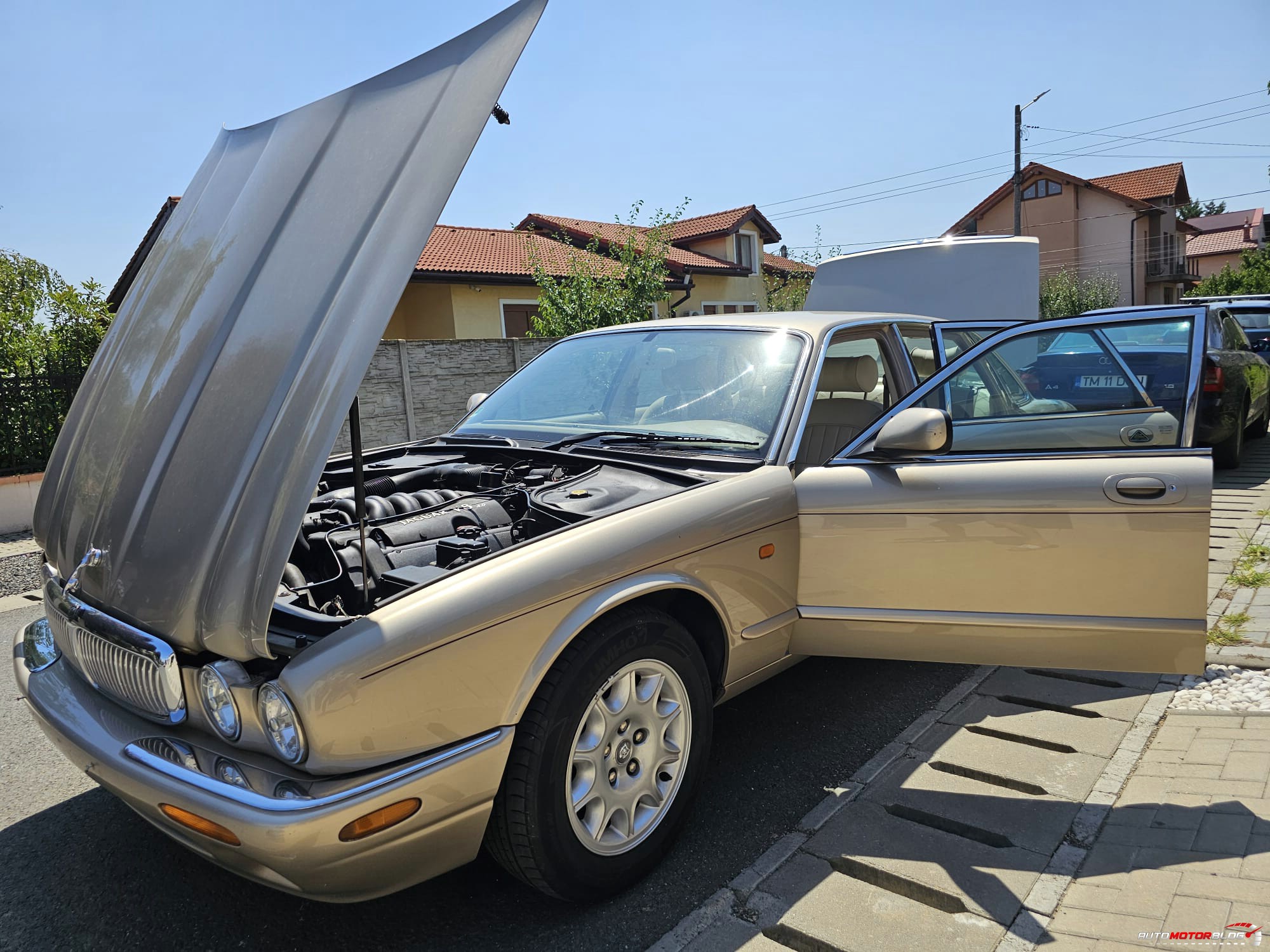
1998 Jaguar XJ 4.0 V8 Sovereign – Review
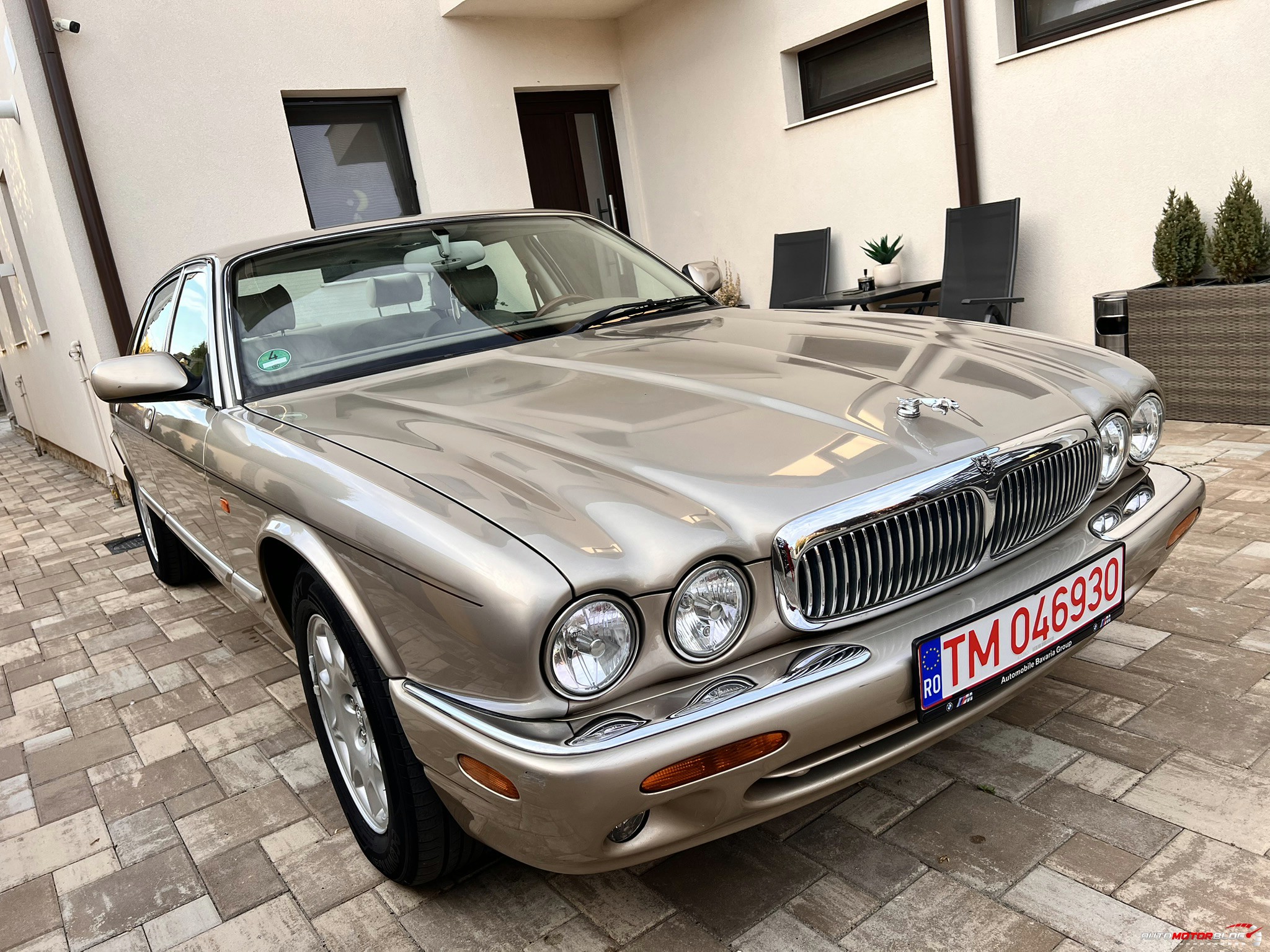
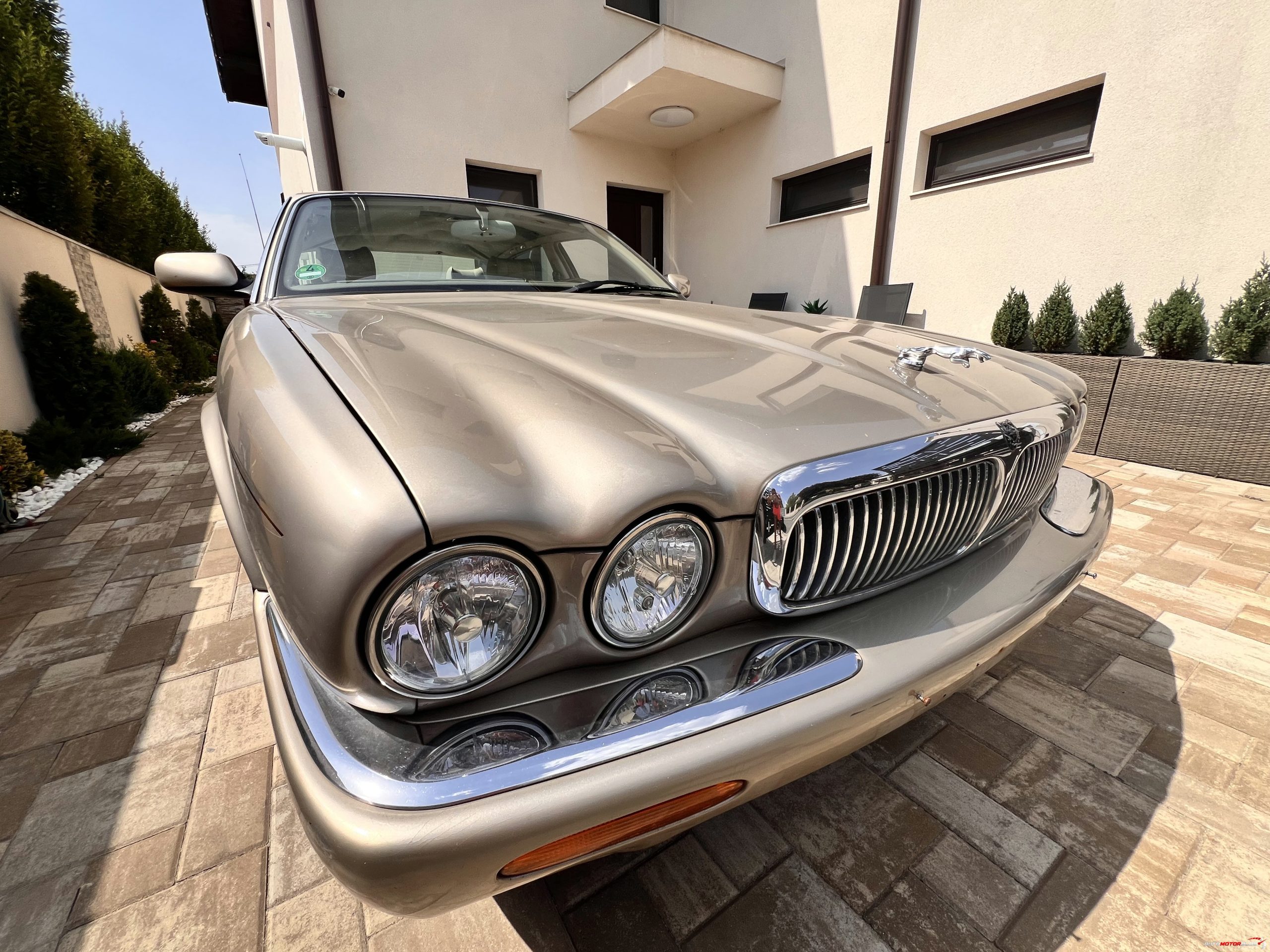
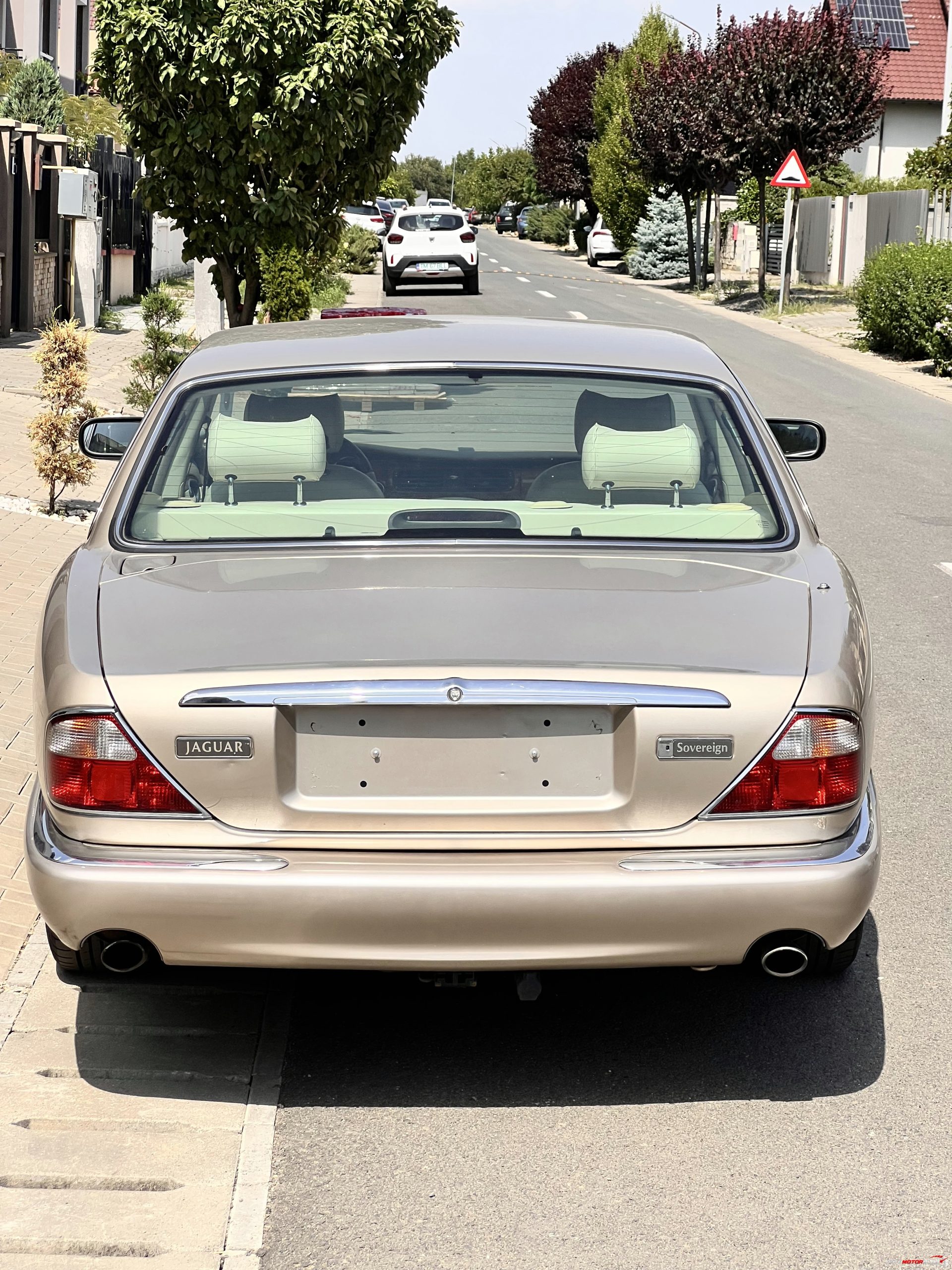
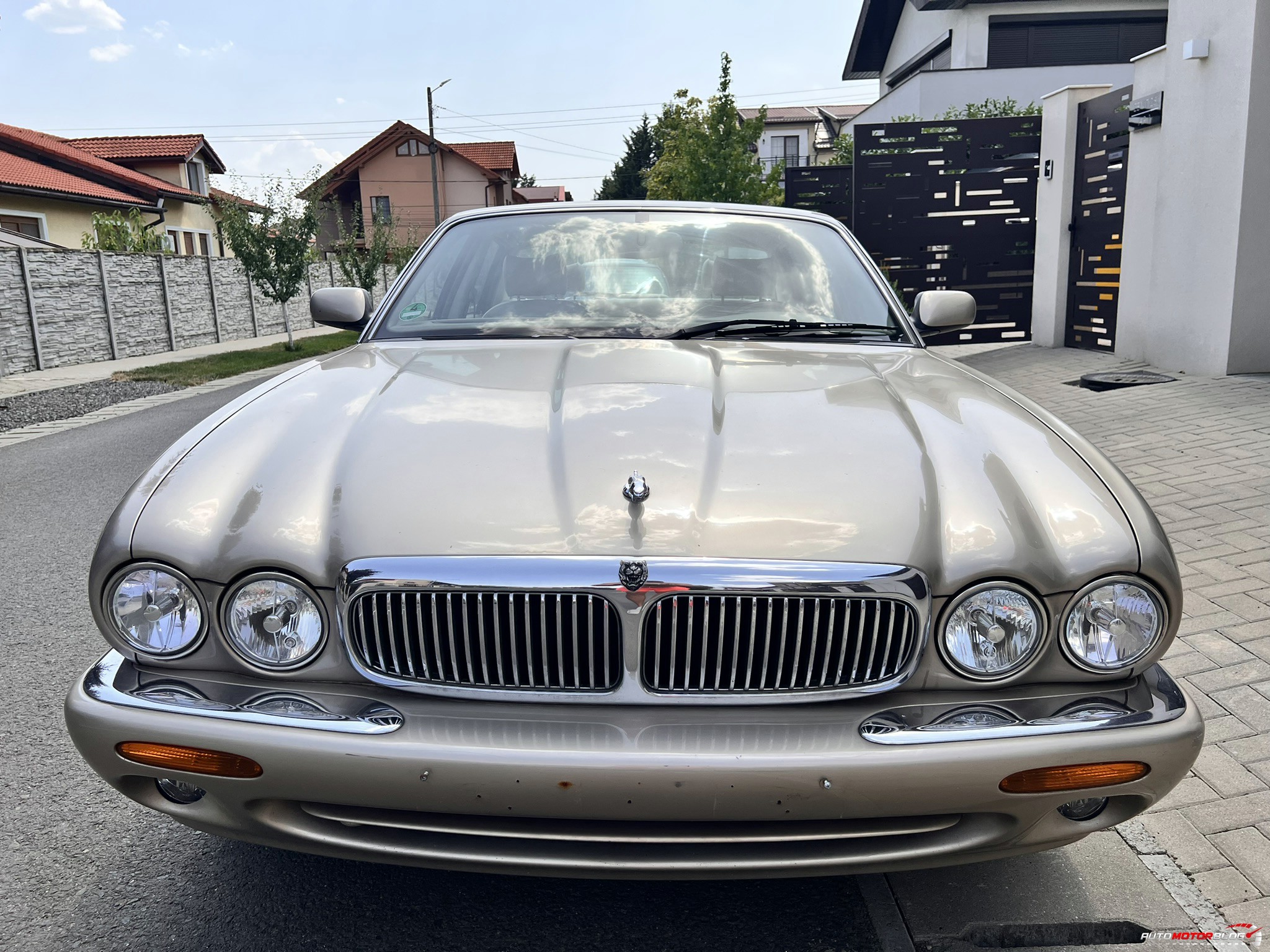
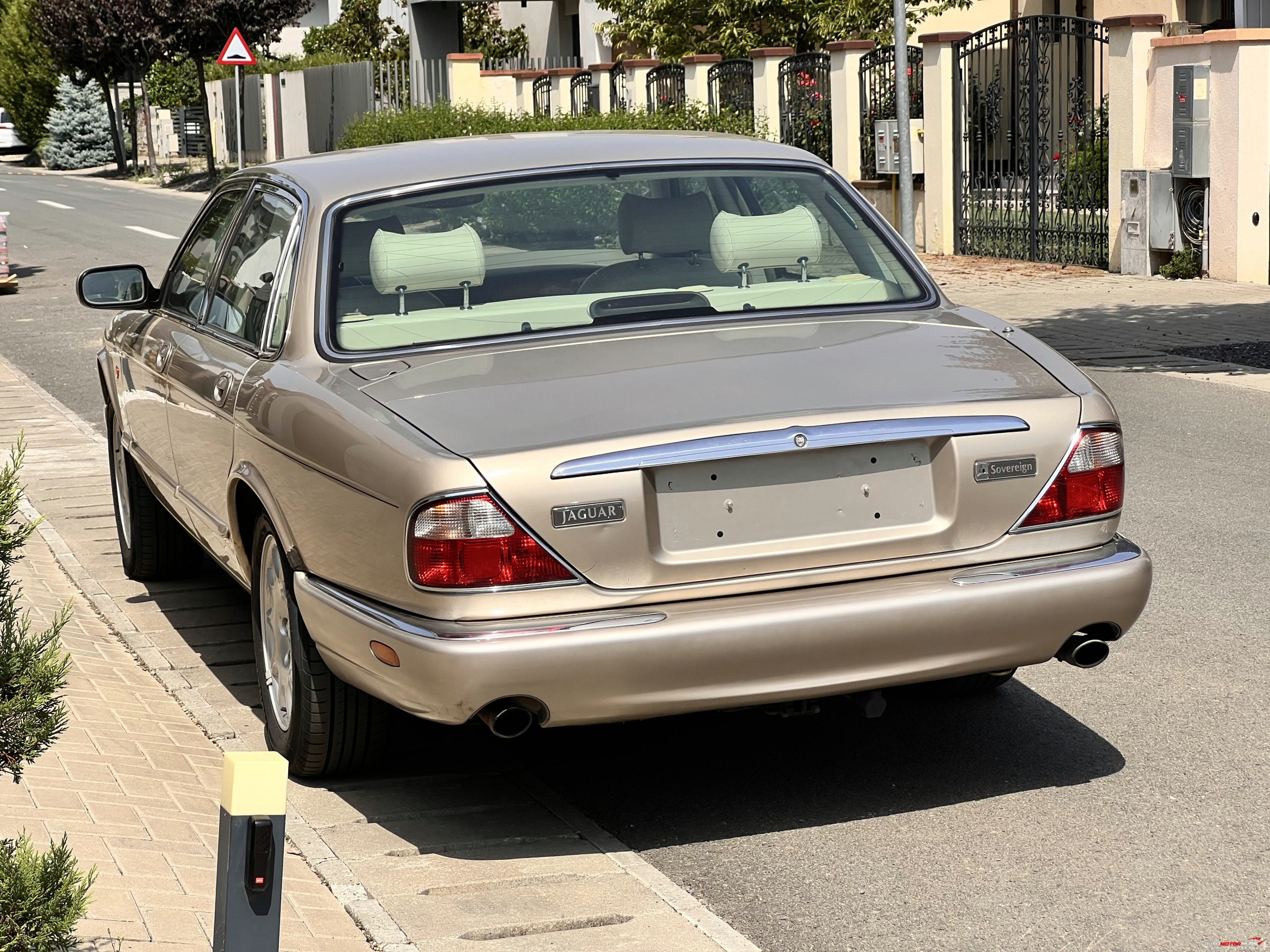
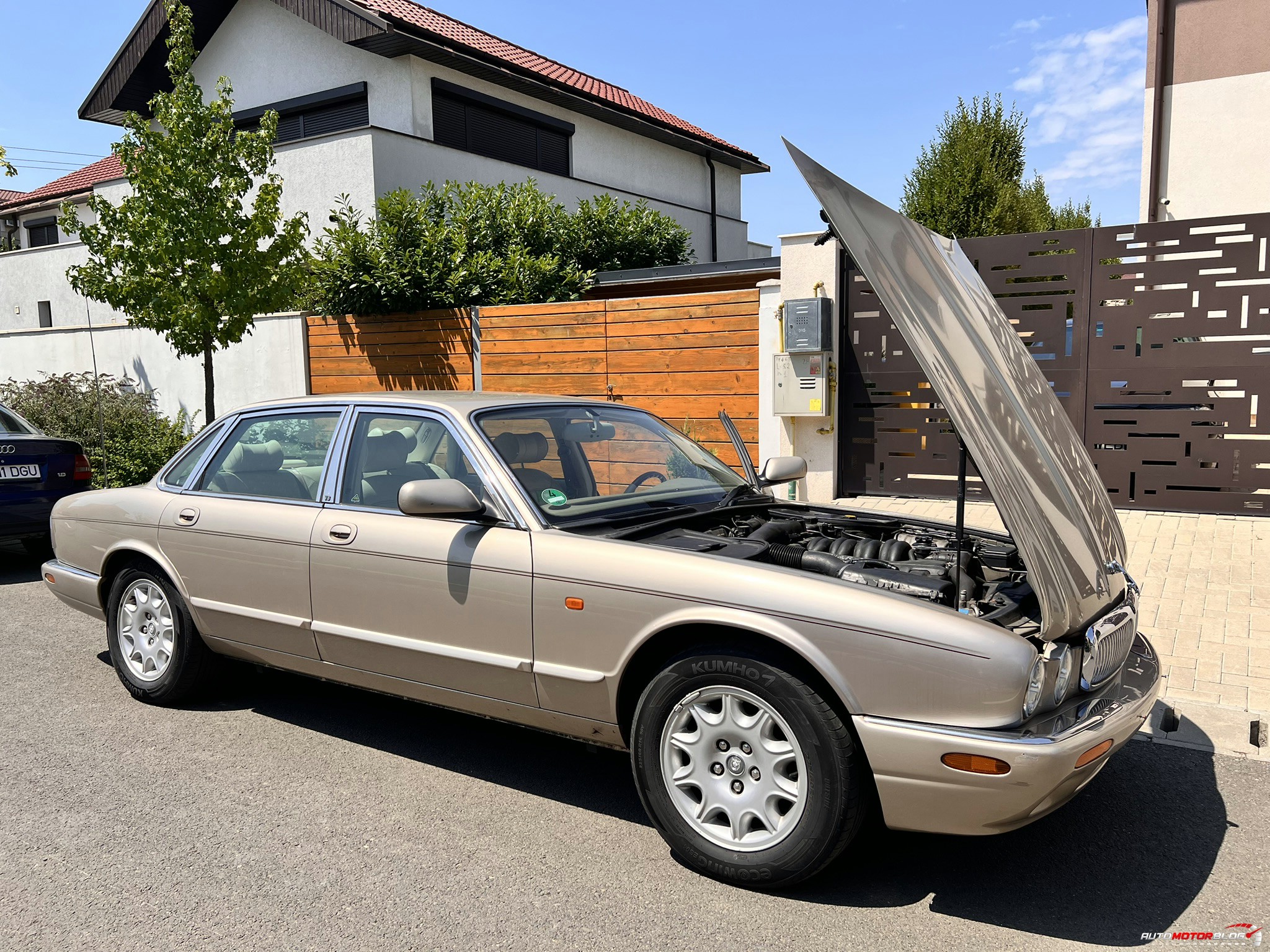
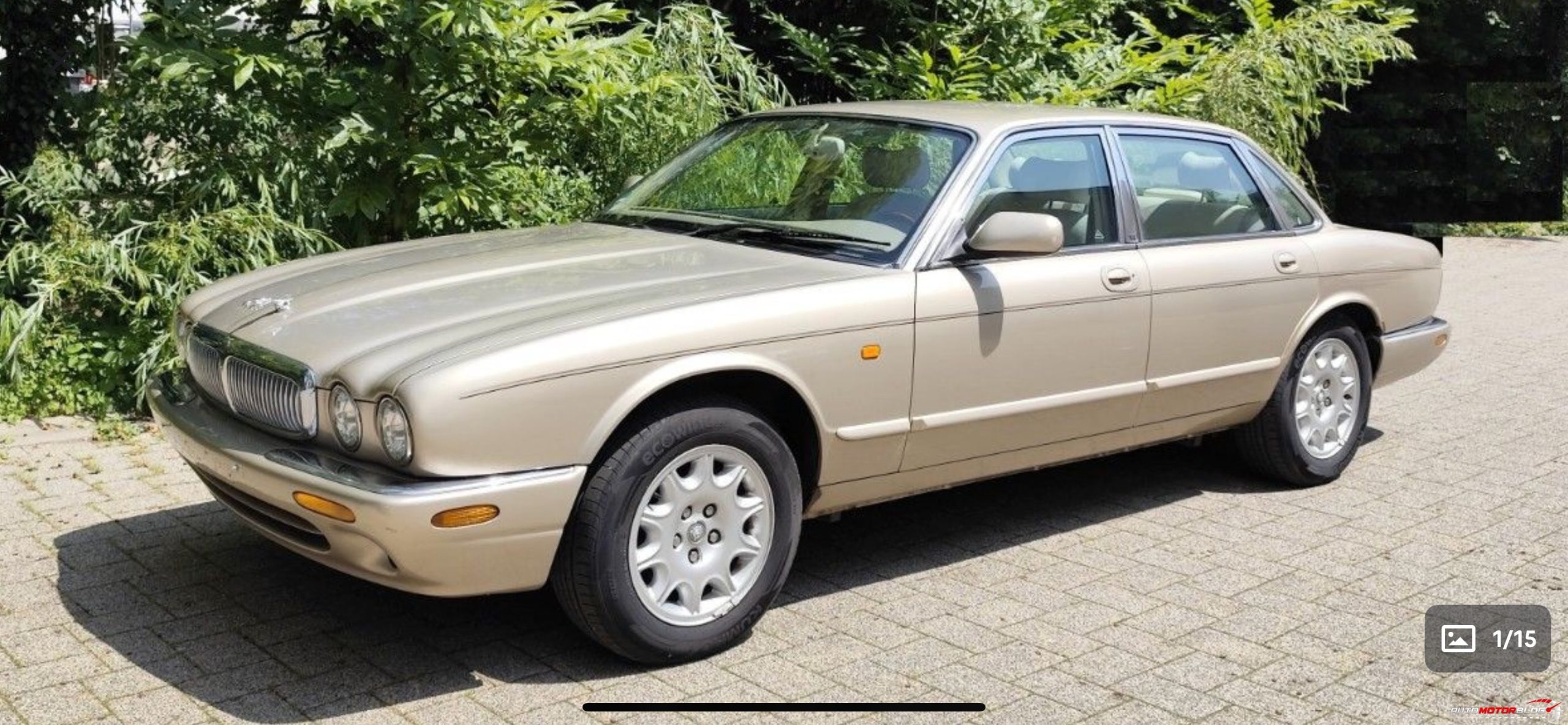
Since I was a little child I have been impressed by the cars produced by the Jaguar brand. Why? Because they have something special: the classic style, combined with British luxury and high performance. Today, I present to you a review of the Jaguar that I have always dreamed of and which is now part of the family. It is the Jaguar XJ 4.0 V8 Sovereign manufactured in 1998.
Specs
- Model: Jaguar XJ 4.0 V8 Sovereign
- Generation: X308
- Year: 1998
- Body: Luxury sedan, 4 doors, 5 seats
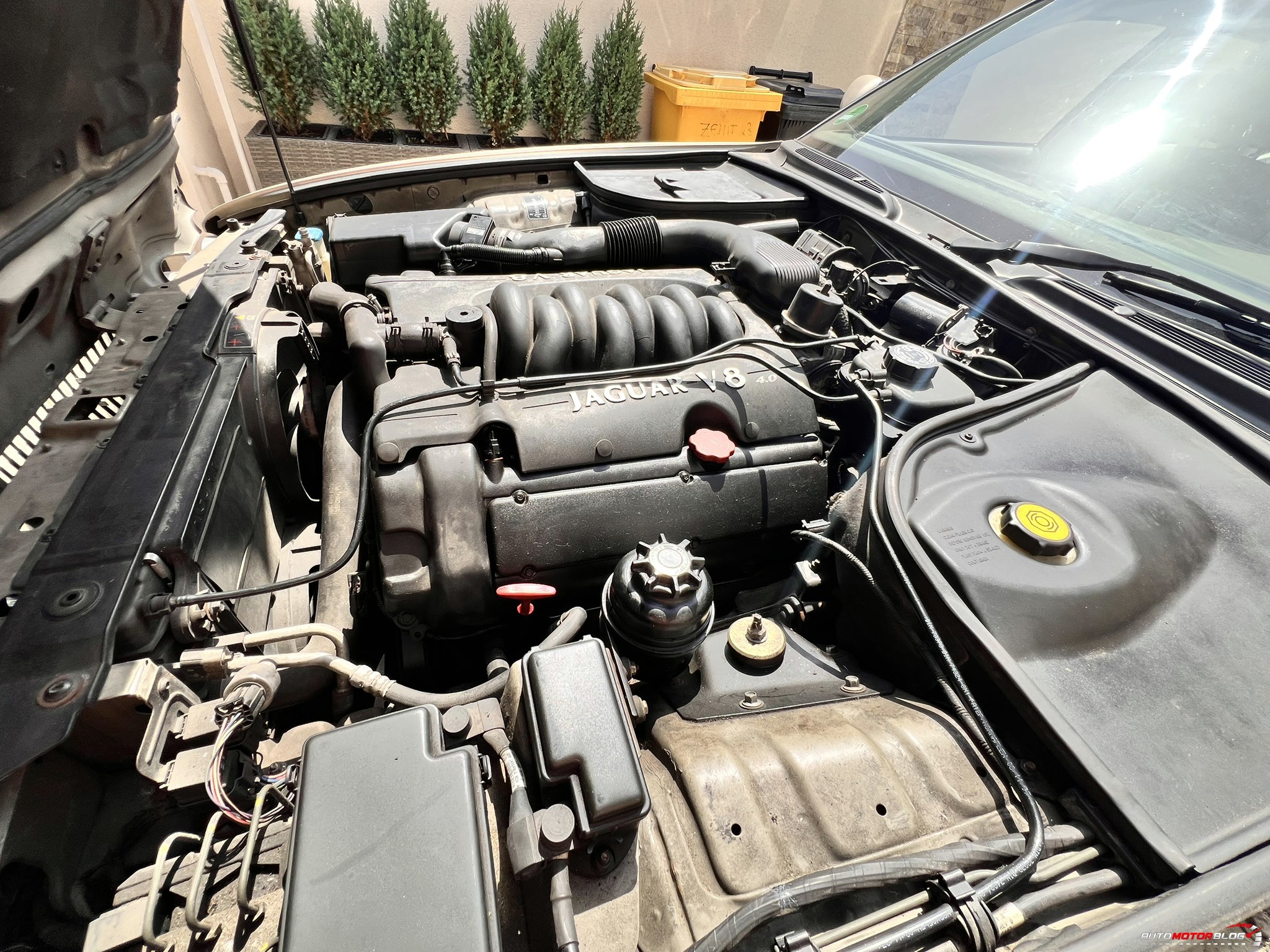
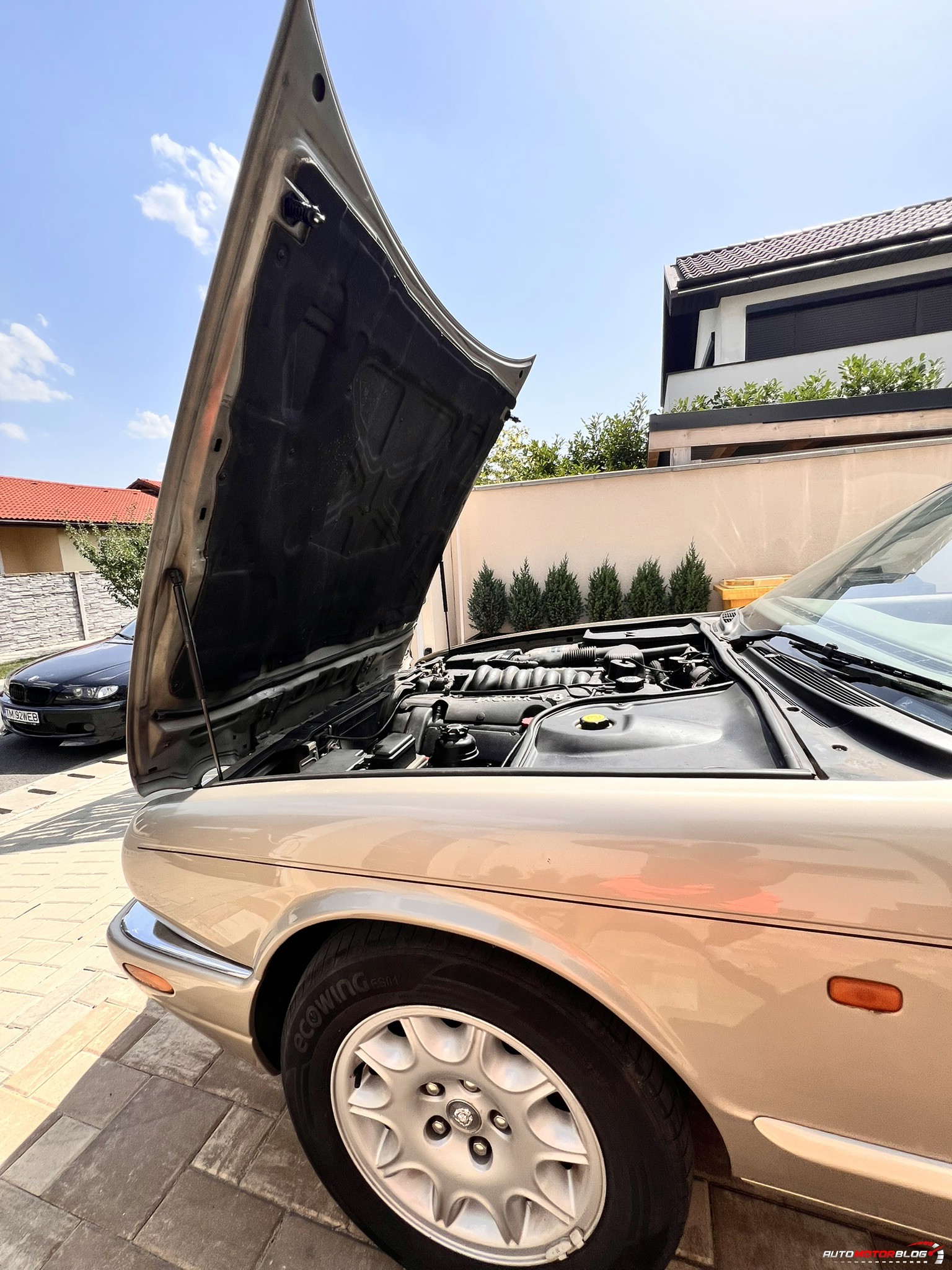
- Engine: Naturally aspirated V8 (AJ-V8)
- Displacement: 3,996 cc
- Power: 284 hp at 6,100 rpm
- Torque: 375 Nm at 4,250 rpm
- Transmission: ZF automatic, 5-speed
- Drive: RWD – rear-wheel drive
- 0–100 km/h: 7.2 seconds
- Top speed: 240 km/h
- Suspension: independent, with coil springs and shock absorbers; no air suspension as standard
- Wheels: 225/60/R16
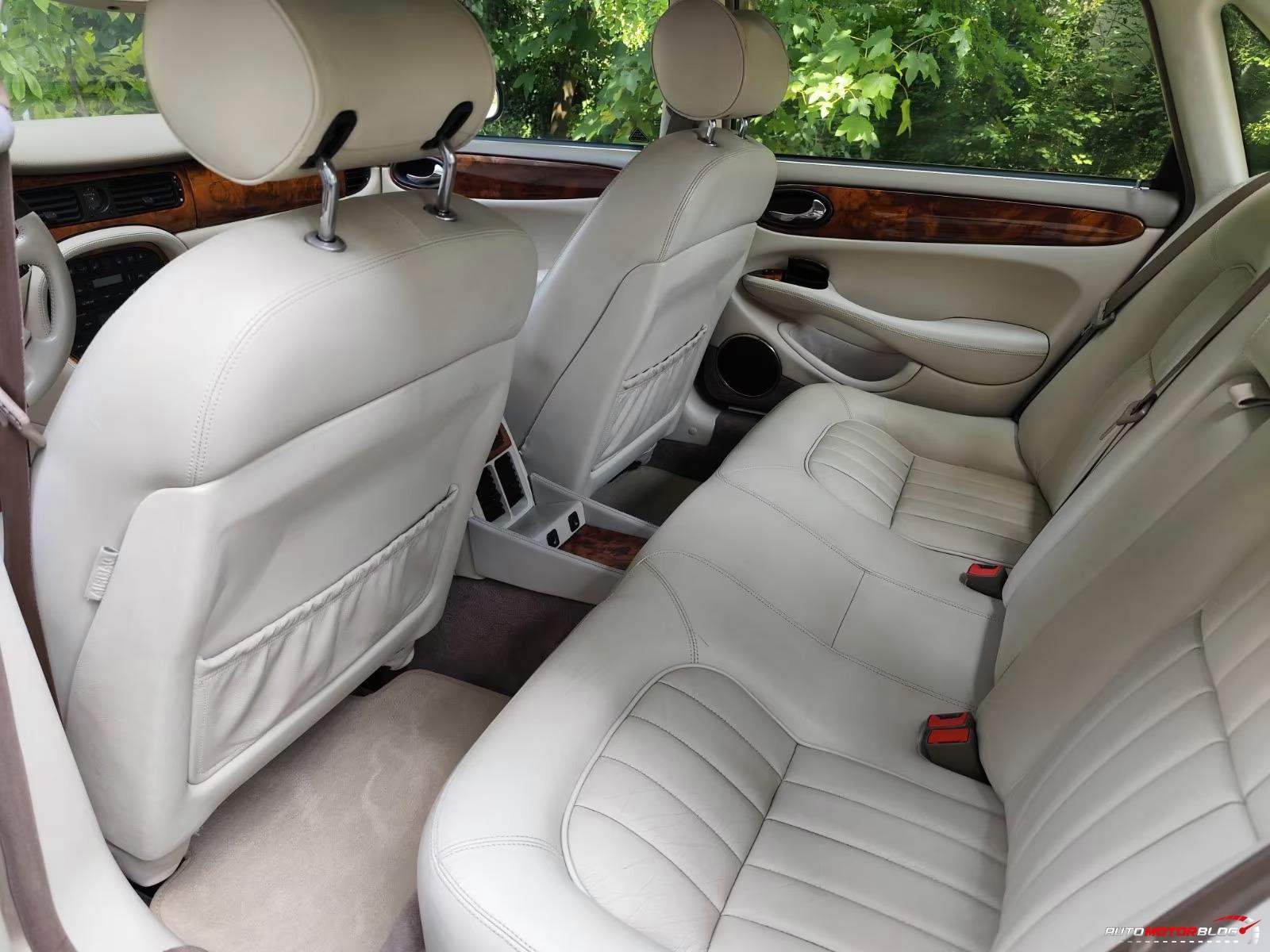
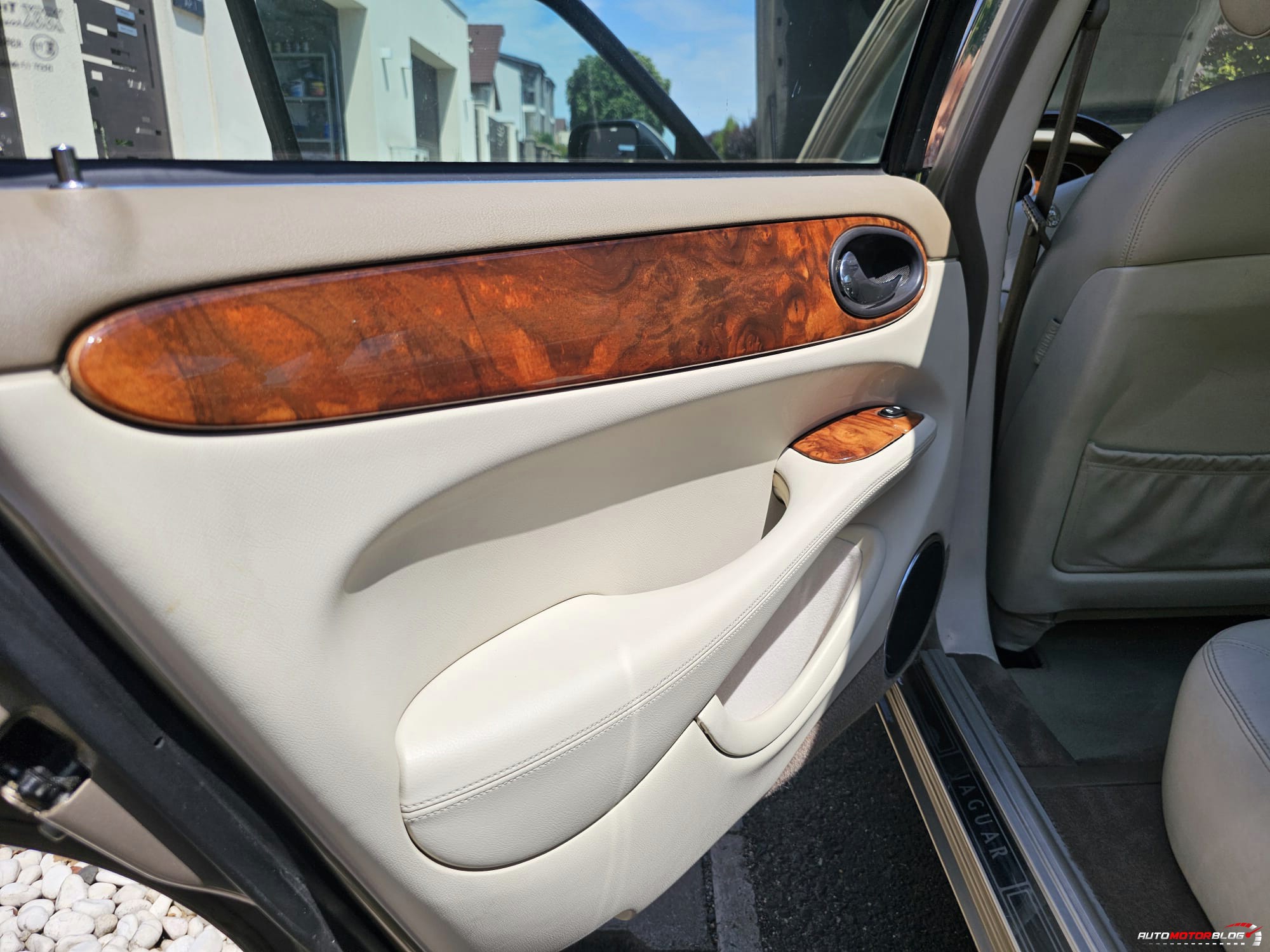
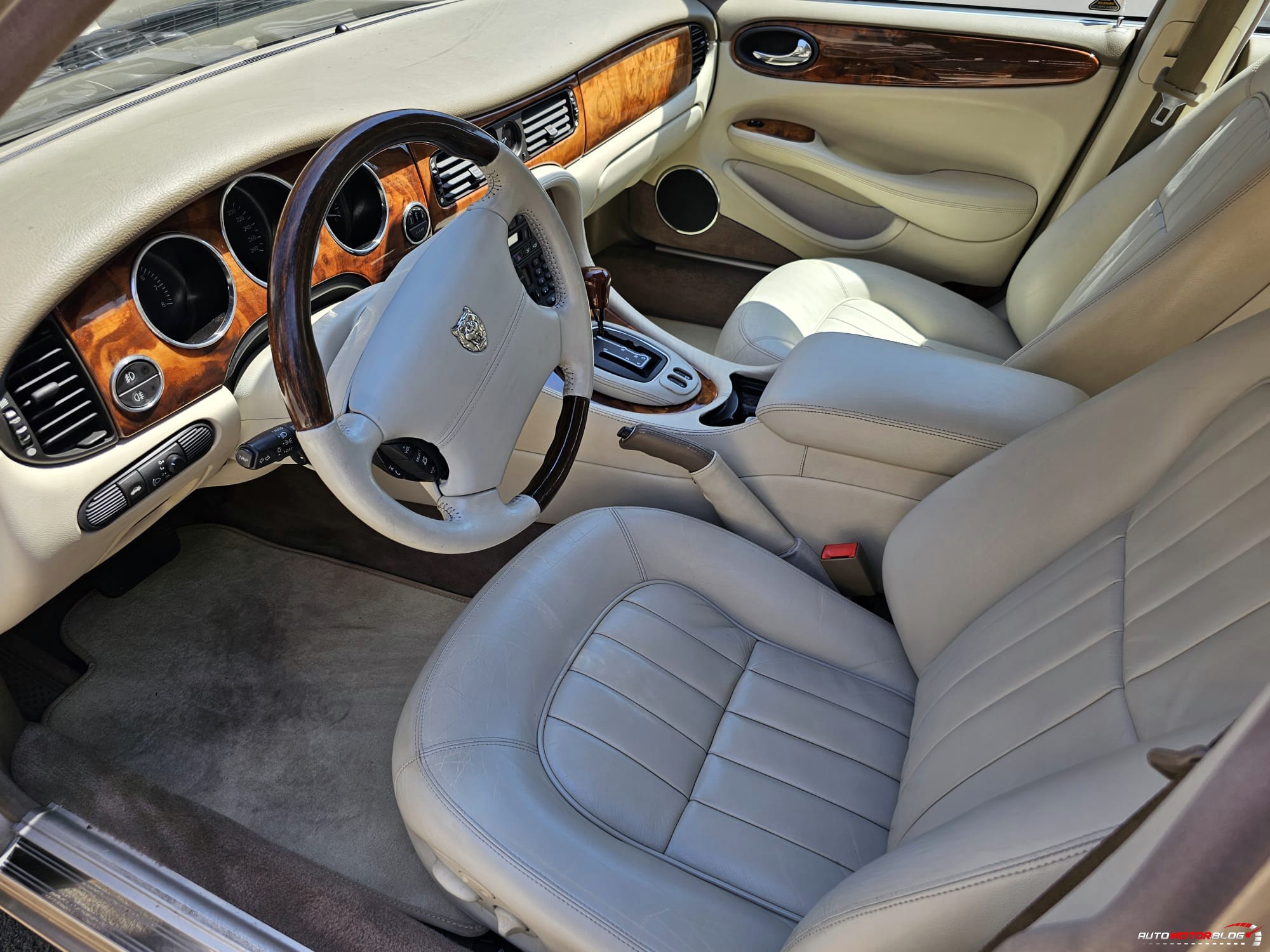
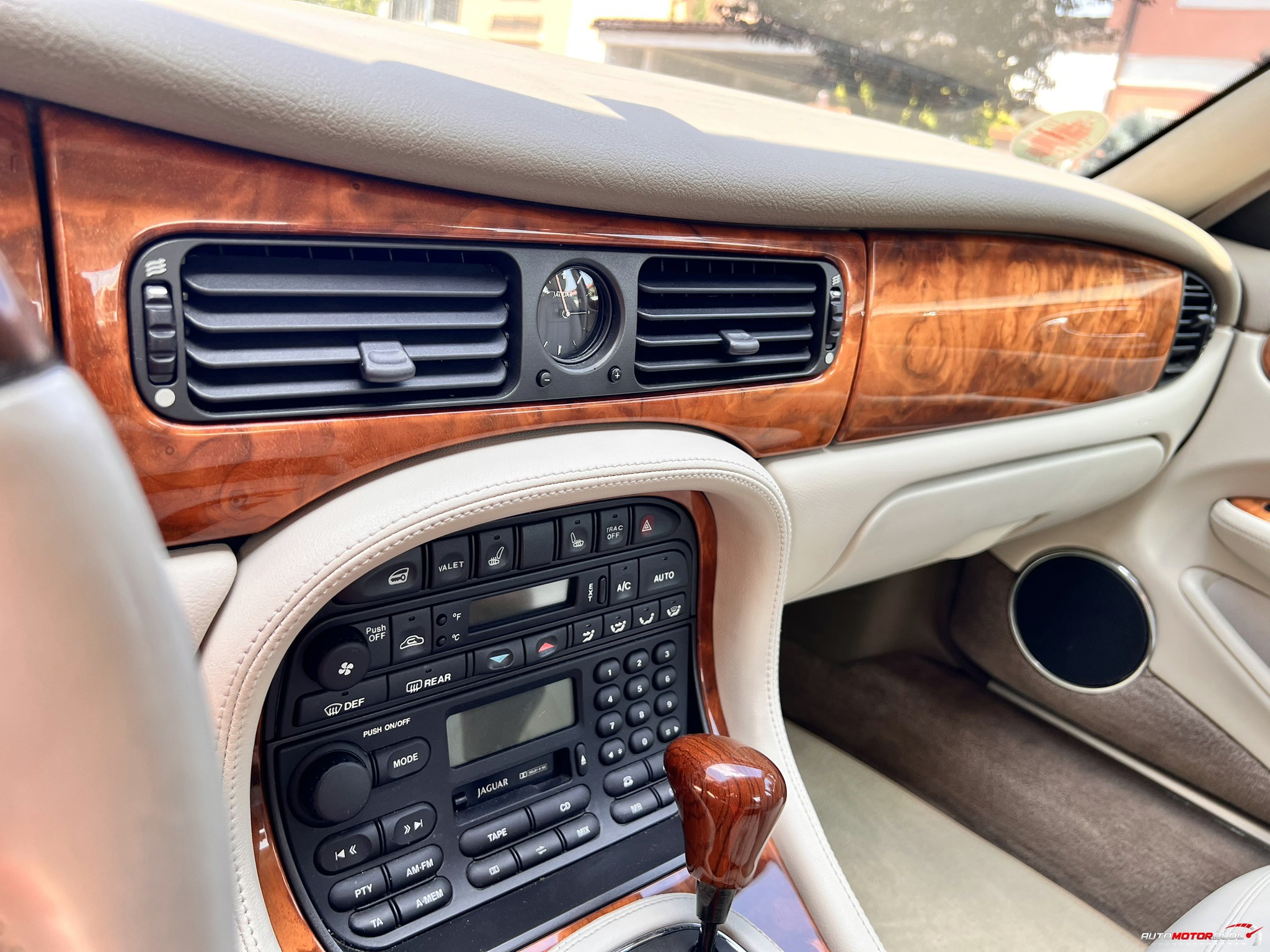
- Interior: Ivory leather + Burr Walnut veneer
- Features: electric seats with memory, heated rear seats, cruise control, electric steering wheel, electric windows, rear window curtain, and Alpine audio system.
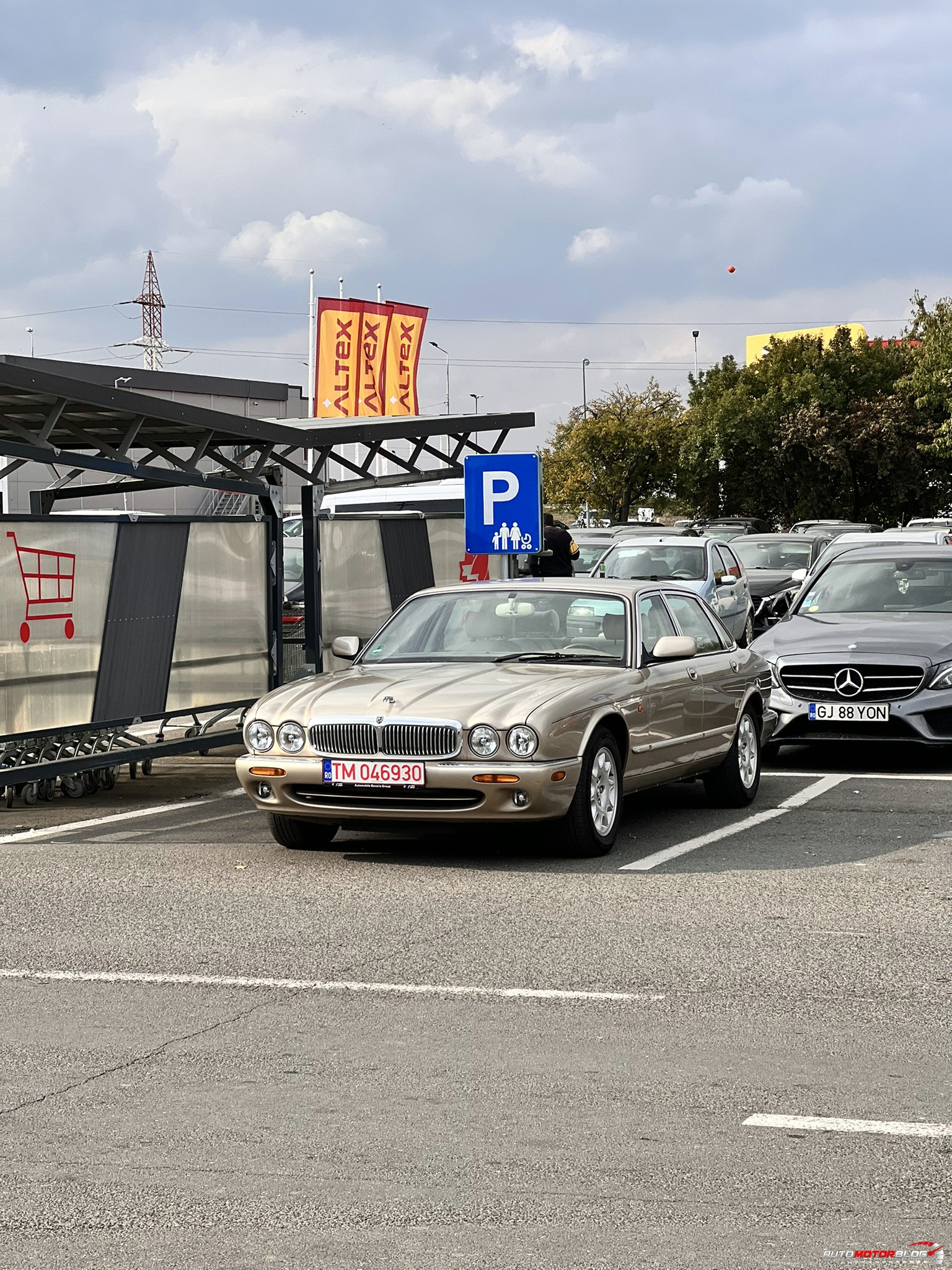
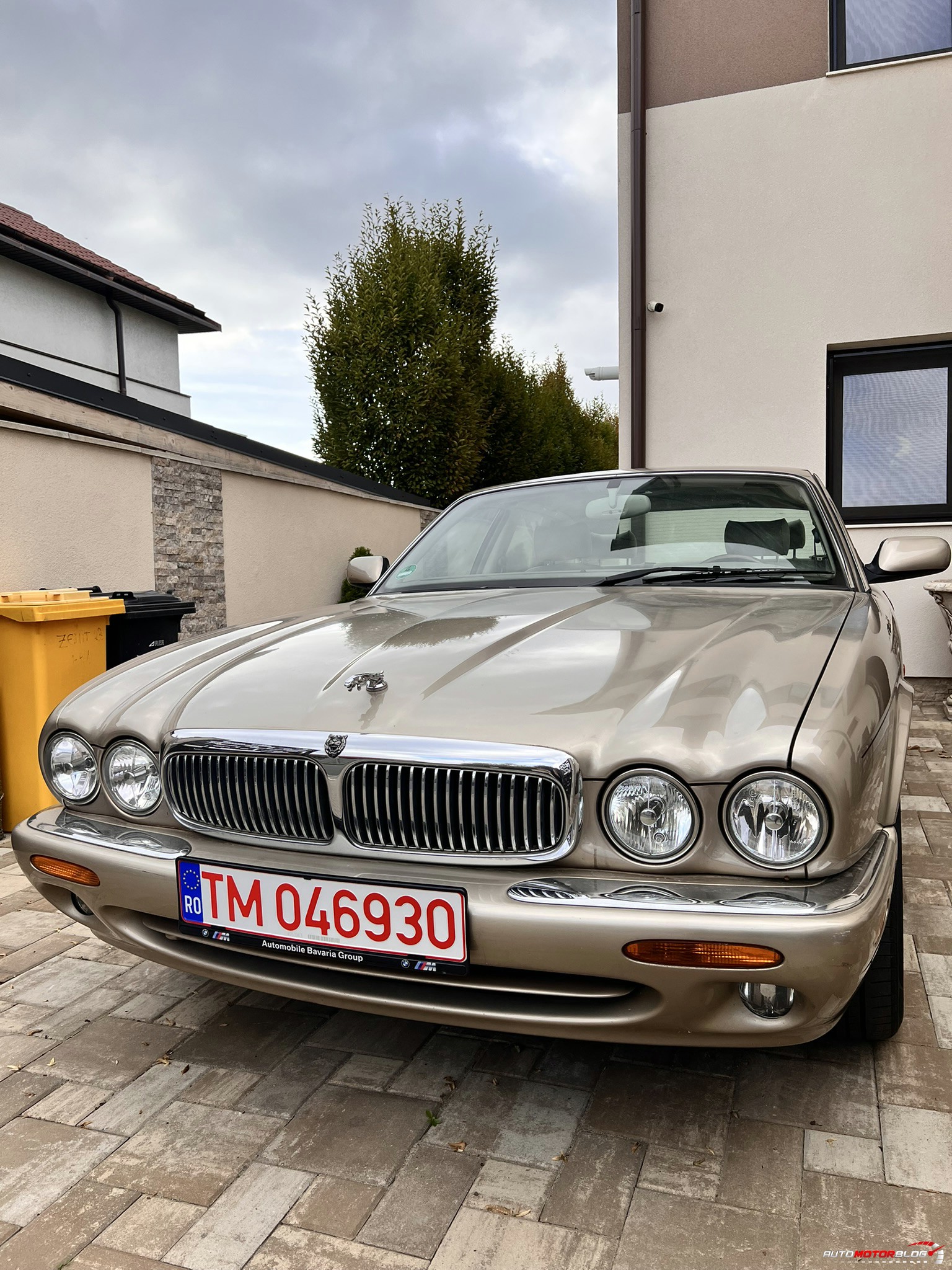
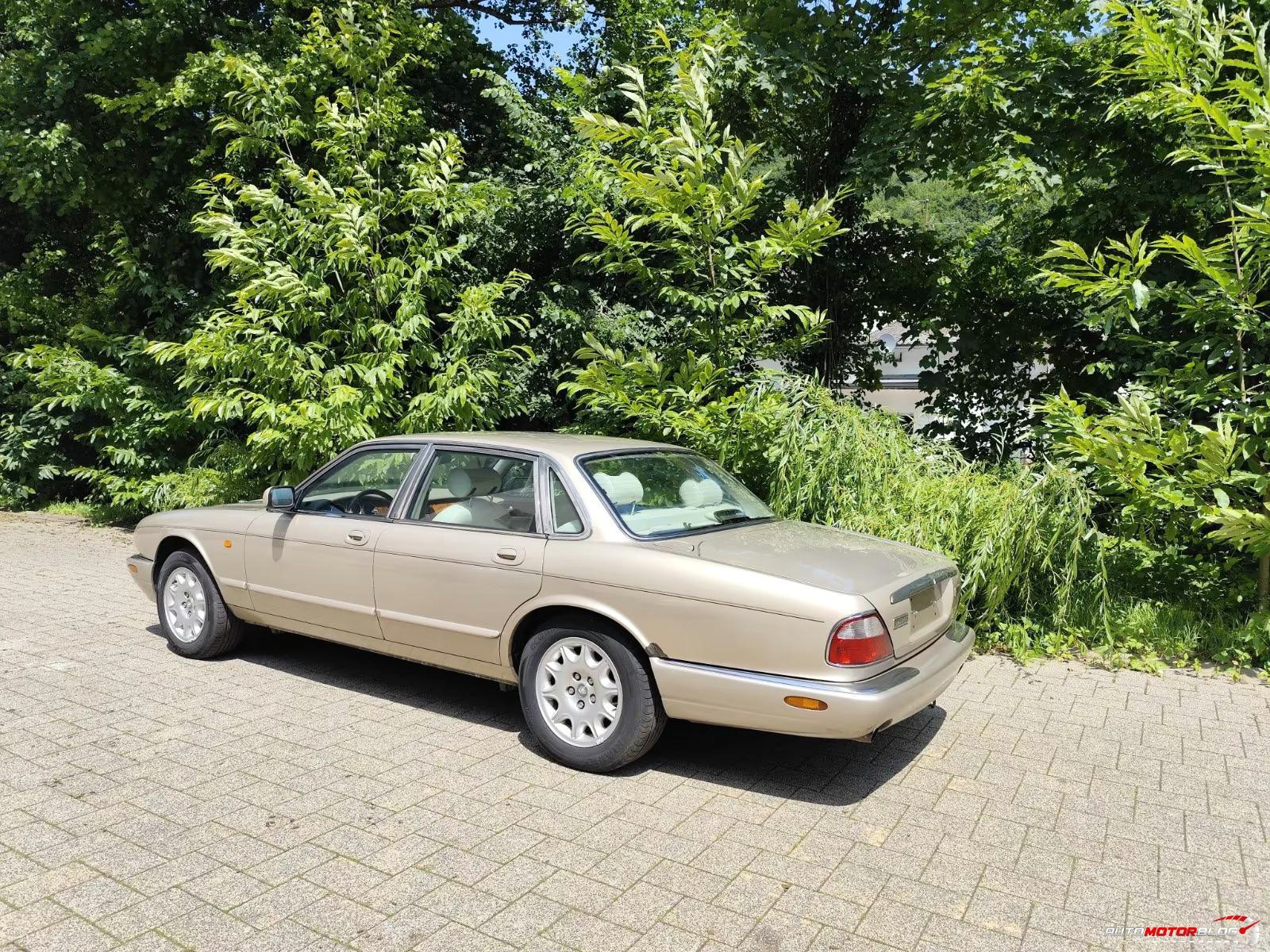
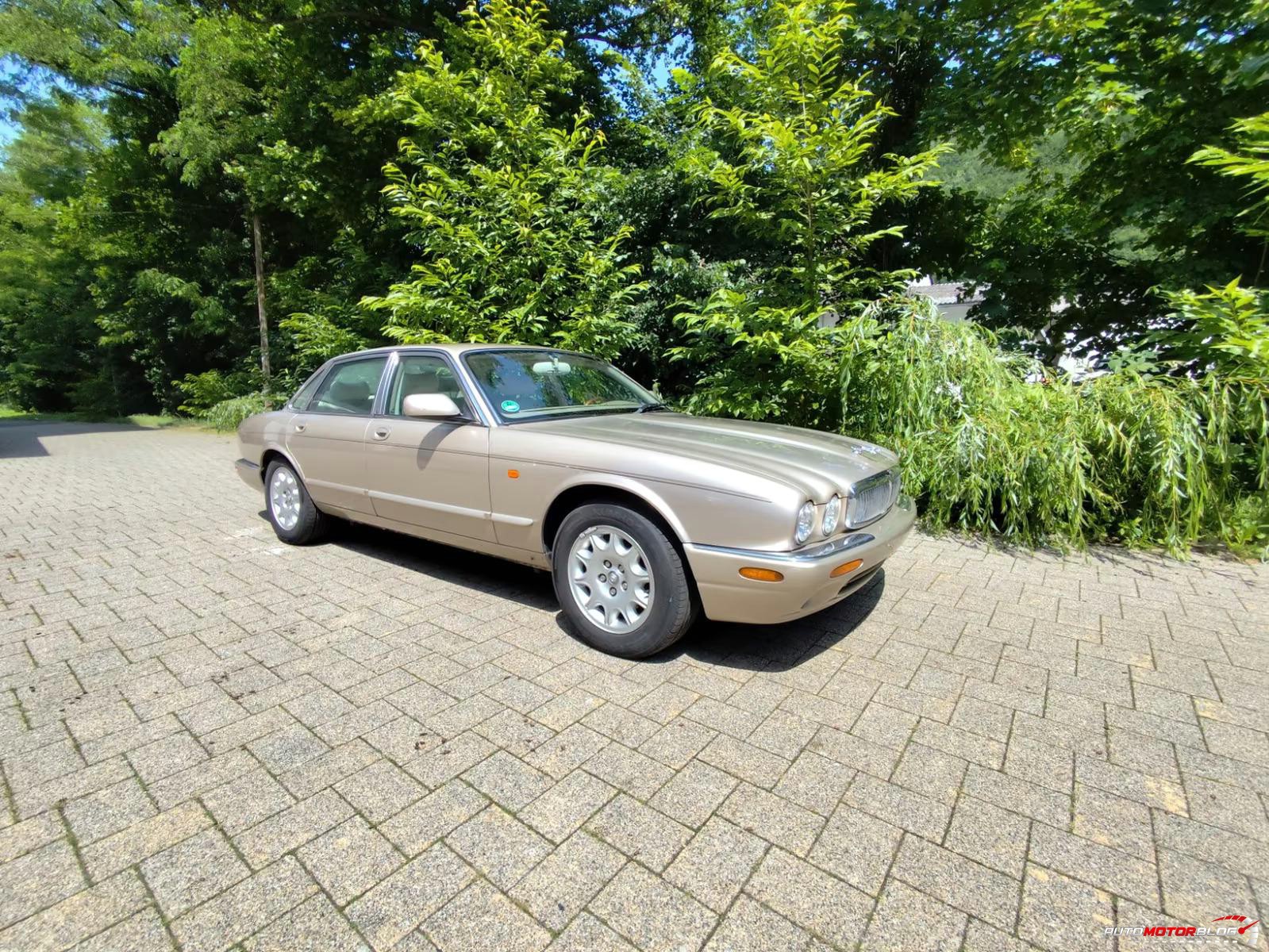
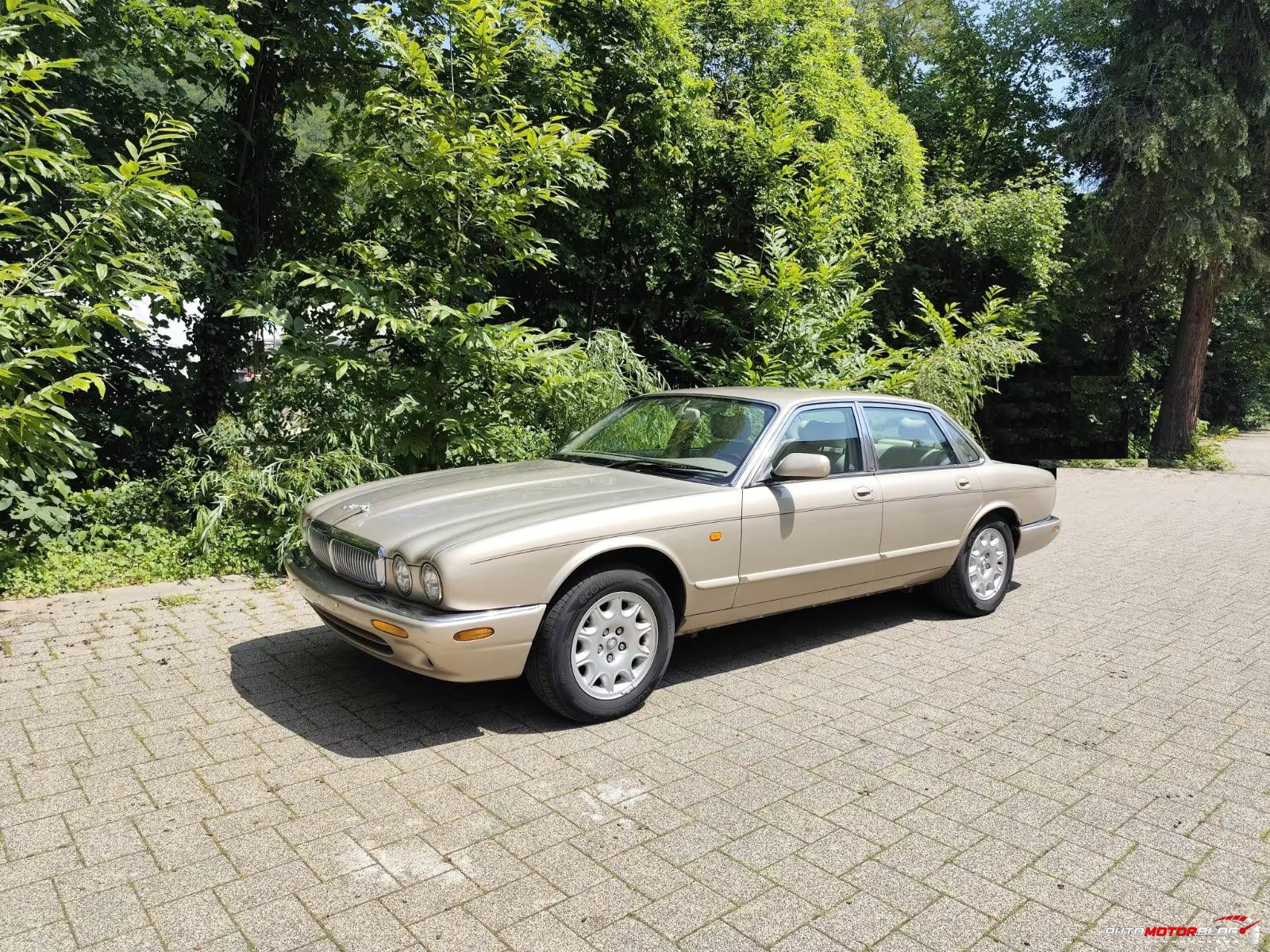
- Color: Gold Champagne
- Character: British limousine focused on luxury, comfort, refinement and elegance.
- Distinguishing point: the combination of V8, rear-wheel drive, luxurious interior and classic Jaguar design.
Introduction
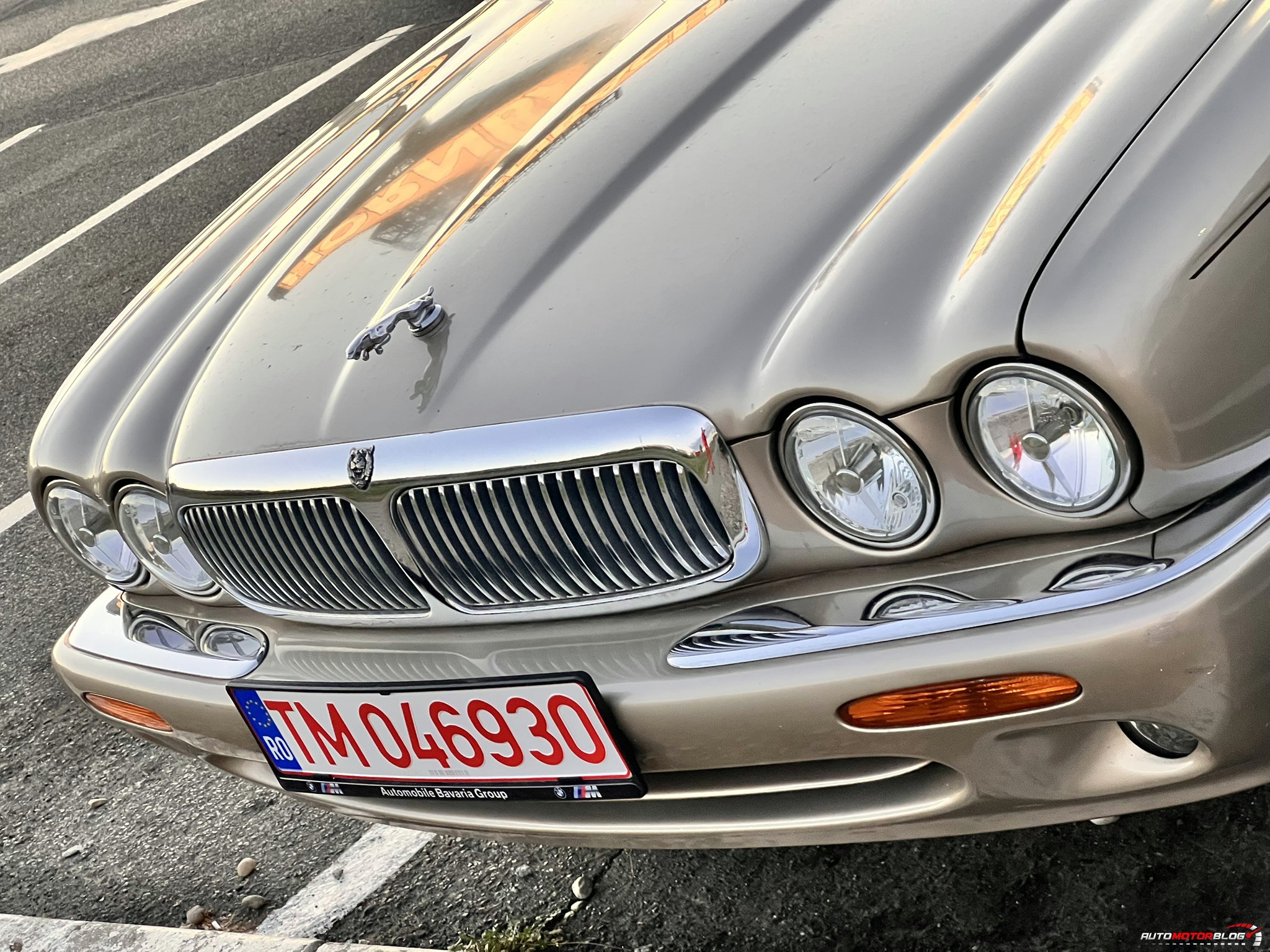
As I said at the beginning of this review, I have been passionate about Jaguar cars since I was a child, but especially the XJ model X308 generation which was produced between 1997 and 2002.
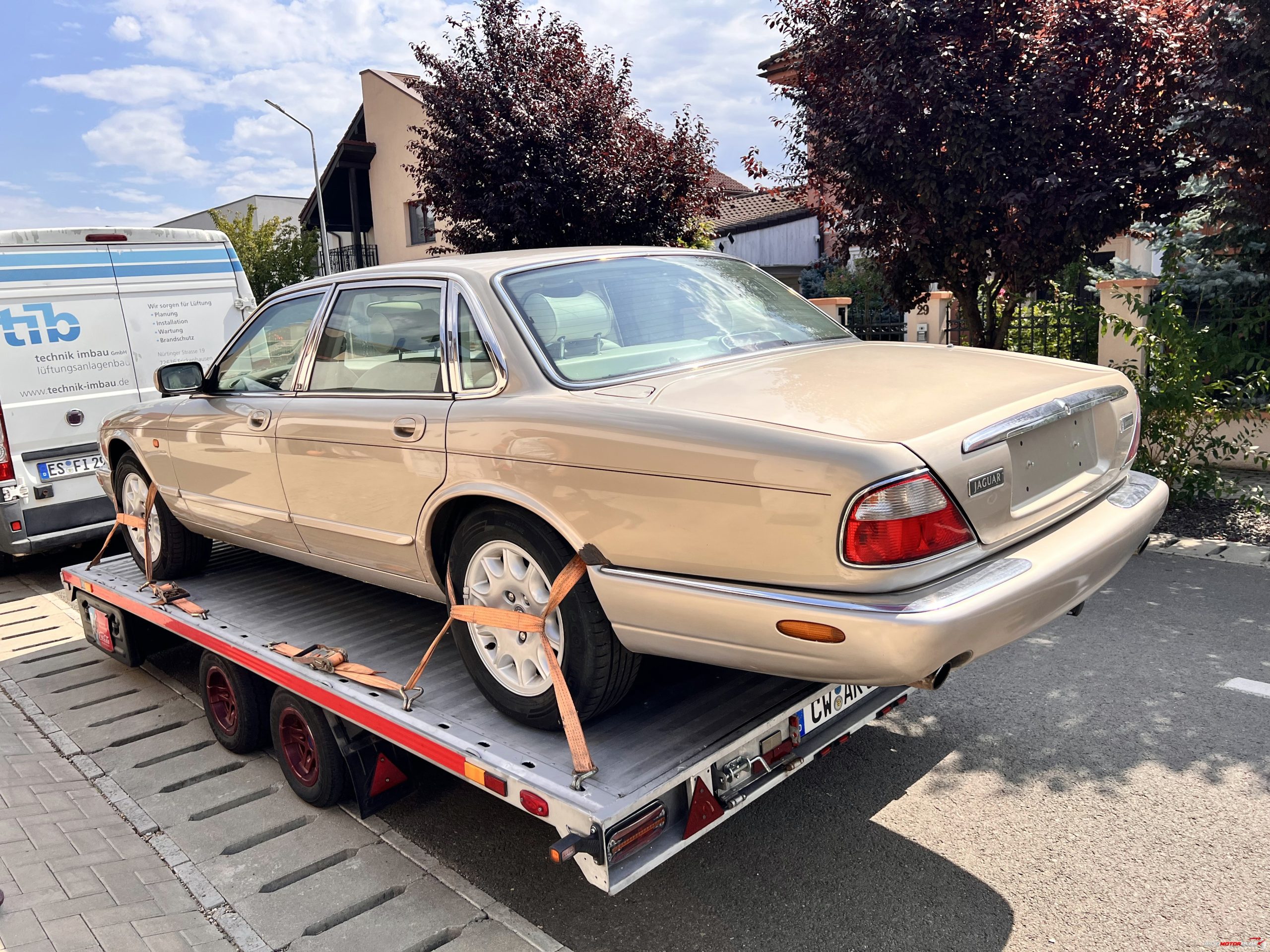
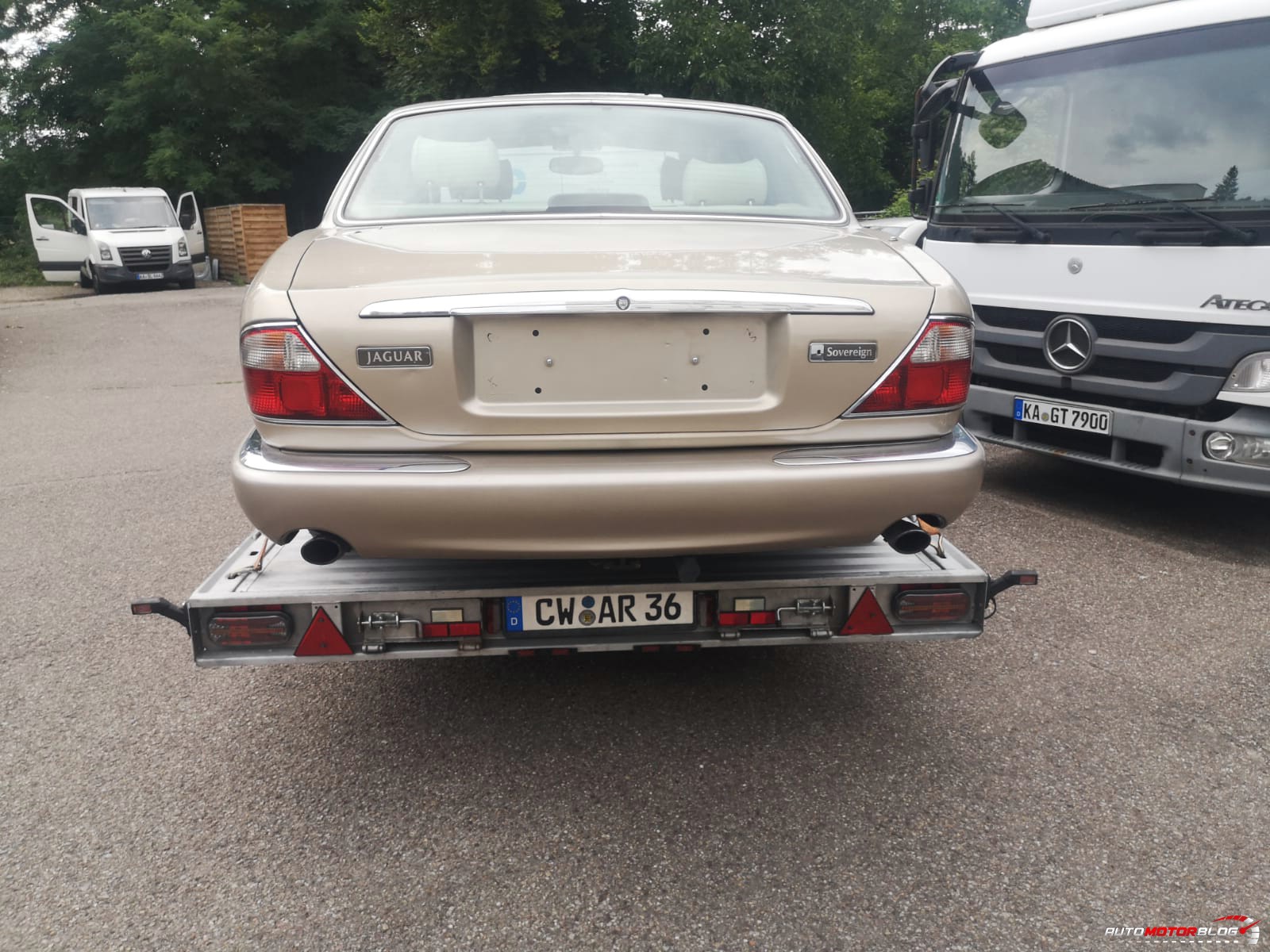
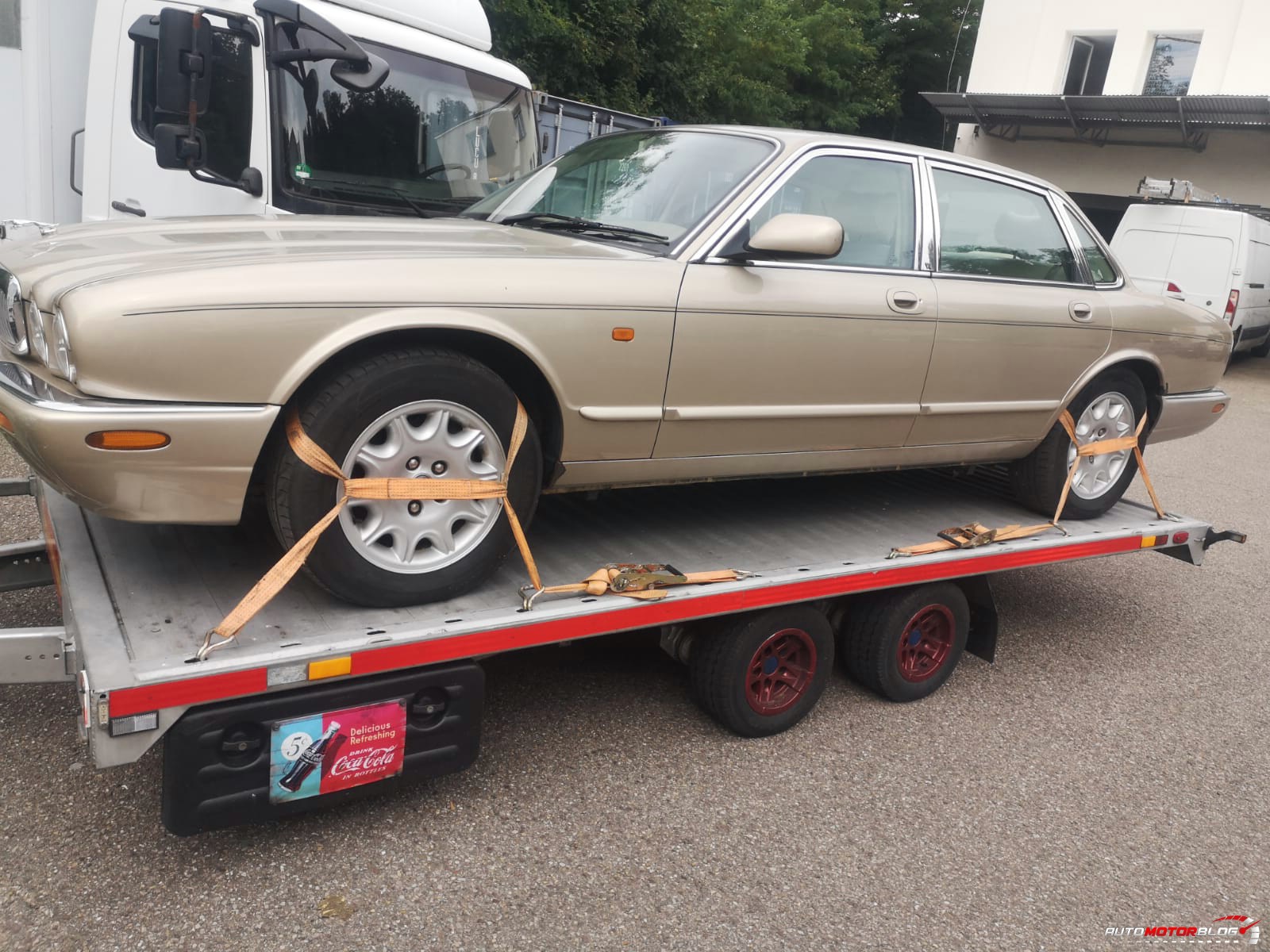
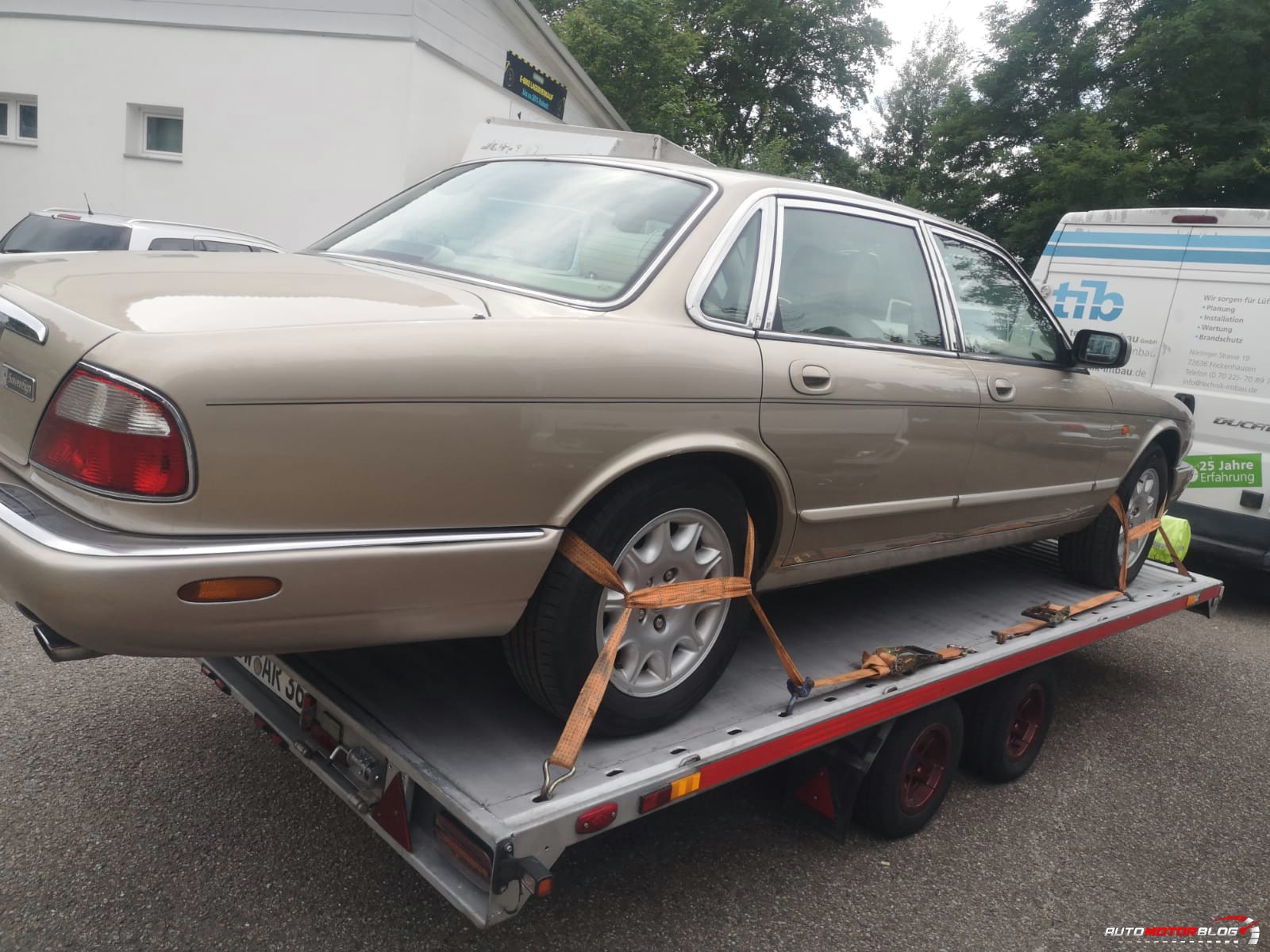
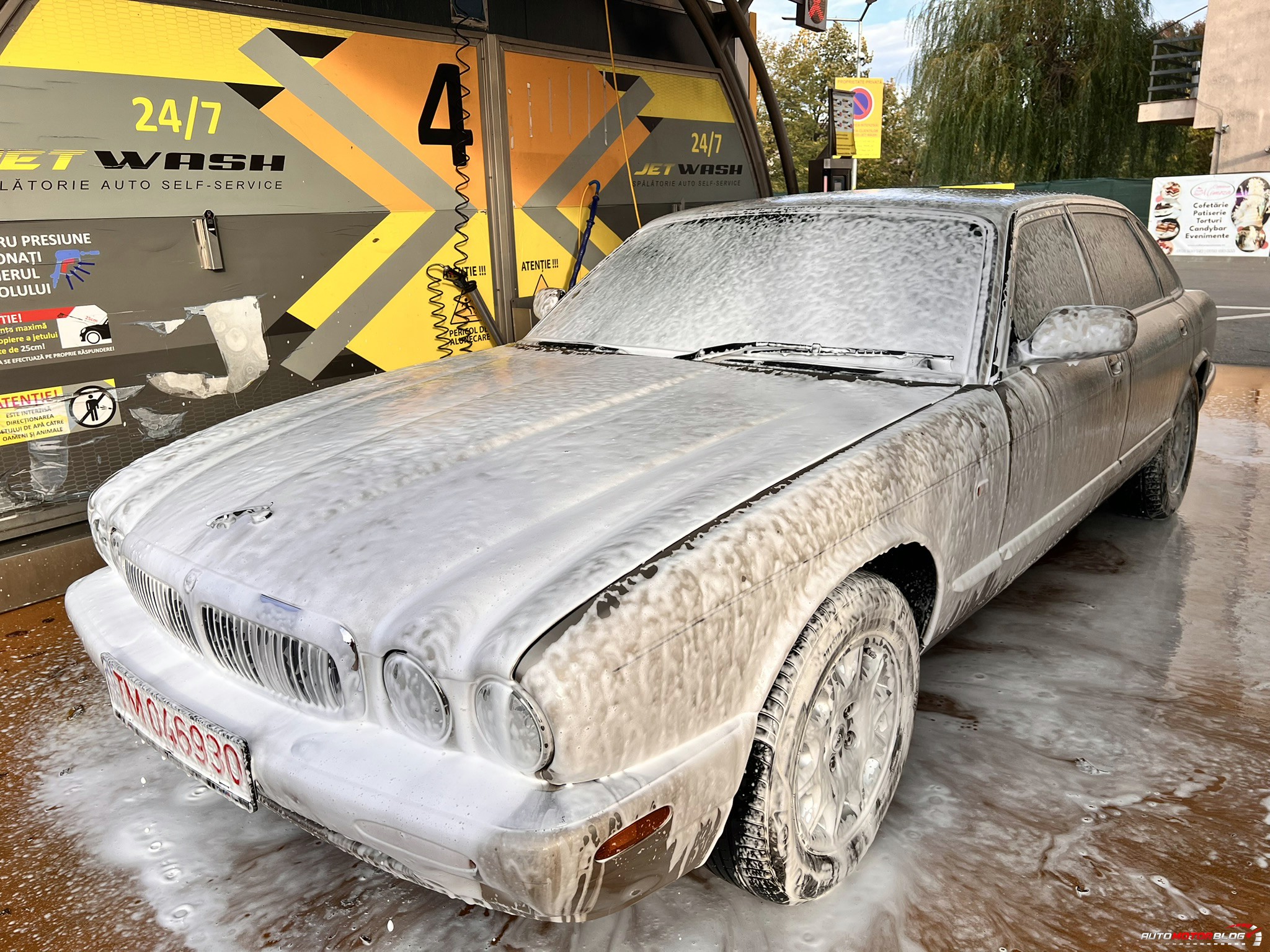
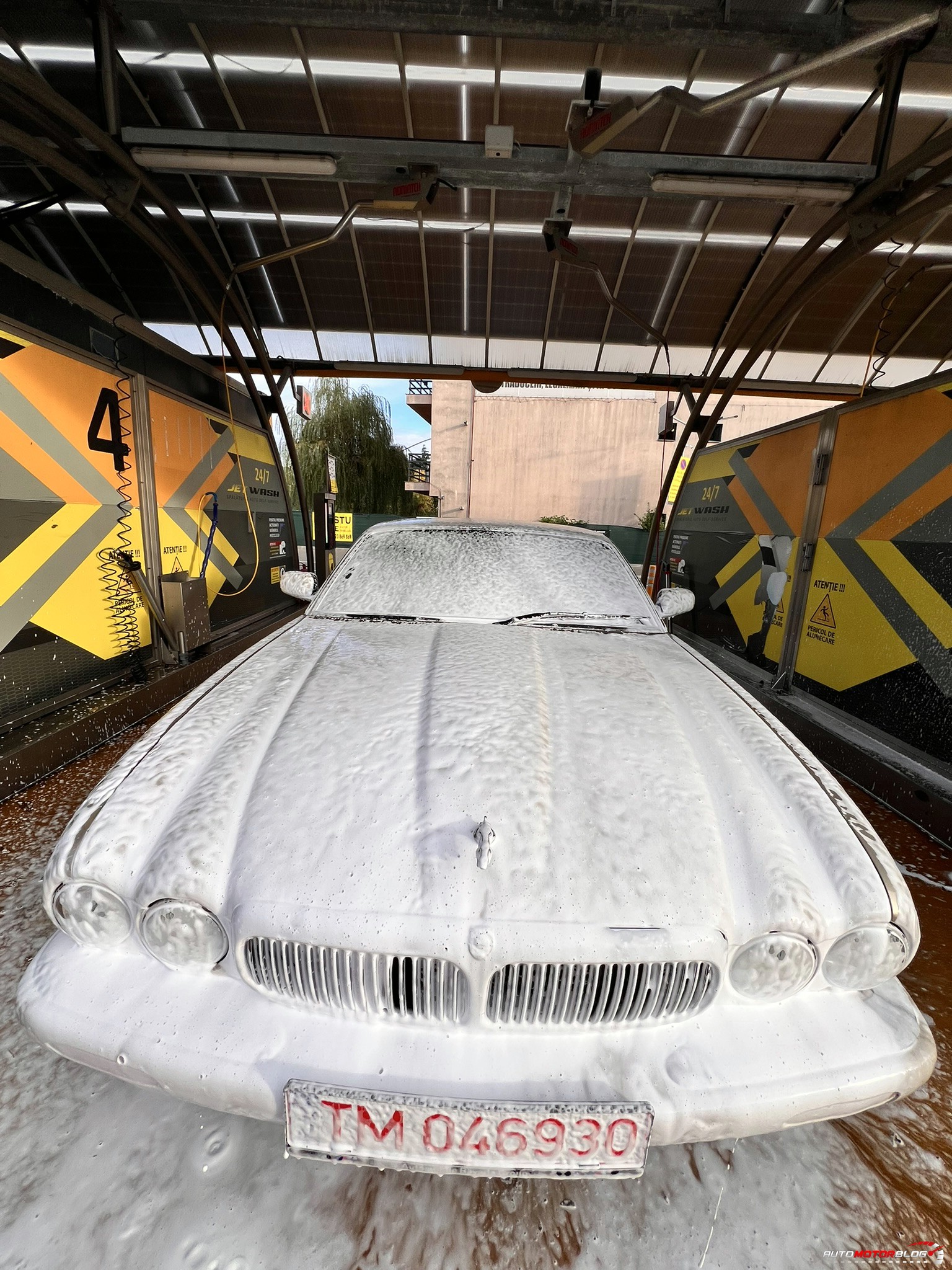
I brought the car in 2025 from Germany, it was parked in a garage for 2 years. It saw the light of day only after 2 years, and it needed to be washed because it was full of cobwebs, and even a small beehive was present near the fuel tank. What I can say is that I was extremely lucky when I found this gem, and I managed to bring it home in the summer of 2025.
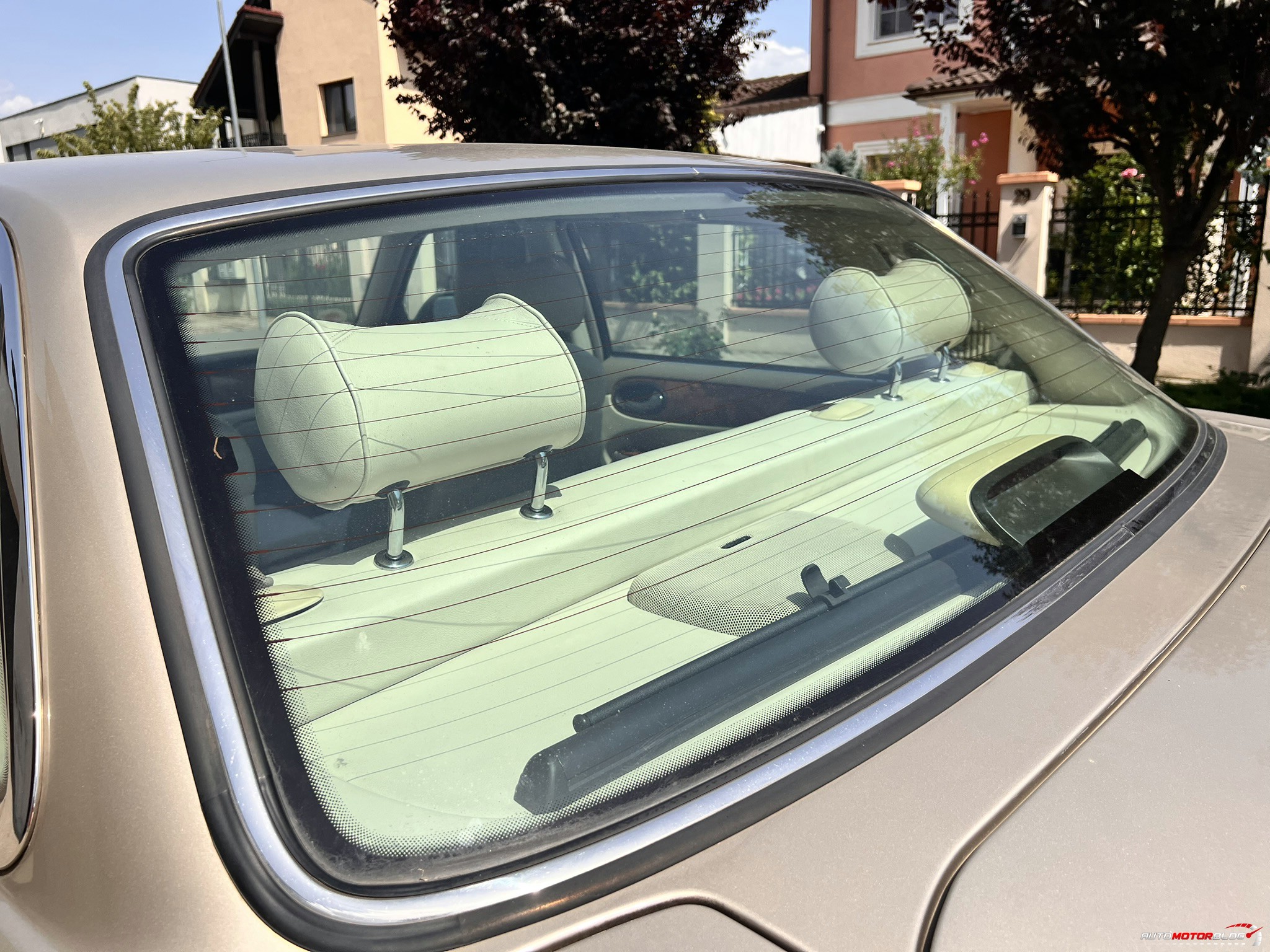
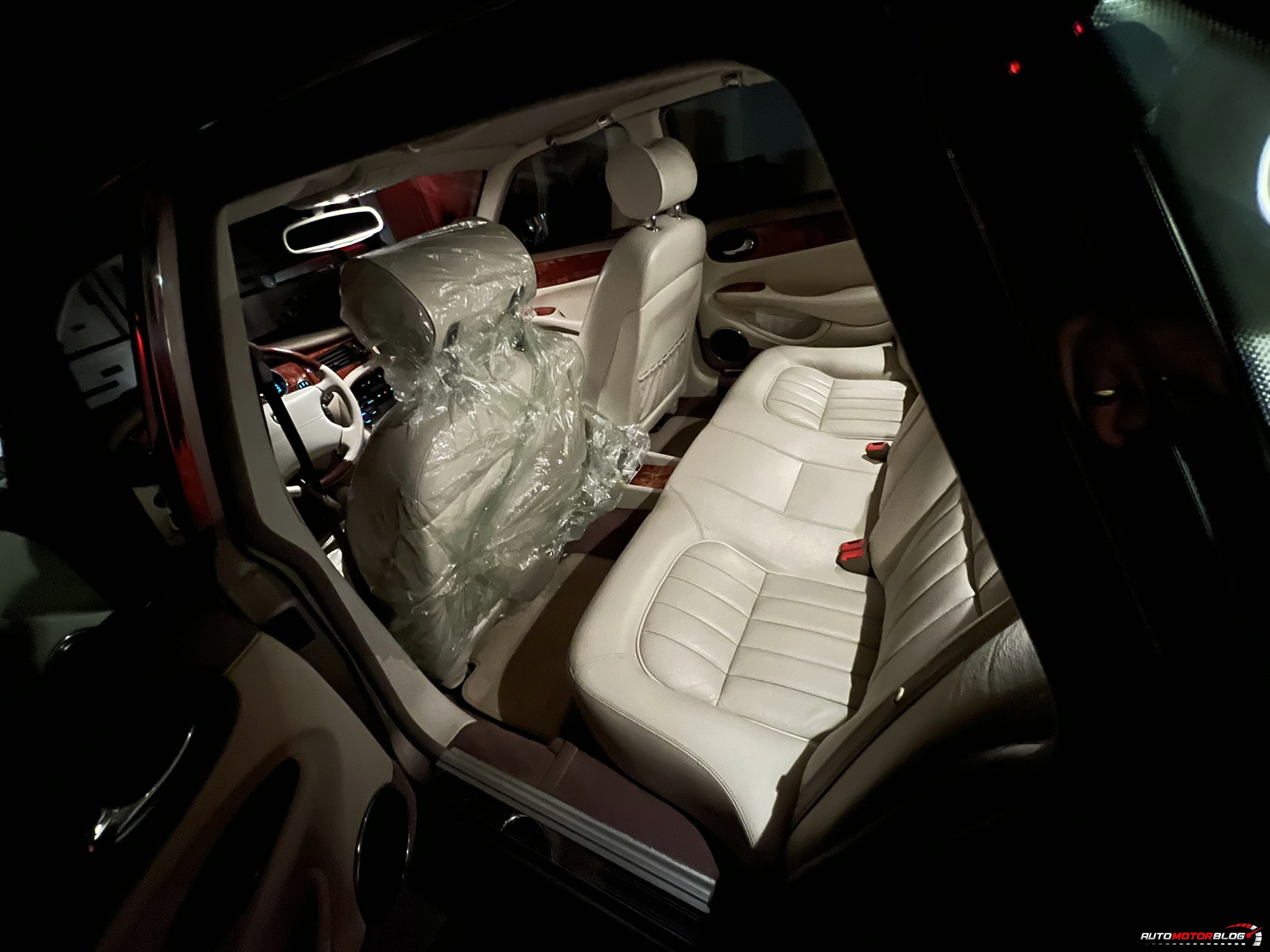
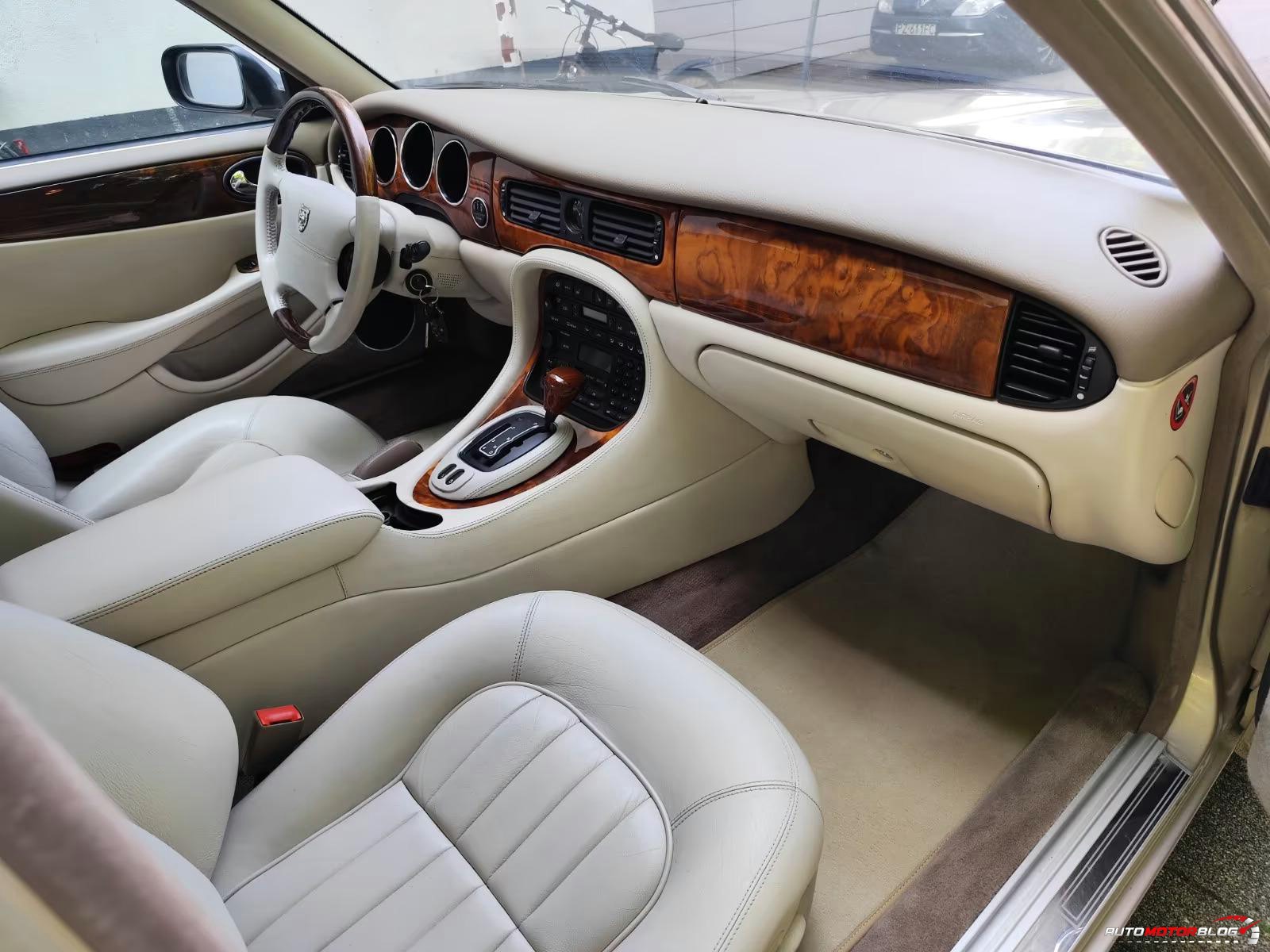
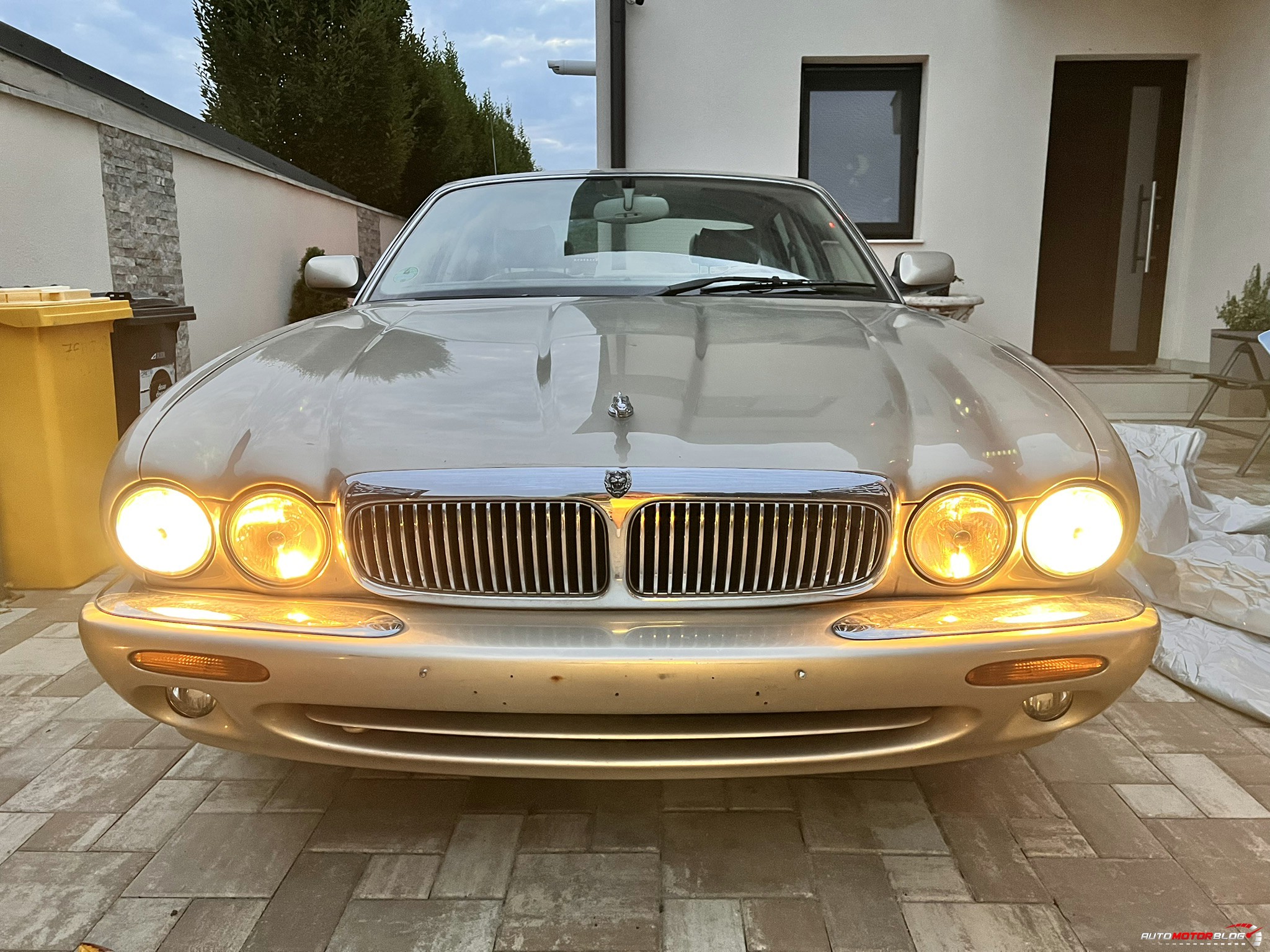
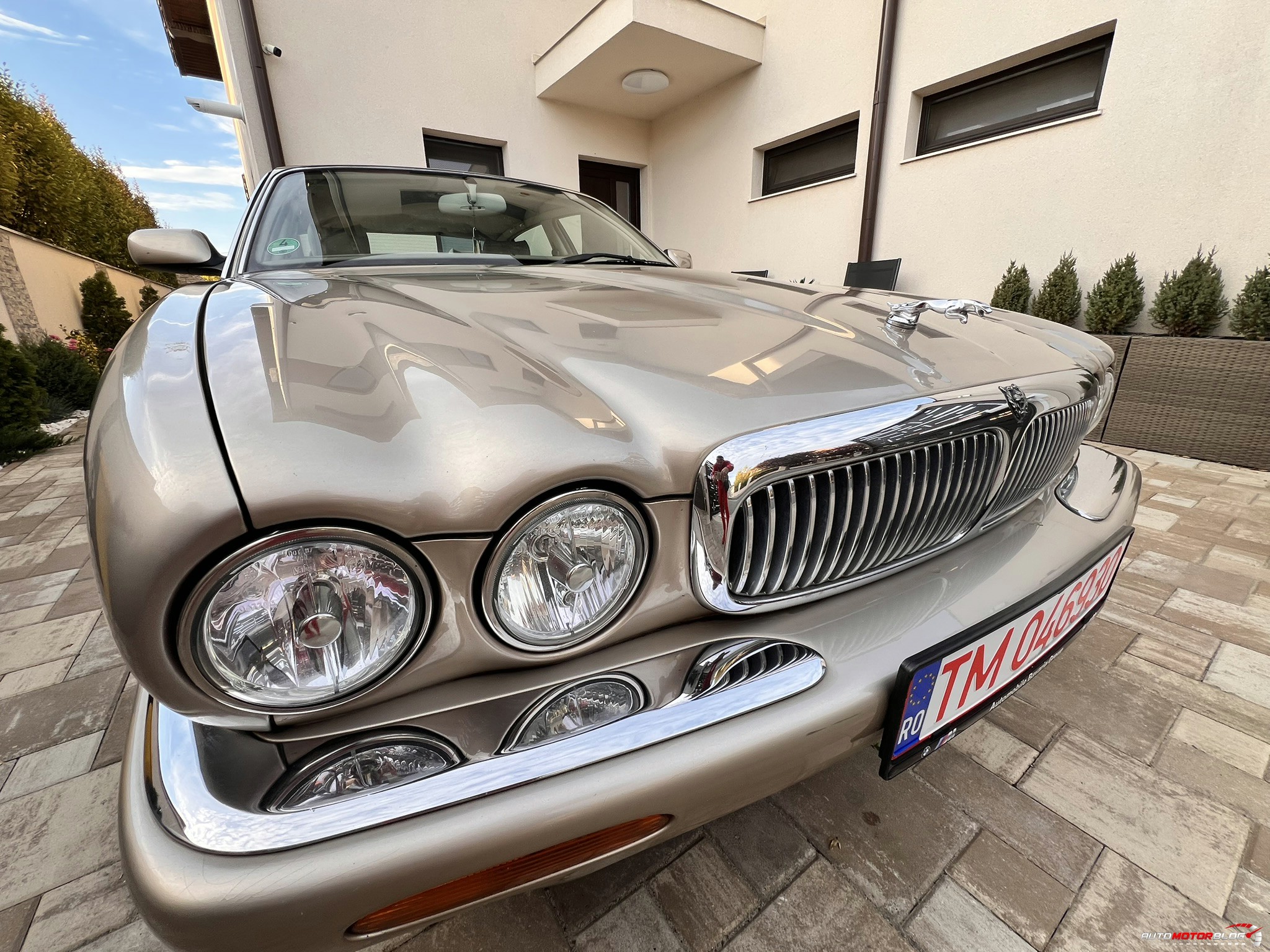
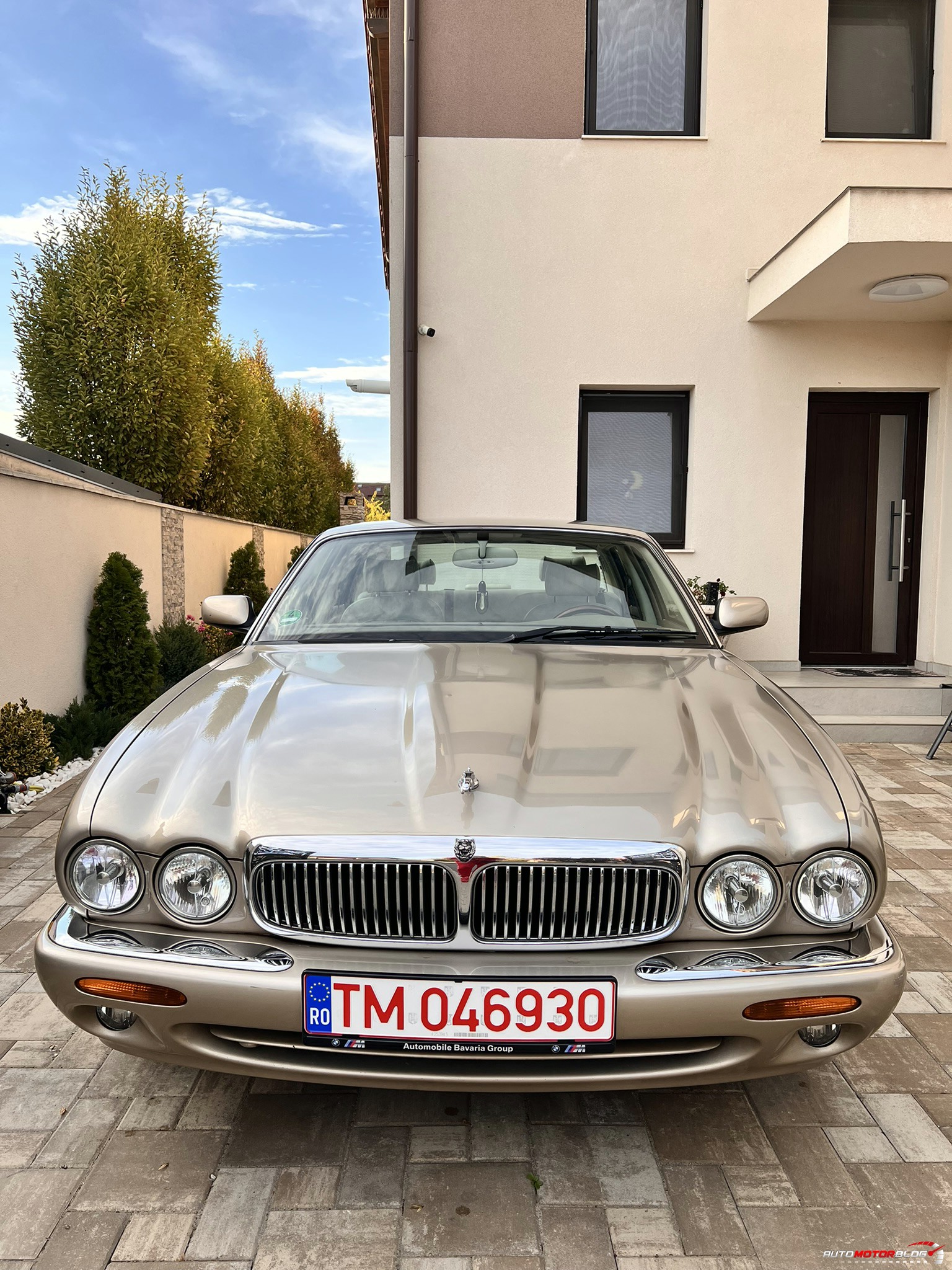
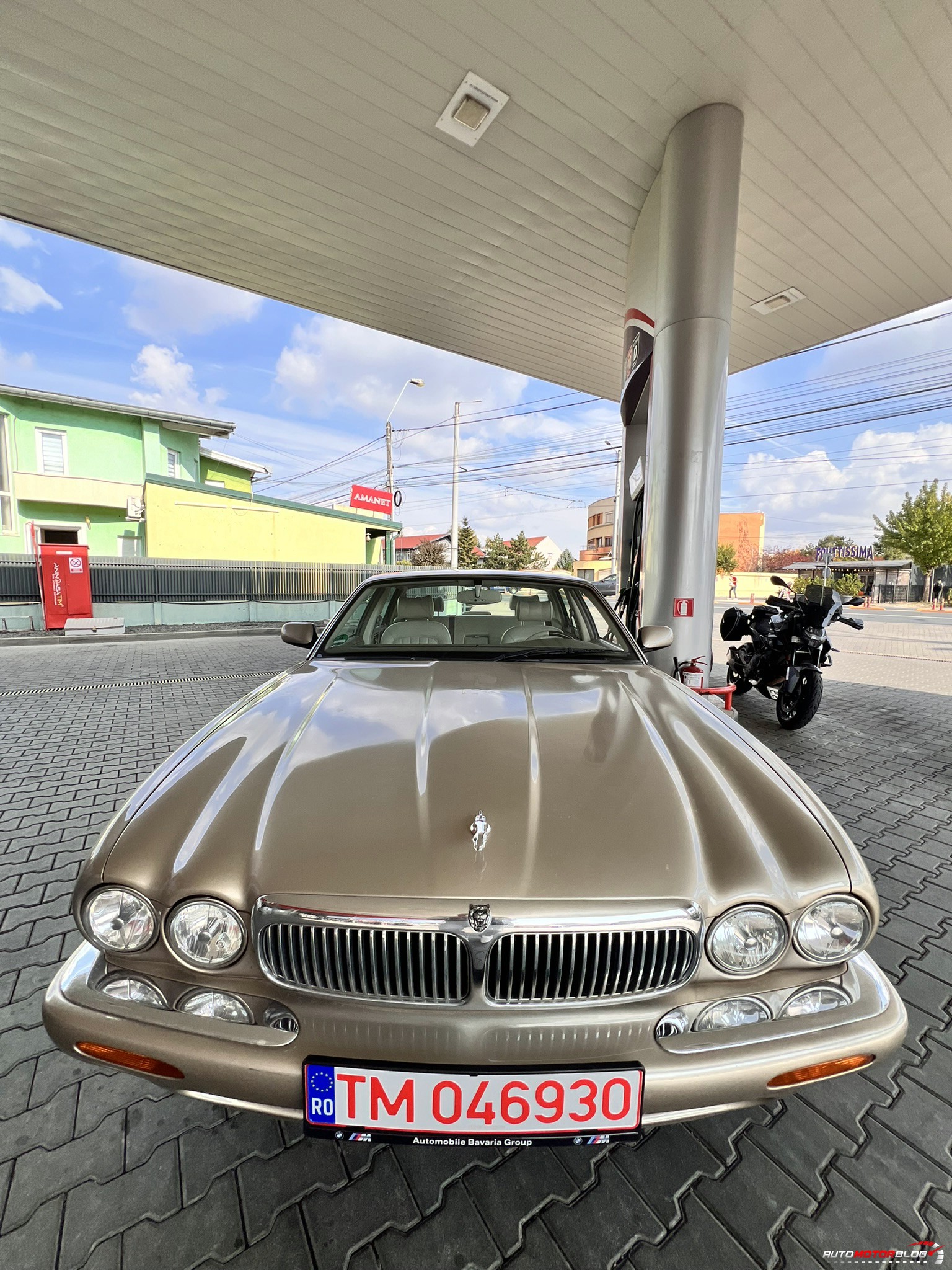
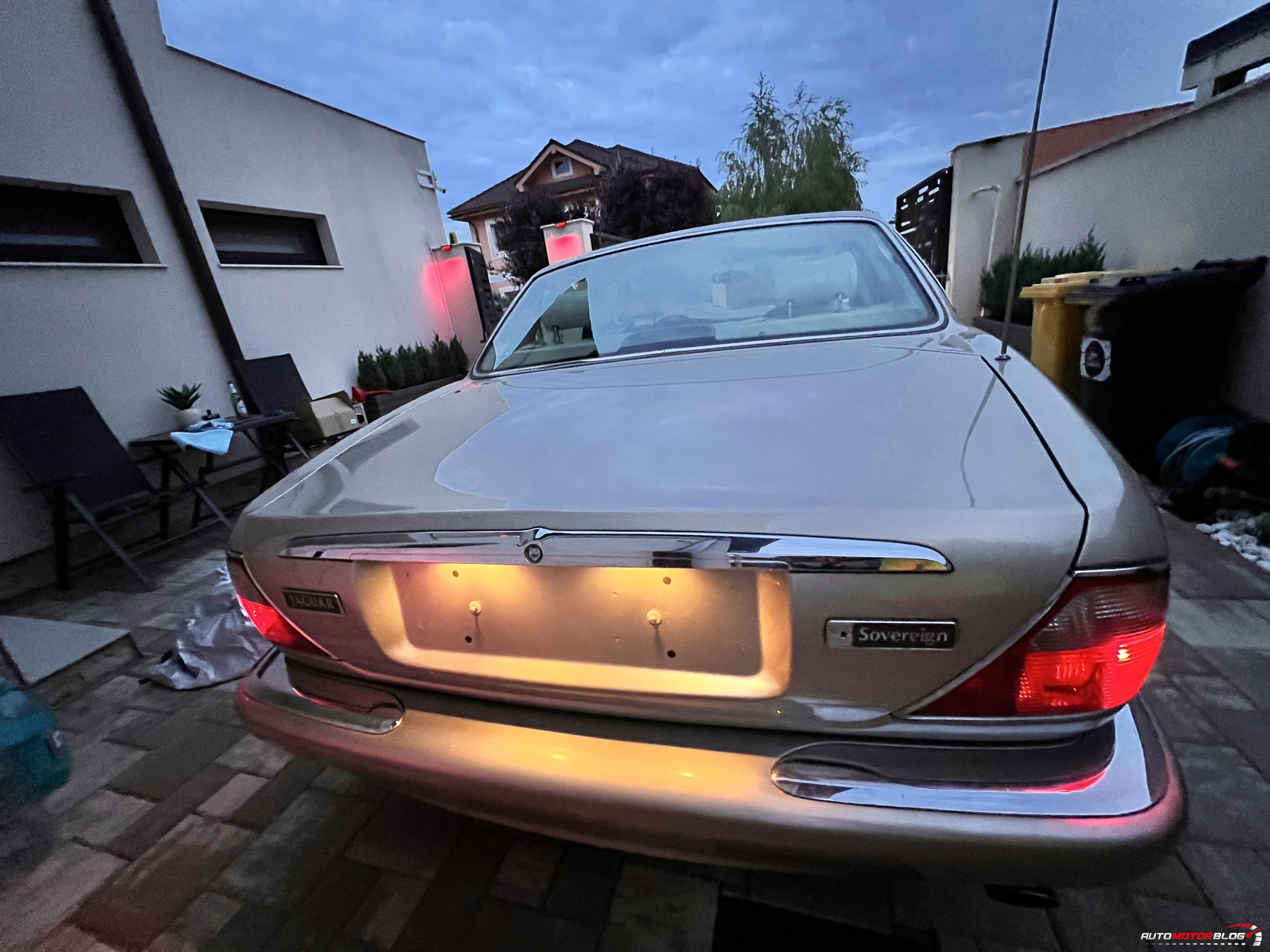
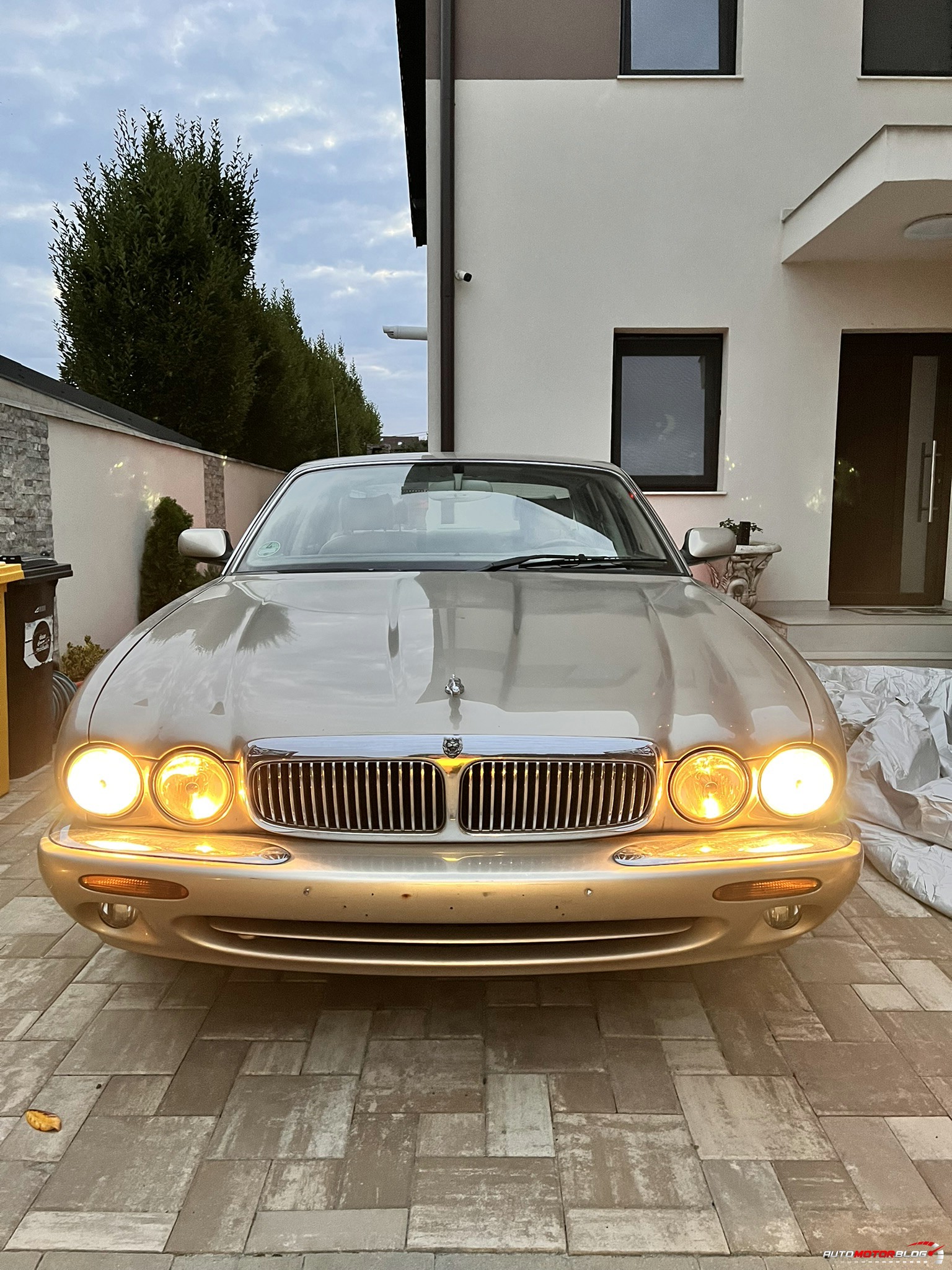
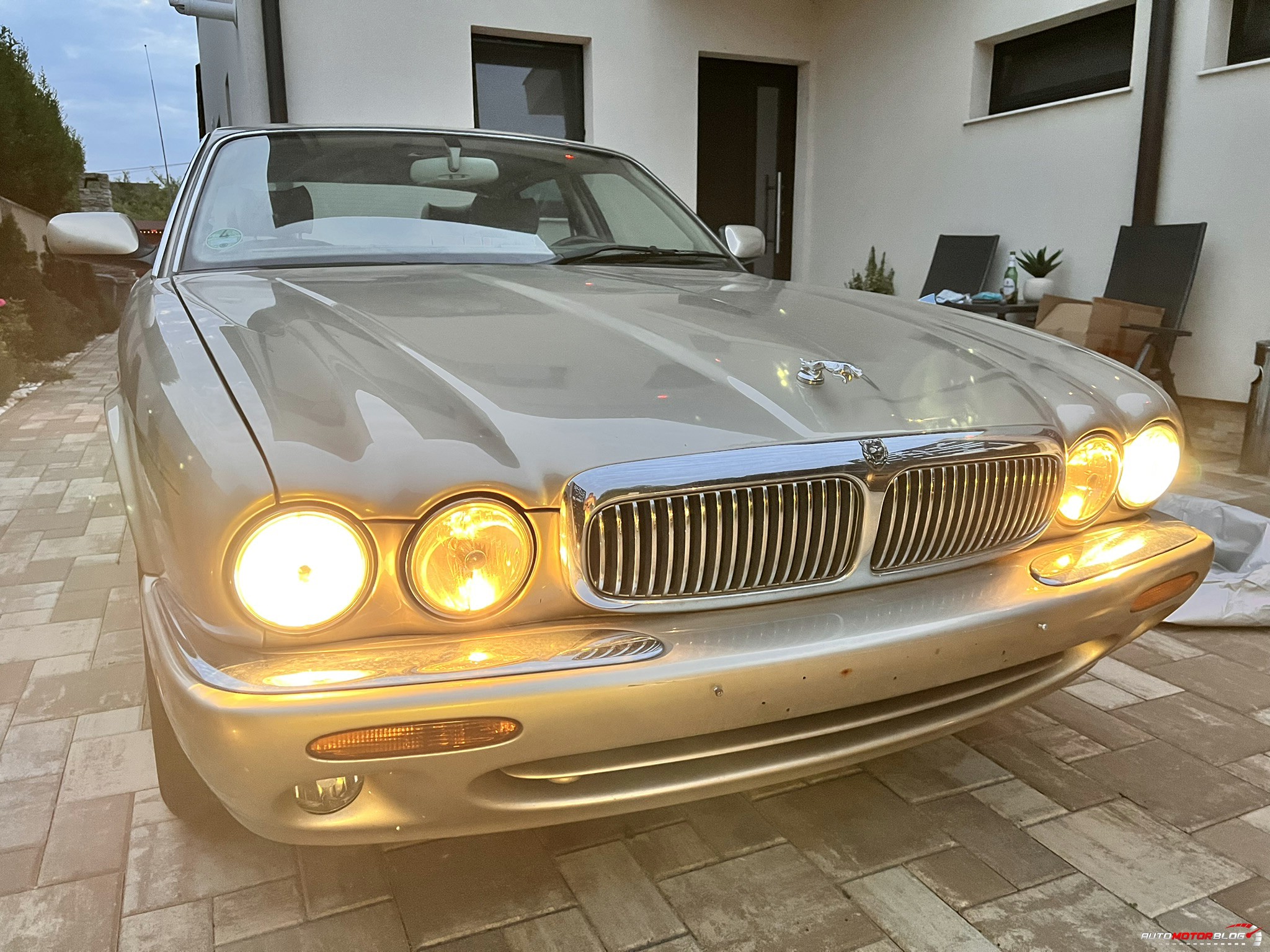
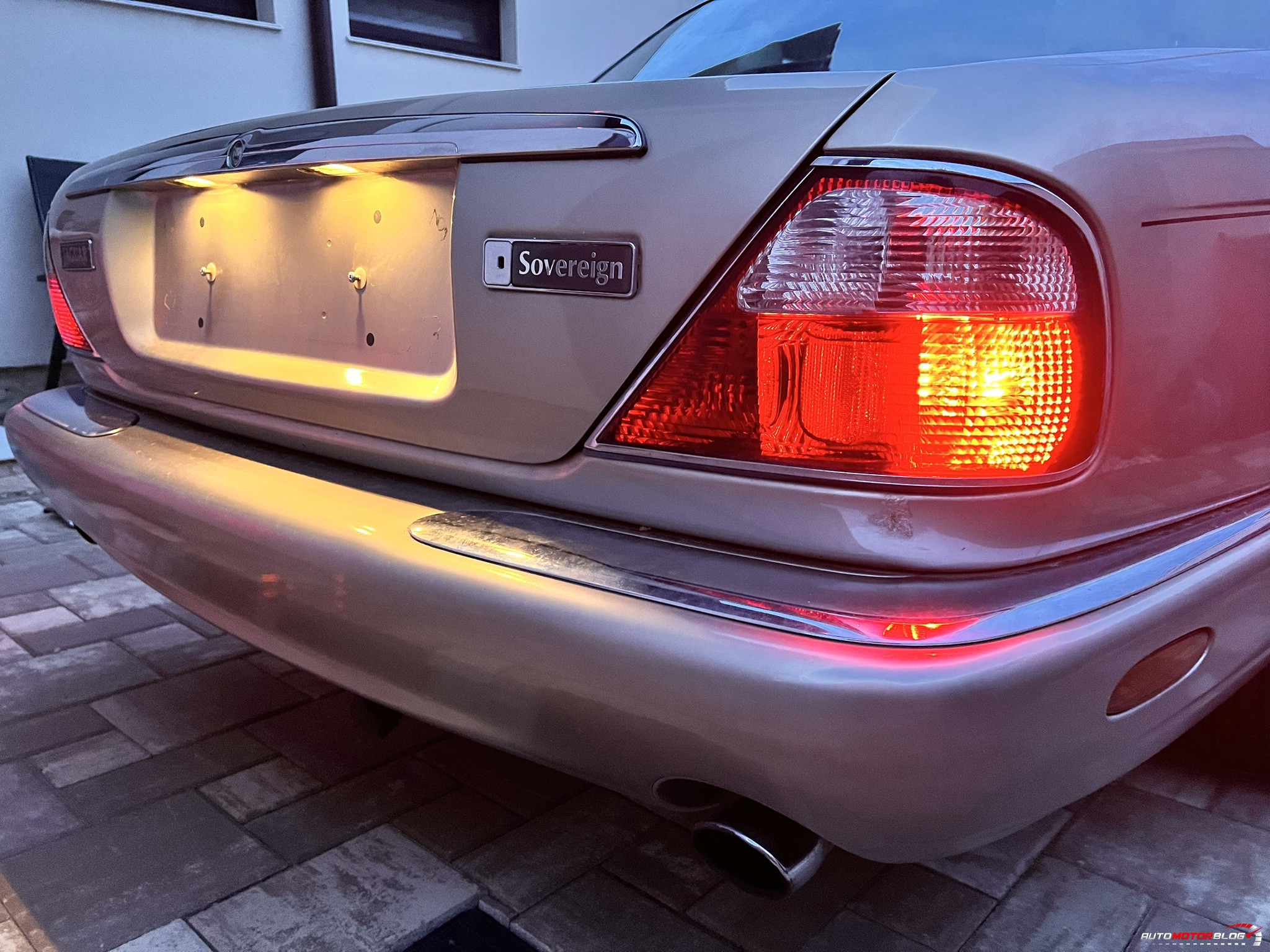
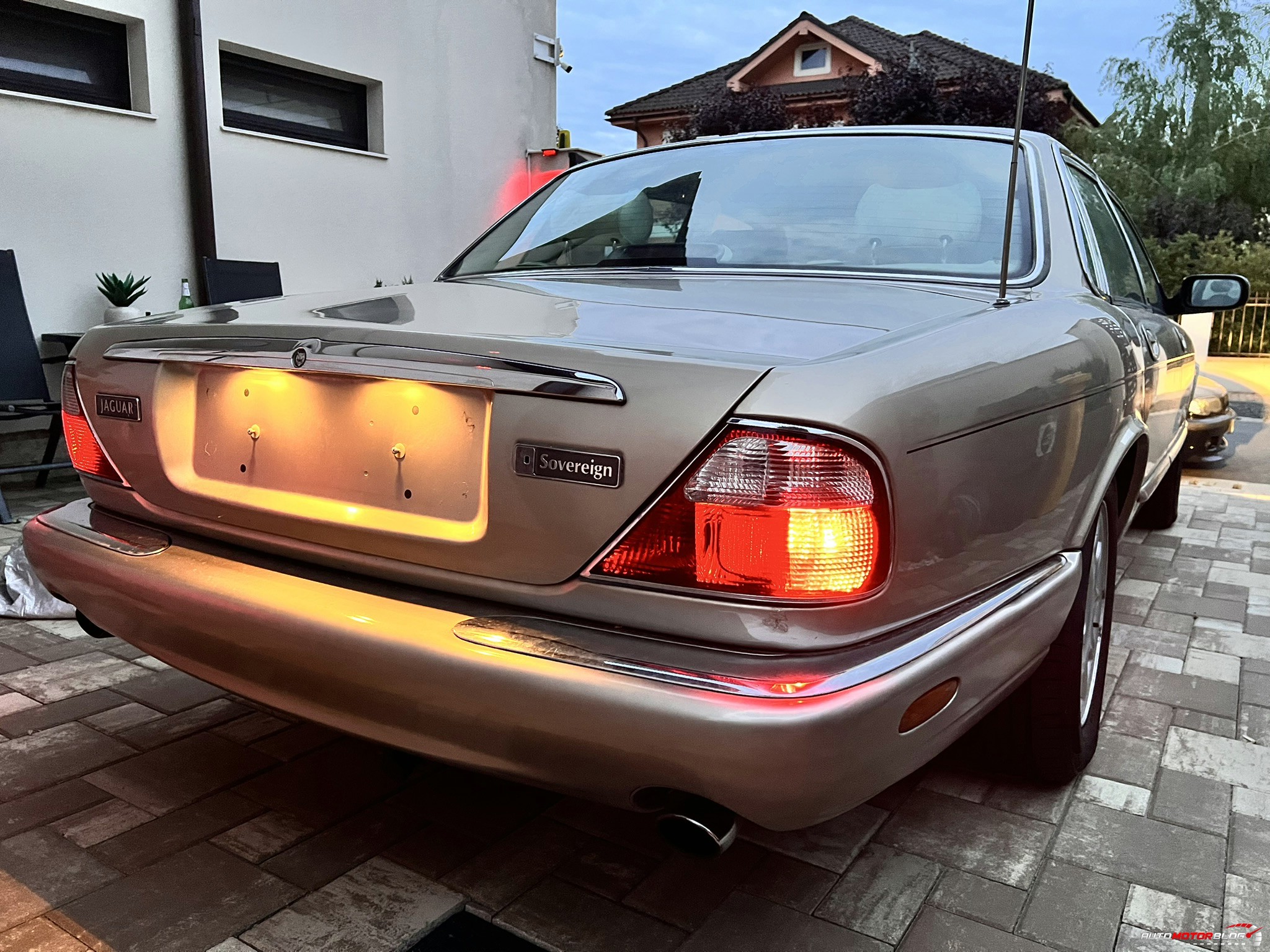
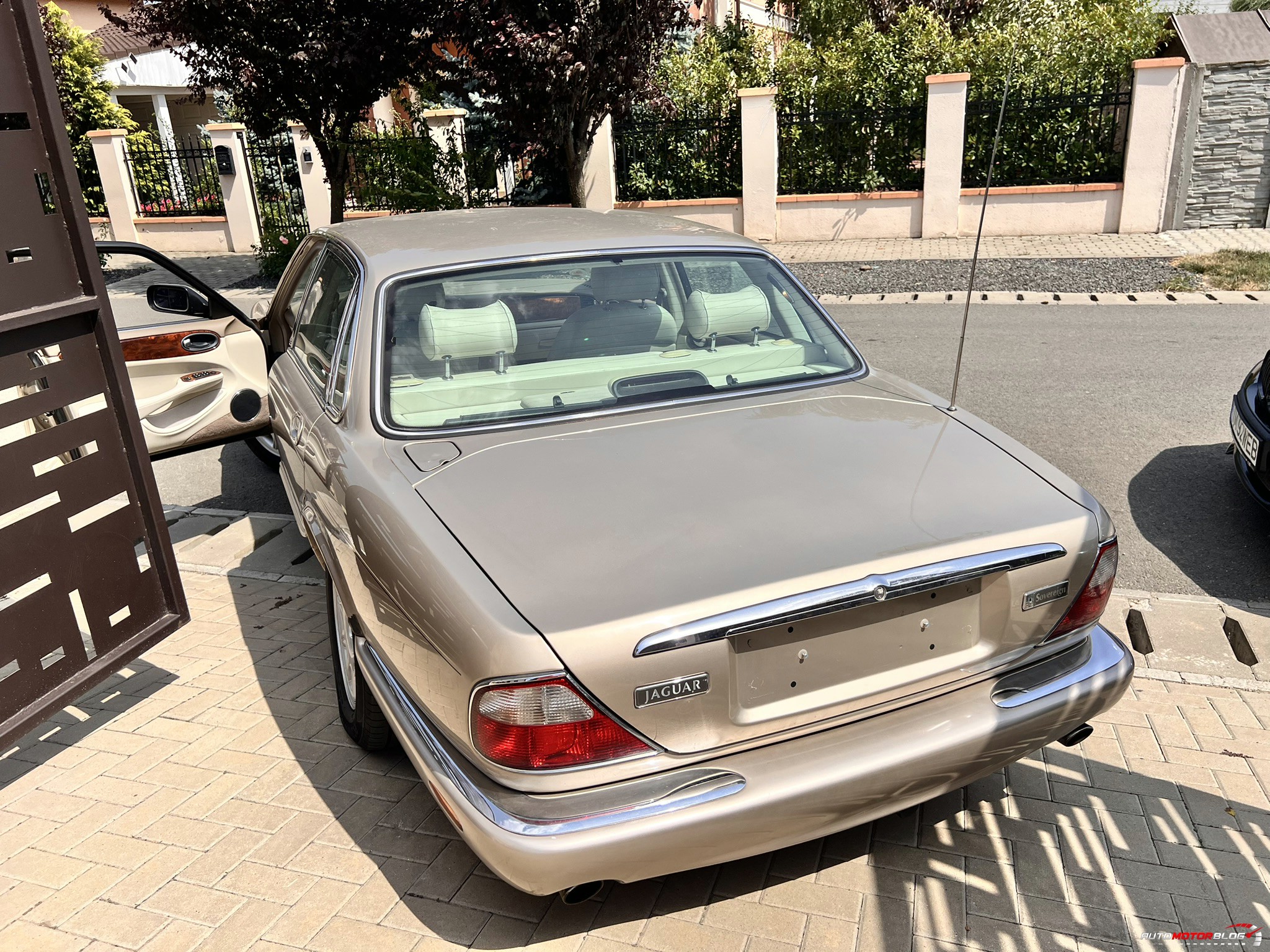
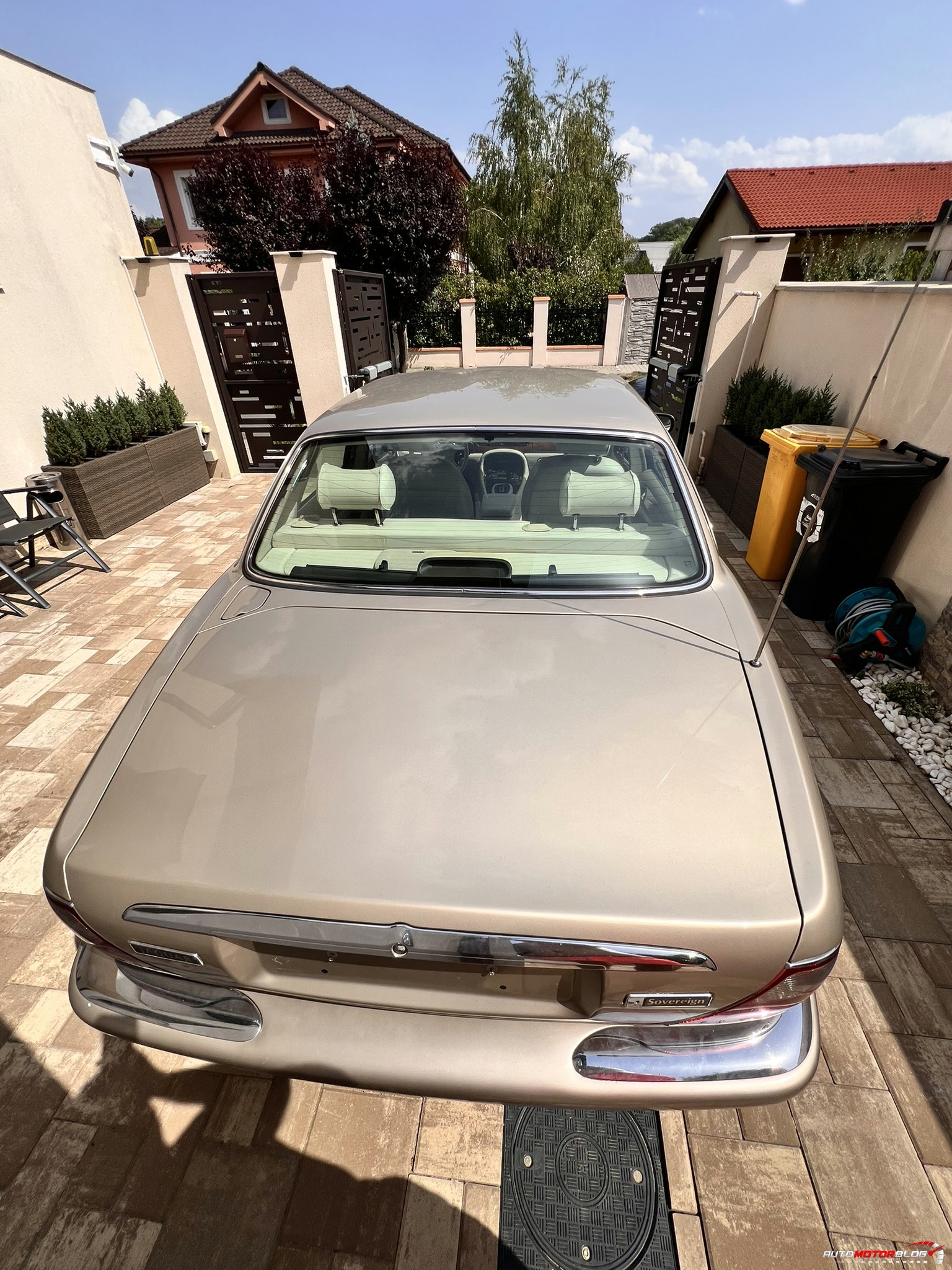
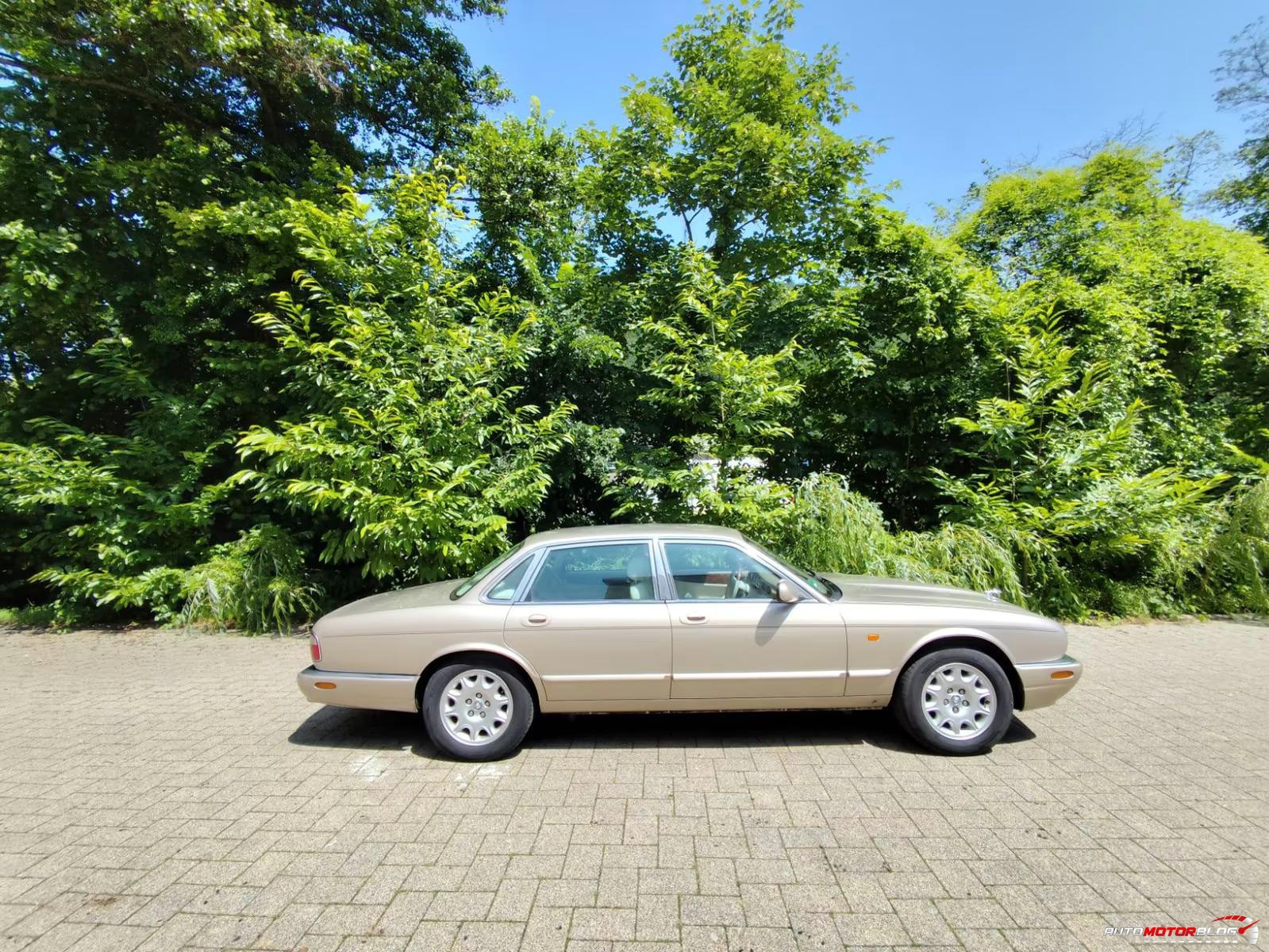
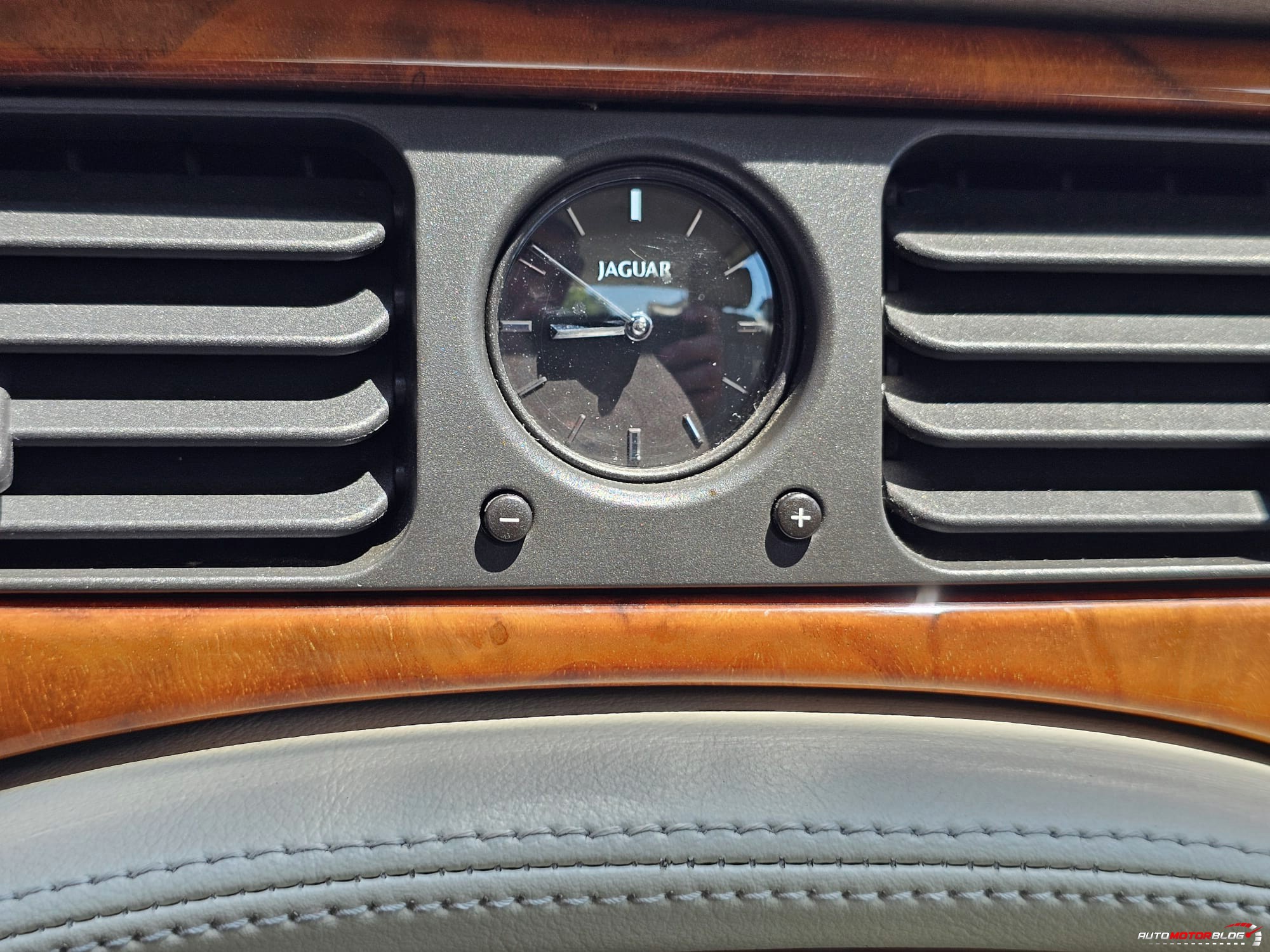
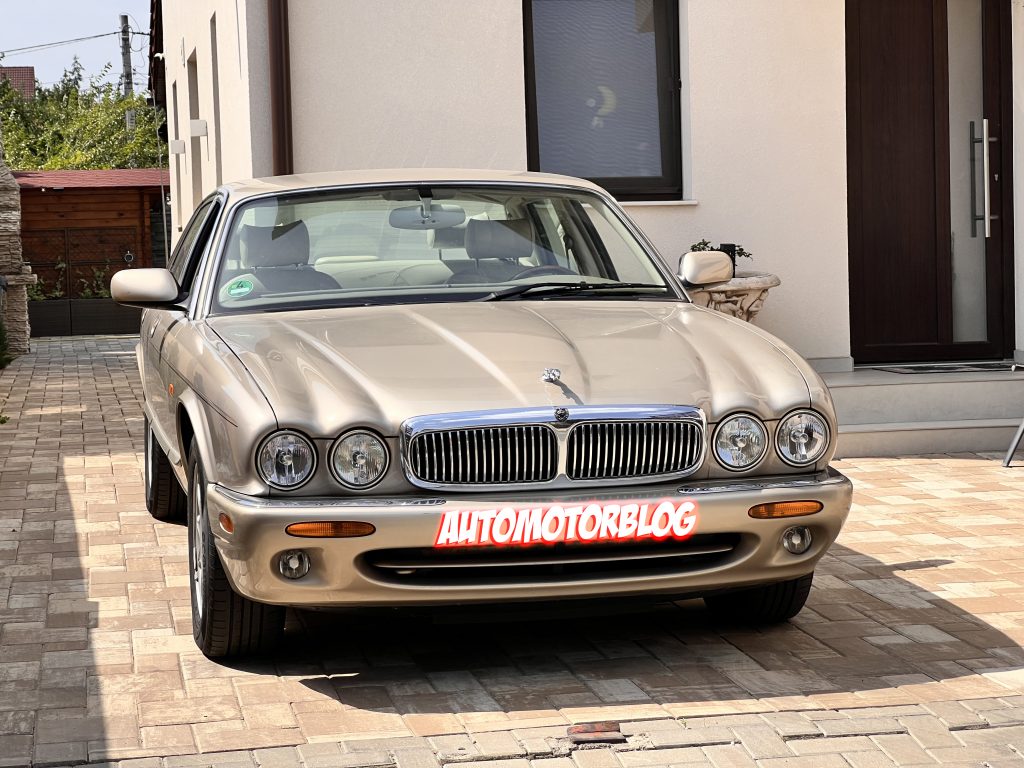
It is a very rare model because it is in the top equipment version “Sovereign” and it was produced in a very rare color palette. The car is gold champagne in color, and the interior is made of light white-cream Ivory leather, combined with walnut veneer “Burr Walnut” elements and chrome elements, which make this car look very luxurious.
It is a car that impressed me from the first sight. I remember when I was a child, I first saw this model on the street, I didn’t have the internet, I didn’t know what kind of car it was exactly. Can you imagine how impressed I was from the first sight, and I kept telling myself that the time would come to own such a model when I grew up. That’s how my dream came true!
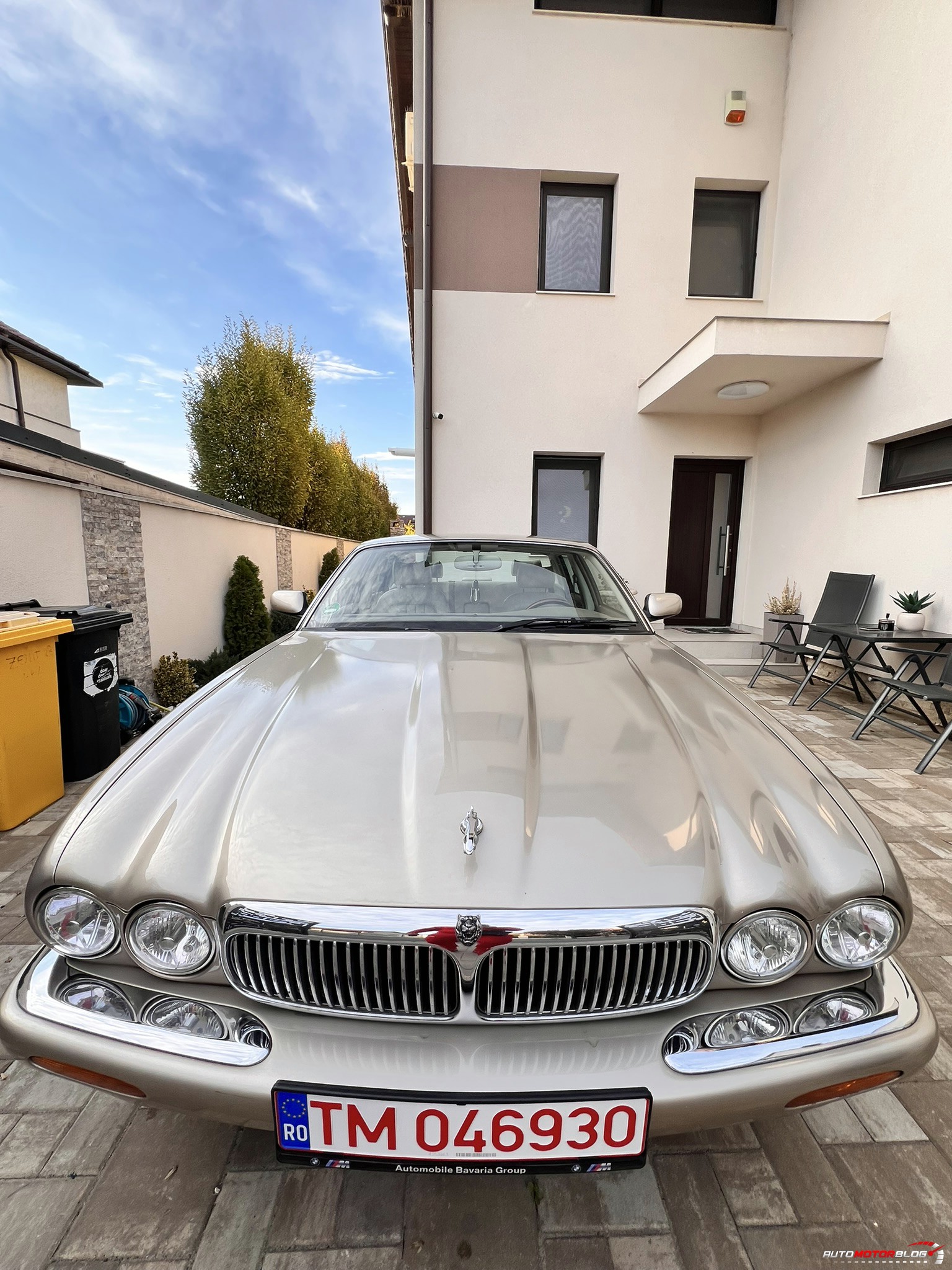
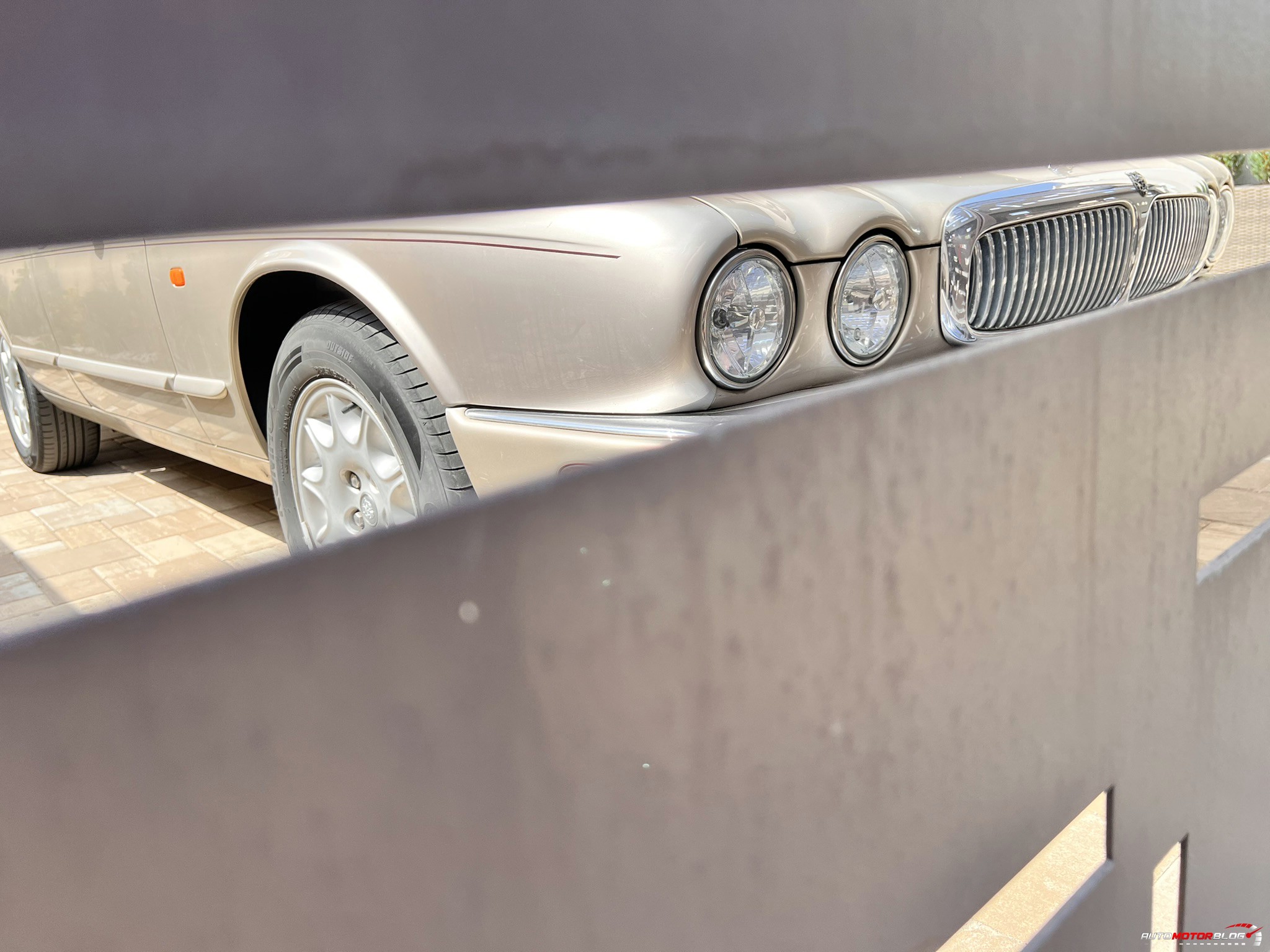
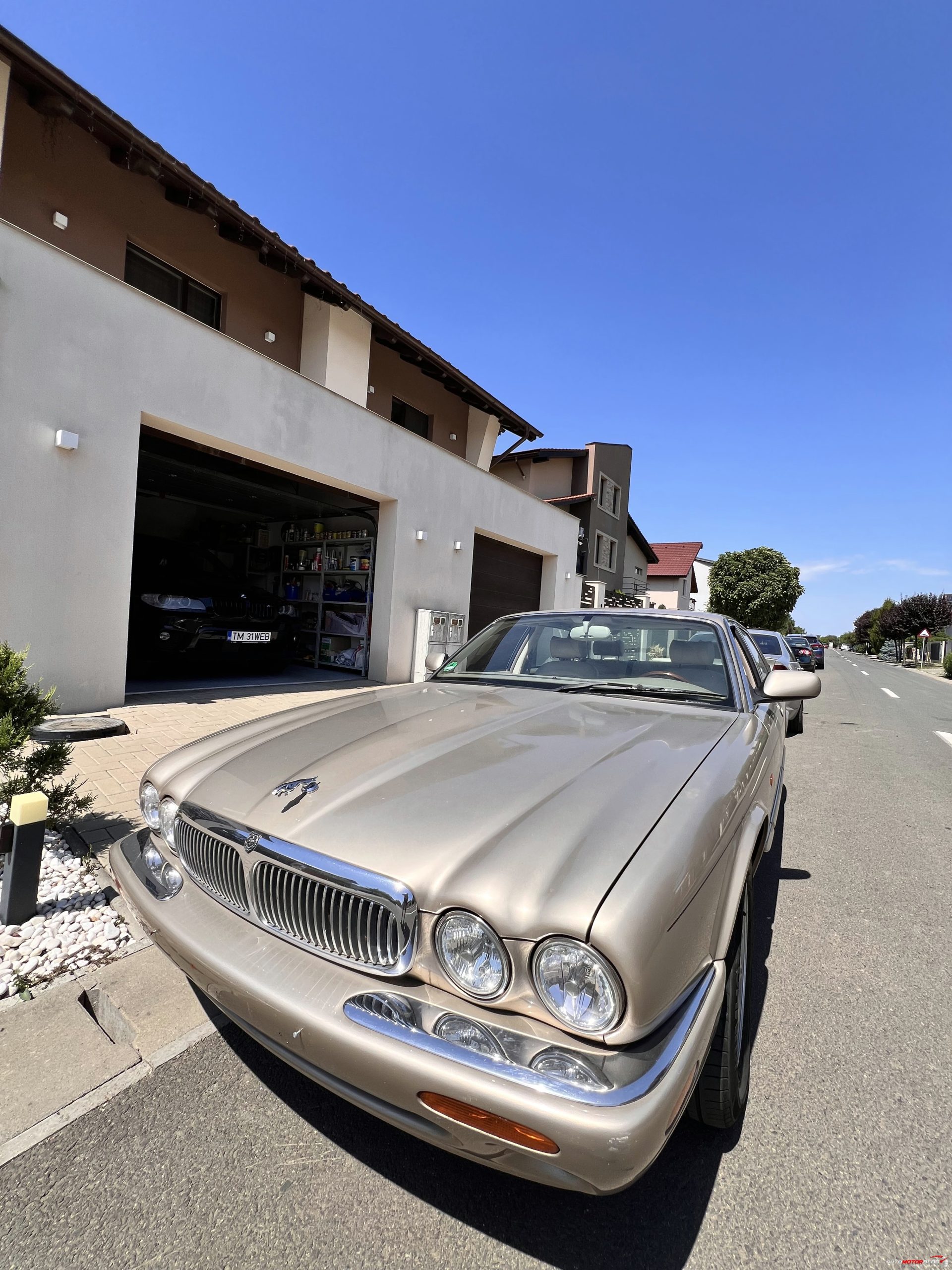
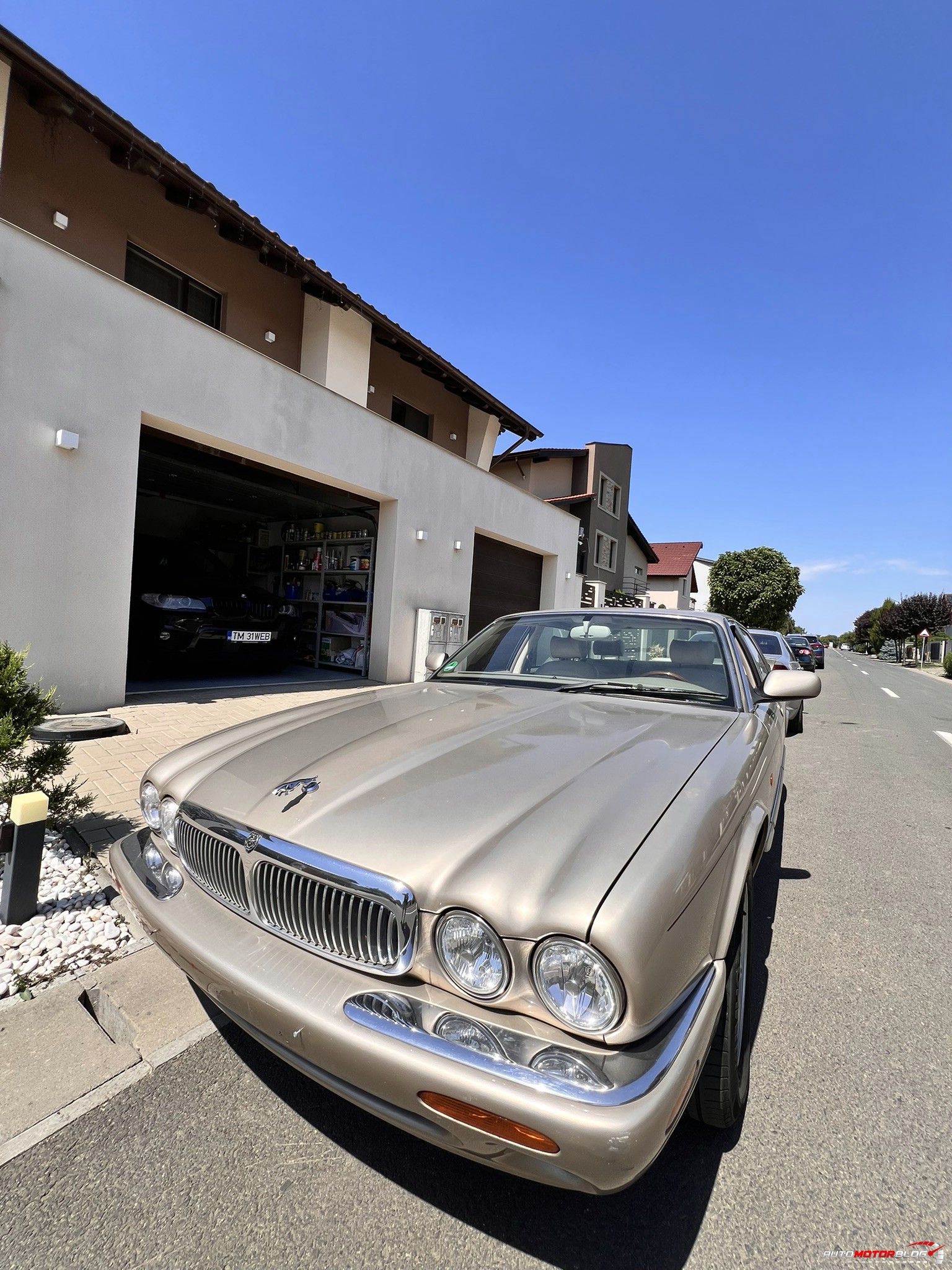
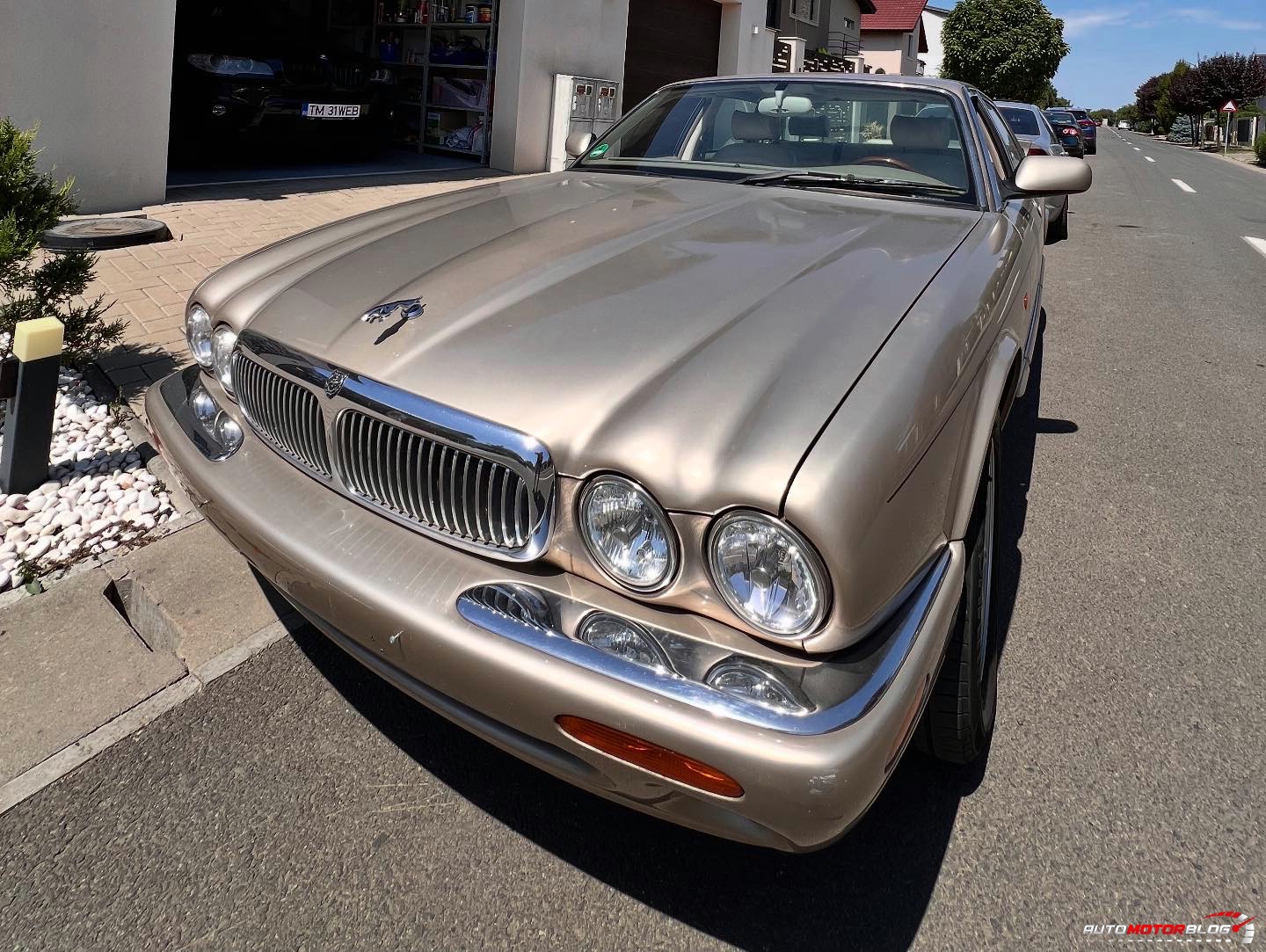
In this car, the color is one of the first things that catches your eye. It is an elegant and very rare gold champagne, as I mentioned above. The car has an aristocratic air. It doesn’t try to be aggressive. It doesn’t need to.
For me, this is one of those cars that has personality even after almost 30 years. It is not just a means of transportation. It is a masterpiece of art, and we must preserve these cars as best we can, because we will never meet them again.
Design
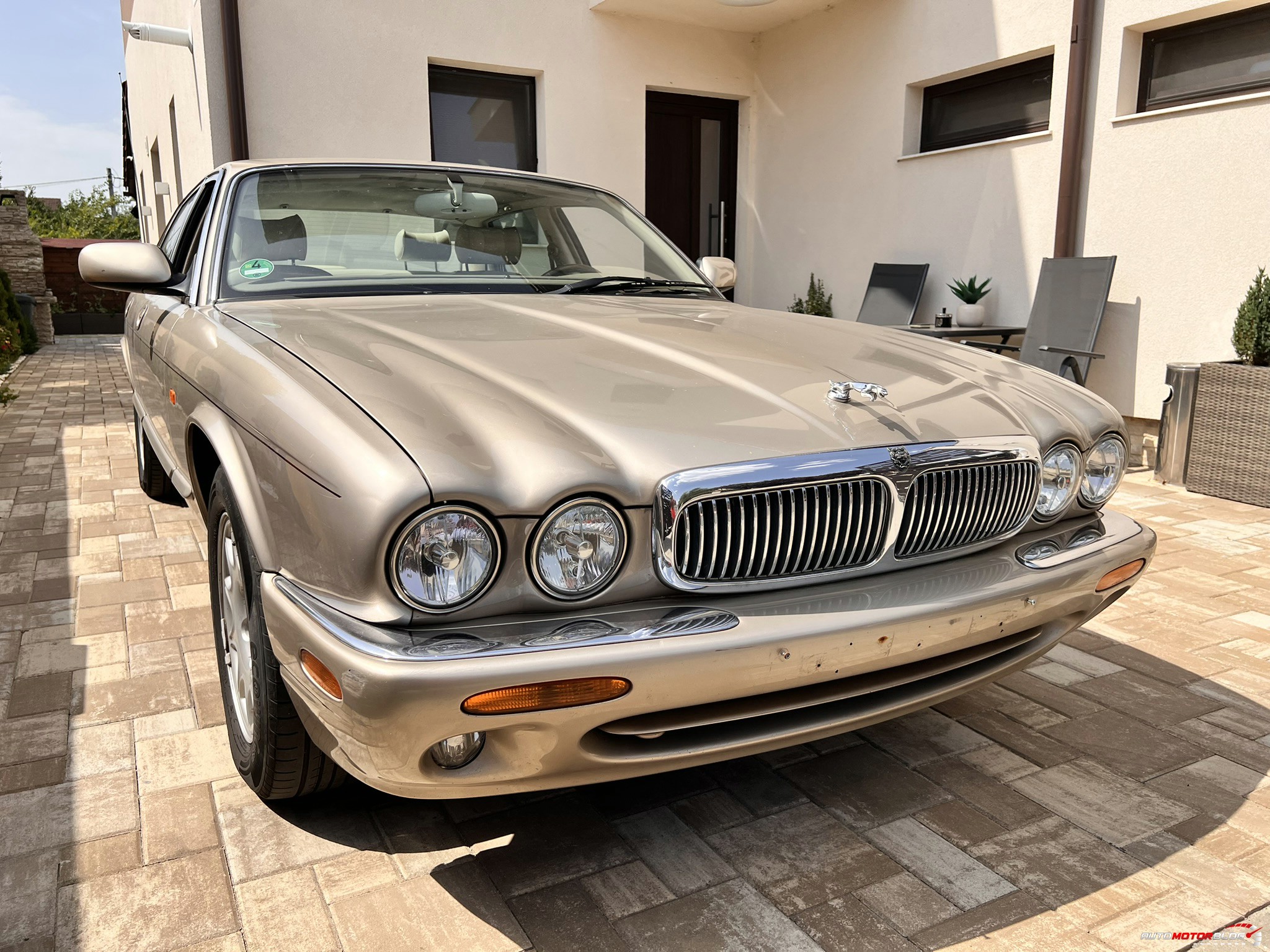
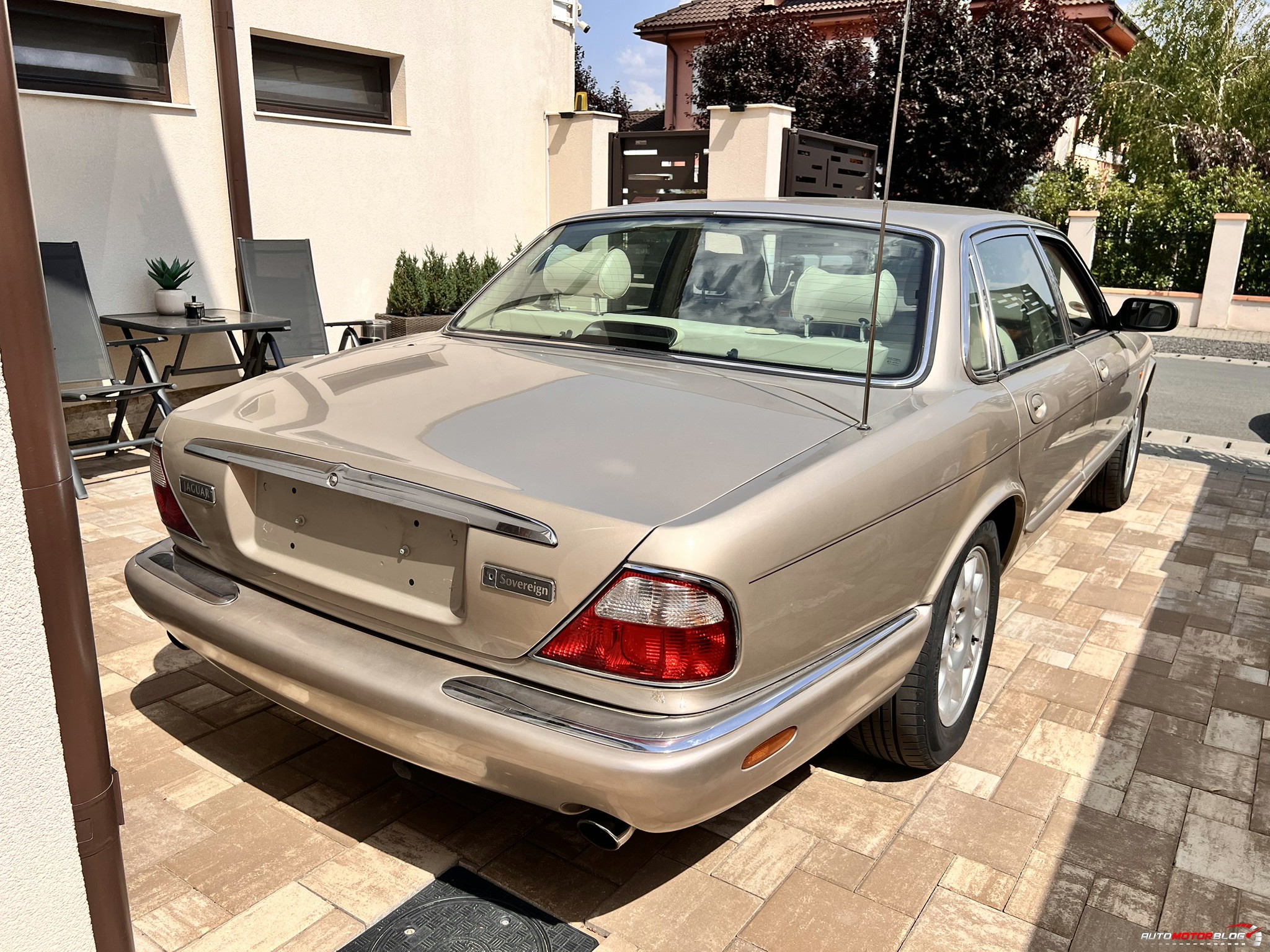
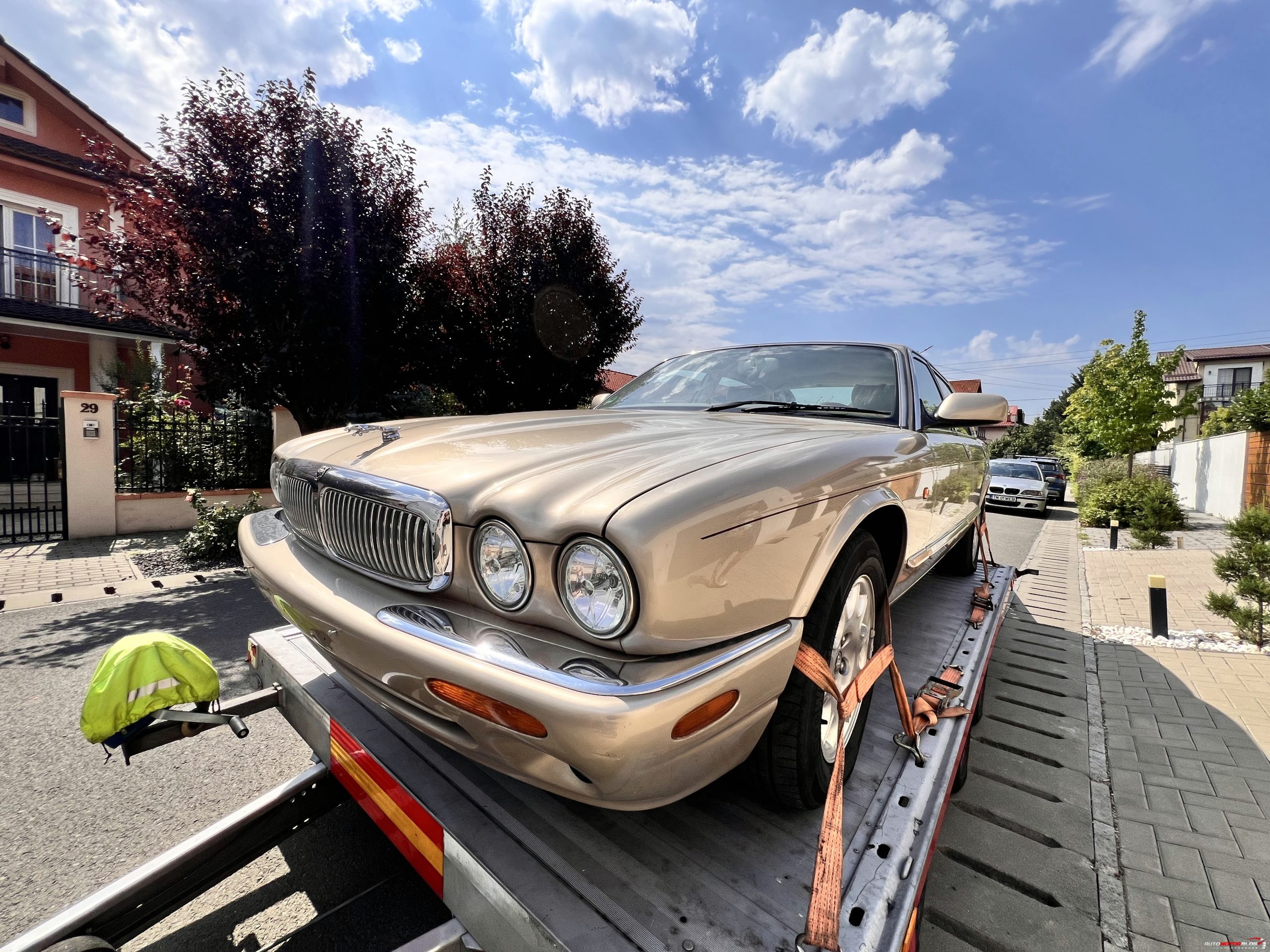
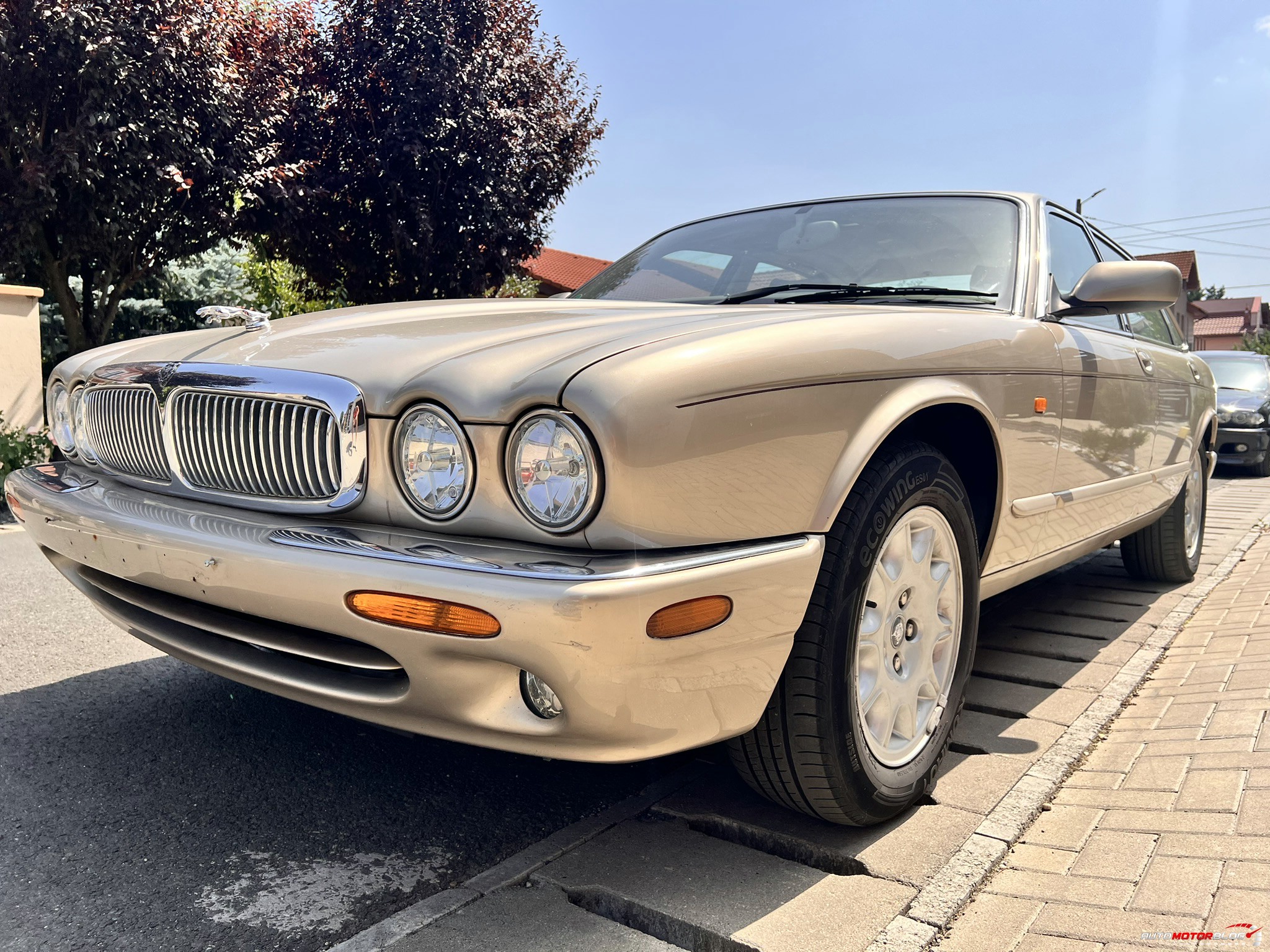
Let’s move on to the design. The design is probably the strongest argument of this Jaguar. From my point of view, it is one of the most beautiful cars in the world. Everyone turns their heads after it. What I can say is that in the first 10 km driven behind the wheel of this Jaguar, several people took pictures of the car, which is a sign that the car is something very special.
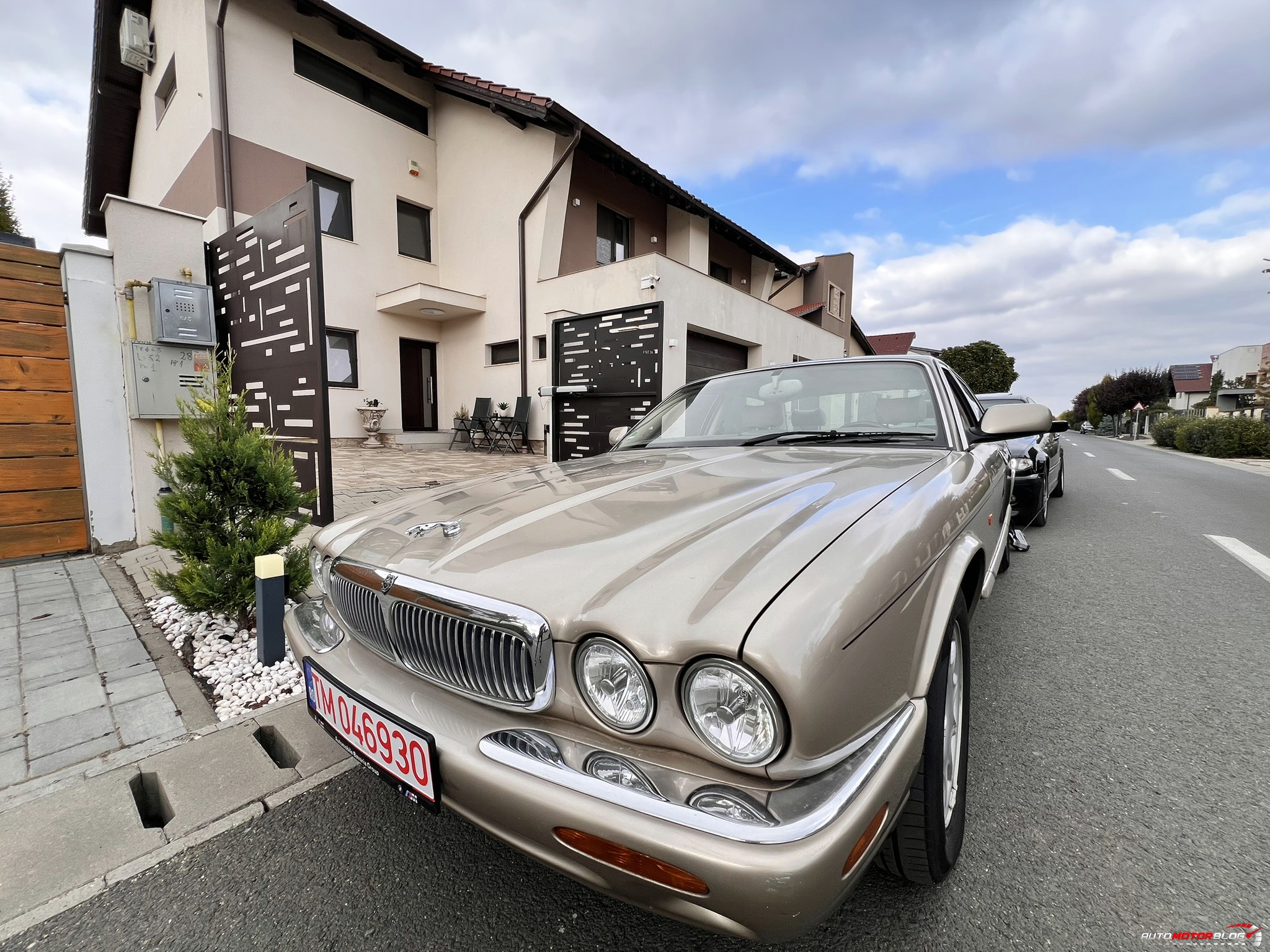
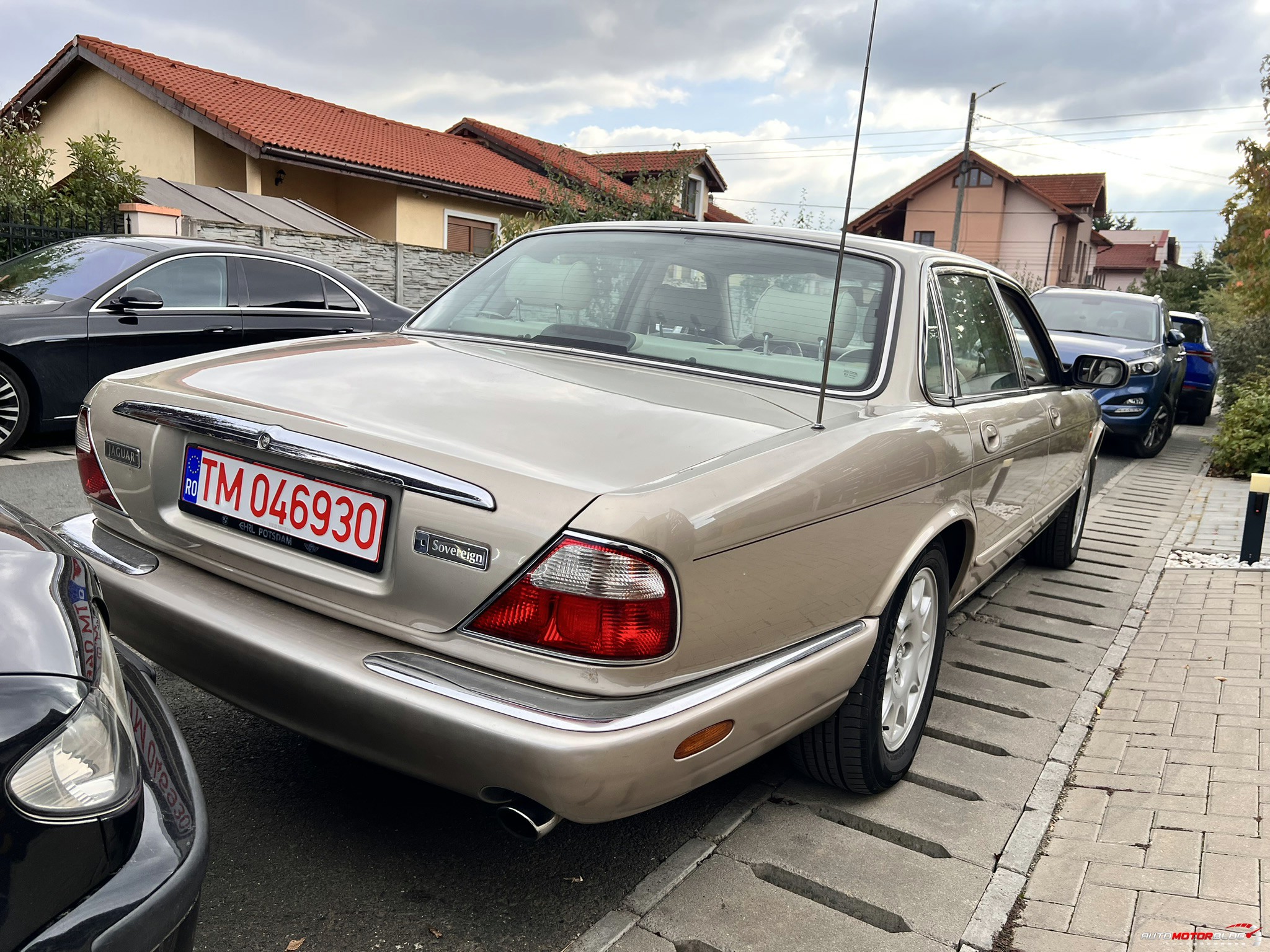
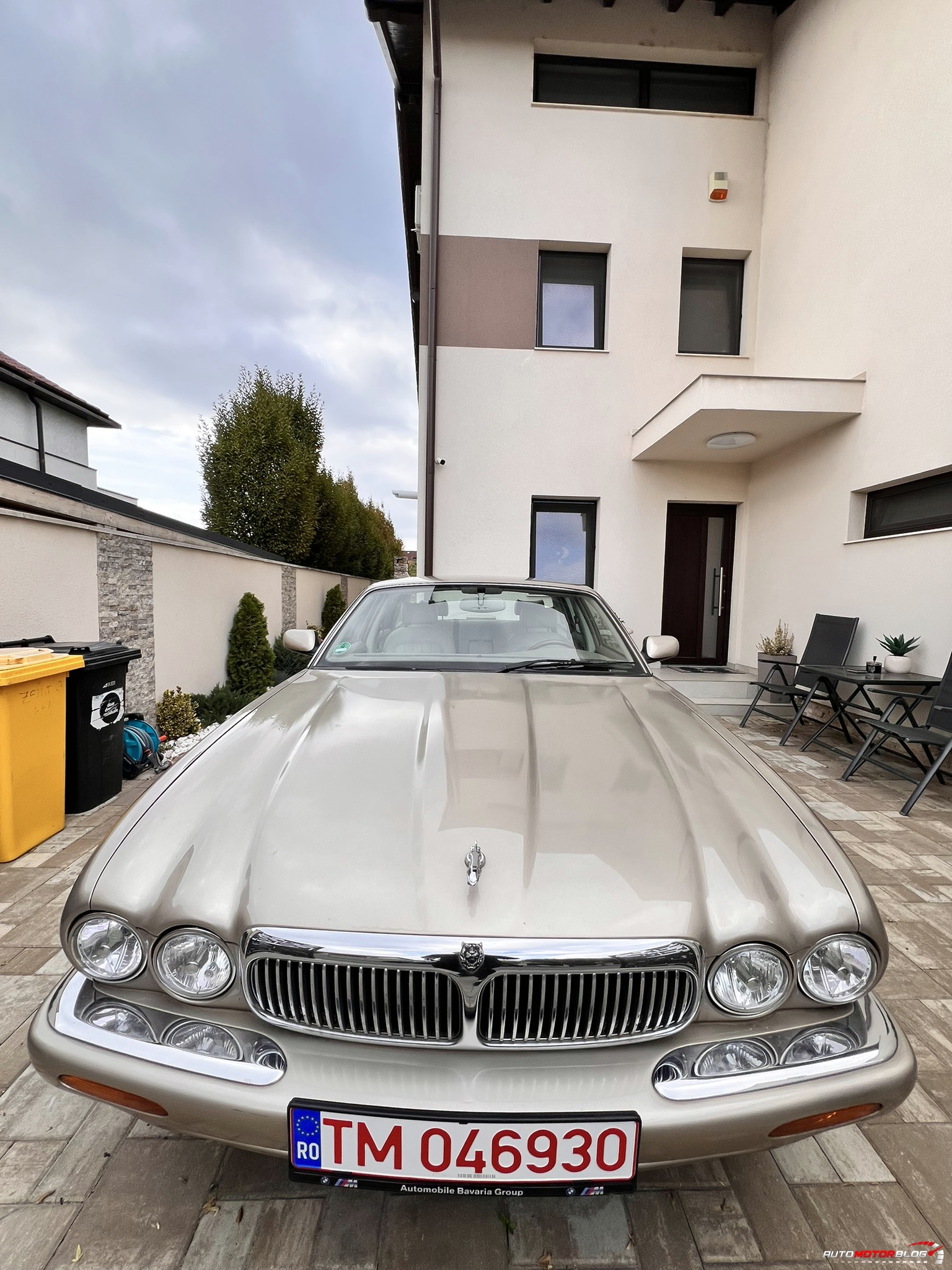
The Jaguar XJ from this period has an elegant silhouette. It has long lines and classic proportions. The hood is long. The passenger compartment is set back. The rear is well proportioned. It is the perfect car!
The gold champagne color matches the design of the car very well. It has a discreet appearance. At the same time, it attracts attention. Being very few copies in the world, and also having an eye-catching design, it is clear that it attracts everyone’s attention. It is precisely this rarity that gives it additional charm.
The car turns heads. This happens every time I drive it. In my opinion, the design has not aged badly. On the contrary. Today it looks like a classic, elegant, and luxurious car.
Jaguar did not aim to copy other German models. The XJ has its own identity. This is immediately visible. What do you think about the design of this car?
Interior
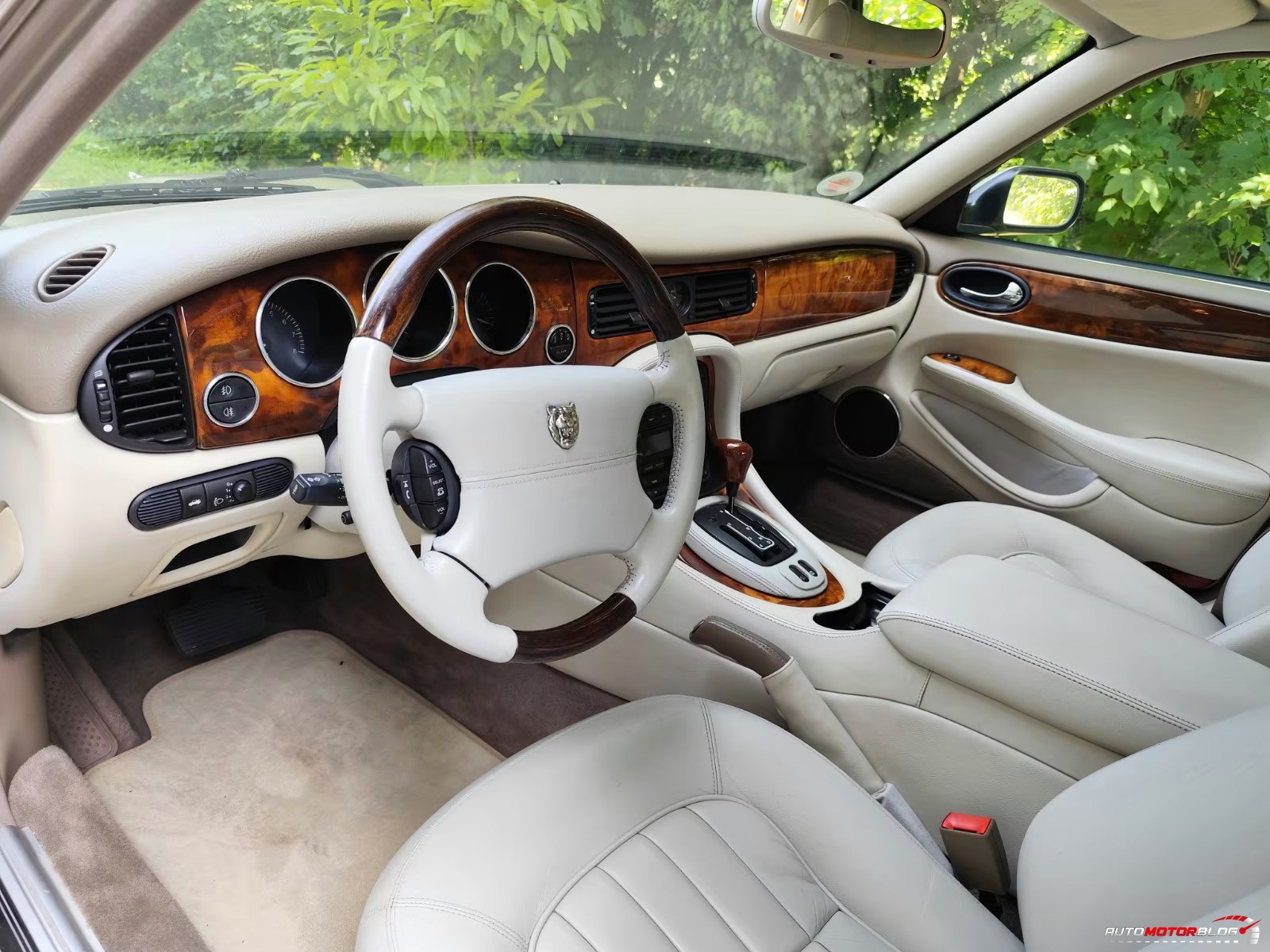
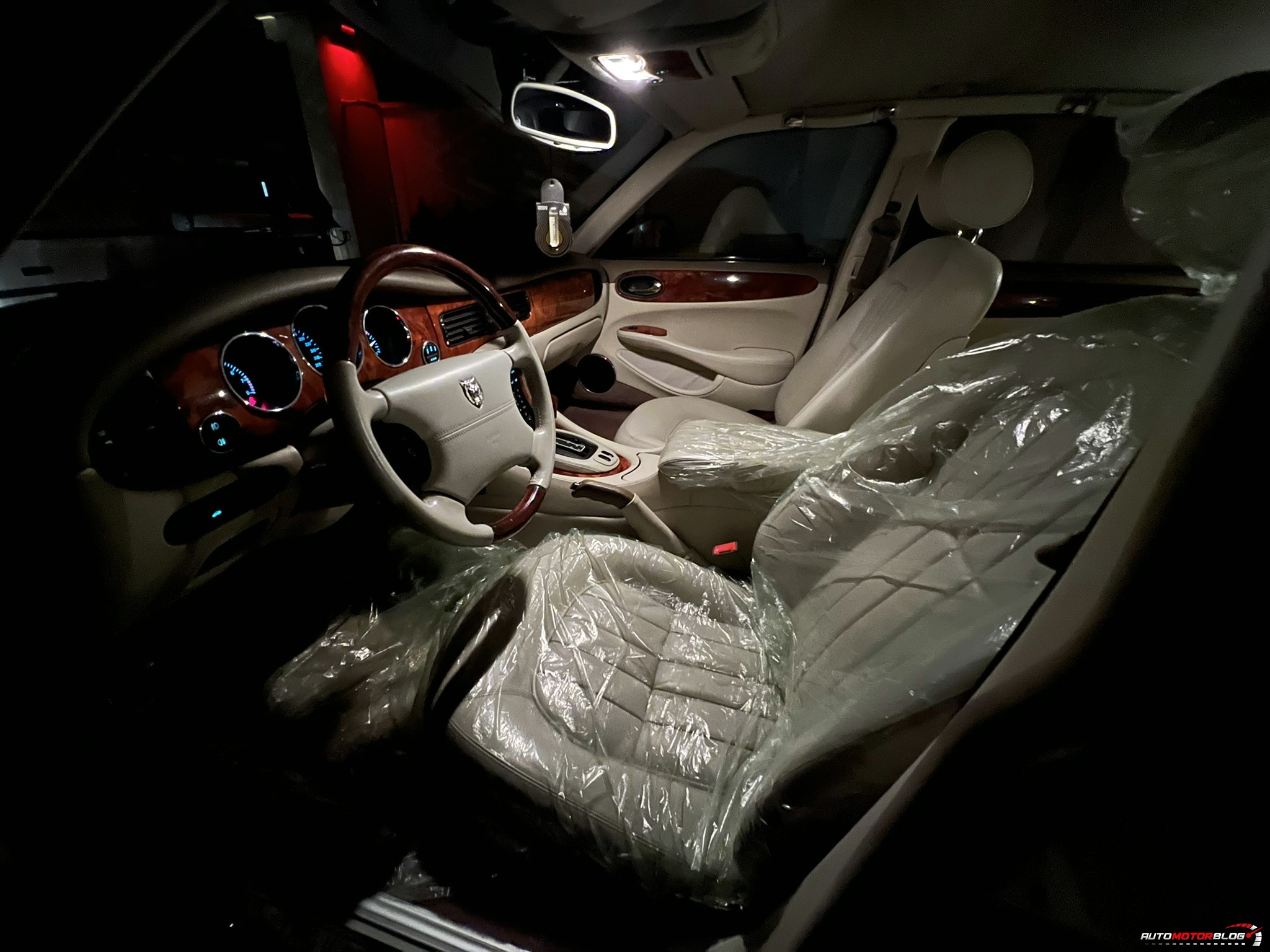
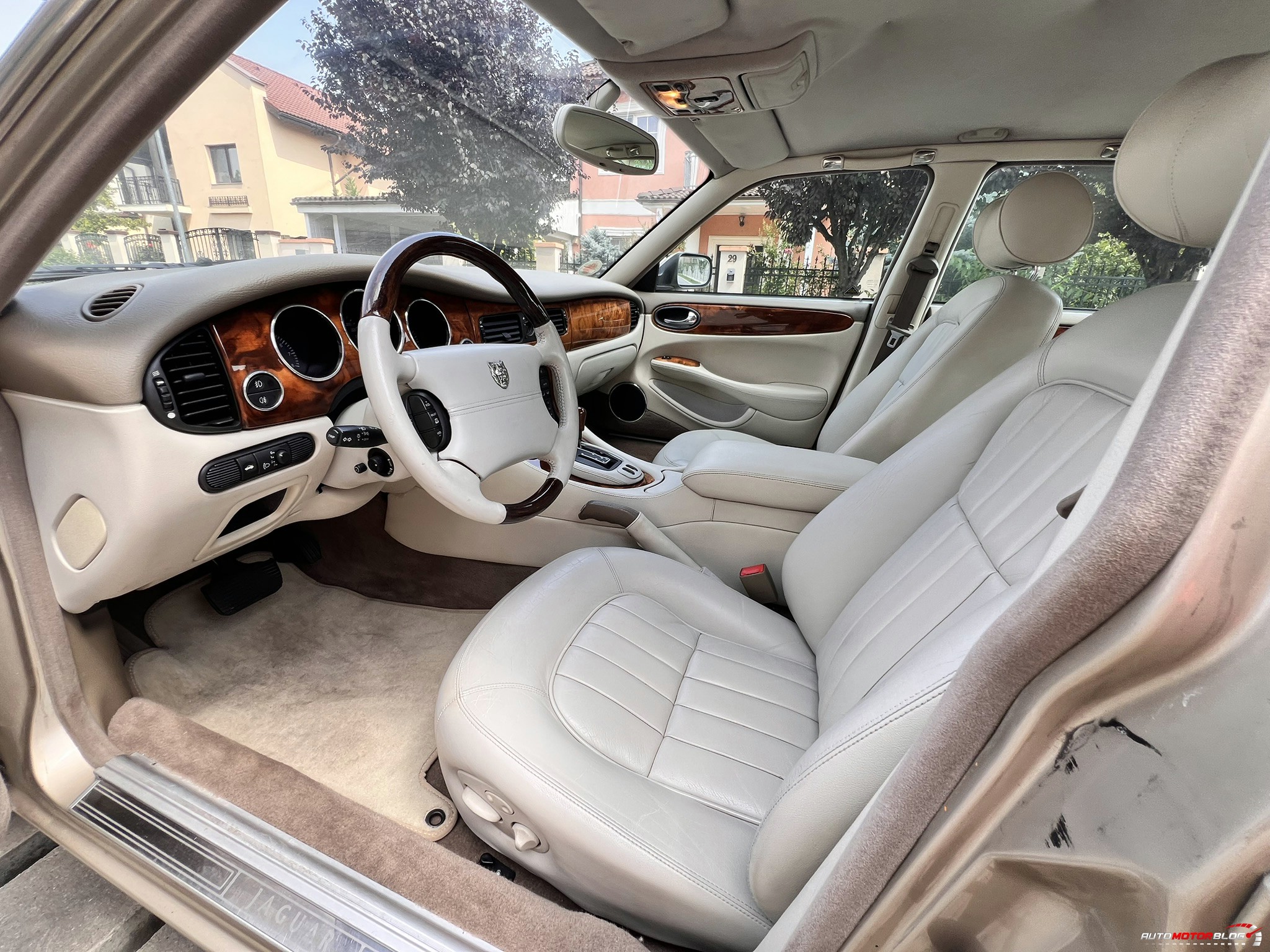
As for the interior, it is one that impressed me a lot. When you enter it, you have the impression that you have entered an elegant salon, not an ordinary car.
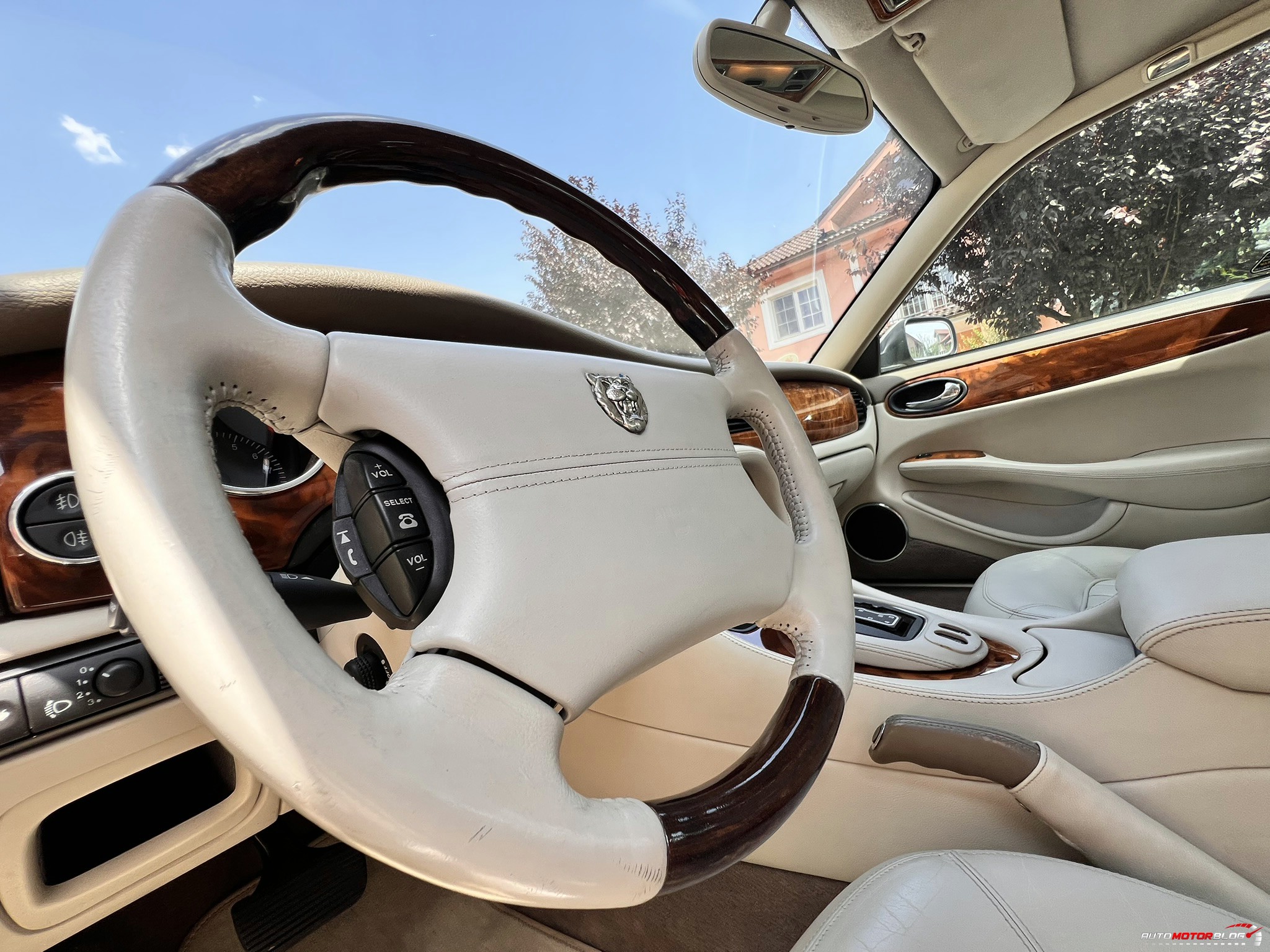
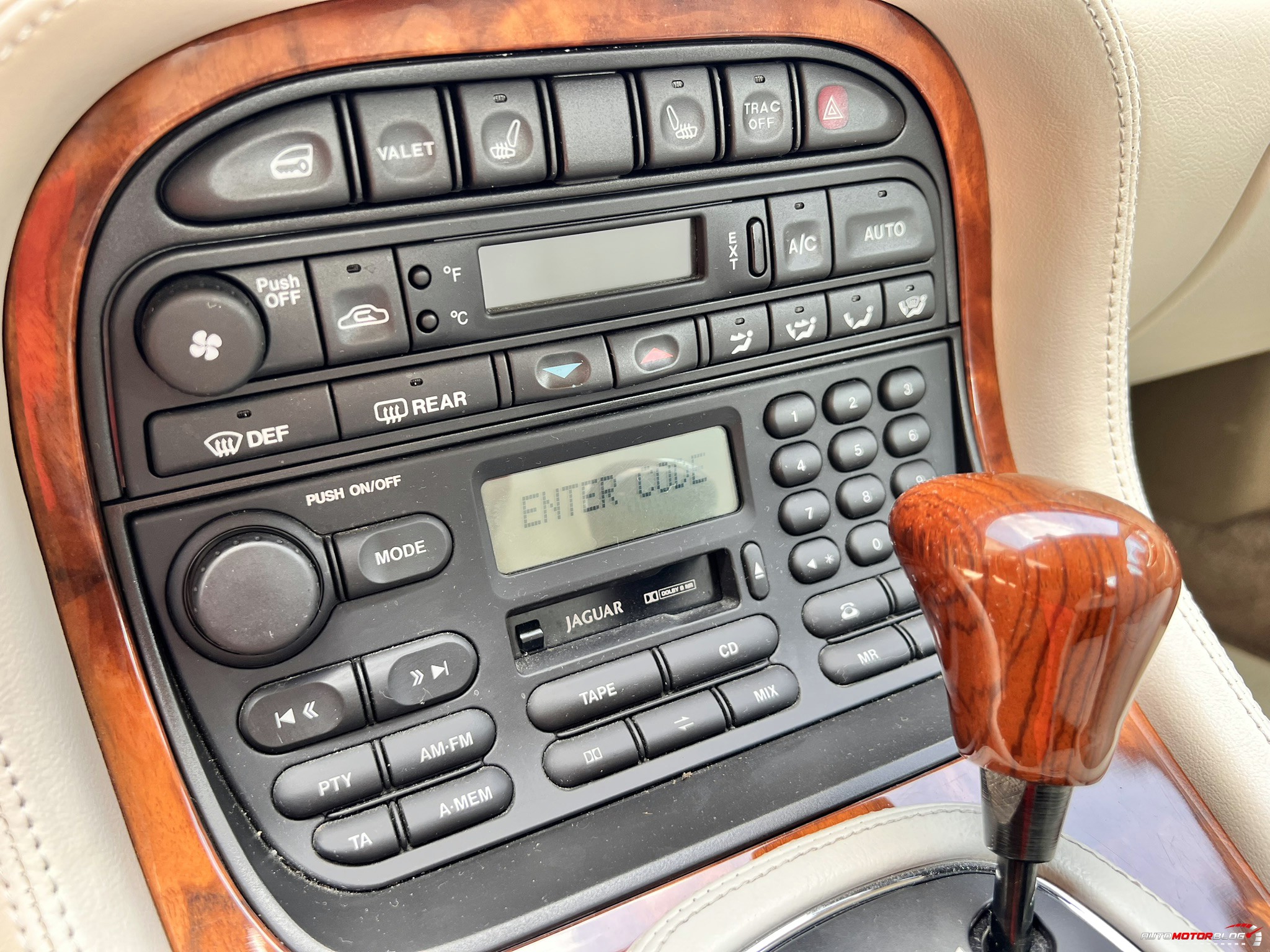
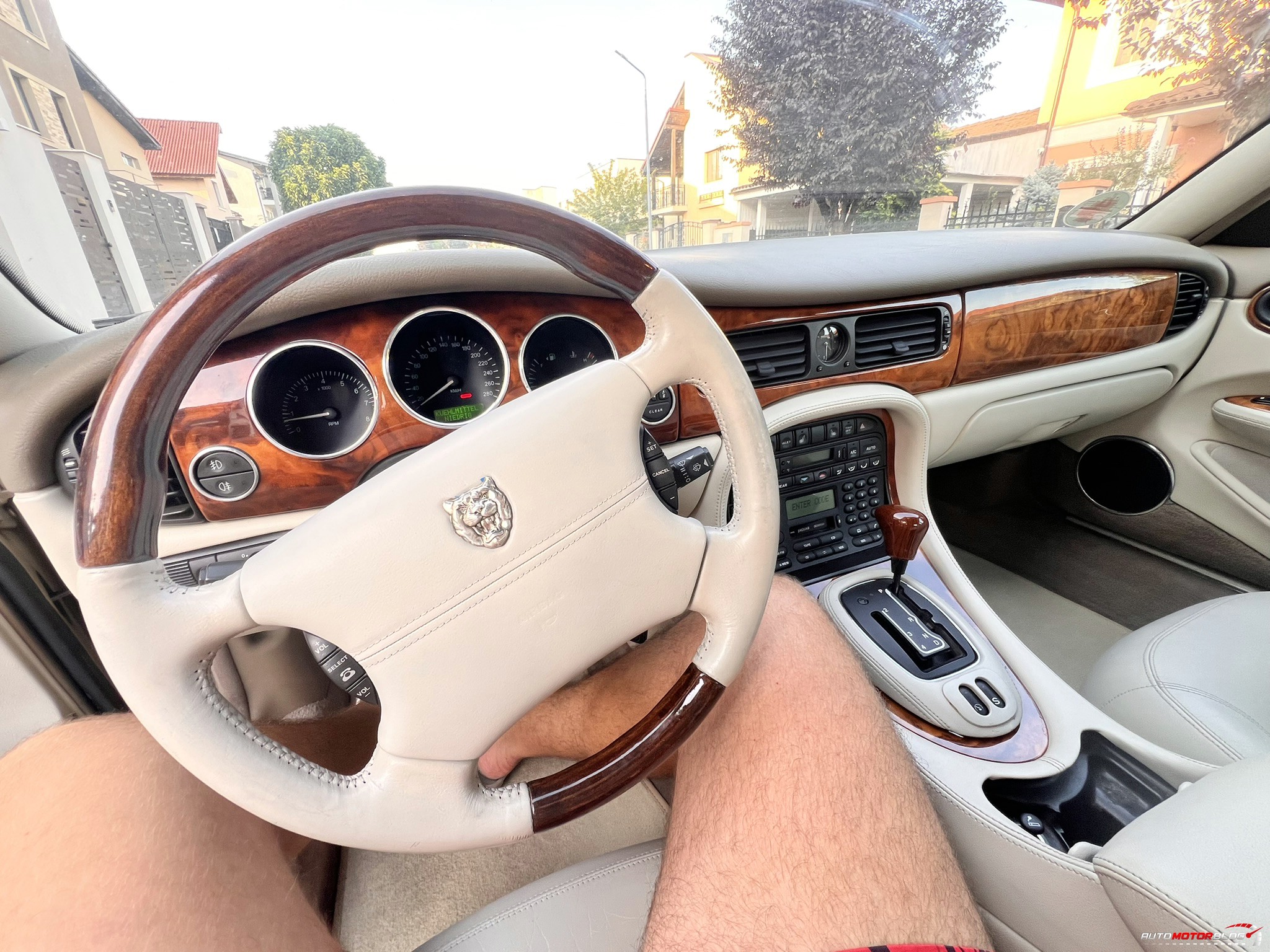
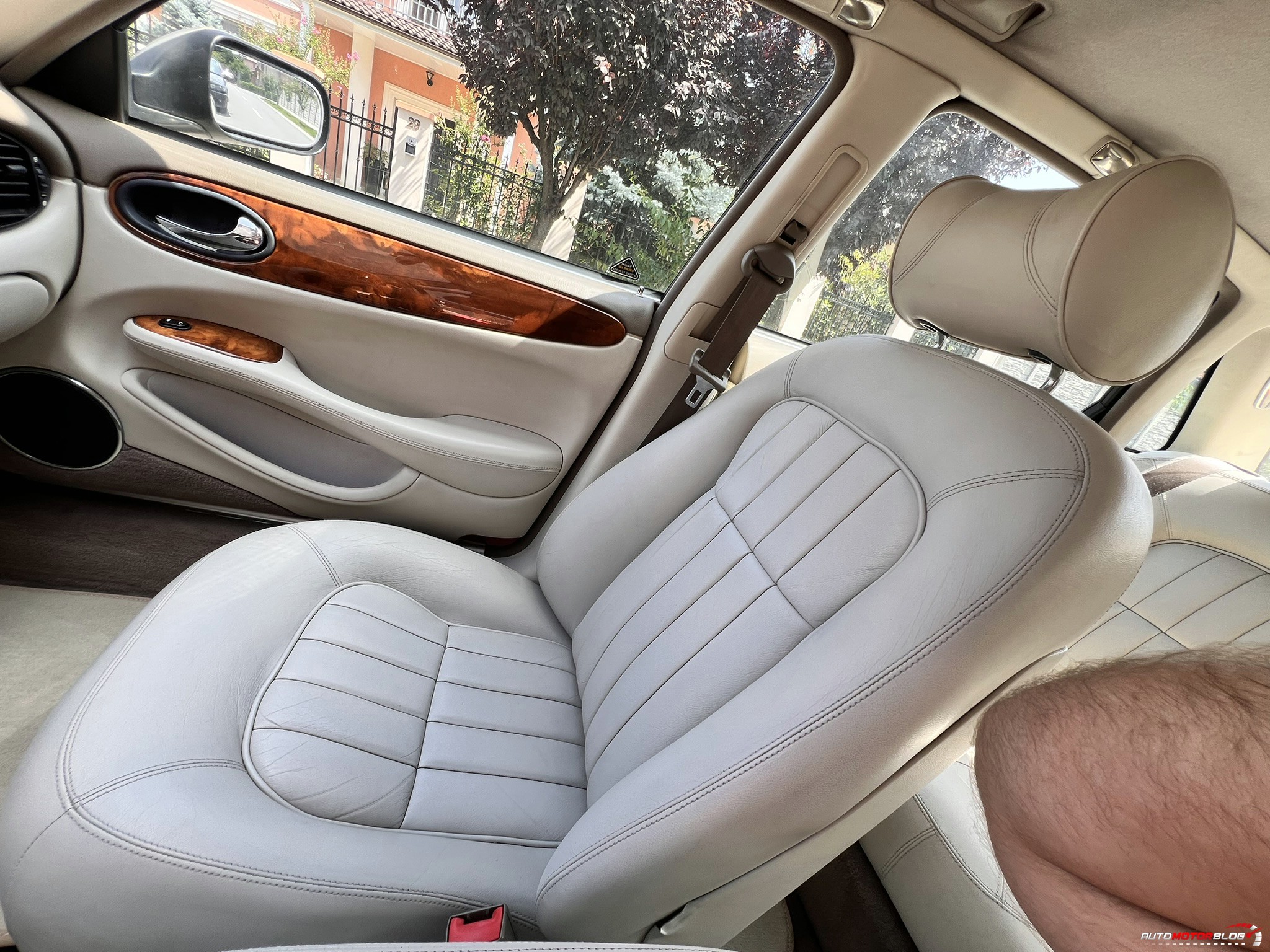
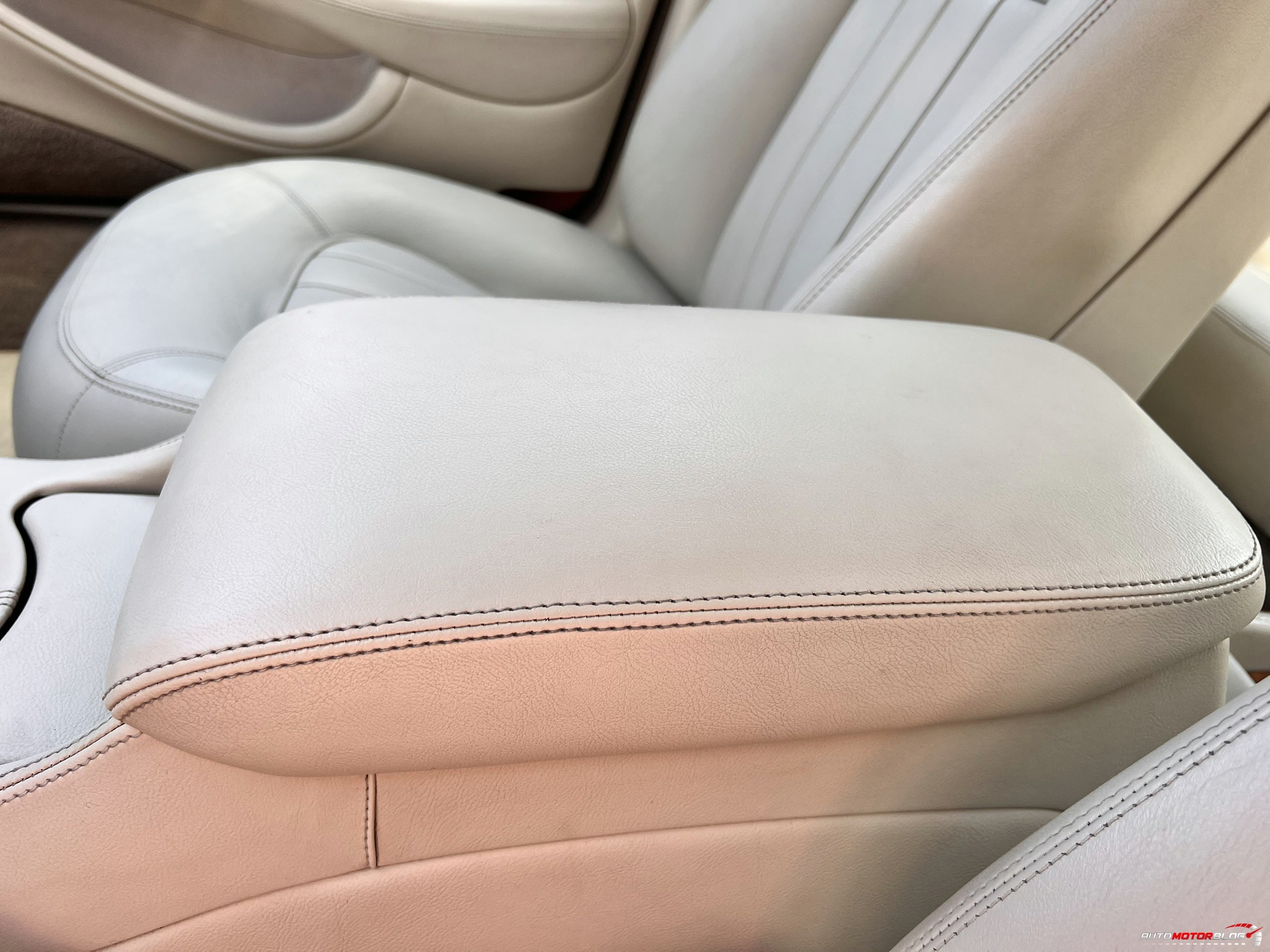
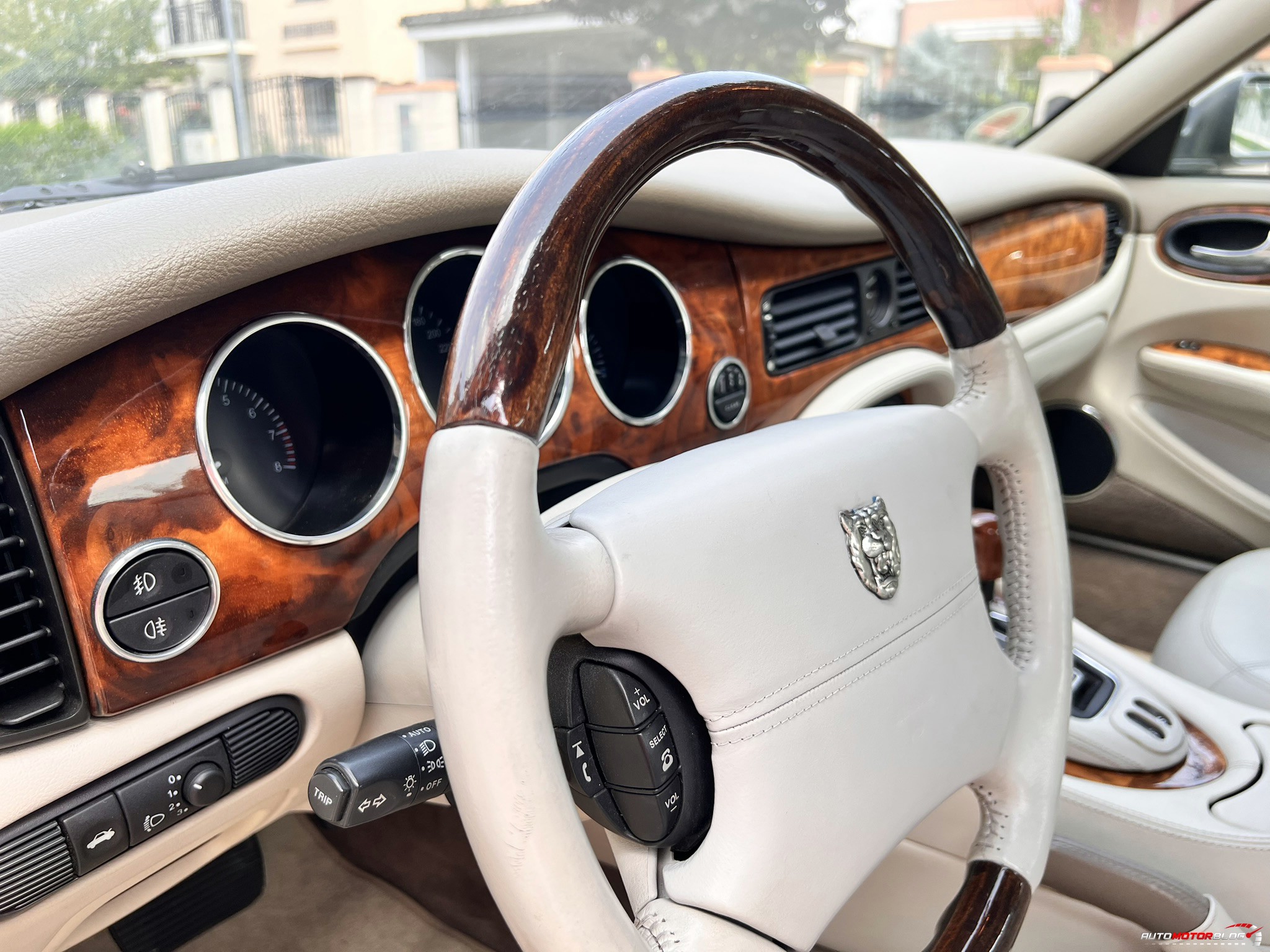
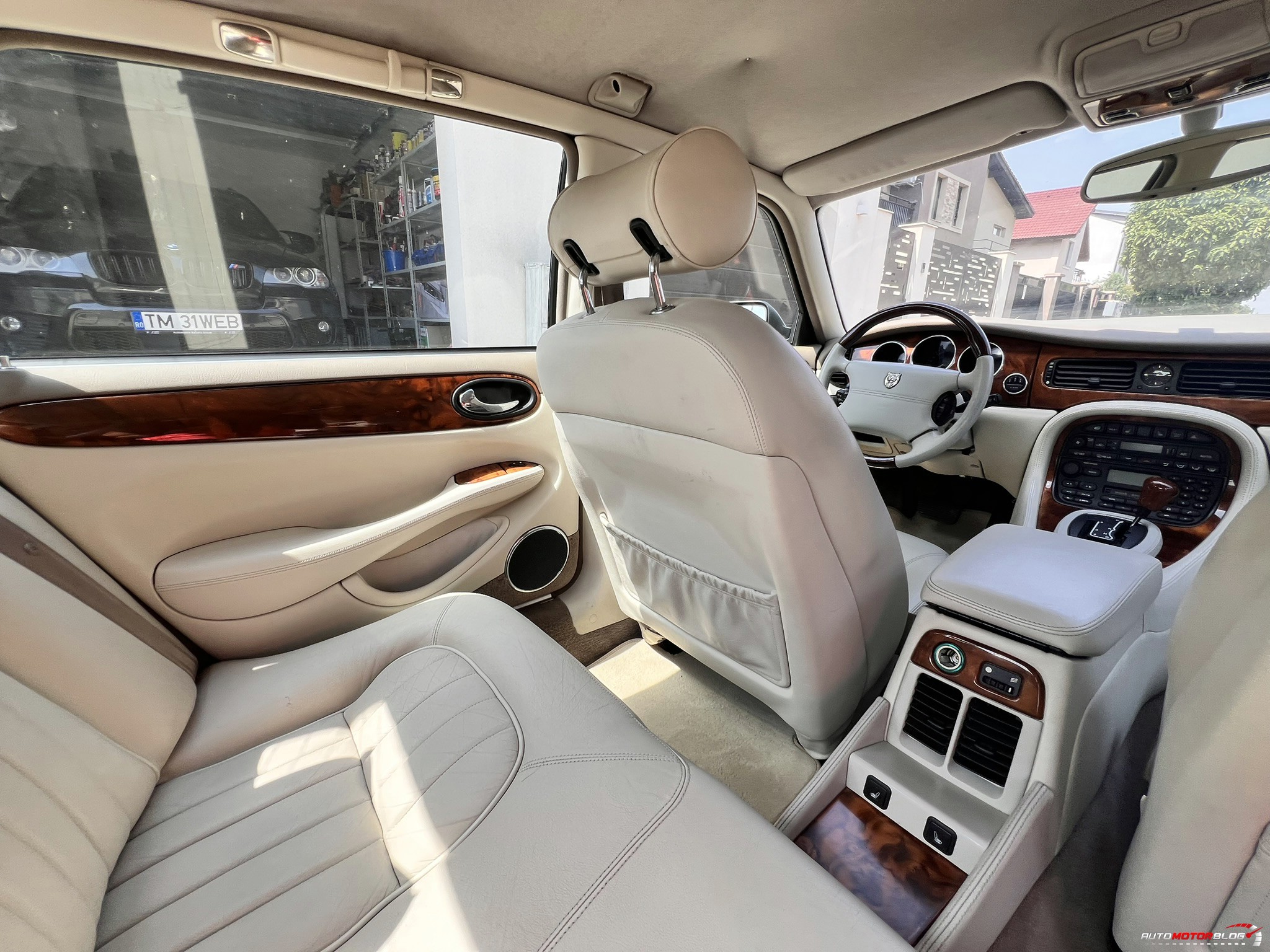
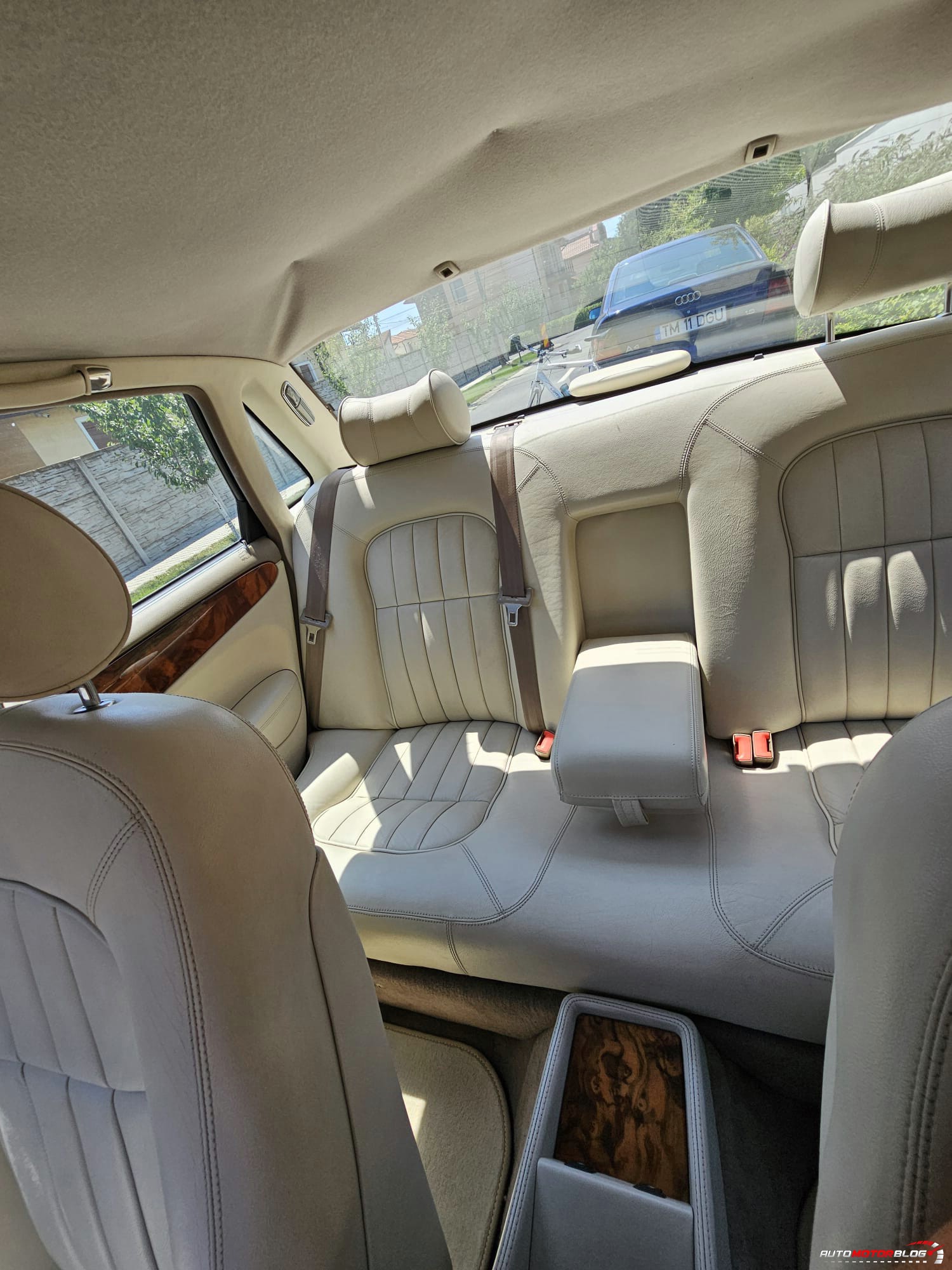
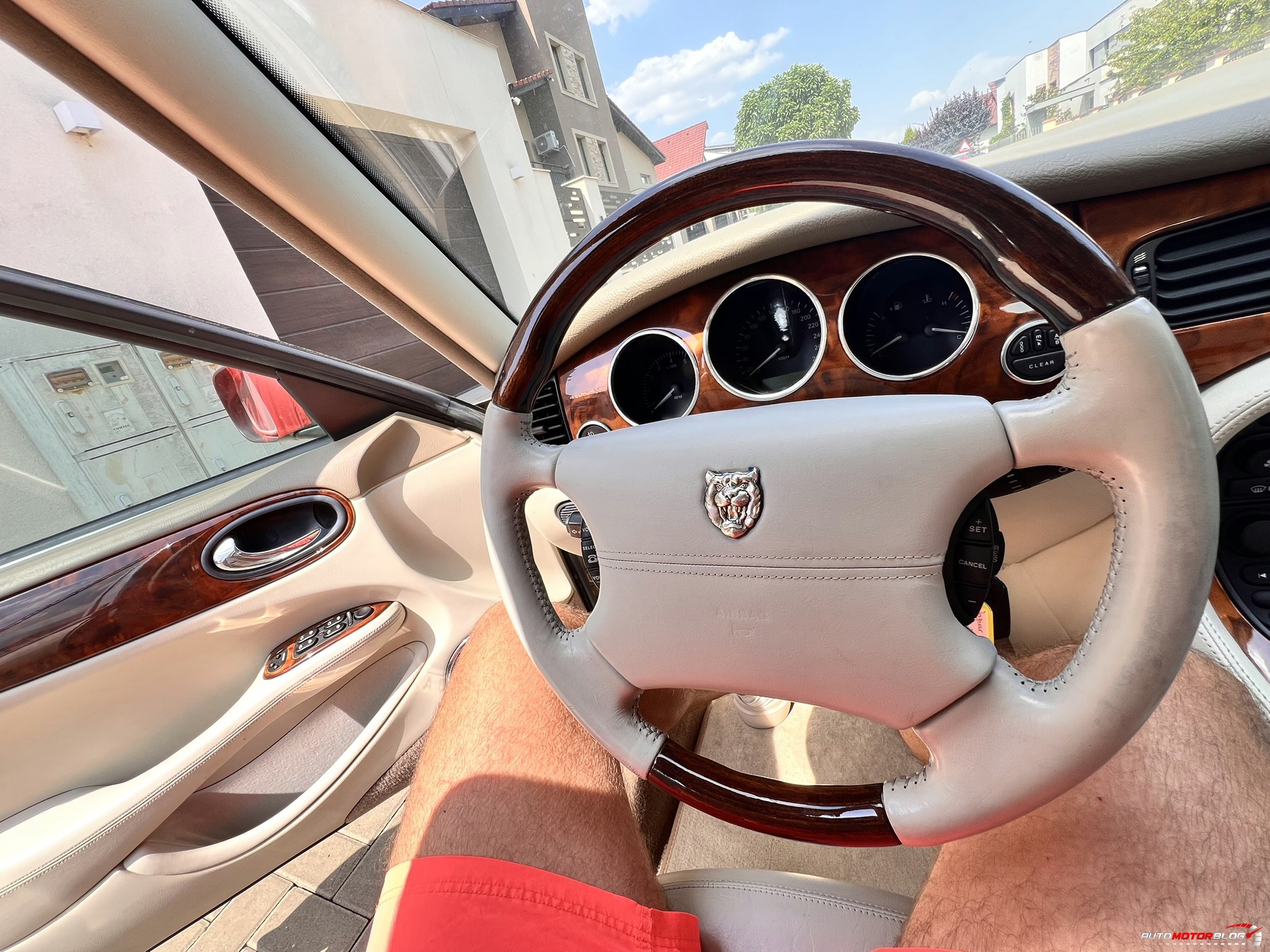
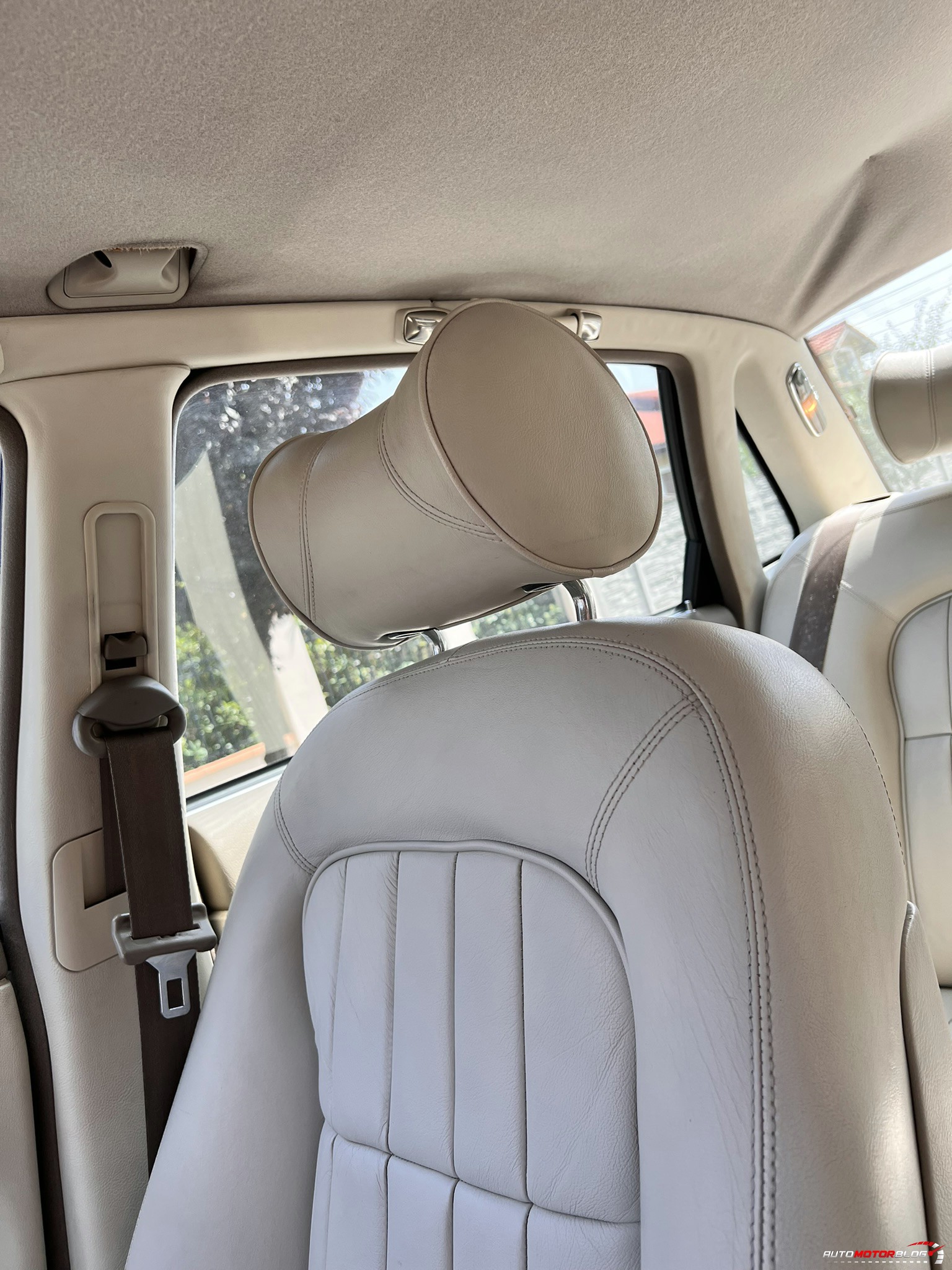
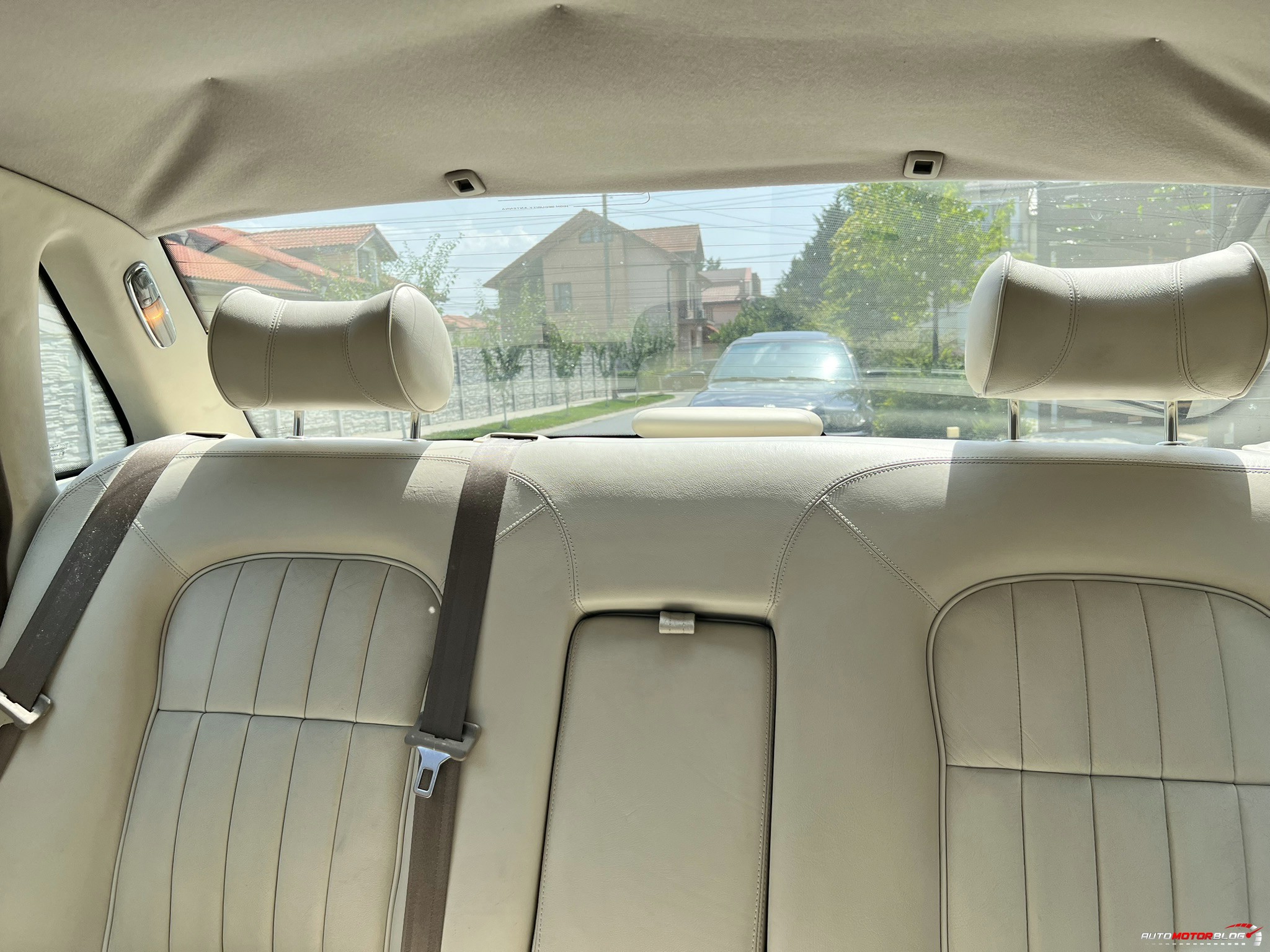
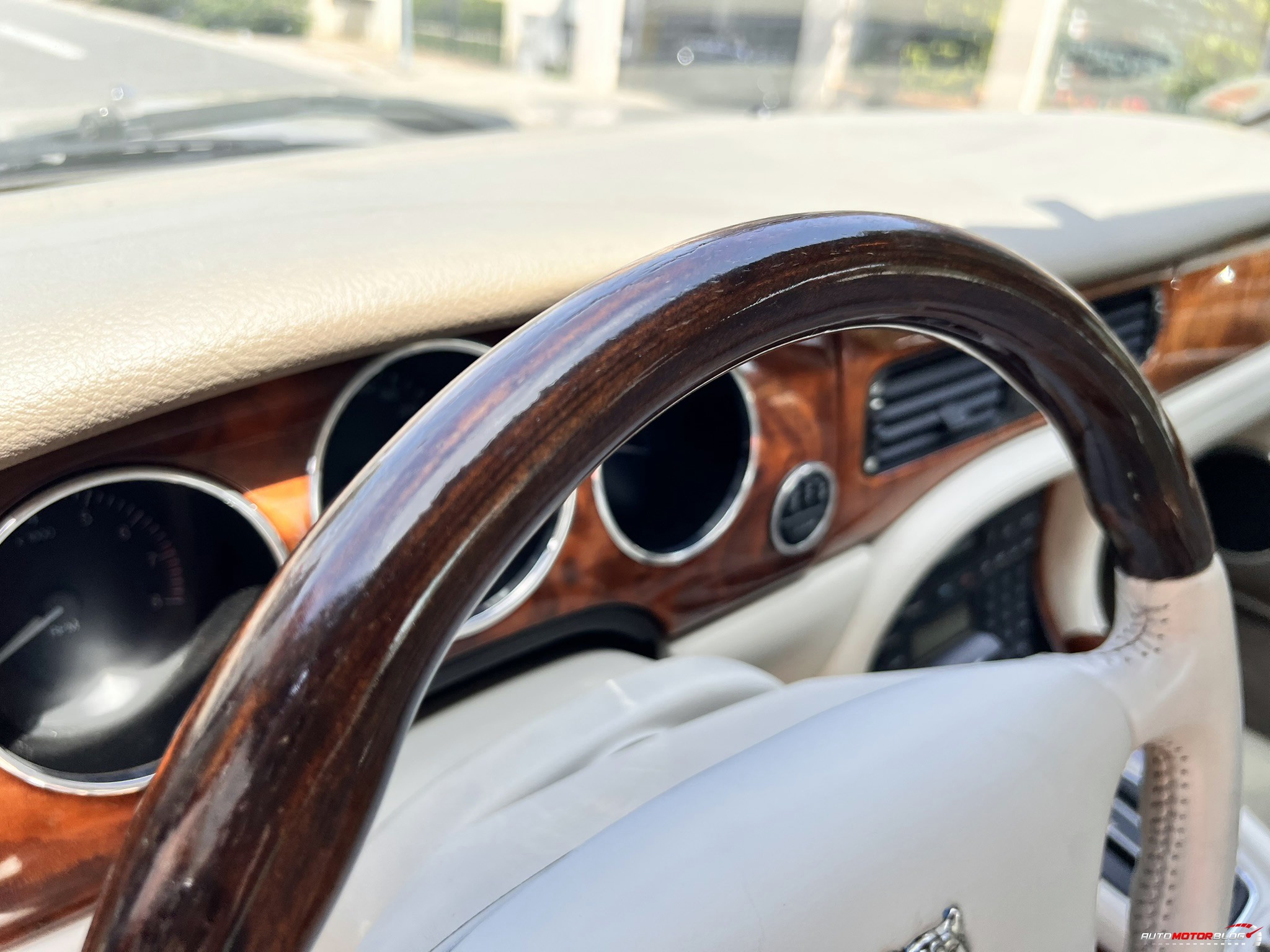
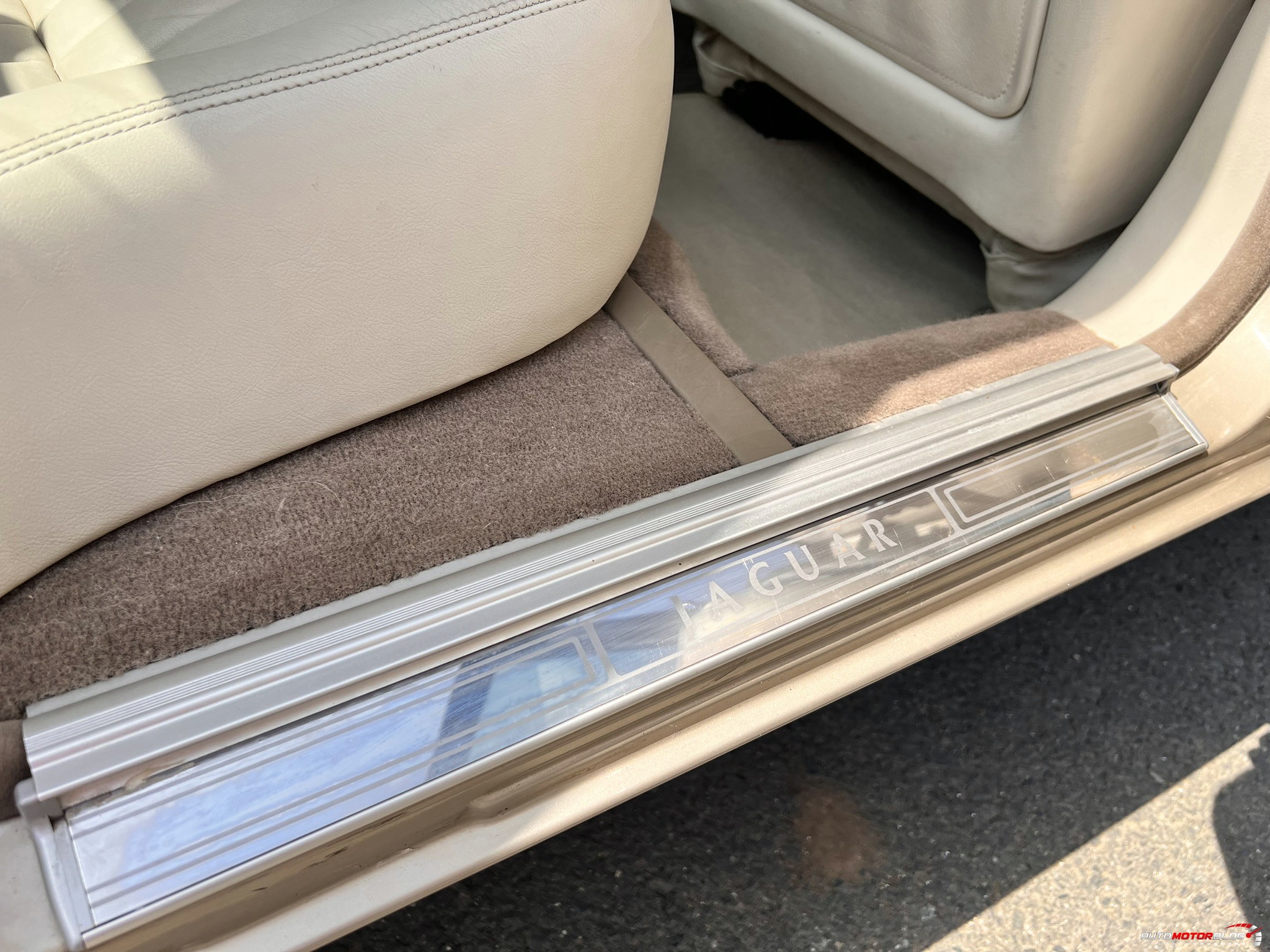
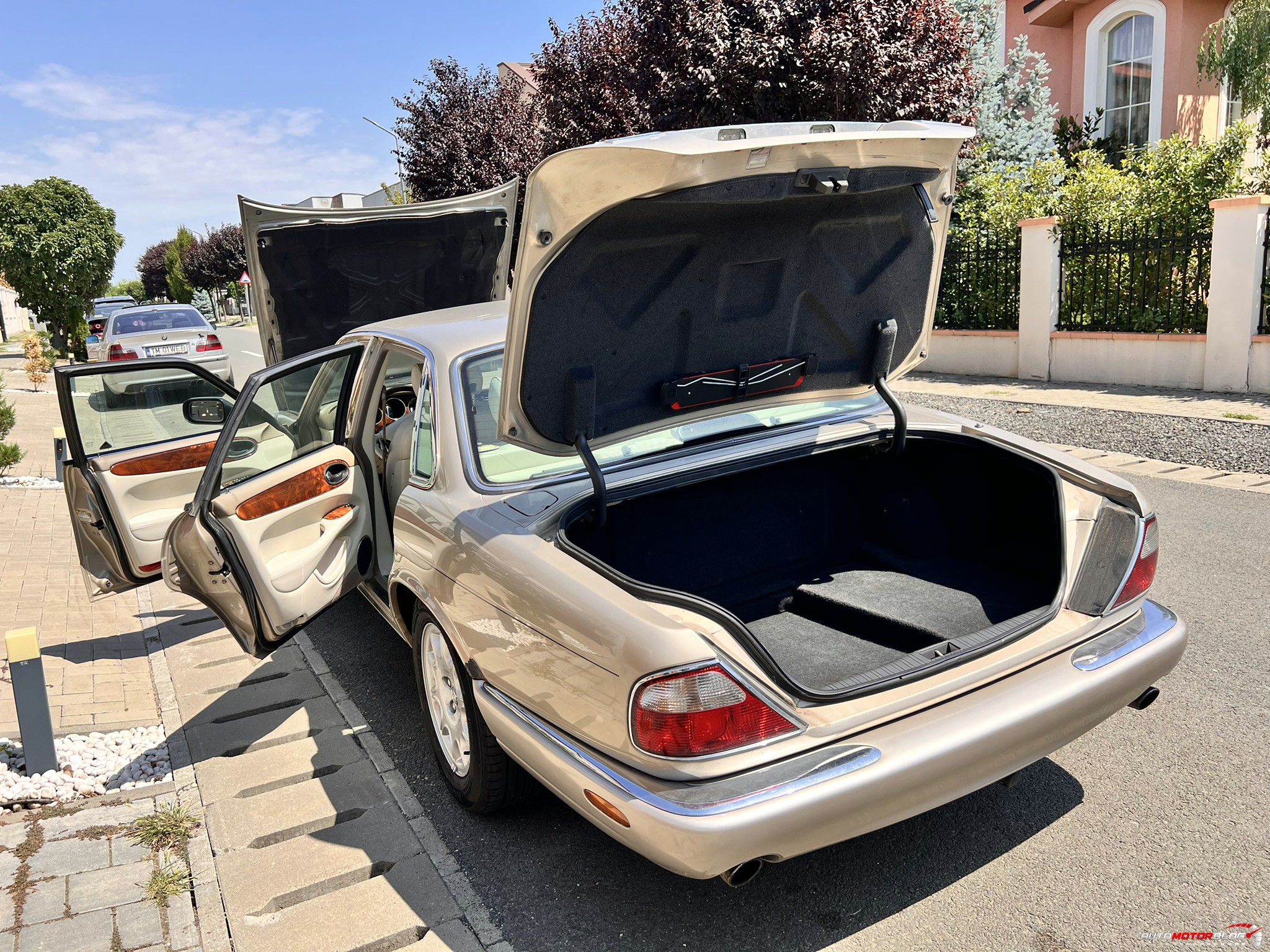
The interior is made of light leather. The leather is in impeccable condition. It is in impeccable condition even after almost 30 years since it left the factory gate. The seats are large and comfortable. The driving position is very good.
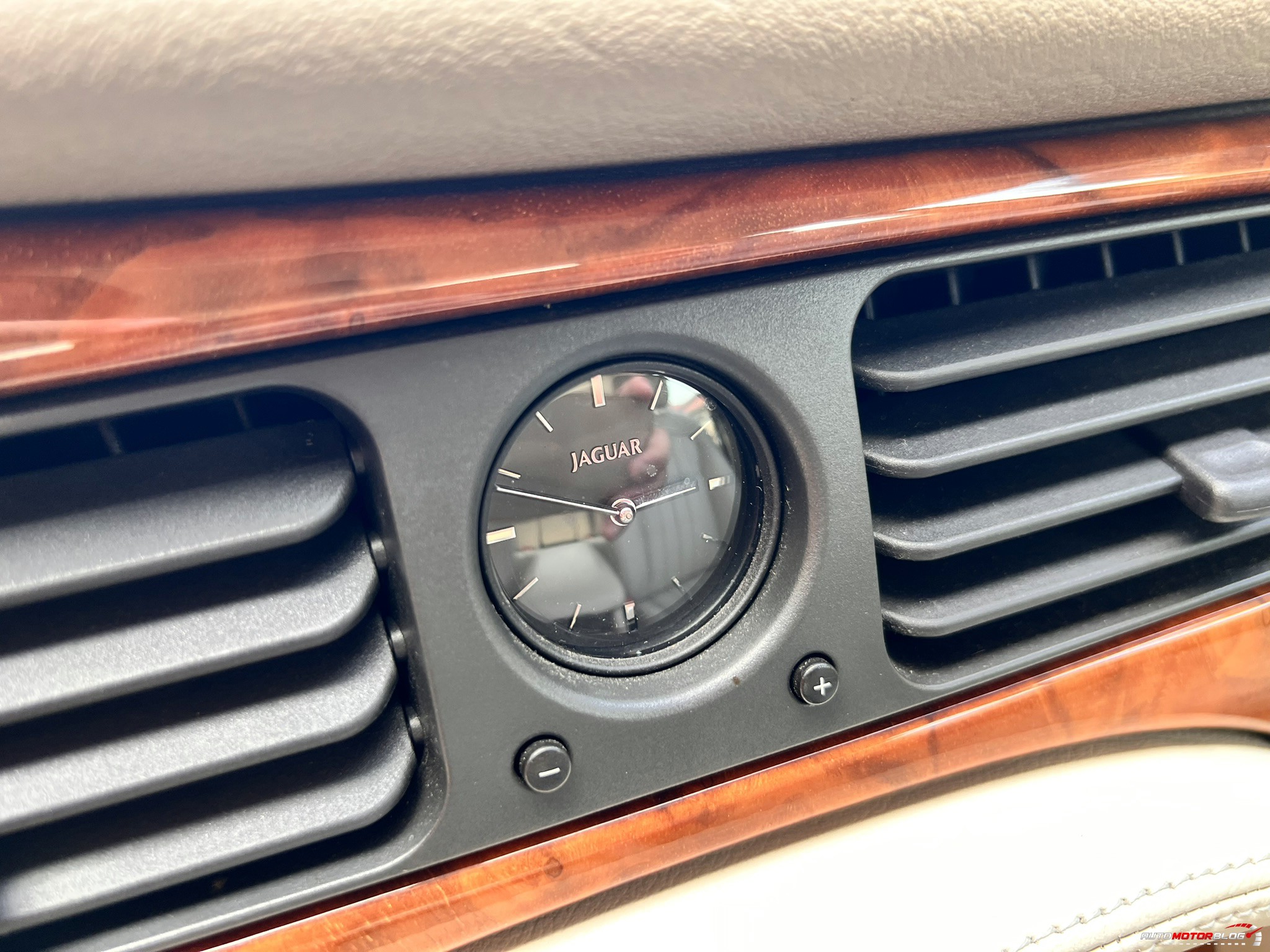
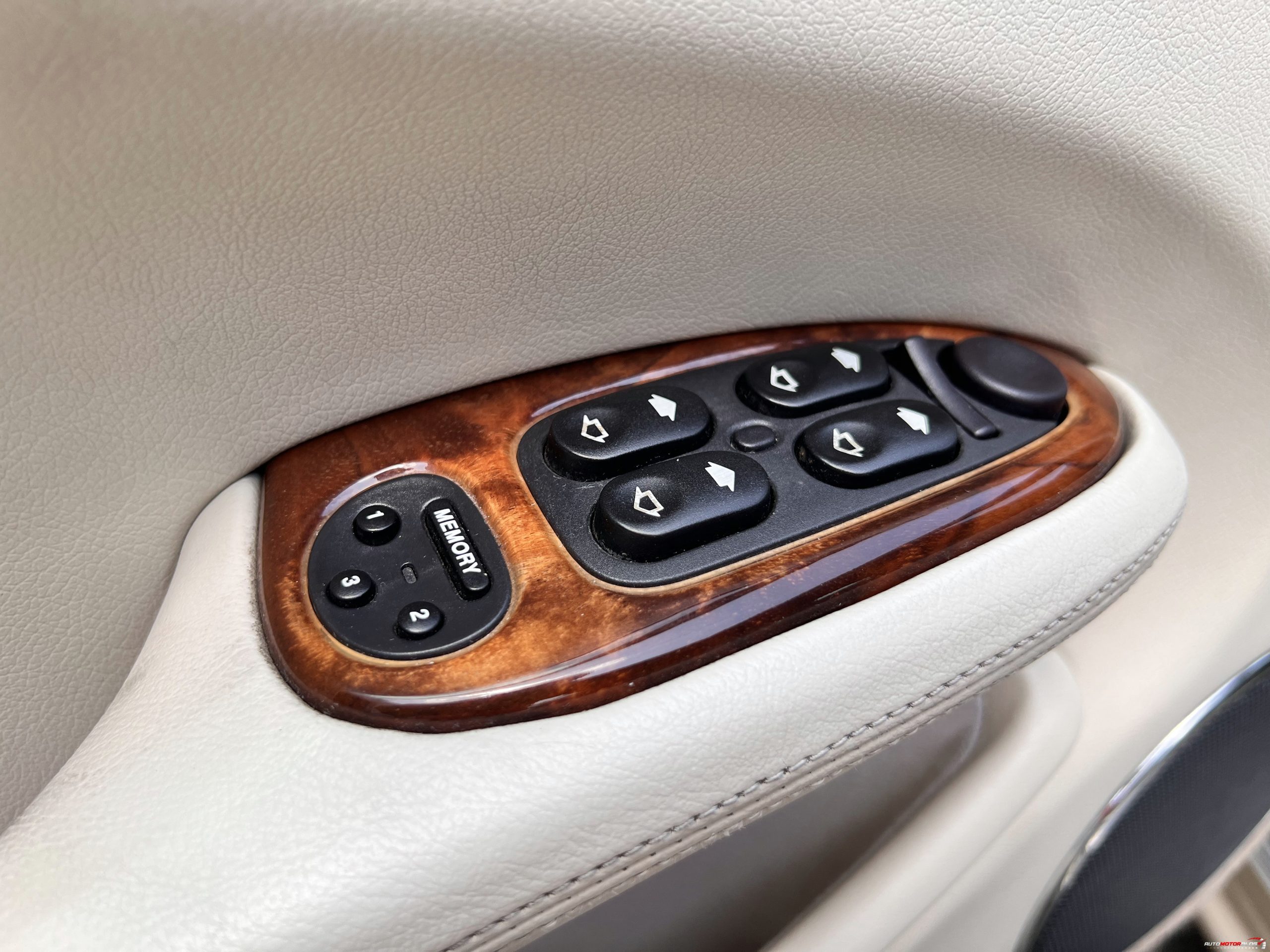
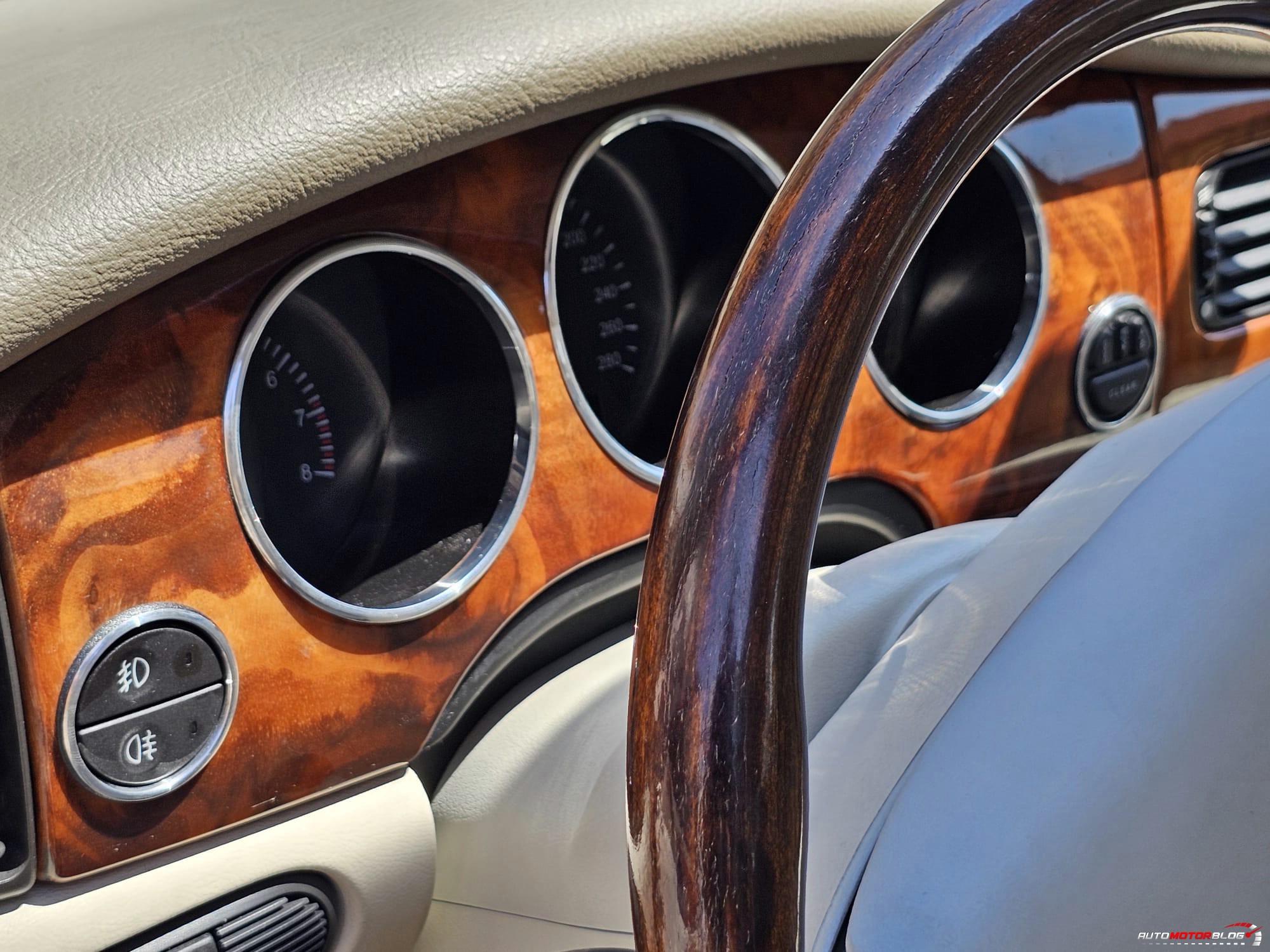
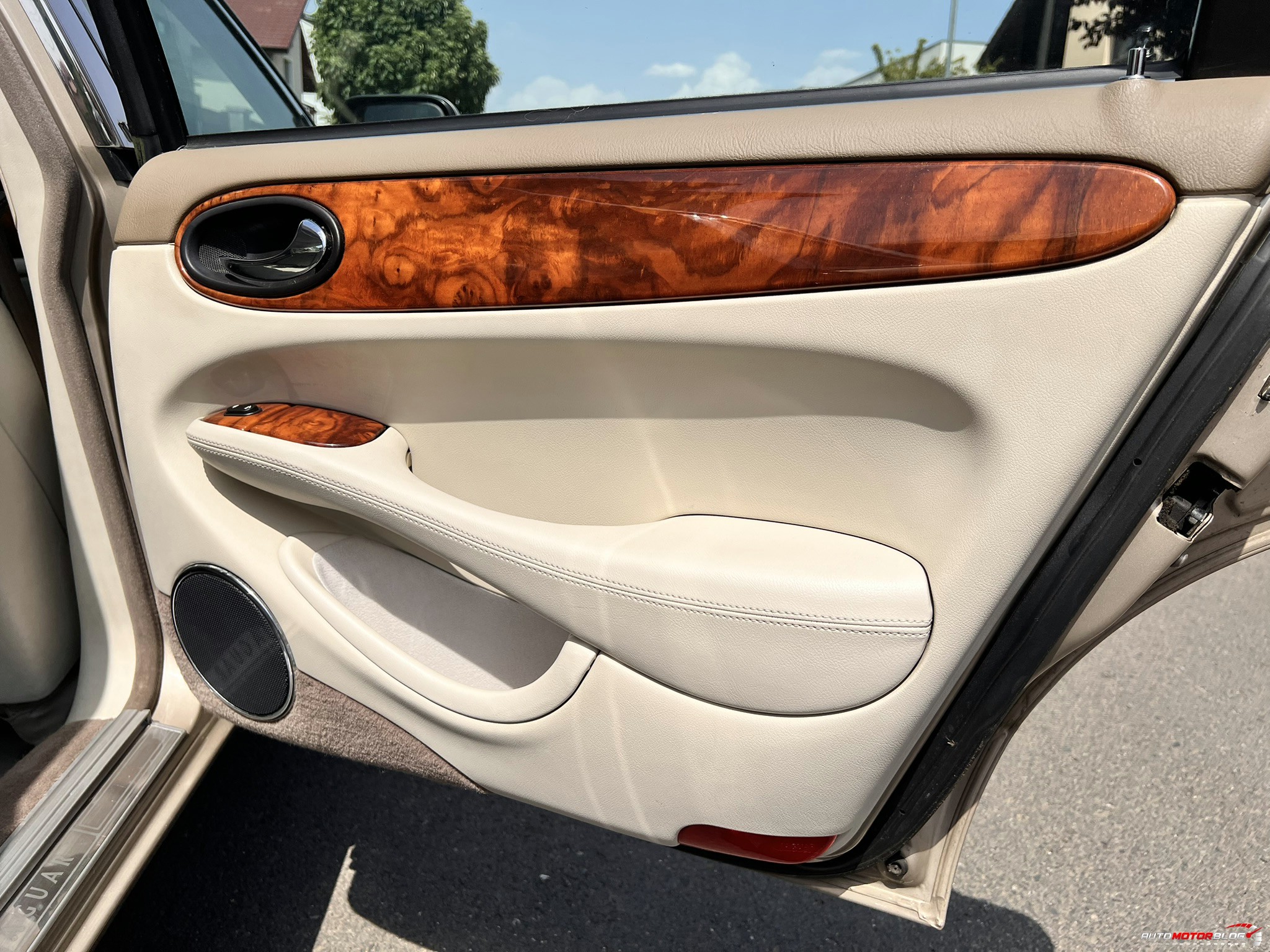
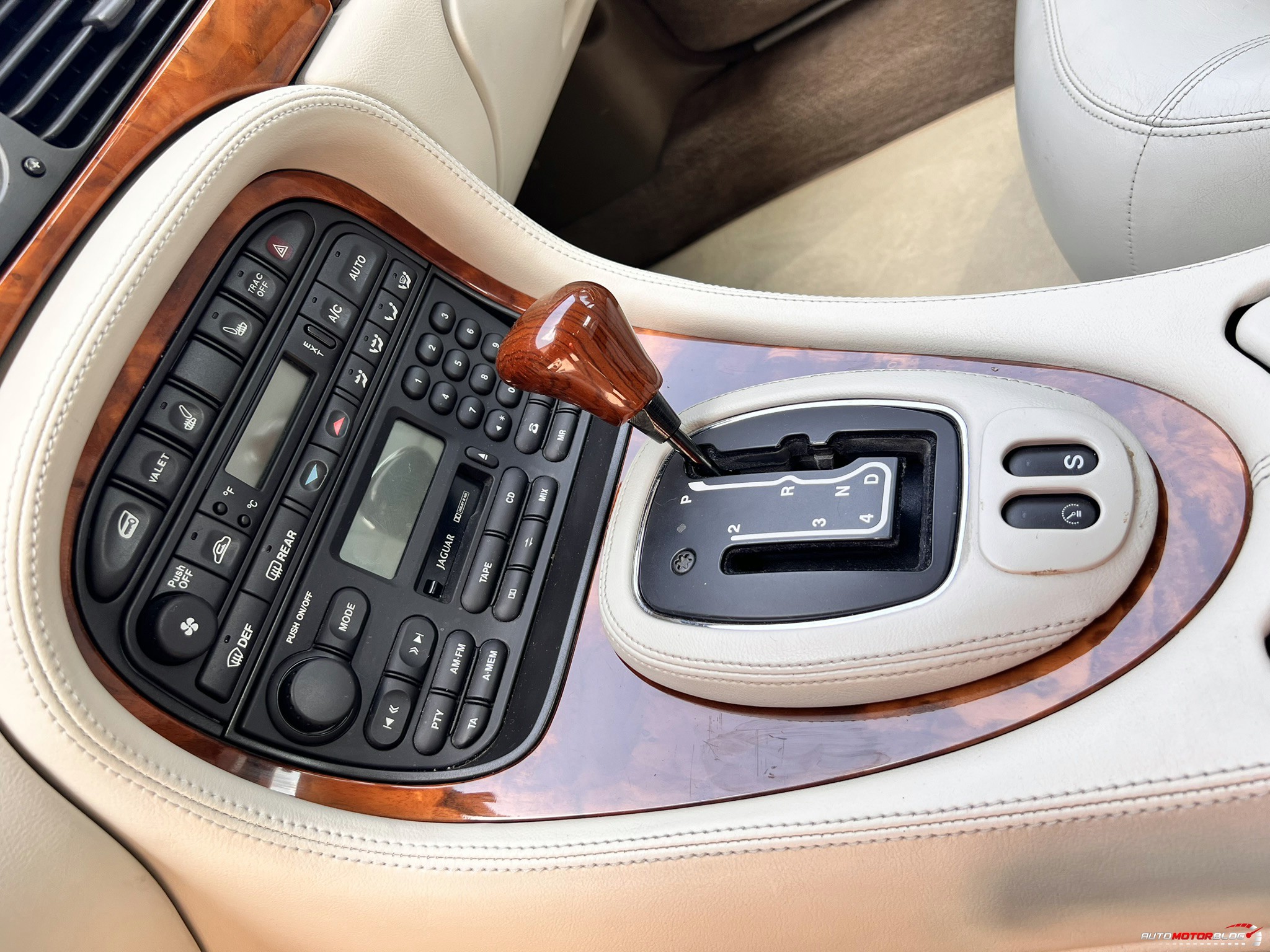
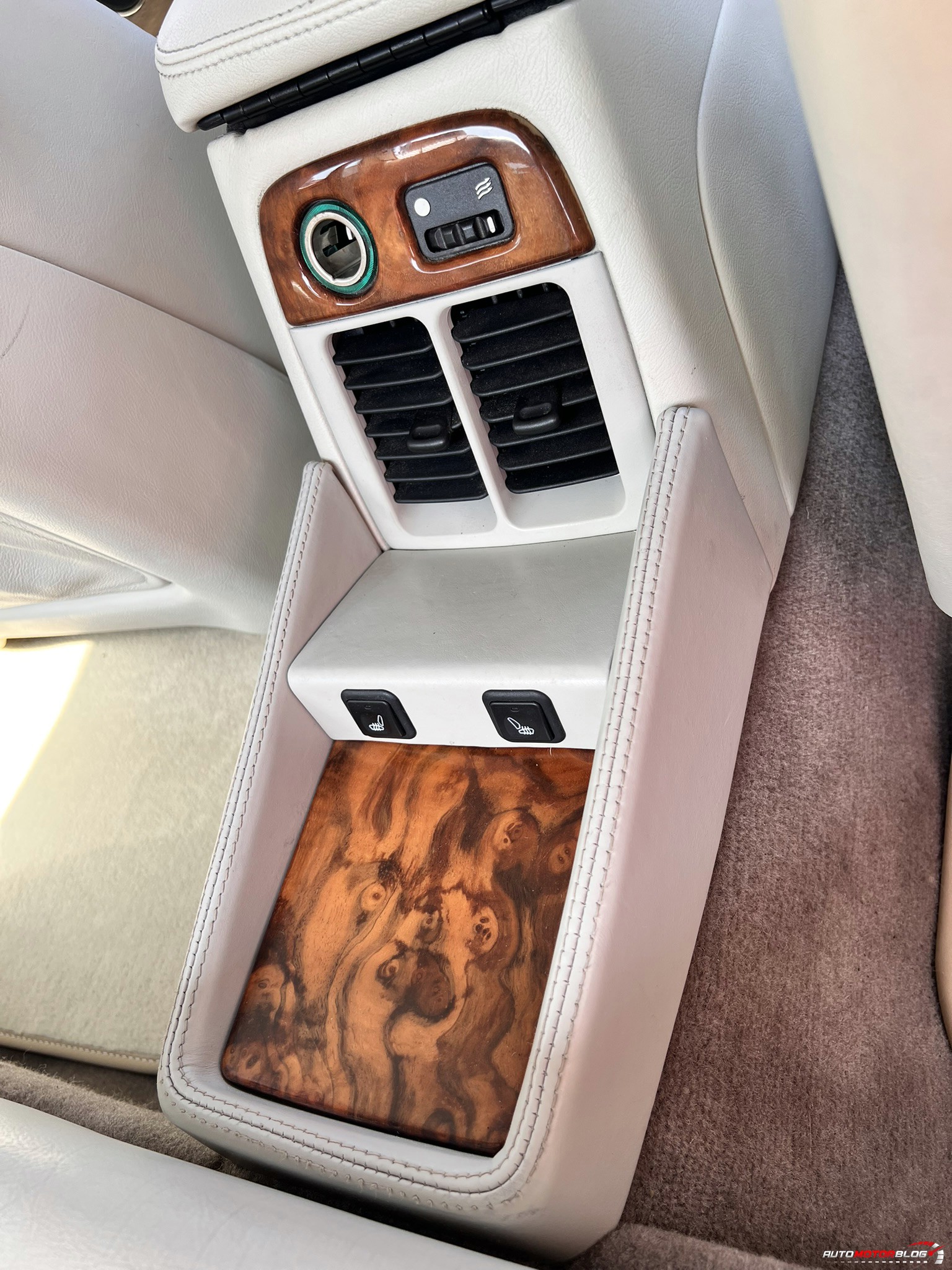
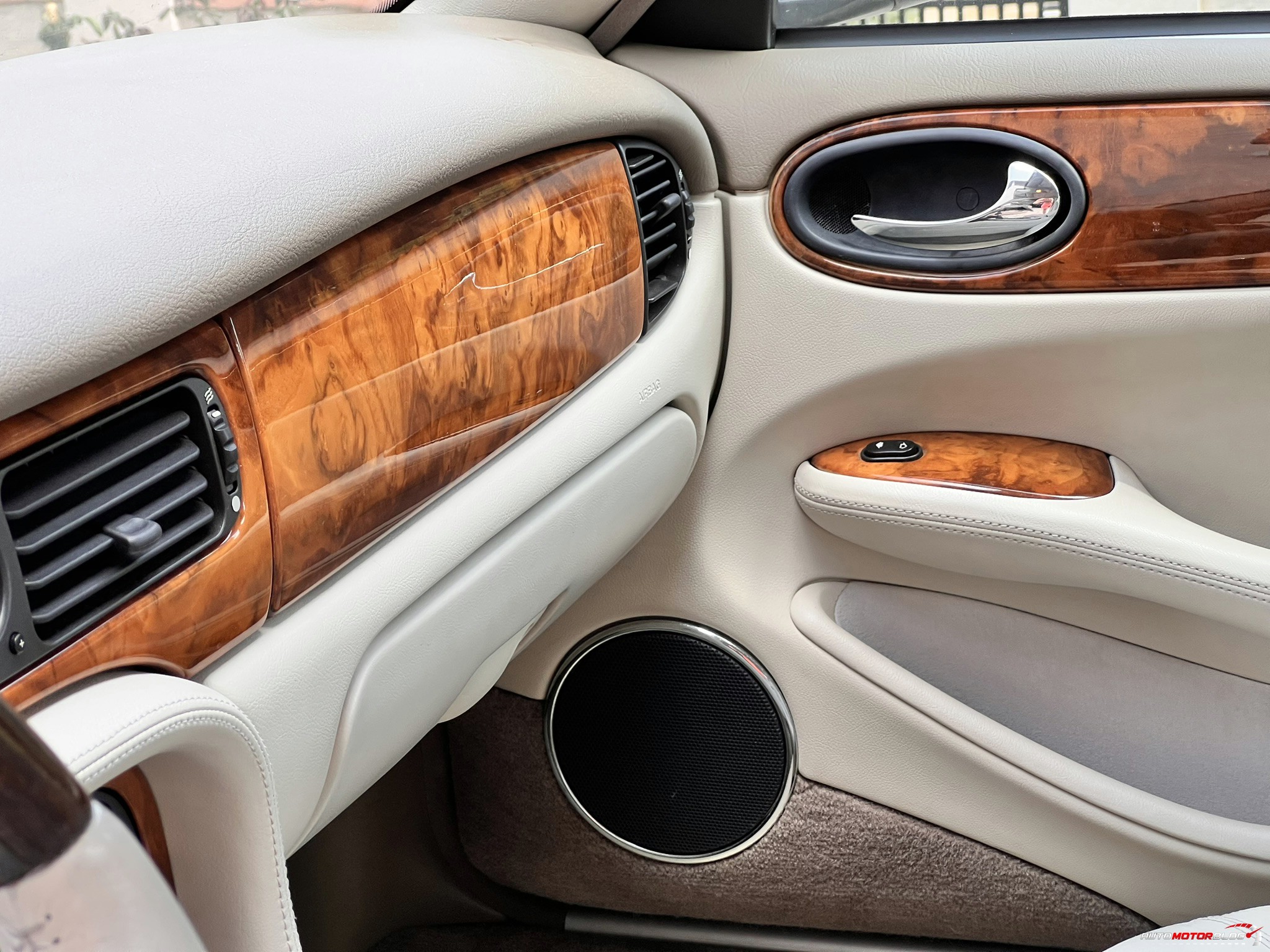
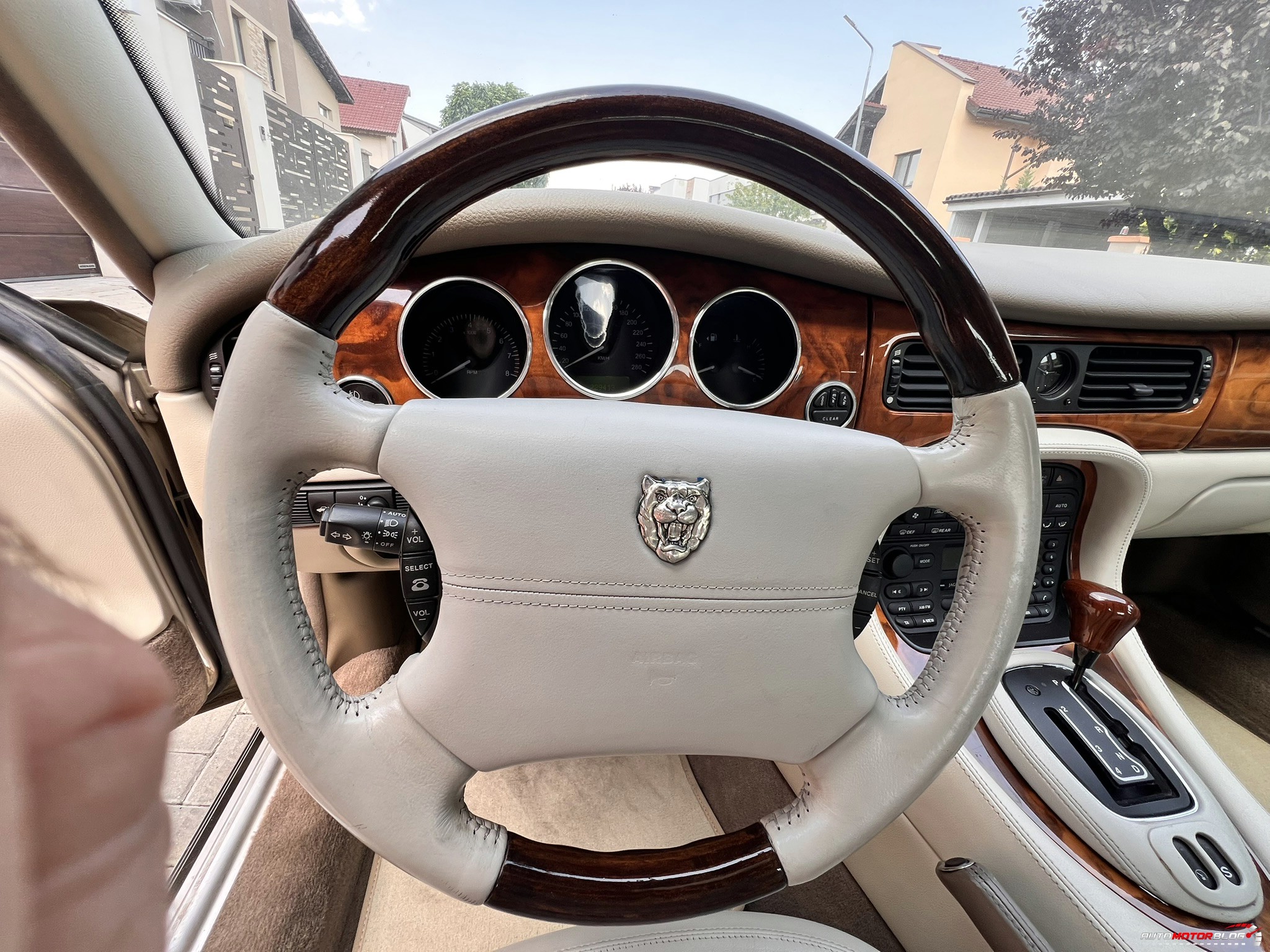
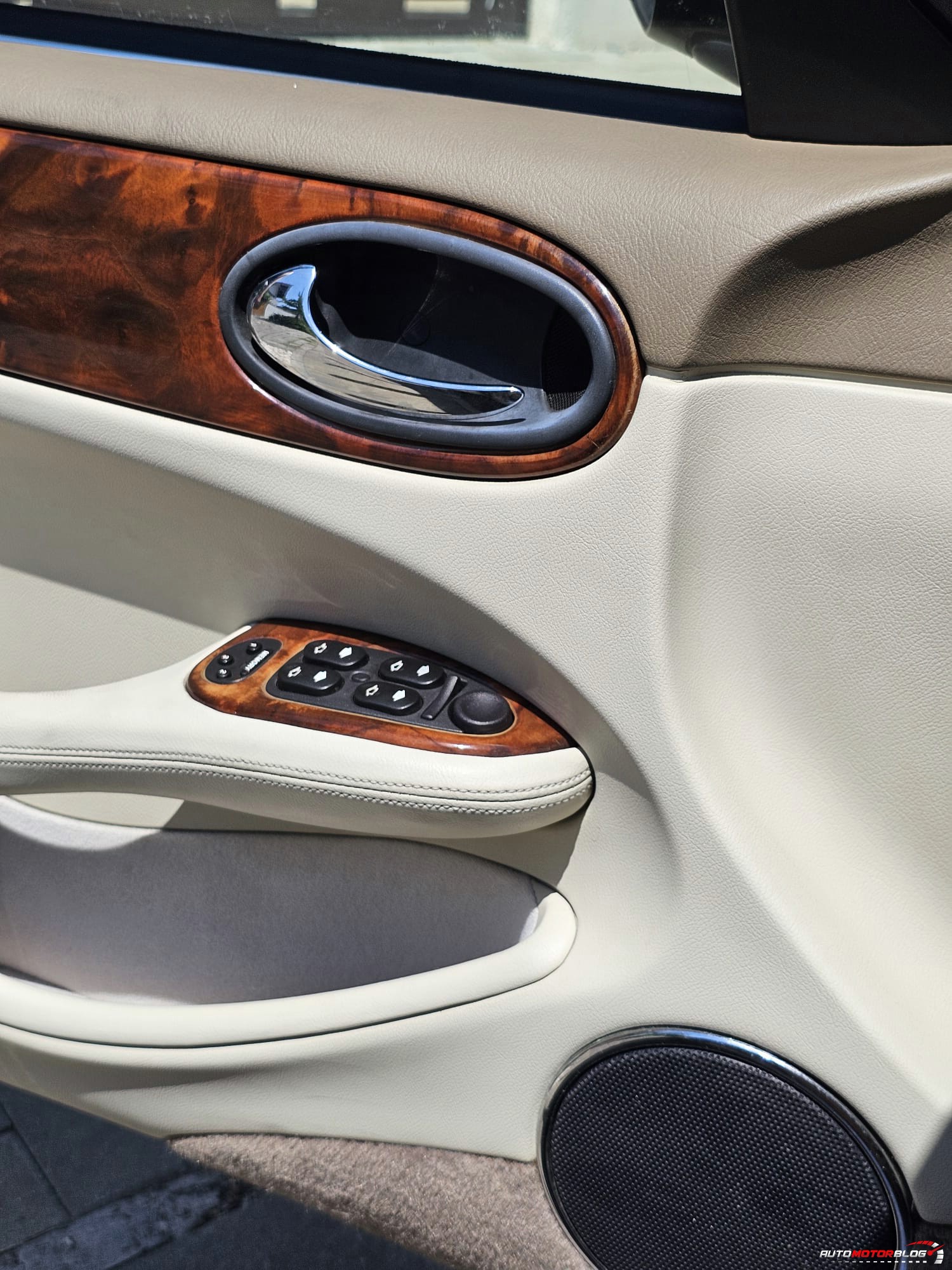
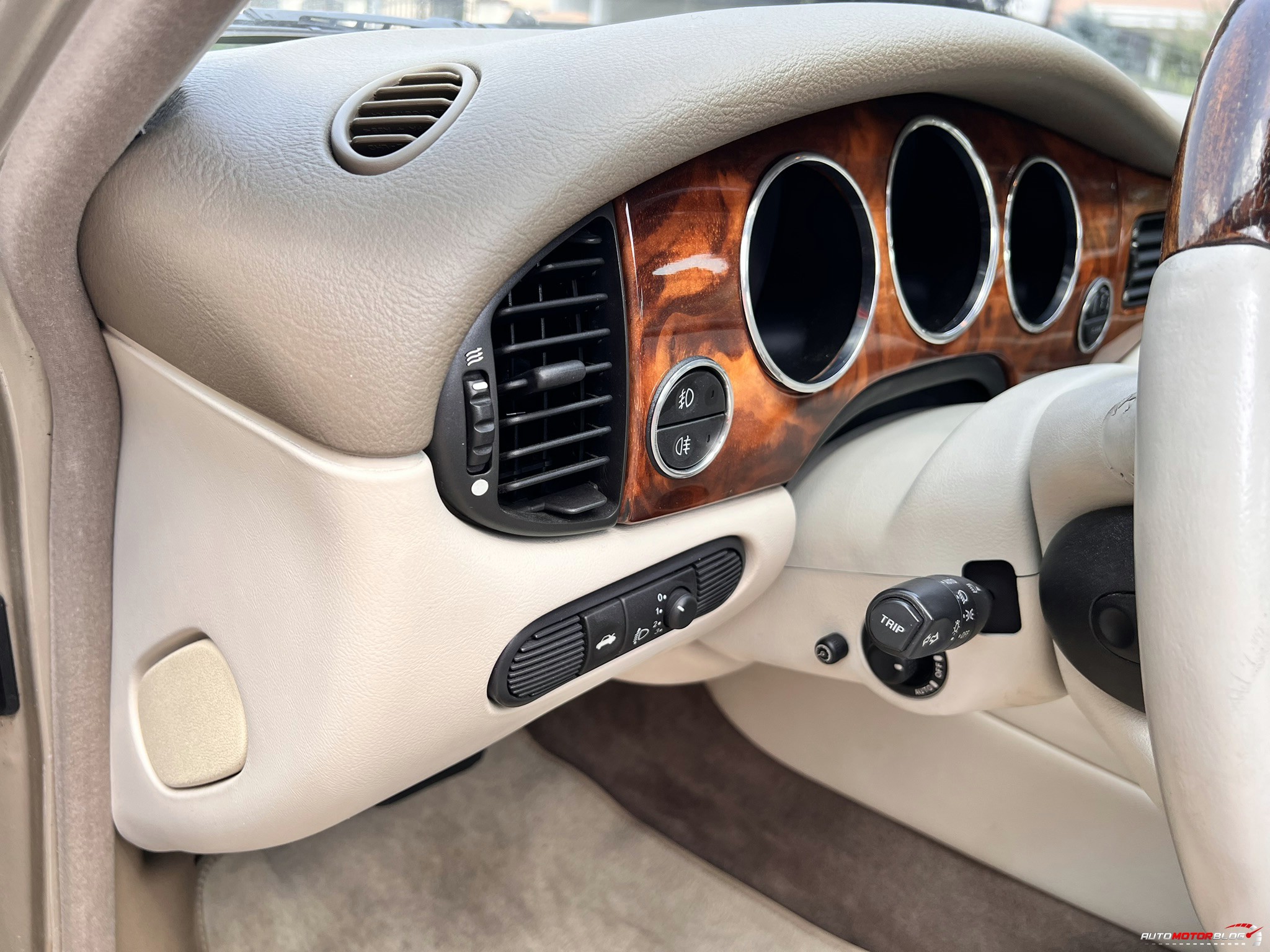
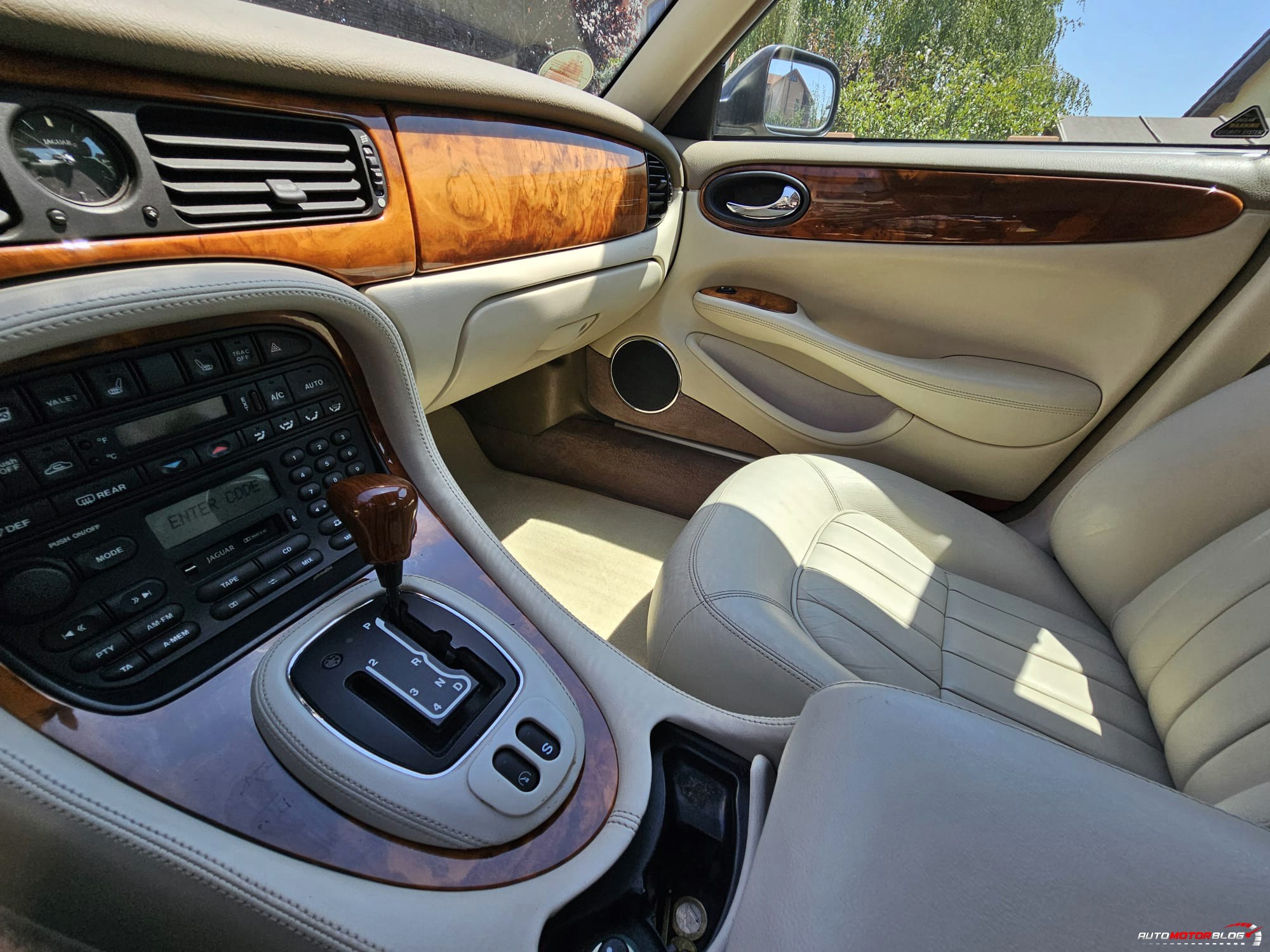
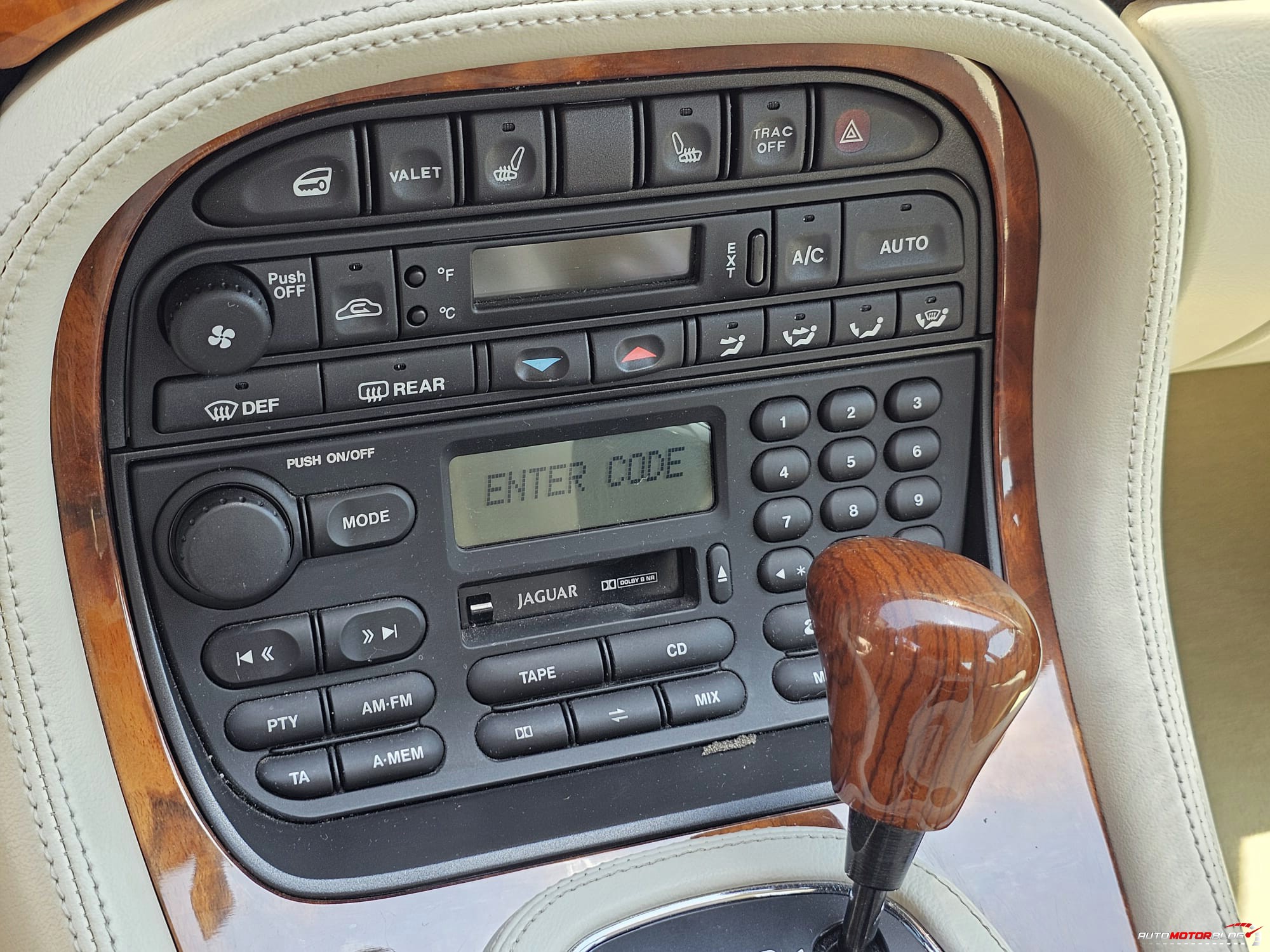
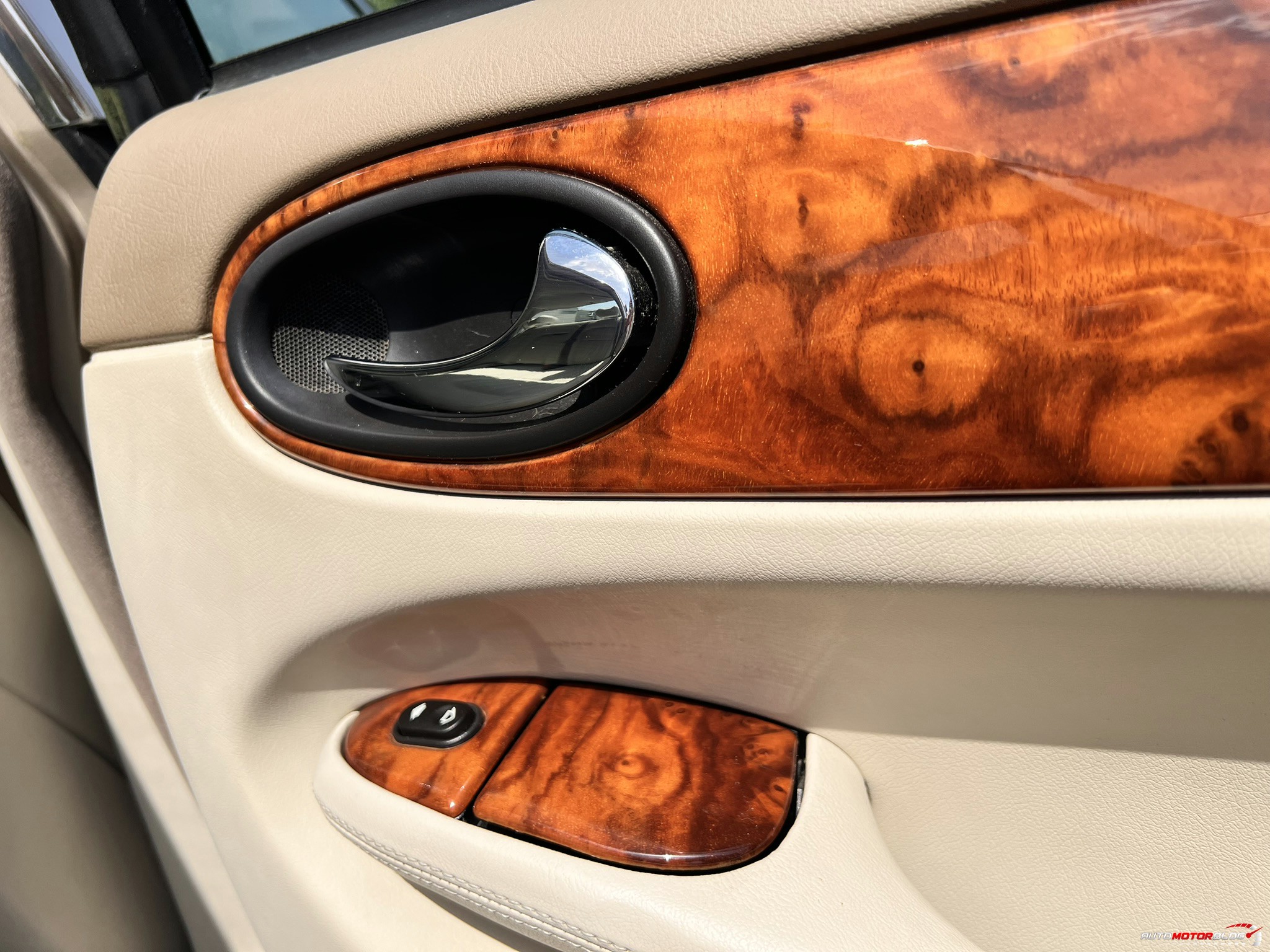
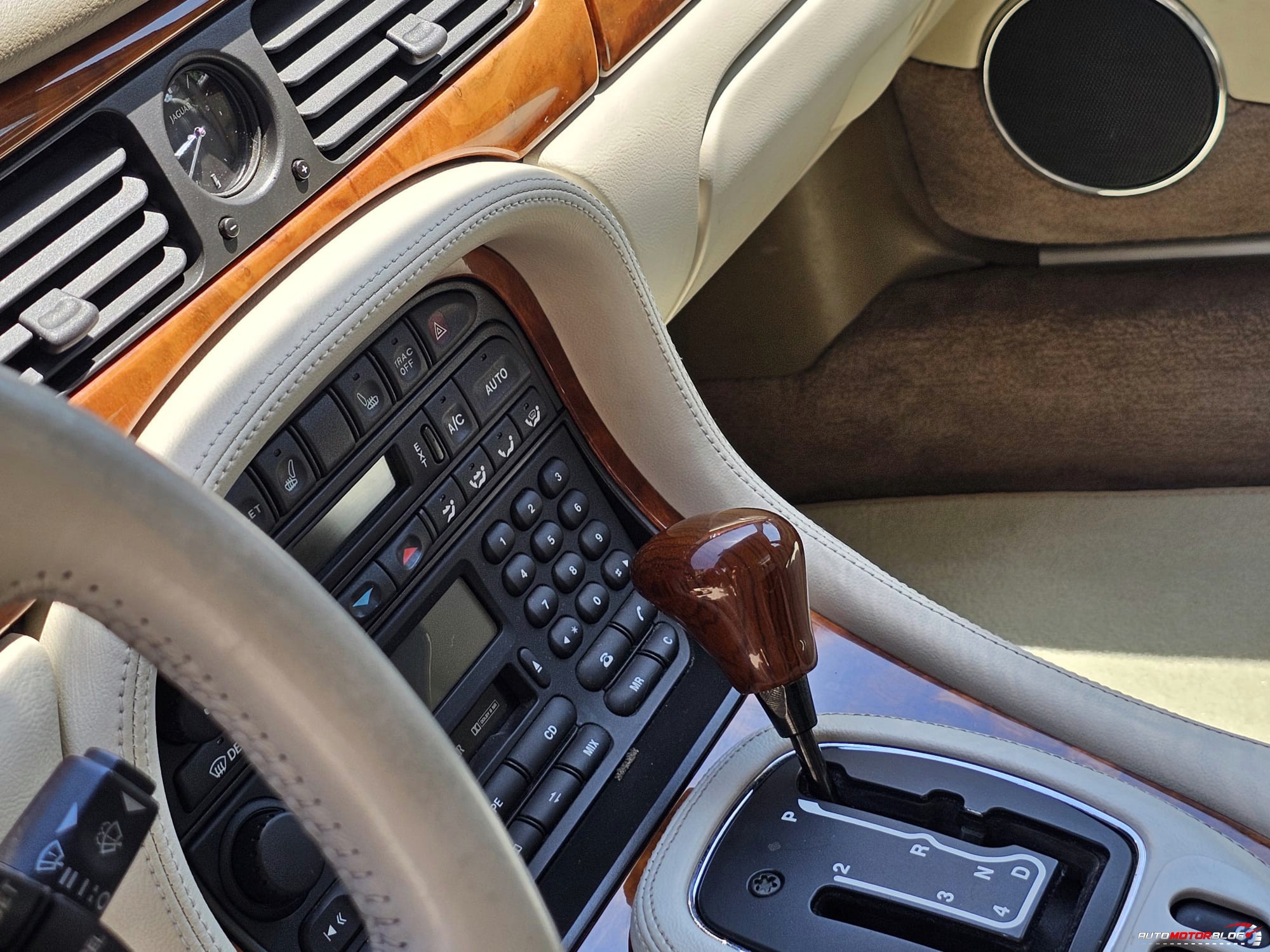
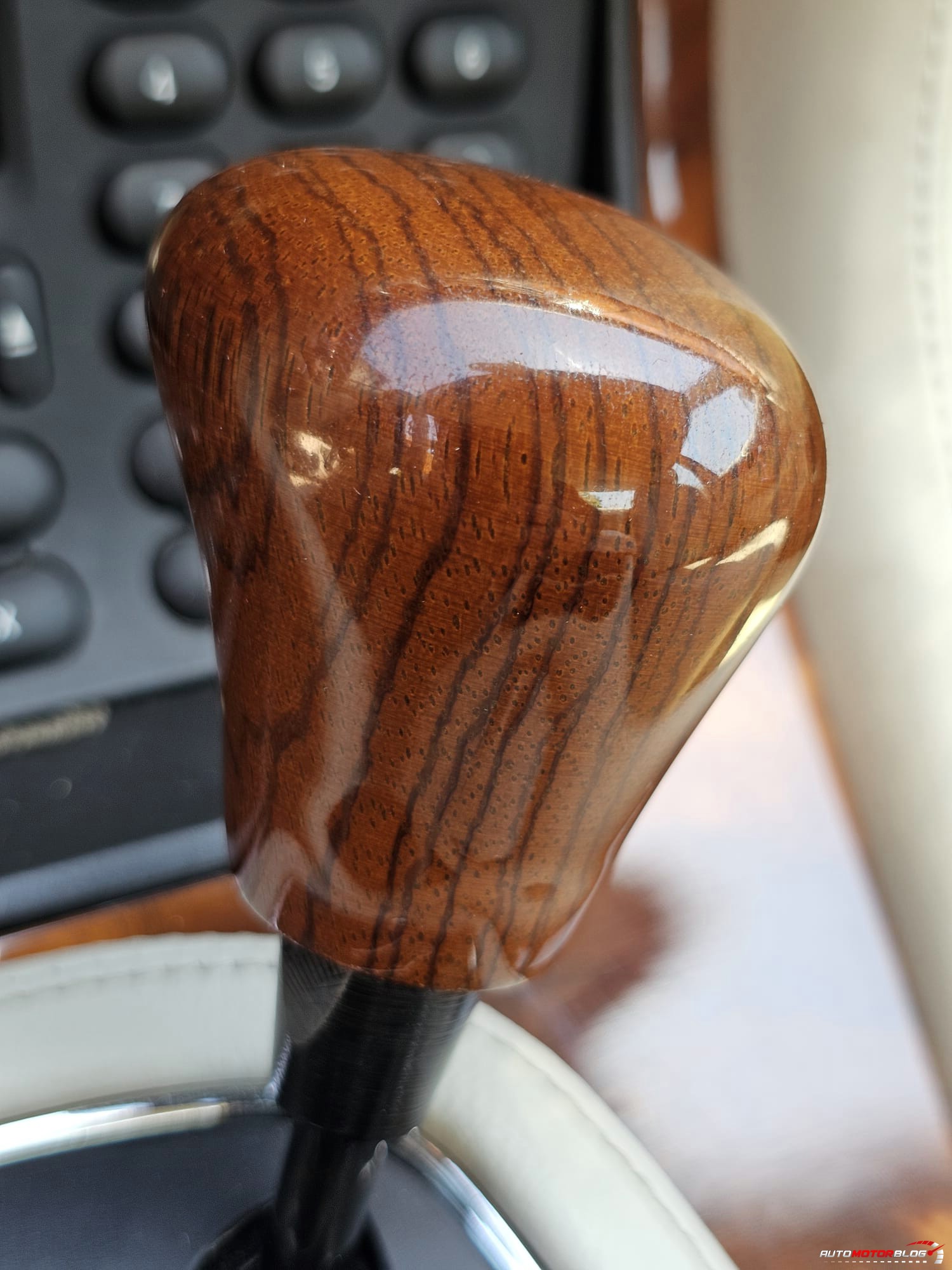
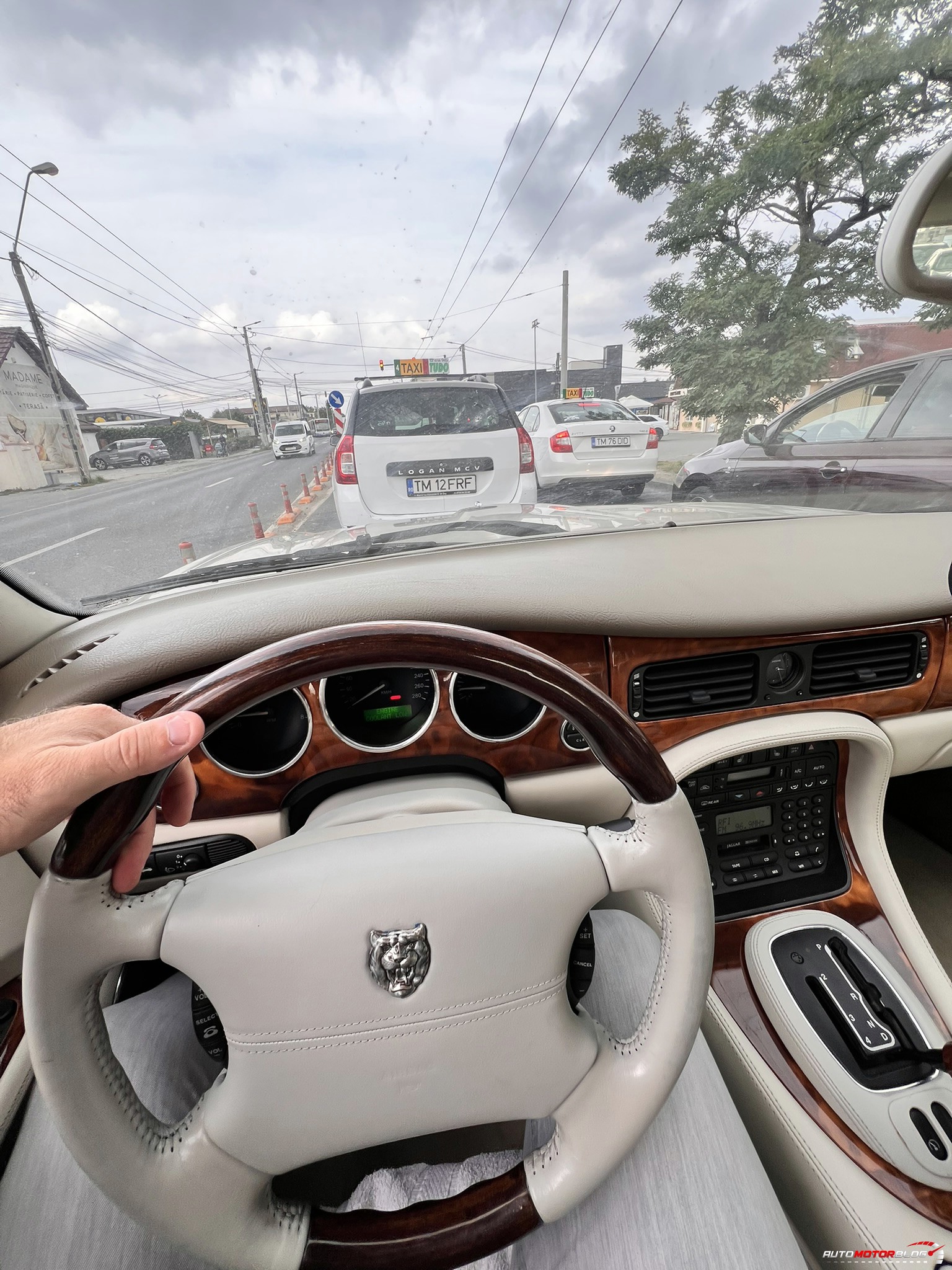
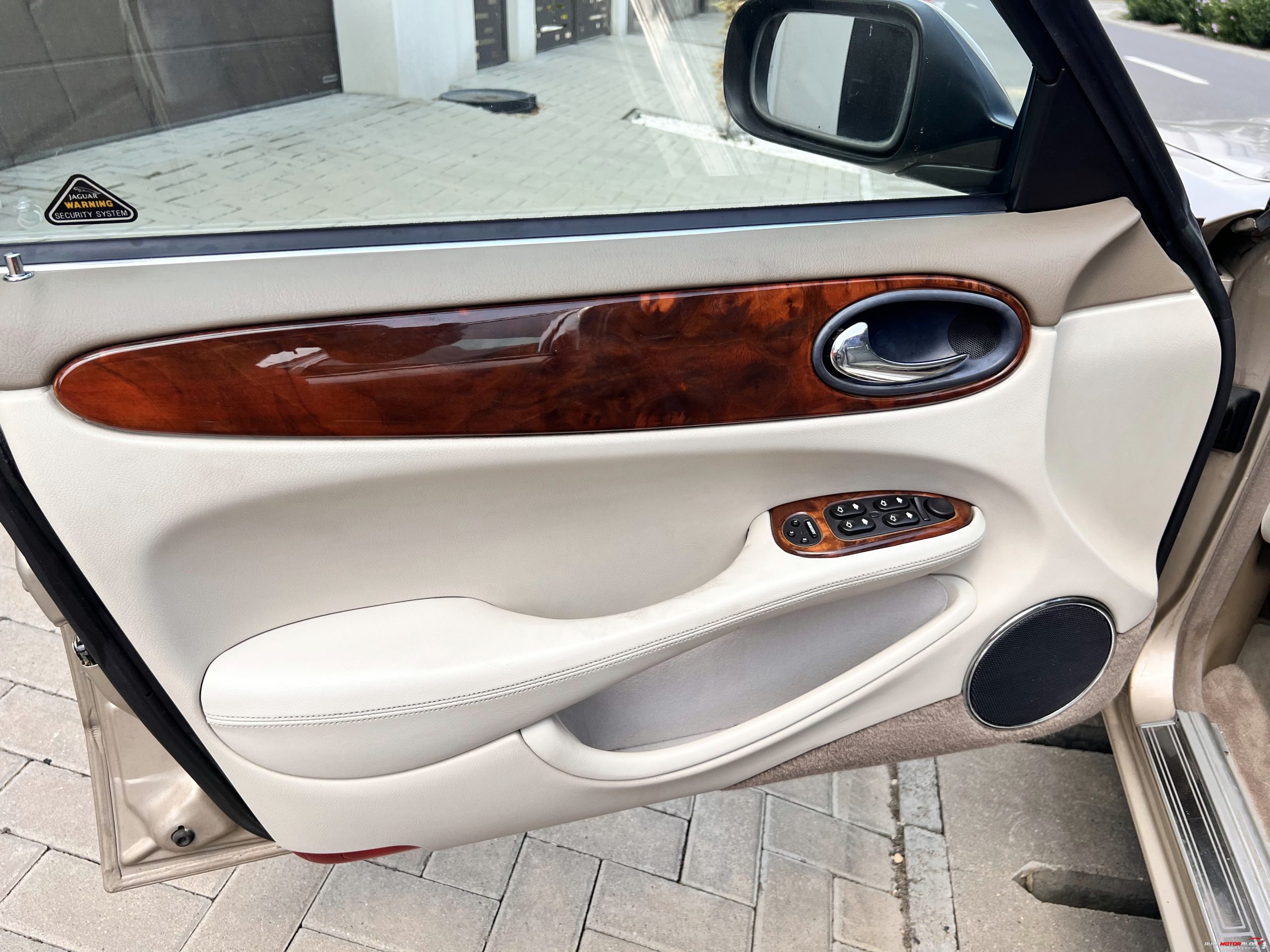
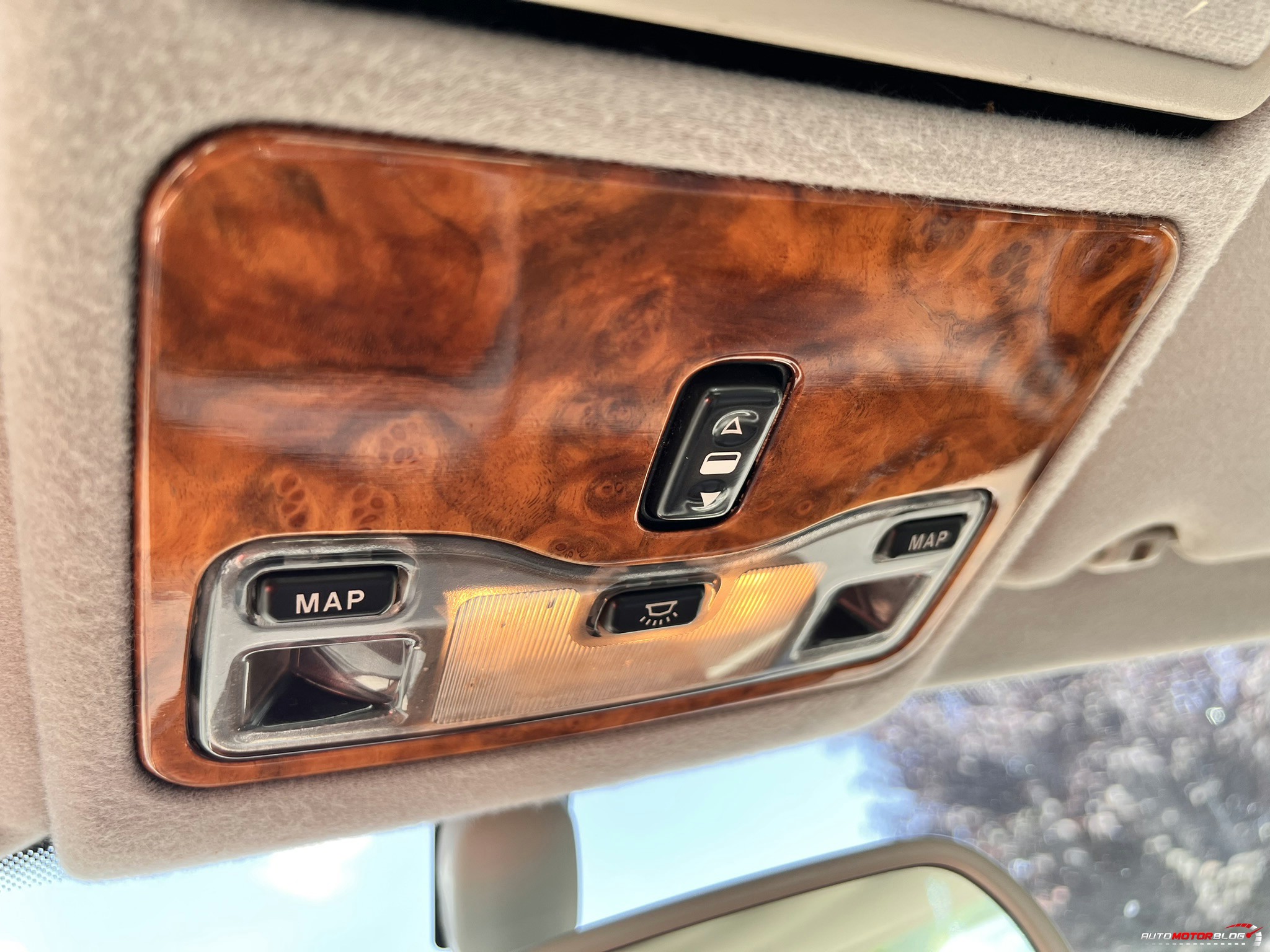
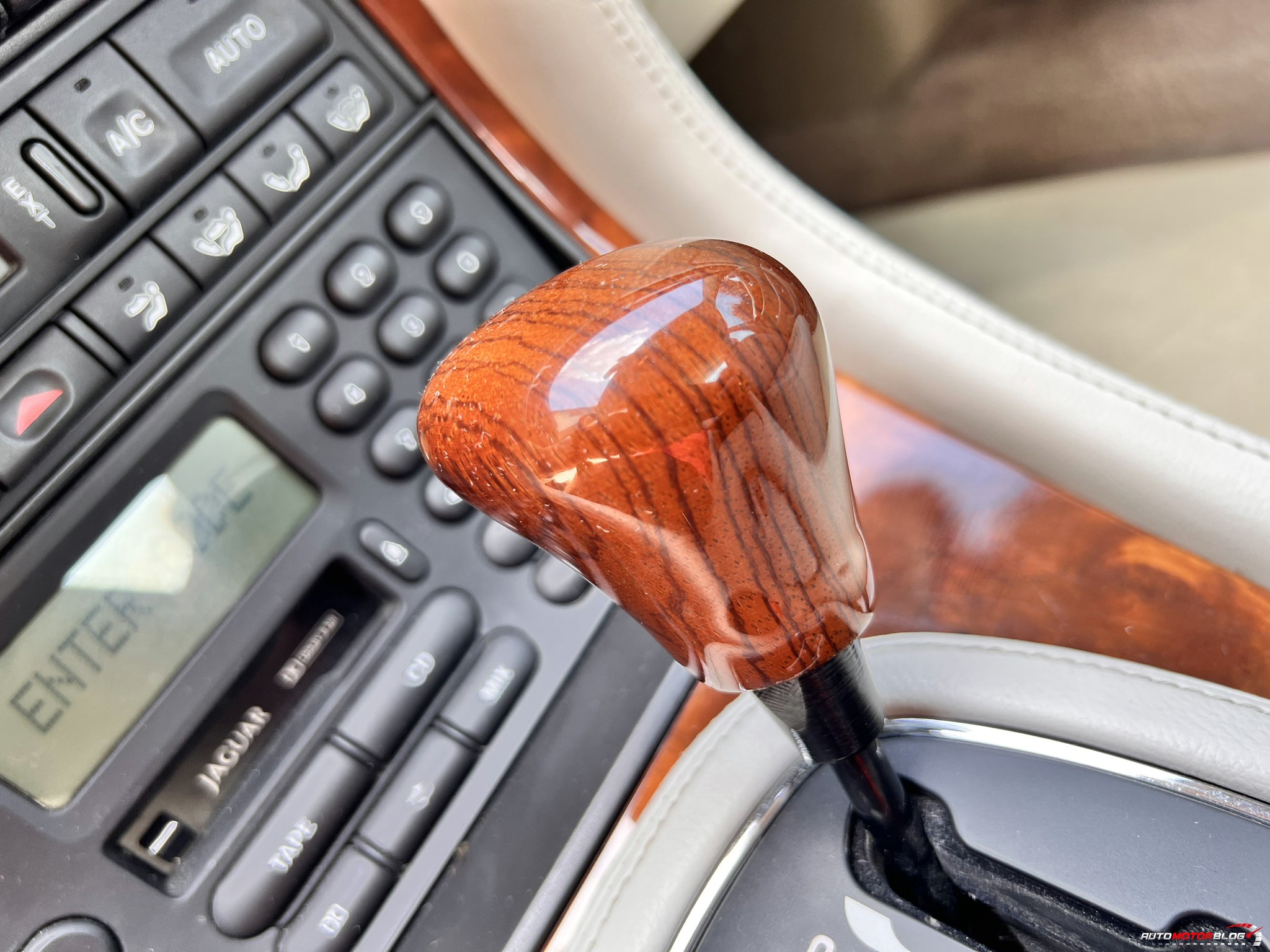
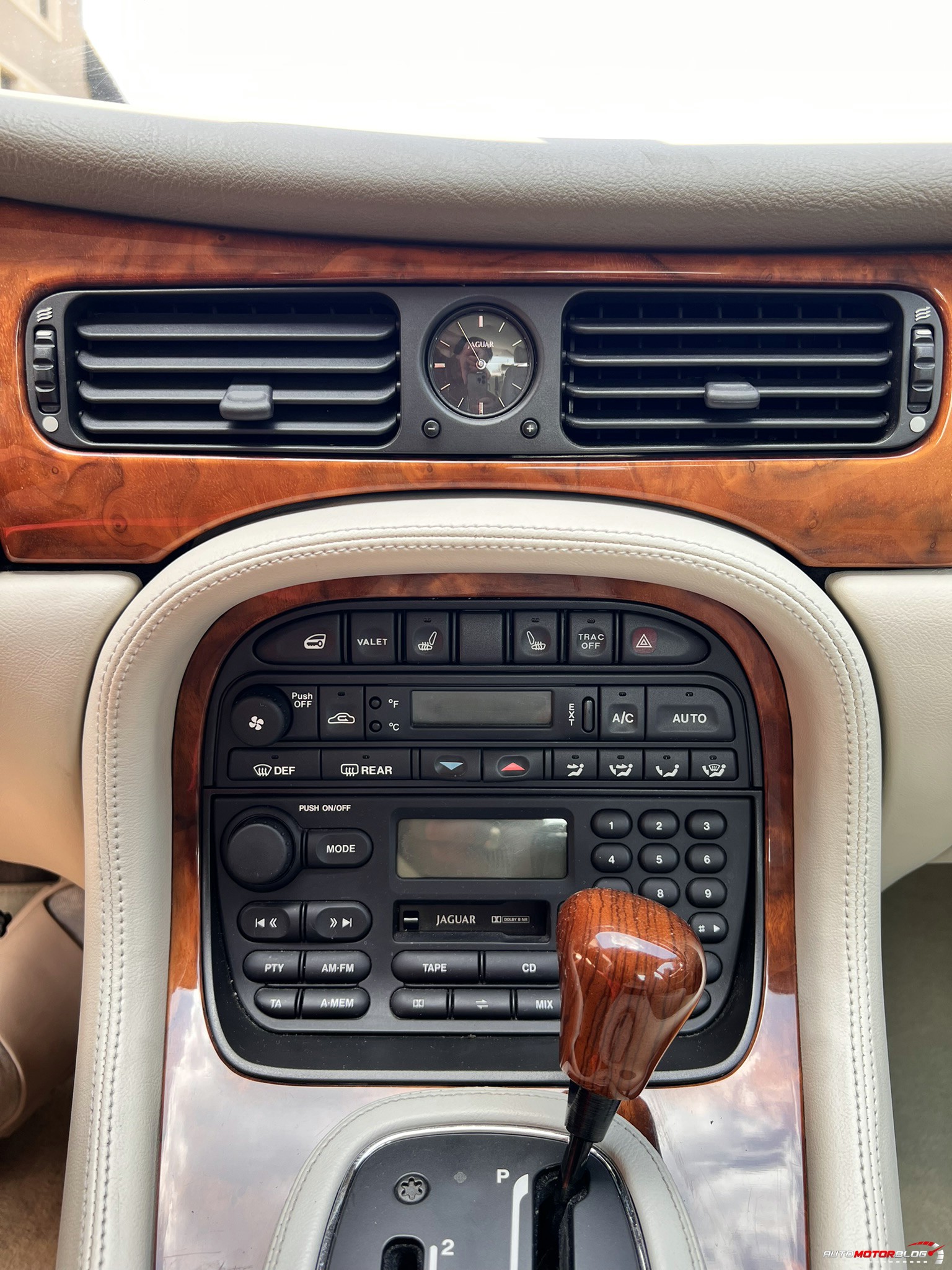
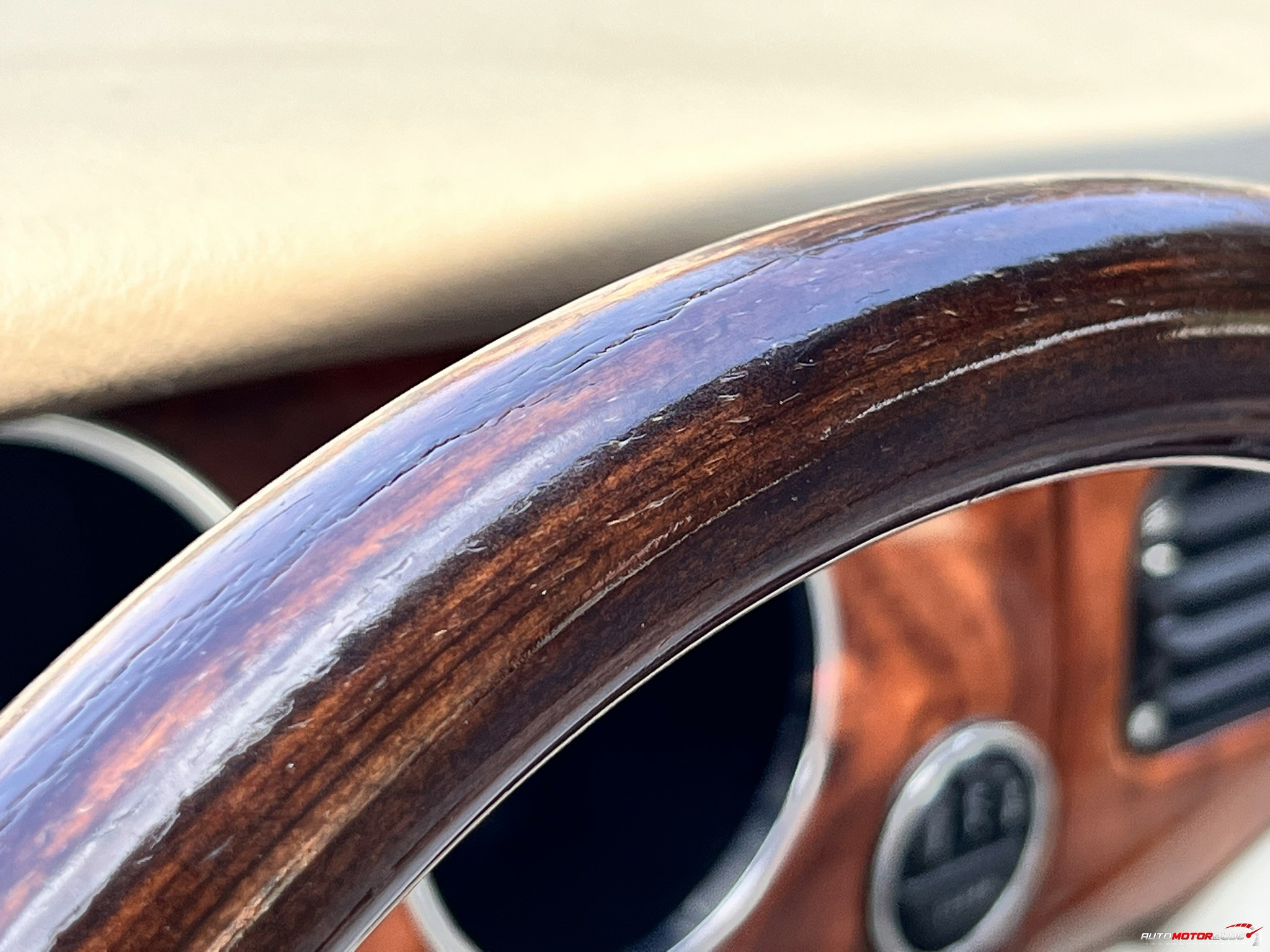
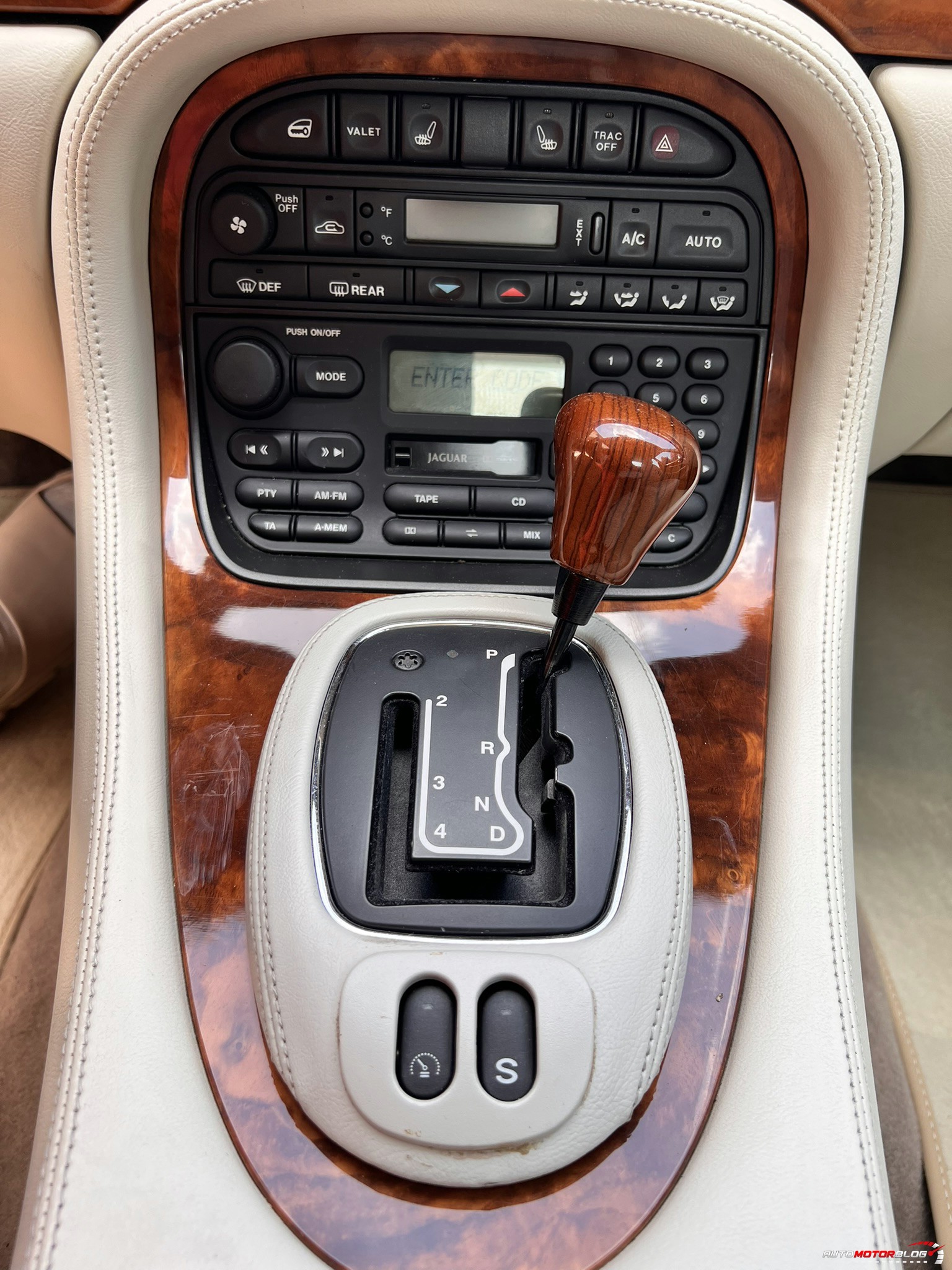
Then there is the wood. Wood is present almost everywhere. It is everywhere. On the dashboard. On the center console. On the doors. It has that look specific to classic Jaguar.
The combination of leather, wood and elegant finishes creates a very special atmosphere. This combination explains very well why this car has that classic British luxury look. The very light leather contrasts superbly with the dark and shiny wood.
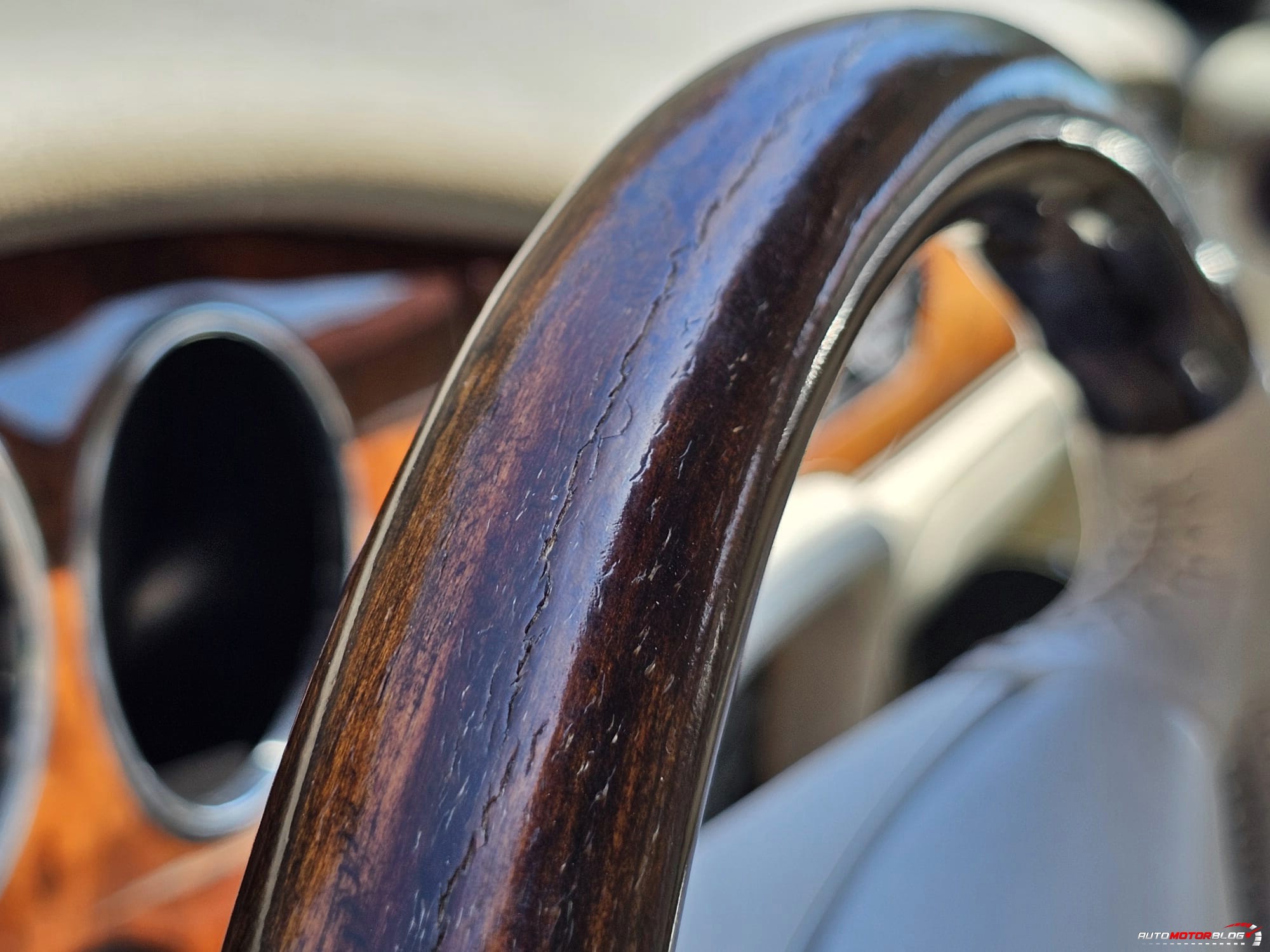
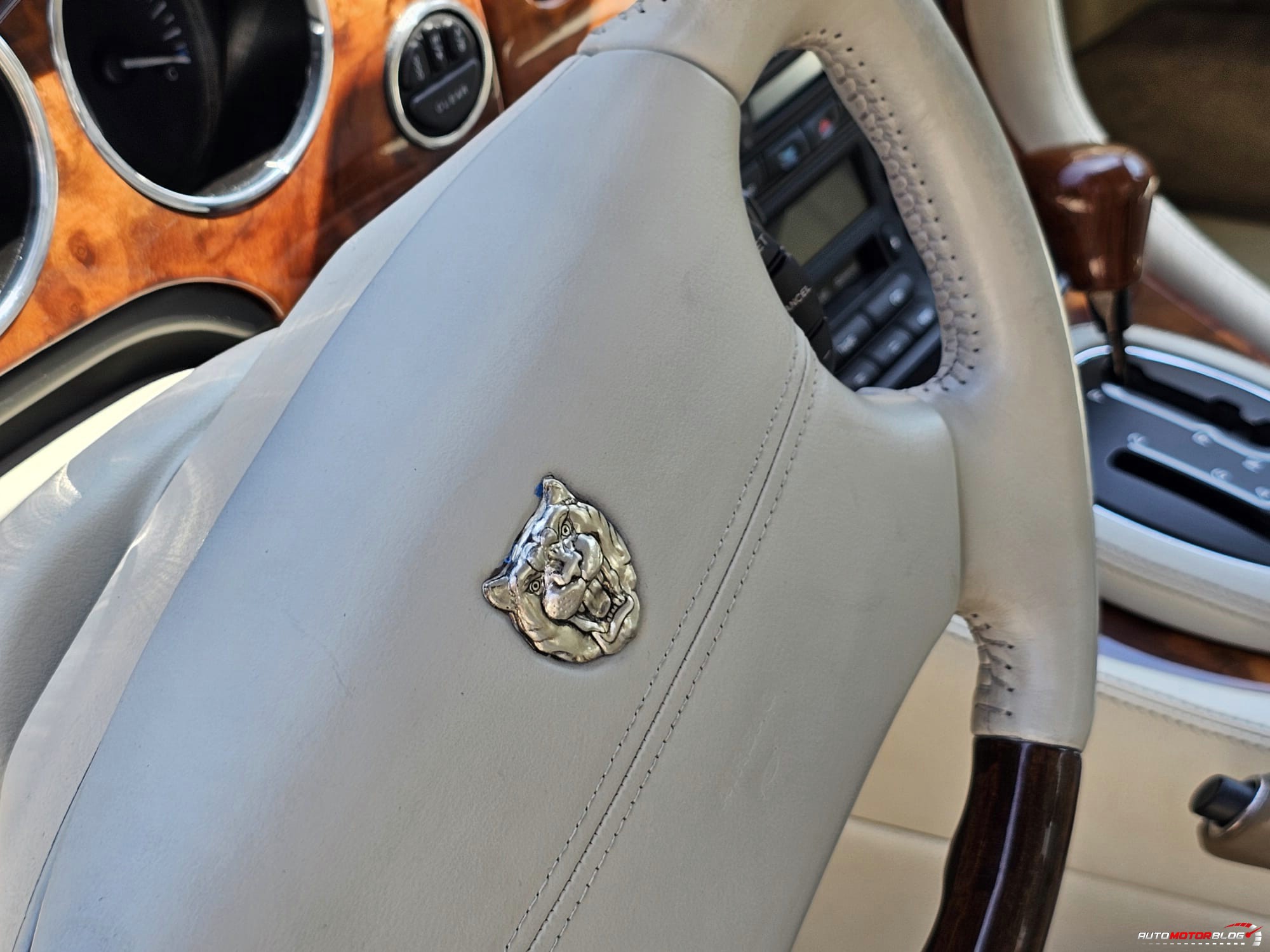
And the steering wheel is very interesting, dressed in Ivory leather and wood, matching the dashboard and center console.
Today, many cars use plastic with imitation wood or carbon fiber, eco-leather instead of natural leather, aluminum or imitation, or black elements to create a sporty atmosphere. Jaguar goes in the opposite direction. My Jaguar has the highest quality materials, real wood, natural leather, chrome elements that look like new after almost 30 years, etc. It is elegant. It is warm. It is aristocratic.
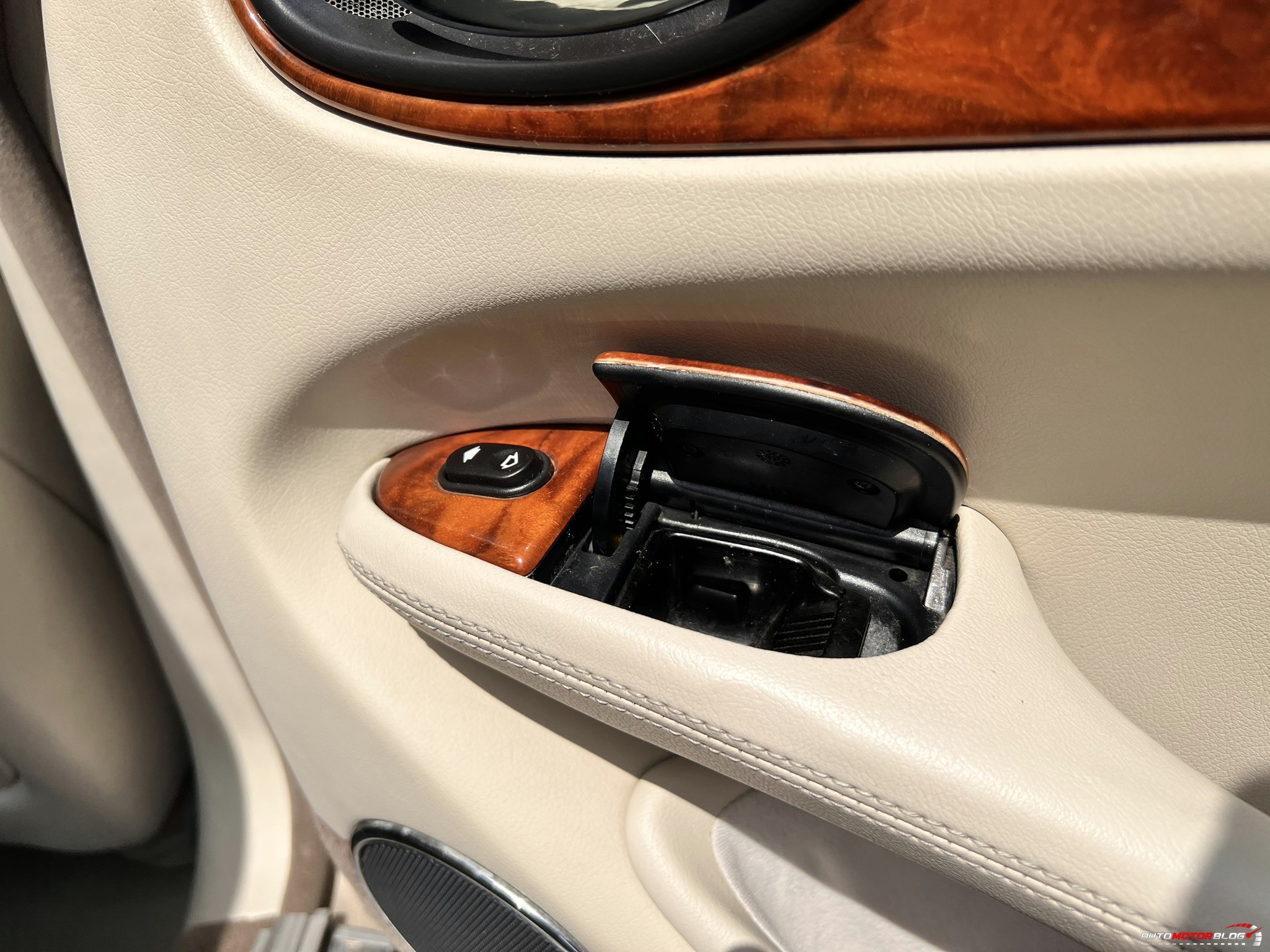
The back seat is very comfortable. Passengers also benefit from seat heating. There are curtains for the rear window, a detail that emphasizes the premium character of the car. There are also ashtrays for the rear passengers, located on the doors.
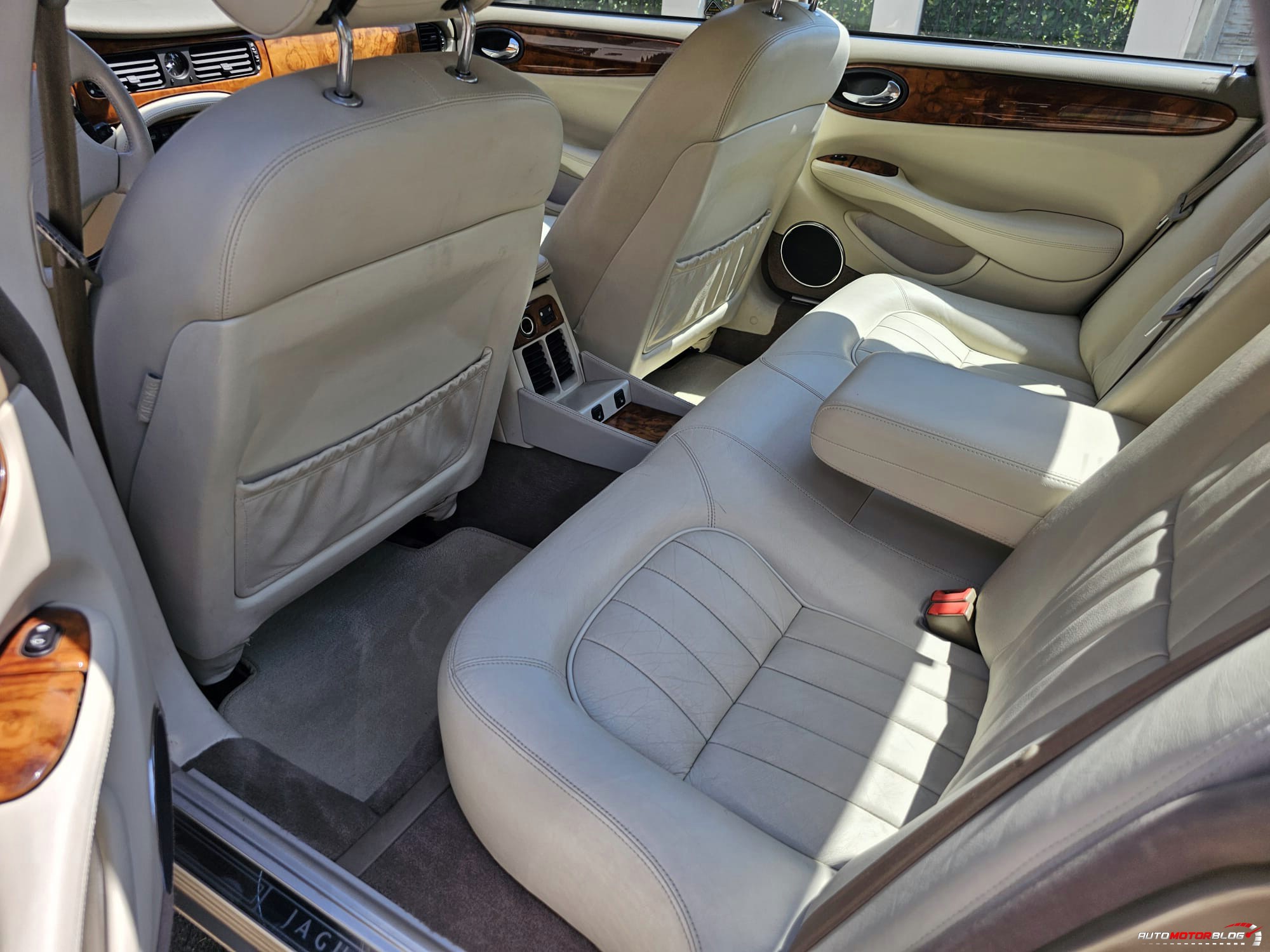
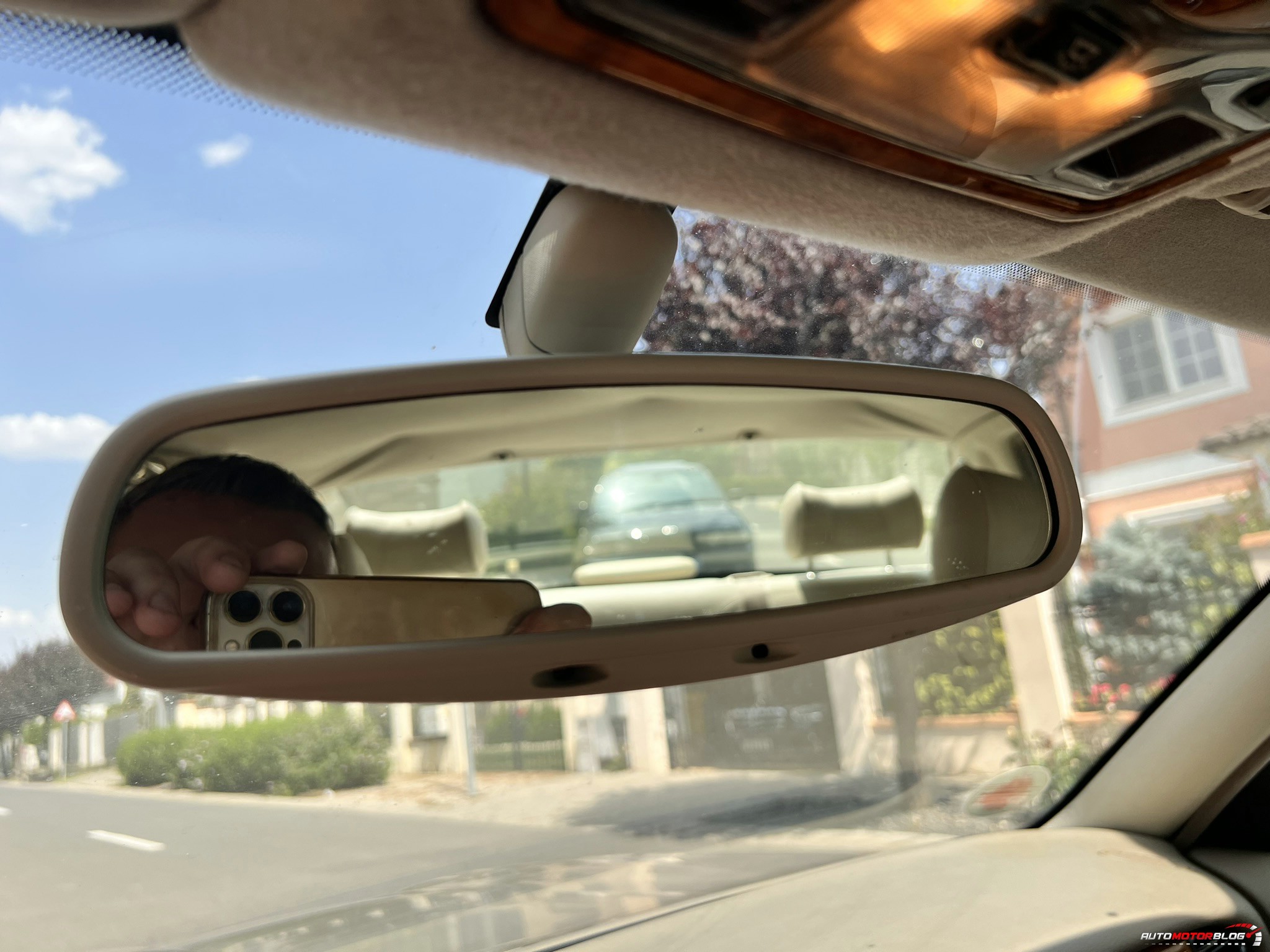
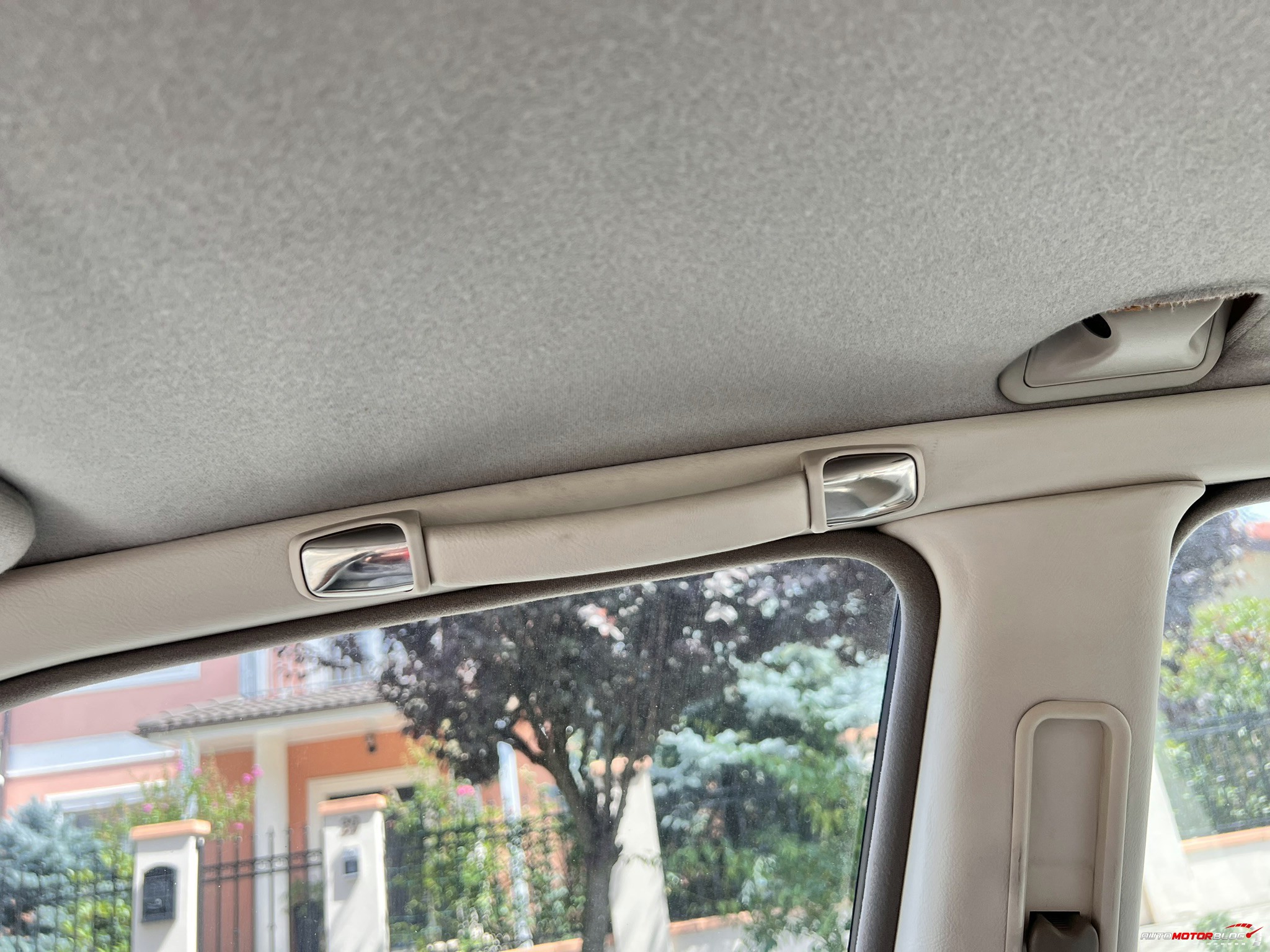
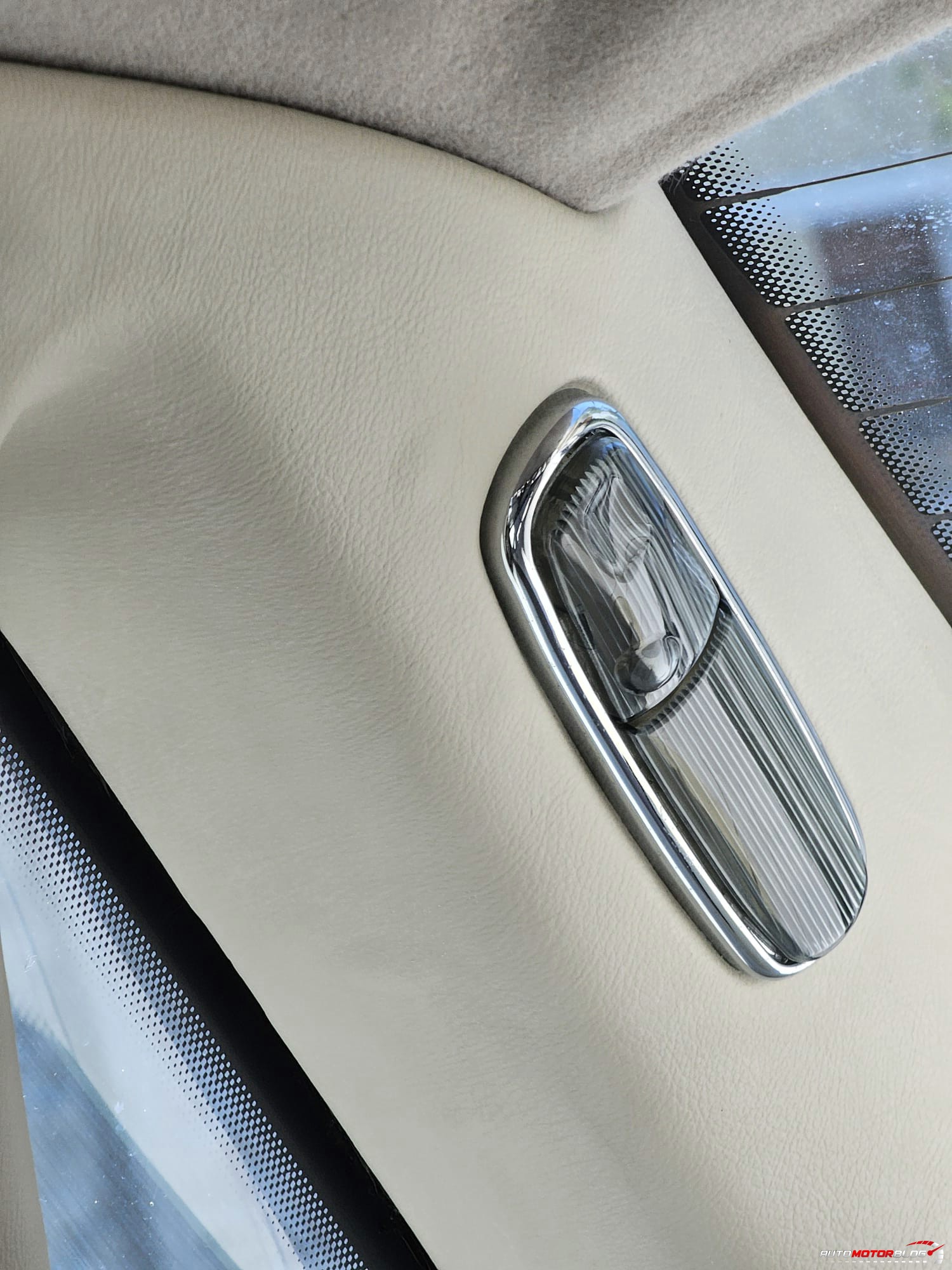
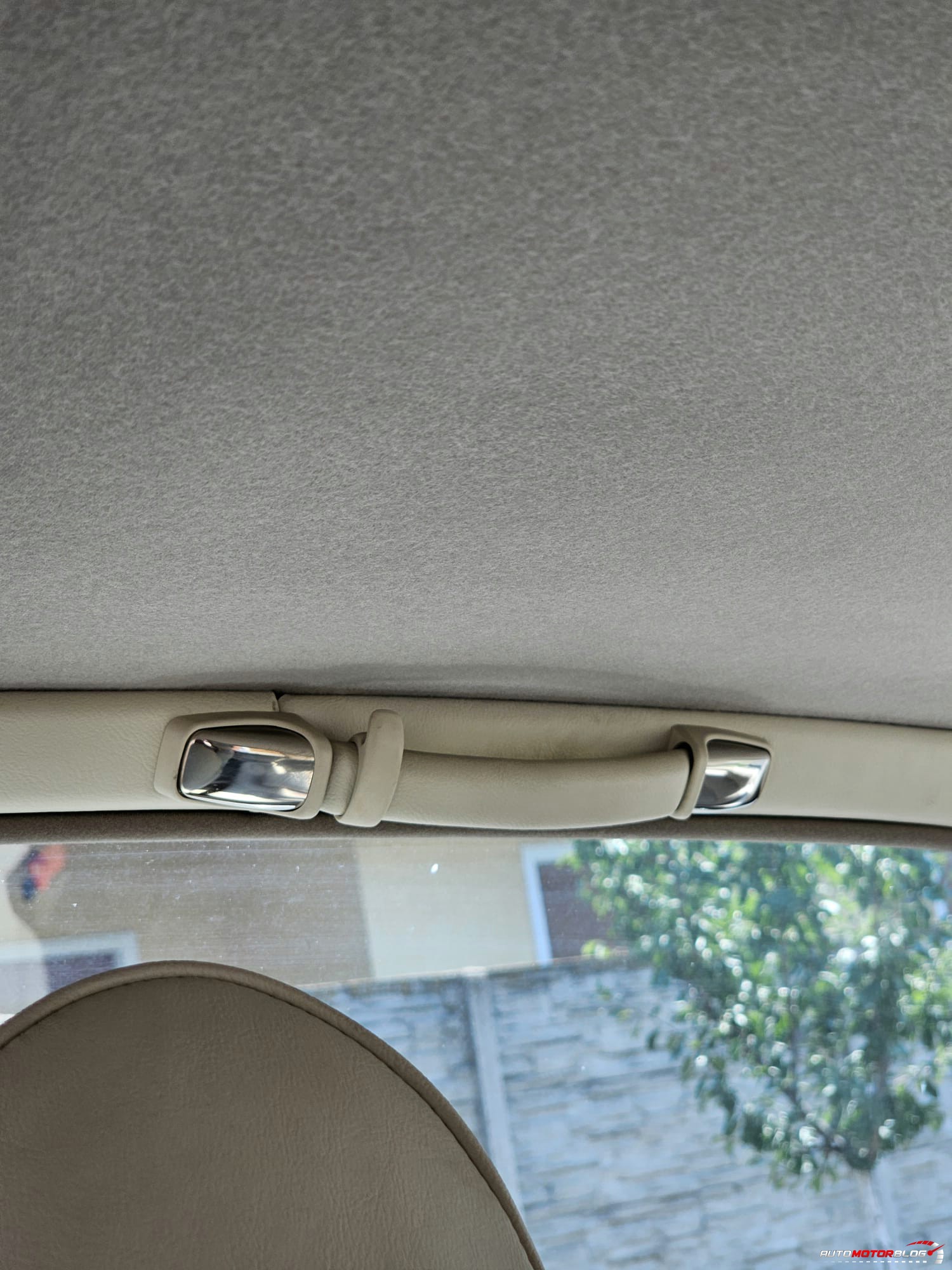
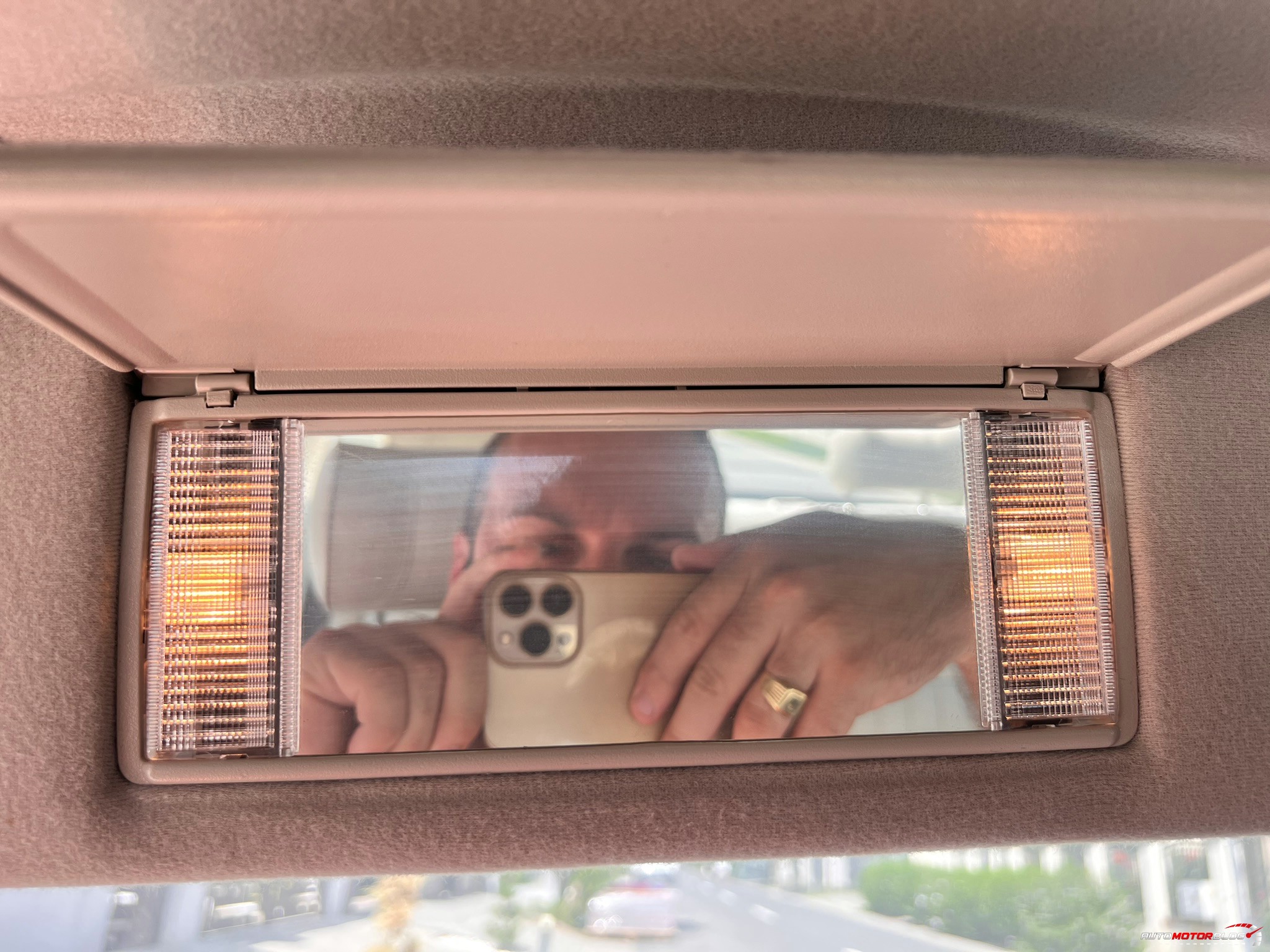
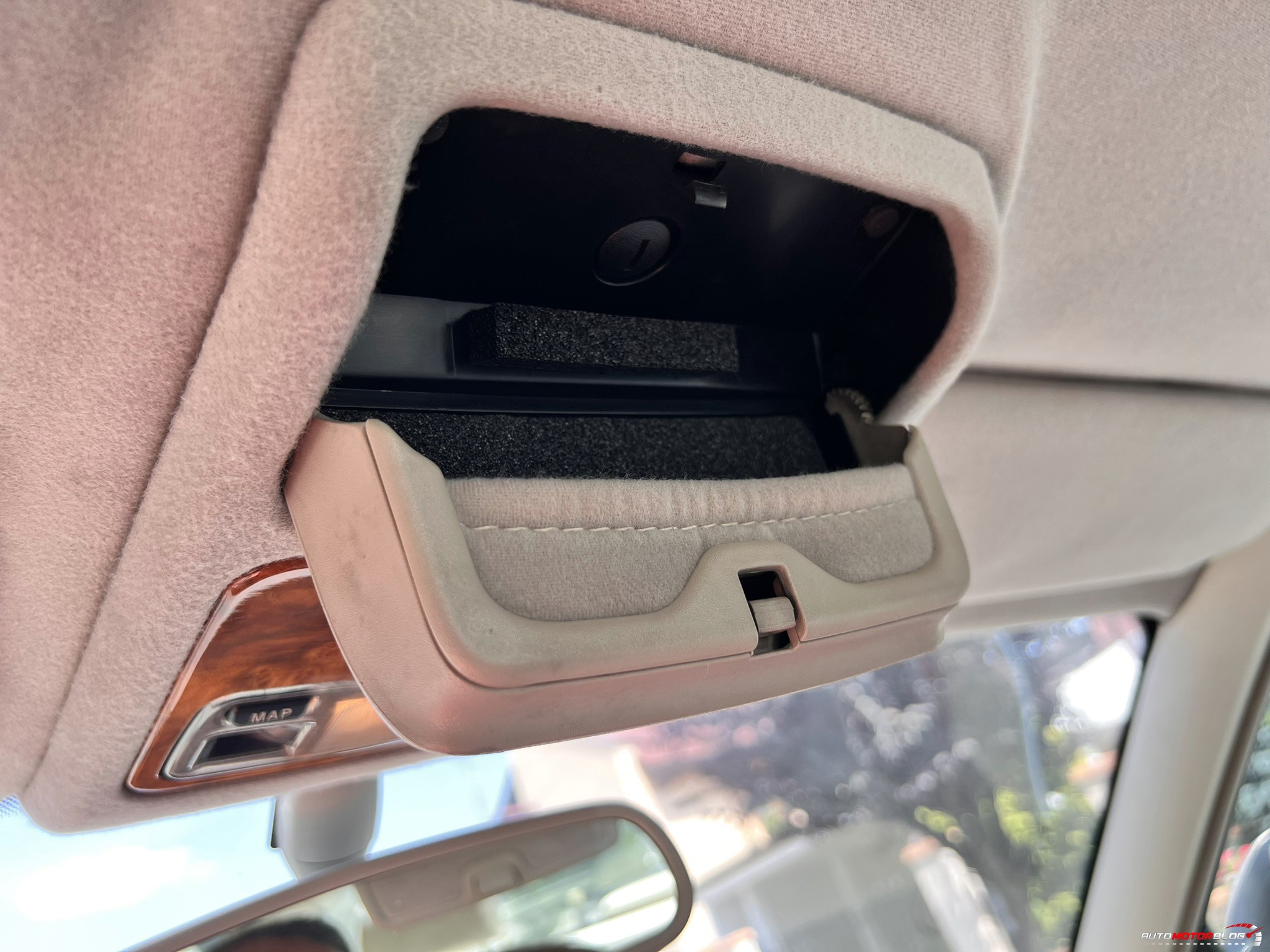
Other features include electric seats with memories, electric windows, cruise control, electric adjustable steering wheel, glasses holder located above the driver (ceiling).
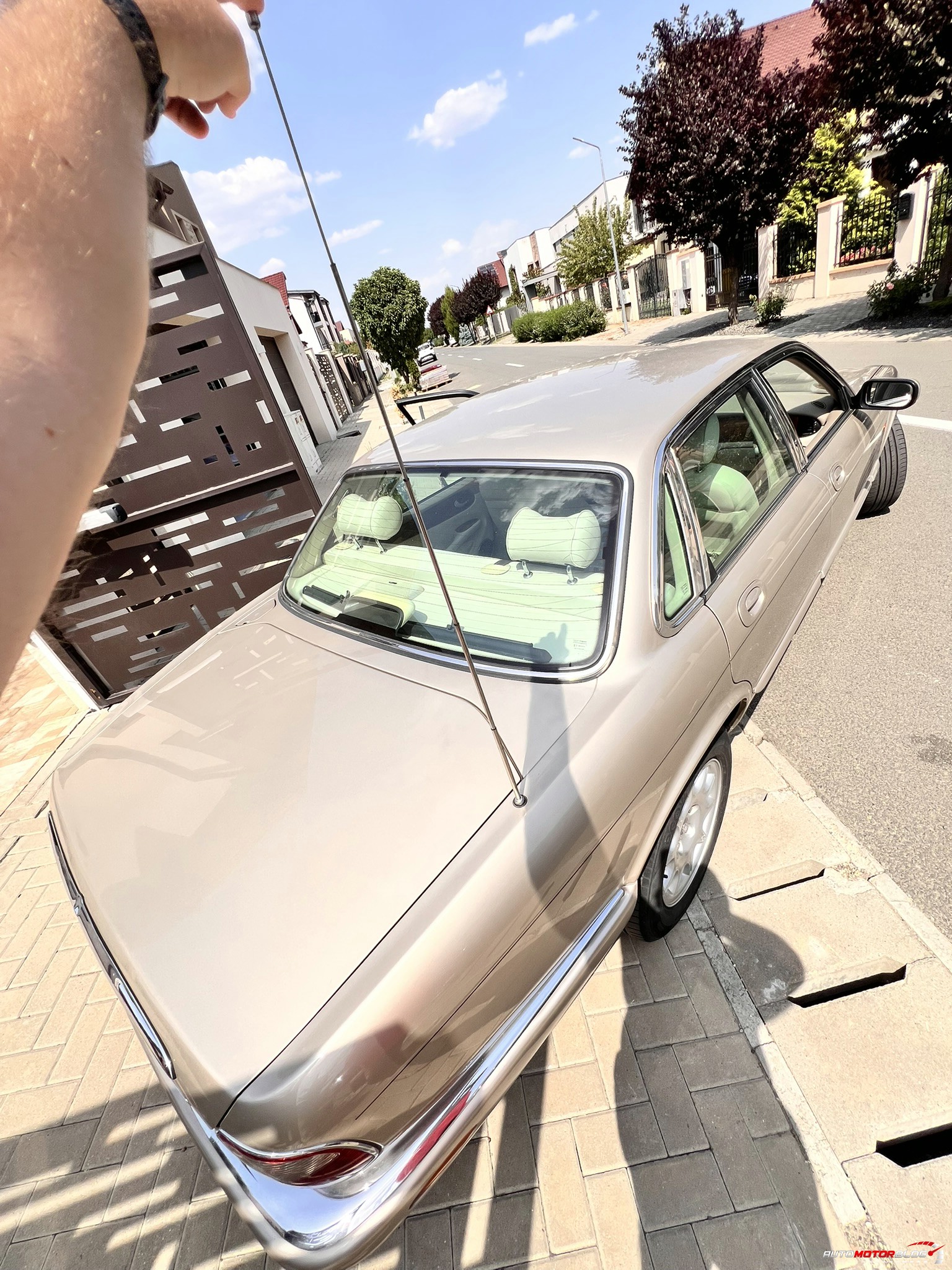
As for the sound system, the car is equipped with the Alpine car system, which sounds quite good, but does not excel in this regard. The sound is refined, but it is not a car to turn up the volume to the maximum, because it is a luxury car designed for peace, comfort, and relaxation while driving. I like the antenna near the trunk that rises when I turn on the radio, and when it stops, it retracts gently and smoothly back.
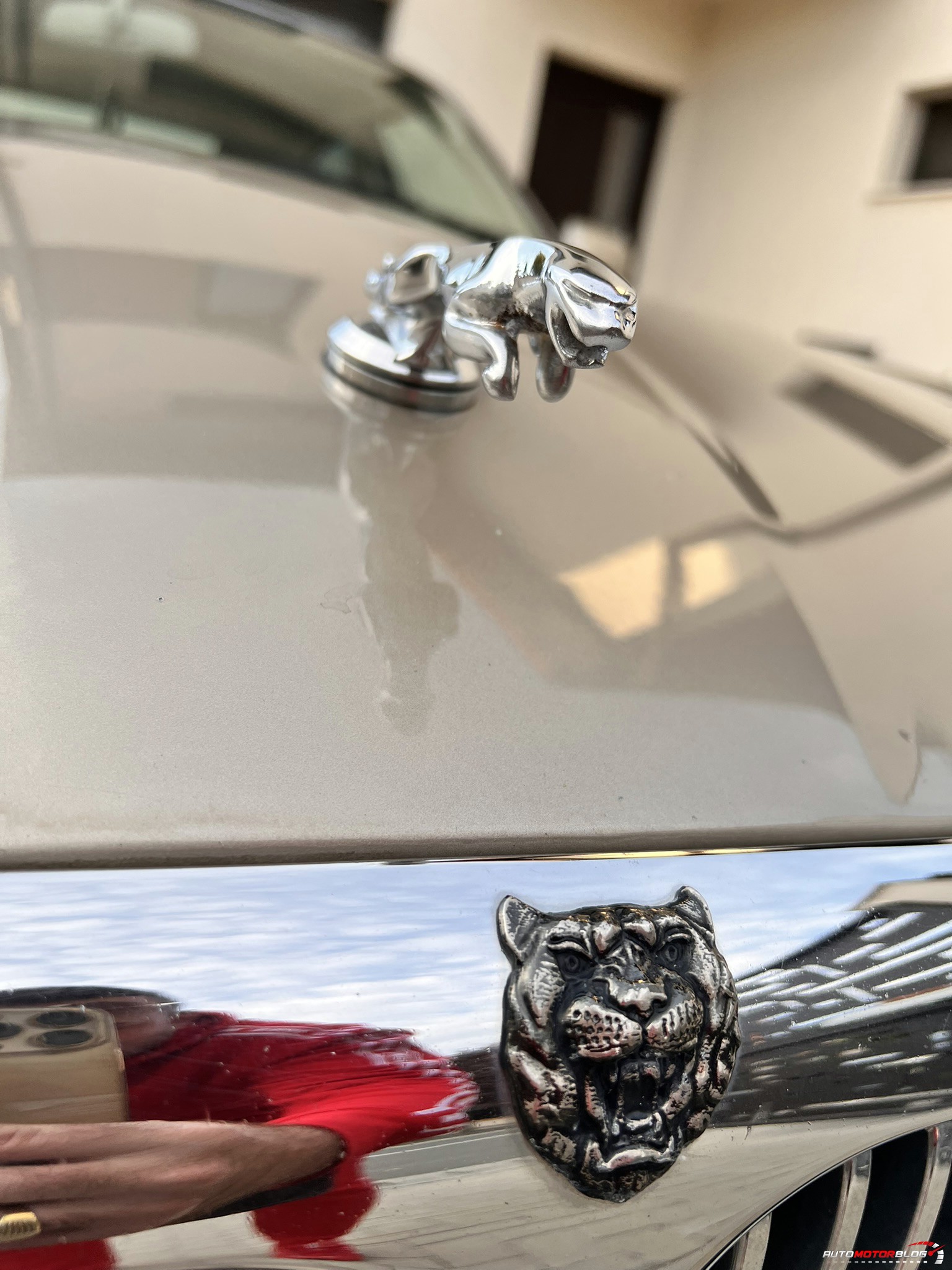
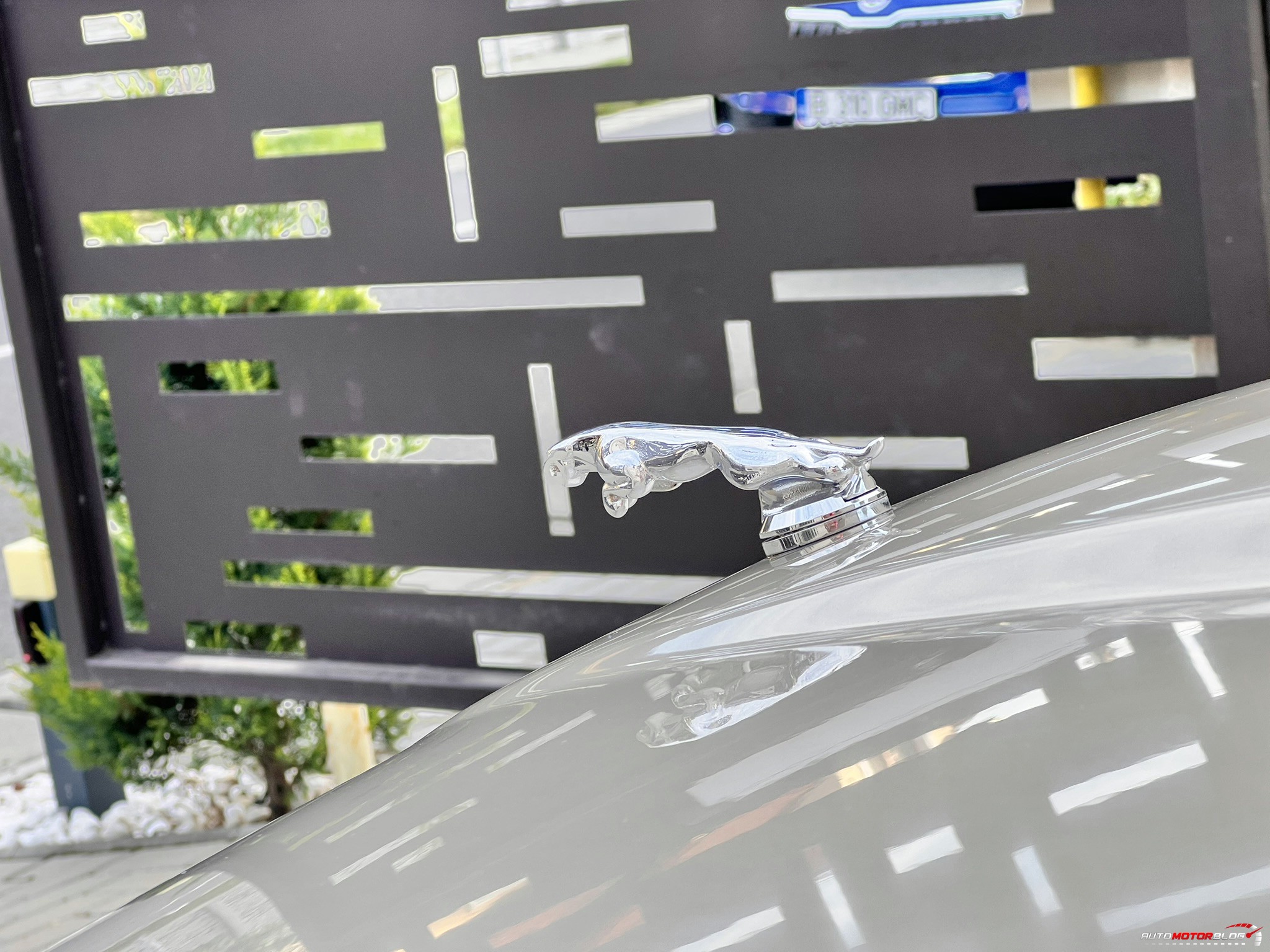
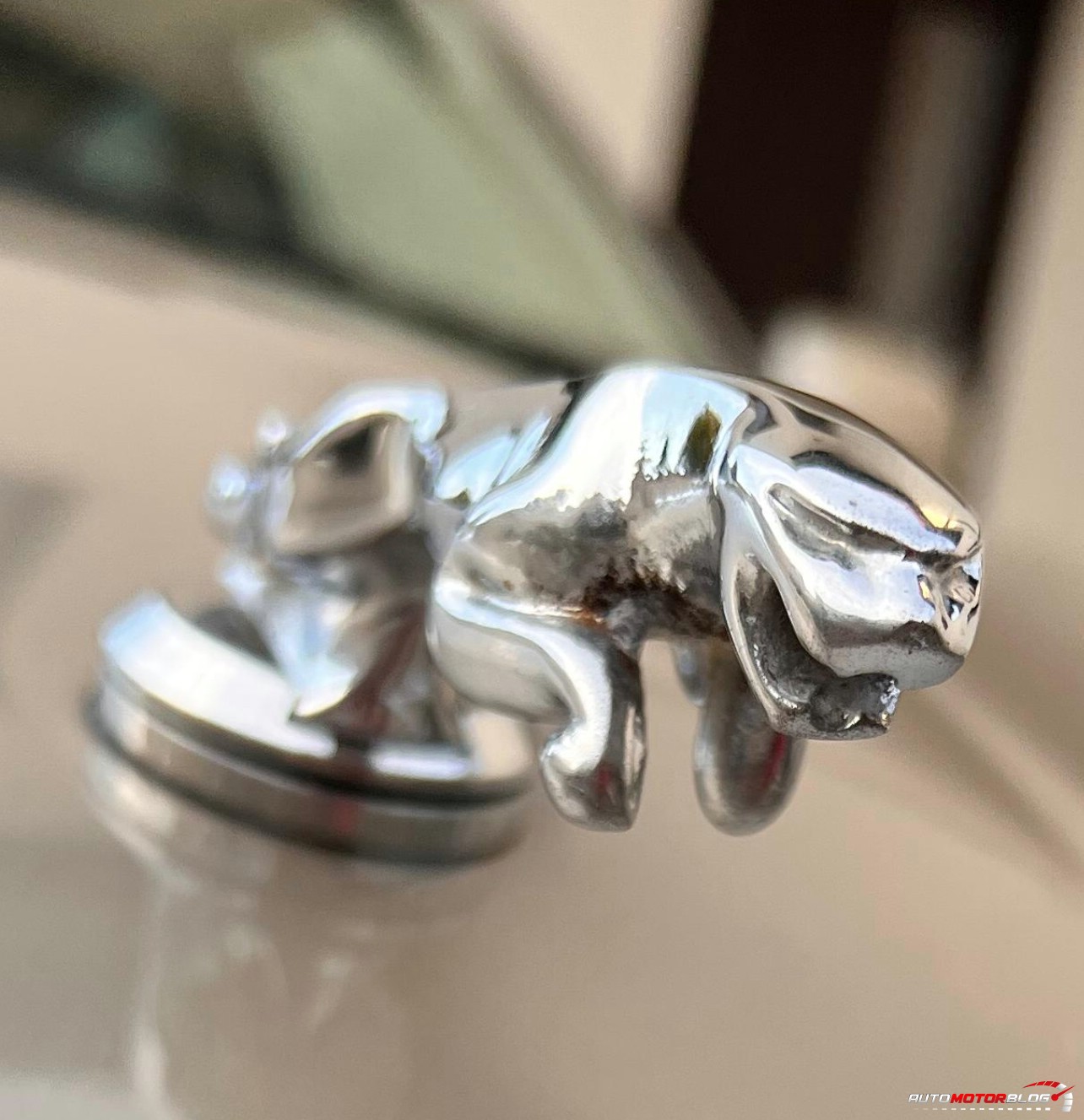
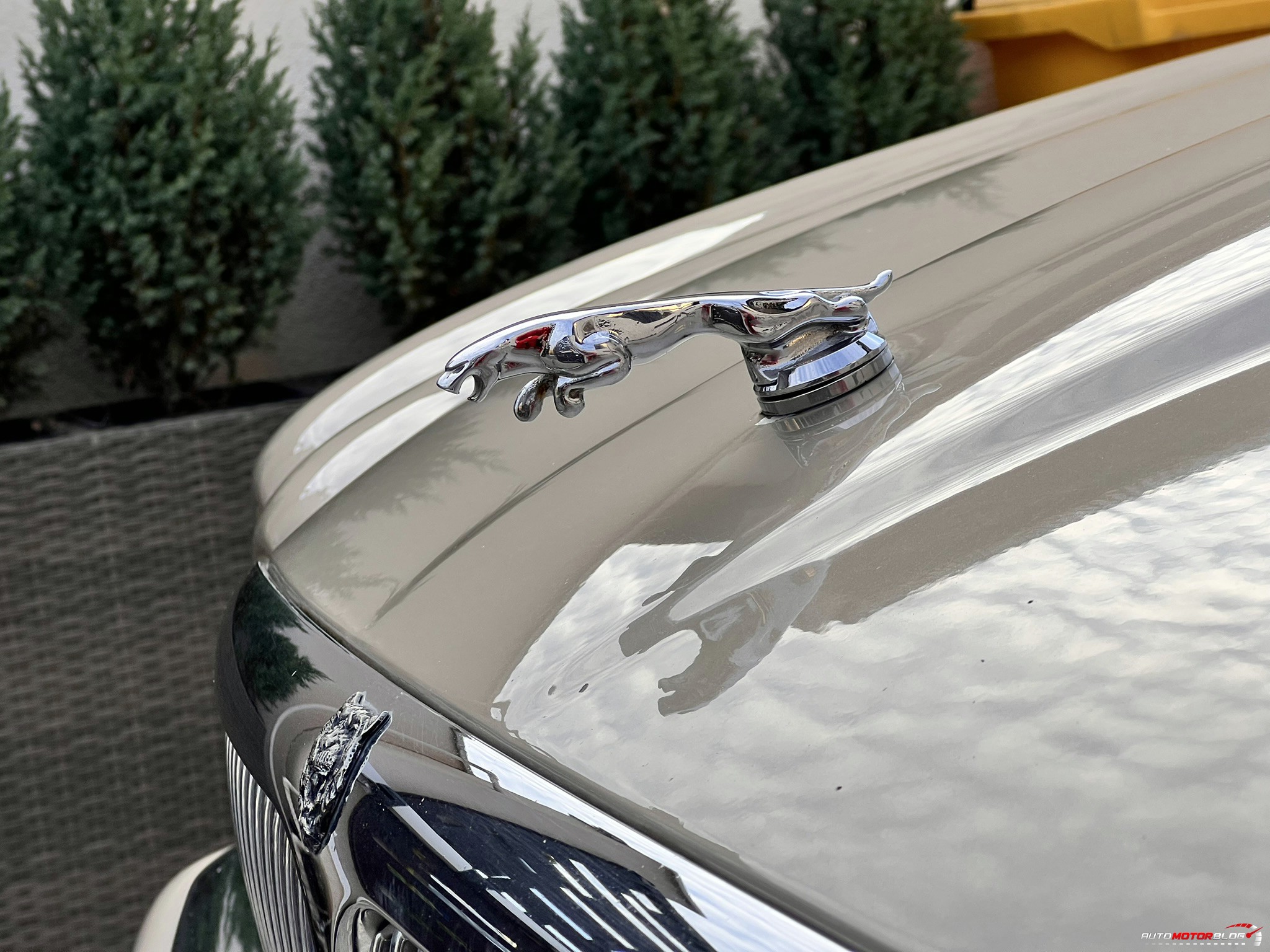
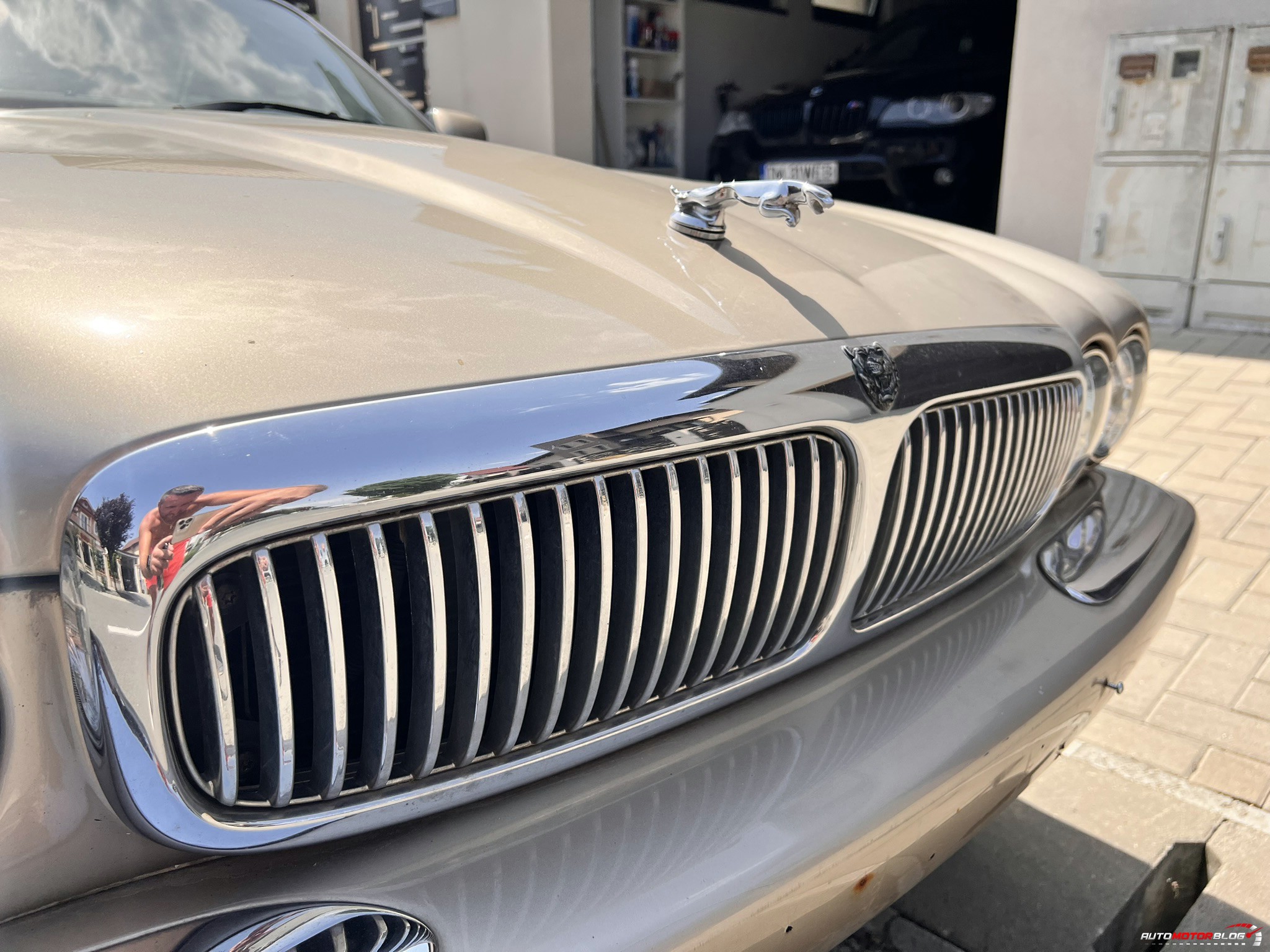
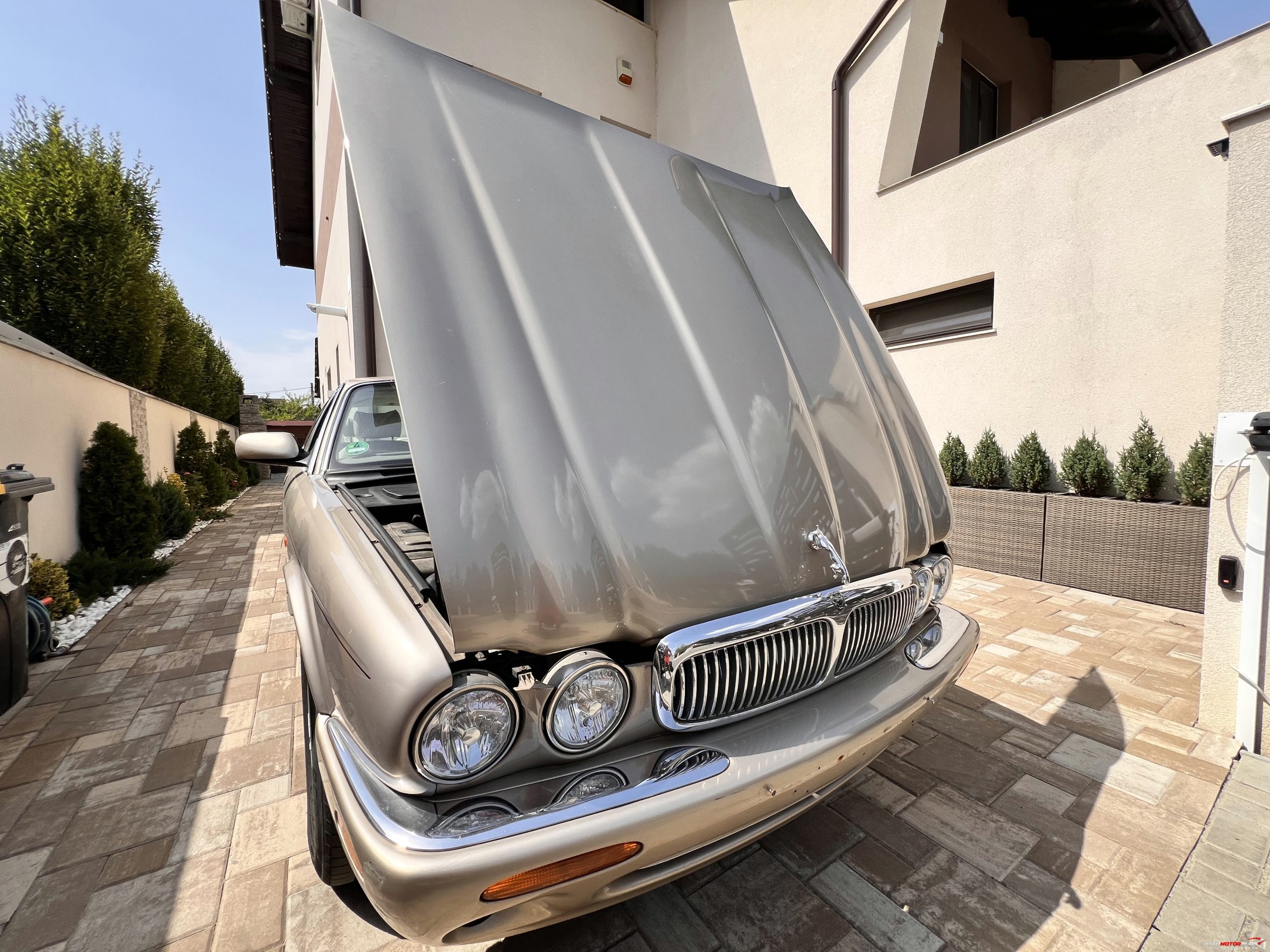
An important thing is the silence in the cabin. The car was built for comfort. I can say that the comfort is at the level of Rolls-Royce from the 90s to the 2000s, and the driving sensation is also similar. The feeling when you get behind the wheel and see the long hood with the vertical “Jaguar” ornament is sensational.
The same sensation as with Rolls-Royce or Mercedes-Benz, the models with the logo ornament present vertically on the hood. Too bad that nowadays, new cars no longer come from the factory with these vertical logo ornaments, they are being eliminated by car manufacturers for reasons of aerodynamics, pedestrian safety, cost reduction, etc.
Features
For a 1998 car, the features are impressive:
- 4.0-liter V8 engine (AJ8)
- Approximately 290 hp
- 5-speed ZF automatic transmission (ZF5HP24)
- Light Ivory leather interior
- Burr Walnut wood inserts
- Chrome elements inside and out
- Electric seats with memory
- Heated rear seats
- Electric windows
- Electric adjustable steering wheel
- Cruise control
- Rear window blinds
- Alpine audio system
I especially like the combination of technology and classic design.
The features are not just added to impress on paper. They are integrated into the driving experience.
The Alpine audio system is another important element.
For a car that is almost three decades old, the level of equipment is very good.
Performance
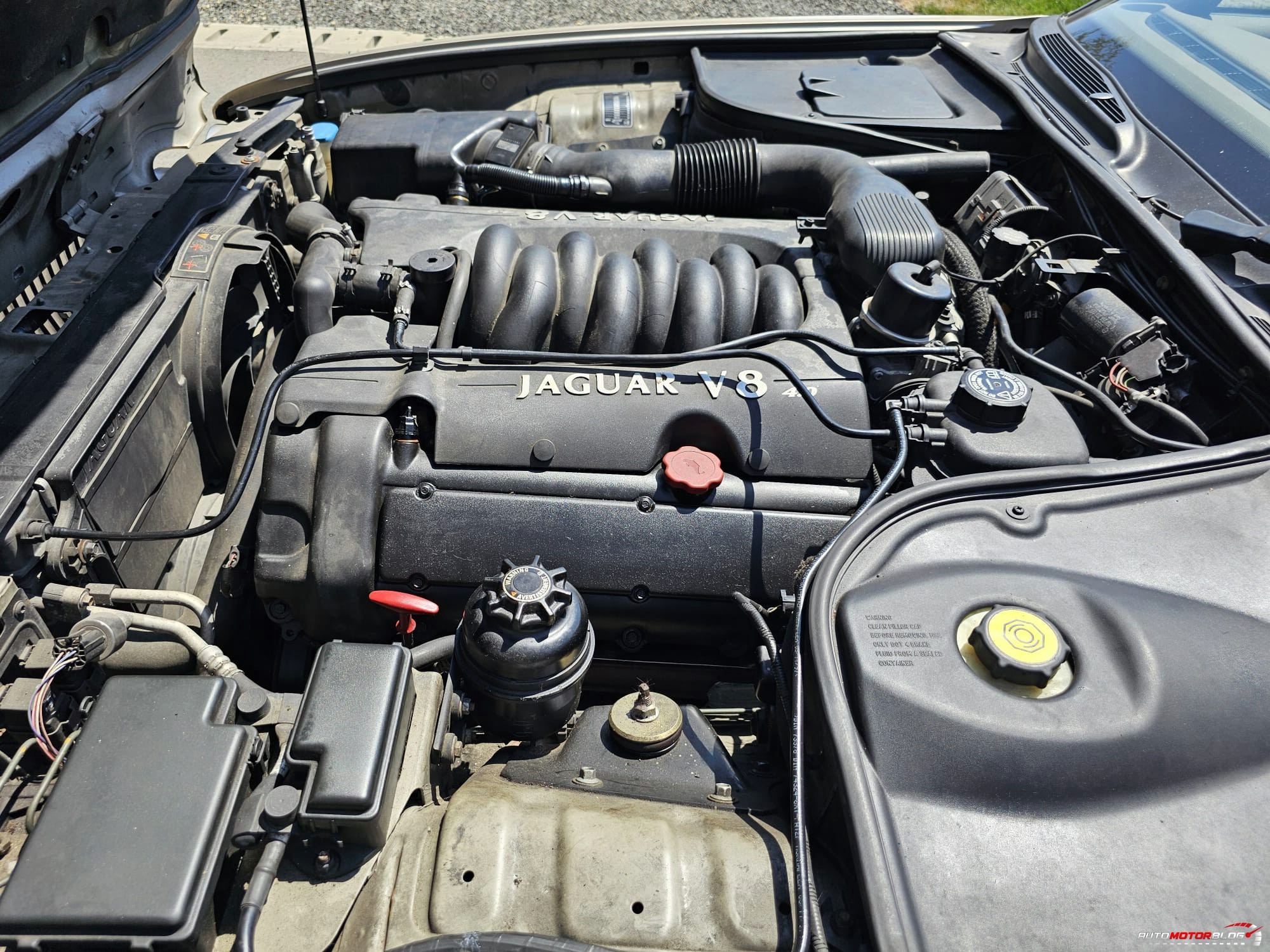
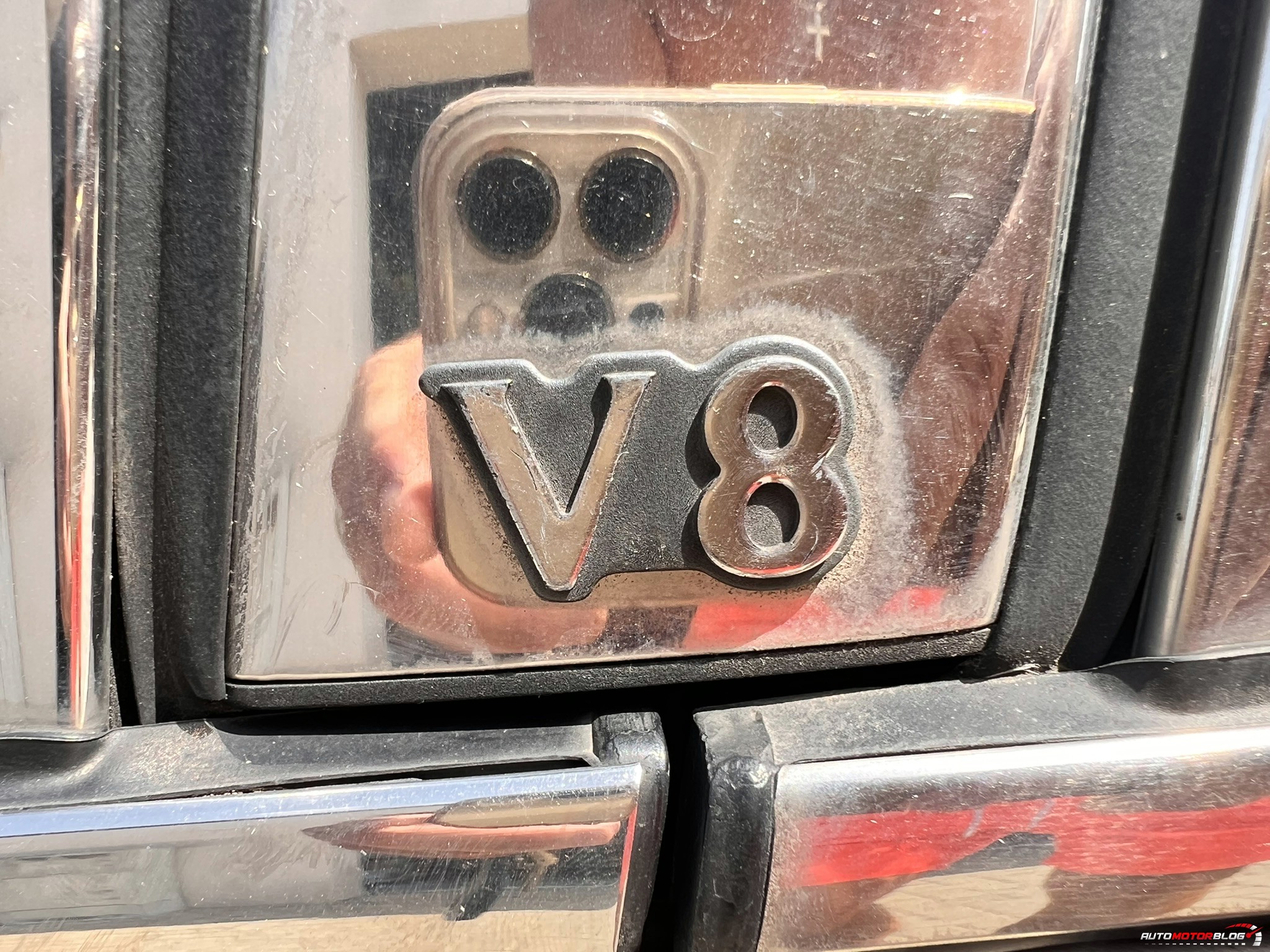
The 4.0-liter naturally aspirated V8 engine is one of the main technical features of this Jaguar XJ. It is the first XJ in Jaguar history to be equipped with a V8 engine (engine code AJ-V8), eliminating the V6 engines. This engine develops approximately 290 horsepower and is sufficient for a car of this type, neither too little nor too much.
This car is not built for brutal acceleration. The philosophy is different.
The engine delivers power in a linear way. The 5-speed ZF automatic gearbox changes gears without spoiling the comfortable character of the car. On a long road, the engine is relaxed.
It has enough power reserve for overtaking. You don’t have to force the car.
The V8 also has that specific sound. It is discreet when driving normally. When accelerating, however, it reminds you that you have a 4.0-liter engine in front of you that purrs like a Jaguar animal, its torque being 375Nm. It’s one of the things that makes this Jaguar so enjoyable.
The engine is mounted longitudinally at the front, and power is sent to the rear wheels via a ZF 5HP24 automatic transmission. It’s not a front-wheel drive sedan. It has the classic premium car architecture: longitudinal engine + rear-wheel drive + independent suspension.
Why is it so comfortable to drive?
The Jaguar XJ X308 Sovereign uses conventional coil springs and shock absorbers, with independent suspension. This car has coil springs both front and rear.
In addition, the XJ has a very sophisticated Jaguar independent rear suspension for its time.
Jaguar put a lot of emphasis on ride comfort, not on a stiff and sporty suspension.
The car has:
- independent suspension
- coil springs
- shock absorbers
- independent rear suspension
- relatively high-profile tires
- long wheelbase
- very comfortable seats
- well-soundproofed body
All of this contributes to that feeling of “floating” on the asphalt. It is a feeling rarely found even in the latest generation of luxury cars.
The car can reach 100km/h in approximately 7.2 seconds, and has a top speed of 240 km/h.
Driving Impressions
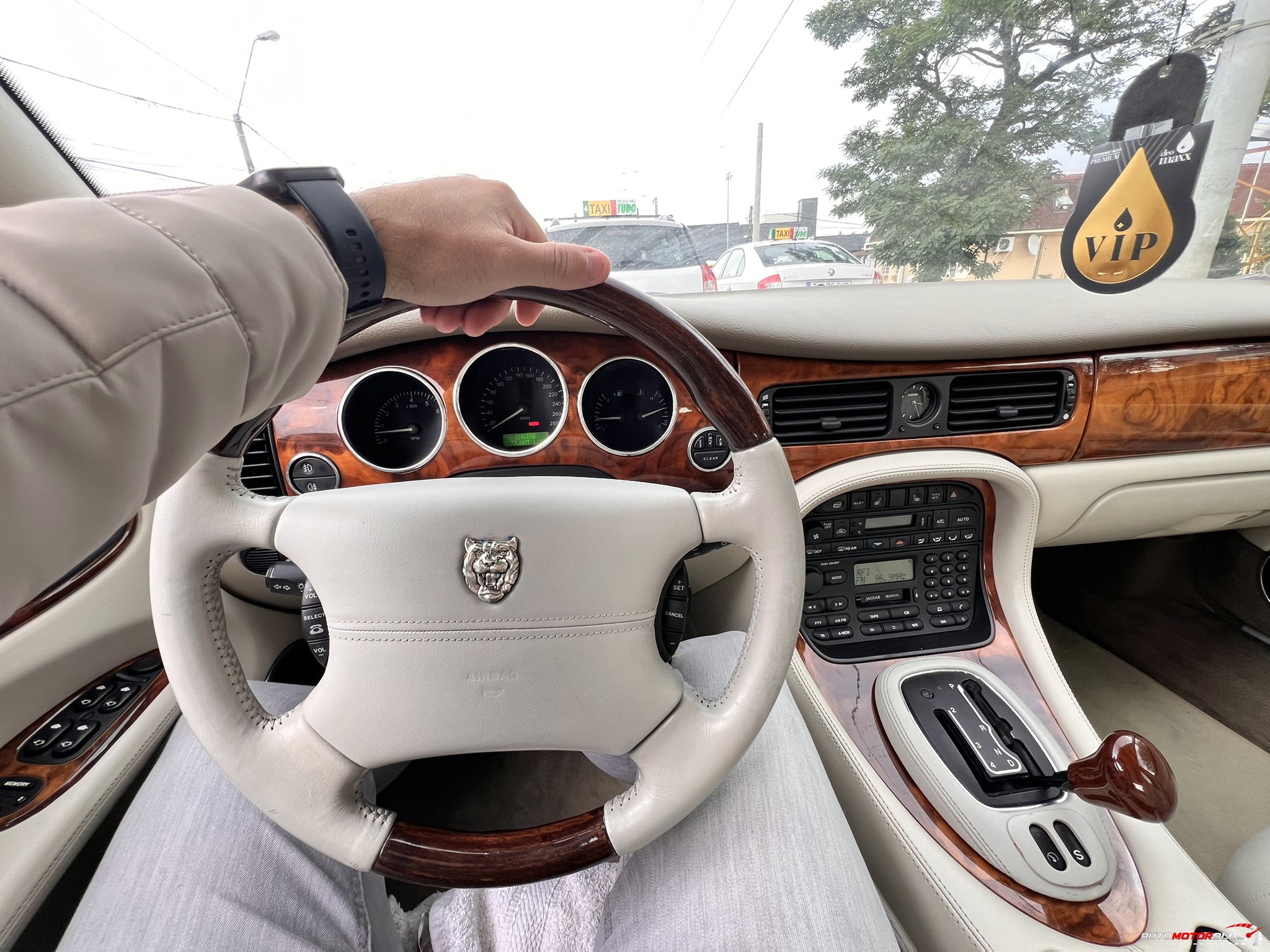
This is where the Jaguar XJ really won me over. Why?
From the first key, I realized that I was dealing with a superb car that would not disappoint me, and it was, even far beyond expectations! The car drives extremely smoothly. The steering is pleasant. The suspension filters the bumps very well.
The automatic transmission contributes enormously to comfort. While driving, I feel the sensation of an extremely expensive car, the long hood with the vertical Jaguar emblem is prominently visible, plus the comfort and soundproofing at the highest level, the best quality materials, natural leather, and a lot of wood.
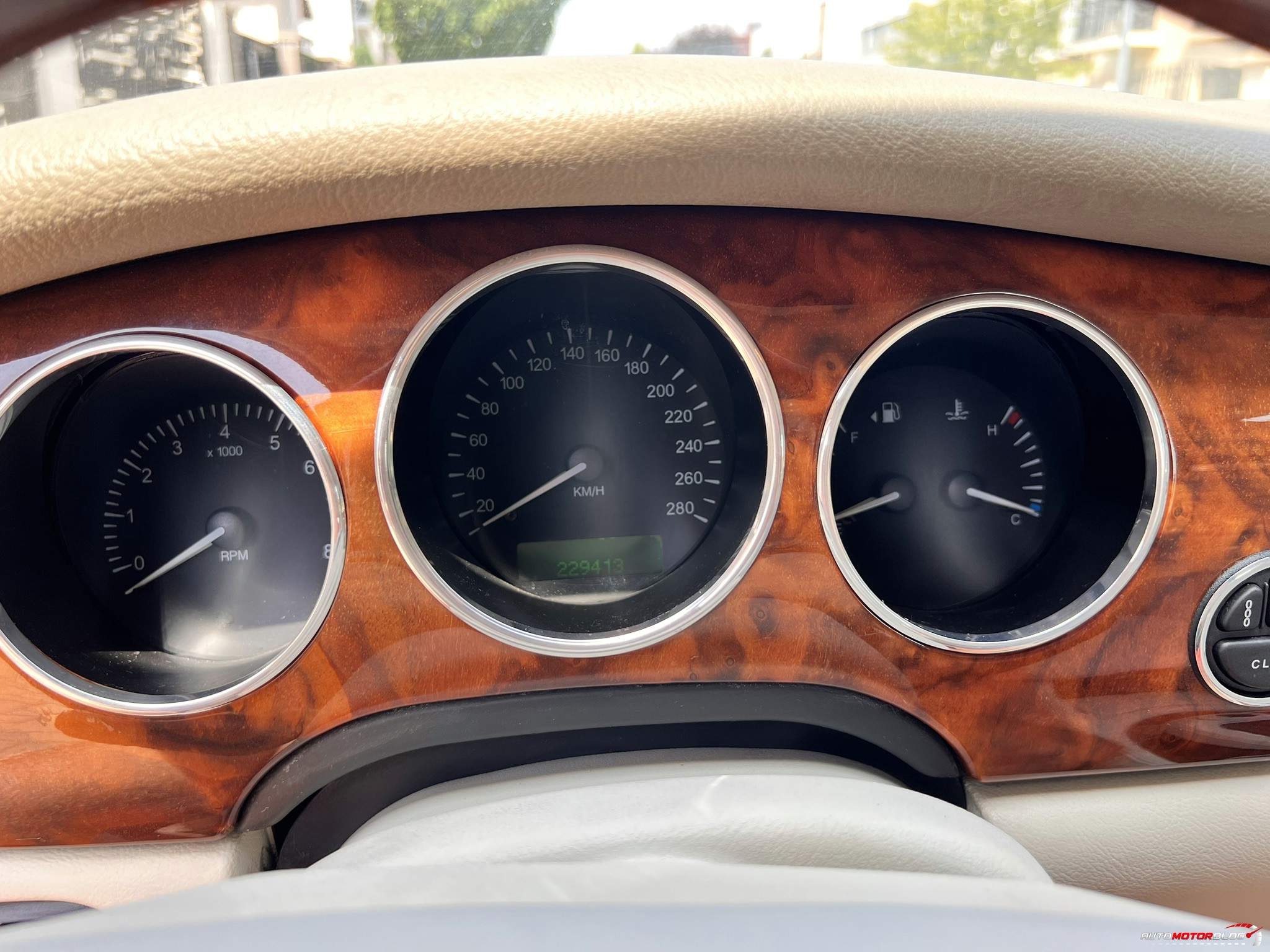
If you drive the car at constant speeds (90-100km/h) at 1800rpm, the engine is not heard at all, the car drives smoothly and elegantly, the consumption being somewhere around 8-10 liters constantly at this speed.
The aggressive V8 engine sound appears only when we activate the Sport mode by pressing the S button next to the gearshift, and only when we press the pedal and reach speeds over 4000rpm. The car makes an incredibly beautiful V8 sound, thanks to British engineering at the highest level of that period. Consumption can reach 25-40 liters constantly at high speeds during aggressive driving.
At highway speeds, the car is very relaxed. You have the impression that the car is floating over the asphalt.
Therefore, the comparison with a Rolls-Royce does not seem exaggerated to me when we talk strictly about comfort and refinement. Obviously, the Jaguar is not a Rolls-Royce. But the feeling of comfort and tranquility can be surprisingly close. The difference is the price.
A Jaguar XJ of this generation (X308) can be bought for a fraction of the price of a classic Rolls-Royce.
In 2025, when I brought the car from Germany, I was primarily looking for a well-preserved example. The condition of the car matters a lot for a car that is almost 30 years old.
Today I am extremely happy with my choice. It is not a car that I drive in a hurry. I drive it for a unique experience, and only on weekends.
I like the fact that people still look after it, which does not surprise me at all. Sometimes it is enough to park somewhere and see how someone turns to look at it, or to take a picture of it. It is a British jewel on 4 wheels.
I am extremely happy with how it drives, you can see the true British engineering that reached its maximum when this Jaguar XJ 4.0 Sovereign was produced.
Interventions Performed
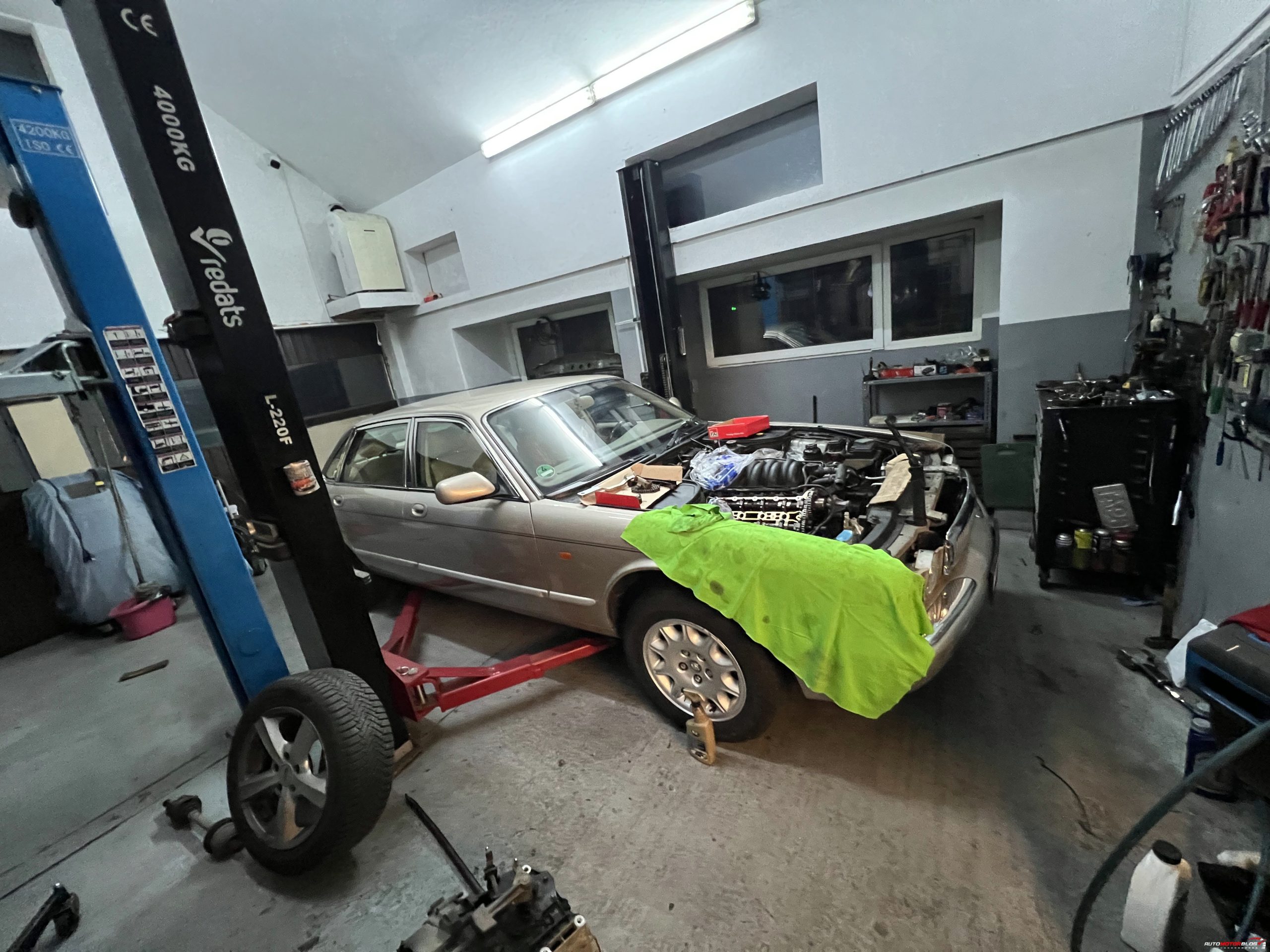
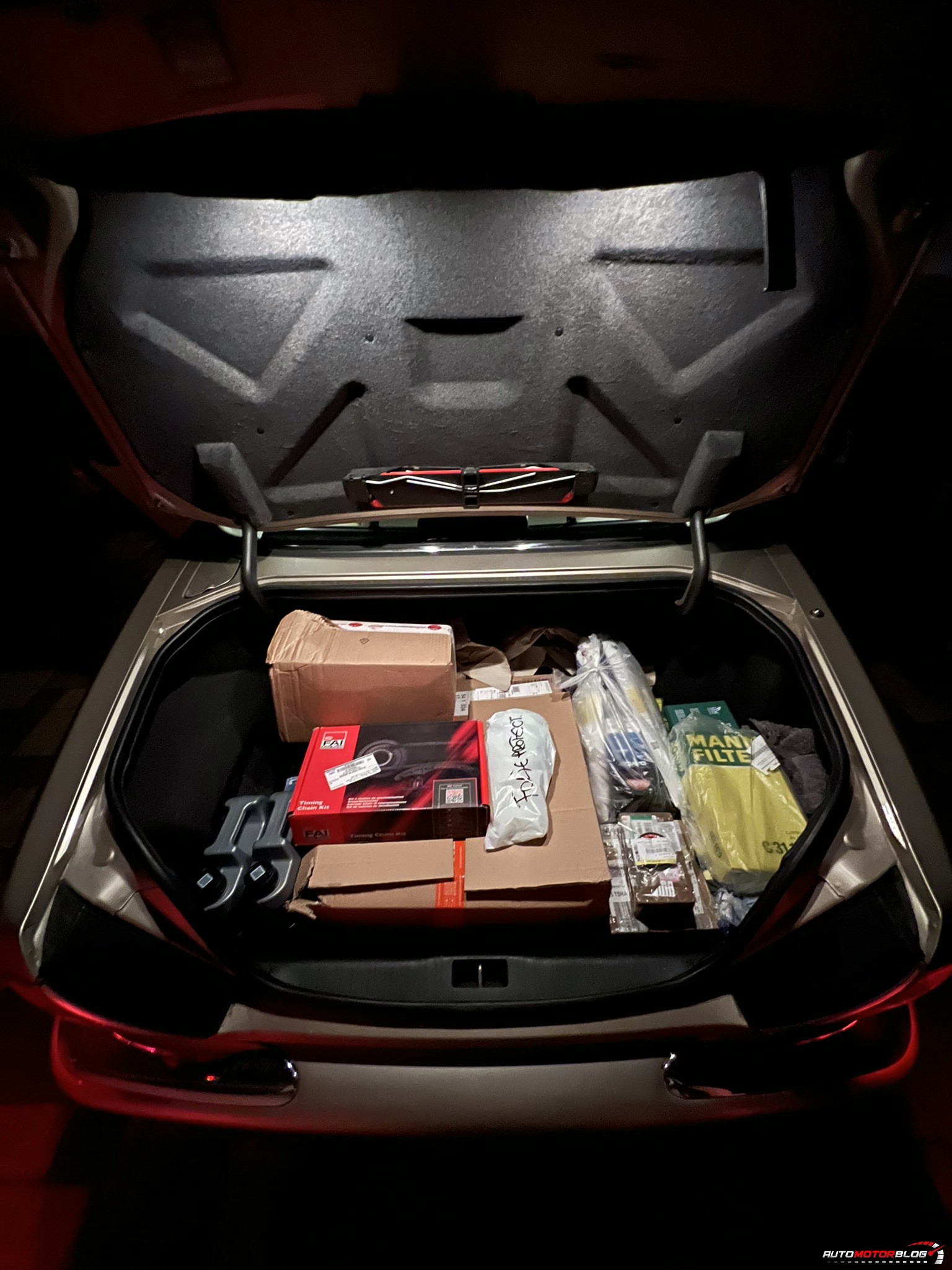
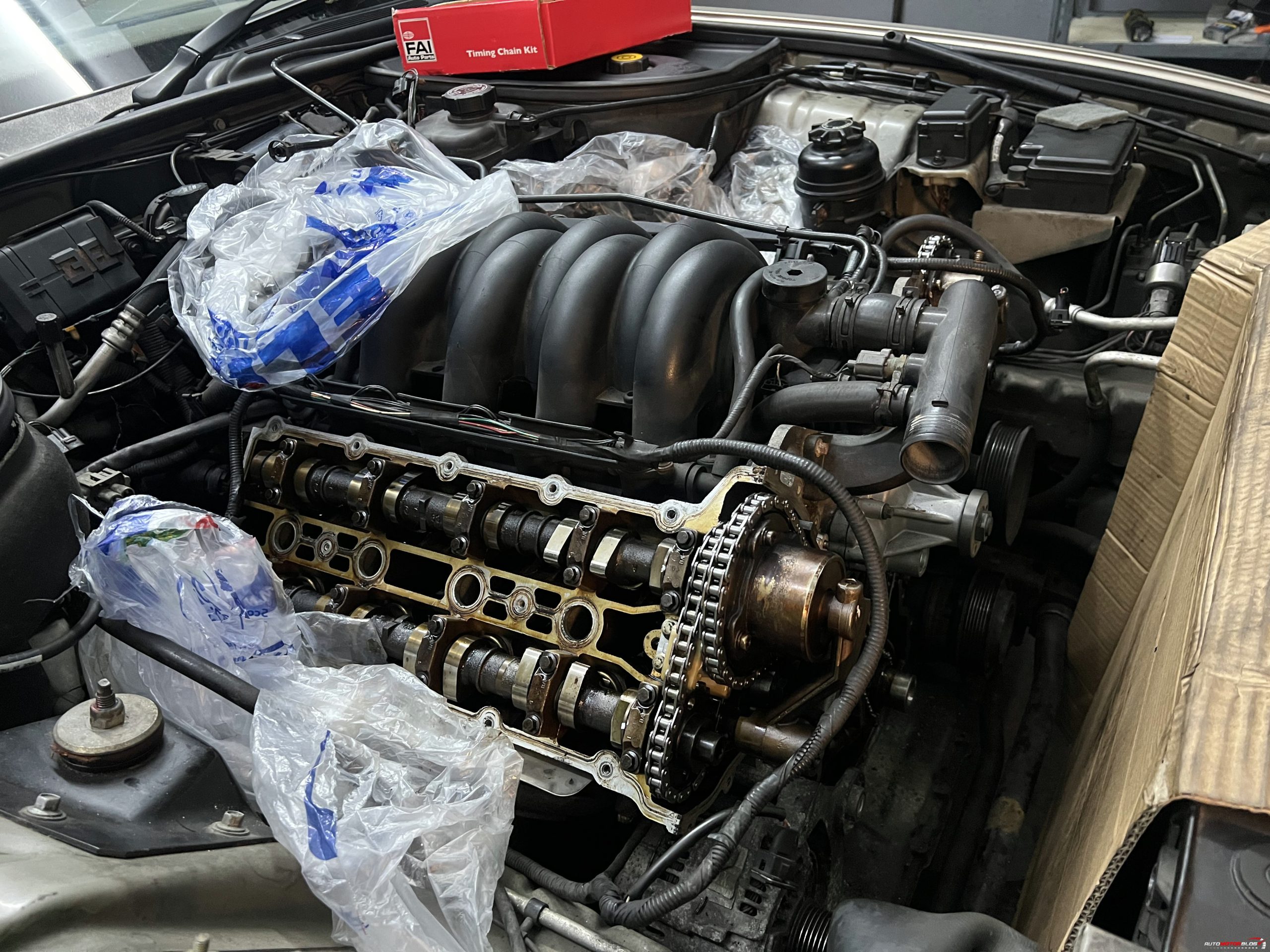
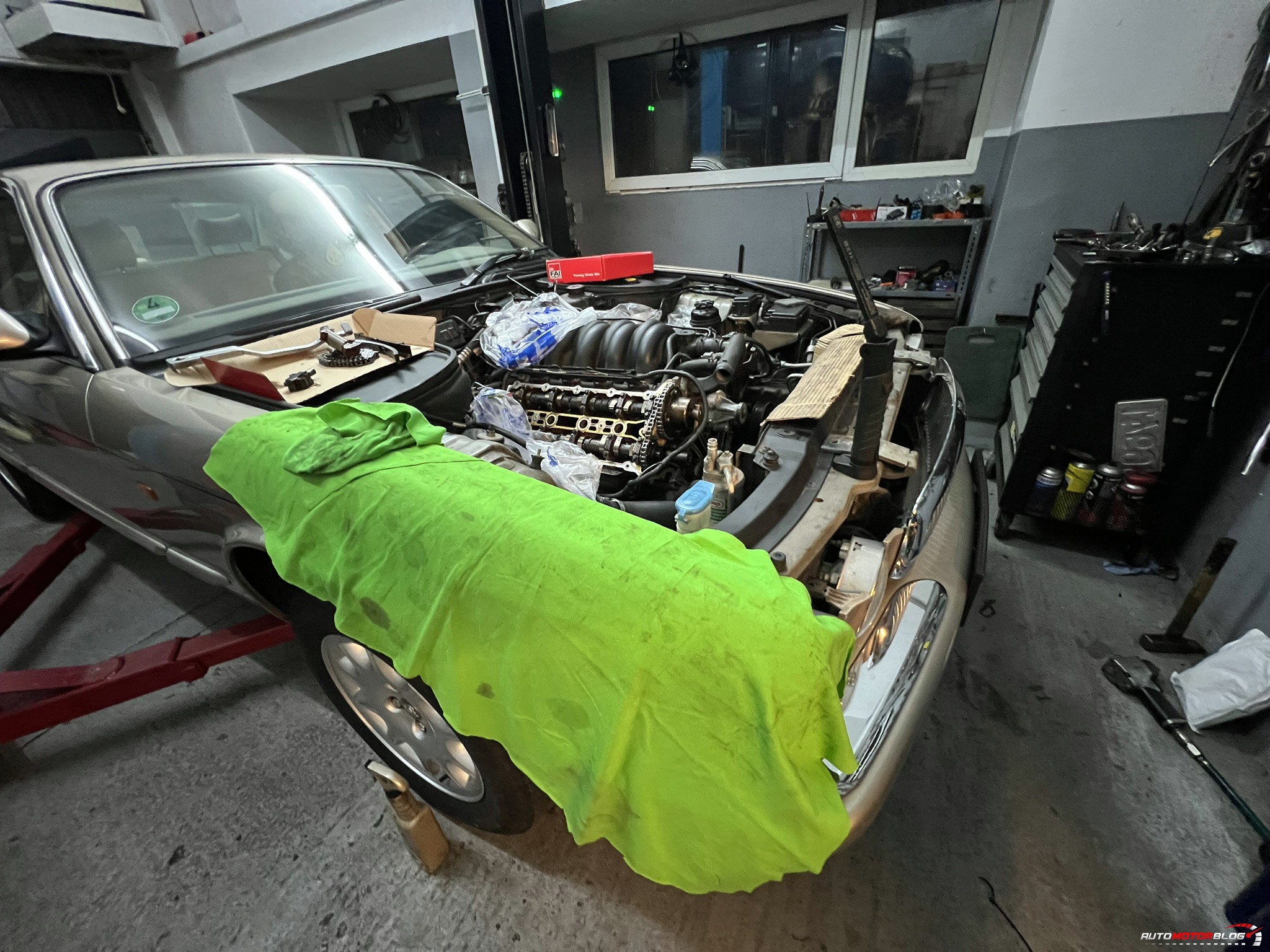
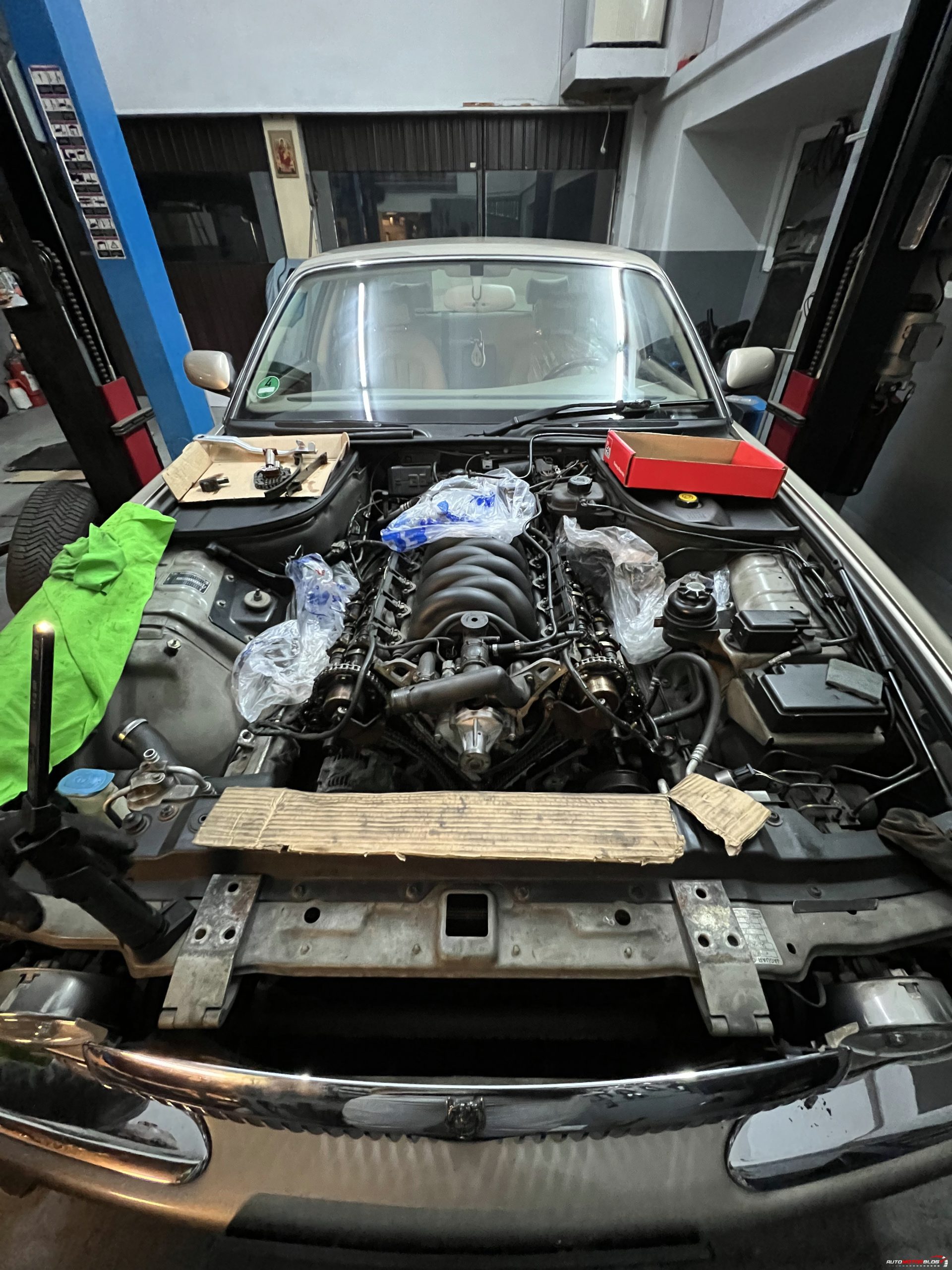
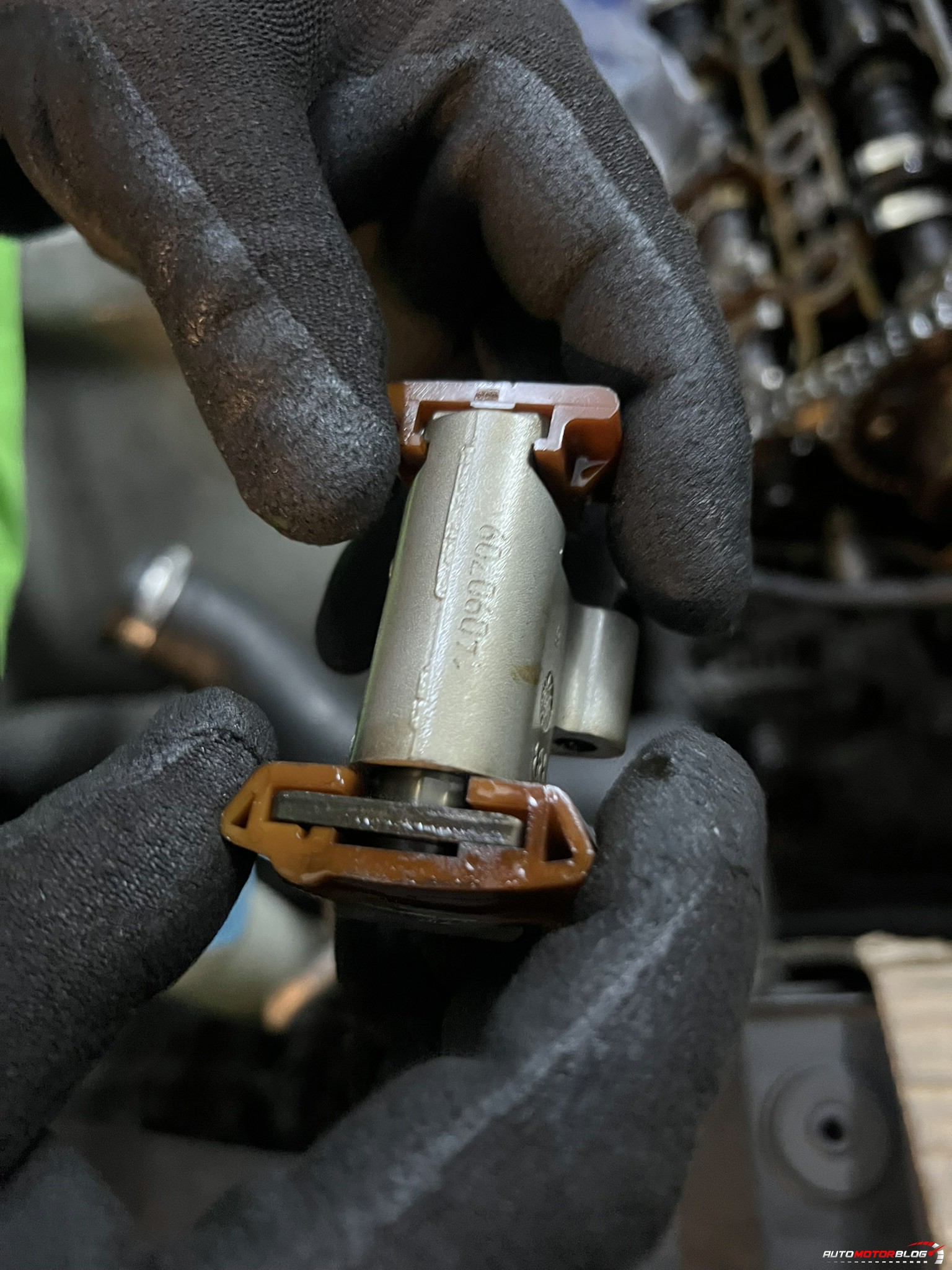
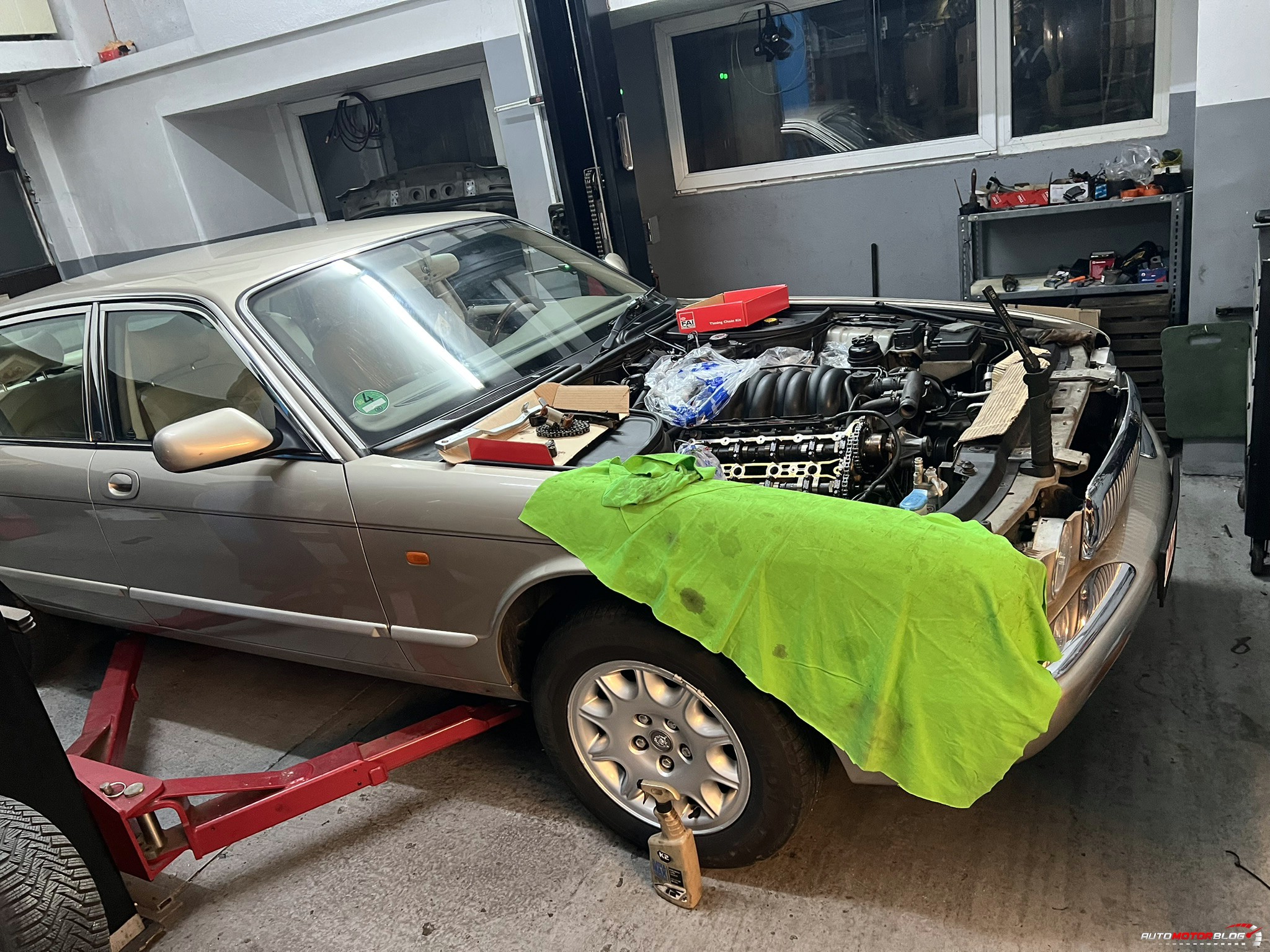
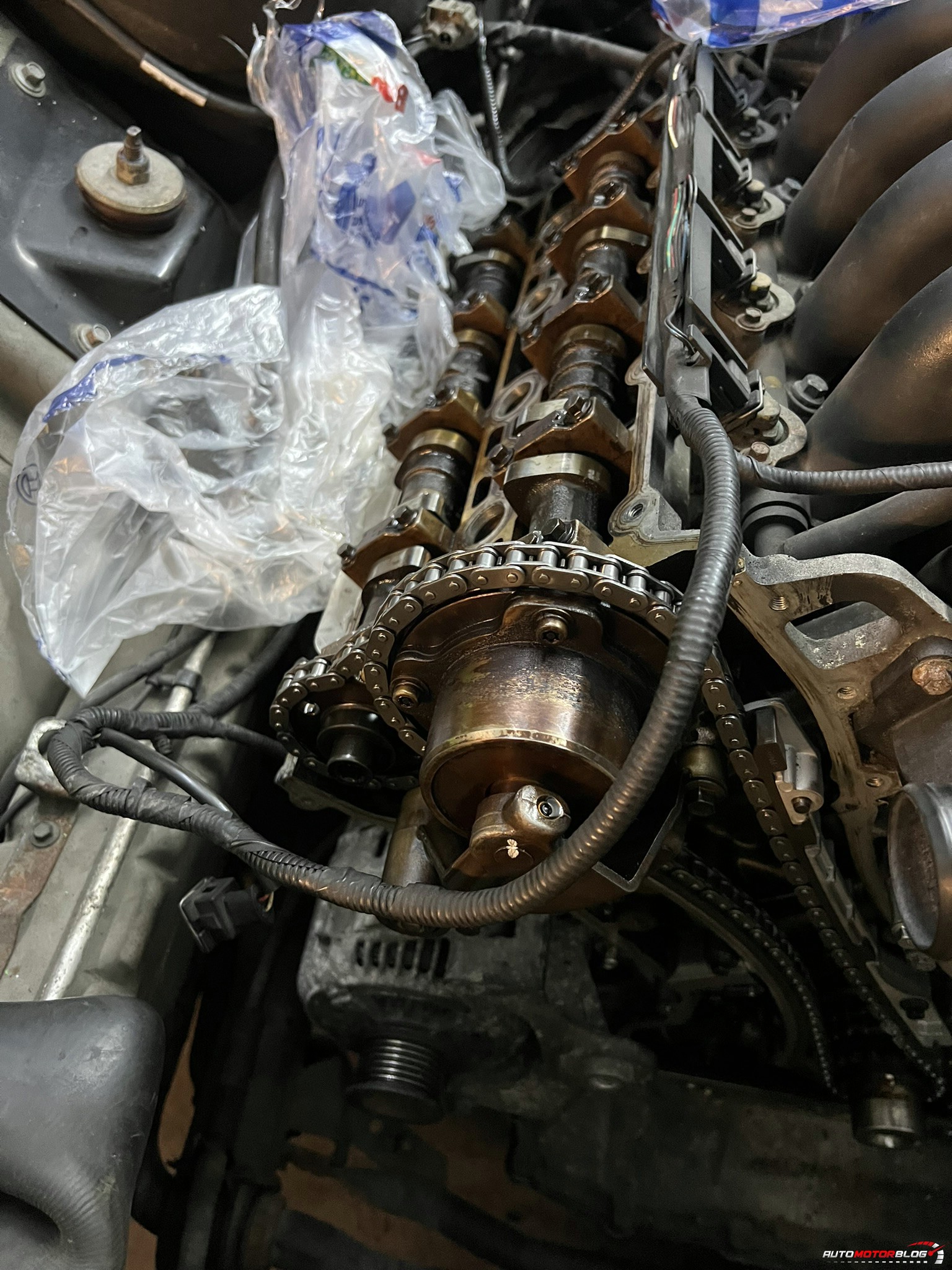
I identified a strange sound from the timing chain and did some research on the internet. There is a known problem with these cars with the 4.0 V8 290 horsepower engine, namely the chain tensioners have plastic components and break around 100-200k km. Because of this, I changed the entire timing kit, new chains, new metal tensioners, skates, plus all the gaskets and O-rings from the rocker covers.
I performed a complete overhaul with oil and all the filters, both on the engine and the gearbox. New antifreeze, brake fluid, servo, everything was changed.
After these interventions, the car no longer makes any noise from the chain, the problem being from a chain tensioner that was no longer stretching the chain properly, and because of this, the chain was stretched and making a rattling sound.
The car is now with all the fluids clean and technically in impeccable condition!
Future interventions:
- Rust cleaning on the underside of the car, as well as rust removal on some body elements: left rear wing, and a small part of the sill that is attacked by rust
- Anti-rust coating
- Professional exterior polish
- PPF protection (paint protection film)
Prices
Prices for a Jaguar XJ 4.0 V8 Sovereign from this period (1997-2002) can vary greatly. The difference between a poorly maintained and a well-preserved model is huge.
Prices start at 3,000 euros and go up to 59,999 euros for super well-maintained models according to Mobile.de
The very cheap ones require major investments, or do not have the proper documents. There may be problems with the suspension, electrical system, engine, gearbox or air conditioning system.
A low price does not necessarily mean a good deal. Well-maintained models can be found for around 8,000–12,000 euros. These cars are more interesting for a buyer who is looking for an XJ for the pleasure of owning it.
An original and well-preserved interior can greatly increase the attractiveness of the car. Cars with good mileage, a complete history, excellent condition and attractive features can reach higher prices.
Very well preserved examples may be of special interest to collectors. Prices are indicative and may vary depending on country, condition, mileage, history and equipment.
With a Jaguar XJ that is almost 30 years old, the actual condition matters more than the advertised price.
I will keep this car until I finish all the interventions listed above, then I will put it up for sale.
If you are interested in this car in this form, please send us an email at admin@automotorblog.com to discuss more details.
Conclusion
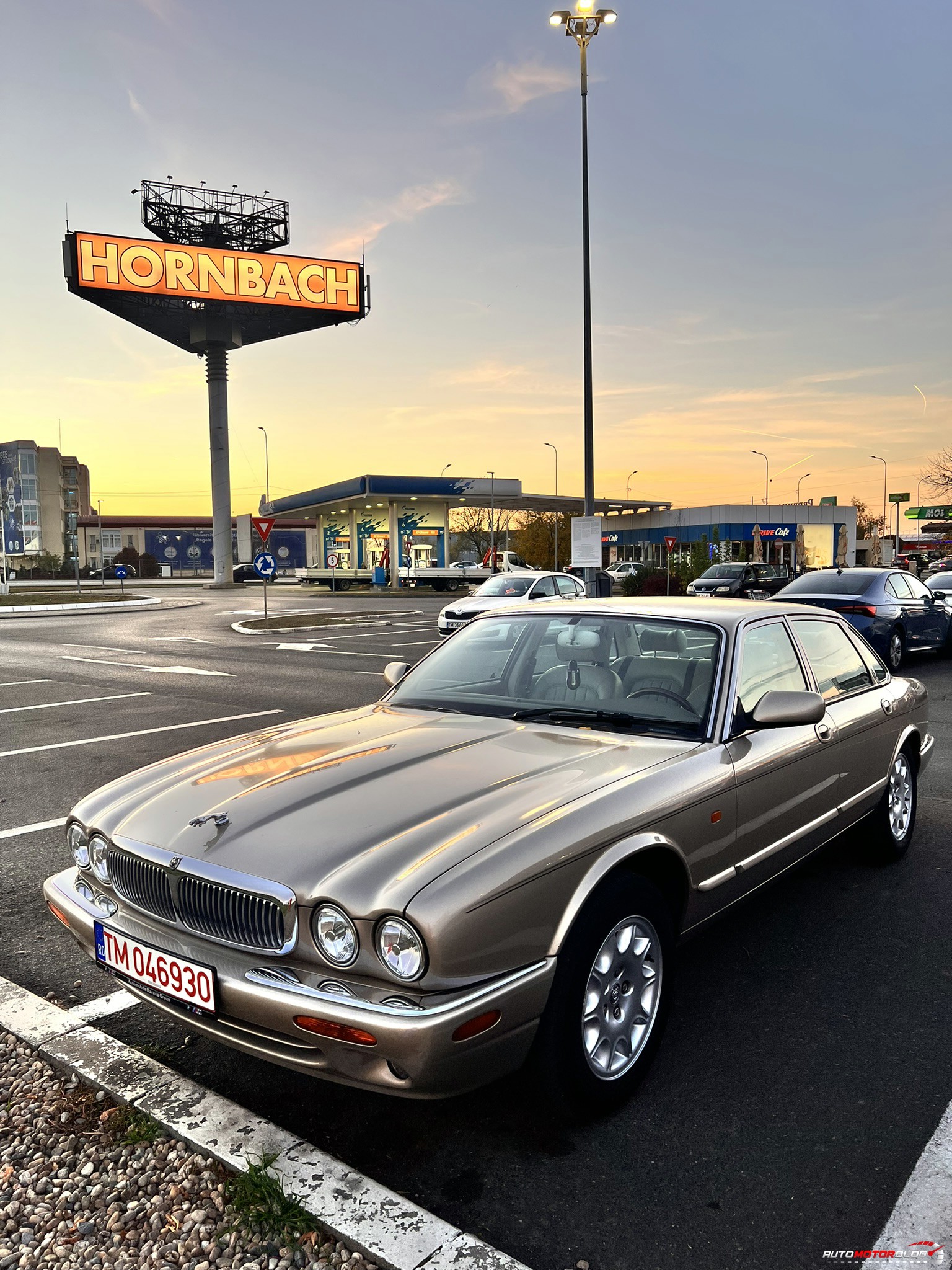
The 1998 Jaguar XJ 4.0 V8 Sovereign is one of the most interesting cars I’ve ever owned.
The 4.0-liter V8 engine provides plenty of power. The ZF 5-speed automatic transmission is a perfect match for the car’s character. But comfort is the real star.
The car drives very smoothly, it’s quiet, it’s relaxing, until you activate Sport mode and press the accelerator pedal to the max. That’s when all the horses of this spectacular Jaguar V8 engine really come out.
The suspension and seats create an experience that many modern cars fail to offer.
The light leather and wood interior is gorgeous. The amenities are numerous for 1998.
And the design remains special.
For me, the most important thing is that the Jaguar has personality. It doesn’t look like a generic modern car. It has character, which is no longer found in recent cars. After almost 30 years of manufacture, the interior looks impeccable – like new.
The Jaguar XJ 4.0 V8 Sovereign Gold is rare. It’s elegant. It’s comfortable. It’s luxurious. And it turns a lot of heads.
If you want a well-maintained example, the Jaguar XJ 4.0 Sovereign can be an excellent choice for someone who wants a classic luxury car without spending huge amounts of money. The luxurious variants from Bentley or Rolls-Royce cost much more, and the differences between them in terms of materials used, comfort, soundproofing, power, are similar. For me, that’s its charm.
It’s a Jaguar that offers an impressive luxury experience at a much more affordable price than the exclusive cars it can be compared to.
If you want to see more shorts with the Jaguar XJ, visit our official YouTube channel here.
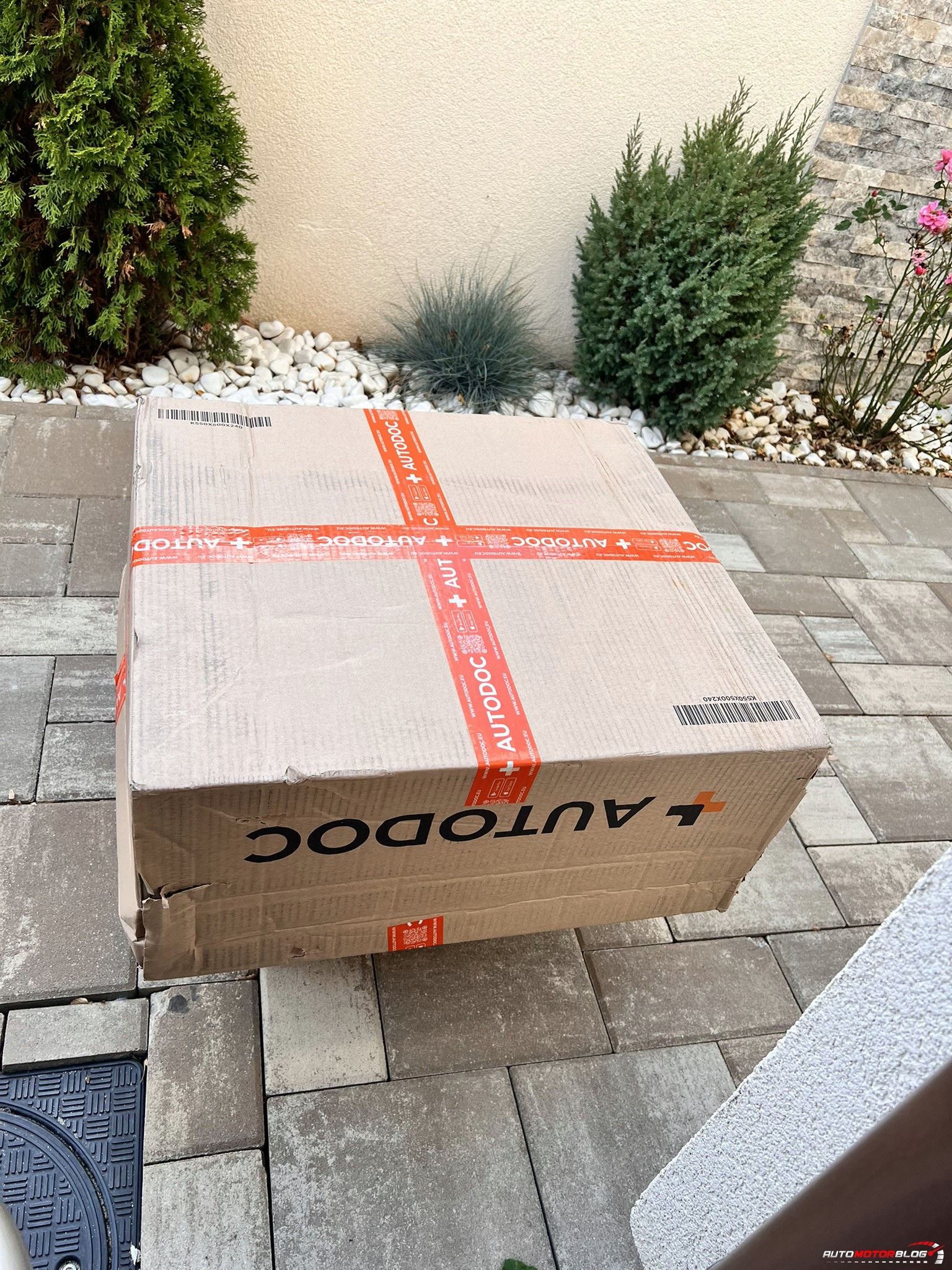
1998 Jaguar XJ 4.0 V8 Sovereign – Photo Gallery

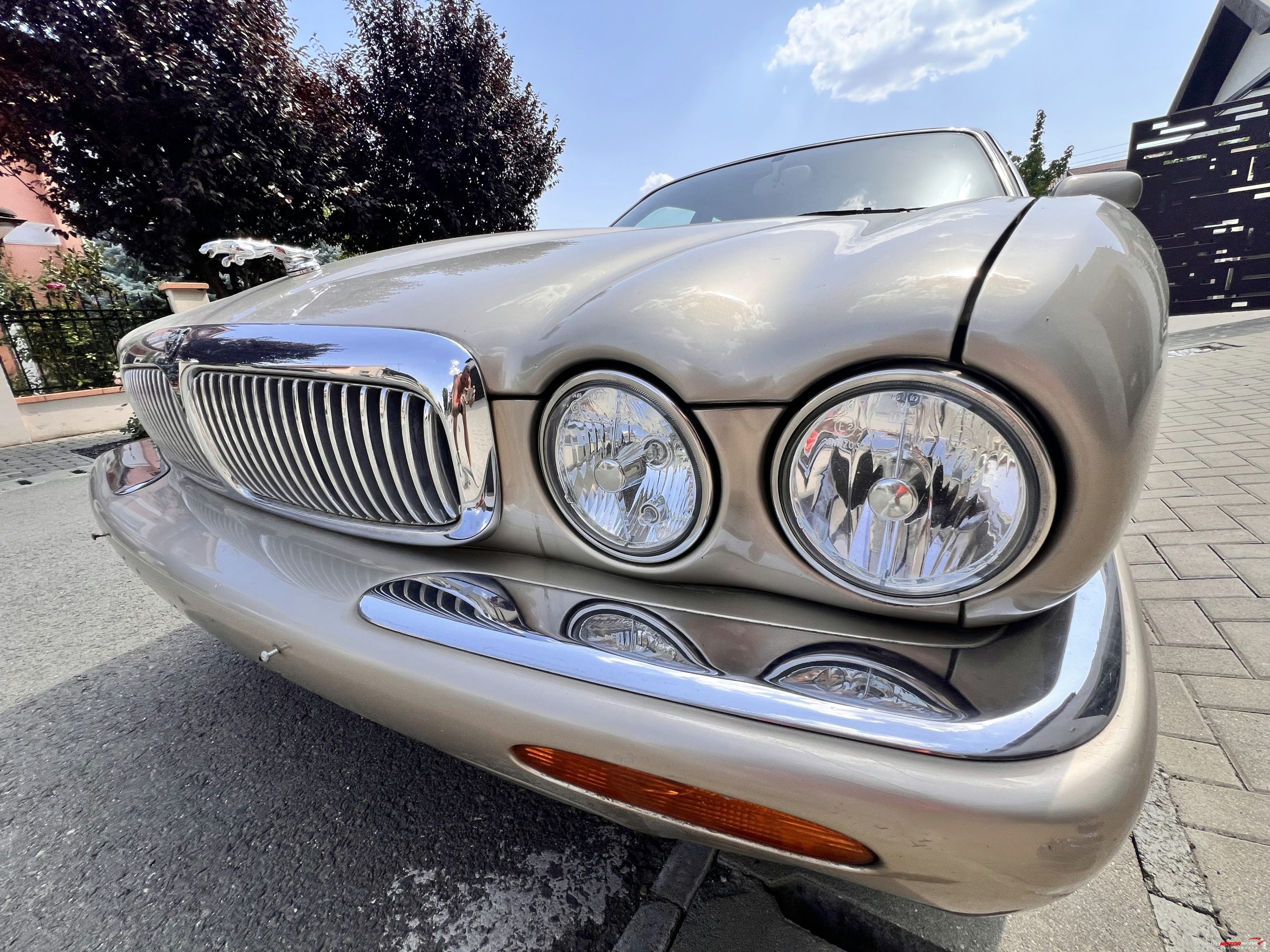
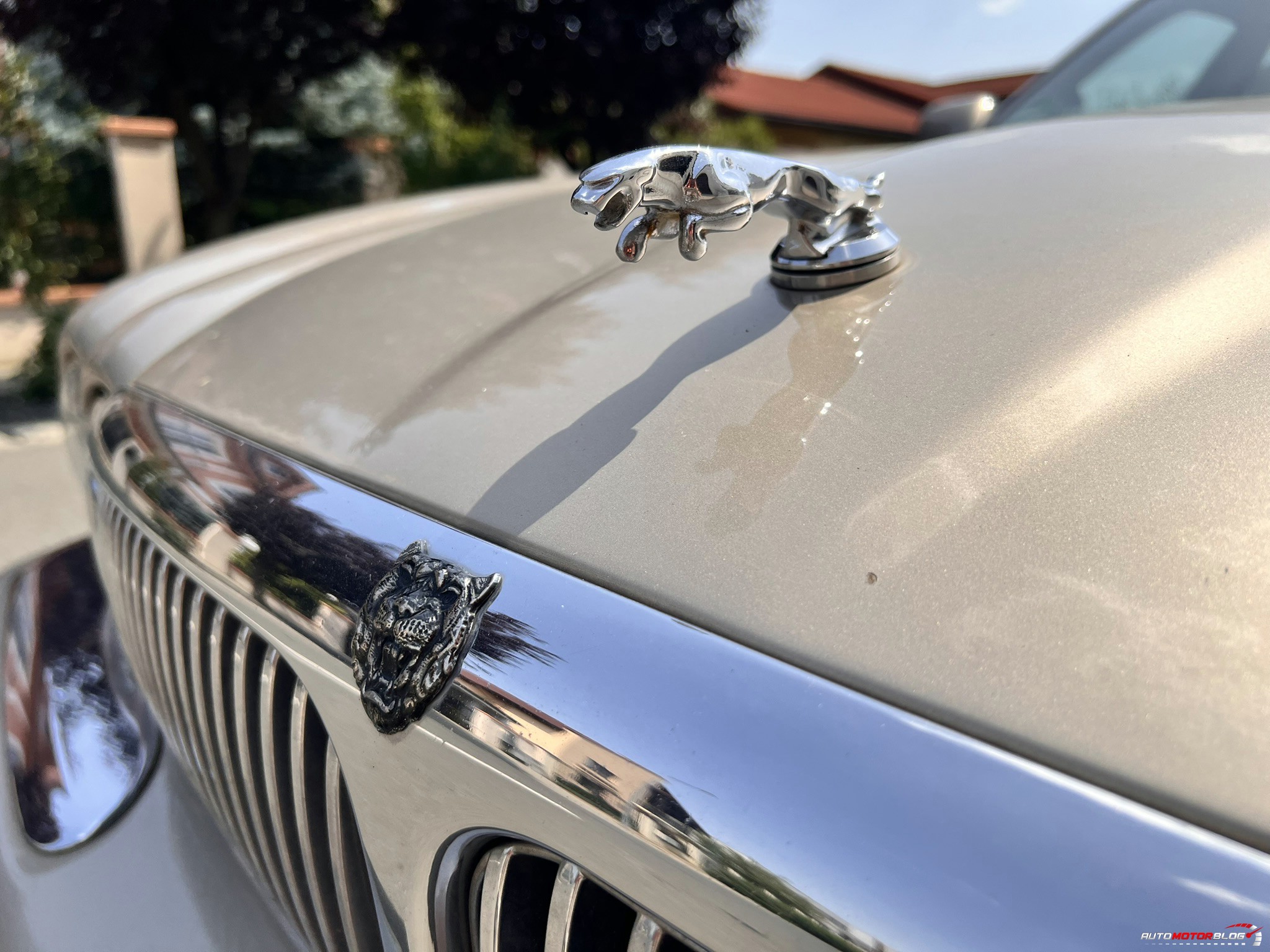
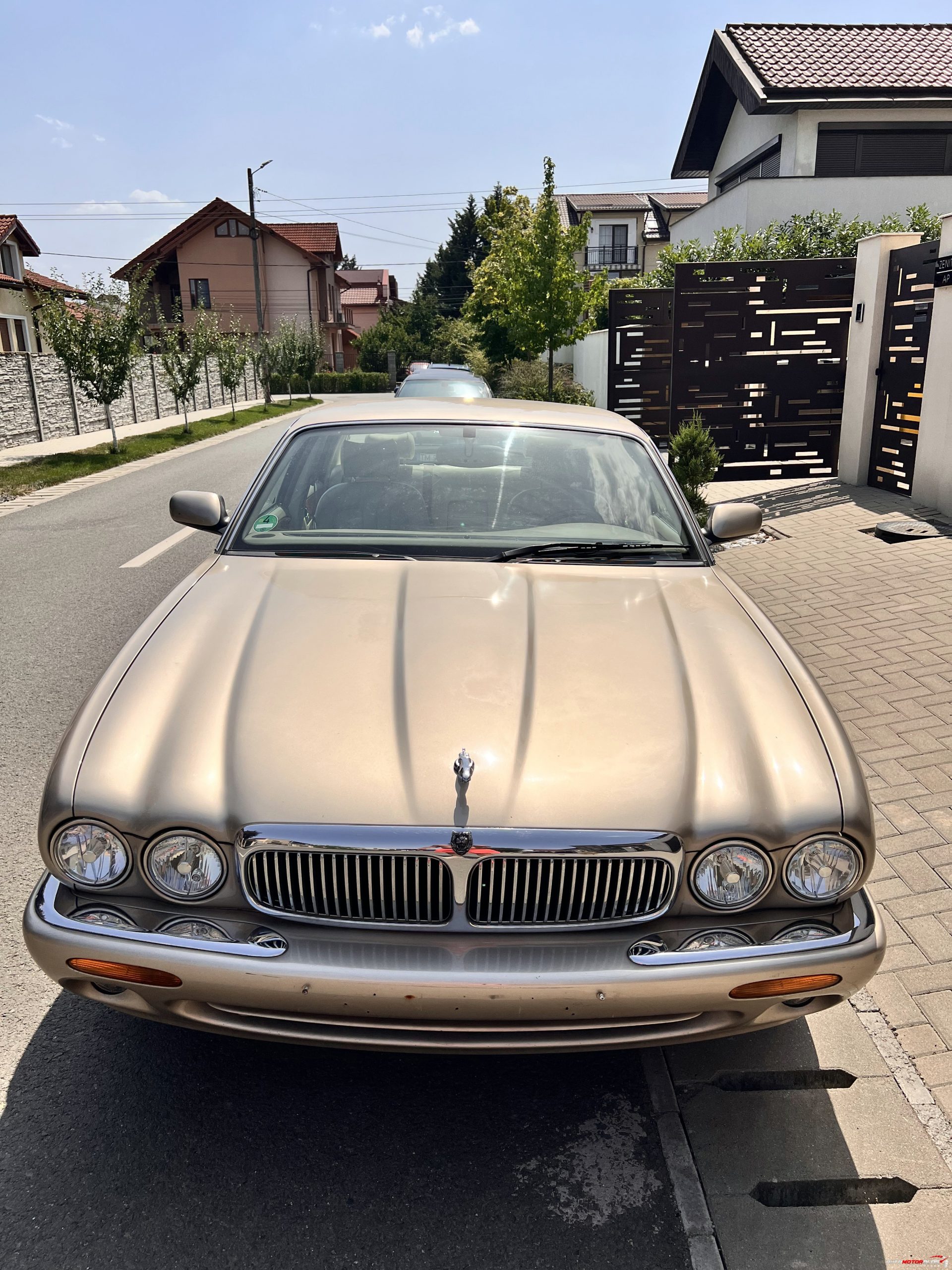
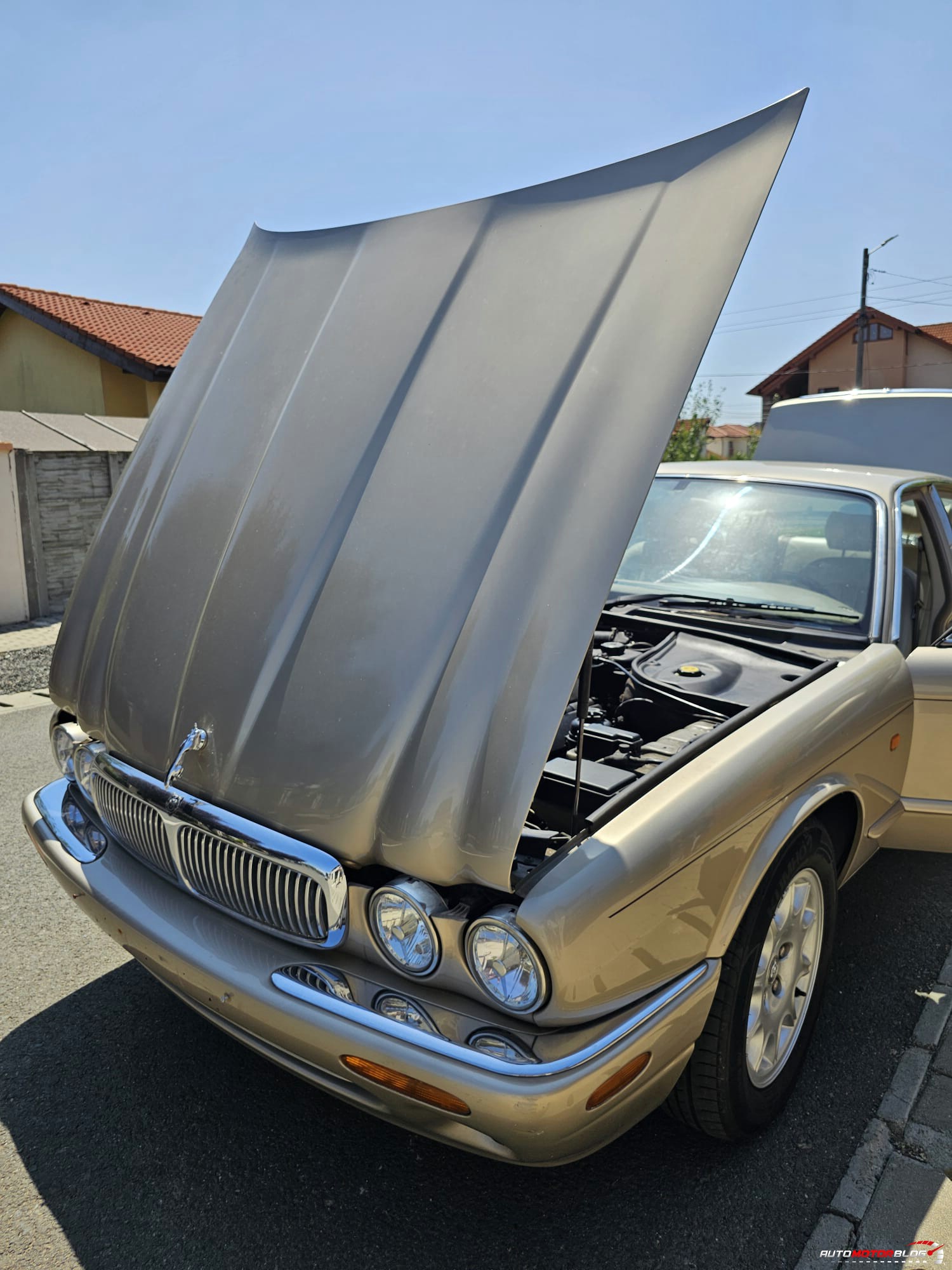
from Auto Blog | Latest Car News and Reviews, Trucks, Bikes, and Motorcycles https://ift.tt/bKGmW90
Subscribe to:
Posts (Atom)