PPF and ceramic coating get compared constantly, especially by Tesla owners trying to protect fragile factory paint.
This article breaks down what each option actually does, where they overlap, and where they do not. You will see how PPF handles impacts with a thick urethane layer, while ceramic coating focuses on gloss, water beading, and chemical resistance.
It also covers when combining both makes sense, and the correct installation order. The second half shifts to choosing PPF brands and finishes, plus practical maintenance habits that keep the film clear, durable, and effective.
Table of Contents
PPF vs. Ceramic Coating: What’s the Difference?
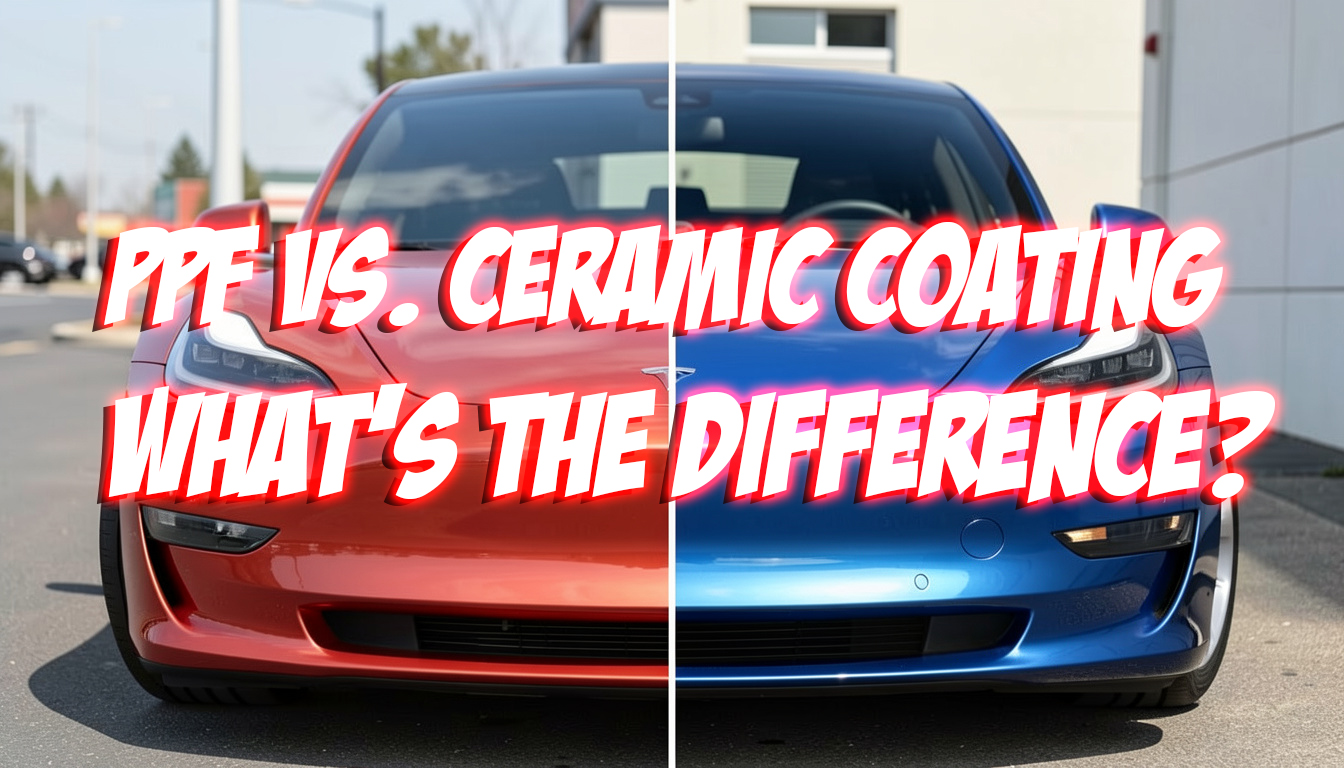
Tesla owners often struggle to choose between PPF and ceramic coating for their cars. These two popular protection options serve different purposes, but people frequently mix them up. Learning about their basic differences will help you make better choices about protecting your Tesla’s exterior.
Impact Protection Vs. Surface Gloss
PPF and ceramic coating work in completely different ways. PPF acts like a cushioning shield, while ceramic coating works more like a hardened glaze.
Paint Protection Film gives your car a physical barrier – a clear urethane layer that’s 6-8 mils thick and absorbs impacts. The film takes hits from rocks, gravel, and road debris that would normally damage your paint. This physical shield makes PPF the best choice for protecting Tesla paint from actual impact damage.
Ceramic coating works differently. It’s a liquid chemical that bonds to your paint at a molecular level. The coating is only 1-2 microns thick (much thinner than PPF), so it can’t stop physical impacts. However, it creates a water-repelling, glossy surface that keeps dirt and minor contaminants away.
You’ll notice these practical differences in daily use:
- PPF stops rock chips and scratches
- Ceramic coating makes your car look better and easier to clean
- PPF heals itself from minor scratches
- Ceramic coating resists chemicals better
Both options help protect your Tesla’s color from UV damage, but they do it differently. PPF blocks UV rays physically, while ceramic coating fights UV damage chemically.
Can They Be Used Together?
They absolutely can! These products work great together. The combination of PPF and ceramic coating creates what I call the “ultimate protection package” for Teslas.
When you use both, you get PPF’s impact protection plus ceramic coating’s shine and water-repelling properties. This combo gives you detailed protection against physical and chemical threats.
Most Tesla owners put PPF on high-impact areas (front bumper, hood, mirrors) and ceramic coating over the whole car. This smart approach balances maximum protection with cost.
Some premium PPF options now include a ceramic-infused top layer, offering a hybrid level of protection right out of the box. Even so, Tesla owners who want maximum durability and easier maintenance often choose to add a separate ceramic coating on top. At ID Protection, this layered approach is recommended for drivers looking to extend the life of their PPF and get the highest level of long-term protection for their vehicle.
Which One Should Come First?
The order really matters. Always apply PPF first, followed by ceramic coating—never the other way around.
This order works because:
- PPF needs to touch the paint directly to stick properly
- Ceramic coating goes over PPF without problems
- PPF won’t stick well to ceramic coating and usually fails early
After getting PPF installed professionally, wait 2-3 days before adding ceramic coating. This lets the PPF adhesive cure fully. Rushing could ruin both products.
If you want to know about how to protect your Tesla paint with both options, most professional detailers offer package deals.
The lifespan varies too. PPF lasts 5-10 years while ceramic coatings need new applications every 2-5 years. Planning your protection strategy with these timeframes helps you get the most value.
Check out our detailed guide on protecting your Tesla’s exterior for specific product recommendations.
Choosing the Right PPF for Your Tesla
Picking the right PPF for your Tesla goes beyond just getting a protective film. Your specific model, style priorities, and driving conditions should guide your choice.
Top Brands: XPEL, Stek, Suntek
Tesla owners in 2025 consistently pick these three PPF brands:
- XPEL Ultimate PLUS leads the pack in Tesla protection. Its 9 mils thickness gives better protection than other options. Tesla owners ask for XPEL more than any other brand thanks to its clarity and self-healing features. The high-gloss finish boosts your Tesla’s original paint while keeping it safe.
- STEK DYNOshield shines with its water-repelling properties and gloss-boosting topcoat. The 8-mil thick film shows excellent clarity with minimal orange peel effect. A hydrophobic nano-ceramic topcoat makes water bead right off. Tesla owners love STEK’s Damascus Black and Gloss Carbon options that create custom looks.
- SunTek combines ceramic technology with PPF that fights stains really well. The Reaction Series gives Tesla owners quality protection at a better price. SunTek’s 8 mil thickness and slightly softer adhesive layer protect your car reliably.
- Avery Dennison and UPPF are solid choices too. UPPF comes at competitive prices and resists yellowing well, which works great for wrapping larger Teslas or Cybertrucks completely.
Glossy Vs. Matte Finishes
Your finish choice changes how your Tesla looks completely. Glossy PPF (like XPEL Ultimate PLUS) makes your paint shine brighter while protecting it invisibly. This creates a mirror-like, polished look that many Tesla owners love.
Matte PPF (like XPEL Stealth) reshapes your Tesla’s appearance with an elegant, non-reflective surface. You get the same protection as glossy options but with a unique style.
Matte finishes hide small scratches better and need less cleaning. They do need special care products, though. Glossy finishes show every detail but work with regular cleaning products that are accessible to more people. Think over your maintenance priorities and style goals when protecting your Tesla’s exterior.
Cybertruck And Unique Tesla Models
Cybertruck’s stainless steel body creates special challenges. Colored PPF protects and customizes at the same time. Most people go for Matte Black, Satin Stainless Steel, or Forged Carbon patterns.
Cybertruck-specific PPF now includes:
- Self-healing 8mil thick film in over 300 colors
- XPEL Ultimate Plus or XPEL Stealth backed by a 10-year warranty
- Special films designed just for Cybertruck’s stainless steel surfaces
The perfect PPF matches your protection needs with your personal style. Talk to certified installers who know Tesla’s specific requirements to find your ideal match.
Maintaining Your Tesla’s PPF
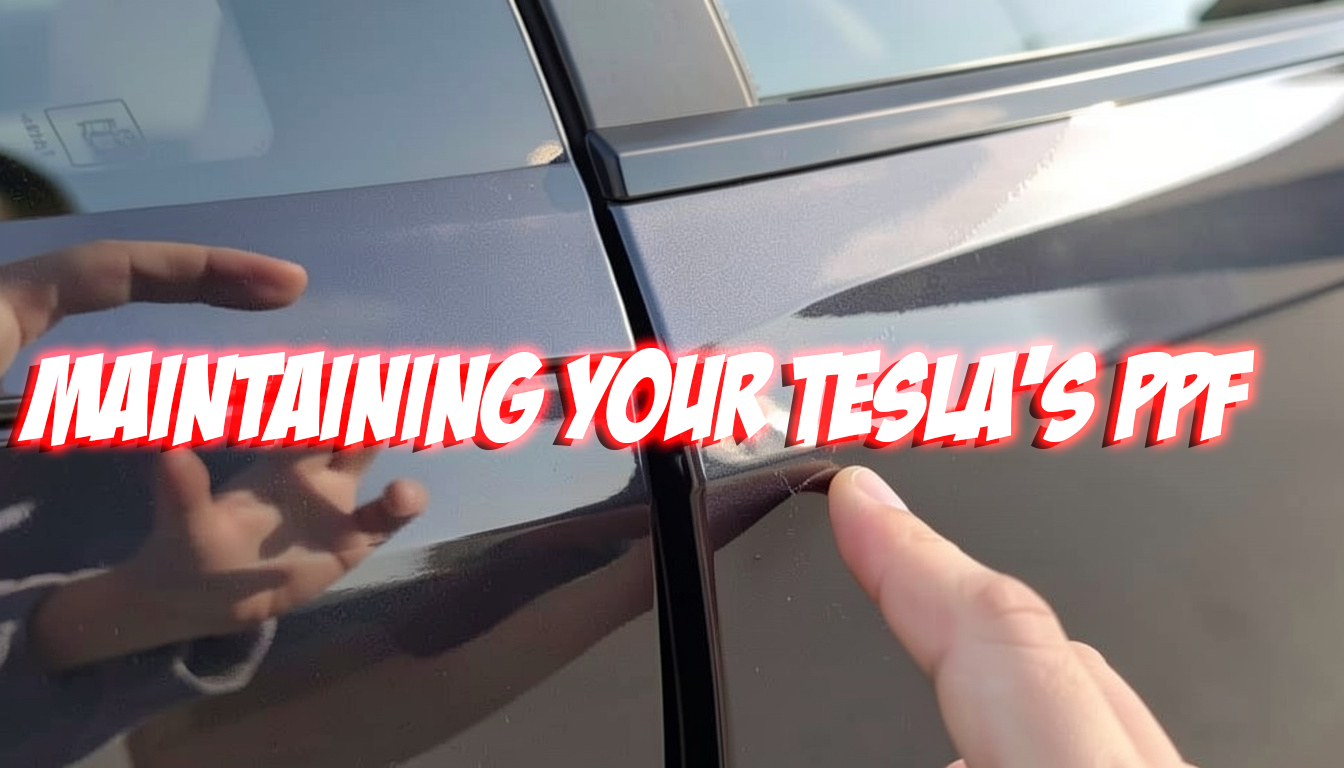
Good maintenance practices will extend your PPF’s lifespan well beyond its warranty period. Your investment in this invisible shield will reward you with years of flawless protection.
Cleaning Tips And Frequency
Clean your PPF-protected Tesla weekly with pH-neutral soap and microfiber washcloths. Automated car washes with abrasive brushes might scratch the film, so it’s best to avoid them. Work in straight lines since circular motions can leave swirl marks.
Stubborn dirt requires an isopropyl alcohol solution (15%) diluted with water. The solution needs 30 seconds to work after spraying, then you can wipe it away gently. This method removes contaminants safely without damaging your film.
Using Heat To Activate Self-Healing
Your self-healing PPF responds well to heat. Light scratches disappear after 30-45 minutes in direct sunlight. You can also pour warm water (not boiling) over affected areas to start the healing process.
Deeper scratches need a heat gun or hair dryer held 6-8 inches away. The scratch typically vanishes within minutes as you move slowly across the damaged area.
Avoiding Harsh Chemicals
These products should never touch your PPF:
- Bug removers containing citrus solvents
- Petroleum-based cleaners
- Waxes with abrasive compounds
These chemicals degrade PPF adhesives over time. Your best options are PPF-specific products or gentle automotive soaps for protecting your Tesla’s exterior.
Note that the first 30 days after installation are crucial. The adhesives need this time to cure fully, so avoid washing during this period. Your PPF will keep your Tesla’s showroom shine intact for years with proper care.
Final Words
Choosing between PPF and ceramic coating comes down to the risk you want to manage. PPF is built for rock chips and scratches. Ceramic coating supports easier cleaning and adds a slick, glossy surface, but it will not stop impacts.
Using both can balance physical protection with simpler maintenance, as long as PPF goes on first and curing time is respected. Brand choice matters too, since thickness, clarity, and topcoat behavior vary. Finish selection changes the look, so it should match your priorities.
With gentle washing, limited chemicals, and occasional heat for self-healing, PPF can stay effective for years.
from Auto Blog | Latest Car News and Reviews, Trucks, Bikes, and Motorcycles https://ift.tt/0ywdMcg

No comments:
Post a Comment