Wednesday, 27 September 2023

Klassischer Charme: The new BMW R nineT 100 Years

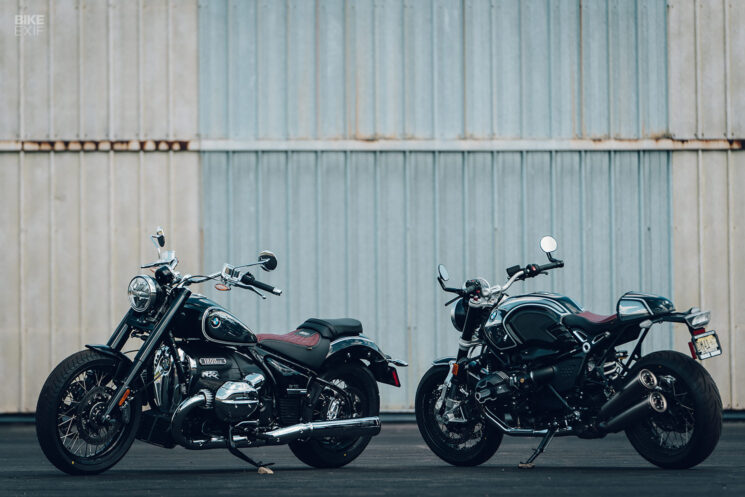
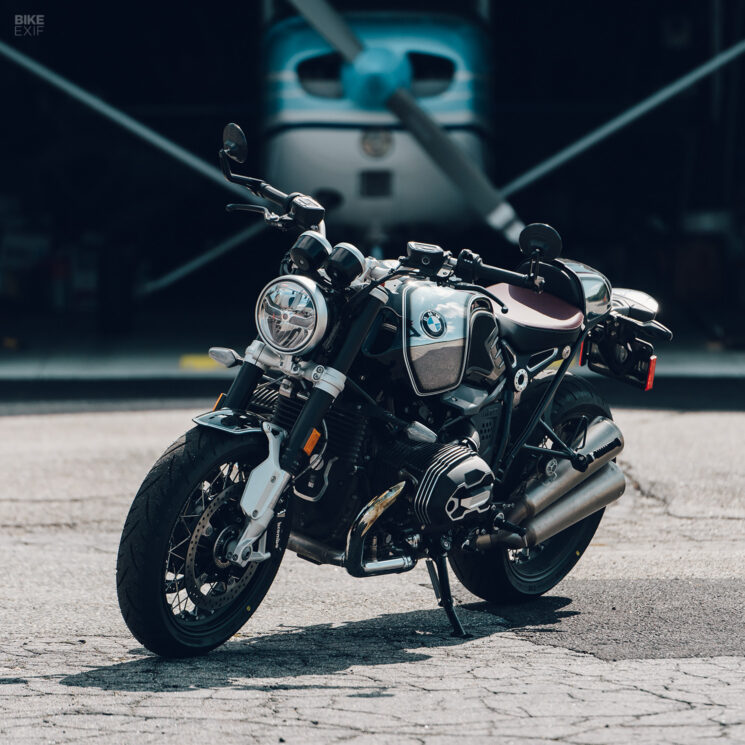
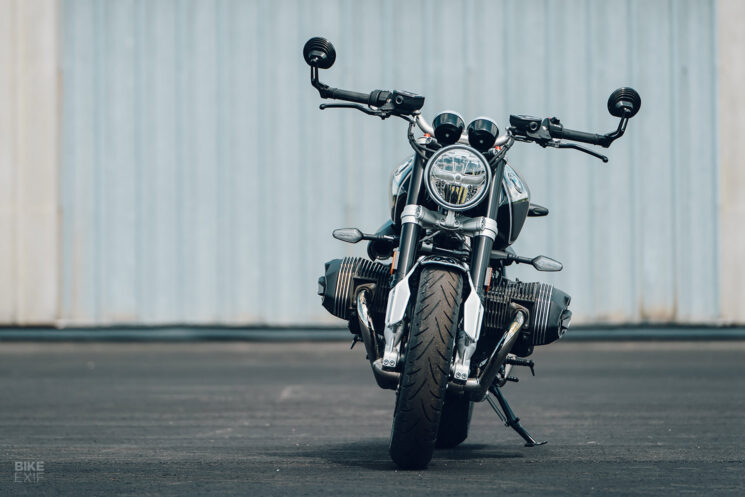
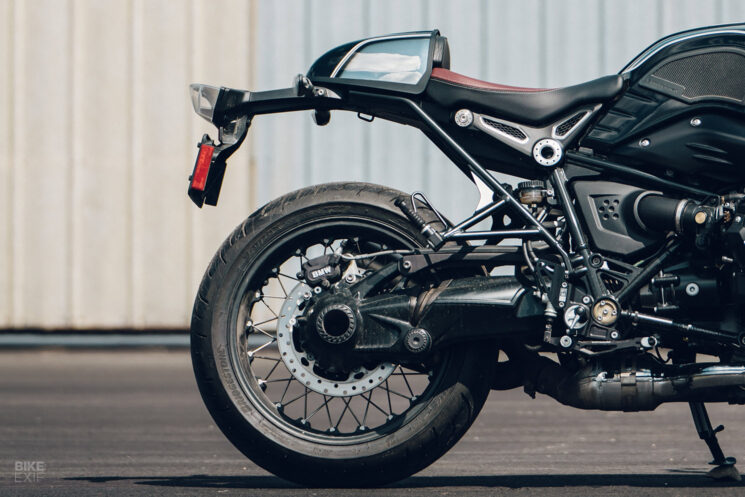
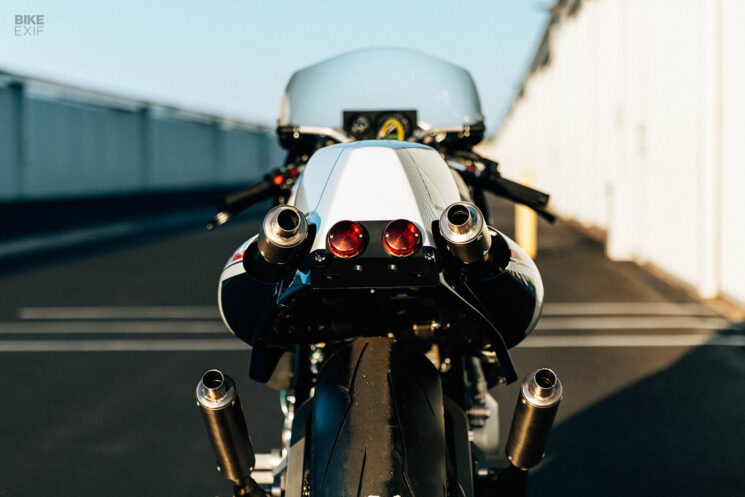
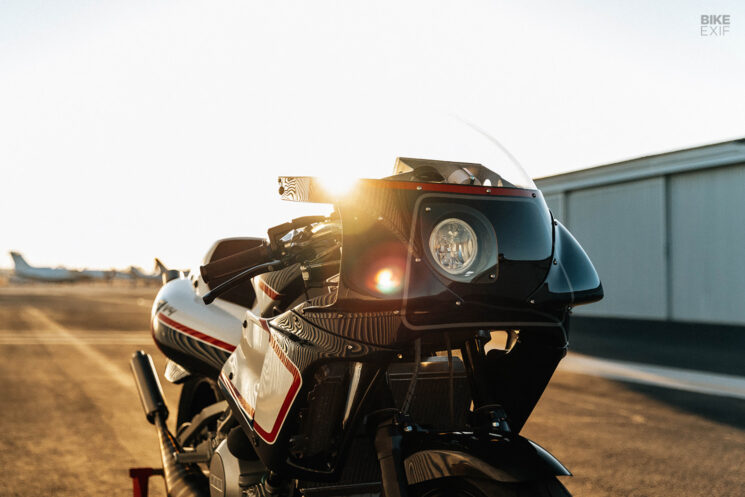
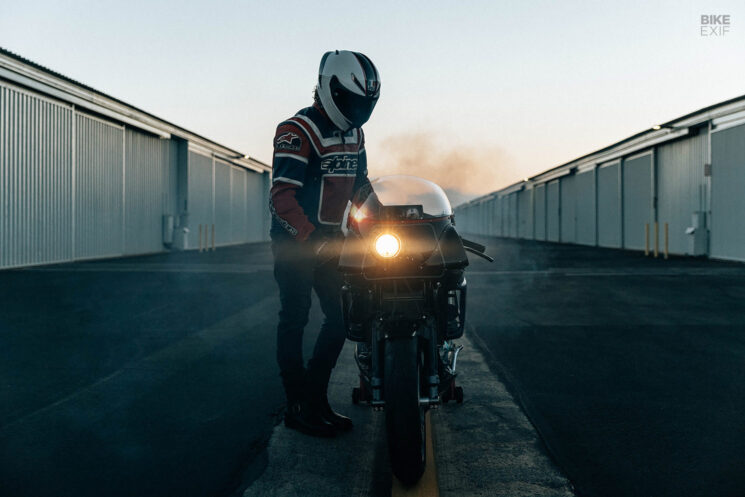
BMW R nineT 100 Years edition
The iconic BMW boxer engine has been around a little longer than some folks realize: a hundred years, to be exact. It powered the very first BMW motorcycle, which broke cover in 1923.

That was the shaft-driven R 32, designed by Max Friz. It featured the familiar opposed cylinder engine layout, although the internals bear little resemblance to the modern-day powerplant.

BMW R nineT and R 18 100 Years edition
A 100th anniversary always calls for a celebration, so BMW Motorrad has created a pair of ‘100 Years’ special editions for its Heritage range: the R nineT Roadster and the R 18 Cruiser. And very appropriately, both models are limited to 1,923 units each.

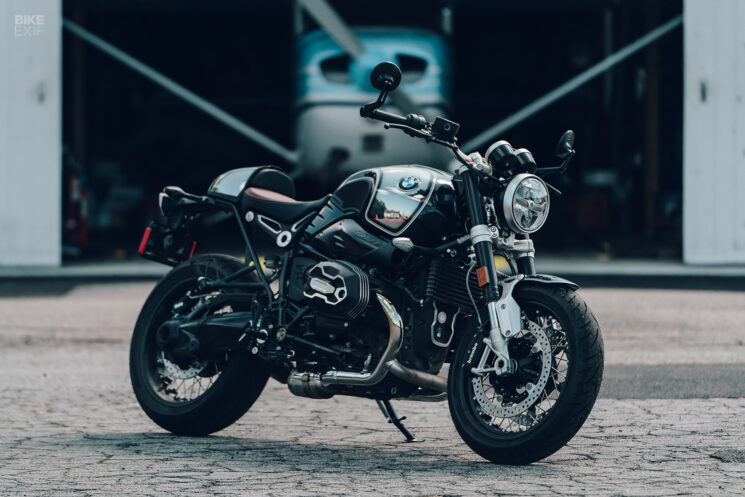
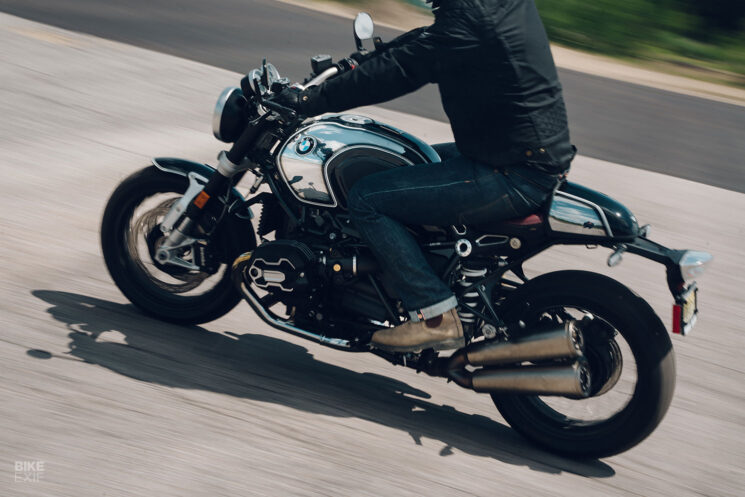
We’re especially smitten with the charming BMW R nineT 100 Year shown here, which harks back to the monochrome aesthetic of classic BMW oldtimers.

BMW R nineT 100 Years edition
We’ve been fans of the R nineT since its launch in 2014. It’s one of those bikes that are well ‘sorted,’ it’s attracted a huge fan base, and it’s also remarkably easy to customize—as the dozens of modified example on these pages testify.

Not surprisingly, it’s been a worldwide hit for riders who enjoy classic roadster style but don’t want to sacrifice modern technology.

BMW R nineT 100 Years edition
On the BMW R nineT 100 Years version, the air/oil-cooled boxer engine remains untouched. That’s fine by us, because its 109 hp output is more than adequate for most riders.

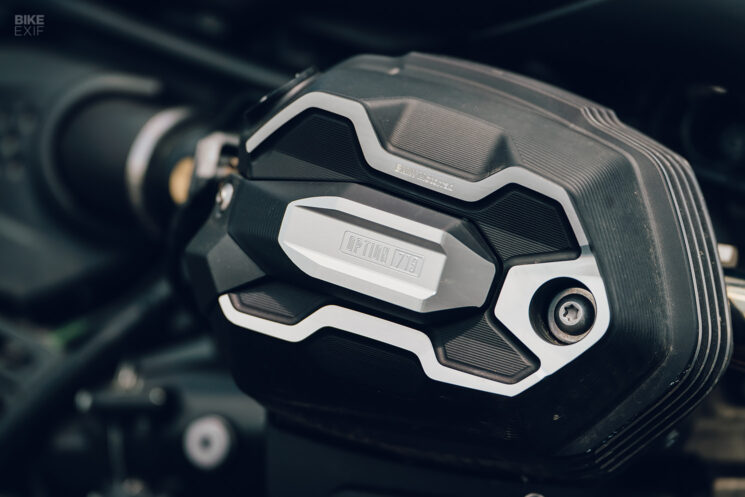
But the rest of the bike has been finessed in style, using classy and durable chrome finishes, plus a smattering of hard parts from the Option 719 range.

BMW R nineT 100 Years edition
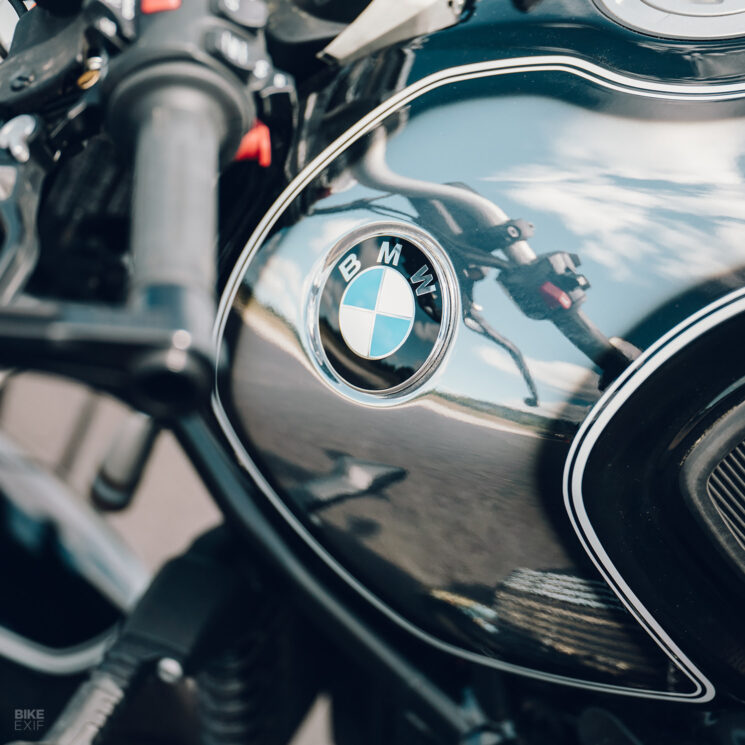
The new tank design is the most obvious styling upgrade, with a stunning ‘Classic Chrome’ finish. Chrome is known for its durability and mirror-like shine—as anyone who has owned a BMW R 75/5 will appreciate.

But for the R nineT 100 Years, BMW Motorrad has taken it up a level by reviving the ‘paint on chrome’ effect. Using the latest Chromium III technology, it involves extremely complex preparation, with layers of copper, nickel and chromium applied before several layers of paint and a final clear coat.

BMW R nineT 100 Years edition
‘Classic Chrome’ is also found on the cowl behind the seat and if you peer closer, you’ll also spot subtle white pin-striping on the tank, front fender and seat cowl—another BMW Motorrad signature that has endured for decades.

On the rest of this R nineT, deep Avus Black paint keeps the vibe dark and restrained, with the fork tubes and air intake also blacked out. The black anodized rims are Option 719 Classics, and there’s a ‘Shadow’ milled parts package that includes the cylinder head and engine housing covers.

BMW R nineT 100 Years edition
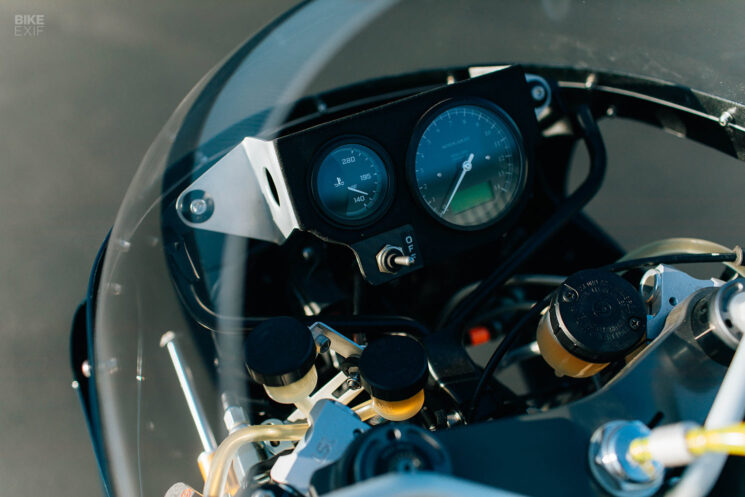
BMW has also added several more tasty upgrades from the ‘Shadow II’ range, such as adjustable hand levers and upgraded footrests, plus expansion tank covers and bar-end mirrors. The headlight is a cutting-edge adaptive turning unit, and riders will be even more comfortable than usual thanks to heated grips, cruise control and extra riding modes.

Protection can be added via an anti-theft alarm system, and it’s all topped off with a classy ‘100 Years’ badge on top of the tank.

BMW R nineT 100 Years edition
Unlike most limited-edition machines, the BMW R nineT 100 Years is a model of understated elegance and classy aesthetics. And the short production run will ensure exclusivity and increase collectability.

If you’re based in the US, you can put this slice of BMW history in your garage for $19,995—which is just $5,500 more than the base model R nineT. A very fair price to pay for a modern-day icon.

Proudly sponsored by BMW Motorrad USA | Images by The Simple Machine

BMW R nineT 100 Years edition

Advertisement


from Bike EXIF https://ift.tt/SOo7dC6

Tuesday, 26 September 2023

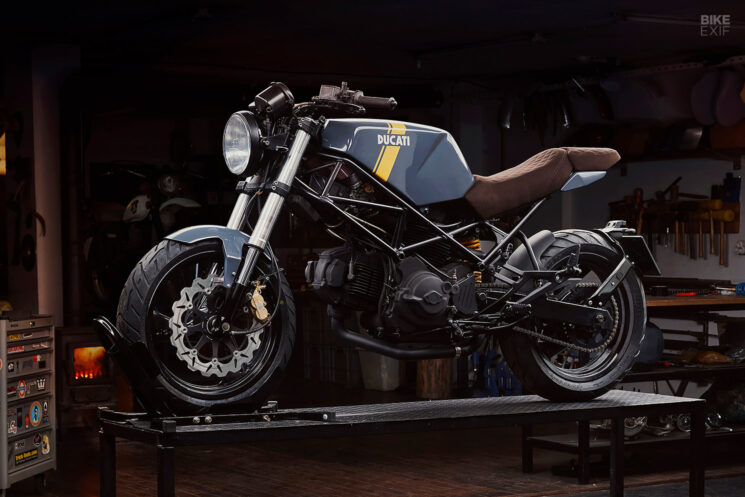
Prizefighter: A custom Ducati Monster 600 built for a Turkish actor

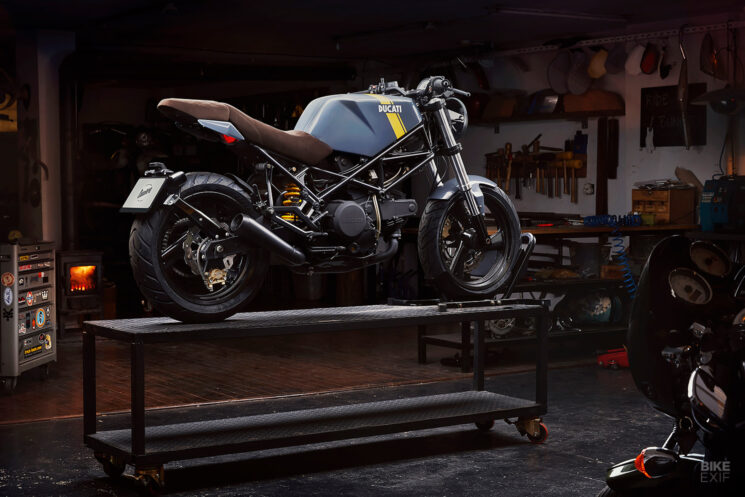
Custom Ducati Monster 600 by Bunker Custom Cycles
The Ducati Monster is widely credited with saving the Italian marque in the 90s. Part of its success lies in its minimalist brawler aesthetic—and part of it lies in the fact that Ducati has always offered the Monster in myriad engine sizes at varying price points. If you couldn’t quite spring for an M900 back in 1994, the Ducati Monster 600 looked just as cool, cost less, and still made adequate power.

Decades on, the Monster is a very different beast and has even shed its trademark trellis frame. But the mid-90s Monster still has appeal—and it’s got tons of custom bike potential, as evidenced by this custom Ducati Monster 600 from Turkey’s Bunker Custom Cycles.

Custom Ducati Monster 600 by Bunker Custom Cycles
The 1998-model Monster 600 belongs to the Turkish actor Kadir Doğulu, who went through considerable effort to obtain it. The story goes that the bike was one of four imported to Turkey in the late 90s as show bikes for a major local 4×4 event. Kadir spotted it in the corner of a parking garage gathering dust and hassled the owner for ten years before he finally agreed to sell it.

By then, the Monster 600 was desperately in need of rescue. A decade of being parked had given the elements time to work, leaving the chassis, fuel tank, and a whole whack of alloy parts covered in rust. Kadir held onto the bike for a while, then called in the brothers at Bunker Custom Cycles, Mert and Can Uzer, to revive it.

Custom Ducati Monster 600 by Bunker Custom Cycles
“He explained to us that he wanted a reliable bike to ride, with max performance and better braking,” Can tells us. “He also wanted to use it as a single seater, but with a detachable secondary passenger seat.”

Removing the rust that was littered throughout the Monster was a high priority too, so Bunker stripped the bike down to its nuts and bolts and began sorting through the mess. The frame, engine casings, and smaller oxidized parts were all sandblasted, refurbished, and powder-coated. But the Monster’s original fuel tank wasn’t so lucky.

Custom Ducati Monster 600 by Bunker Custom Cycles
“We tried to save the gas tank but it was full of rust,” explains Can. “The carbs were full of gunk too, all the O-rings and gaskets were tired, and it had a huge battery under the original tank. So once the gas tank was out of the picture, it allowed us to rearrange everything.”

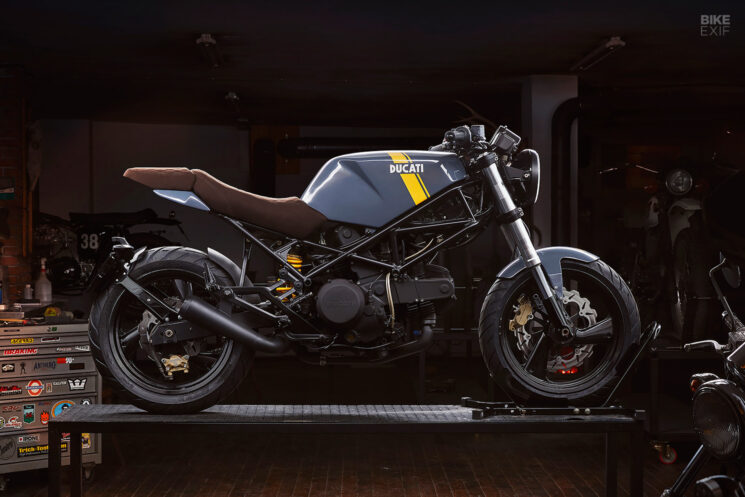
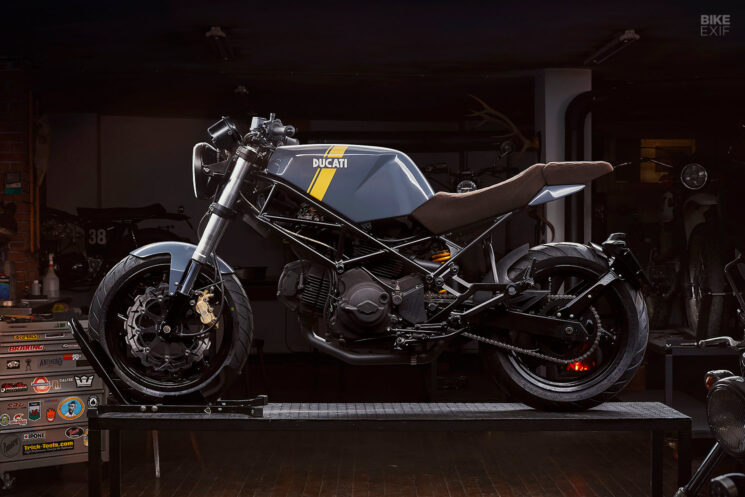
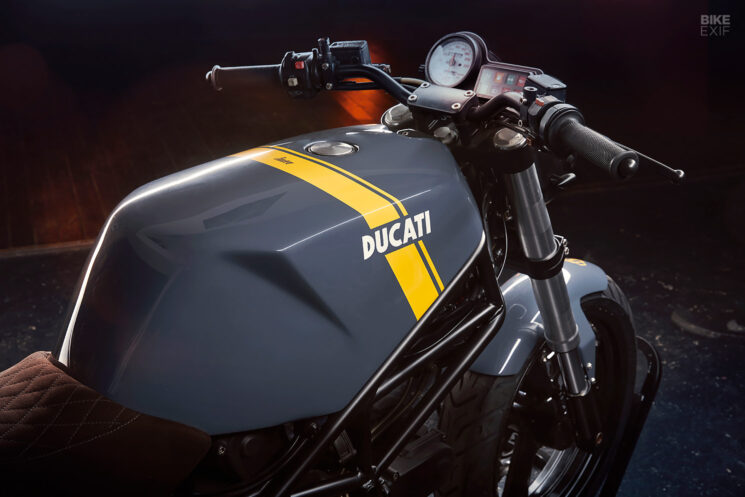
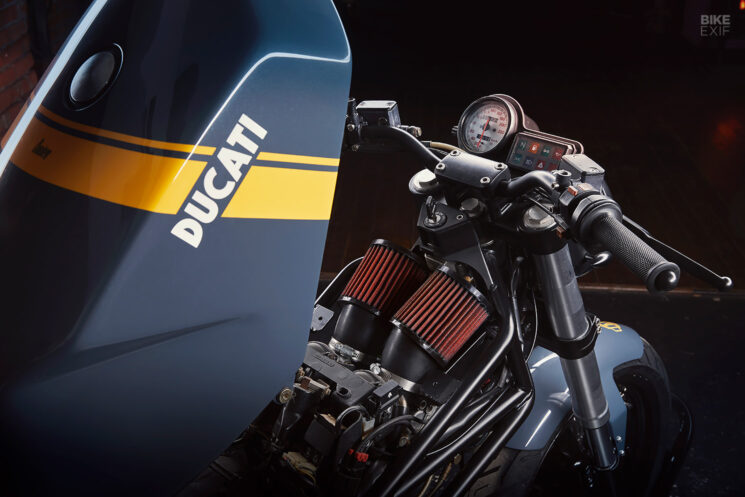
Can and Mert fabricated a steel fuel cell that would hold just about the same amount of fuel as the OEM unit, then shaped an aluminum cover to sit over it. The shape is a departure from the classic Monster style, but now shows faint hints of Ducati’s iconic SuperSport models. More importantly, it sits on the Monster’s trellis frame like it was always meant to be there.

Custom Ducati Monster 600 by Bunker Custom Cycles
Next, the Uzer bros. re-jigged the space underneath the tank to make room for a pair of massive K&N pod filters, with a small Lithium-ion battery placed beneath them. The filters were chosen specifically to match the stage four tuning kit from Dynojet, which has helped the Ducati’s 583 cc L-twin engine reach its full potential. The Monster has a better soundtrack now too, courtesy of a two-into-one exhaust system with a Cone Engineering muffler.

It was decided that the Monster 600’s OEM headlight and speedo would remain in place for the sake of nostalgia. Bunker kept its distinct three-spoke wheels too, but swapped the old rubber for new Anlas Capra RD tires. The Ducati’s stock Brembo brakes were refurbished and upgraded with fresh Galfer discs.

Custom Ducati Monster 600 by Bunker Custom Cycles
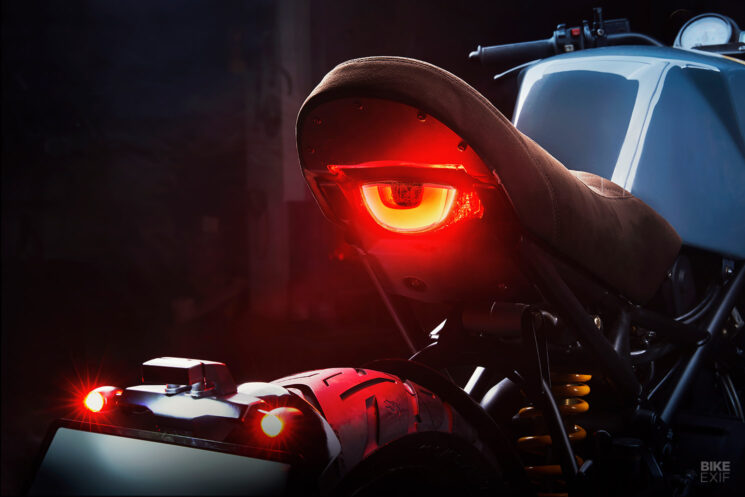
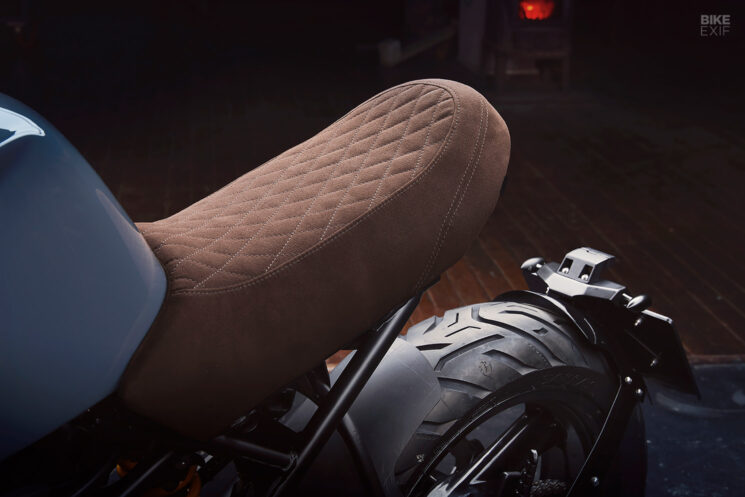
Moving to the rear of the bike, Bunker modified the subframe to accommodate their customizable two-up seat design. Tucked under the bobbed rider’s seat is a pair of frame rail channels that the removable pillion pad slides into. Neat side panels hide the mounting system, and the whole arrangement cuts a very similar line to the original Monster.

The taillight is a Ducati Scrambler part, mounted flush under the rider’s seat but still visible when the passenger section is in play. A custom-made rear wheel hugger hosts the license plate, and a pair of three-in-one LEDs from Rizoma that offer even more rear visibility. There’s a stealthy inner fender sitting further forward.

Custom Ducati Monster 600 by Bunker Custom Cycles
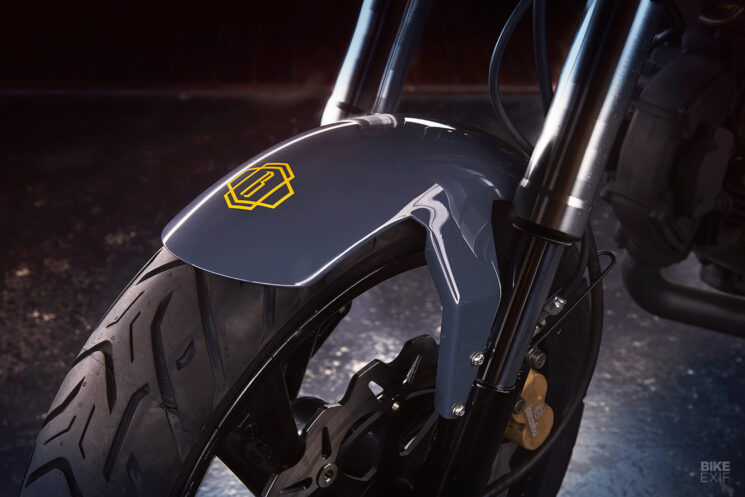
The modern front fender is a custom part too, designed to complement Bunker’s new fuel tank. LED turn signals are bolted to the original headlight ears, while new grips adorn the handlebars.

As we’ve come to expect from Can and Mert, this custom Ducati Monster 600’s livery is simple and striking. A hint of yellow pops hard against a warm grey foundation, with vintage Ducati logos emblazoned on the tank. Brown Alcantara on the seat finishes things off with panache.

Custom Ducati Monster 600 by Bunker Custom Cycles
This Monster might have started as a neglected 90s beginner bike, but it now punches well above its weight. Now if only Ducati would bring back the entry-level Monster (with a trellis frame, please).

Bunker Custom Cycles | Facebook | Instagram | Images by Onur Aynagöz

Custom Ducati Monster 600 by Bunker Custom Cycles


from Bike EXIF https://ift.tt/CzlnN7P

Monday, 25 September 2023

Make some noize for the Kawasaki H1 that didn’t race at Glemseck

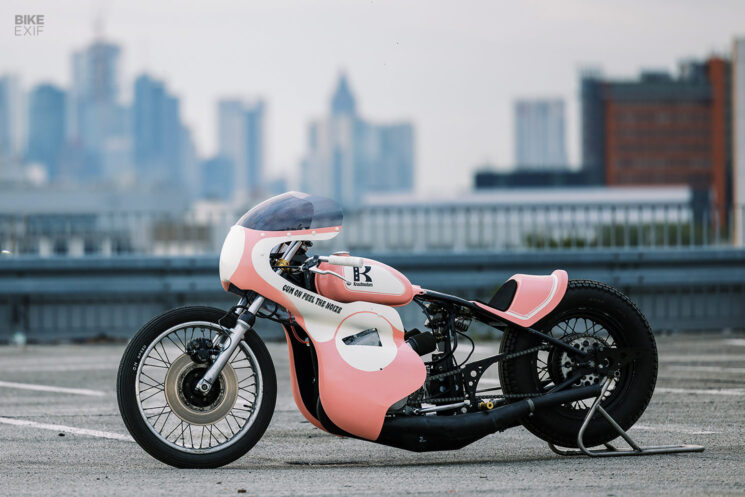
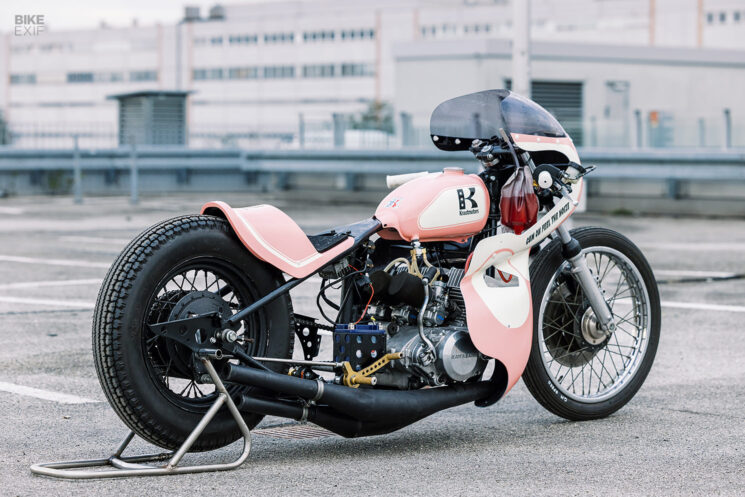
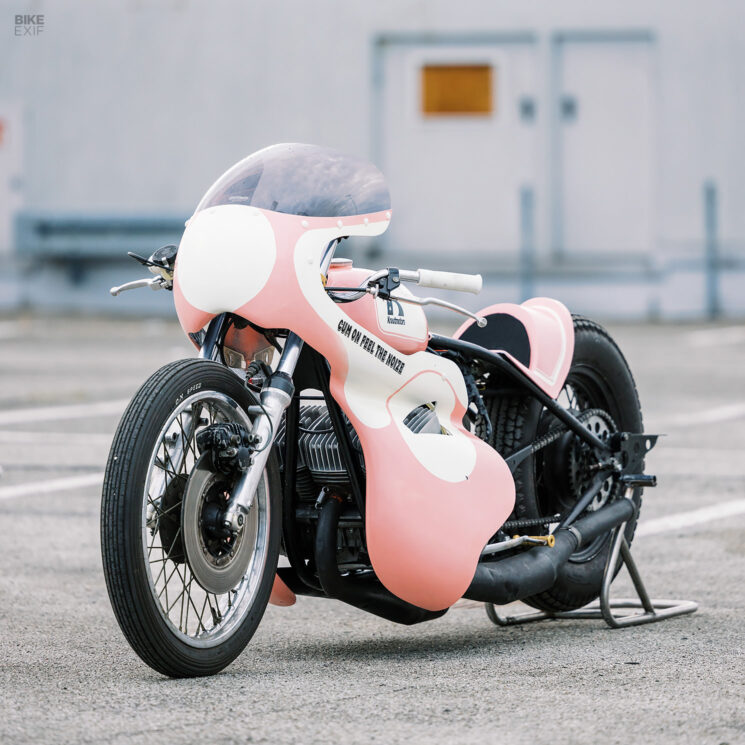
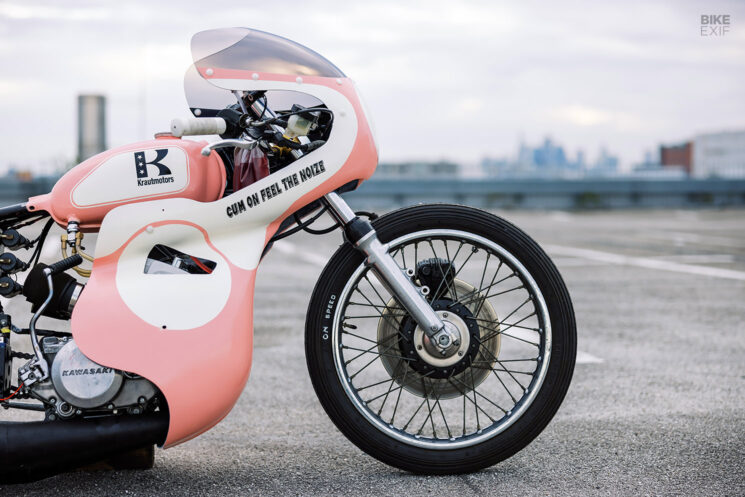
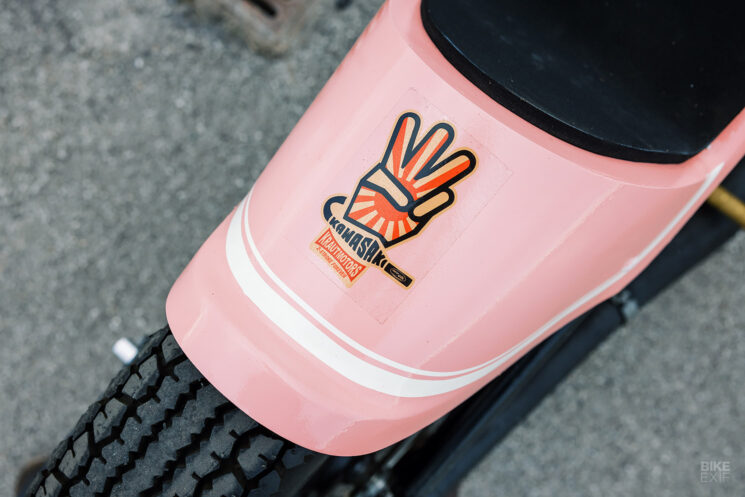
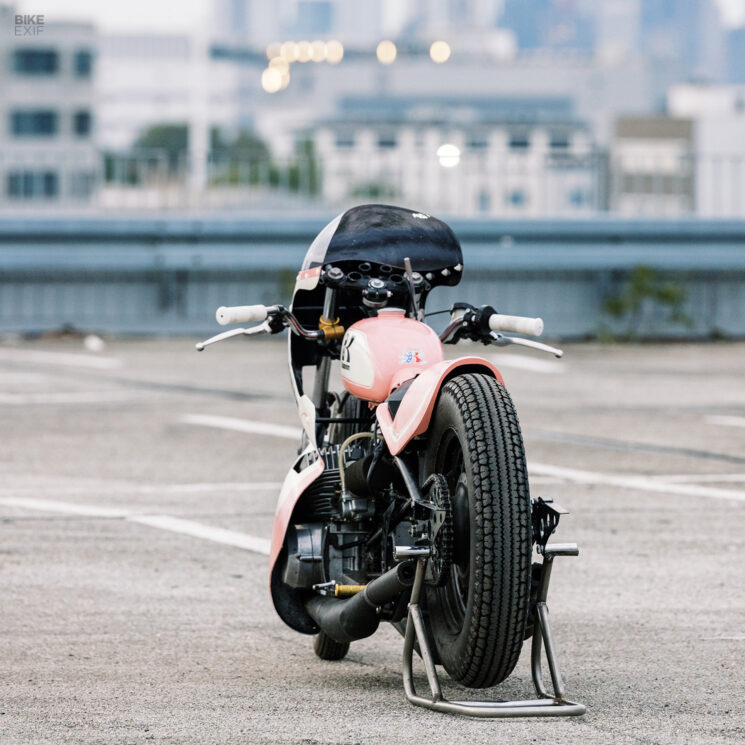
Kawasaki H1 drag bike by Krautmotors
The Glemseck 101 is the European event for anyone who loves fast, impractical, and highly imaginative machines. Those who partake in it do so with cult-like levels of obsession—returning year after year in a bid to outdo each other and themselves.

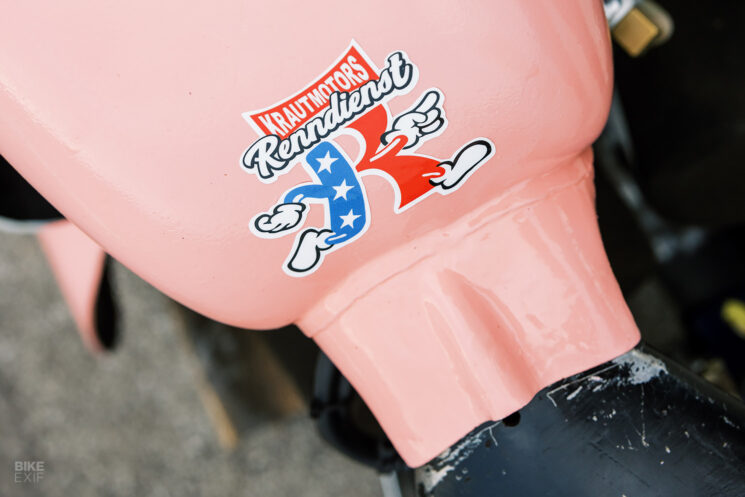
Rolf Reick is a regular face at the Glemseck 101. Based in Heidelberg, Germany, the perpetually cheerful industrial designer heads up a design school in the nearby town of Mannheim. But he also has years of experience building custom bikes—like this wild Kawasaki H1 two-stroke—under the banner of Krautmotors.

Kawasaki H1 drag bike by Krautmotors
Rolf has stockpiled a number of rad bits and pieces over the years. So he set himself a goal of building a drag bike for this year’s Glemseck 101 using only recycled parts from his personal stash, turning to external sources only when necessary. (It’s not the first time he’s used this approach.)

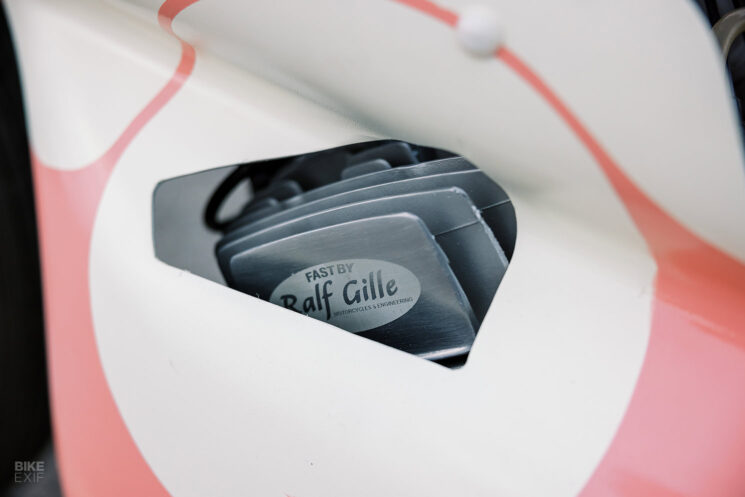
One of the parts that Ralf already had on hand was the triple-cylinder two-stroke engine from a Kawasaki H1 Mach III; the original ‘Widowmaker.’ But it was far from stock. It had previously been rebuilt by the Kawasaki specialist Ralf Gille, with a host of upgrades that included extensive head work, a new crankshaft, and a set of Mikuni carbs.

Kawasaki H1 drag bike by Krautmotors
All Ralf needed now was a frame to stick it into. One of the Glemseck 101’s flagship races is the StarrWars sprint, which is limited to rigid-framed bikes only. Rolf had long wanted to build a Kawasaki triple to take on StarrWars, and this was the perfect opportunity.

Without a suitable frame in stock, Rolf took to the internet. He soon found a rigid frame built for a Yamaha XS650 engine, and priced cheap because, as he says, “the steering head pointed in a different direction than the rest of the frame.”

Kawasaki H1 drag bike by Krautmotors
A friend with a frame jig helped Rolf massage the chassis into a usable form. Next, Rolf welded in the engine mounts from a bent Kawasaki H1 frame, then turned new bearing cups so that he could install a set of Kawasaki KH500 forks that he had lying around. The 19” front and 16” rear wheels also came from Rolf’s stock, but the latter needed a new axle and spacers to fit the frame.

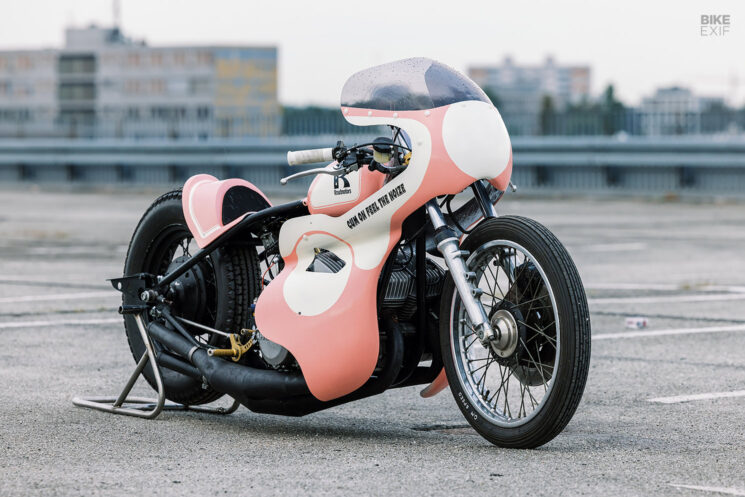
The bodywork is a cocktail of items from diverse sources. The tiny fuel tank is a vintage Victoria part, while the rear cowl is something that a parts dealer set aside for Rolf back in the 90s, knowing that it would appeal to his taste. The fairing was pieced together from a Monza-style upper section and the lower half of a Habermann fairing.

Kawasaki H1 drag bike by Krautmotors
Rolf kept rummaging through boxes, producing the bike’s foot pegs, paddock stand spindles, and just about every other part needed to complete the build. The ‘clip-ons’ use a set of hacked-up handlebars on recycled clip-on mounts, and the exhaust is an old Denco system. The only new parts on this build are the battery and chain.

With some deft wiring work, Rolf’s Kawasaki H1 sprinter was almost ready to race. All he needed was a suitable livery—the one thing you can’t skimp on if you’re planning to turn heads at Glemseck.

Kawasaki H1 drag bike by Krautmotors
“My first big bike was pink,” Rolf tells us. “At 18, my favorite color was pink. At that time my bass guitar was pink, my girlfriend knitted me pink things, and I even had a pink helmet with hair down to my belt. Truck drivers whistled at me, and the police were too embarrassed to deal with me.”

“Then came black motorcycles for a while—one in ‘friendly black,’ another in ‘youthful black,’ and yet another in ‘life-affirming black.’ But at some point, I wanted a pink bike again, and this was exactly the right time. The design is based on the racing Kawasakis of the 70s, just with pink instead of green.”

Kawasaki H1 drag bike by Krautmotors
The saying goes that if you’re going to show up at a race in pink, you’d better be fast. But sadly, Rolf’s Kawasaki H1 never made it to Glemseck.

“It was not finished in time,” he confesses. “I screwed around until the night before the race, but it wouldn’t work, so I took my rigid-framed BMW instead. It was painful not to finish in time—it’s the first time it’s happened to me.”

Kawasaki H1 drag bike by Krautmotors
“Anyway, life goes on,” he adds. “Now I have another year to optimize it.”

Krautmotors | Facebook | Instagram | Images by, and with special thanks to, Marc Holstein

Kawasaki H1 drag bike by Krautmotors


from Bike EXIF https://ift.tt/hC6r8xN

Sunday, 24 September 2023

Speed Read: A flamingo pink custom Ducati XDiavel and more

The latest motorcycle news, customs and classics
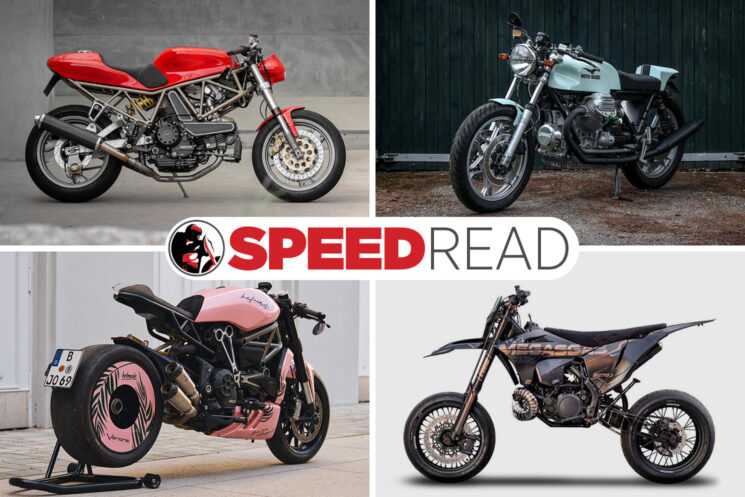
Some like their custom motorcycles classy and restrained, others like them loud and edgy. Whatever your preference, we’ve got you covered. A flamingo pink custom Ducati XDiavel leads the charge, followed by a Ducati 900SS built by an artist, a 700 cc two-stroke supermoto, and a beautiful Moto Guzzi V1000 G5 café racer.
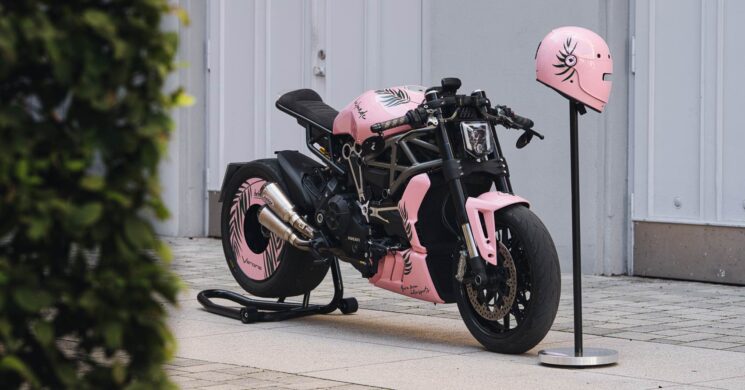

Ducati XDiavel by Helmade x Vengine What do you get when you cross Ducati’s edgiest power cruiser with Miami Beach? You get ‘Project Flamänko’—a custom Ducati XDiavel from Helmade and Vengine. Slathered and pink, but nevertheless fast, it wouldn’t look out of place in Grand Theft Auto: Vice City or piloted by everybody’s favorite Mattel male.

Based in Frankfurt, Germany, Helmade has been pumping out custom motorsports and motorcycle helmets for quite some time. They recently teamed up with fellow German Adrian Majewski (A.K.A. Vengine), to create a custom Ducati XDiavel with a matching Bell helmet, to run at the eponymous Glemseck 101 drag racing event.
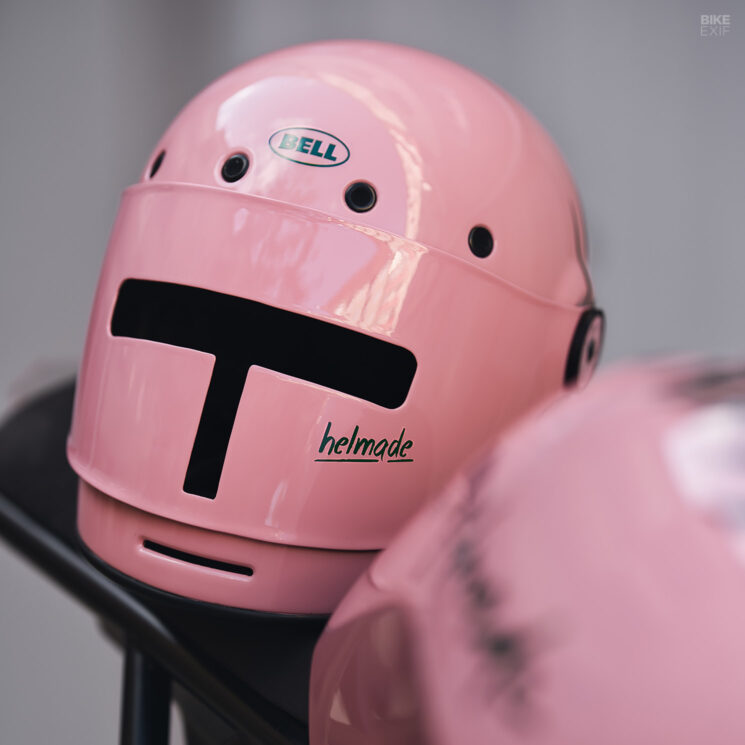
Custom Bell Bullitt helmet by Helmade
Taking inspiration from their racing heritage and the Bell Star XF GP (the first helmet that Bell made for Formula One), Helmad turned a brand new Bell Bullitt into a retro racing lid. The helmet’s shell is standard, but the visor is a custom-made carbon fiber piece. Finished in flamingo (or Barbie) pink with dark green graphics, it’s a real statement piece.

For the bike, Adrian picked up a Ducati XDiavel and went full Miami on it. A new LED headlight, resembling those found on modern enduro bikes, adorns the chunky front end by way of custom mounts. Custom clip-ons replace the factory handlebars, slung low for an extra racy position. CNC rear-set foot pegs replace the forward factory controls.
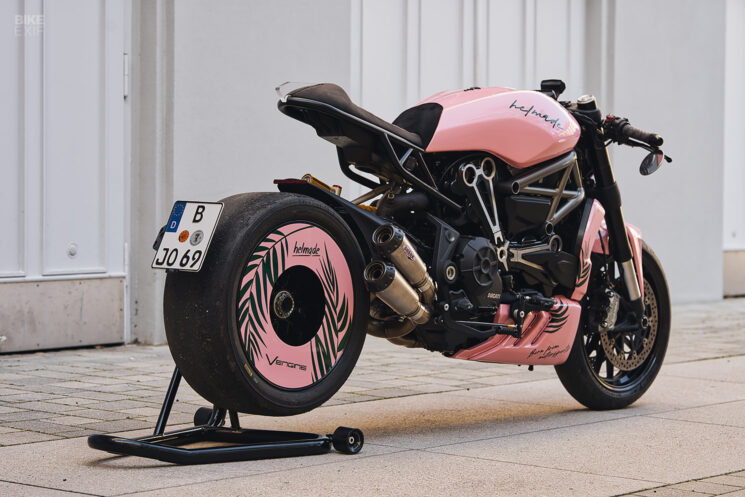
Custom Ducati XDiavel by Helmade x Vengine
The rear subframe was unbolted and replaced with a custom unit from Motocrew. The cantilevered single-seat conversion and the custom taillight ‘fin’ transform the XDiavel into an entirely new bike.

Darksiding (putting car tires on a motorcycle) is frowned upon in most situations, but Helmade and Vengine have gone ahead and wrapped the rear wheel in Hankook auto rubber anyway. They assure us that it’s for race use only though.
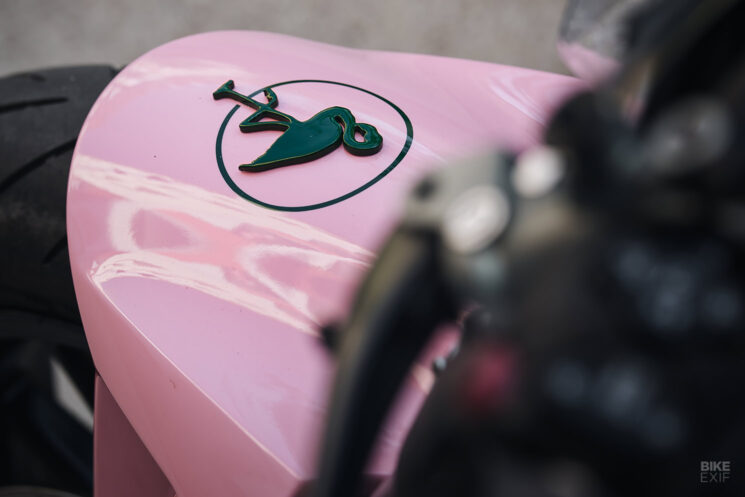
Custom Ducati XDiavel by Helmade x Vengine
The flashes of pink bodywork on the fender and belly pan are exquisitely done. Set against the black frame and engine, it’s a radical departure from the typically moody and aggressive look of the XDiavel. Flamänko is finished with a titanium exhaust system from Shark, and a Ducati 1199 rear shock.

From Miami to Malibu, we’re feeling the Kenergy. If you are too, the good news is that the XDiavel is for sale via Vengine. [Helmade | Vengine]
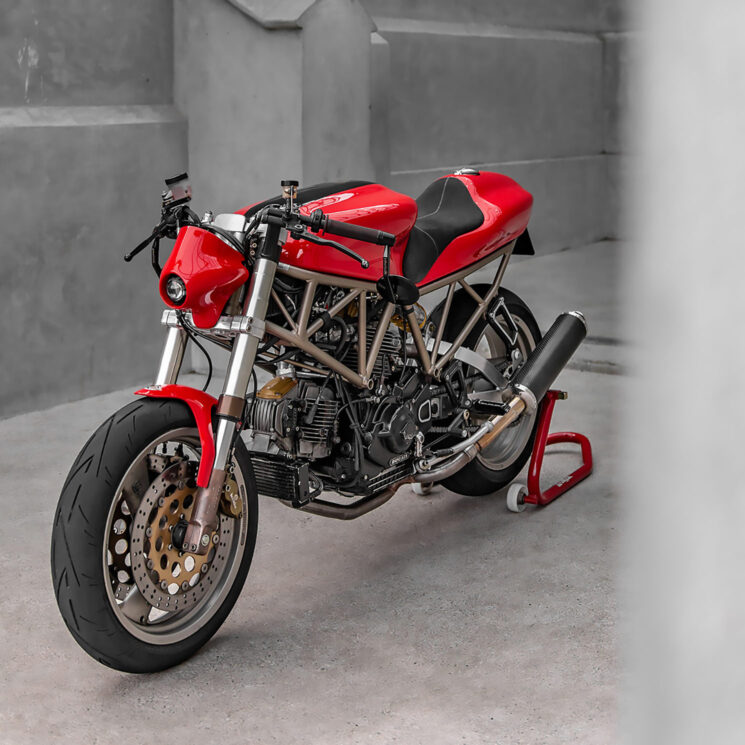
Custom Ducati 900SS by Emmanuel Dietrich
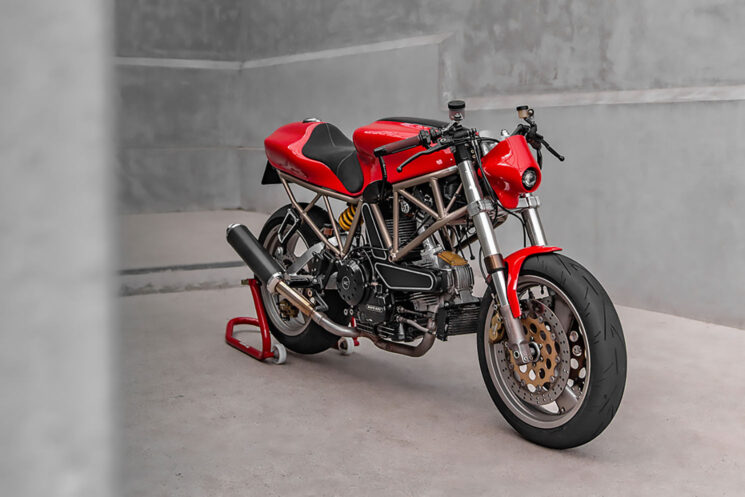
Ducati 900SS by Emmanuel Dietrich French artist and designer Emmanuel Dietrich has a habit he can’t seem to shake. As far back as he can remember, he’s never been able to leave anything in stock condition. So it’s only natural that his motorcycle, a Ducati 900SS, would eventually go under the knife.

Emmanuel graduated from the École Boulle School of Fine Art, before going on to design watches (one of which was for Hermes) and working with luxury brands around the world. He has a sharp eye and a refined style—but he clearly also has a knack for quirkiness, because the idea for this custom build came from a very unusual source. Nicknamed ‘Otolino,’ the Ducati is inspired by Emmanuel’s gorgeous whippet, Otto.
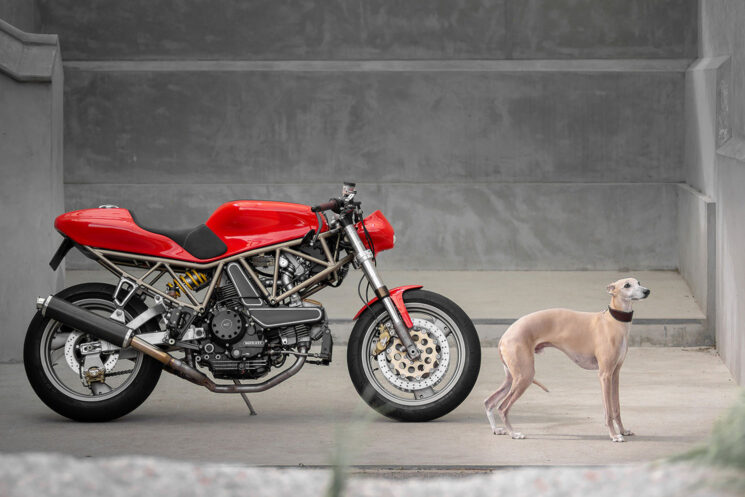
Custom Ducati 900SS by Emmanuel Dietrich
Behind their cute, spindly, and sometimes trembly exteriors, Whippets are built for speed. Emmanuel used Otto’s lean frame, muscular shoulders, and sloping haunches as the inspiration behind the custom bodywork that he crafted for the Ducati 900SS.

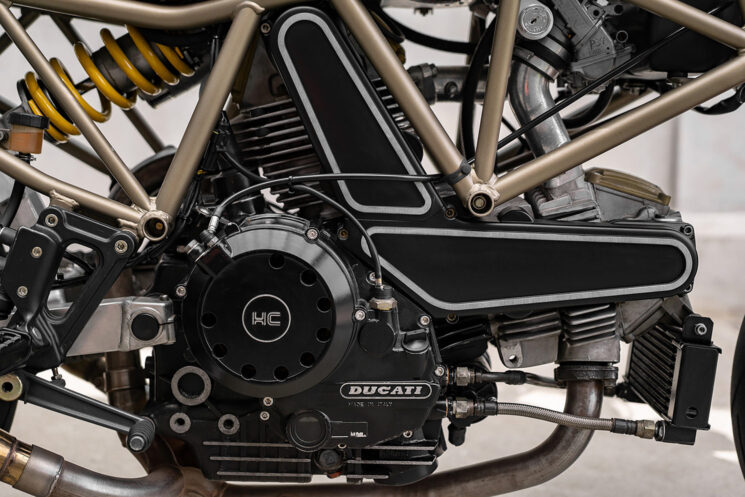
Using a full-sized 3D-printed mold, Emmanuel built a monocoque body out of fiberglass. The body hides a fuel cell and is affixed to the frame via a clever hidden mounting system that makes it all look impossibly slick while still being easy to remove for maintenance. Can you tell that Emmanuel has worked in product design?
Custom Ducati 900SS by Emmanuel Dietrich
The ‘tank’ section now features softened curves and a black panel on top to break the stunning red paint. The seat was expertly crafted to Emmanuel’s exact specifications, and despite the tiny amount of foam looks like a very comfortable place to sit. The front fender and headlight nacelle were also made by Emmanuel, the latter of which has a distinct snout-like appearance.

In terms of finer details, the belt covers, footpegs, and exhaust hangers have all been redesigned to better suit the overall theme of the bike. The exhaust features the factory headers, bolted to new mid pipes and carbon fiber mufflers. The tail light and rear fender are hidden beneath the seat.
Custom Ducati 900SS by Emmanuel Dietrich
The result is a motorcycle as unique as its inspiration. We’re not sure that Otto would enjoy the thunderous V-twin overly much, but we’re sure he appreciates the sentiment nonetheless. And look at it this way—Emmanuel now has two best friends. [Source]
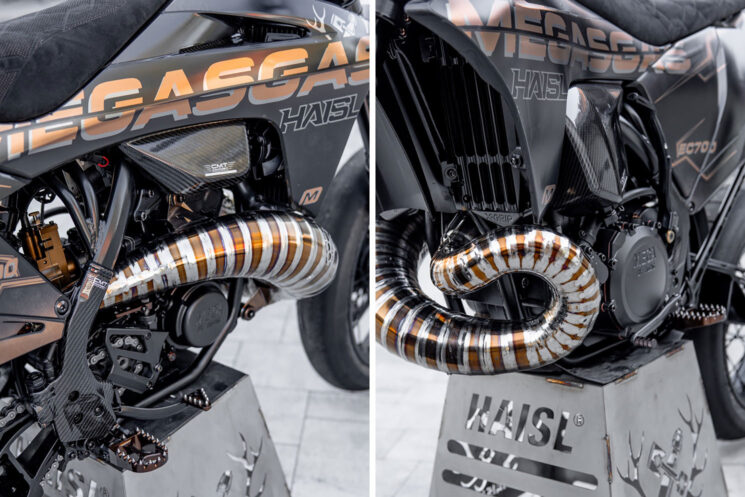
Custom 700 cc GasGas supermoto
‘Megasgas’ 700 cc two-stroke supermoto One of the most hilarious motorcycles I’ve ever ridden was a 300 cc two-stroke enduro bike from the KTM family. It’s a recipe for madness; super low weight with an on/off power delivery that pulls like a freight train and feels more like a rocket ship than a dirt bike. But that’s not enough for some people.

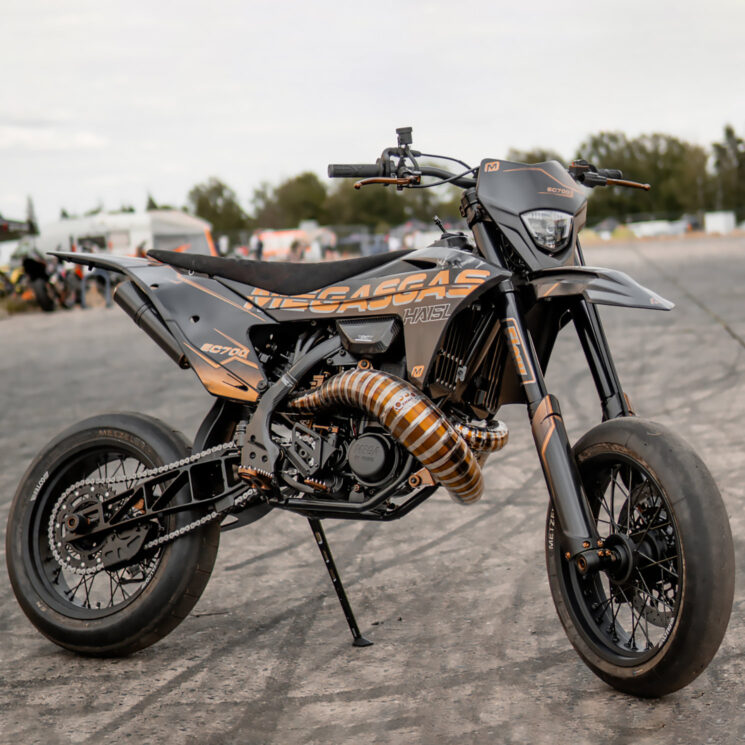
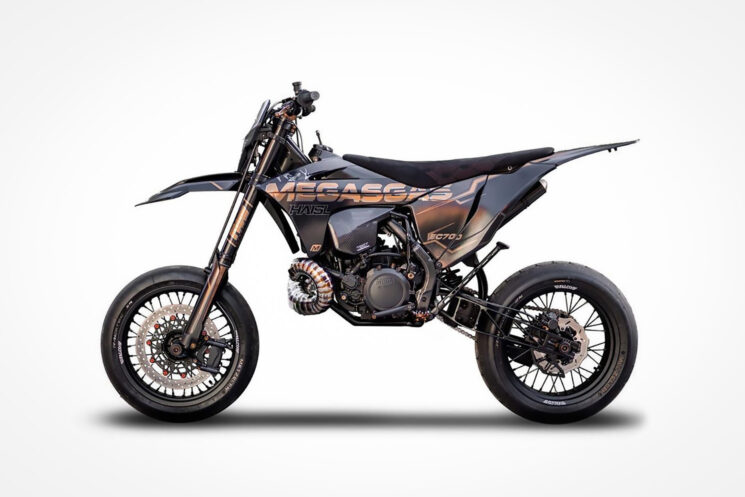
This might look like a tricked-out GasGas EC300 supermoto, but it’s so much more than that. Built by a bloke named Sebastian (‘Sib’ to his friends) out of his workshop in Germany, this is no ordinary supermoto. That’s because Sib has thrown out the old 300 cc engine, and replaced it with a 700 cc two-stroke engine from the Austrian company Rübig Motortechnik.
Custom 700 cc GasGas supermoto
Rübig’s 700 cc ‘Mega’ engine is built for sidecar motocross racing and features liquid cooling, twin spark plugs, vastly more power, and no balance shaft. Sib had to modify the frame to shoehorn the engine in, but he’s managed to make the ‘Megasgas’ look factory.

The modifications didn’t just stop with the engine and frame though. There’s a new CNC alloy swingarm, modified rear suspension, and a supermoto wheel conversion. That exquisite exhaust is also new, as is the trick bronze-anodised carb from SmartCarb.
Custom 700 cc GasGas supermoto
Everything was blacked out, with copper accents and graphics inspired by the Nissan Cupra R. The bike looks bananas, but it’s reportedly a handful to ride—mostly because of how much it vibrates.

It begs the question as to why Sib would build something like this in the first place. Seeing as how he’s already planning a two-stroke turbo build, we’d say it’s because he’s just wired differently. [Source]
1979 Moto Guzzi V1000 G5 café racer
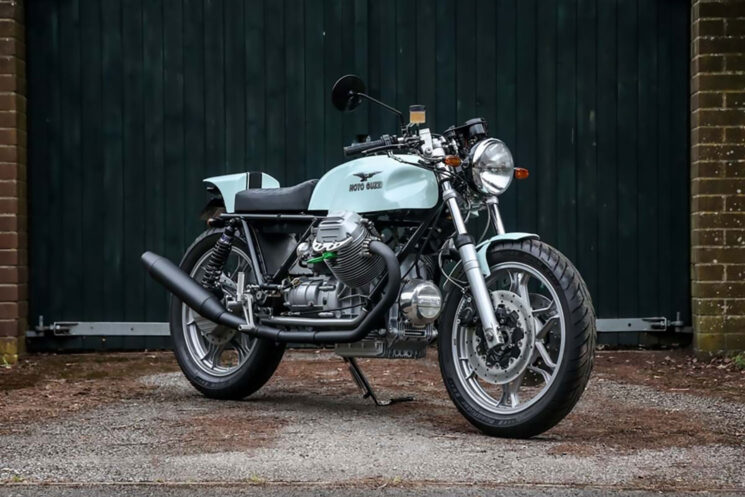
For sale: 1979 Moto Guzzi V1000 G5 The Moto Guzzi V1000 G5 was originally built by the Italian company to soften the blow of the less popular V1000 Convert. The 1000 cc V-twin had the same frame and basic engine architecture as the legendary 850 Le Mans, albeit with a few changes.

The Sachs hydraulic torque converter sapped power, so the engine was bumped to 949 cc, but the two-valve heads remained, as the V1000 Convert was meant for touring and police work. But the biggest change was the bike’s semi-automatic transmission. Suffice it to say, it wasn’t popular—so, in 1979, Moto Guzzi offered the V1000 ‘G5,’ referring to the new model’s five-speed gearbox.
1979 Moto Guzzi V1000 G5 café racer
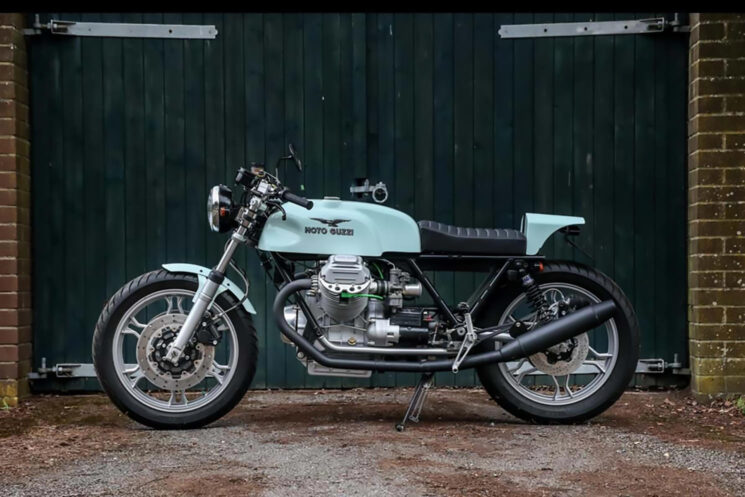
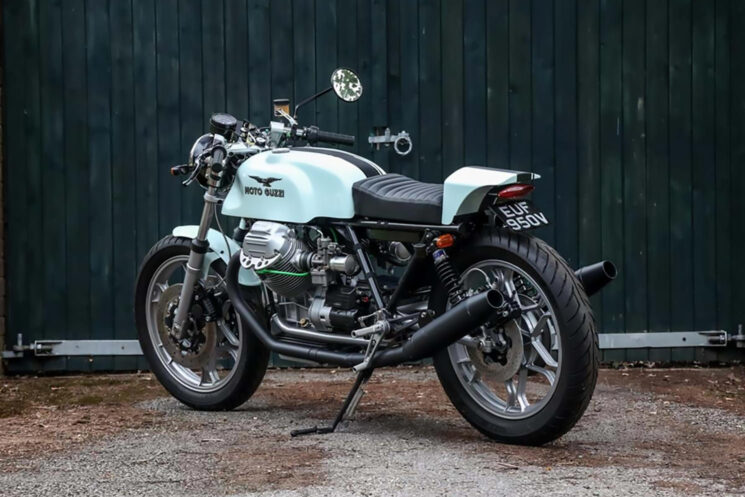
The bike you see here, offered for sale through Historics Auctioneers, started life as one of those G5s. The current owner bought the bike in bits and put it back together over three years. But rather than undertake a complete nut-and-bolt restoration, the owner opted for a café racer project instead.

In terms of collectability, the G5 is a long way from the 850 Le Mans, 750 S3, and the 1000S, so a custom project makes a lot of financial sense.
1979 Moto Guzzi V1000 G5 café racer
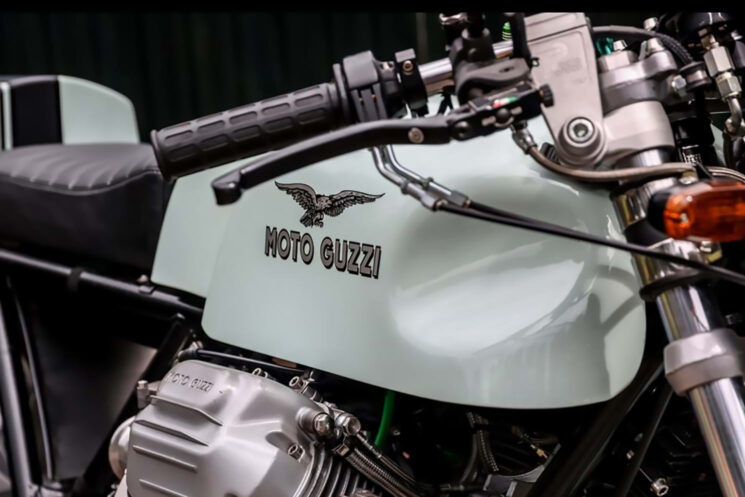
This one has been treated to a full engine rebuild with new 88 mm Gilardoni pistons, rings, and barrels. There are new valves, springs, and guides, and the Dell’Orto PHF36 carbs were rebuilt and re-jetted by Dynojet Research.

HMB Guzzi in Germany rebuilt the transmission, and this old Goose now pumps out a healthy 55 hp according to Dynojet’s dyno. Treated to fresh brake discs, refurbished calipers, and braided brake lines, this G5 should have a lot more stopping power than it did from the factory. And with fresh suspension and new wiring, it should be reliable too.
1979 Moto Guzzi V1000 G5 café racer
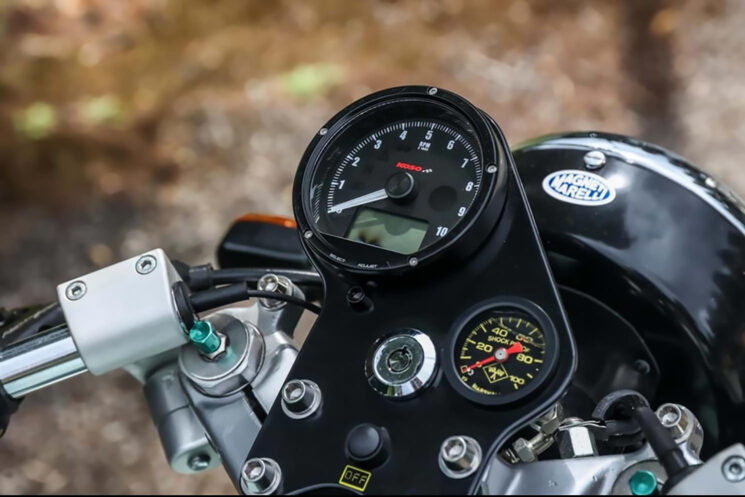
The seat and tail unit are custom, and the tank is a classic Norton Manx-esque design that suits the lines of the Guzzi perfectly. Tarozzi clip-on handlebars and a thoroughly modern Brembo radial brake master cylinder take over from the factory controls. A Koso speedo and an oil pressure gauge sit inside a custom dashboard.

The price guide is £5,000-£8,000 so you’d better be quick if you’d like to park this in your garage. [Via]
1979 Moto Guzzi V1000 G5 café racer


from Bike EXIF https://ift.tt/LB1jAFq
Thursday, 21 September 2023

A screaming Yamaha RZV500R restomod from Championship Cycles

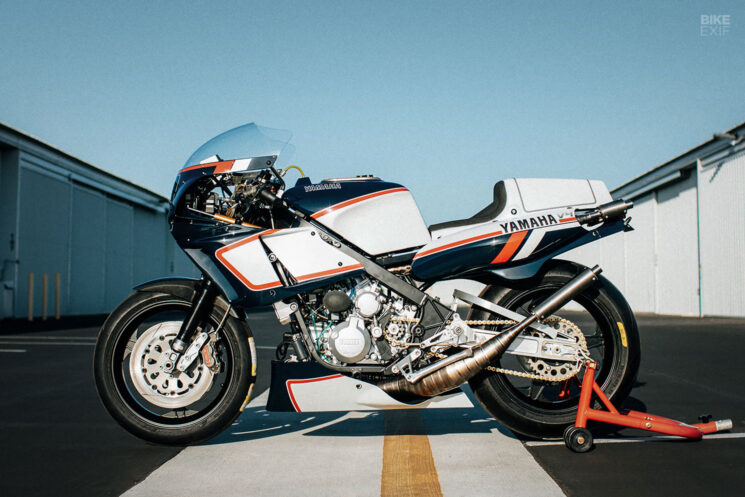
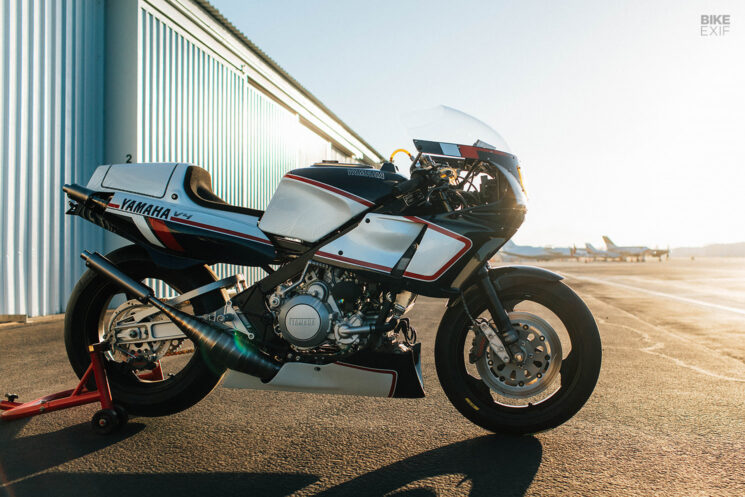
Yamaha RZV500R two-stroke restomod by Championship Cycles
Only available in Japan and limited to just 1,600 units, the mid-80s Yamaha RZV500R is as rare as it is iconic. Based on the RZ500, the Japanese-market RZV500R sported a handful of upgrades—the most noteworthy of which was an aluminum frame.

The RZ500 was a desirable machine in its own right; a four-cylinder two-stroke race replica that mimicked Kenny Roberts’ YZR500. But its 88 hp output was too much for Japanese legislation at the time, so Yamaha restricted it to 64 hp and swapped the steel frame for a lighter aluminum unit to compensate for the drop in power. It was rebadged as the Yamaha RZV500R and sold out within the first week of its release (or so the legend goes).

Yamaha RZV500R two-stroke restomod by Championship Cycles
Despite its allure, Mike Vienne reckons that the RZV500R has room for improvement. He runs Championship Cycles in Los Angeles, California, where the philosophy is “less is more—because more is heavy, and heavy is slow.”

“The original RZV500R from Yamaha had many quirky features baked into it from the factory,” says Mike, “like a longitudinally mounted rear shock, anti-dive linked front brakes and forks, and cast 16” front and 18” rear wheels. Additionally, it was hampered by emissions constraints, and then, to add insult to injury, it weighed in at over 400 lbs. It all totaled up to a rather lackluster spec machine.”

Yamaha RZV500R two-stroke restomod by Championship Cycles
When this 1985-model Yamaha RZV500R rolled into Championship Cycles’ workshop, the initial discussions revolved around creating a Wayne Rainey Marlboro replica. “Those have already been done many times before,” says Mike. “I proposed an alternative design—one that recalled the GP motorcycles that ran the Daytona 200 in the early 1980s.”

“The concept was to incorporate a combination of new, period-correct components in conjunction with custom fabricated parts, influenced by the design of those 80s-era race bikes. We steered clear of modern anachronisms like upside-down forks and radial brakes. and instead opted for fully adjustable conventional forks, axial calipers, and a pair of custom-made full floating rotors that looked like they belonged on a mid-1980s race machine.”

Yamaha RZV500R two-stroke restomod by Championship Cycles
The RZV500R’s hand-welded aluminum frame was too good to ignore, so Mike used it as a jumping-off point for this pseudo-restomod project. New front and rear subframes were fabricated, along with a billet aluminum swingarm and rear-sets, all of which echo the triangular design of the main frame’s gussets. Well-known fabrication guru, Mark Atkinson, was responsible for the jaw-dropping CNC work.

“Yamaha had some pretty wild engineering going back in the day,” Mark adds. “The exhaust routing on the original bike essentially displaced the shock’s typical vertical layout and relegated it to a longitudinal position beneath the bike. Although that feature was retained on the build, all of the original heavy cast linkage and relay arms were remade in billet aluminum, and coupled to a new fully-adjustable Nitron shock.”

Yamaha RZV500R two-stroke restomod by Championship Cycles
The Yamaha’s new forks are from Nitron too, and are held in place by a set of billet aluminum yokes that feature a more contemporary width and offset. The RZV’s original 16F/18R wheels are unique—but they’re also heavy and hard to find tires for. So Mike swapped them out for a gorgeous set of classic racing-style three-spoke forged aluminum hoops from Dymag.

Although the donor bike’s engine was running, it was in rough shape—unable to put out even the measly 64 hp that it offered from the factory. “Once it was opened up,” says Mike, “we found that three out of the four pistons were different sizes, and the heads looked like a chopping block.”

Yamaha RZV500R two-stroke restomod by Championship Cycles
Wilson Performance rebuilt the motor, upgrading it to the tune of 100-plus horsepower. The transmission was modified too, and the Mikuni carbs were replaced with new single-circuit metering rod carbs from Smart Carb.

A two-stroke superbike is nothing without a good set of pipes, so Mike called on Wayne ‘Wobbly’ Wright in New Zealand to blueprint a set of custom chambers to match the fresh motor. Fellow Kiwi Bryce Meads then rolled and welded dozens of titanium strips together to complete the incredibly light—and very sexy—exhaust system.

Yamaha RZV500R two-stroke restomod by Championship Cycles
Just like on the OEM setup, two of the RZV’s four exhausts exit through the tail section. Mike built a new carbon fiber rear cowl to accommodate them, pulling inspiration from the aesthetics of early Yamaha race bikes. The tail is a two-piece unit, held in place by quick-turn fasteners.

There’s more carbon fiber work further forward, where a custom fuel cell mimics the bike’s original lines in a slimmer form factor. A billet endurance-style dry break fuel filler does duty up top.

Yamaha RZV500R two-stroke restomod by Championship Cycles
The race fairings are heavily modified period-correct Yamaha parts, made out of fiberglass. Mike specifically started with a three-quarter fairing design to expose more of the RZV’s screaming engine. A single offset headlight adds another dose of classic endurance racing style.

A custom dash sits behind the windscreen, hosting a Motogadget speedo and a water temperature gauge. Clip-on handlebars wear a Brembo brake control to match the up-specced brake system, with a hydraulic clutch master cylinder mounted on the opposite side. Additional weight-saving measures include a Lithium-ion battery, a pared-down wiring loom, an aluminum radiator from PWR, and more aluminum, titanium, and carbon fiber than you can shake a stick at.

Yamaha RZV500R two-stroke restomod by Championship Cycles
“Even though we didn’t go to full race bike extremes, we were able to lose over 100 lbs of weight,” Mike tells us. “The whole bike is an outright sensory experience to ride. The quartet of pipes ringing and popping with surliness; it just wants to be unleashed and it’ll turn any enclosed space into a hookah lounge instantly.”

“Of course, there’s no mistaking the smell of pre-mix as it unlocks primitive memories of shenanigans and hooliganism. It feels like two 250 cc motors strapped together—which it kind of is—but with more guts down low than you’d expect from a two-stroke.”

Yamaha RZV500R two-stroke restomod by Championship Cycles
“Everything is rather tame-ish below 7,500 rpm, then two things happen simultaneously as it gets on the pipe: the revs rise extremely fast and the front wheel reaches frantically towards the sky. Shift, rev, repeat.”

Championship Cycles | Instagram | Images by Shaik Ridzwan of The Mighty Motor

Yamaha RZV500R two-stroke restomod by Championship Cycles


from Bike EXIF https://ift.tt/IiFe4Wy