Monday, 7 October 2024

The 2025 Cadillac Optiq: This is a Bold Step into the Luxury Electric Future

But when Cadillac says it will announce the 2025 Cadillac Optiq, it’ll be a brand new chapter for the automaker, boldly going to electric vehicle game territory where no automaker has gone before. An uncompromising design and cutting edge technology are combined with impressive performance specifications to provide a luxurious driving experience, and an example of the brands commitment to sustainability.

Exterior Design: A Modern Statement

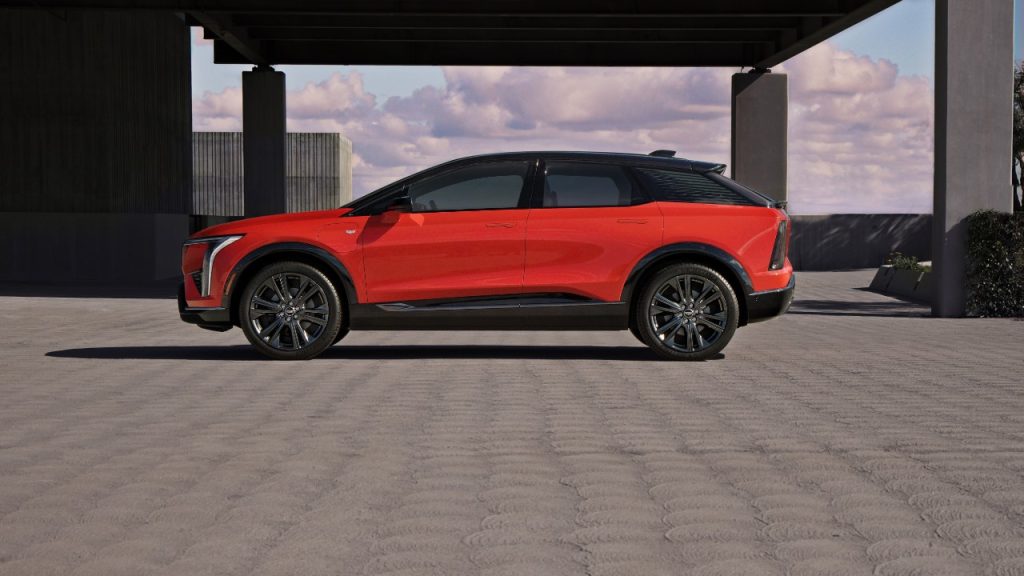
2025 Cadillac OPTIQ

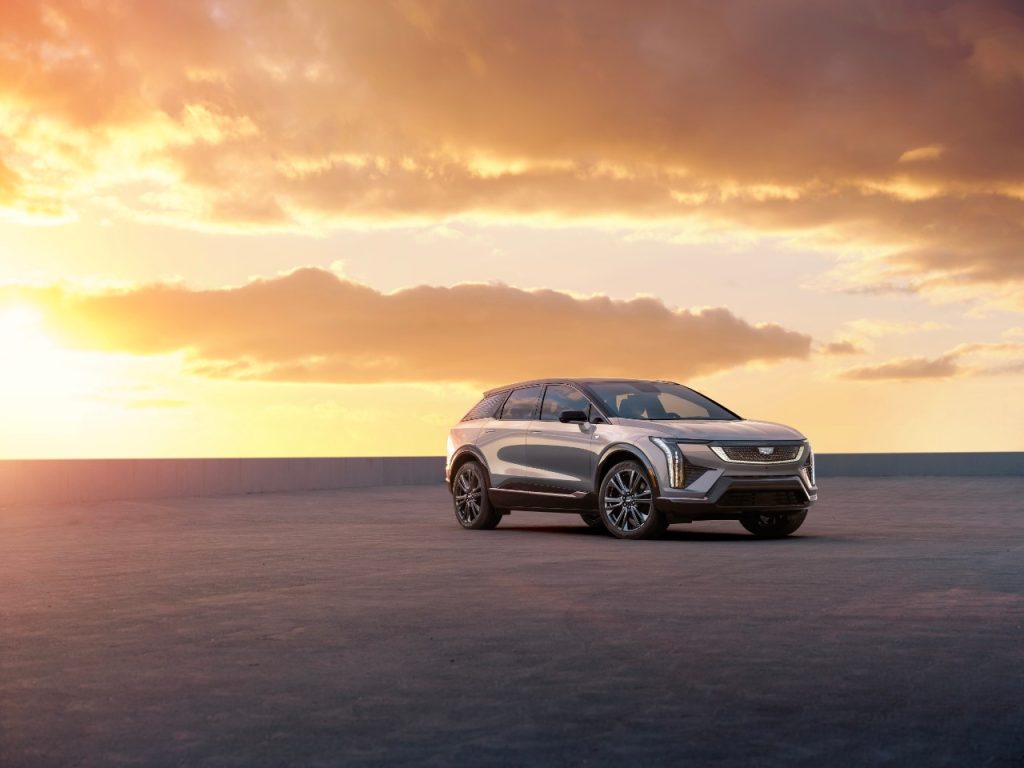
The 2025 Cadillac Optiq’s exterior sports a brave combination of Cadillac’s signature styling and contemporary aesthetics. The flowing lines and dynamic profile of its silhouette make it as visually appealing as aerodynamically efficient.

Front Fascia: Inserted with LED lighting in a light bar across the front, the reimagined Cadillac grille features an integrated Optiq. This lighting design has a signature presence, screaming down the road at night.

Body Shape: While having a sporty, elegant look, with its low roofline and sculpted sides, the SUV loses its roominess. The vehicle uses high strength materials not only to make the vehicle light but also to enhance the safety and performance of the vehicle.

Wheel Options: Each their own, there will be a range of wheel designs and sizes, some sporty, some luxurious.

Interior Design: Luxury Meets Comfort
2025 Cadillac OPTIQ

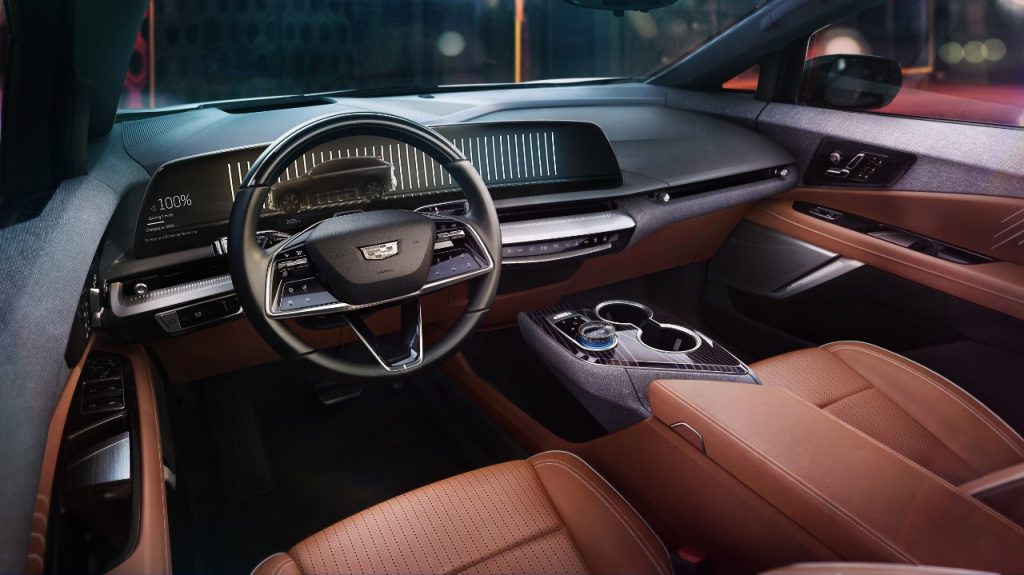
Once you step inside the 2025 Optiq, you know right away that Cadillac cares about luxury. The elegant cabin is as much focused on the design as it is on the materials, which are all premium.

Materials: The atmosphere is sophisticated: it is made of high-quality leather, wood accents, and brushed metals. Also, using sustainable materials, Cadillac has highlighted its eco-friendly focus.

Seating: There is seating for five, and front and rear seats can be equipped with heated and ventilated features. The design is ergonomically designed to give maximum comfort for long journeys.

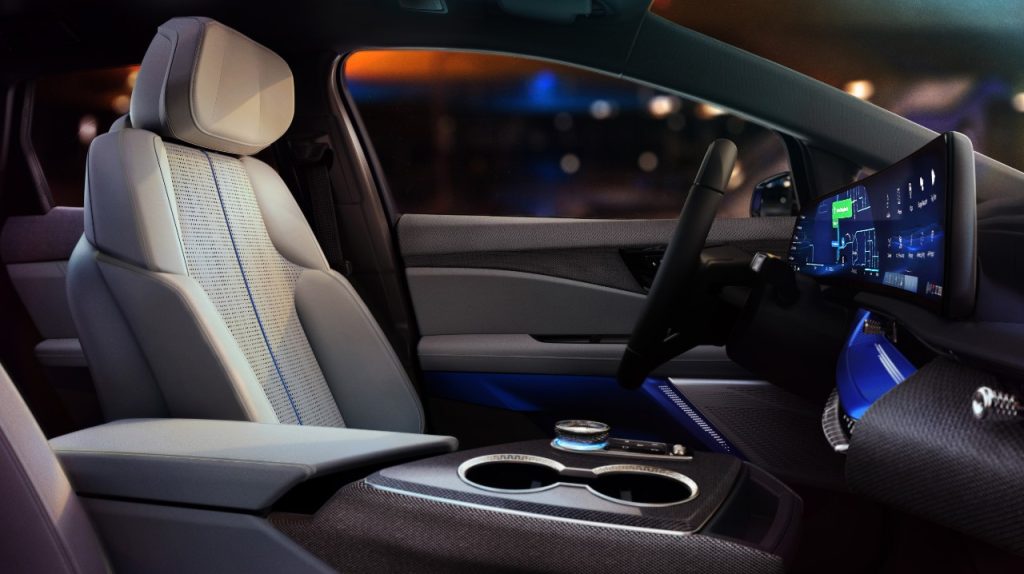
Technology Interface: The instrument cluster and infotainment system are integrated together into a sweeping curved digital display, for a seamless display. The intuitive interface makes for an easy to use interface that features easy navigating and access to vehicle settings.

Ambient Lighting: Custom ambient lighting can be set to suit your mood, or your mood to suit the ambient lighting!

Technical Specifications: Performance and Range

2025 Cadillac OPTIQ

The 2025 Cadillac Optiq packs under the hood the advanced Ultium battery platform that will underpin General Motors‘ electrification strategy.

Battery Option: The Optiq will come available with a number of battery configurations to meet the range requirements needed for various driving scenarios. A full charge would take the car as far as an estimate of 300 miles.

Horsepower and Performance: The SUV will have several powertrain options, and in upper trims, horsepower is estimated to hit close to 400 hp. It gives this power to a 0-60 mph time of about 4.5 seconds, making for impressive performance.

Charging Capabilities: The Optiq supports fast charging allowing drivers to charge to around 80% in approximately 30 minutes at high capacity DC fast chargers.

Technology Features: Connectivity and Safety
2025 Cadillac OPTIQ

The Optiq is filled throughout with Cadillac’s dedication to cutting edge technology.

Infotainment System: It also features a user friendly interface for the car’s in car entertainment with both Android Auto and Apple car play support for easy smartphone pairing. The system is kept up to date with the latest features and updated over the air on software updates.

Driver Assistance Systems: Among a full suite of advanced driver assistance systems (ADAS), it’ll also have adaptive cruise control, lane keeping assist, blind spot monitoring and automatic emergency braking. Cadillac’s Super Cruise technology takes hands free driving to compatible highways a step further for safety and convenience.

Audio System: Premium audio system by a renowned brand: A premium audio system from a trusted manufacturer is also available, providing an immersive experience for the occupants and adding to the luxurious feel of the cabin.

Sustainability Commitment
2025 Cadillac OPTIQ

The 2025 Cadillac Optiq is one of the vehicles that Cadillac is committing to the whole sustainability package. Together, the electric powertrain and eco friendly materials, plus efficient manufacturing processes, mark Cadillac’s commitment to a smaller environmental footprint.

The Optiq, unveiled as the 2025 Cadillac Optiq, is a new electric SUV that’s more than that: This is Cadillac’s vision for the future of luxury mobility. The Optiq is full of stunning design, powerful performance, and a number of technologies that promise to redefine how we drive a luxury electric vehicle. The Optiq is just one example of how Cadillac is rolling on innovating and adapting in the changing automotive world while continuing to carry on and go forward in an electric, electrified future.


from Auto Blog | Latest Car News and Reviews, Trucks, Bikes, and Motorcycles https://ift.tt/poash3x

Sunday, 6 October 2024

Speed Read: A custom Triumph Bobber to match a Porsche 911 and more

The latest motorcycle news and customs
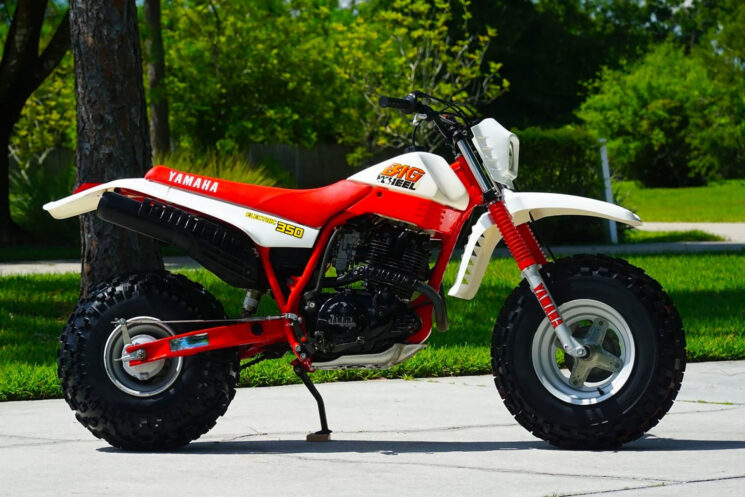
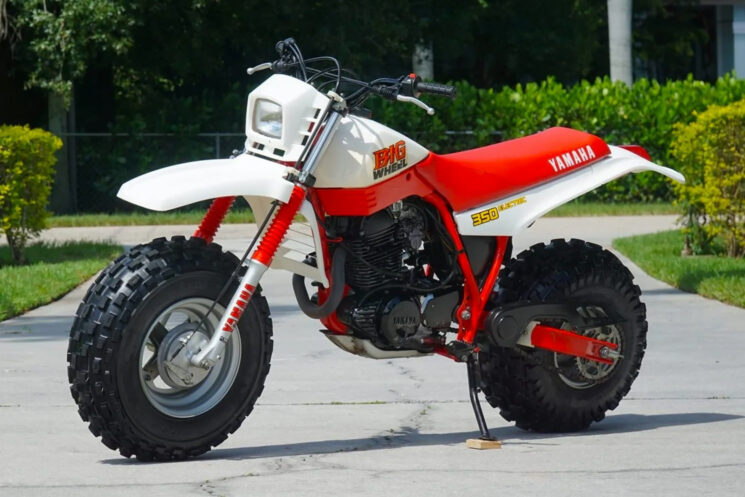
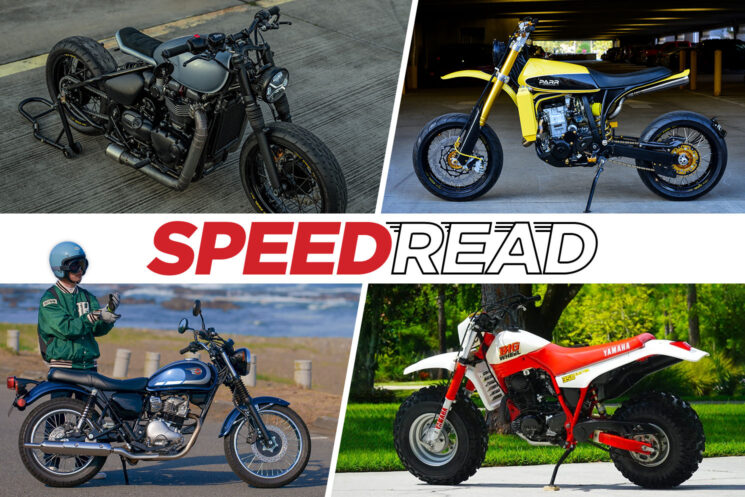
Motocrew leads the charge this week, with a custom Triumph Bobber inspired by their client’s hopped-up Porsche 911. We also throw the spotlight on a Suzuki DRZ400 supermoto, the new Kawasaki W230 modern classic, and a fully original Yamaha BW350 that just sold for a cheeky amount of money.

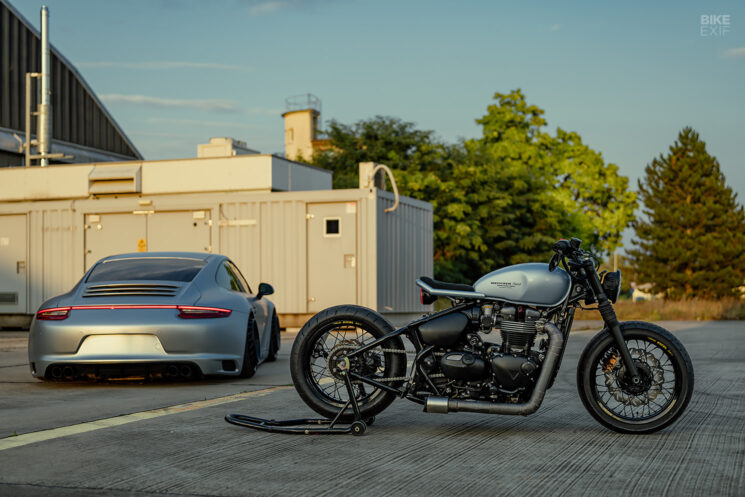
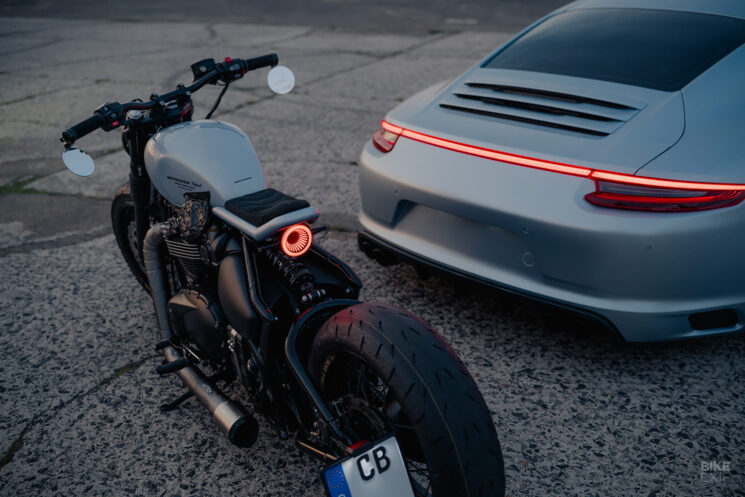
Custom Triumph Bobber with matching Porsche 911 by Motocrew
Triumph Bobber by Motocrew The story of this slick-looking custom Triumph Bobber began with a call from a good friend of the German custom bike workshop, Motocrew. He had just finished customizing his Porsche 911, and it looked lonely in the garage. The hunt for a stablemate was on—and that’s where Motocrew came in.

The bike needed to be long, low, and lithe, just like the Porsche, so Motocrew’s Chris Scholtka chose a 2019-model Triumph Bobber as a donor.

Custom Triumph Bobber with matching Porsche 911 by Motocrew
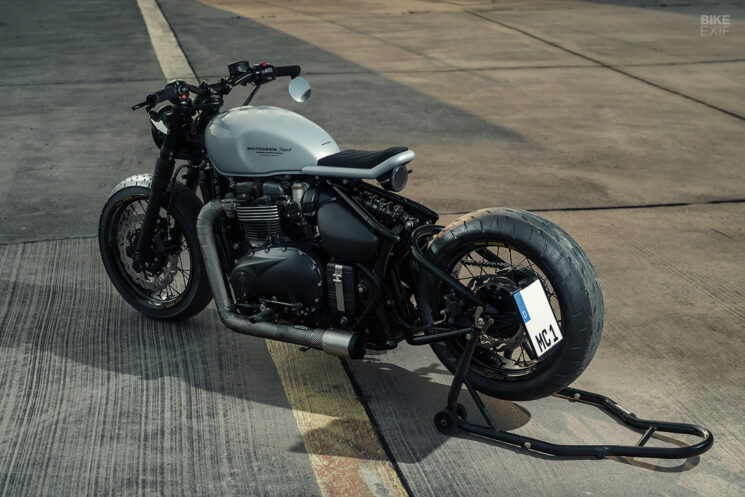
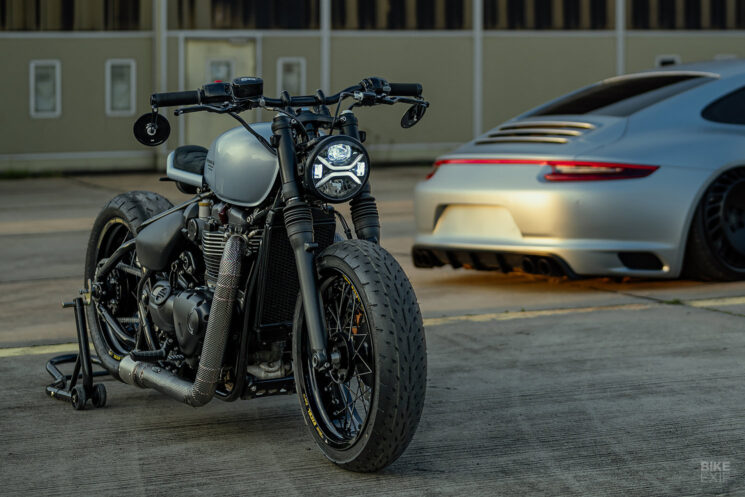
A custom wheel setup from Haan Wheels was bolted on to nail the stance. The matching 17-inch Excel rims allowed the fitment of wider Shinko tires, with a 120/70R17 up front and a chunky 180/55R17 at the rear. Together with the lowered front suspension, new Touratech rear shock, and lack of fenders, they give the bike an aggressive aesthetic.

The LED headlight is from KOSO, and is nestled between 3D-printed upper fork covers from Motoism that also house a set of tiny indicators. A Motogadget Motoscope Pro dashboard is mounted down low on the headlight to keep the bars clutter-free. (Motogadget’s Berlin workshop used the bike to develop a plug-and-play kit for other Bobber customers too.)

Custom Triumph Bobber with matching Porsche 911 by Motocrew
The tank was painted silver by the German car brand Holyhall. The design includes Motocrew logos and subtle stripes of matte and gloss clear coats to add detail without breaking up the classic lines.

The rear subframe is new, as is the custom upholstered seat. The taillight is originally from a Yamaha but is contained inside a custom 3D-printed housing, and flanked by a pair of Motogadget turn signals. A side-mounted number plate system was fabricated and bolted on to keep things legal.

Custom Triumph Bobber with matching Porsche 911 by Motocrew
Not visible is the Classicbike Raisch Stage Five performance kit that includes racing air filters, a new intake, and a generous ECU tune. Together with the custom exhaust, the 1200 cc twin pumps out an extra 28.5 horsepower and 30 Nm of torque. That’s not normal pipe wrap either—it’s high-performance sports car stuff from the experts at Thermotech.

It’s unlikely that Motocrew’s client will choose the Porsche over the Triumph on any given day—provided the sun is shining and there are no groceries to pick up.

Motocrew Instagram | Images by kylefx
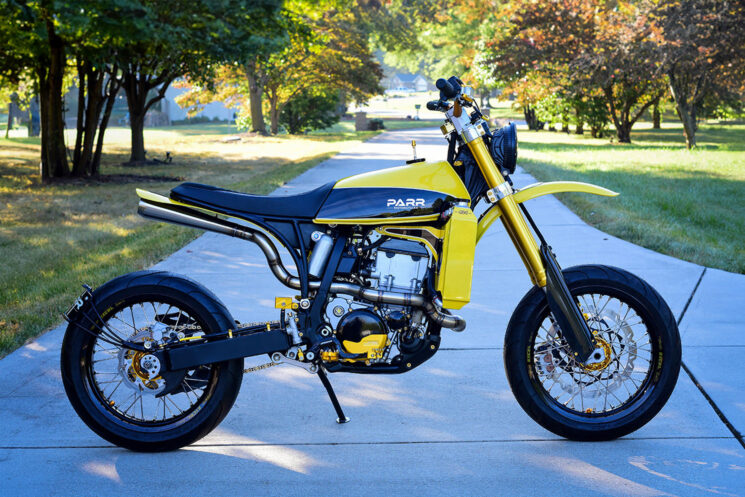
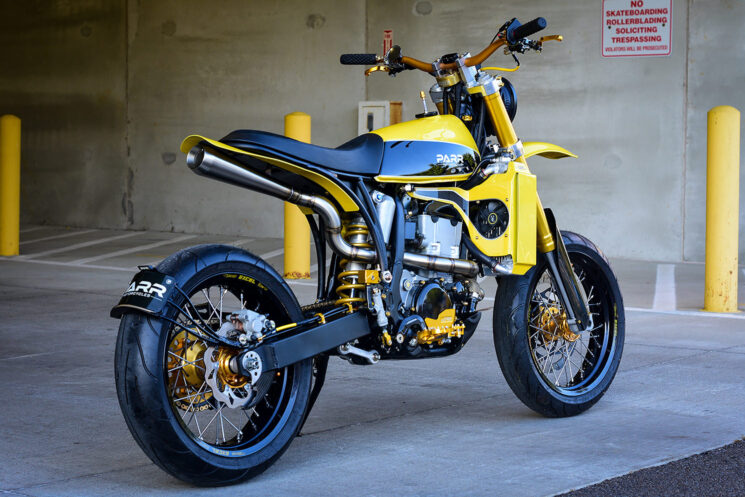
Suzuki DRZ400 supermoto by Parr Motorcycles
Suzuki DRZ400 by Parr Motorcycles Suzuki’s venerable DRZ400 line has been a steady seller worldwide since its inception. The single-cylinder, liquid-cooled trail bike is undeniably better off-road than its big brother, the DR650, and a total hoot on the street in supermoto guise.

The bike you see here began life as a 2007 Suzuki DRZ400S in enduro trim, but that was before Spencer Parr of Parr Motorcycles got his hands on it. Spencer has been building bikes in his garage for a few years now, and this supermoto-ed Suzuki, nicknamed the ‘DRZ Scorpion 434,’ is the last one he wrapped up before moving into his new workshop.

Suzuki DRZ400 supermoto by Parr Motorcycles
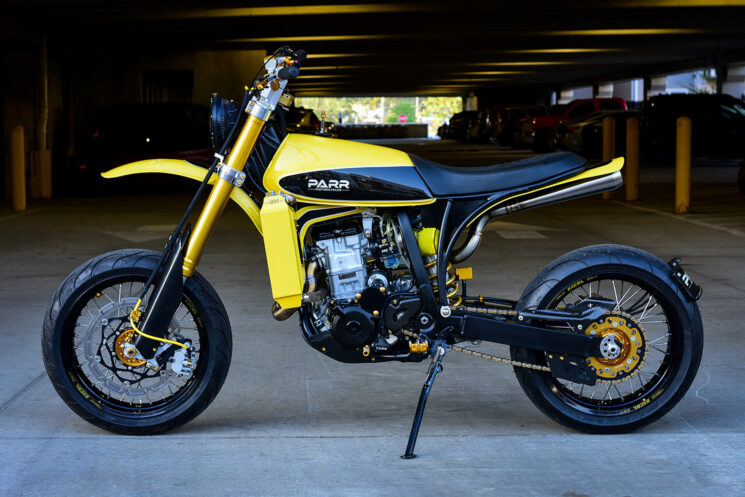
Starting up front, Spencer grafted on a set of Suzuki RM forks and new yokes. The 17” Excel supermoto rims came from Dubya USA, and the front fender was lifted from a classic Honda SL.

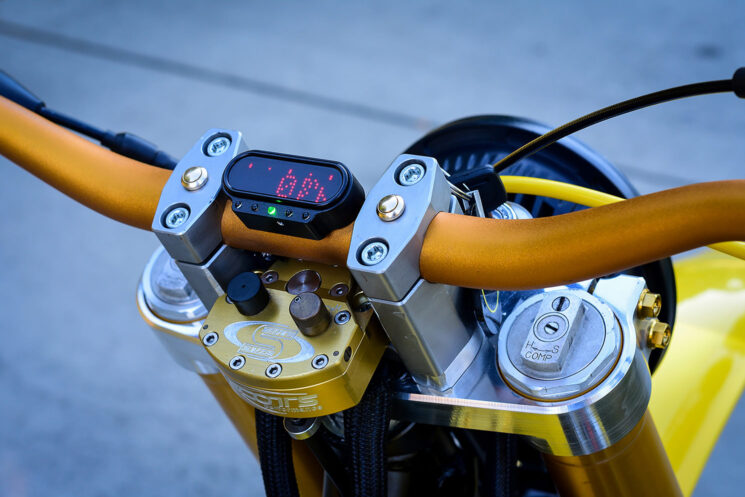
A new LED headlight was mounted to the RM forks with custom brackets, and a Motogadget Motoscope Mini was cleverly adapted to new tapered handlebars. A Scotts steering damper and some sneaky push buttons were also added to the cockpit.

Suzuki DRZ400 supermoto by Parr Motorcycles
Our favorite part of the bike is the Suzuki SP370 fuel tank, which Spencer modified to fit the DRZ tank mounts. Below the tank is a pair of custom radiator covers that house the cooling fans and double up as small side covers. LED strip indicators are mounted to the leading edges, while the trailing edges house the taillights.

The seat is another custom item, as is the scratch-built subframe. A custom stainless steel exhaust peeks out from under a bespoke aluminum rear fender.

Suzuki DRZ400 supermoto by Parr Motorcycles
Spencer and his wife are both fans of the video game Mortal Kombat, so the choice of a livery came down to blue and white (Sub-Zero) or yellow and black (Scorpio). Scorpio won out in the end, with Hired Guns Paint laying down the paint job.

Spencer confirms there might be a Sub-Zero-themed DRZ to follow, and we’re here for it. [Source]

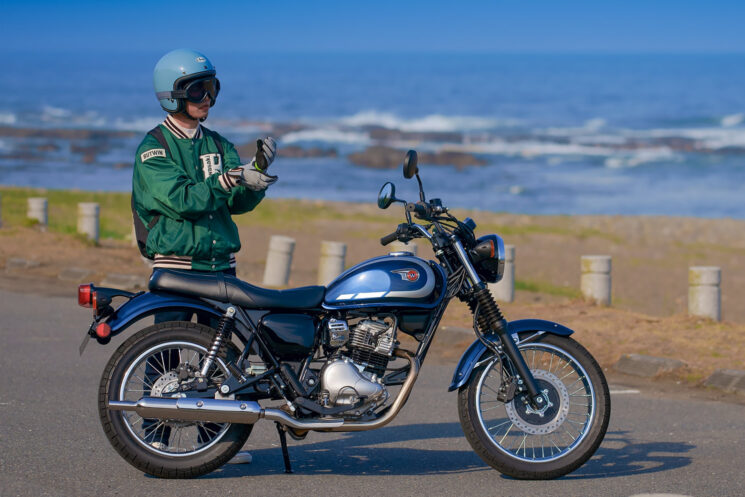
2025 Kawasaki W230 single-cylinder modern classic
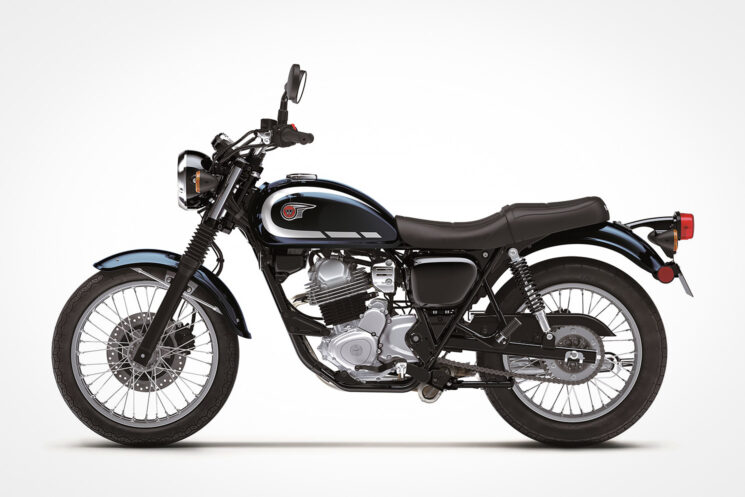
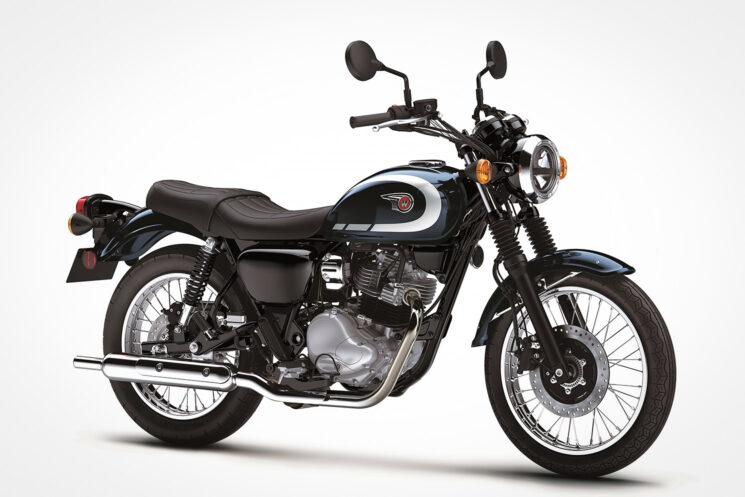
2025 Kawasaki W230 Kawasaki has just added a new bike to its 2025 lineup, and, to our surprise, it’s a small modern retro. Joining the W800 in the classic Kawasaki line is the new 2025 Kawasaki W230.

Powered by a raucous, barely tamed 233 cc air-cooled single, it has all the classic Kawasaki W lines that we’ve come to know and love. Kawasaki says the original 650-W1 inspires the new W230, and it shows.

2025 Kawasaki W230 single-cylinder modern classic
The 18F/17R spoked wheels are backed up by classic 37 mm right-side-up forks, disc brakes, and a lovely-looking pair of fenders. The classically shaped tank, generous seat, and pea-shooter muffler are all reminiscent of the British bikes Kawasaki set out to emulate back when they first released the W1.

Besides fuel injection and ABS, this bike is wonderfully tech-free. There’s LED lighting and a small LCD section on the speedometer, but even that blends in well with the twin round gauges. The riding position is upright and comfortable, with a low seat height and a dry weight of just 143 kg [315.3 lbs], making this one of the lightest bikes in the 250 cc retro class.

2025 Kawasaki W230 single-cylinder modern classic
Freeway riding shouldn’t be an issue in most countries thanks to the six-speed transmission. Tuned for torque over outright power, the 233 cc single should bop through traffic with ease. (Speaking of power, the engine must produce so much of it that Kawasaki humbly forgot to list the output for fear of legal and societal retribution.)

Matching the W230’s simplicity are its options and price. There is only one color to choose from, with a price tag of $5,599 in the US. No doubt there’s a little style tax worked into that number, but it still feels reasonable. And even though you won’t break any land speed records on the W230, you’ll look extremely cool cruising the streets. [More]

1987 Yamaha BW450 'Big Wheel' on Bring A Trailer
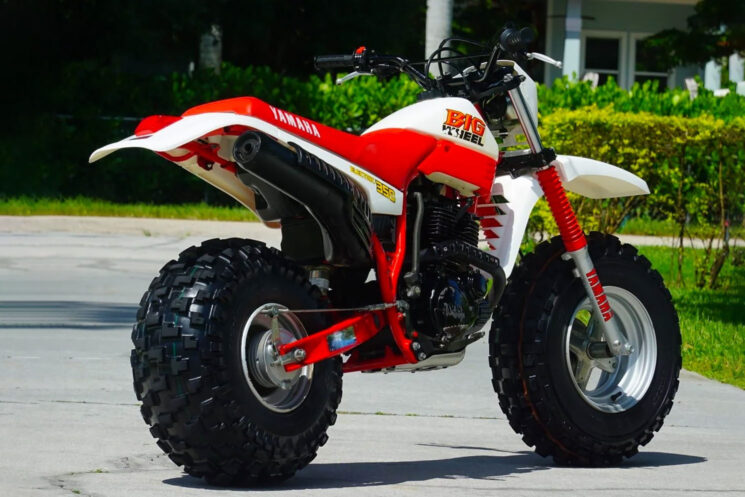
Sold: 1987 Yamaha BW350 Through the 1970s and 80s, the recipe for a fun bike was simple; a low seat height, an air-cooled single-cylinder engine, and big, cartoon-like tires. And the Yamaha BW350 epitomized that vibe.

The BW350’s 348 cc single-cylinder engine came from the Yamaha TT350, which was a full-sized road and trail bike. The single overhead cam, two-valve engine was simple, reliable, and a ton of fun. Pumping out 32 horsepower through a five-speed transmission was plenty of poke, especially in a small frame with a manageable seat height.

1987 Yamaha BW450 'Big Wheel' on Bring A Trailer
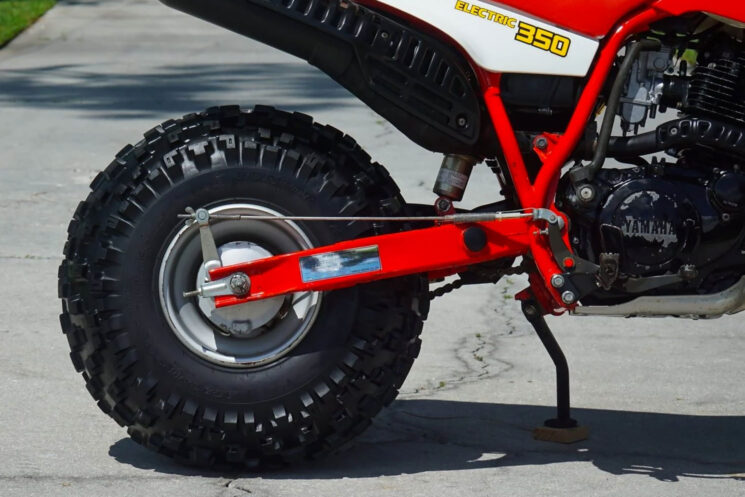
The BW had an electric- and kick-starter, a telescopic front end, and a Yamaha Monocross swingarm and rear suspension setup. The wheels measured 12” and 9”, front and rear, with the Dunlop tires being pulled up by tiny little drum brakes. It was so popular, that it inspired Honda to come to the big-tire party with the TR200 Fat Cat.

This particular BW350 was bought new in 1987 and was owned by one family, until they sold the bike back to the original dealer in 2024. It’s a proper time machine—presented in a completely original and unrestored condition. Besides some peeling paint on the engine and the discolored Big Wheel logos on the tank, it’s in remarkable condition.

1987 Yamaha BW450 'Big Wheel' on Bring A Trailer
It was recently sold on Bring A Trailer for a (somewhat crazy) premium of $12,000. To put that into perspective, you can buy a brand new 2024 Yamaha TW200 (a distant cousin of the BW) for $4,999.

In an age when off-road three-wheelers existed, the Yamaha BW350 and its smaller siblings, the BW80 and BW200, were a cheap, fun way into the world of off-road motorcycling. Who else thinks we should bring them back? [Source]

1987 Yamaha BW450 'Big Wheel' on Bring A Trailer


from Bike EXIF https://ift.tt/xHtiuZy

Friday, 4 October 2024

7 Fall Car Care Tips to Ensure a Smooth Transition from Summer

Often, autumn days are short, many cars stand with wet leaves on the roads and autumn is bereft of warmth. Luckily, there are a few simple steps you can take to make sure your car is prepared for whatever the season of autumn has in store for you. That is why, in today’s article, I will show you 7 simple tips on how to properly care for your car as summer comes to an end and can take hold of the fall.

Prepare an Emergency Kit

Prepare an Emergency Kit

You never know where the unexpected might come knocking, so you should always have an emergency kit in your car. And if you happen to have roadside assistance covered by your car insurance policy, that’s a thing you want to check out because it’s known how handy that can be in a sticky situation. 

Make sure to include the following items in your kit:

  • Jumper cables
  • Flashlight and extra batteries
  • Blanket and warm clothing
  • First aid kit
  • Basic tools
  • Non-perishable food
  • Bottled water
  • Ice scraper
  • Small shovel
  • Road flares
  • Reflective triangles
  • Phone charger

Check Your Tires

Check Your Tires

The air pressure in your tires can drop with cooler weather, causing uneven wear, loss of fuel efficiency, and even blowouts. For the safety of yourself and the other folks on the road as the season progresses, taking a couple minutes to look at your tires reflects good sense. Here’s what you need to do:

  • Check tire pressure: Its a good idea to use a tire gauge to test the pressure of all four tires (including the spare). For the correct PSI (pounds per square inch), refer to your vehicle’s owners manual and if a coolant change is required, change it accordingly.
  • Inspect tread depth: Fall tends to leave wet and slippery roads, so use the “penny test” to check the tread depth, making sure you have ample traction with tires. Place a penny head down in the tread. If you can see the top of his head, it’s probably time to mount some new tires.
  • Look for signs of wear and damage: Check your tires for cracks, bulges, or embedded objects like nails or glass. Anything abnormal should be checked with a tire professional.

Check Fluid Levels

Check Fluid Levels

One simple and important step to get your vehicle ready for fall is to check your vehicle fluid levels. Pay attention to these fluids:

  • Engine oil: Check your oil level using the dipstick to see there’s enough oil in there and within the recommended range. If your oil is dark or sandy-looking, maybe it’s time for a change.
  • Coolant: Coolant isn’t only for keeping your engine cool when it’s hot out. It is also beneficial as it prevents icing in colder weather. Ensure your coolant level is sufficient, or it can be topped up and even flushed if it’s another while since this service.
  • Brake fluid: A car whose brakes aren’t up to the mark and due to low brake fluid not working properly is a danger to both yourself and other people on the road, worse still in wet or icy conditions. If it’s time for a brake system inspection, check the fluid level; it should be topped off, or you should see a mechanic.
  • Windshield washer fluid: Topping up this fluid will ensure the dirt, debris, and smudges remain on your windshield. For that same reason, you may also want to switch to a winter formula that doesn’t freeze in colder weather.
  • Transmission fluid: Shifting problems and more serious problems later, can result from transmission fluid that is low or dirty. Look to your owner’s manual for instructions on how to check and add fluid.

Inspect Brakes

Inspect Brakes

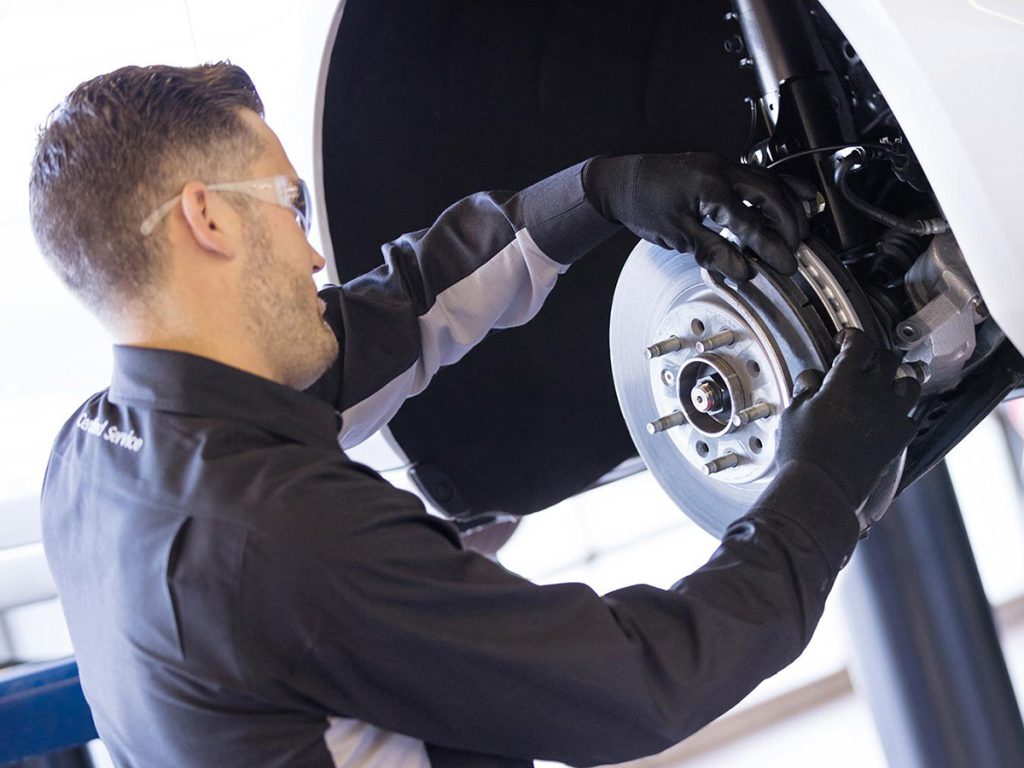
With fall in full swing, roads get slick, and you should check your braking system before this season.

First, listen for an abnormal sound while applying brake. In case you hear squealing or grinding noises, then you could have worn down your brakes. The first thing you do is to check for wear and/or damage on the brake pads and rotors while your car is sitting still.

Then listen out for how your brakes are doing as you drive. If your brake pedal has that soft, spongy feel, or if like my son you notice your car leaving the car come to a stop less quickly than it used to, you may have a problem with the brake fluid or the master cylinder.

For example, if your brake warning light comes on, you shouldn’t ignore it. The problem might be very serious with your braking system. However, even if they do seem to be functioning normally, it is advised to have a professional diagnose and repair any problem you have to prevent risk.

Test Heating and Defrosting Systems

Before the temperature really drops, give your heating and defrosting systems a test run since a foggy windshield can severely limit visibility and make driving incredibly dangerous. Plus, no one wants to shiver through their morning commute.

First, start your engine, turn the temperature dial to the highest setting, and select the heater function. It might take a few minutes, but you should feel warm air blowing from the vents. If not, your heater core could be malfunctioning, so you’ll want to visit a mechanic to have it checked out.

Then, turn on your defrosters to ensure they’re working effectively. If your windows aren’t clearing up as quickly as they should, it could be a sign of a weak defroster or issues with your vehicle’s ventilation system.

Inspect Wiper Blades

Make use of that chilly weather to test run your heating and defrosting systems before the temperature really drops because a foggy windshield can greatly restrict visibility and make driving incredibly dangerous. But nobody wants to shiver all the way to work in the morning.

Start by turning your engine, turning the temperature dial to the maximum and setting the heater function. Depending on it usually won’t take more than a few minutes and you should feel warm air coming out of the vents. If not, then it is possible that your heater core is malfunctioning, and you will want to go to a mechanic to have it checked.

Next, turn on your defrosters so you can be confident they’re working as they should. Your windows won’t clear up as quickly as they should if you have weak defroster or issues with your vehicle’s ventilation system.

Test Battery

It’s more than inconvenient. It can strand you at the worst time possible. A failing battery in the fall is going to die in the winter – cold weather places added strain on your battery.

By testing your battery now, you’re saving yourself the last minute trouble of having a dead battery in the morning and replacing it if needed, giving you a smooth starting experience all season.

You’ll need a battery tester to check your battery’s condition and you can get one cheaply. Also, lots of auto parts stores will do free battery testing for you. If you’re battery is on the way out, you should replace it with a new one following your manufacturer’s guidelines.

Preparing your car for the fall season can make all the difference in ensuring a safe, smooth driving experience. While you’re at it, don’t forget to review your options and get updated to make sure you’re fully covered and getting the best deal possible.


from Auto Blog | Latest Car News and Reviews, Trucks, Bikes, and Motorcycles https://ift.tt/ViklM7Q

Garage Builds: This Ain’t no Honda Fat Cat

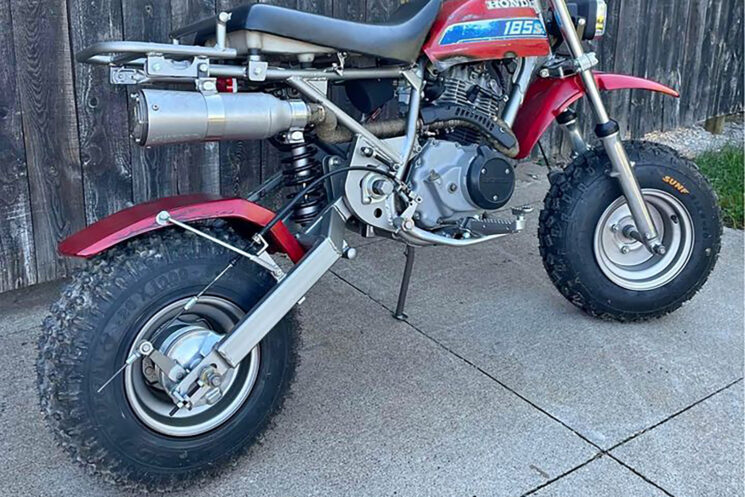
Custom-built Honda Fat Cat
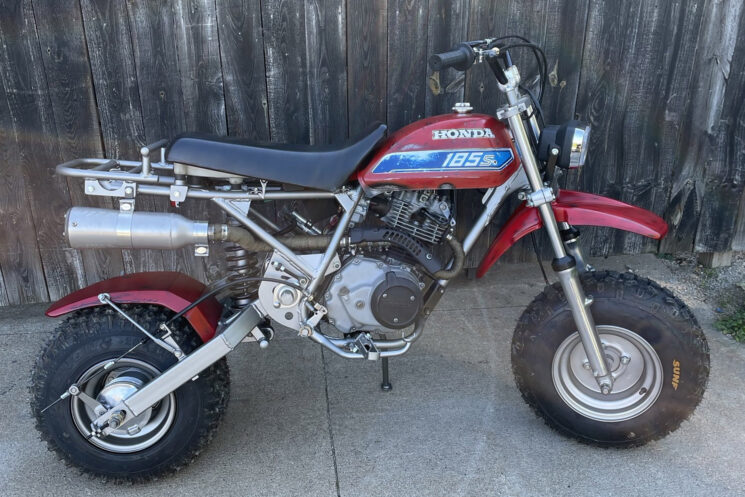
In 1986 and 1987 Honda built the TR200, better known as the “Fat Cat” for the U.S. market. This half dirt bike, half ATV hermaphrodite wasn’t agile, had lackluster performance and was generally deemed dangerous before Honda pulled the plug in 1988.

Honda Fat Cat’s are relatively collectible now and clean versions can bring upwards of $8,000 USD. Finding one, however, is a bit tricky. So Mike Lilge of Appleton, Wisconsin, decided to build his own. While he was at it, he made a few, shall we say, upgrades?

Honda Fat Cat
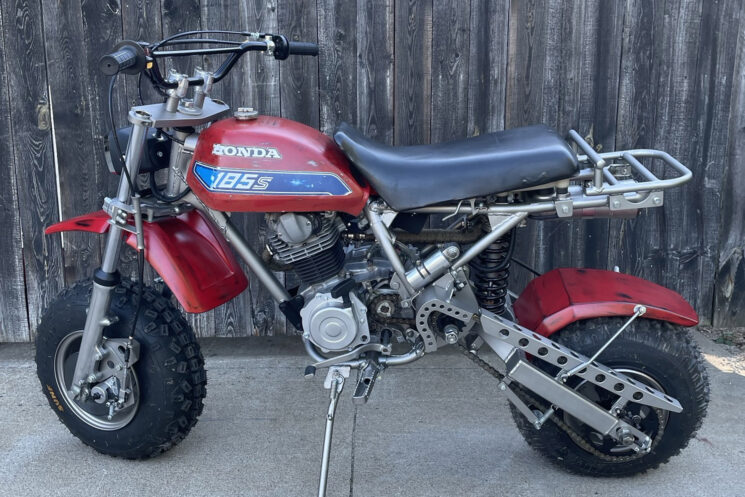
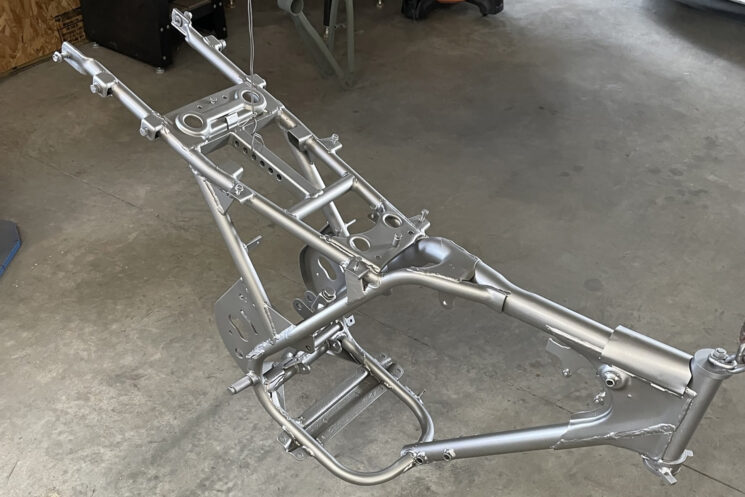
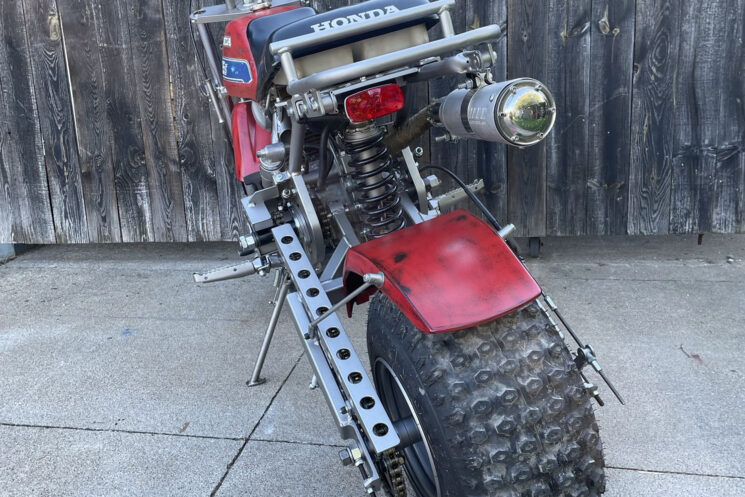
The frame is borrowed from a 1984 Honda 200S ATV, modified and fitted with a custom swing arm and Honda 250R ATV lower tree. The front end lends a little more motorcycle ingenuity, stealing forks from a Suzuki GS450 mated to a custom-fabricated upper tree. The rear absorbs bumps with a single remote reservoir shock tucked up under the seat.

The Yamaha counterpart to the Fat Cat, the BW350, provides the rear hub, brake and wheel. Stopping power is supplied via a mechanical disc in the front and drum in the rear. Custom fenders with a well-executed faux patina cover brand-new wheels and tires.

Custom-built Honda Fat Cat
The engine is the stock 200S ATV powerplant with a rebuild consisting of new rings, valves, gaskets, ground seats and a honed cylinder. The engine sings from a sexy little SuperTrapp poking out from underneath a custom rear seat rack and is operated via a twist throttle. The final gearing and top speeds remain consistent with those of the original 200S, which in my experience would be thrillingly more than that of the TR200.

Overall, I love this build. The time and ingenuity can’t be overlooked and when poking deep, it’s actually quite well done. As of writing, this monster is for sale for $4,200 which is probably not much more than the sum of the parts.

Custom-built Honda Fat Cat

Sidecar Subject: Honda Fat Cat

Honda Fat Cat Design: The Fat Cat featured a large, bulky frame and wide, ATV-style tires. This gave it a distinctive appearance and added stability on rough terrain, although users often found deep sand and snow to be difficult to maintain control in.

Honda engine Reliability: The Fat Cat was powered by a 199 cc four-stroke engine, providing adequate power for off-road riding.

Automatic Clutch: The Fat Cat featured an automatic clutch, making it easy to ride for beginners. It had a five-speed transmission for varying terrain and speeds.

Brakes: Both the front and rear wheels had drum brakes, providing reliable stopping power.

Limited Production: The Fat Cat was only produced for two years 1986 and 1987, making it a relatively rare and sought-after model among collectors.

Electric start with Kickstart Backup: The Fat Cat was equipped with an electric starter for convenience, with a kickstart as a backup option so you were never left stranded.

Lightweight: The Fat Cat weighed just over 250 pounds dry, making it relatively easy to maneuver and transport.

Custom-built Honda Fat Cat

Garage Builds are user-submitted or interesting off-the-wall, non-typical builds found by BikeEXIF staff. If you’d like to submit a garage build, contact us at studio@bikeexif.com.

Custom-built Honda Fat Cat


from Bike EXIF https://ift.tt/9NahfW5

Off-the-Shelf Attitude: Rough Crafts Custom Parts for your Harley

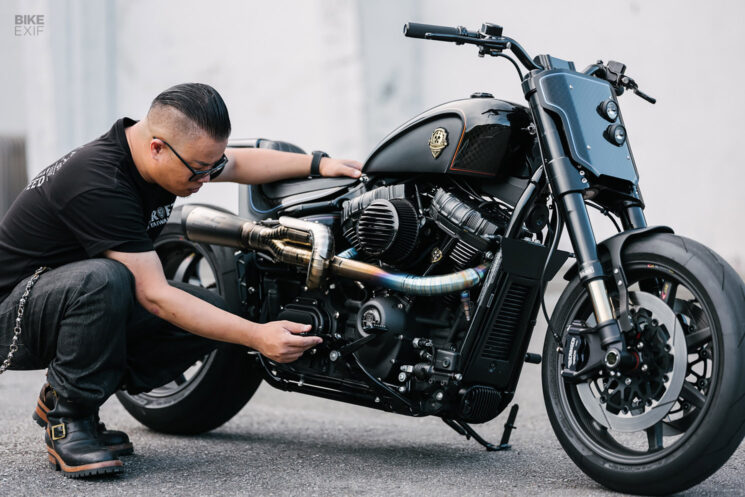
Rough Crafts Motorcycle Parts Available from Bike EXIF
Your bike is as much an extension of your body on the open road as it is your personality when parked at the curb, and as such, the desire to set your machine apart from the herd is universal. In the hunt for more speed, harder cornering and increased curb appeal, we swap handlebars, exhausts and brake parts to make our rides uniquely ours, but the aspiring gearhead is often met with a monumental challenge: ‘How do I make my bike look like that?’

Wading through the seas of cheap universal bolt-ons, the path to your ultimate vision is difficult to plot, especially if you’re limited on the resources needed to fabricate truly custom parts, and what’s widely available doesn’t always make the grade.

Rough Crafts Motorcycle Parts Available from Bike EXIF
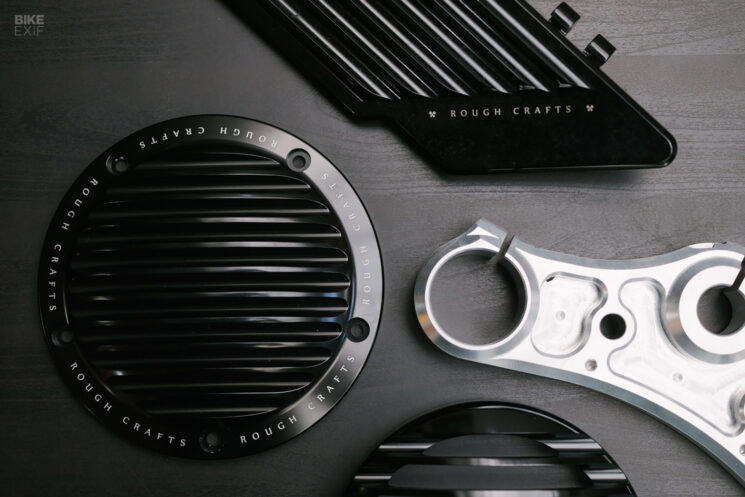
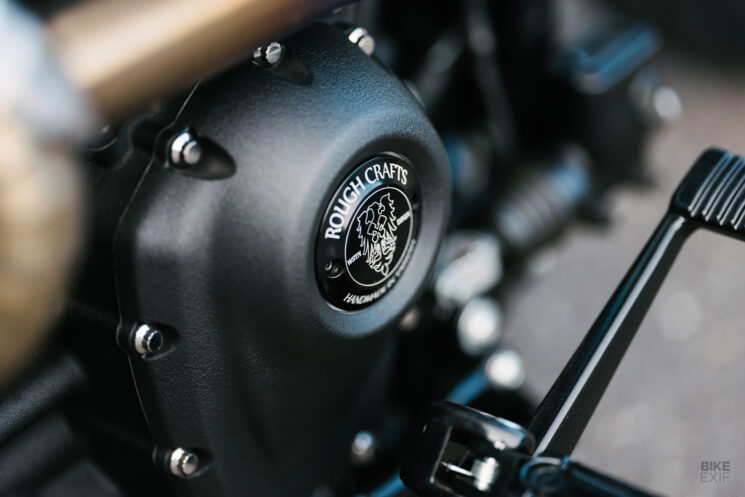
There’s no shortage of inspiration on the pages of Bike EXIF, and if you’ve spent any time here, you’ll certainly have taken notes on the iconic style of Winston Yeh’s Rough Crafts motorcycles. Winston’s monochromatic style has been applied to roadsters, naked bikes and every manner of Harley-Davidson, each dripping with carbon fiber, trick fabricated pieces and go-fast goodies. Fortunately for us mere mortals, Rough Crafts offers a bit of their signature style with their line of off-the-shelf parts, and if builds like Sovereign Raven, Nocturnal Unicorn and Iron Guerilla inspire you, you’re in luck.

We’ve recently added a curated collection of Rough Crafts components to the Bike EXIF shop, and in the spirit of opening your eyes to the possibilities, let’s take a quick look at five of our favorite Rough Crafts parts and how they contribute to some of our favorite builds.

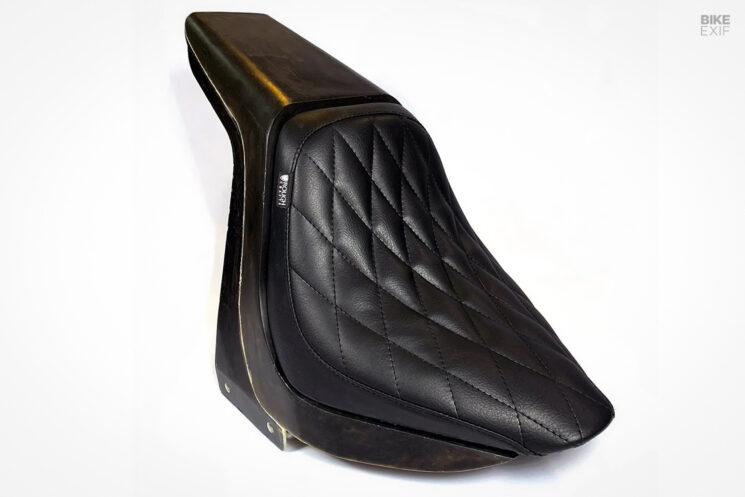
Rough Crafts Harley M8 Softail Racetail Seat
Racetail Seat and Fender Kit Going out on a limb, we’ll say that Harley-Davidson is far from the most popular brand amongst core Bike EXIF readers, and it’s plain to see from the comment section that many will always regard HDs as leaky, lumbering road sofas. That reputation may be fitting in some ways, but narrow-minded in others, as we regularly feature Harleys that break from the standard touring convention, with inverted forks, top-spec Öhlins parts and liberal doses of titanium and carbon fiber. Sounds a bit like a Rough Crafts build, doesn’t it?

NEIGHBORHOOD x Rough Crafts custom Harley Street Bob
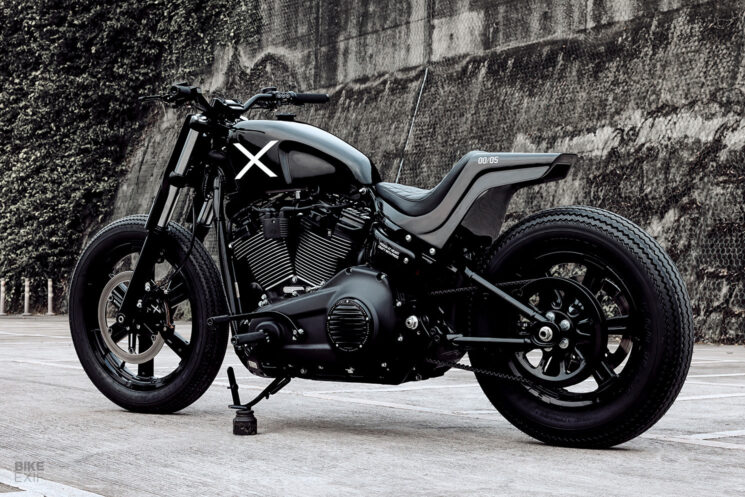
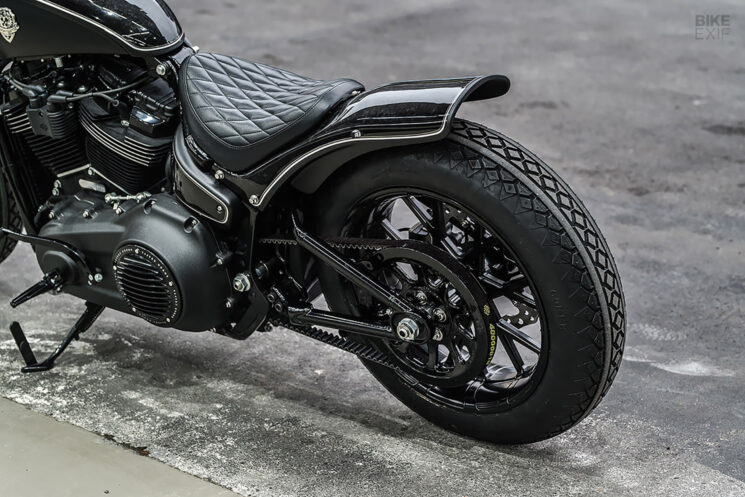
If the idea of a ground-pounding V-twin with a performance image is up your alley, Rough Crafts’ parts catalog needs to be on your radar. Take the Racetail Seat and Fender Kit for example. With Rough Crafts’ signature chiseled styling, this lightweight combo dramatically transforms the tail of narrow-frame, 2018+ M8 models like the Streetbob, Fatbob, Heritage Classic, Low Rider (S), Softail Slim and Sport Glide.

Exemplified by builds like the NEIGHBORHOOD x Rough Crafts Street Bob and ‘Tarmac Raven,’ the Racetail makes our shortlist for any serious Softail build.

Rough Crafts Harley M8 Ducktail Rear Fender
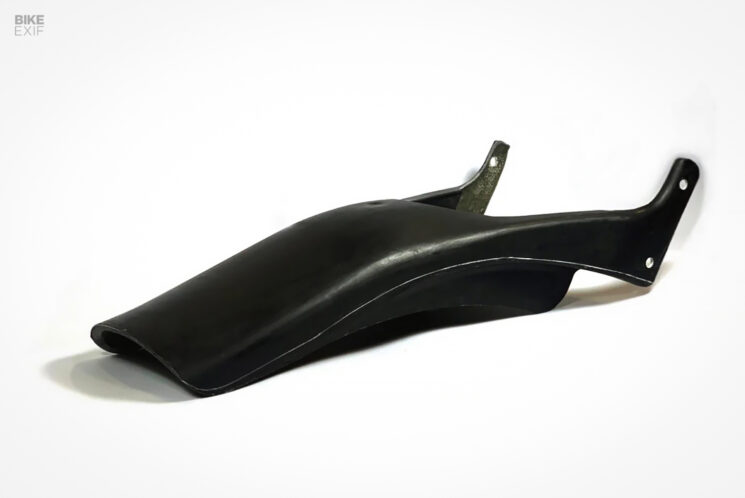
Long Ducktail Fender You know what you’re getting when you buy a late-model Softail, and when it comes to the back of the bike, you’re dealing with a pseudo-bobbed fender that looks like a cheap afterthought. It’s the kind of piece that clashes with any stylistic changes, especially if they’re aggressive. Perusing your aftermarket options, you’ll find all the typical HD fender styles, but nothing as eye-catching as Rough Crafts’ Long Ducktail Fender.

Rough Crafts Harley M8 Ducktail Rear Fender
This high-quality fiberglass fender is shaped over a 3D mold and mounts directly to the Softail’s rear fender strut mounts—making installation a breeze. It’s compatible with 2018 and up M8 Softails and works with most solo seats designed for the stock fender.

As used on Rough Crafts’ 10th anniversary ‘Thunder Chaser’ build, the Ducktail fender completely reshapes the Softail’s profile, creating a more aggressive, svelte line. Compare that with the pontoon it replaces, and we’re willing to bet you’d be hard-pressed to find a single, more impactful, bolt-on piece.

Rough Crafts Faster Tracker Yamaha XSR900 Seat and Fender
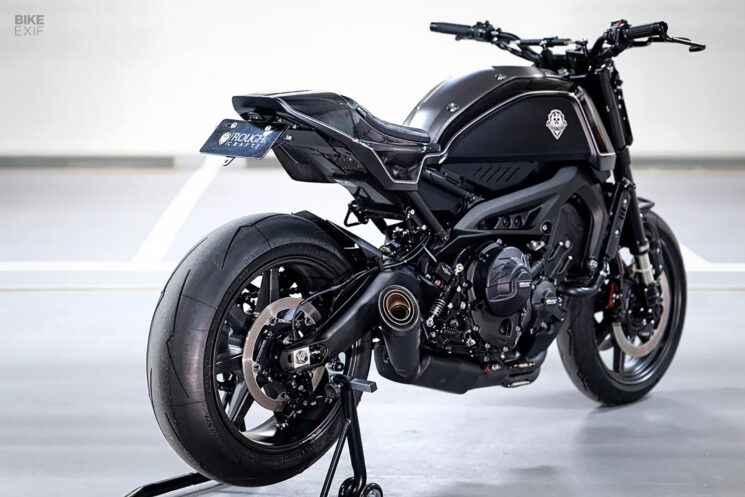
Faster Track Seat and Fender While Rough Crafts is best known for custom Harley builds, Winston’s signature style blends seamlessly with other genres as well. Take the Yamaha XSR900 for instance, a bike that’s easily one of the tougher models to transform visually with its awkward mechanical clutter. However, one look at Rough Crafts’ XSR street tracker alerts us to the platform’s endless possibilities, and Winston designed his XSR to be as easy to replicate as possible.

Rough Crafts Faster Tracker Yamaha XSR900 Seat and Fender
Winston’s mechanical upgrades to the XSR were moderate by his own admission, but his custom carbon-fiber panels make the XSR feel like a completely different motorcycle. The fuel tank bears the telltale Rough Crafts lines, but they’re actually tank covers executed in carbon fiber and fit the OE fuel tank.

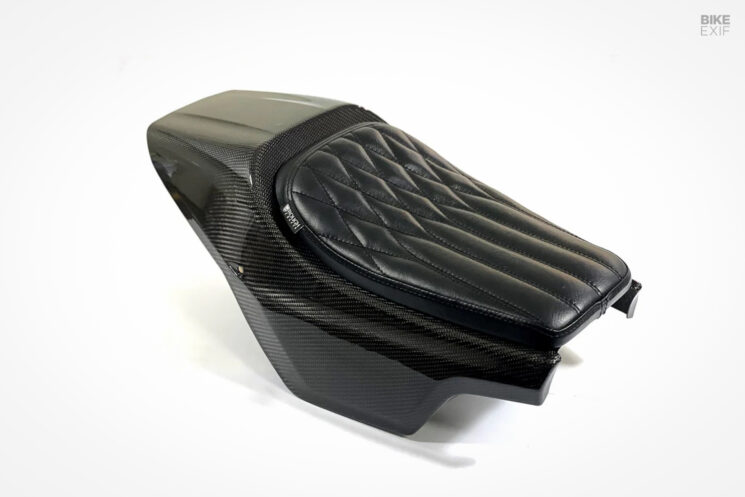
The flat track-style seat is the biggest departure from stock, making an aggressive statement where Yamaha’s overhanging fender and plate mount used to reside. The visual effect is massive, but it’s actually a simple bolt-on affair developed by Rough Crafts to work with the stock subframe. Built from lightweight carbon fiber, the Faster Track Seat comes with an upholstered saddle and stainless-steel brackets for mounting and even accommodates the stock two-up seat pad.

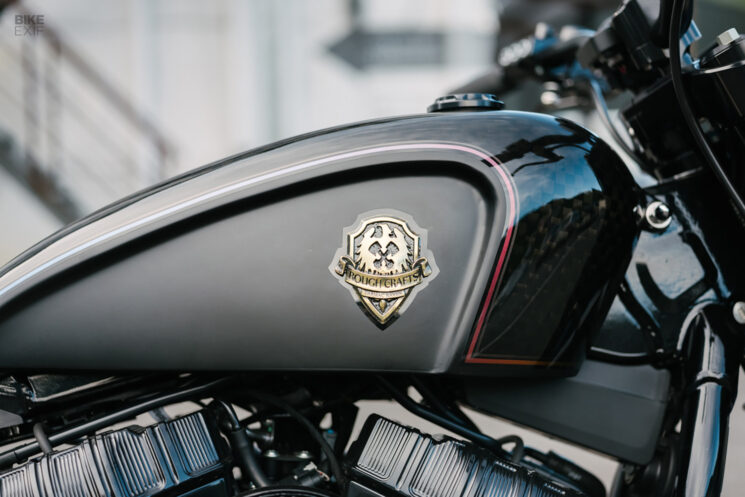
Rough Crafts Iron Guerilla Gas Tank
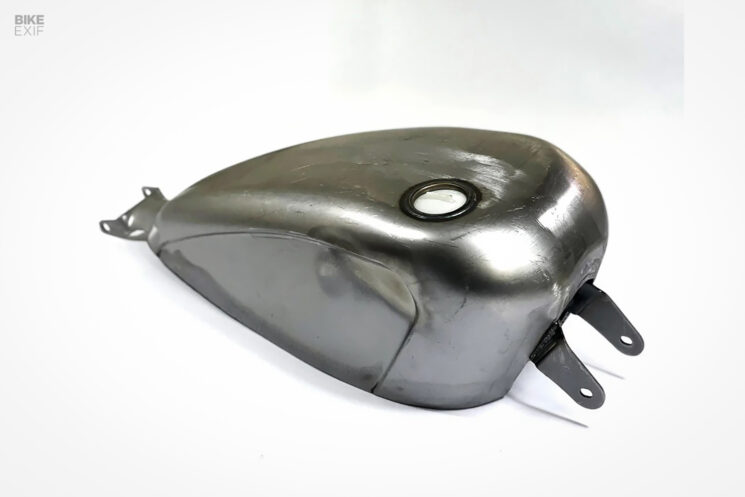
Iron Guerilla Gas Tank Harley’s classic Sportster fuel tank is one of the most timeless tank designs ever penned. It’s functional, creates a smooth no-nonsense look on any bike, and can be run low, high or full Frisco. To keep with the times, HD increased the size of the Sporty tank in the early 2000s—softening its aesthetics—and swapping your Sporty back to the lean early design is one of the best ways to bring the sharp edge back to your bike.

Rough Crafts Iron Guerilla Fuel Tank
Rough Crafts’ Iron Guerilla Fuel Tanks are direct-fit pieces for Sportsters from 2004 to 2022, offered in both carbureted and fuel-injected versions. The trim 2.45-gallon capacity tank looks like a Sporty tank should, without sacrificing fuel range, and the scalloped tank sides are a huge upgrade over off-the-shelf tanks.

An essential piece of a Rough Crafts’ Harley build, the Iron Guerilla tank design is used on bikes like Bomb Runner, Obsidian Fighter and more, often highlighted by pinstriping and contrasting finishes.

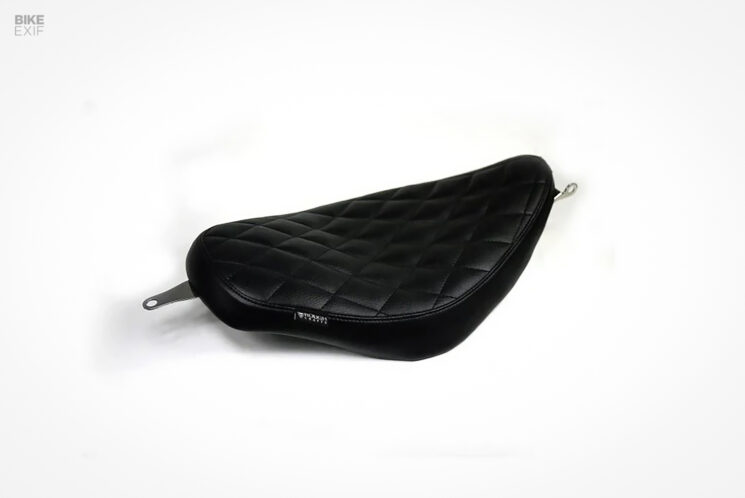
Rough Crafts Diamond-Stitch Solo Seat
Guerilla Diamond-Stitched Solo Seat Quality motorcycle seats are damn expensive, and if you peruse all the normal sites, you’re met with options ranging from $300 to over $500. Sure, some of them look nice, but you’re unlikely to field compliments by being another guy to bolt on a Saddleman.

If you’re rocking a 2004 to 2022 Harley Sportster, Rough Crafts’ Guerilla Solo Seat is a high-quality piece with an agreeable price tag. A boost in comfort and cosmetics, the diamond-stitch Guerilla solo seat is built with premium materials and is a direct fit for the ’04 to ’22 Sporty. Run it solo for the bare-bones look as seen on the Iron Guerilla, or go two-up with Rough Crafts’ matching Passenger Pillion Pad.

Rough Crafts Motorcycle Parts Available from Bike EXIF


from Bike EXIF https://ift.tt/h0UcsIw