Tuesday, 24 January 2023

4-Things That Make The Ferrari SF90 Stradale The Best Ferrari Ever Made

Ferrari is a well-known automobile brand for its supercars, and SF90 Stradale is one of Ferrari’s best supercars. Ferrari SF90 Stradale is a mid-engine PHEV supercar manufactured by the Italian manufacturer Ferrari. Ferrari shares its name with the SF90 Formula One, with SF90 standing for the 90th anniversary of the Scuderia Ferrari contending platoon and” Stradale” meaning” made for the road”.

Stunning Aesthetics

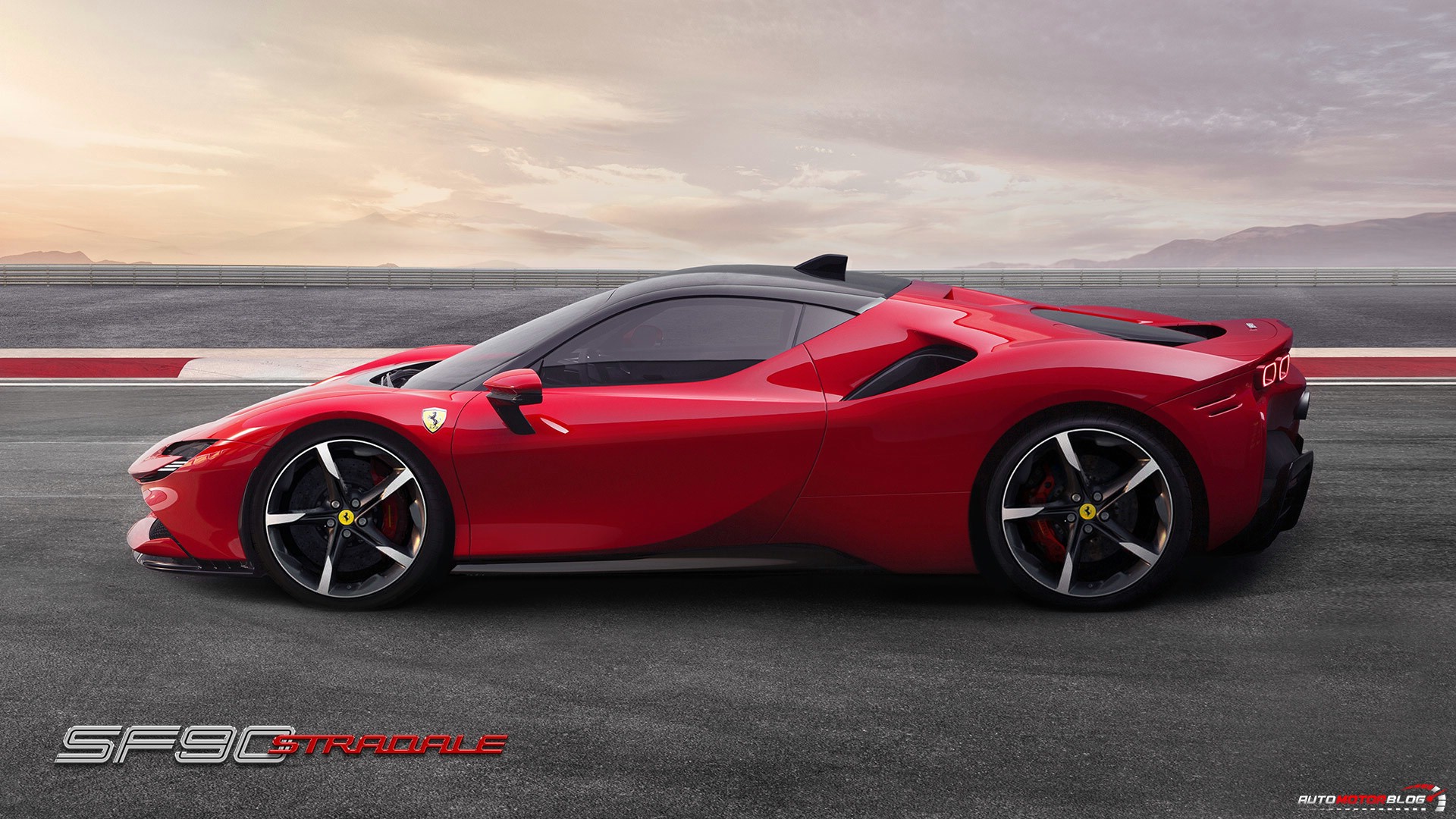
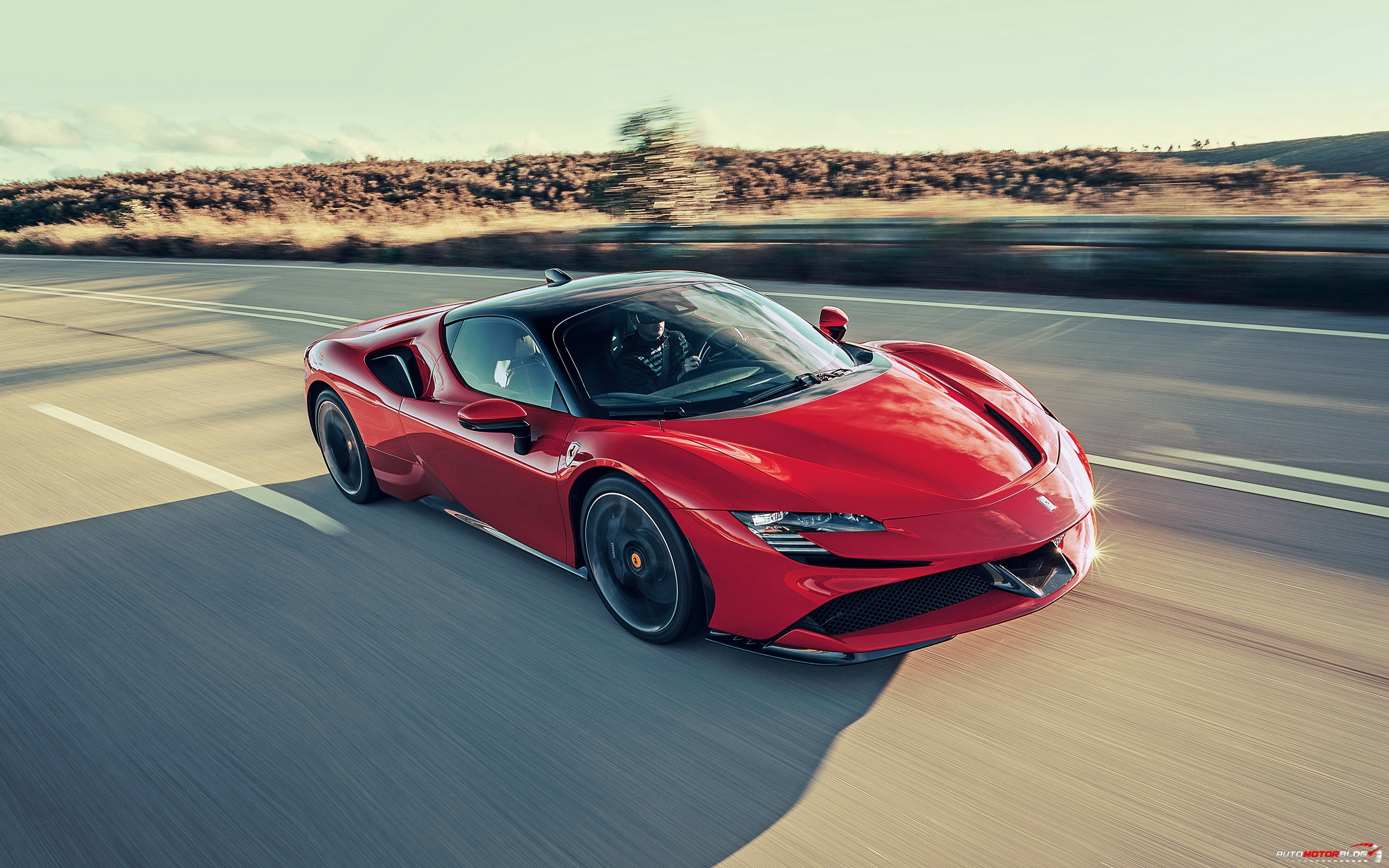
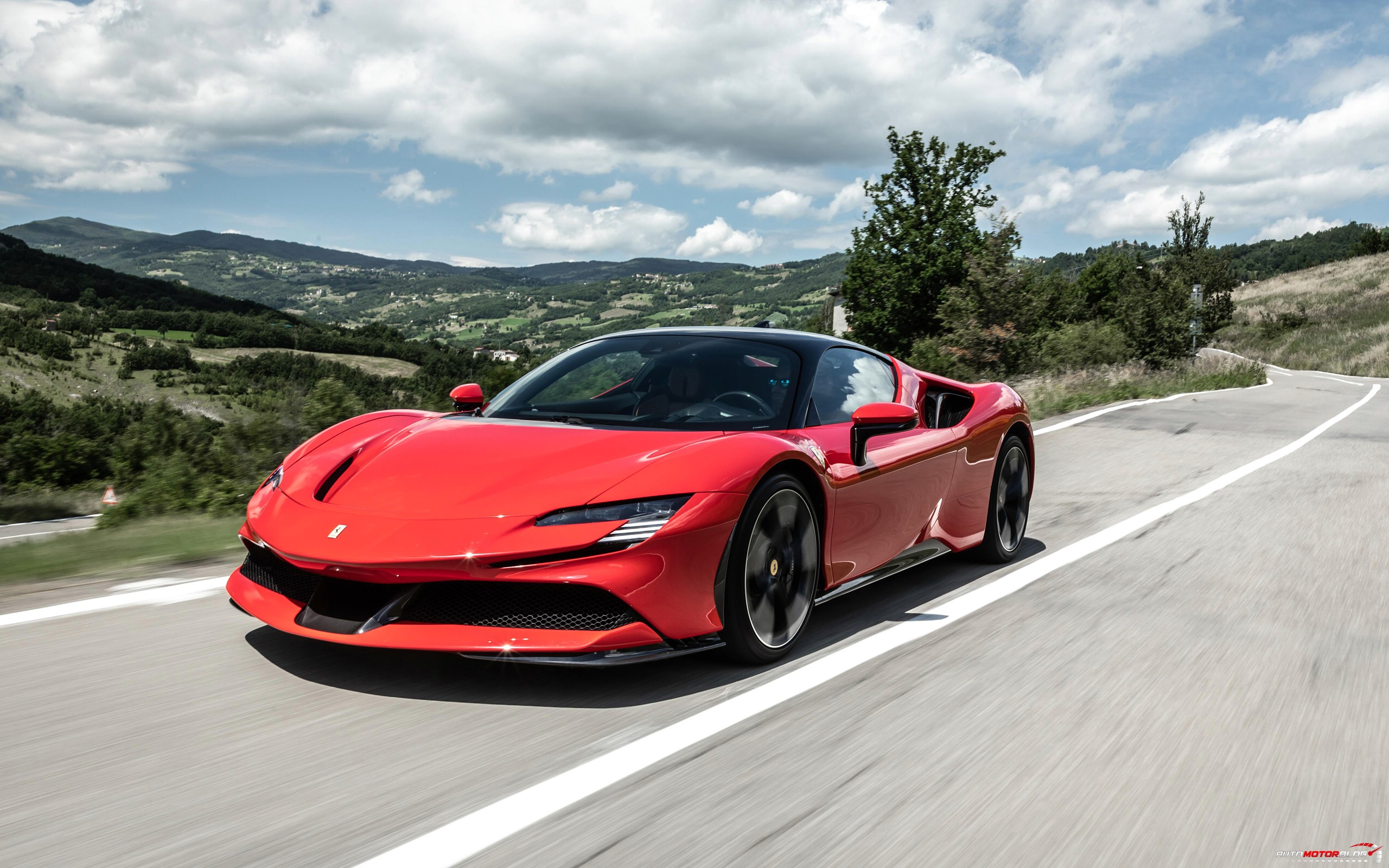
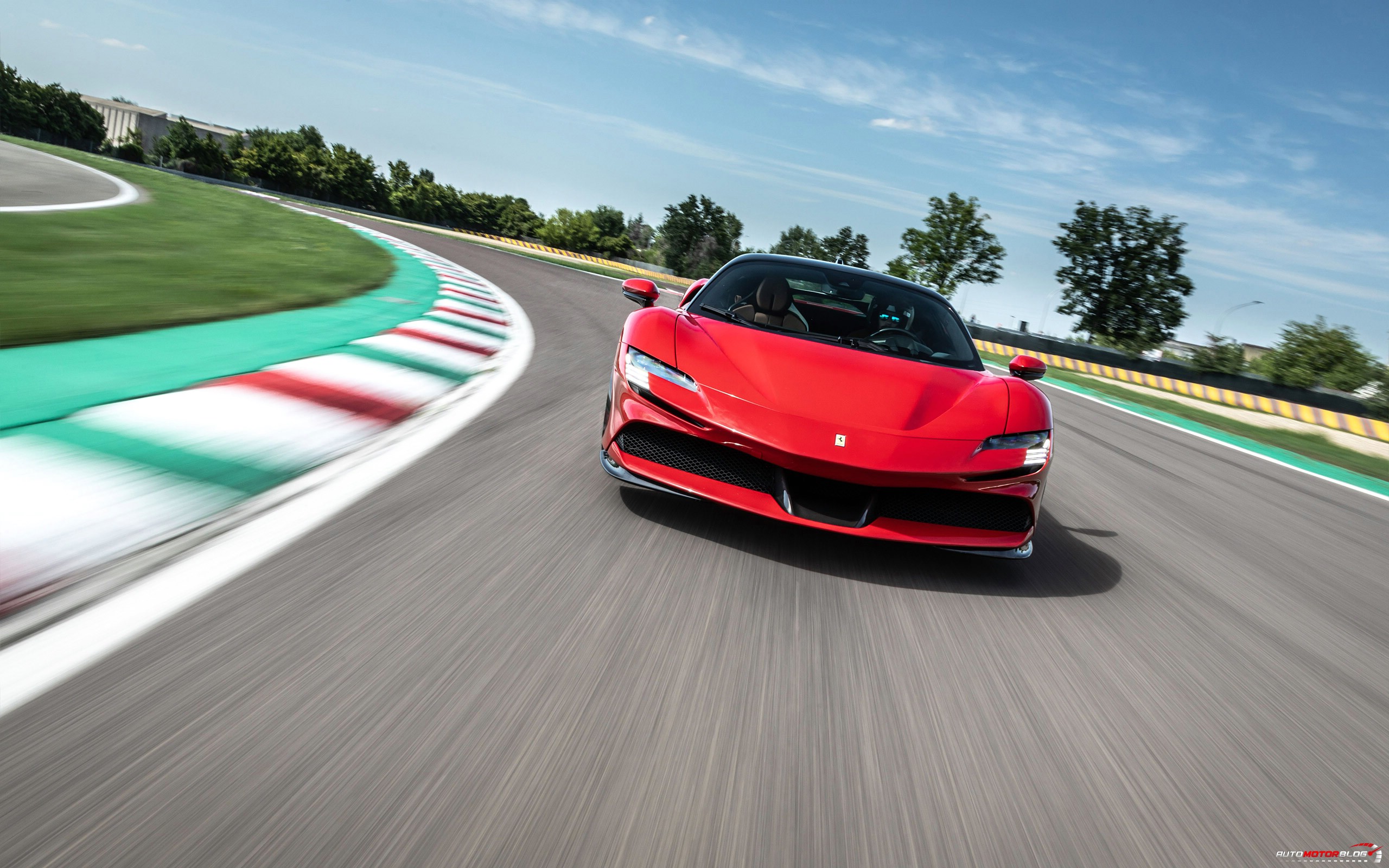
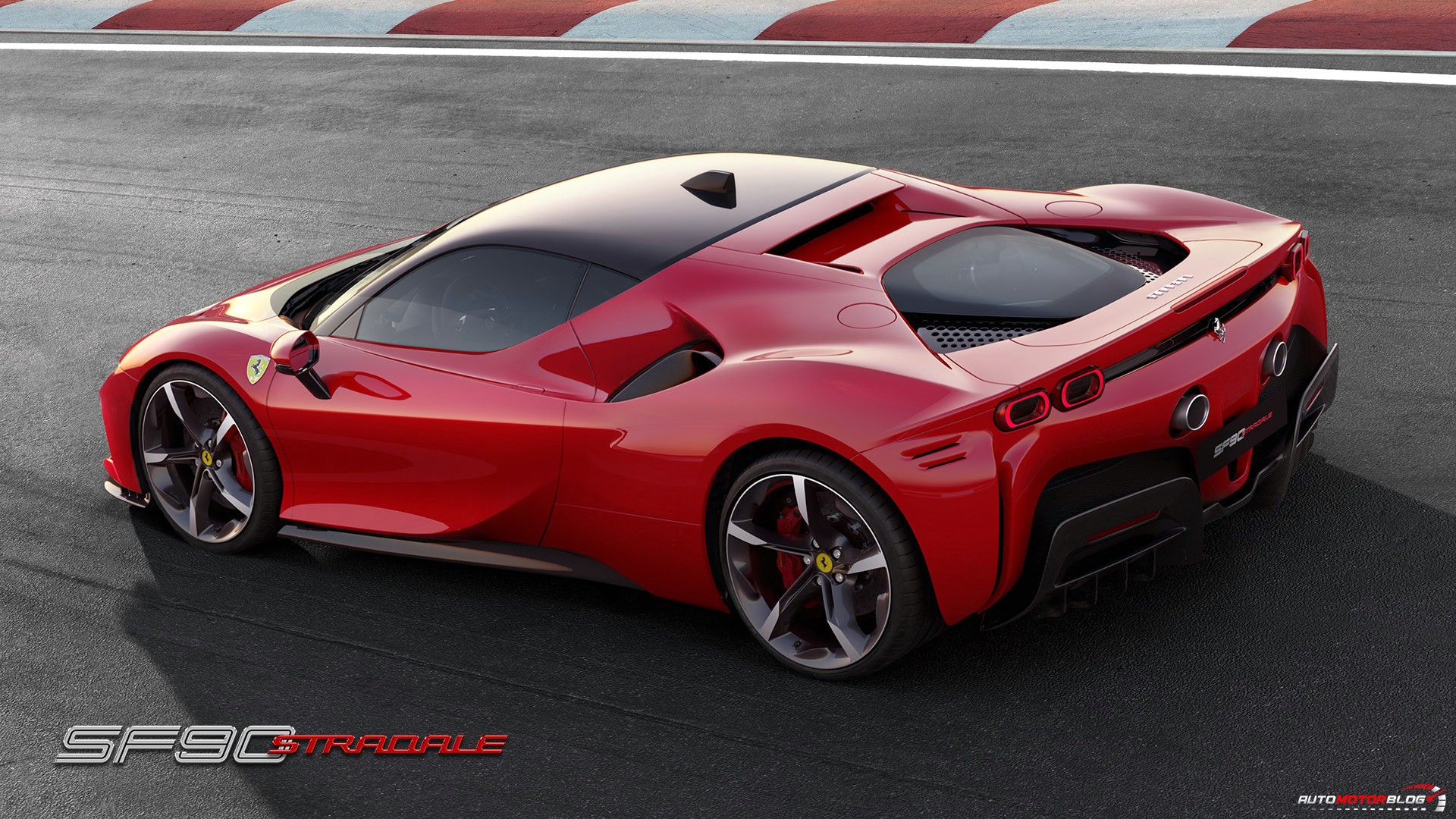
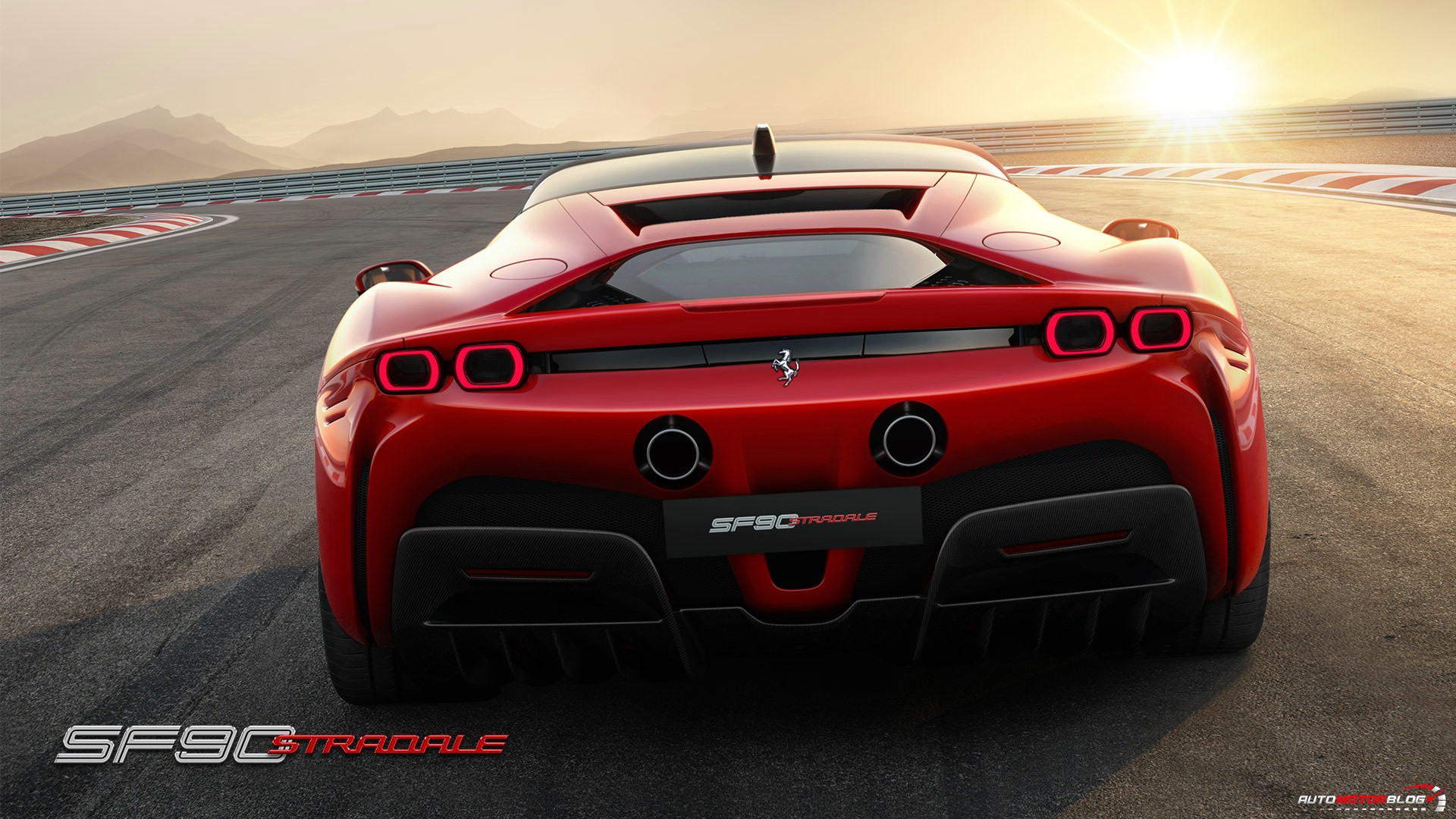
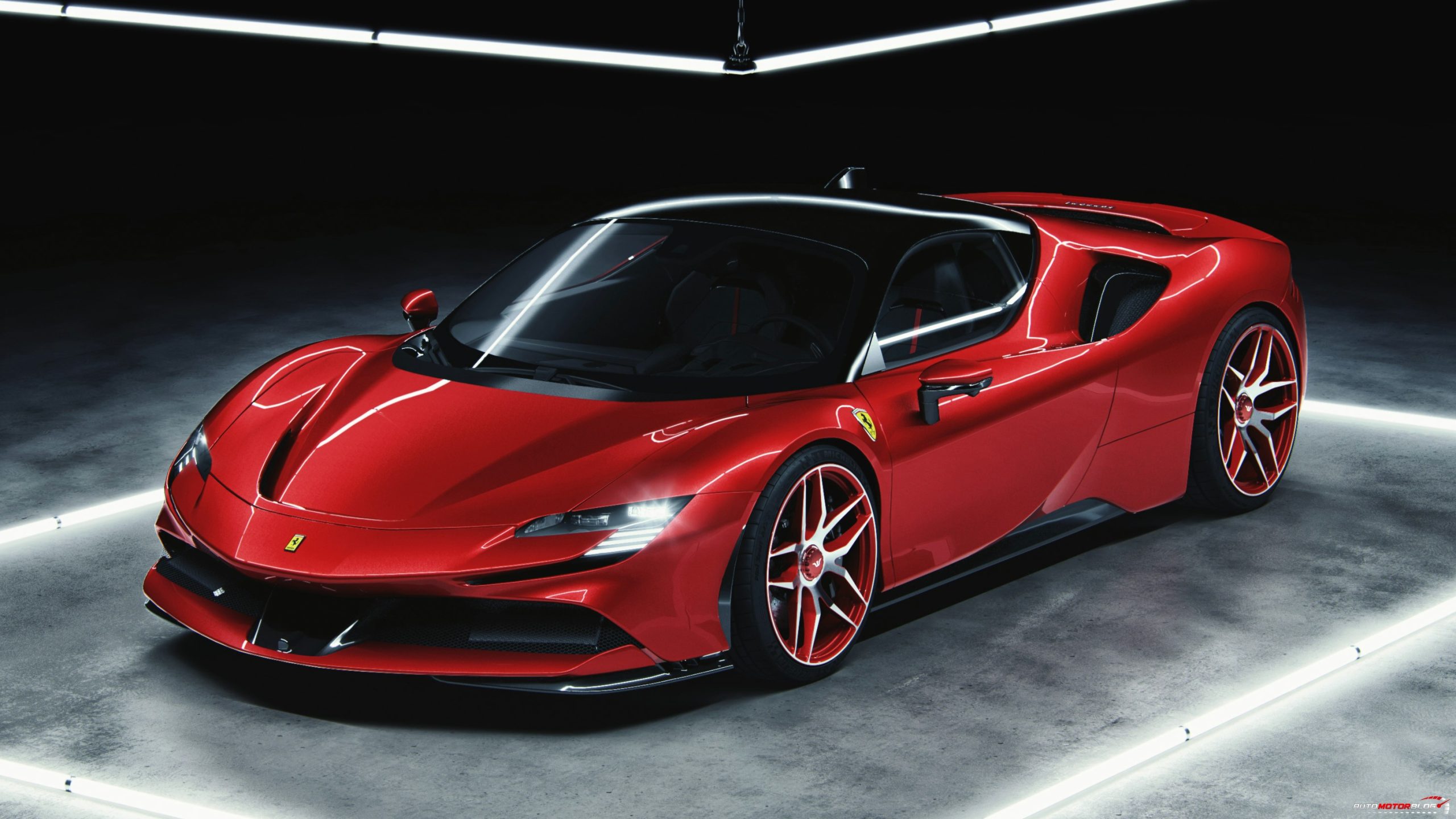
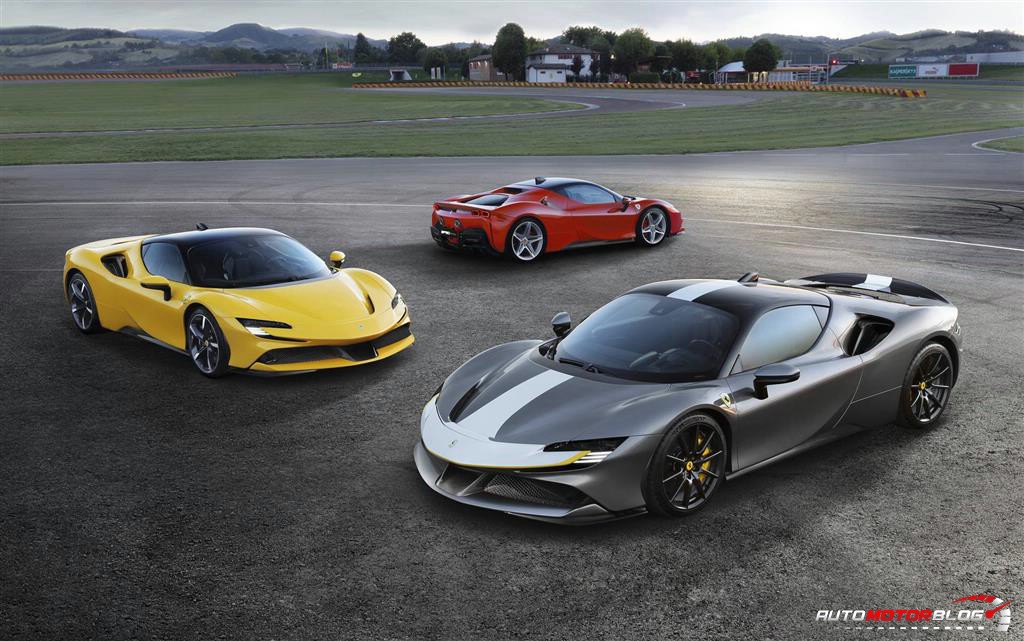
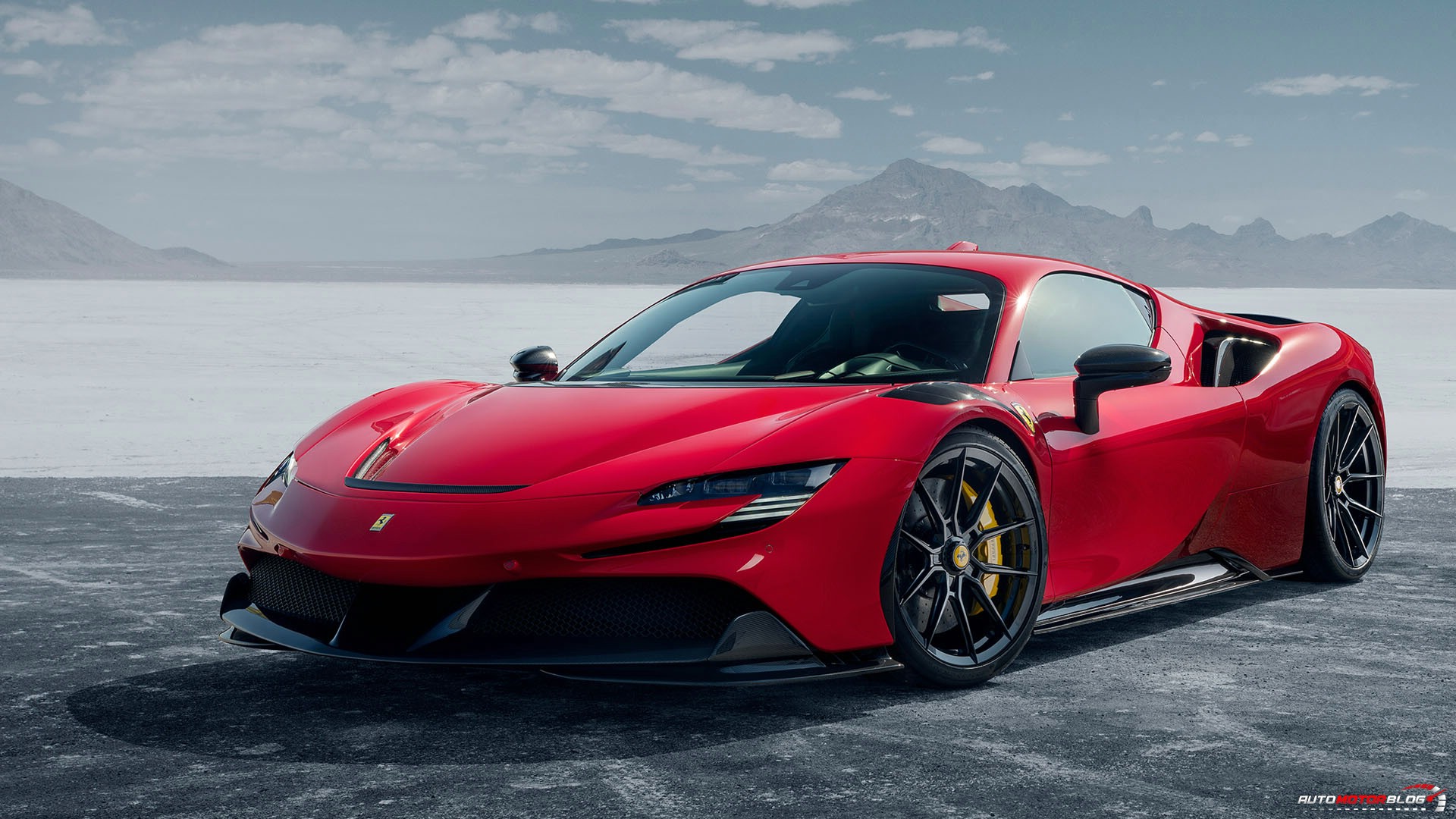
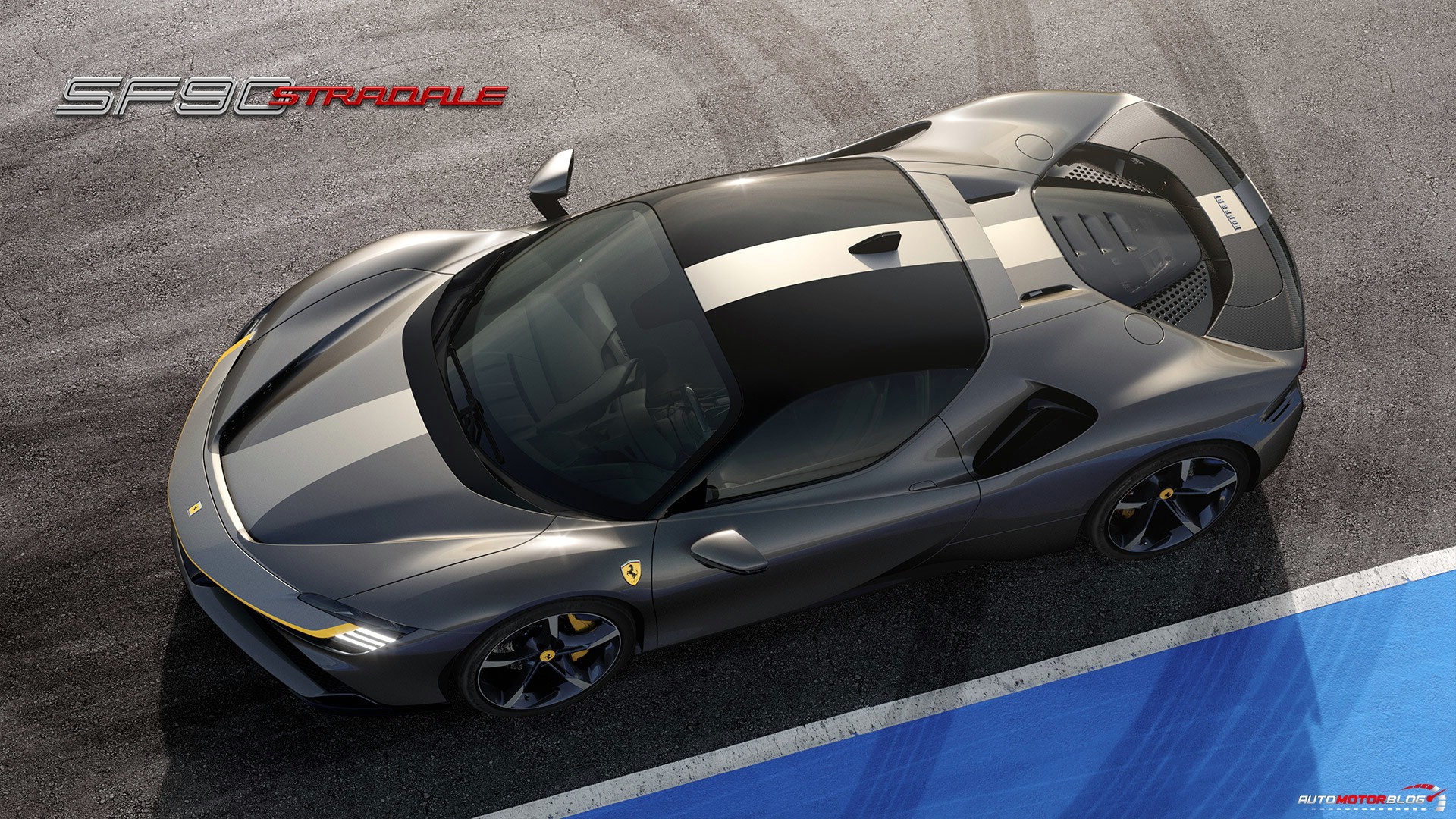
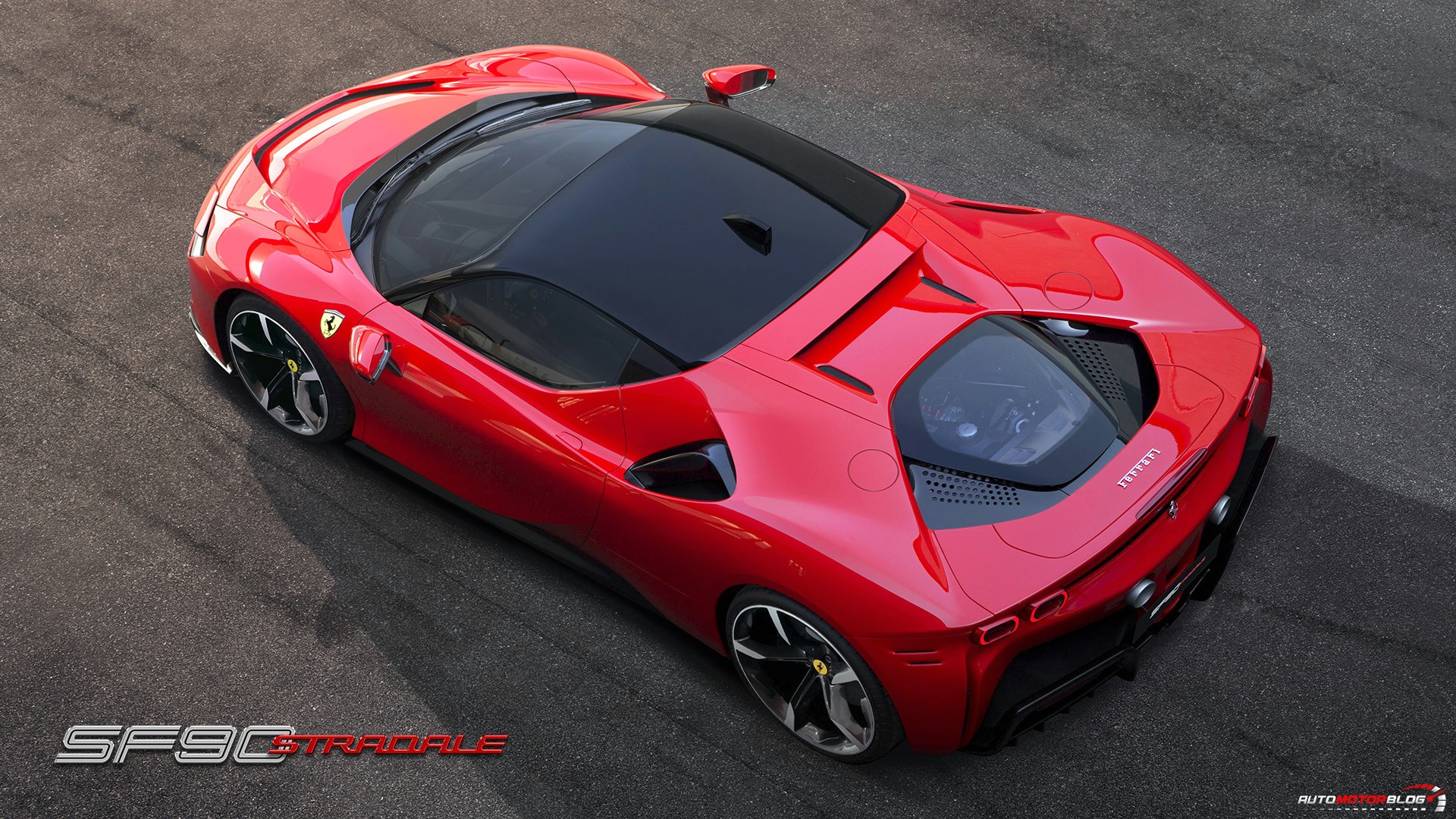
The aesthetics of this supercar are super sexy and aggressive at the same time. This is the best-looking Ferrari according to me. The cuts and crimps in this supercar look super-duper stupendous. The design of the SF90 Stradale is super seductive.

You may also like to read: How to Choose The Best Car for You

Incredible Powerful Engine

Ferrari SF90 Stradale Engine
Ferrari SF90 Stradale – Engine

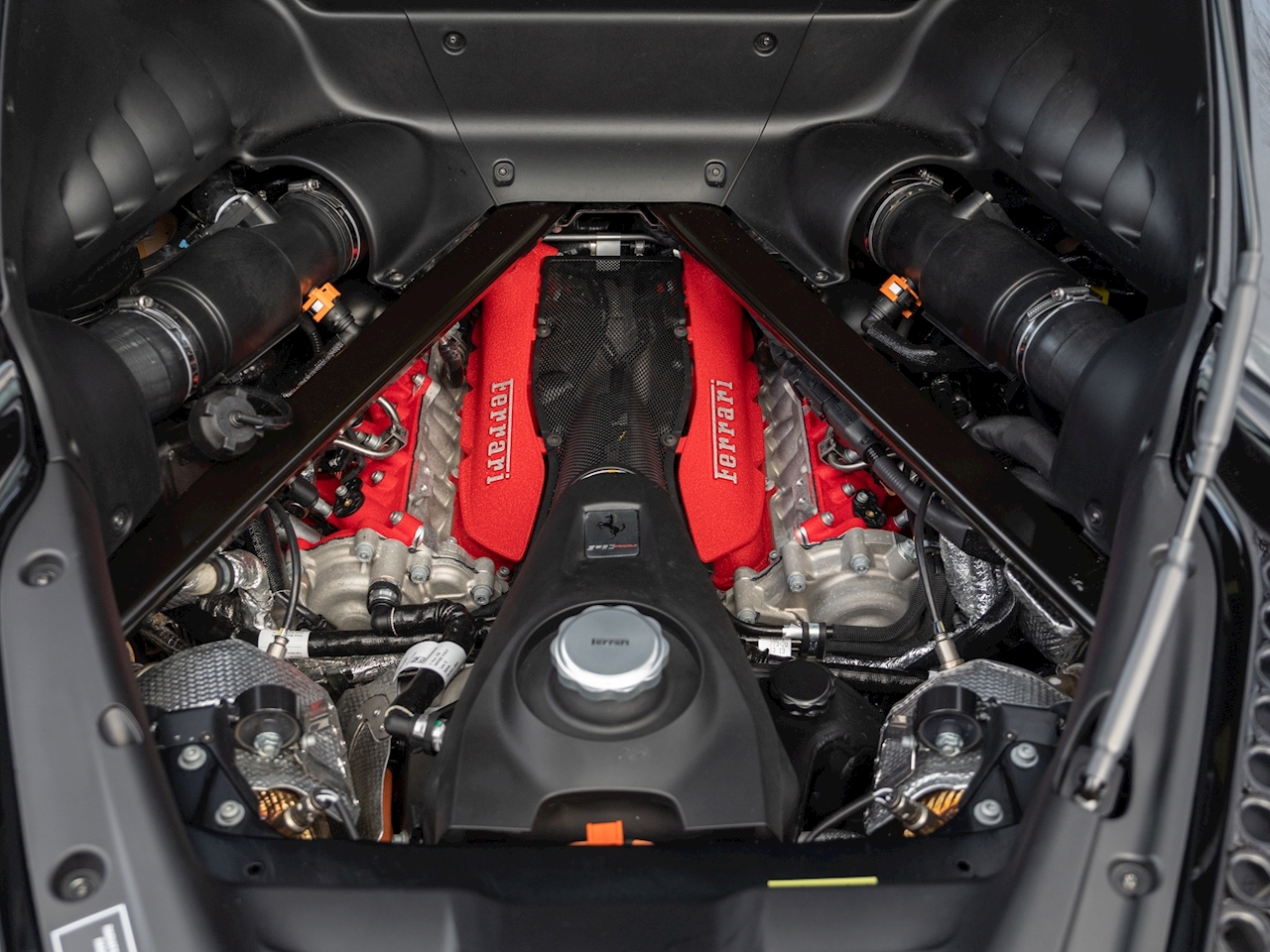
This supercar gets a phenomenal engine. This is a mid-engine as it’s a supercar, and it’s a high-performance auto as well. The Ferrari SF90 Stradale comes with a 4.0 liter turbocharged V8 engine which produces a lot of power, 769 horsepower. Also, the V8 engine is coupled to a trio of electric motors that produce an additional 217 horsepower. All engines together produce a total power of 986 horsepower! And this makes it the most powerful Ferrari in history. The top speed of this auto is 211 mph. The supercar accelerates from 0 to 100 km/h in just 2.5 seconds. The ultra-powerful engine of the is paired with a new 8-speed clutch transmission. The maximum torque produced by this engine is 800 Nm.

Gorgeous Interior Design

Ferrari SF90 Stradale Interior 1
Ferrari SF90 Stradale – Interior Design

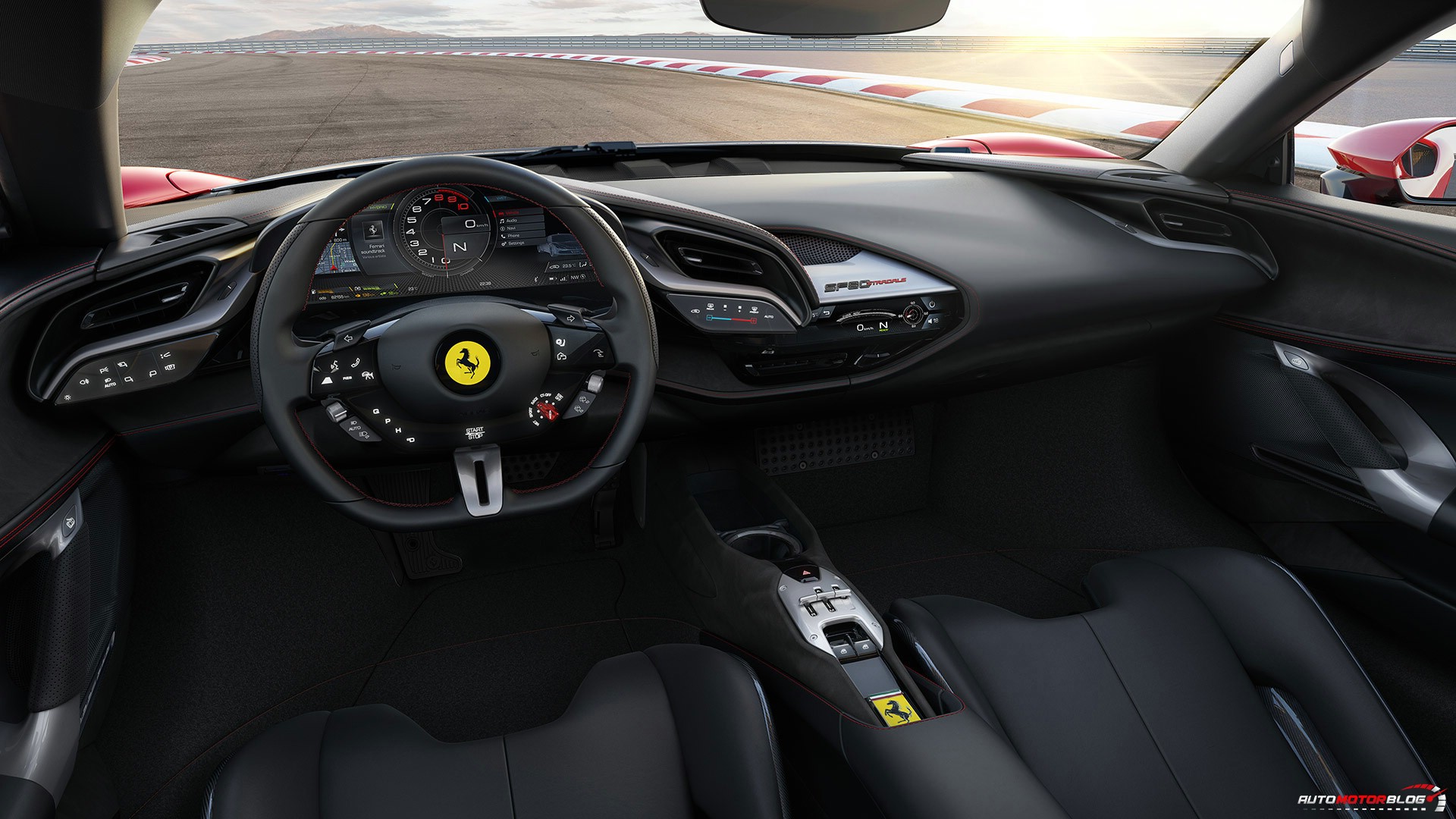
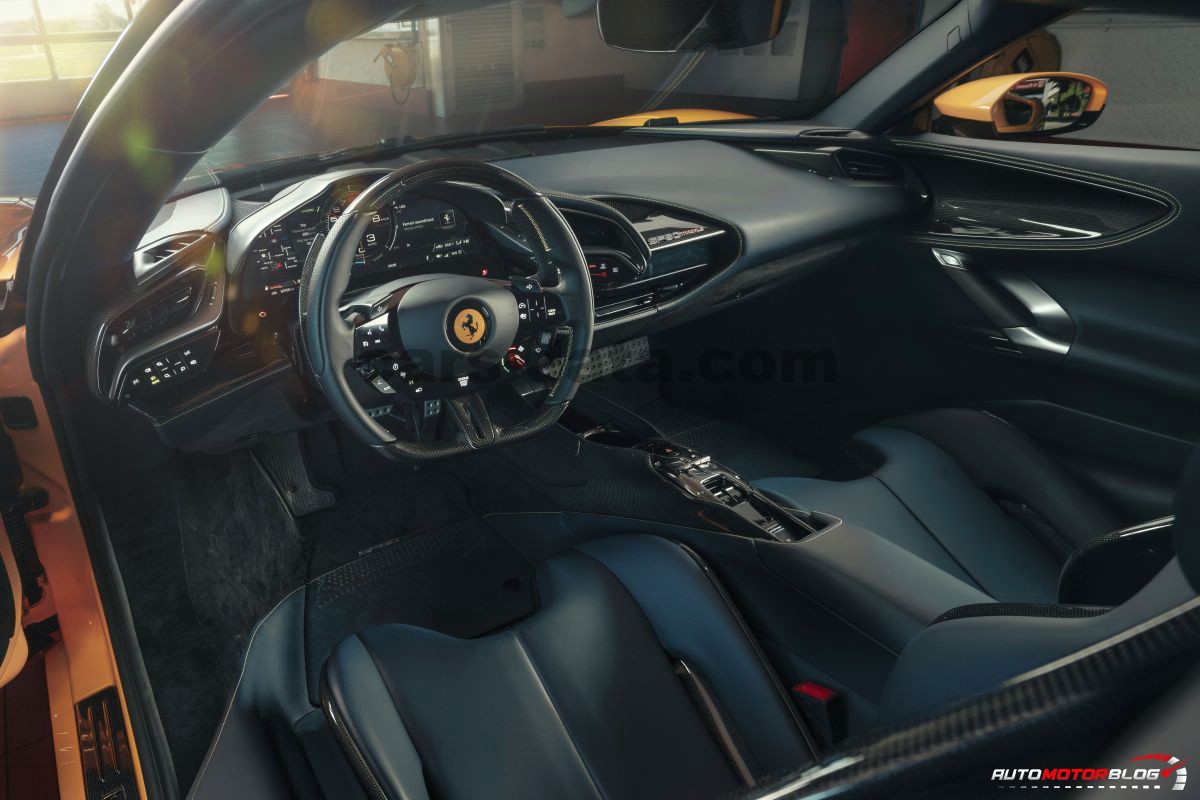
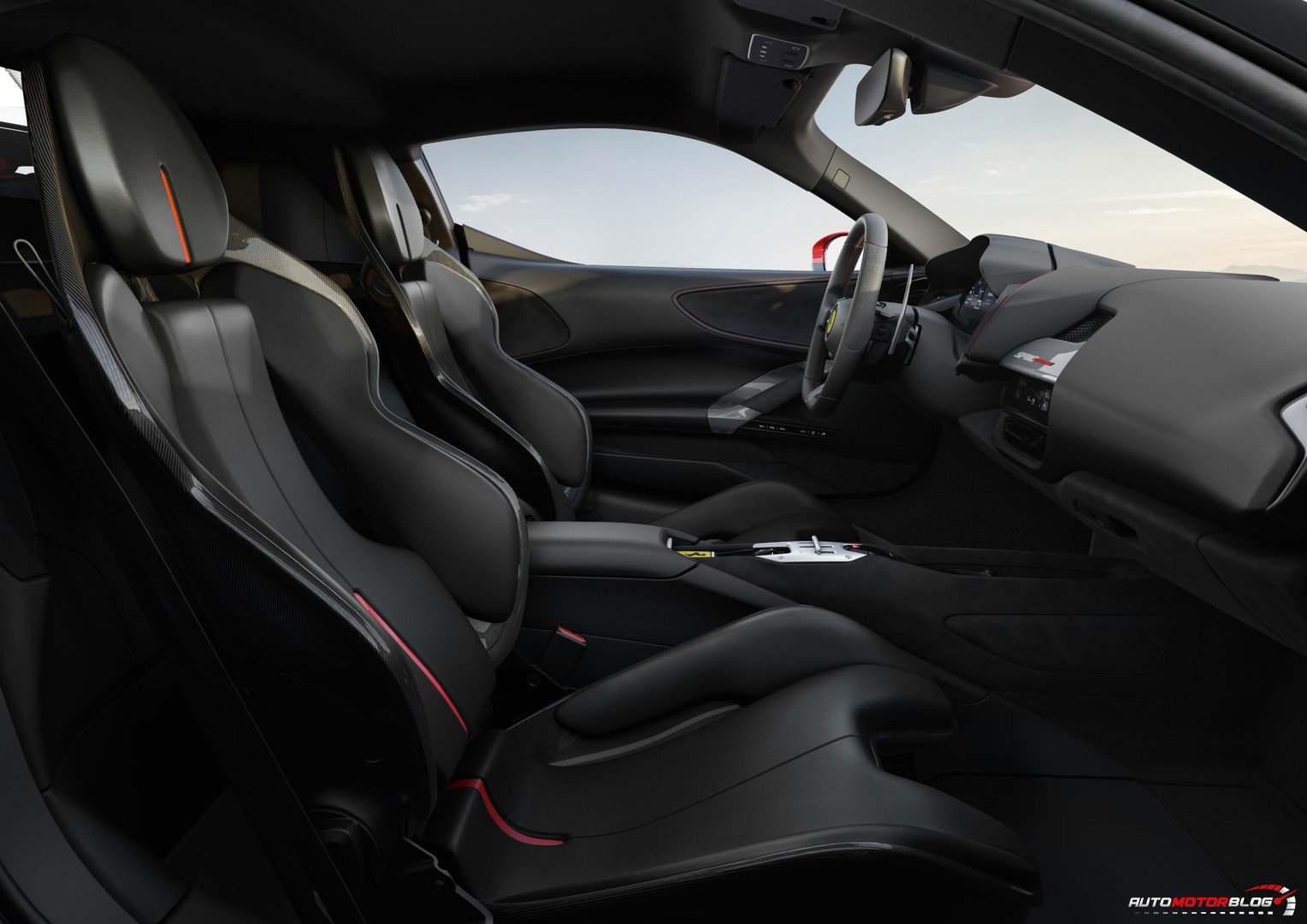
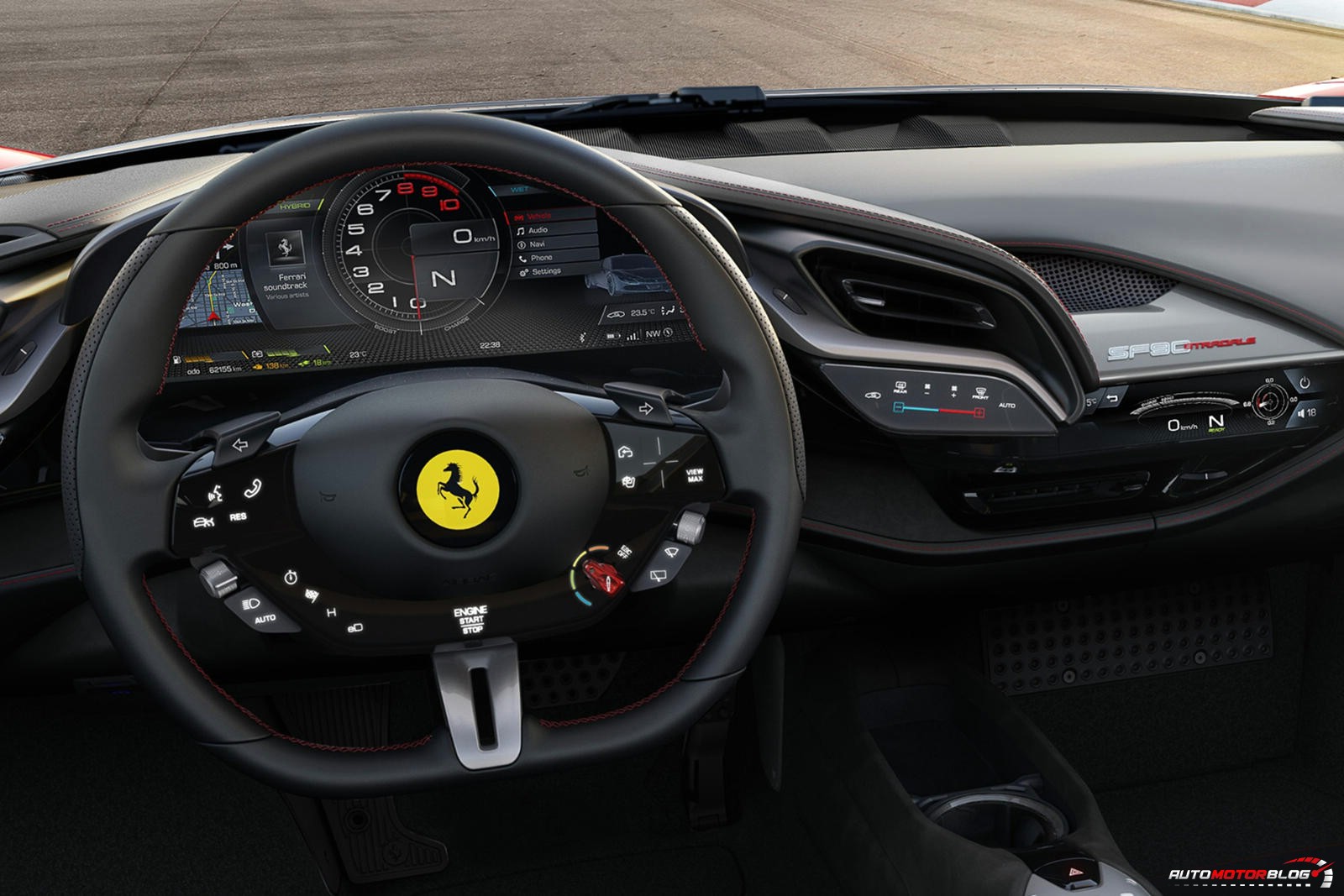
The interior of this supercar is super brilliant. The interior gets a leather finish on the doors, and they are also frameless, which looks very beautiful. SF90 Stradale comes with a JBL sound system that’s also veritably stupendous. You can choose your preferred color from a wide range of 15 colors. The car’s interior gets a full carbon fiber finish in the center console. The interior is full of leather finish and soft-touch materials. It also gets a heads-up display and a bus-darkening rearview glass. It gets all the controls in the steering itself, which is veritably stupendous. It also gets a 16-elevation twisted instrument. It gets electric acclimate for seats as well.

Seductive Exterior Design

Ferrari SF90 Stradale 6
Ferrari SF90 Stradale – Exterior Design

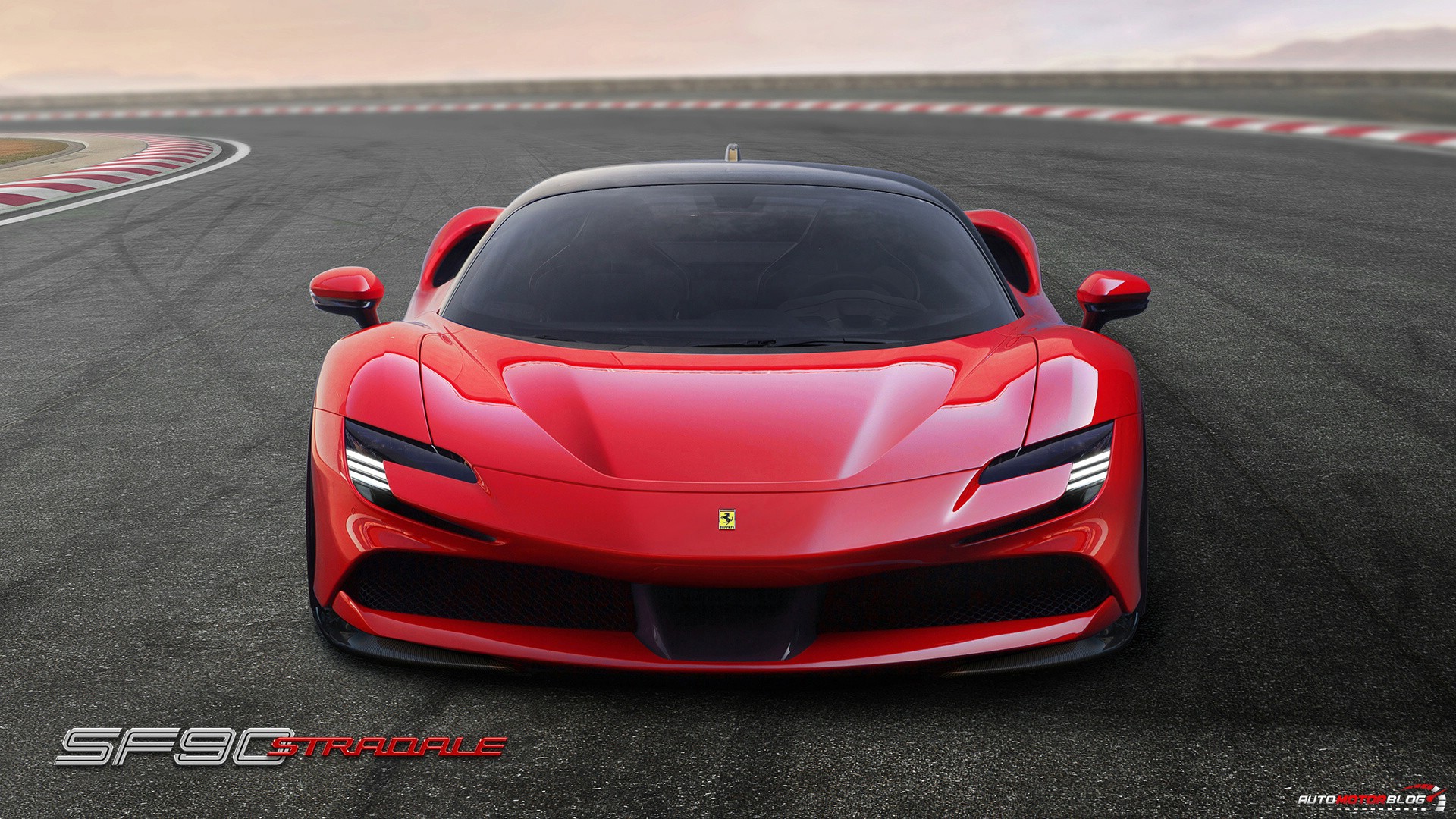
The surface of the Ferrari SF90 Stradale is extremely sexy and seductive. The frontal hood is a type of luggage space, of course, as it’s a mid-engine automobile. In front, it gets 74 liters of luggage space.
The cuts on the hood look super stupendous. The daytime running lights look veritably elegant and modern. The headlamps are L-shaped and with Matrix technology. It also gets a wolf fin antenna and there’s a dual-color option for the SF90 Stradale in which the roof can be colored in black. The supercar also gets electrically malleable outside view glasses with turn pointers. The length of this supercar is 4.7 meters and the height is 1.2 meters. The check weight of this beast is 1600 kg, also, the chassis of this car is made of aluminum and carbon fiber. It also gets a crucial entry. The frontal tire size is 255/35 R20 and the rear tire size is 315/30 R20. The tire size is massive.

The Ferrari’s SF90 Stradale price starts at $520,000!

Please let us know in the comments section if you like the Ferrari SF90 Stradale, or not. We read and answer all the opinions of our readers in the comments section. See you in the next episode. Until then, please stay safe & healthy!

Ferrari SF90 Stradale – Photo Gallery

The post 4-Things That Make The Ferrari SF90 Stradale The Best Ferrari Ever Made appeared first on Automotorblog: Daily news on cars and motorcycles.


from Automotorblog: Daily news on cars and motorcycles https://ift.tt/k7aUWNF

Sunday, 22 January 2023

Speed Read, January 22, 2023

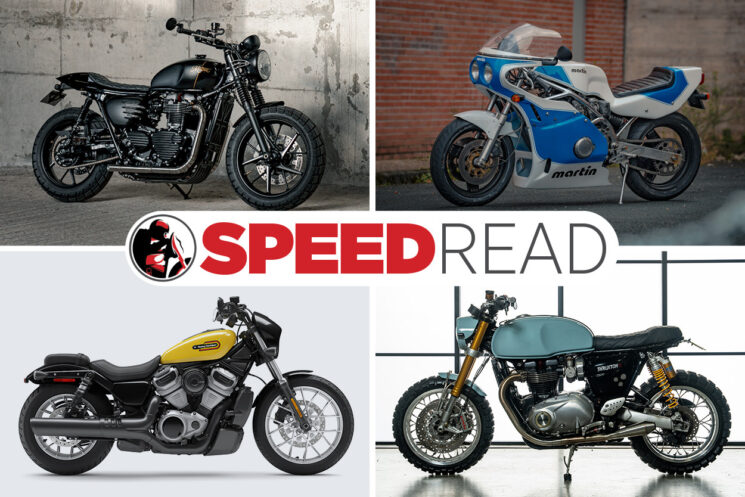
Custom Triumph Street Twin, Thruxton 1200, Moto Martin Suzuki Katana, Harley-Davidson Nightster Special
A stunning Moto Martin restoration headlines this weekend’s round-up. It’s followed by a pair of lightly modded modern Triumph twins, a look at the 2023 Harley-Davidson Nightster Special, and news of Ducati’s electric motorcycle racing plans.
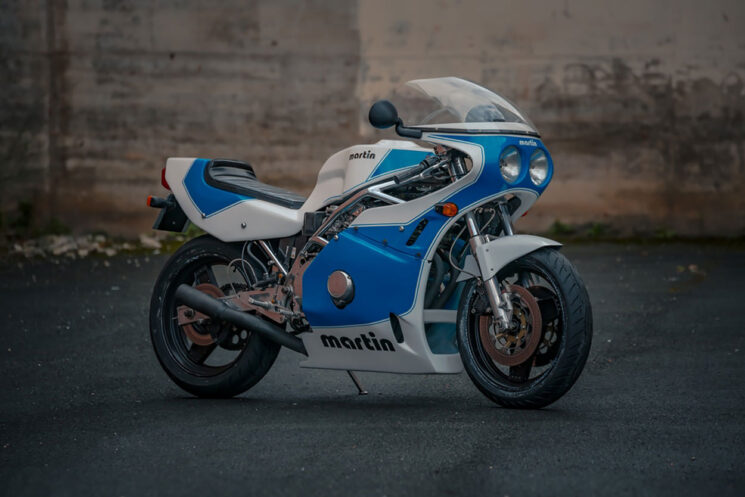
Moto Martin Suzuki Katana by Cafe Racer SSpirit
Moto Martin restoration by Cafe Racer SSpirit Stunning race bike lines, a powerful engine and track-focussed running gear—what more could you want? That’s the exact kind of product you got when you ordered a Moto Martin.

Founded by Frenchman Georges Martin in 1972, Moto Martin produced bikes in a similar vein to that of Bimota. They shoehorned the latest, most powerful engines of the day into custom frames, wrapped them in new fairings and garnished them with high-end suspension and braking systems.
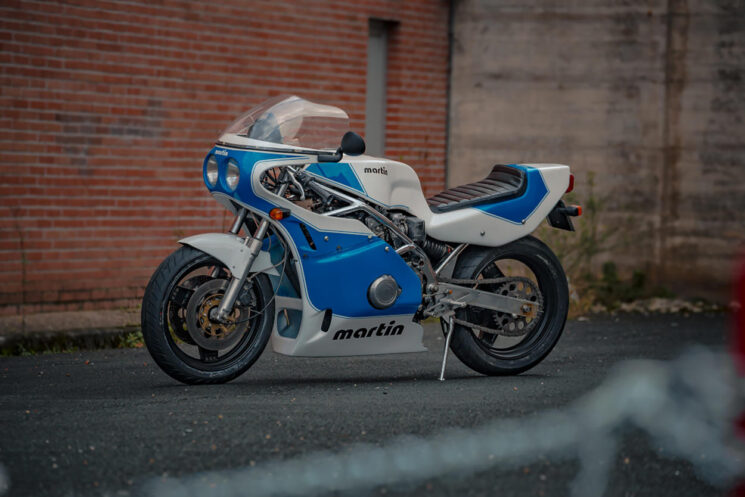
Moto Martin Suzuki Katana by Cafe Racer SSpirit
All those years ago this is what the original owner, Jorge, did with his Suzuki Katana 1100 donor bike. He bought the big Kat, and took it to Moto Martin where it underwent a full conversion, with little expense spared. All that remained of the original bike is the engine, carbs and speedo.

Fast-forward to today (after 21,000 miles) and Jorge’s Martin was looking a little worse for wear. Jorge decided to tear the bike down with the intention of starting the restoration himself—but sadly, he was soon diagnosed with ALS and was unable to continue. So he sold the bike to the team at Cafe Racer SSpirit in San Sebastian.
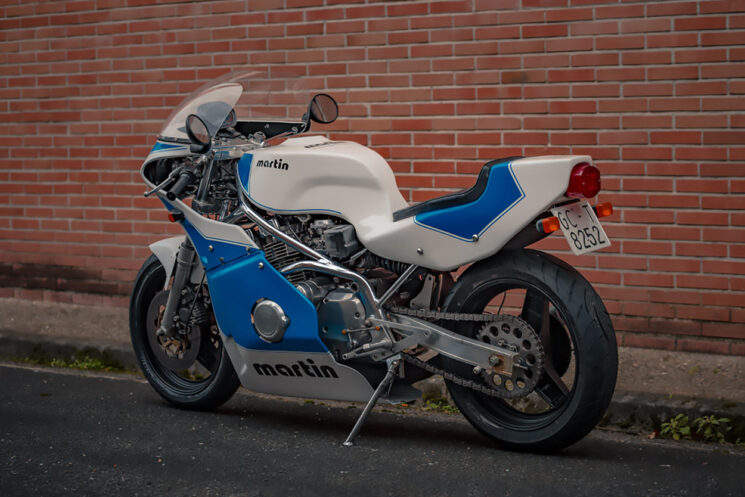
Moto Martin Suzuki Katana by Cafe Racer SSpirit
The entire bike was treated to a nut and bolt restoration, with not a single aspect of the bike left untouched. The bronze-welded Chromoly frame, together with Moto Martin’s own suspension and wheels are breathtaking. Everything is perfect, right down to the stunning fiberglass and paint work, which was completed by Sergio at Classic Garage Motorcycles.
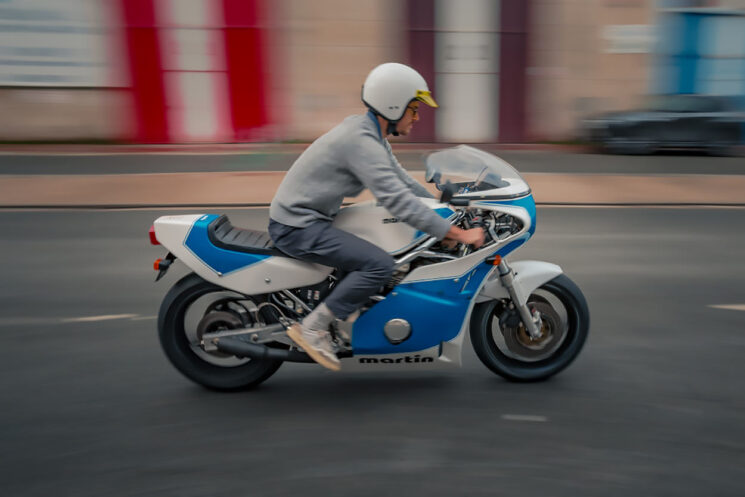
Moto Martin Suzuki Katana by Cafe Racer SSpirit
The project took more than a year to complete—but Jorge tragically passed away before he could see his old bike in all its glory. The team at Cafe Racer SSprit have done an incredible job bringing the bike back from the brink. We’re sure Jorge is looking down with pride. [Via]
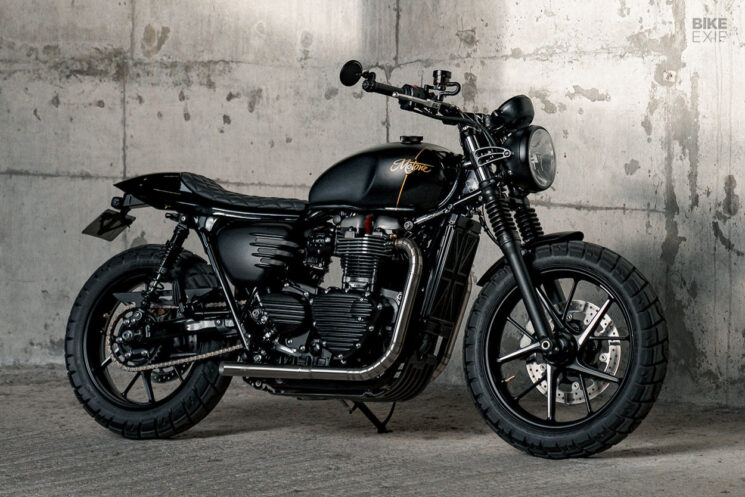
Custom Triumph Street Twin by Motone
Triumph Street Twin by Motone The Triumph Street Twin is one of our favorite bikes in the English brand’s modern classic lineup. The approachable 900 cc water-cooled engine, combined with the comfortable ergonomics of the larger Bonneville line, has made the Street Twin a hit around the world.

Motone Customs, the British motorcycle parts and accessories company, are no strangers to the Triumph modern classic lineup. Founded more than a decade ago, Motone specializes in the design and manufacture of accessories and parts, for discerning customers who want their bikes to stand out.
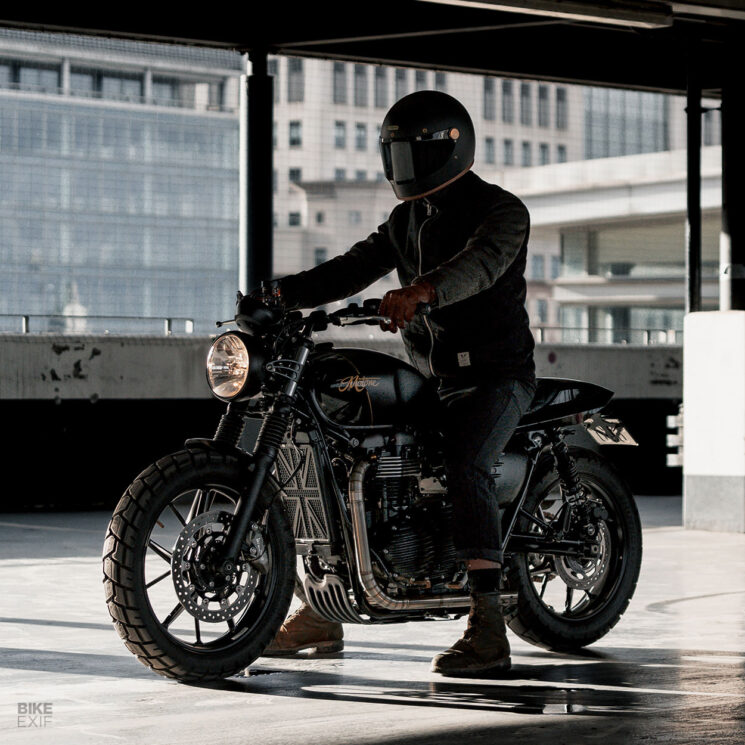
Custom Triumph Street Twin by Motone
They’ve just finished kitting out a Triumph Street Twin with some of their new parts. It looks so good that it’s hard to believe that the bike is made of bolt-on parts only—no cutting or welding required. This is the genius of Motone; what might have cost an arm and a leg from a one-off custom shop, has been made easy enough for all but the most spanner-shy.

Along with the finned lower engine and gearbox covers (a Motone staple) are the matching bash plate and side covers. There are a slew of other Motone parts which have been bolted on too, but this bike was built to specifically highlight a few new parts.
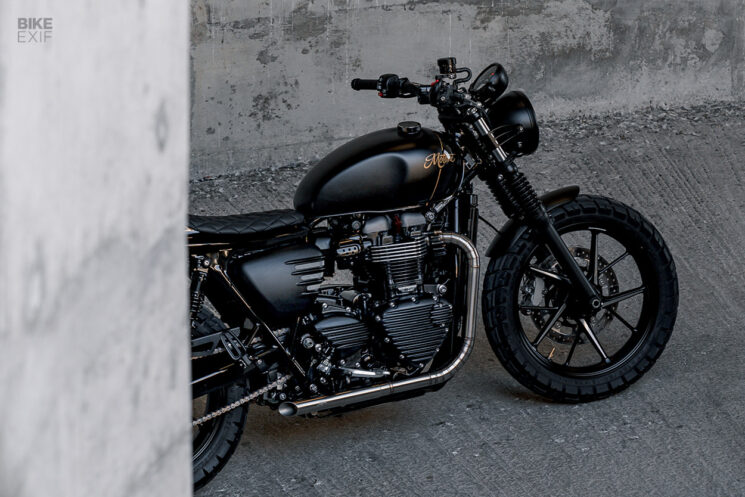
Custom Triumph Street Twin by Motone
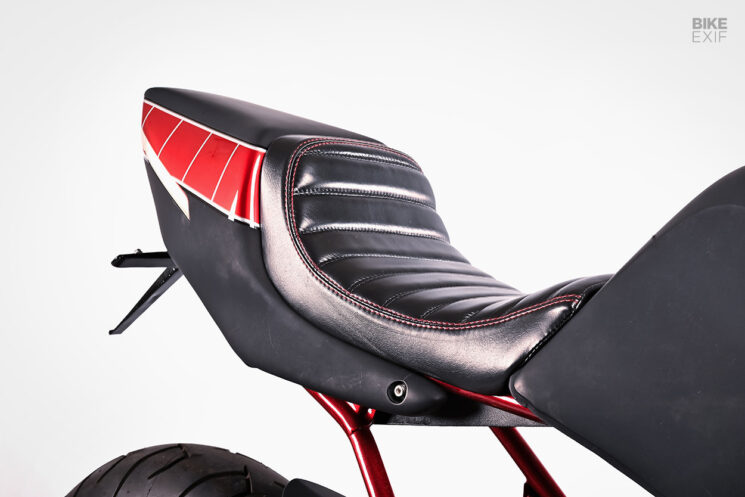
Most notable are the new flat tracker seat and ‘Nautilus’ exhaust pipes. But eagle-eyed viewers will also spot the new Motone ‘PICO’ LED indicators, which are microscopic but still have full ECE certification.

If you like what you see, and have a Street Twin in need of a no-fuss makeover, check out the Motone website.
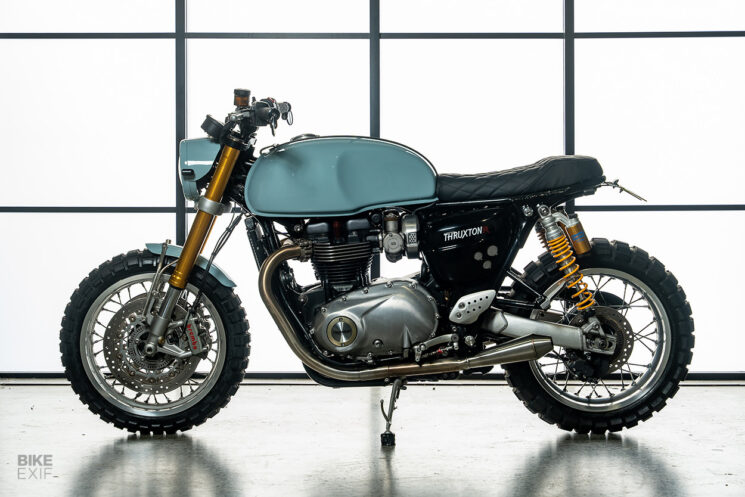
Custom Triumph Thruxton by Purpose Built Moto
Triumph Thruxton by Purpose Built Moto Another stunning bike in the Triumph modern classic lineup is the Thruxton 1200. It took the world by storm when it was released in 2016, and the fanfare hasn’t really settled down to be honest. It’s almost perfect out the box—but this also means that you see it everywhere.

A customer with this exact problem rolled his 2016 Thruxton R into the Purpose Built Moto garage in Burleigh Heads, Queensland, Australia. He wanted to change things up, but not overly so; the team at PBM knew exactly what to do.
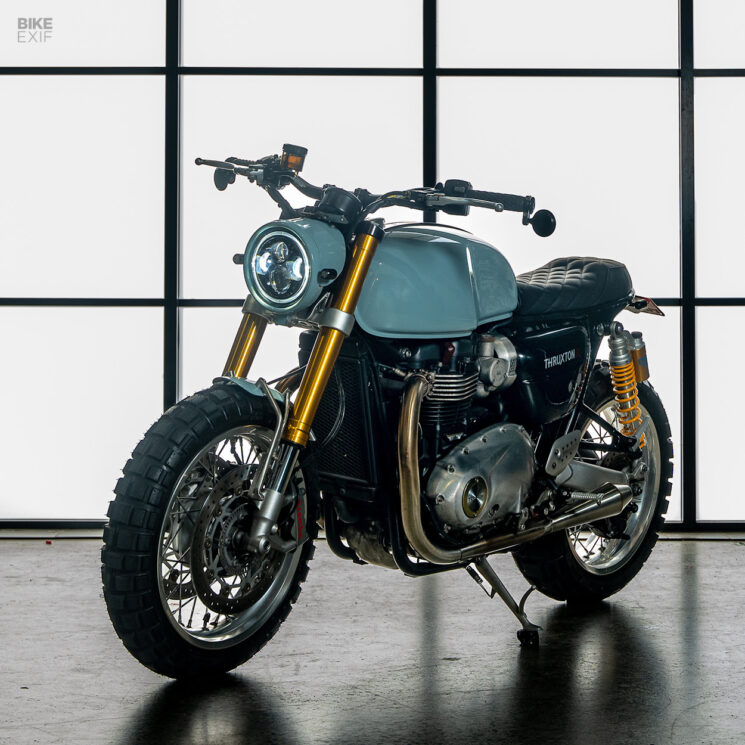
Custom Triumph Thruxton by Purpose Built Moto
“These conversions are always met with a little bit of criticism,” explains shop boss Tom. “The keyboard warriors sing out with ‘why would you ruin the street capability of the bike?’”

“The answer is always the same: it’s our job to deliver a motorcycle the customer gets excited about, loves, and thinks about even when they’re not riding. If our customer wants knobbly tires on a 1200 cc twin with Öhlins suspension, that’s what they’re going to get.”
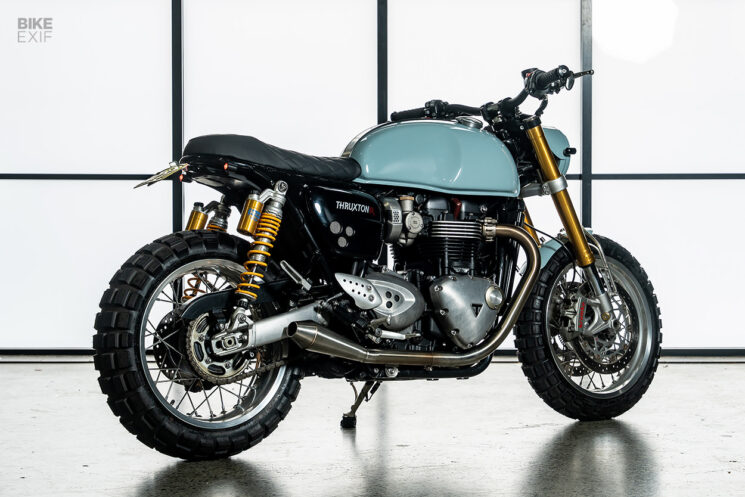
Custom Triumph Thruxton by Purpose Built Moto
The Thruxton’s 1200 cc engine is a real peach, so it remains mostly stock—but it wouldn’t be a custom bike build without a soundtrack to match. The factory headers were left alone, but the system was liberated of its catalytic converter, and now exhales through a set of PBM Torpedo mufflers.

Up front is a Purpose Built Moto 7” Flashpoint LED headlight with a custom cowl. The twin clocks have been replaced with a Daytona gauge, sitting in front of an LSL triple clamp, new bar risers, and ProTaper handlebars. Continental TKC80 tires were spooned onto the stock rims (this is a street scrambler, after all).
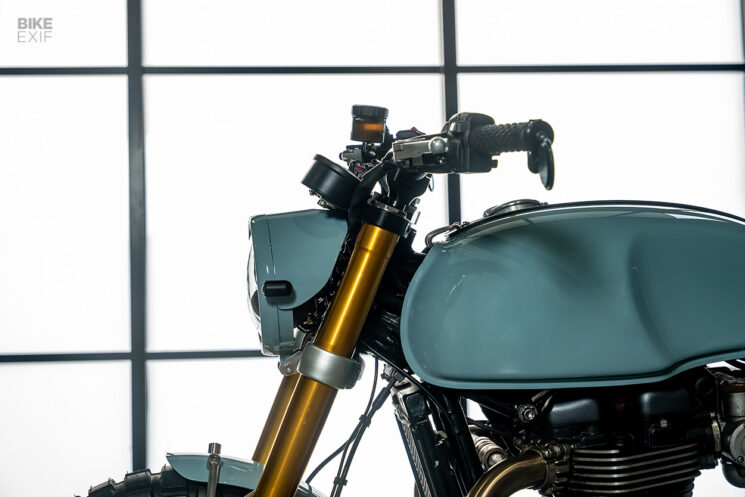
Custom Triumph Thruxton by Purpose Built Moto
The tank and cowl were painted by Nathan at Livin’ Loco (just down the street from the PBM garage) and the new seat was expertly shaped and covered by Timeless Auto Trim. Behind the seat is a looped rear end, capped with Purpose Built Moto’s own 3-in-1 LED lights.

Hats off to the PBM team for once again turning a stock bike into a mean-as-heck custom machine. We just know the customer is stoked. [Purpose Built Moto | Images by ]
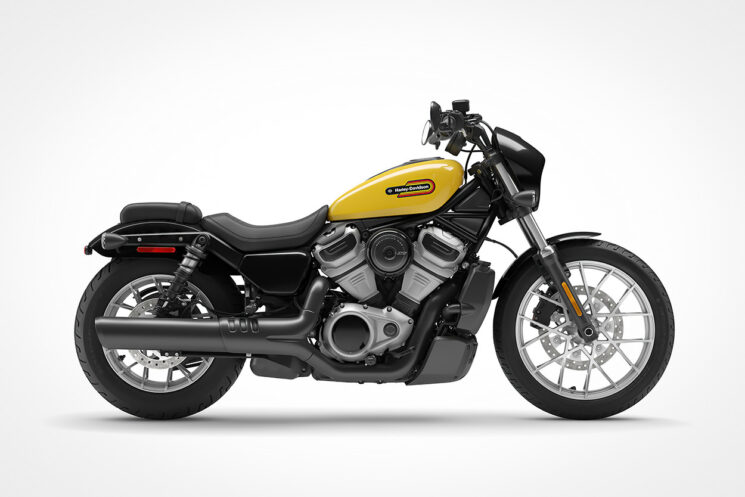
2023 Harley-Davidson Nightster Special
2023 Harley-Davidson Nightster Special Harley-Davidson has just unveiled their 120th Anniversary model range. And while there are a few new bikes in the mix, most of the models are just anniversary editions with bold new graphics. The new Nightster Special sits somewhere in the middle.

The Nightster Special comes standard with the same chassis, and same 975T Revolution Max engine as the ‘regular’ Nightster. However, while the engine remains the same, the ergonomics have gotten a slight upgrade. The handlebar risers have been stretched out to 5 inches, and the new handlebars put the grips two inches higher, and an inch closer, to the rider.
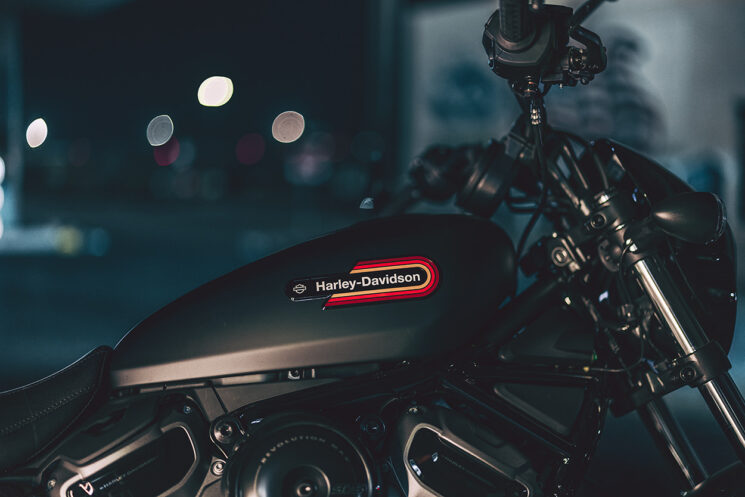
2023 Harley-Davidson Nightster Special
This should make the Nightster Special a little more comfortable around town and on longer rides. In that vein, it also gets a pillion seat and passenger pegs—both missing from the standard issue model. New alloy wheels round out the parts spec (admittedly, they do look good).

The Nightster Special is available in Black Denim, Vivid Black, Bright Billiard Blue and Industrial Yellow. All color options get the AMF-inspired striping on the tank, with prices starting at $14,999 in the USA.
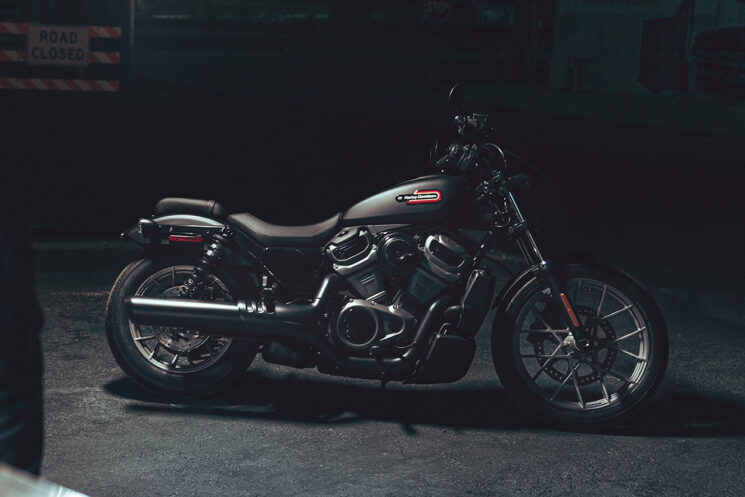
2023 Harley-Davidson Nightster Special
It’s a neat set of upgrades for the Nightster, but it’s still left us wanting. A little more differentiation from the stock bike would have been nice—and an announcement of the much-anticipated Bronx would have been even nicer. [Harley-Davidson Nightster Special]
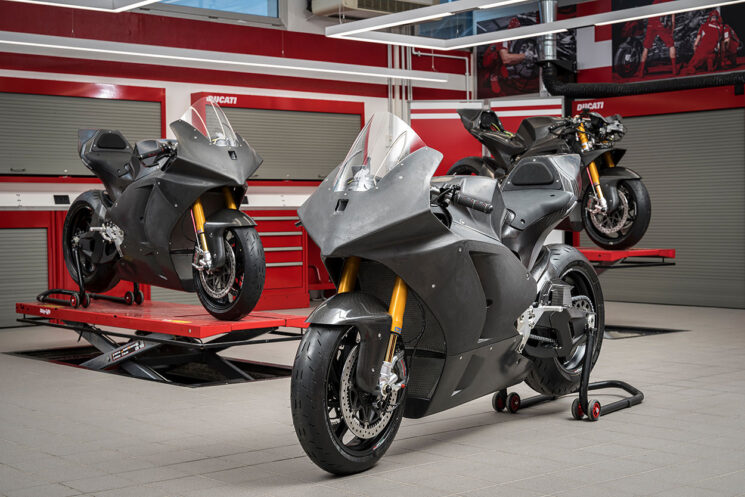
Ducati MotoE electric racing motorcycle
Ducati MotoE 2023 marks the start of Ducati’s electrification. This year, the Italian marque will be producing an electric motorcycle for teams to run in the new MotoE championship.

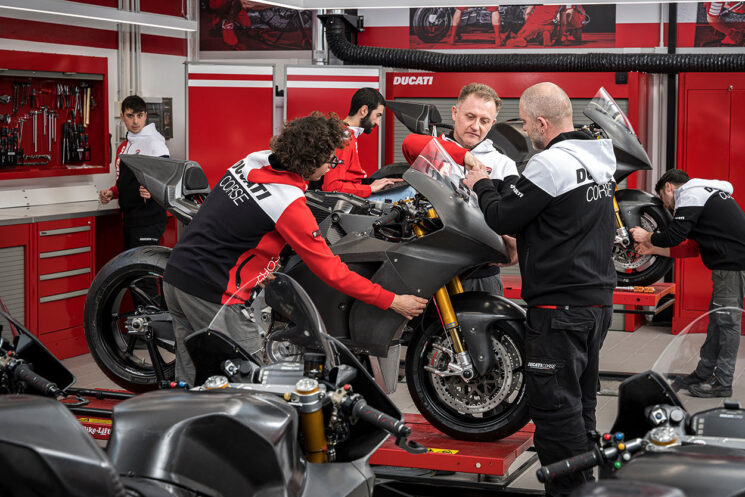
Dubbed the ‘V21L’ by Ducati, production of the 23 bikes for the spec series started in December 2022, with the factory aiming to have them completed by February 2023. Each prototype is assembled by Ducati’s top technicians in the Ducati MotoE Racing Department at their Borgo Panigale factory. With their experience with MotoGP, we’re expecting to see the same attention to detail and flawless craftsmanship in their MotoE bikes.
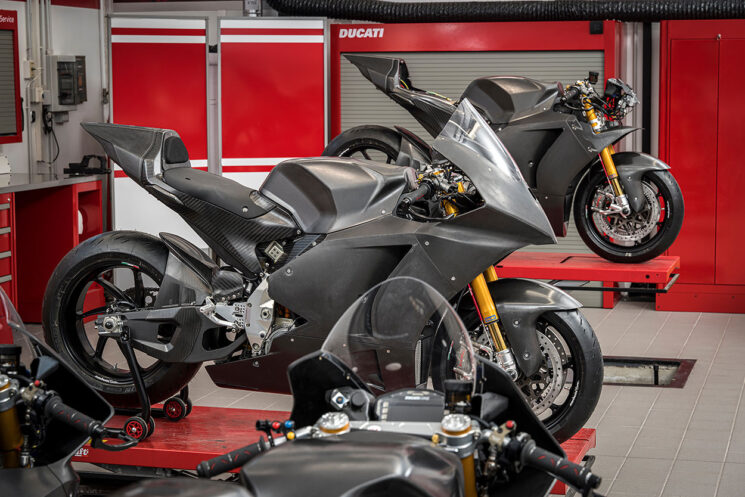
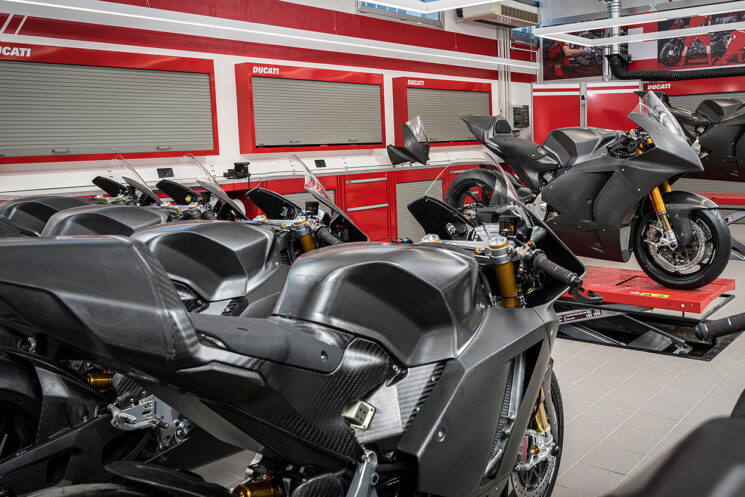
Ducati MotoE electric racing motorcycle
As you’d expect—along with the electric powertrain and top-shelf suspension and braking components—there’s carbon fiber as far as the eye can see. With this much bodywork, there is plenty of real estate for race liveries. And with the MotoE bikes being so similar, it almost guarantees exciting racing, since it’s all up to the riders.

If you’re interested to see how this all-new electric chapter unfolds, the first race will be at the French Grand Prix on Saturday, May 13th 2023. But what’s almost more interesting, is the possibility of a fully electric Ducati being added to their current lineup. Judging by the words of the company CEO, Claudio Domenicali, it’s only a matter of time.
Ducati MotoE electric racing motorcycle
“The start of production of the Ducati MotoE is a historic moment for our company,” he’s quoted as saying, “which with this project is thoroughly studying the technologies of the future for the world of motorcycling.”

“It is an important area of experimentation, in which we are investing to build know-how so that we will be ready when battery technology should allow the creation of an exciting electric road bike with the weight, performance and range that enthusiasts expect from a Ducati. We are therefore embarking on this new adventure with the aim of developing the people and skills within the company to shape what the character of a future Ducati electric road bike might be.” [More]
Ducati MotoE electric racing motorcycle


from Bike EXIF https://ift.tt/i4XFYKg
Friday, 20 January 2023

Mike Wolfe’s Motorcycle Collection Isn’t for Sensible People, But Who Cares?

THESE ARE NOT BIKES for sensible people. Sensible people don’t want a vintage, rusting, non-running motorcycle in their garage. Alas, we are not sensible people. Mike Wolfe is one of us, a guy that simply falls in love with a bike because it’s old, or historic, or interesting, or cool. Certainly not sensible, but who cares?
A couple of years ago on the “American Pickers” TV show, I watched co-host Mike Wolfe yank a 1967 Triumph Bonneville out of an old barn, and I knew he was one of us, one of the guys who probably has a bumper sticker on the back of his van that reads, “My Other Car is a Classic Motorcycle That Doesn’t Run.”

Anyone who’s been around the hobby for any length of time knows guys like this. The big difference is that Wolfe has a TV show, “American Pickers,” a warehouse, and he’s paid to travel around the country and find old motorcycles, old scooters, or even the old tour van that once belonged to Aerosmith.

Over the years, we’ve seen him literally dig up classic bikes from the ground, haul them out of fields, or (usually) carefully roll them out of a barn. His personal collection has grown to over 150 vintage bikes, and it was a surprise when the notice for the 2023 Mecum Las Vegas auction said he was going to sell about 70 of his rarest cycles this month. Hoarders, ahem, collectors like him don’t sell their bikes, so this is a rare chance to see what he’s personally amassed before they go to auction in Las Vegas and likely disappear forever into a new private collection. Some of our favorites, if we had a barn big enough to hold them and cash to buy, include:

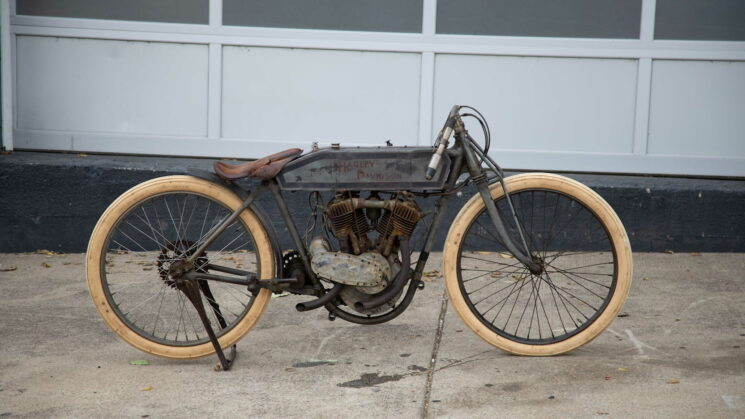
Mike Wolfe 1914 Harley Davidson Factory Racing Twin
Many will tell you that Harley-Davidson’s dysfunction started when the company built its first race bikes. Harleys were fine, scoot-around town, bikes that were fun in the early 1900s. Even the company founder didn’t want to race his commuter cruisers at the time. But they did anyway, and the V-twin race bike was born with racers like Wolfe’s 1914 Harley Factory Racing Twin setting the pace. These single-speed bikes dominated flat track, board track, and early grand prix races.

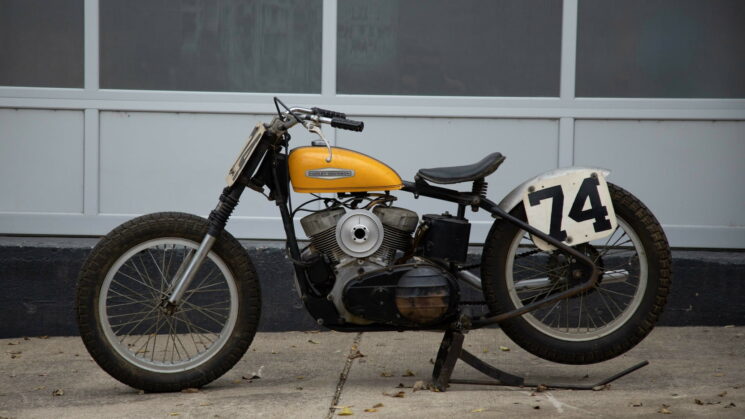
Mike Wolfe 1962 Harley Davidson KR Racer

By the 1960s, Harley nailed it. Ever hear a KR Racer on the pipe thumping out of a corner at a flat track race? Yeah, you’d want one, too. These first-generation KR bikes won 13 national AMA Class C championships and 12 Daytona 200 races. We wouldn’t have Evil Knievel and his XR750, or even the modern Sportster if it wasn’t for these dirt track bombers that threw mud at the grandstands. Wolfe’s is a 1962 45-ci version with a racing history. Definitely some vibes of this KR in Paul Hartman’s flat tracker build.

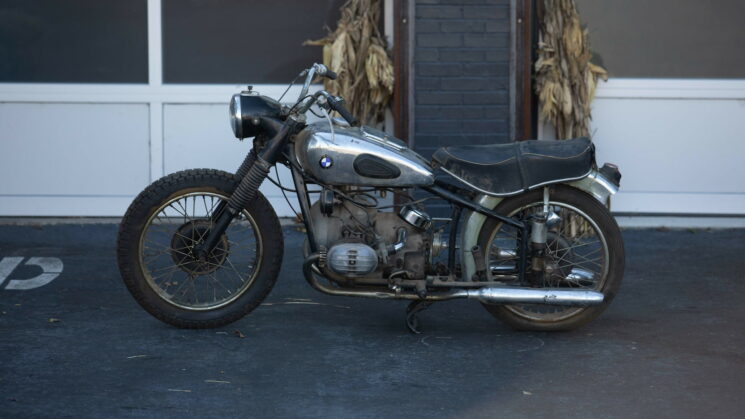
Mike Wolfe 1951 BME R67

BMW purists are probably spitting on their computer screens right now. Who would take a 1951 BMW R67 and rip off the hinged fenders? Does it matter? This first-year 600cc R67 that Wolfe found already bobbed looks right. The chromed tank is about the only other major custom part to this mostly original first-year bike that, while not original, shows that 70 years ago custom builders saw the potential in airheads.

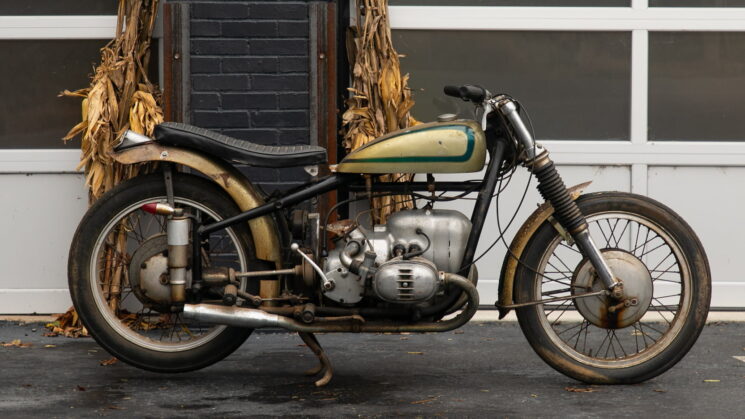
Mike Wolfe 1950 BMW Bobber

Something about Wolfe’s 1950 R51/3 struck me: It’s an early café racer built out of a bike that is, most definitely, not a racer. This cool custom has a vintage, hand-painted, fiberglass tank and flat seat that looks more 1970s than 1950s, and that’s probably when this bike was torn down. Most 1950s airheads get treated to a full restoration, but it would be a crime to take the disco-era pieces off this classic.

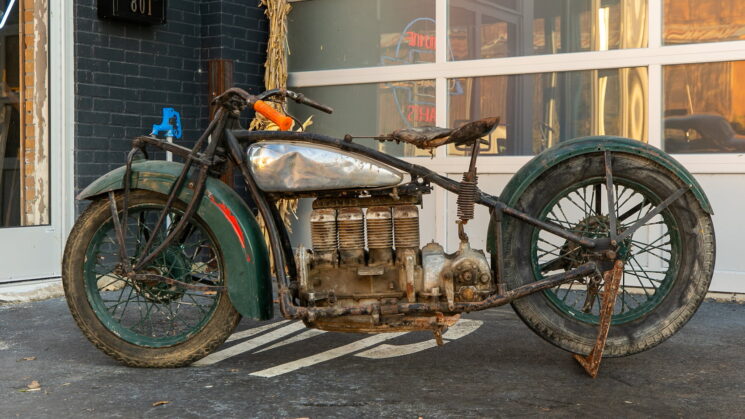
Mike Wolfe 1931 Indian Four Motorcyle

Unlike the BMWs, Harley racers, or even the Henderson in Wolfe’s collection, his selection of Indian bikes is lip-smacking good. They’re not sensible, and they don’t all run. While other manufacturers were still trying to figure out how to make two cylinders work, Indian was making gorgeous in-line fours that look like four stovepipes welded together and sound like WWII artillery. This Indian Four, a 1931 with a cut leaf-spring front suspension and amazing patina should sell for big money as this is one of the first-gen four-cylinder bikes that made Indian famous before they stopped producing the Four in 1942.

Photos courtesy Mecum Auctions, Inc.


from Bike EXIF https://ift.tt/L4EdnMs

Wednesday, 18 January 2023

Working Class Hero: A custom Honda NX650 Dominator from Budapest


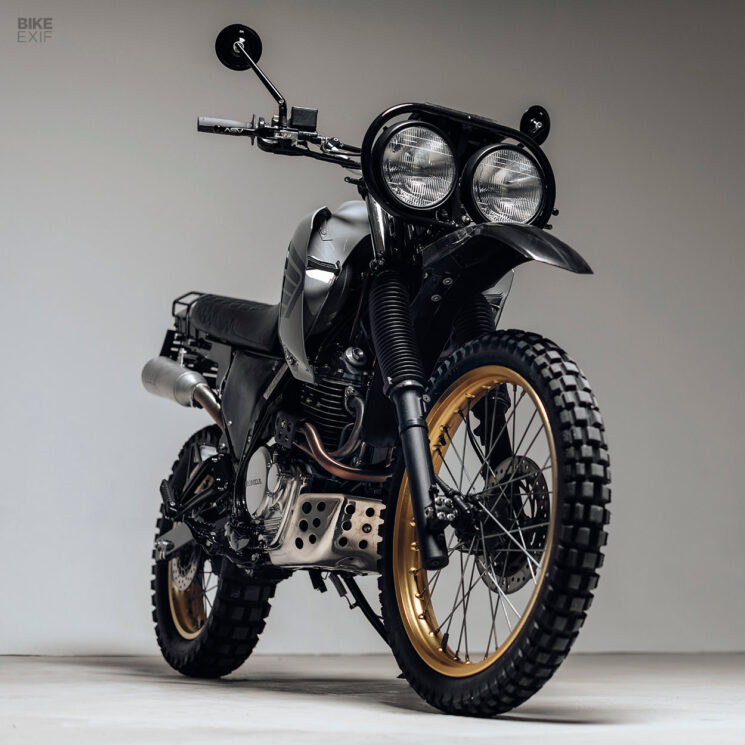
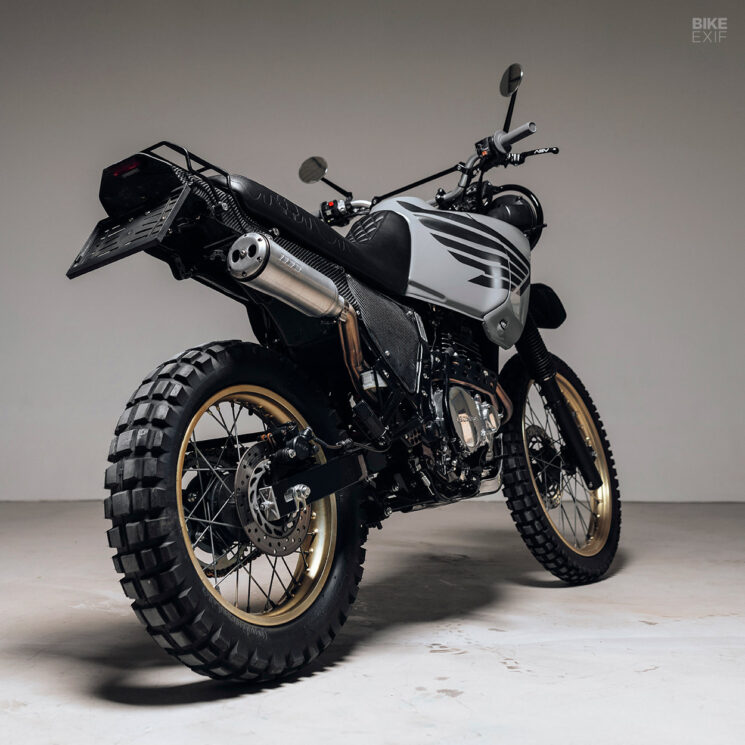
Many Honda Dominator customs use the same template. Swap the fuel tank for something slimmer, trim the subframe and you’re halfway there. But there’s another way to go about it; lean into the Dominator’s adventure bike DNA to build a utilitarian scrambler.

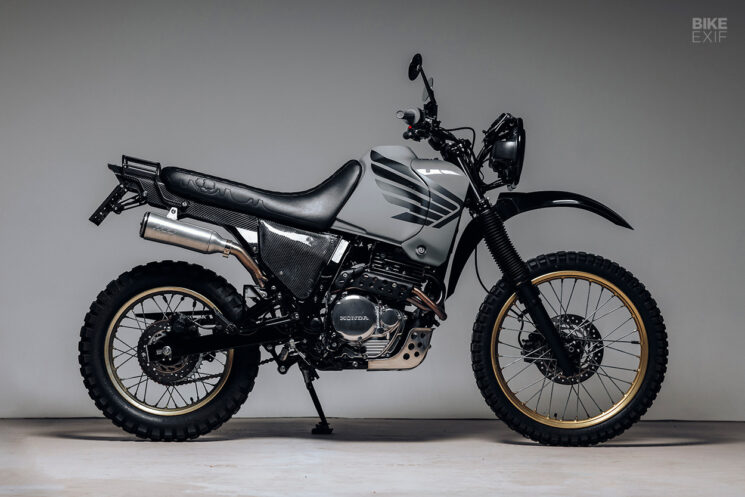
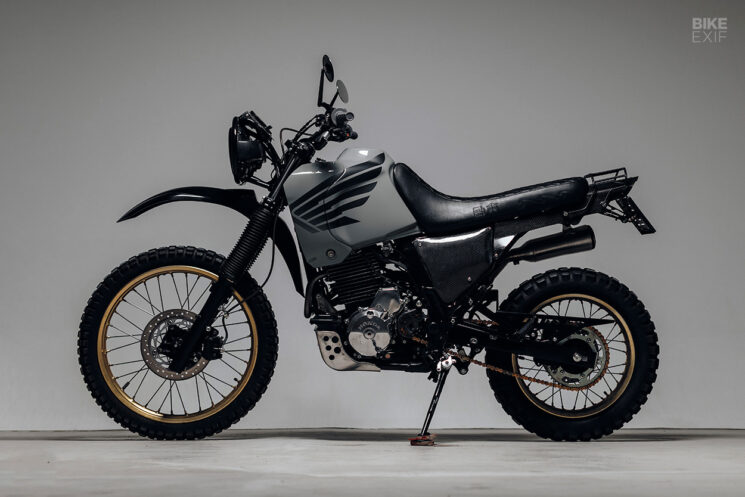
That’s the path that the Hungarian workshop, Neuga, took with this 1994 Honda NX650 Dominator. Wrapped in muted finishes, and sporting an imposing stance, it has the look of a retro Baja 1000 race bike—albeit with an air of refinement.


“This build was an ‘in-house’ project, for one of our crew members,” says Neuga founder, Benedek Eszteri. “It took about six months from teardown to finish. The idea was to have a bike as trustworthy as it gets—and we couldn’t think of a better donor than a Dominator.”

“The donor was in okay condition, but it was torn done completely, measured and rebuilt with everything replaced that had even slight wear. We wanted to have a double headlight and some carbon—that was the basic idea. Everything else took shape during the project… it was kind of freestyle.”


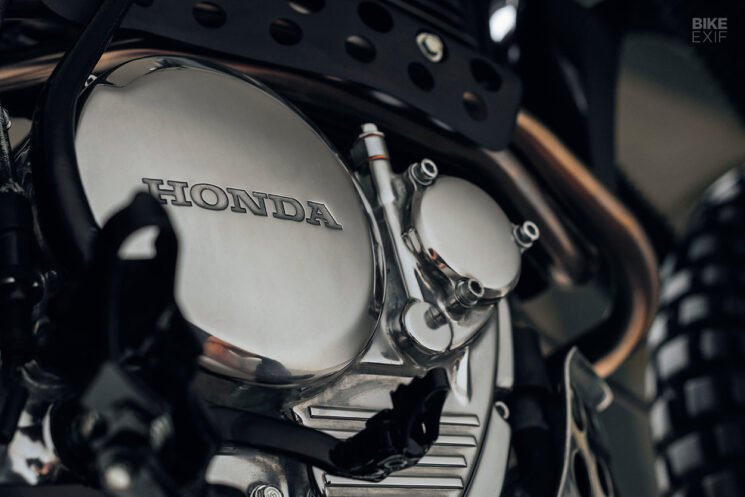
Neuga went deep, starting with a full engine rebuild. And we do mean full—there isn’t a single component that hasn’t been replaced or refurbished. It looks brand new on the outside too, with a fresh coat of heat resistant black paint punctuated by the polished fins and engine covers.

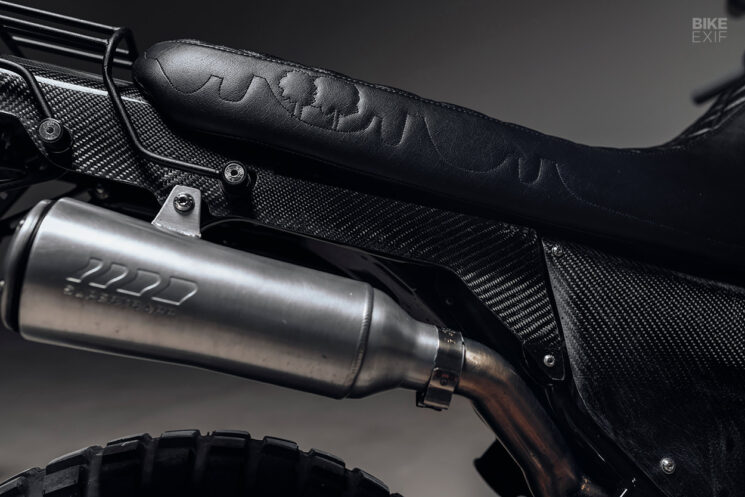
The guys also built the custom two-into-one (the single cylinder Dominator has two outlets) stainless steel exhaust system. It terminates in a classic Supertrapp muffler.


Equal attention was given to the Dominator’s chassis and running gear. Neuga kept the OEM forks, but rebuilt them with new springs, then re-installed them with new steering neck bearings. The rear shock was swapped out for a new YSS unit.

The wheels and brakes are stock, although they look brand new. Every last bearing and seal was replaced, all the fasteners were cleaned and freshly galvanized, and every black component was stripped and re-coated. Neuga rewired the bike too, and upgraded the brake hoses with Goodridge lines.

Custom Honda NX650 Dominator by Neuga
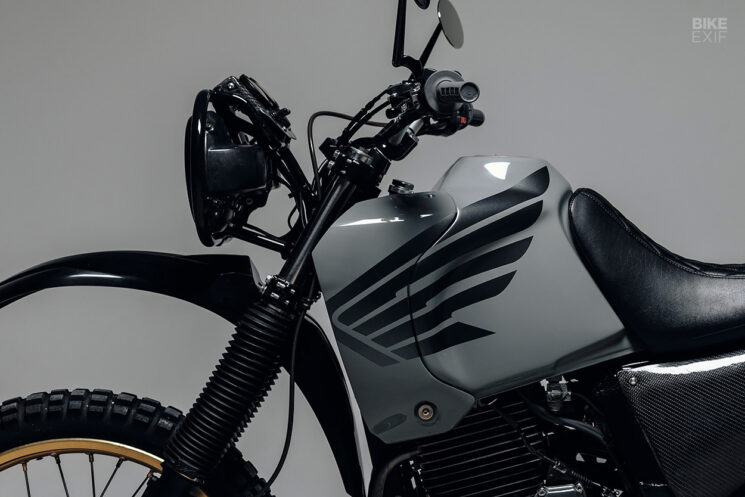
The Honda’s bodywork is a mix of stock, modified, scalped and custom parts. Neuga kept the stock 4.2 gallon fuel tank, so that this build wouldn’t suffer any range penalties. Then they took the OEM front fairing, and trimmed it down to just two ‘wings’ to help round off the front of the fuel tank, visually.

For the seat, they started with the stock pan—then trimmed it, added gel inserts for a plusher ride, and re-upholstered it. Each side of the new seat cover has an illustration stitched into it; the left represent the owner’s favorite surf spot, and the right his favorite BMX trail.


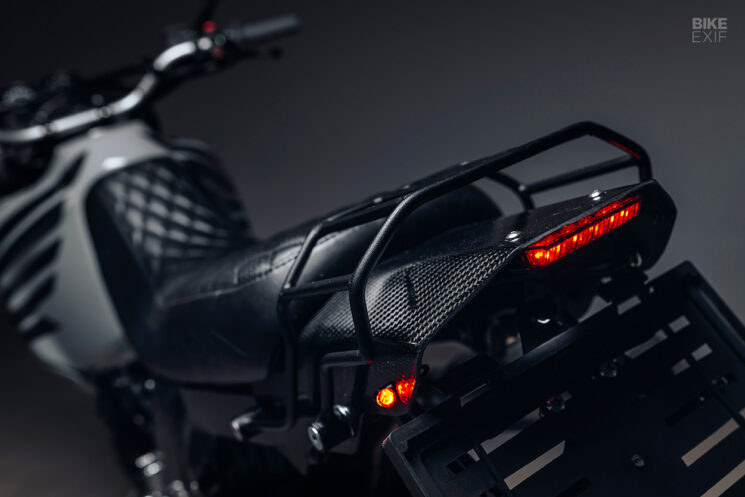
Sitting below the seat is a set of custom body panels, hand-formed out of carbon fiber; “Not that it saves much weight,” quips Benedek. The rear’s finished off with a bolt-on license plate bracket, and a custom-built luggage rack. An LED taillight’s tucked in under the rear lip, with discreet LED turn signals flanking it.

The whole Neuga team is nuts about BMX, so they’re currently also working on a removable BMX rack for the back end. For now, the Dominator’s owner is content to simply lay his BMX flat on the rear rack, and tie it down.


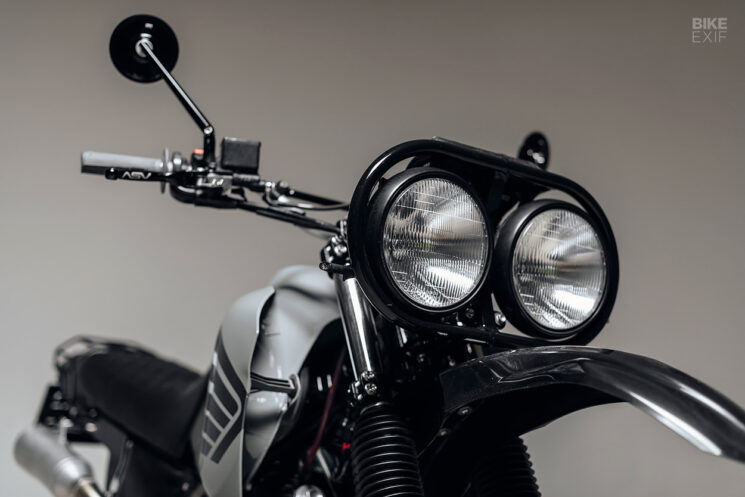
Up front is the full headlight cluster from a Honda XR250 Baja—an arrangement that places two lights inside a ‘roll cage’ of sorts. Neuga refurbished it, before adapting it to fit the Dominator. A plastic fender from a Kawasaki KLX dirt bike sits just below it.

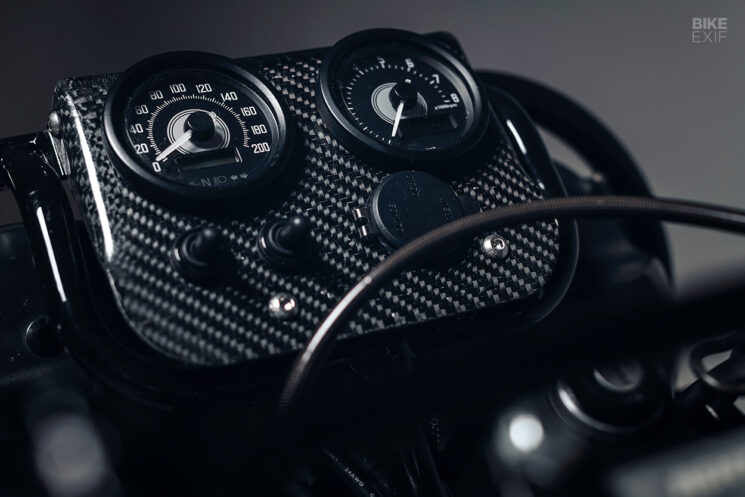
Taking advantage of the extra real estate afforded by the chunky headlights, the team created a carbon fiber dashboard to sit up top. It hosts a pair of Daytona gauges, a couple of custom switches and a charging port. The mirrors and turn signals are Motogadget items, while the handlebars come from Renthal.


Neuga paid attention to the little things too. The brake and clutch levers are ASV parts, but they’ve been modified to accommodate the stock brake fluid reservoir and choke lever. There’s a custom carbon fiber front sprocket cover lower down too.

The final paint scheme ramps up the Honda’s functional vibe. Neuga stuck to a warm grey for the tank and its side panels, broken only by a pair of super-sized Honda wings. Gold wheels offer a nod to the Dominator’s original design.


Shod with Continental’s evergreen TKC80 dual-sport tires, this Dominator looks ready for anything. From navigating the streets of Budapest, to hunting down new BMX spots, we’re sure it’s going to rack up plenty of miles.

Neuga | Facebook | Instagram


from Bike EXIF https://ift.tt/i2zRT9d

Tuesday, 17 January 2023

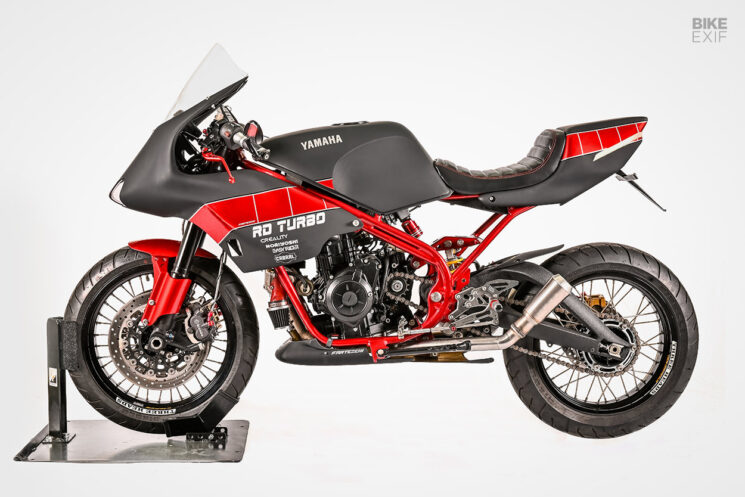
RD Reissue: A Yamaha R3 engine powers this RD350 tribute

Yamaha R3-powered RD350 tribute by Frateschi
Any conversation about the good old days of motorcycling will eventually include the words “they don’t build ’em like they used to.” And then someone will mention the Yamaha RD350.

The fiery two-stroke was loved when it was released, got even wilder as it evolved, and has been missed ever since it was discontinued. Given the motorcycle industry’s current obsession with nostalgia, the time is ripe for a modern take on the iconic RD—but there are no signs that Yamaha plans to resurrect it. After all, ever-tightening emissions laws have put the kibosh on two-stroke development.

Yamaha R3-powered RD350 tribute by Frateschi
Custom builder Renato Frateschi remembers the RD350 well—particularly the later RD350 YPVS F2, which made waves in his native country of Brazil when it was released in 1987. (If you don’t know it, it was called the RZ350 in the USA.) With over 60 horses on tap and a paltry curb weight, it was an instant hit.

Like many, Renato misses the RD350. So when he and a client couldn’t quite settle on a direction for a custom build, he came up with a radical proposal. “Look, I have an RD350 chassis and fuel tank here,” Renato told his client, “and I think we can do something amazing with it.”

Yamaha R3-powered RD350 tribute by Frateschi
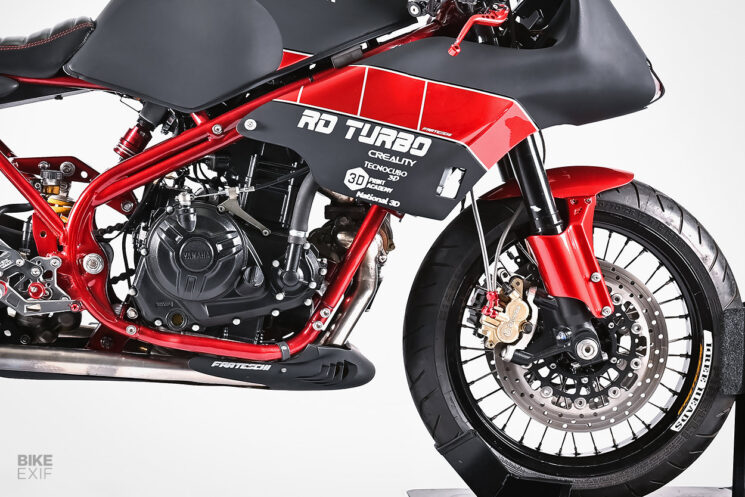
The client agreed, and Renato set about sourcing an engine for the bike. Since the cost of an original, good condition RD350 power plant would have wrecked the budget, the idea was to create a modern tribute to the iconic Yamaha. So he settled on using the four-stroke, twin-cylinder mill from the entry level Yamaha R3 sportbike.

Housing the modern parallel twin in a vintage RD350 frame took some doing, but that wasn’t Renato’s only challenge. Those following the project were quick to point out that the R3’s performance is a long way off from the RD350’s. So Renato did the only logical thing he could: he added a turbocharger.

Yamaha R3-powered RD350 tribute by Frateschi
A small turbocharger was imported from Japan, and mounted discreetly just in front of the engine’s exhaust ports. Renato put it there to integrate it into the bike’s design—but the placement also helped to minimize turbo lag.

Next, he had to find space for the air intake, injectors, sensors, and an ECU chip that would allow him to tune the bike (via smartphone). So he designed and 3D-printed a tidy box to house everything. The R3 engine still looks petite, but now packs a sneaky punch.

Yamaha R3-powered RD350 tribute by Frateschi
As for the chassis, Renato performed a slew of modifications to accommodate the engine, and to reinforce the frame for a more secure ride. He also managed to pull it off without ruining the RD350’s classic lines.

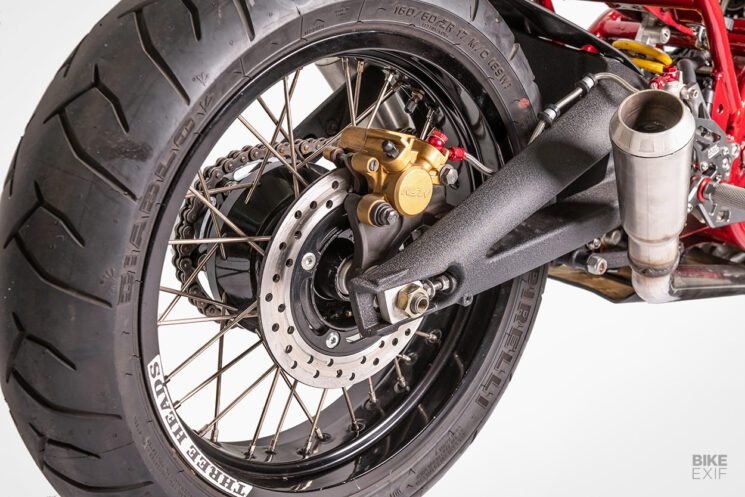
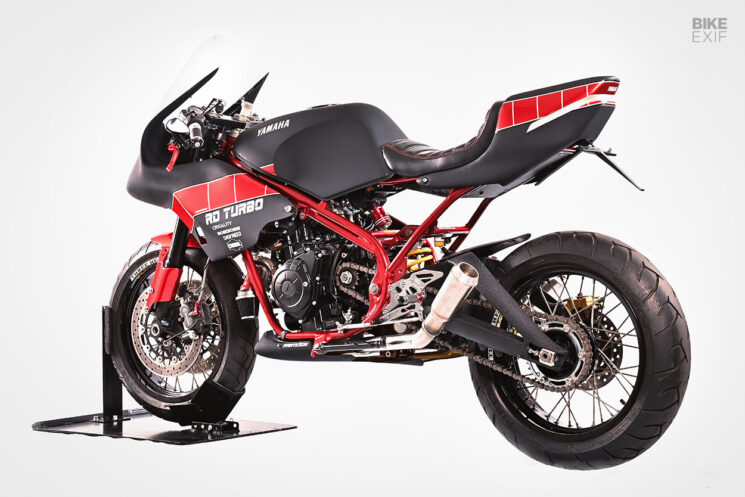
The modern theme continues with a host of upgrades to the Yamaha’s running gear. It now rolls on 17” wheels (unlike the RD350’s original 18” units), with a Triumph Daytona 675 swingarm and shock out back. The front brake calipers are Brembo units; they’re mounted on CNC-machined aluminum spacers, and pinch 300 mm discs.

Yamaha R3-powered RD350 tribute by Frateschi
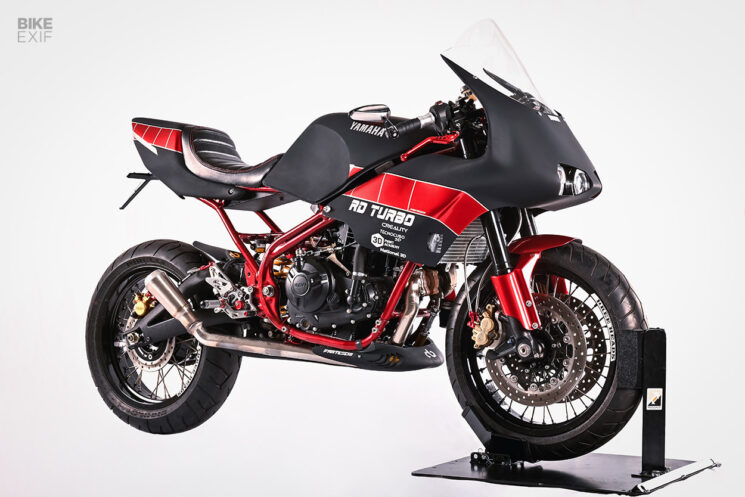
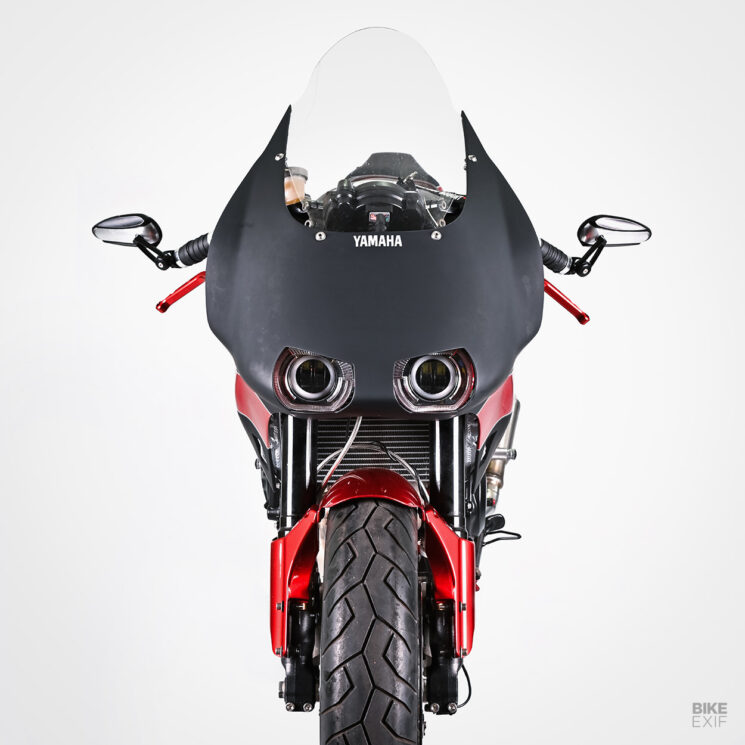
For the bodywork, Renato turned to digital methods to get everything just right. First, he created a rendering of the full bike, so that the customer could see exactly what he was buying into. Once that was signed off, the fairing, tail section, front fender and belly pan were all 3D printed in a tough ABS plastic.

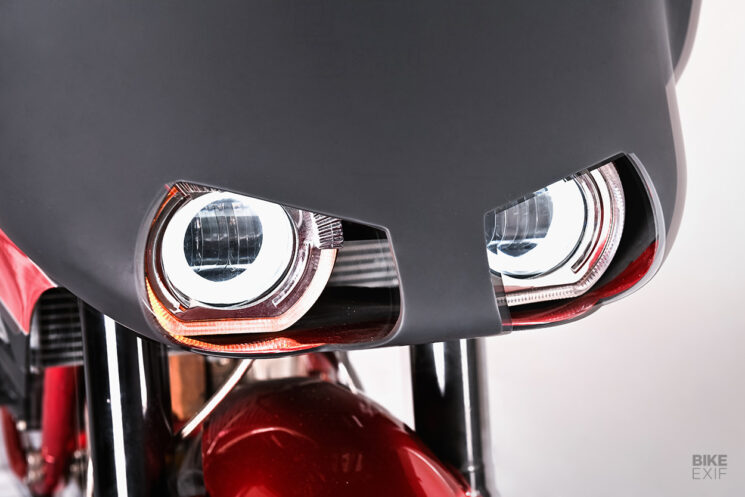
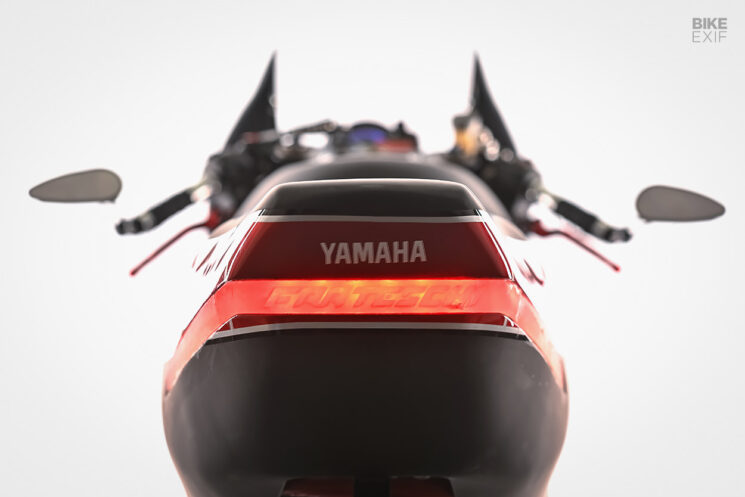
The tail piece takes inspiration from Yamaha’s iconic race-spec TZ series, and features a unique wraparound taillight design. The front end echoes the design of the Suter MMX 500 race bike, while twin headlights pay homage to the 1987 RD350 YPVS F2. Sitting center stage is the original RD fuel tank, modified to accept the R3’s fuel pump.

Yamaha R3-powered RD350 tribute by Frateschi
Finishing kit includes a CNC-machined top yoke, with new clip-ons, grips and bar-end mirrors. The exhaust system is custom; its twin mufflers offer a small hat tip to the RD350’s twin pipes.

Renato has nicknamed his creation ‘RD Turbo,’ and wrapped it in a livery to match. Glossy red ‘speed blocks’ sit on a matte black base; another nod to the bike that inspired this build.

Yamaha R3-powered RD350 tribute by Frateschi
It took Renato two years to build the RD Turbo, stretching the limits of his and his suppliers’ skills. There were hurdles aplenty—from figuring out how to mate a new engine to an old frame, to 3D-printing parts with an unusually large surface areas.

But in the end, it all came together—proving that it is possible to build a modern take on the legendary RD350.

Frateschi Garage Facebook | Instagram | Images by Gustavo Epifanio

Yamaha R3-powered RD350 tribute by Frateschi


from Bike EXIF https://ift.tt/MZRnQBi