Wednesday, 5 August 2020

Hagerty Auto Insurance: Reviews, Costs, and More (2020)

Hagerty Auto Insurance
In Our Opinion:
Hagerty auto insurance reviews are largely positive, so your prized possession will be in good hands with this classic car insurance provider.
Industry Standing
90
Availability
100
Coverage
80
Affordability
90
Customer Service
90
Online Experience
80
Pros
Available in all 50 states
More affordable than standard auto insurance policies
Available through standard car insurance providers like Progressive
Speedy claims process according to Hagerty auto insurance reviews
Cons
Does not cover lowriders
88

Affiliate disclosure: Automoblog and its partners may be compensated when you purchase the products below.

  • Hagerty provides car insurance in all 50 states for classic, collector, exotic, and antique vehicles.
  • Hagerty is known for having a speedy claims process and a long-standing history of excellence according to customers and industry experts.
  • Comprehensive benefits and access to a community of collector’s car enthusiasts are available through the Hagerty Driver’s Club®.

When it comes to insuring your classic or collector’s car, you want to choose a provider that will care about your vehicle as much as you do. Hagerty auto insurance reviews are favorable, but is it the right company for you?

In this article, we’ll review Hagerty auto insurance plans to give you a better sense of whether this provider would be a good fit for your coverage needs and budget. We’ll also discuss the differences between getting classic auto insurance from one of the industry’s best car insurance companies or choosing a specialty insurance provider.

To see insurance rates in your area, fill out the form below.

Hagerty Auto Insurance Overview

Hagerty is a leading provider of insurance policies for classic and collector cars. The company was founded in 1984 as a boat insurance company and started insuring classic cars in 1991.

Throughout its nearly two-decade history in the classic car insurance industry, Hagerty has become reputable for its dedication to customers and extensive knowledge of classic cars and the unique needs that vintage vehicles require.

Read on to take a closer look at coverage, cost, and Hagerty auto insurance reviews.

Hagerty Auto Insurance Coverage

Hagerty provides coverage for antique and classic cars, modified vehicles made in 1980 or later, and classic trucks and utility vehicles. Due to the novel nature of these vehicles, most are not used for everyday purposes and therefore do not need the same coverage as standard automobiles.

Under Hagerty’s Guaranteed Value® auto insurance, classic car owners get the following coverage:

  • Agreed value policy: If your vehicle is deemed a total loss after a covered incident, Hagerty will refund you the total cost of your car’s agreed-upon value without depreciation.
  • Spare parts coverage: This benefit gives drivers $750 of comprehensive coverage for tools and spare parts to keep their vehicles running efficiently.
  • Hagerty Drivers Club®: This 24/7 roadside assistance program includes lockouts, battery jump-starts, tire changes, emergency fuel delivery, and more and guarantees flatbed towing with soft straps.
  • Auto show medical reimbursement: If you or someone in your family gets injured during an auto show or related event, the cost of injuries will be covered up to $10,000.

Hagerty Auto Insurance: Limitations on Coverage

On its website, Hagerty auto insurance reviews certain limitations on how coverage can be used. For example, if your classic car is insured by Hagerty, it cannot be used for daily driving. All members of your household with a driver’s license must have a vehicle meant for daily use. This is a common limitation when it comes to classic car insurance.

Your classic car insured by Hagerty must also be garaged or kept in a residential storage unit. 

Drivers who are not eligible for Hagerty auto insurance include high-risk drivers with a history of DUIs, excessive speeding, or reckless driving.

One perk to Hagerty auto insurance is that there are no daily mileage limitations on occasional pleasure drives. This includes trips to club functions, exhibitions, tours, and organized meetings.

Hagerty Auto Insurance Cost

Hagerty states that its collector car insurance policies are 39 percent less expensive than a regular car insurance policy. Monthly premium costs from Hagerty start at $100, but this price varies by state. Zero-dollar deductibles are available for many vehicles.

Hagerty Drivers Club

For $45 more per year, a Hagerty auto insurance customer can become a Hagerty Driver’s Club member. This is a community for car enthusiasts to enjoy members-only events, get select automotive discounts, and receive a subscription to Hagerty’s magazine.

How to Get a Quote & File a Claim

Hagerty’s business model makes it unique. The company partners with local independent insurance agencies and classic auto insurance providers like Progressive to administer its collector car insurance policies. Or, you can get a quote straight from Hagerty. Visit the company’s website to find a local retailer or get an online quote.

Hagerty Auto Insurance Claims

Hagerty auto insurance reviews report a speedy claims process. Likewise, Hagerty promises a claims adjuster will contact you within one business day after you report your claim. Hagerty also has an in-house parts specialist who can help you find replacement parts for your classic vehicle.

If you are a Hagerty auto insurance customer and have been in an accident, you should contact Hagerty immediately to file a claim. Depending on your policy, Hagerty may have a certain time restriction on how long you have to report a claim. Get in touch with the Hagerty claims department online or over the phone.

Hagerty Auto Insurance Reviews

Hagerty auto insurance reviews are largely in favor of the company’s coverage options and customer service. Hagerty enjoys positive ratings from industry experts like the Better Business Bureau (BBB), which rates companies based on business ethics, and AM Best, which rates financial capabilities to pay out customer claims.

Hagerty auto insurance policies for classic and collector cars are underwritten by one of the following insurance companies, each of which has an AM Best rating of an A (Excellent) or better:

  • Essentia Insurance Company
  • Nationwide Mutual Insurance Company
  • Nationwide Insurance Company of America

Hagerty has an A+ rating from the BBB, which bodes well for the company’s customer satisfaction and business ethics.

When it comes to Hagerty auto insurance reviews from customers, Trustpilot shows 88 percent of customers view the company as “Excellent,” and it has an average overall rating of 4.6 out of 5.0 stars.

Positive Hagerty auto insurance reviews detail the company’s quick claims processing, great customer service, and clear, efficient communication. Negative customer reviews show drivers are upset the company doesn’t cover lowriders or cars with modified rims and paint.

Final Thoughts on Hagerty Auto Insurance

Hagerty auto insurance reviews reflect the company’s reliability and longstanding history of excellence in the collector and classic automotive industry. Hagerty is a well-known, top-rated provider of classic car insurance and could be a good provider for your insurance needs. For these reasons, we give Hagerty an 88% rating.

Top Recommendations for Car Insurance

If you’re looking for the best classic auto insurance, we recommend looking into Progressive or Grundy and comparing quotes to find the right policy for your vintage vehicle. You can fill out the form below to start comparing free quotes in your area.

Progressive Classic Car Insurance

With a strong industry reputation and comprehensive coverage, Progressive could be a good option for your classic car insurance needs. Progressive partners with Hagerty to provide policies for classic cars. So, if you already have Progressive auto insurance or are thinking about switching, you may be able to bundle policies to get a better price on coverage.

To qualify for Progressive classic car insurance, your car must be:

  • More than 25 years old
  • Kept in an enclosed structure like a garage
  • A secondary vehicle that’s not used for your everyday transportation

In order to qualify for Progressive classic auto insurance, as a driver, you must:

  • Maintain an auto insurance policy on your regular-use vehicle
  • Not have any DUI or reckless driving tickets in the past three years

Grundy Classic Car Insurance

Grundy is another classic car insurance provider that has top ratings from customers and industry professionals. Grundy offers customers the following policies:

  • Liability insurance: Covers up to $1,000,000 in the event that you cause injury or property damage to another party while driving
  • Collision insurance: Covers damage done to your car after an accident
  • Comprehensive insurance: Covers non-collision related damage to your car such as damage from an extreme weather event, damage from theft, or chemical damage
  • Personal injury protection (PIP): Protects you from paying the full cost of your injuries after an accident
  • Agreed value insurance: Pays you the agreed-upon value of your car in the event of a total loss

As you can see, Grundy offers more coverage options than Hagerty auto insurance. Plus, Grundy plans come with the following benefits:

  • $0 deductible
  • Towing and labor up to $250
  • Spare parts inventory coverage up to $500
  • Trip interruption reimbursement up to $600
  • Automatic coverage for newly purchased vehicles
  • Inflation guard to protect the value of your policy along with your car’s increase in value

Original article: Hagerty Auto Insurance: Reviews, Costs, and More (2020)


from Automoblog https://ift.tt/3k85VRQ

Tuesday, 4 August 2020

Jim Farley to Succeed Retiring Jim Hackett as Ford CEO Effective October 1st


This article originally appeared on AutoVision News. It has been republished with permission.


Ford Motor Company announced that Jim Hackett, the former Steelcase CEO who took over the top position at the automaker in 2017, plans to retire. Chief Operating Officer Jim Farley has been named as Ford’s new president and CEO and will join the board of directors on October 1st. Hackett, 65, and Farley, 58, will work together in the coming weeks to ensure a smooth transition. Hackett, who will serve as a special advisor to Ford through March of 2021, says it’s the right time for Farley to take the reigns.

“I have worked side-by-side with Jim Farley for the past three years and have the greatest confidence in him as a person and a leader,” Hackett explained. “He has been instrumental in crafting our new product portfolio and redesigning our businesses around the world. He is also a change agent with a deep understanding of how to lead Ford in this new era defined by smart vehicles in a smart world.”

Creating a Modern Ford

During Hackett’s tenure, Ford restructured critical operations and expanded the company’s product portfolio with new offerings. During the last three years, Ford has focused on improving the “fitness” of its core business, making a substantial move towards technology and new mobility. 

“My goal when I took on the CEO role was to prepare Ford to win in the future,” Hackett said. “The hardest thing for a proud, long-lived company to do is change to meet the challenges of the world it’s entering rather than the world it has known. I’m very proud of how far we have come in creating a modern Ford, and I am very optimistic about the future.”

“I am very grateful to Jim Hackett for all he has done to modernize Ford and prepare us to compete and win in the future,” added Bill Ford, Executive Chairman, Ford Motor Company. “Our new product vision – led by the Mustang Mach-Enew F-150 and Bronco family – is taking shape. We now have compelling plans for electric and autonomous vehicles, as well as full vehicle connectivity. And we are becoming much more nimble, which was apparent when we quickly mobilized to make life-saving equipment at the outset of the pandemic.”

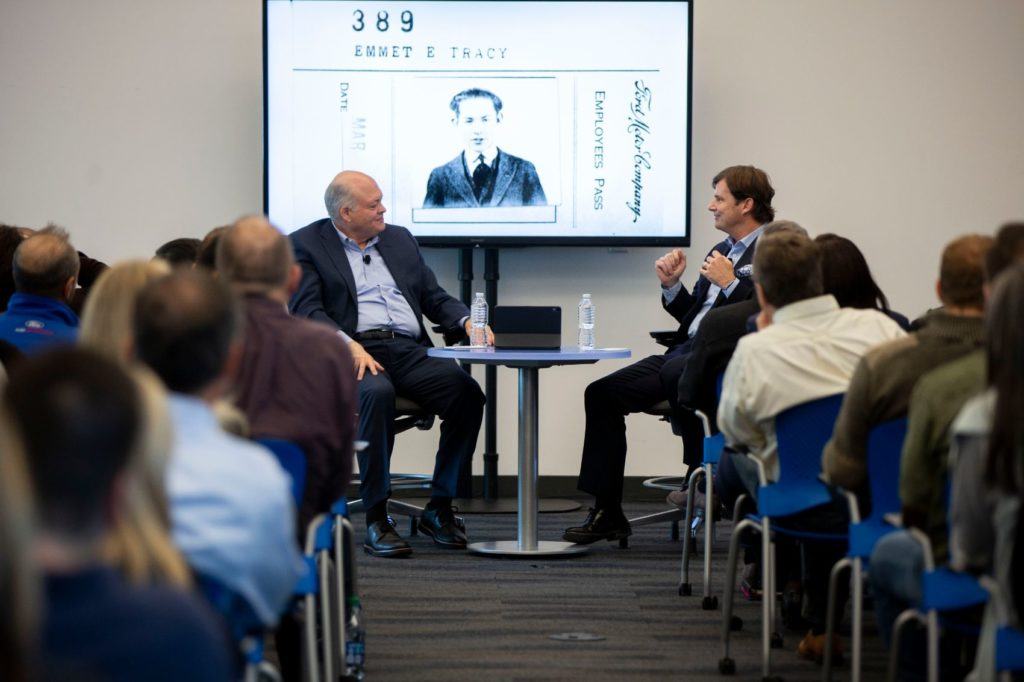
Current Ford CEO Jim Hackett (left) will retire on October 1st, 2020. Jim Farley (right), Ford's Chief Operating Officer, will succeed Hackett.
Current Ford CEO Jim Hackett (left) will retire on October 1st, 2020. Jim Farley (right), Ford’s Chief Operating Officer, will succeed Hackett. Photo: Ford Motor Company.

Jim Farley With Ford Motor Company

Farley joined Ford in 2007 as global head of marketing and sales and went on to lead Lincoln, Ford South America, Ford of Europe, and all Ford global markets in successive roles. In April 2019, Farley was selected to lead Ford’s New Businesses, Technology & Strategy team, helping the company determine how to capitalize on software platforms, connectivity, AI, automation, and new forms of propulsion. He was named Chief Operating Officer in February of this year.

“Jim Farley matches an innate feel for cars and customers with great instincts for the future and the new technologies that are changing our industry,” Ford said. “Jim’s passion for great vehicles and his intense drive for results are well known, and I have also seen him develop into a transformational leader with the determination and foresight to help Ford thrive into the future.”

“I love Ford and I am honored by the opportunity to serve and create value for Ford’s employees, customers, dealers, communities, and all of our stakeholders,” Farley said. “Jim Hackett has laid the foundation for a really vibrant future, and we have made tremendous progress in the past three years. I am so excited to work together with the whole Ford team to realize the full potential of this great company in a new era.”  

Photo & Source: Ford Motor Company.

Original article: Jim Farley to Succeed Retiring Jim Hackett as Ford CEO Effective October 1st


from Automoblog https://ift.tt/2Dof4Fg

This Documentary About Willy T. Ribbs is What We Need to See Right Now

release date
January 7th 2020
Directors
Adam Carolla
Nate Adams
Starring
Willy T. Ribbs
Dan Gurney
Bobby Unser
Bernie Ecclestone
Where to watch it

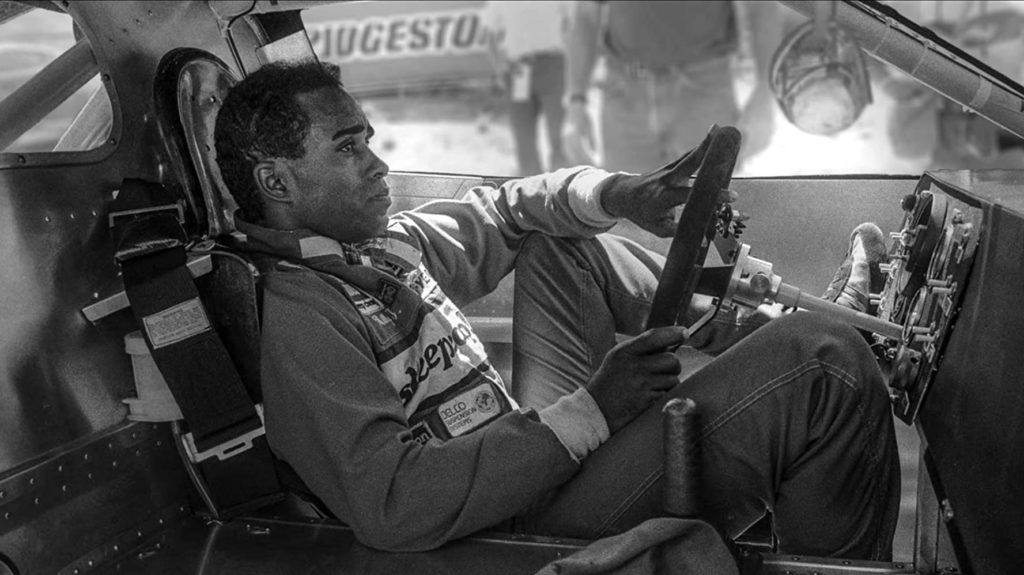
Racer Willy T. Ribbs was many things. He was fast; he was brave, methodical in how his car was set up, and talented in his racecraft. Ribbs was blunt when he needed to be, and always aggressive on the track. He was not perfect as no racer is, but for a lot of people, he was one unforgivable thing. He was an “uppity” black man.

A Sad Legacy

One of the defining characteristics of America is racism. You would think, after everything we have been through in American history, we would have learned that it’s immoral (not to mention stupid) to treat people based on the color of their skin. Racism will never be a thing of the past when you have “good people on both sides.”

Auto racing is hard to figure out, and I don’t mean currently figure out, I mean in retrospect. Who got what equipment? Why didn’t this driver stay with that team? Did they drive him off the track on purpose, or was that just hard racing?

But add racism into the mix, and getting to the truth becomes especially problematic.

The Jackie Robinson of Racing

Willy T. Ribbs was a good racer, not just a good driver. There is a difference and one he displayed, right from the get-go, with his raw speed and talent. However, since this is professional motor racing, it should be pointed out that being good is not enough. There are plenty of guys (and more than a few gals, truth be told) who didn’t get the shot they deserved for a variety of plausible and rational reasons. Wrong place at the wrong time. Couldn’t get sponsors. Couldn’t keep sponsors. Couldn’t deal with the fans. Bad test driver. Bad development driver. And so forth. 

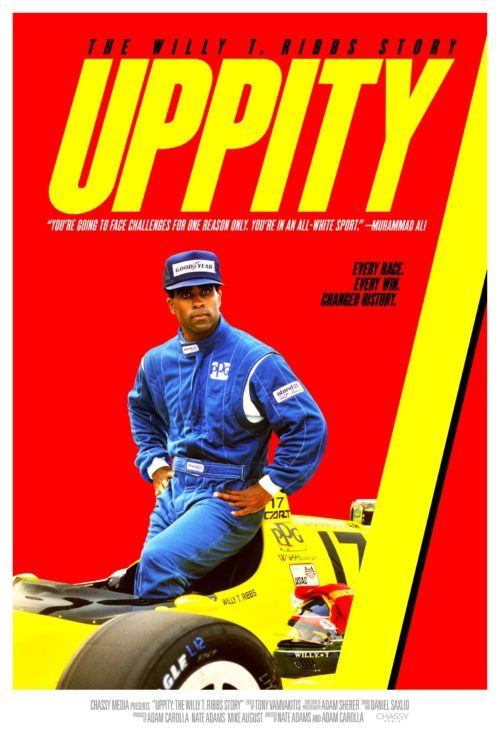
Now add to those equations how there are far too many racists in this country, and you begin to understand what Willy T. Ribbs put up with. Uppity: The Willy T. Ribbs Story is a well-done racing documentary that profiles the life of Ribbs, the first black man to race in the Indy 500. The documentary is currently on Netflix and produced by Chassy Media, Adam Carolla’s outfit, and the same production team that made The 24 Hour War

Carolla, for all his frat-boy jokes, really does understand racing for the intricately complex subject it is. And in this case, it boils down to the fact Ribbs never got the shot he deserved, not because he lacked the skills, but because he was black.

Defining a New Generation

Uppity: The Willy T. Ribbs Story is a fascinating look at how America deals with racism through the lens of motor racing. Honestly, even if you are not a fan of racing, this film should be watched as a primary example of race relations in America. Sadly, you will probably conclude that nothing much has changed. However, drivers like Bubba Wallace continue to blaze new trails, and NASCAR’s corporate stance on the Confederate flag is a step in the right direction. 

But can we do better?

I hear many white people say, in so many words, “How is that racist? How am I entitled just because I’m white? What’s entitlement?” They ultimately fail to get it and when they fail to see racism and entitlement, they fail to see the troubled history of our country. They should watch this movie because it shows how racism functions, year after year, hour after hour. And you should watch this movie too. 

Willy T. Ribbs.
Uppity: The Willy T. Ribbs Story is currently on Netflix.

Uppity: The Willy T. Ribbs Story

True, this is a racing documentary, but it is also so much more than that. It is a film that is needed right now if you look at the state of our country. Don’t pass up this documentary just because you “don’t watch racing.” That’s okay. There is still a lot to learn from the story of Willy T. Ribbs. 

Tony Borroz has spent his entire life racing antique and sports cars. He is the author of Bricks & Bones: The Endearing Legacy and Nitty-Gritty Phenomenon of The Indy 500, available in paperback or Kindle format. Follow his work on Twitter: @TonyBorroz

Original article: This Documentary About Willy T. Ribbs is What We Need to See Right Now


from Automoblog https://ift.tt/2XtUXwe

Monday, 3 August 2020

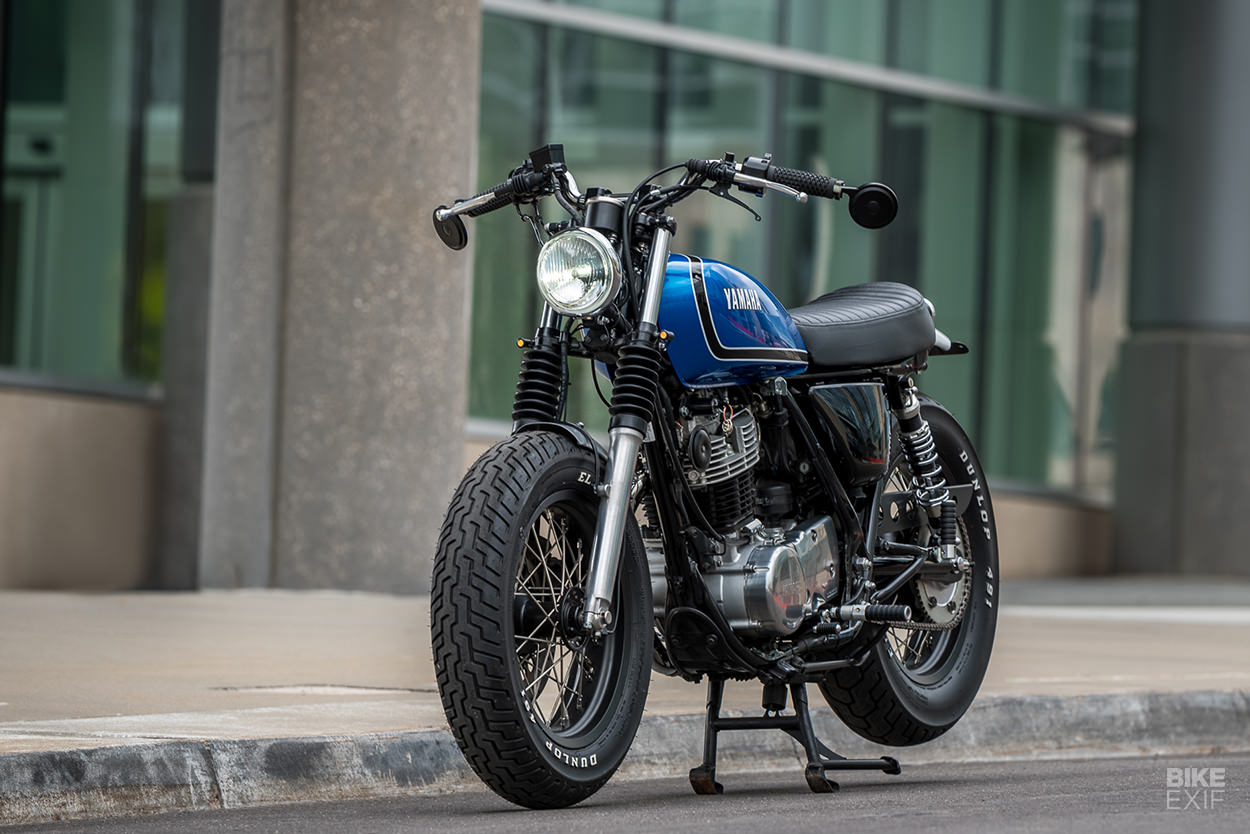
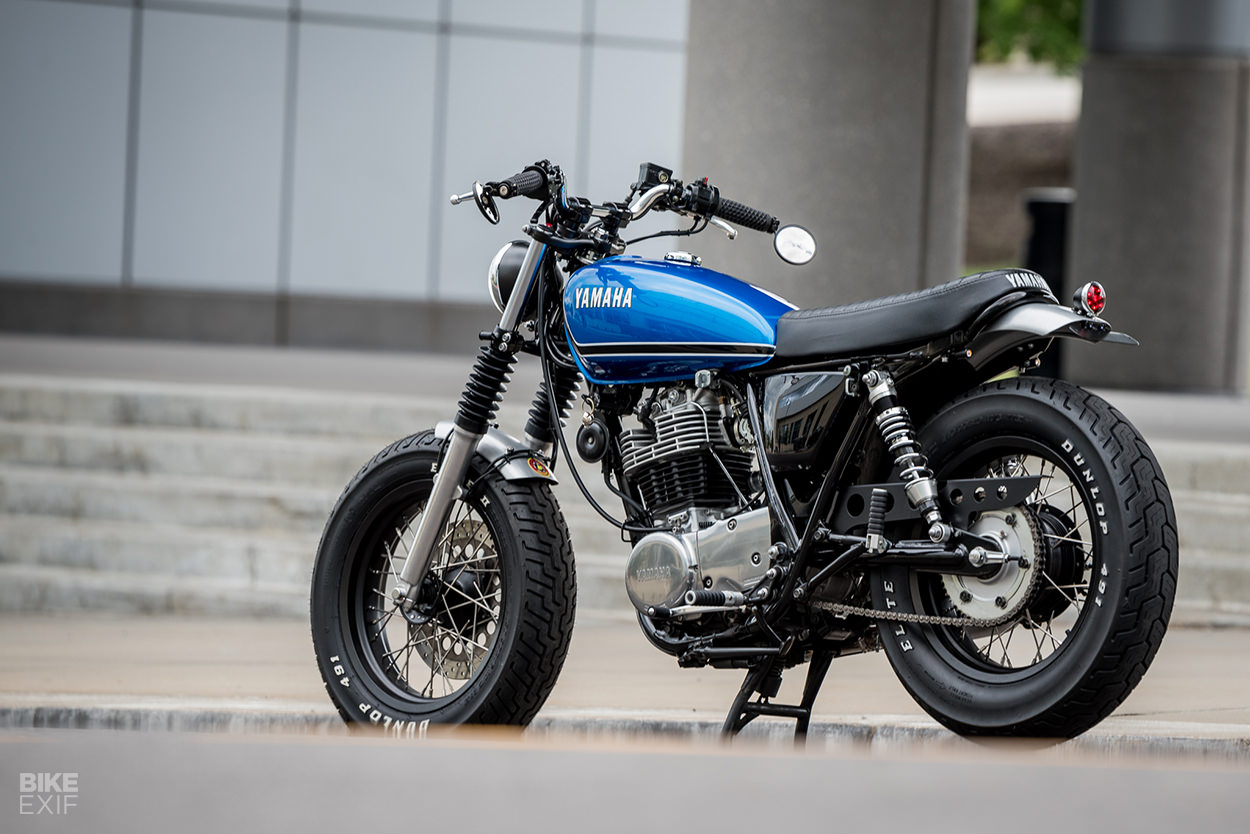
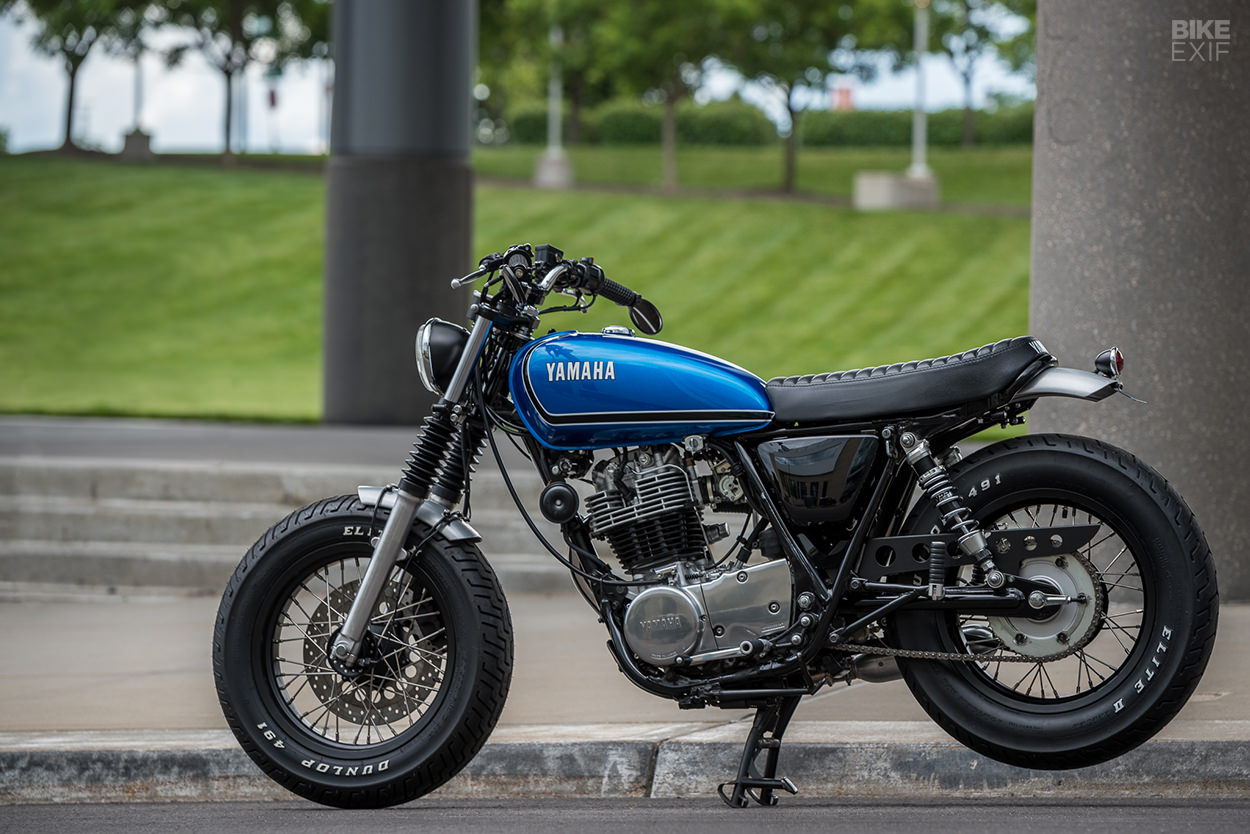
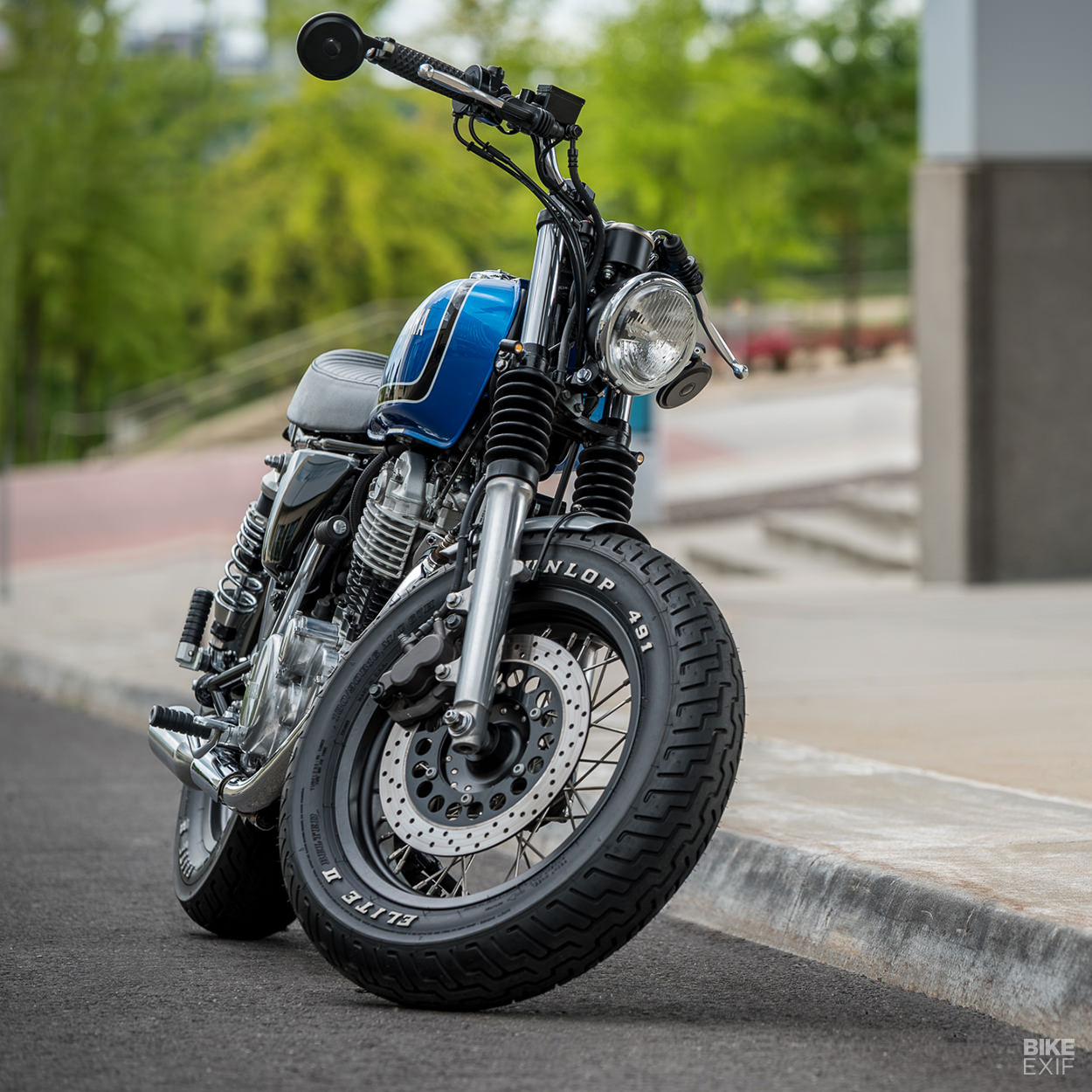
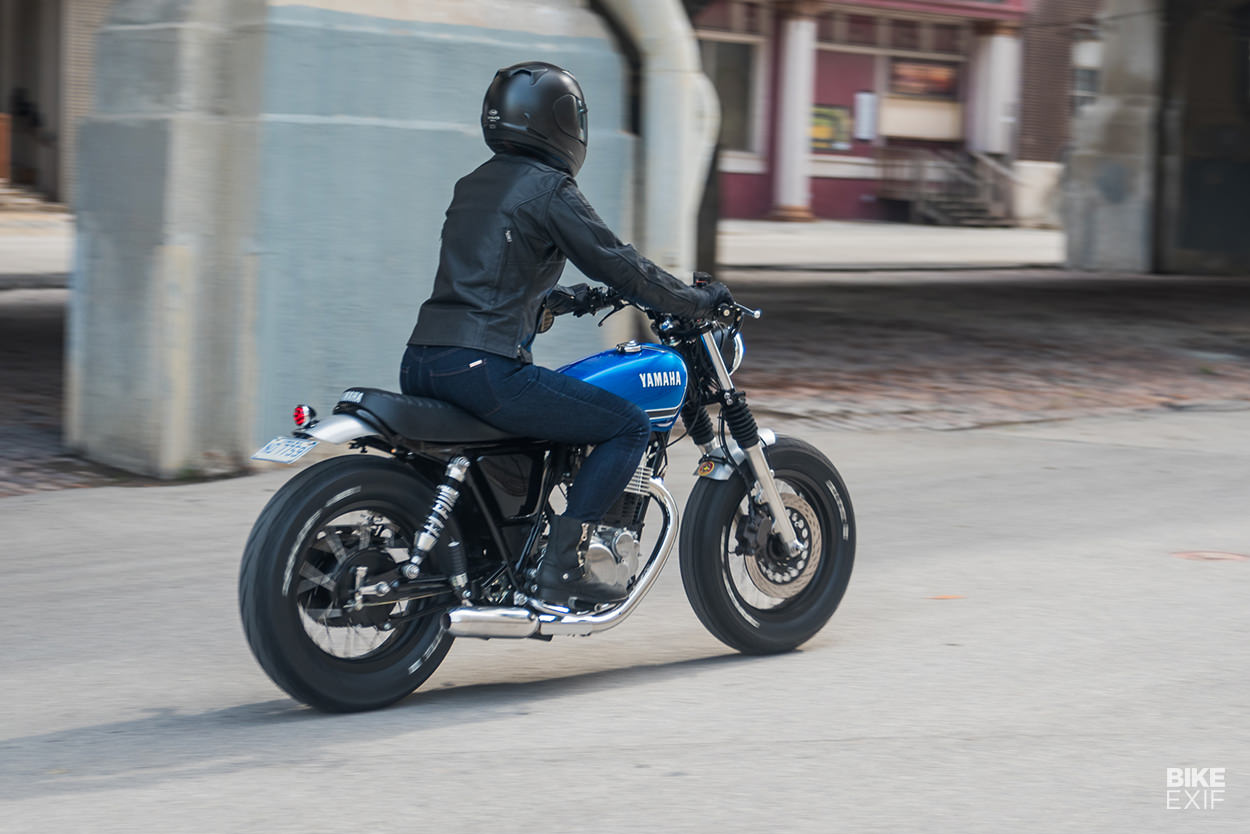
Fat SR: A chunky Yamaha SR400 from Greg Hageman

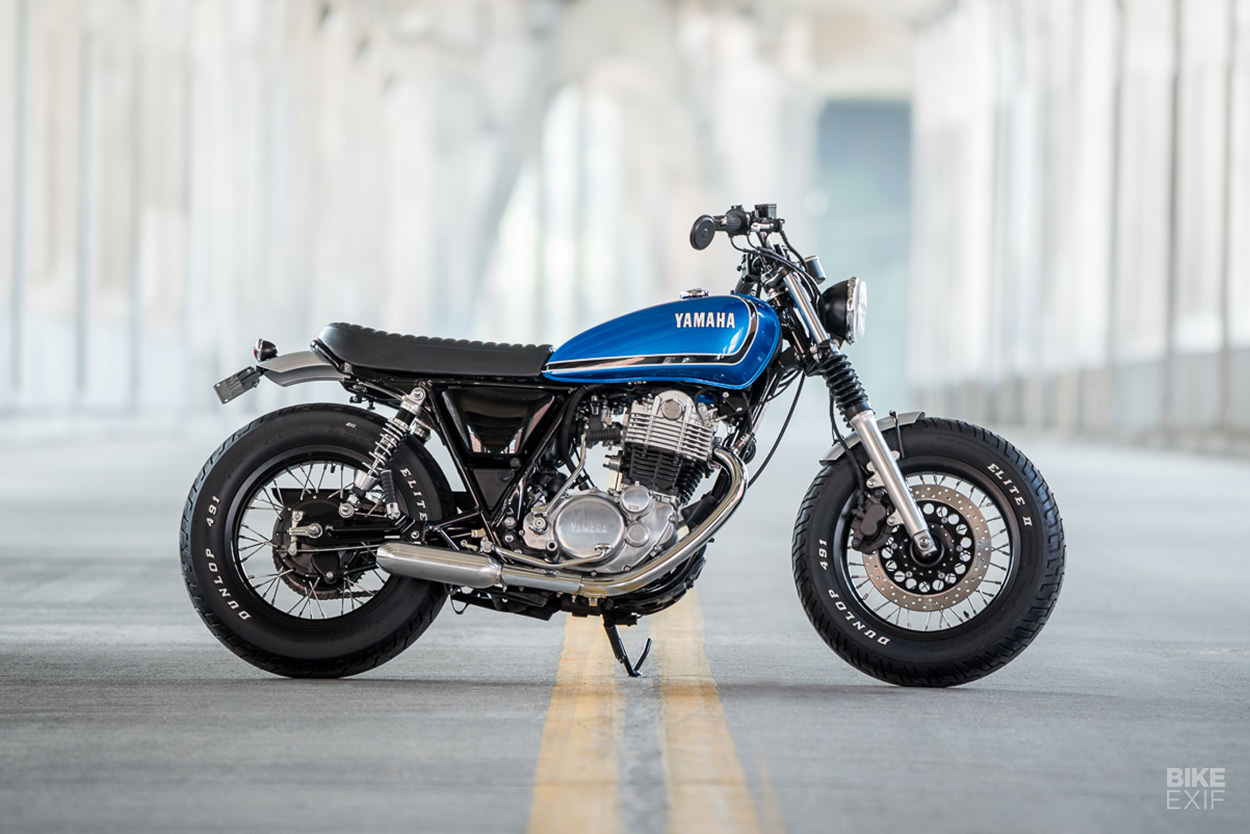
Fat SR: A Yamaha SR400 custom from Greg Hageman
Like all good artists, the best custom builders have a handful of regular customers. They’re usually folks with an eye for quality and shared tastes, and they’re gold dust.

Iowa-based Greg Hageman has been in this business for many years now, and one of his most steadfast customers is Mike Martens. ‘Fat SR’ is the fifth bike that Greg has built for Mike over the years, although it’s really for Mike’s partner Sally.

Fat SR: A Yamaha SR400 custom from Greg Hageman
“This bike is a 2015 SR400 that I purchased for myself,” Greg tells us. “But Mike was looking for a bike for his girlfriend to ride, and I ended up selling it to him. Kinda wish I had kept it—they are hard to find for a decent price now, since they discontinued them here.”

‘Fat SR’ is a classic example of moderate tweaking having a massive effect, so we were intrigued to see how Greg managed to make the humble Yammie look so good.

Fat SR: A Yamaha SR400 custom from Greg Hageman
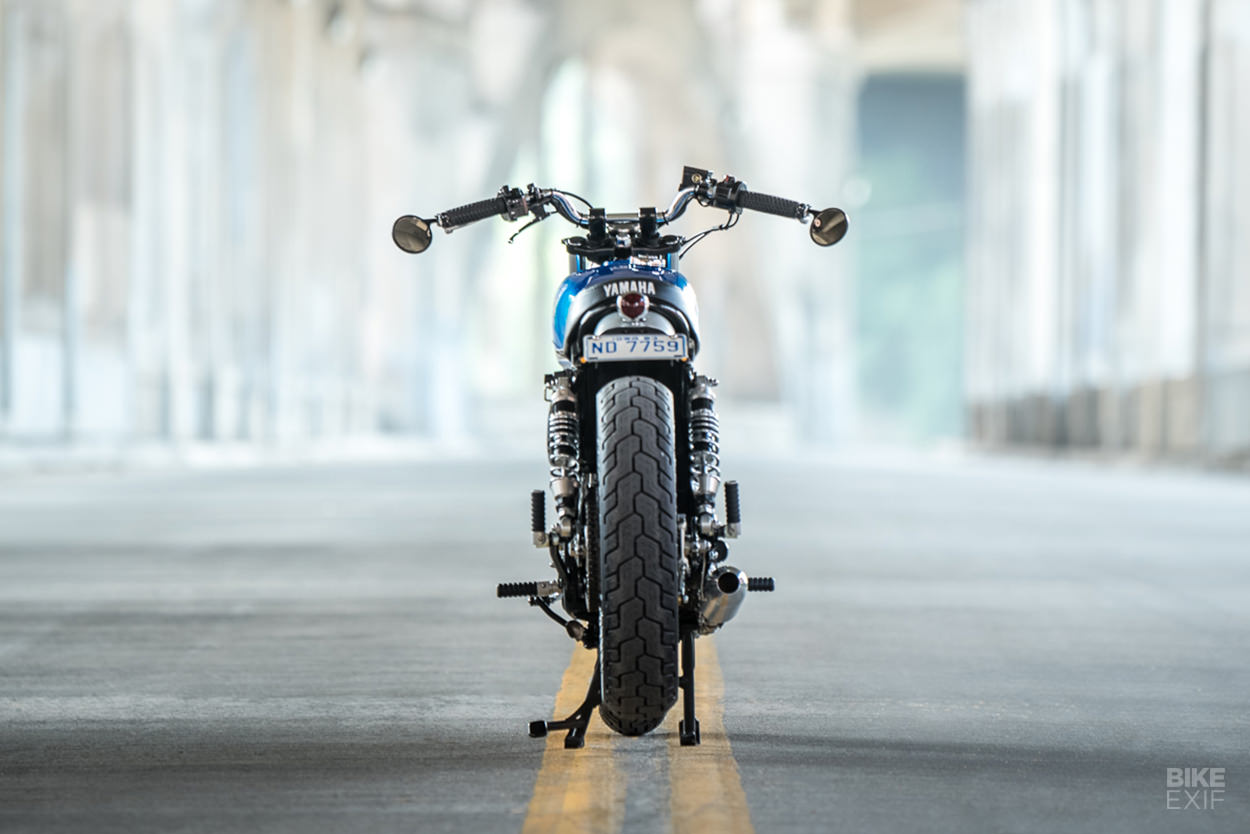
He started by stripping everything off to take a look at the bones of the machine. “I cut the rear of the frame off, made a bolt-on hoop unit, made up a seat pan, and shipped it out to my friend Chris at Tuffside for upholstery. Then I stenciled a Yamaha logo on the back of the seat.”

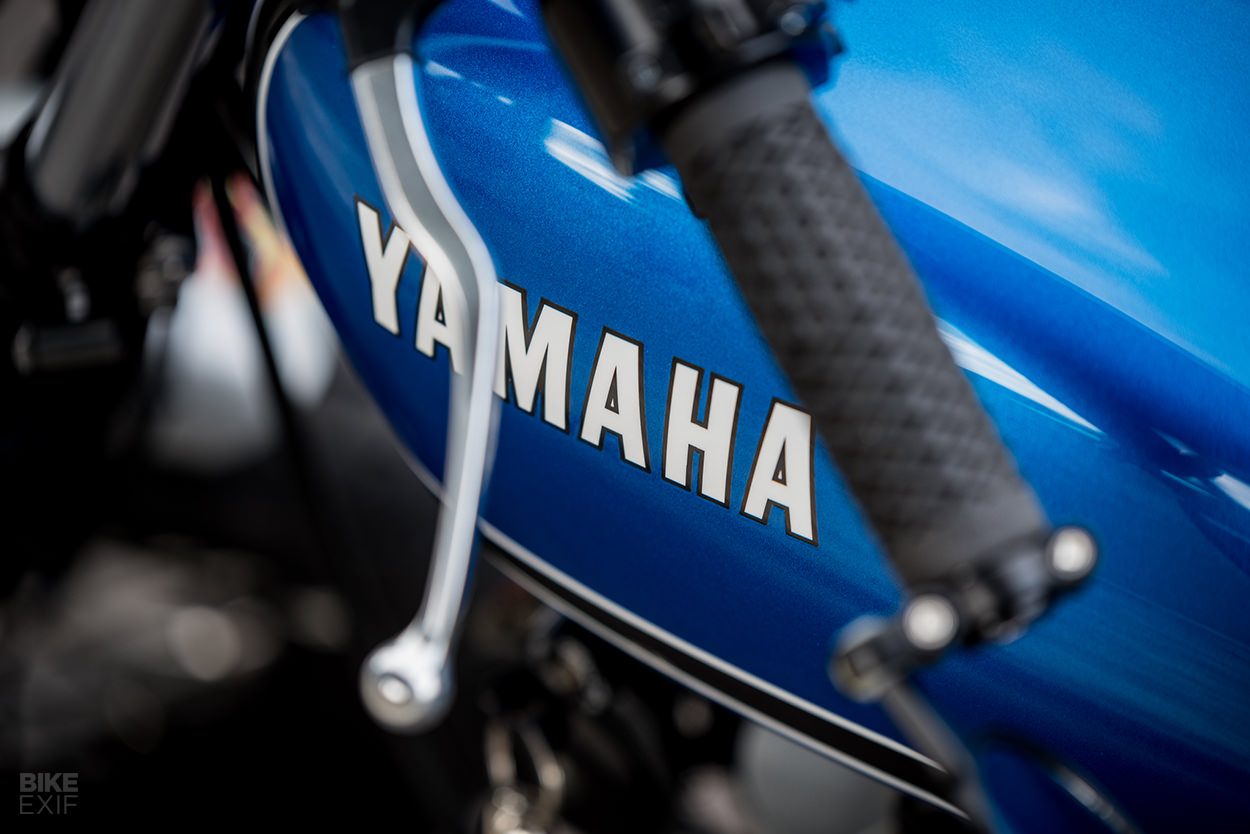
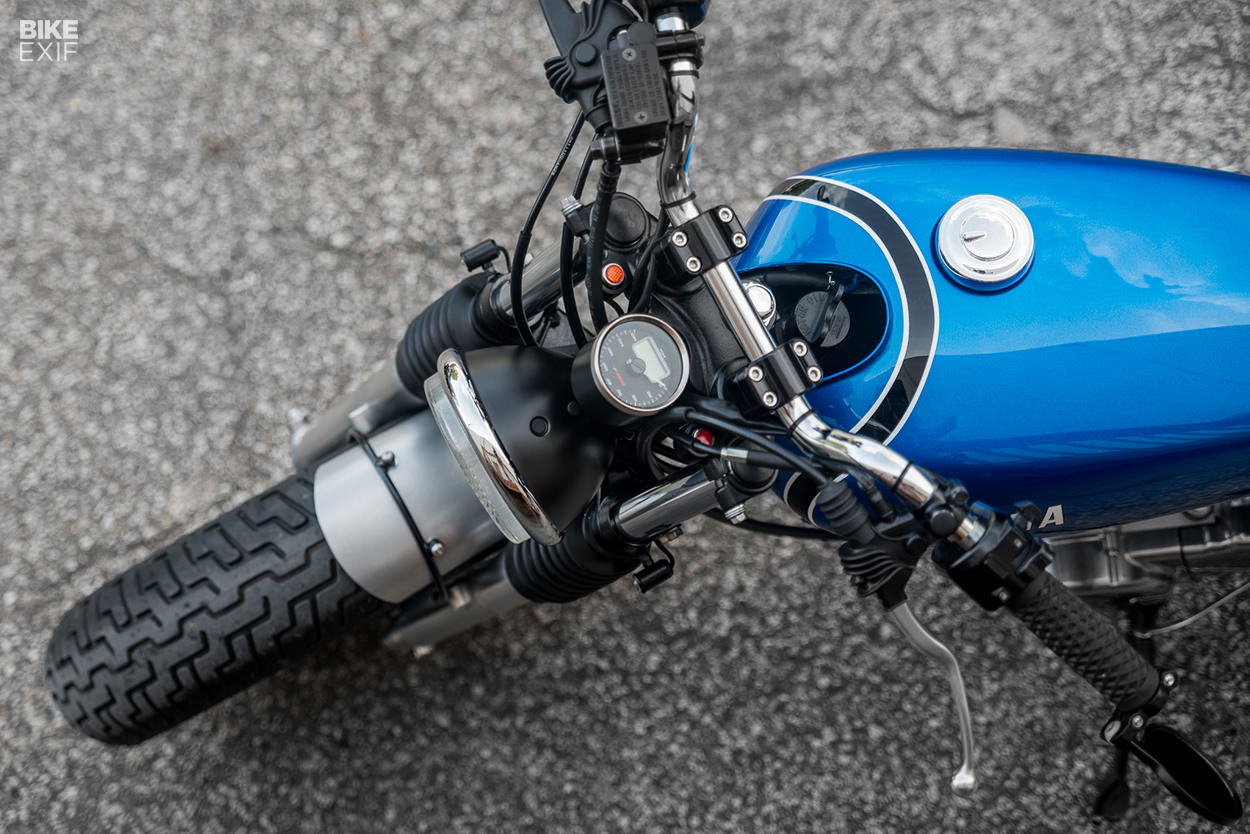
The tank was entrusted to a local painter, Joe Manley. He laid out a Candy blue color and a retro stripe that Mike had decided on—inspired by the early 70s Yamaha AT3 enduro color ‘Brigade blue.’

Fat SR: A Yamaha SR400 custom from Greg Hageman
Greg and Mike decided to go for the fat tire look, so they got Buchanan’s to lace stainless spokes to 16×3.5 alloy Takasago rims.

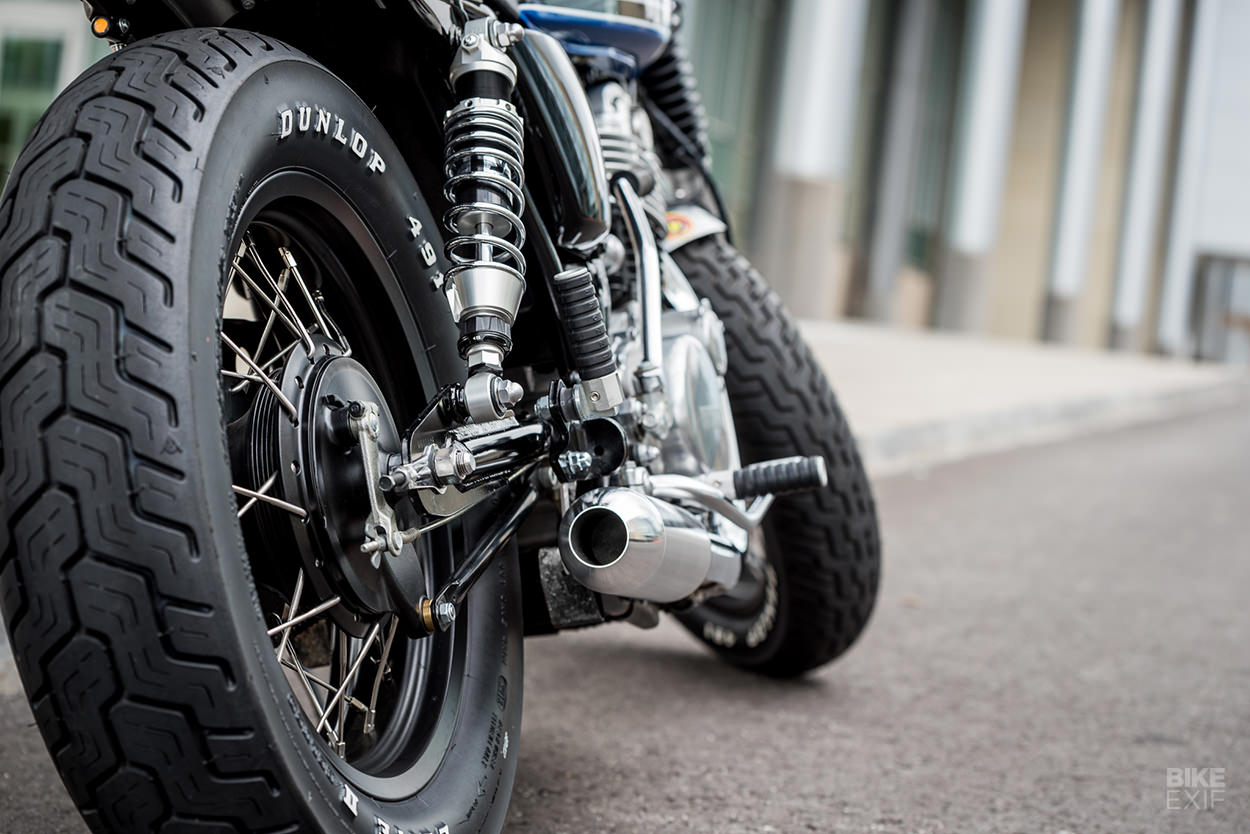
After the hubs and rims were powder coated satin black, Mike found some raised white lettering Dunlop 491 Elite II tires—140/80 for the rear and 130/90 for the front.

Fat SR: A Yamaha SR400 custom from Greg Hageman
“The front tire was a tight squeeze,” Greg admits. “We considered swapping out the front end, but instead I machined the original fork legs so I could keep a front fender on it. I made some alloy fenders, and had them powder coated metallic silver similar to some early 70s Yamaha models.”

To tighten up the handling, the SR400 forks have new internals from Race Tech, including upgraded springs and Gold Valve Cartridge Emulators.

Fat SR: A Yamaha SR400 custom from Greg Hageman
Mike ordered YSS shocks from Europe, and with the help of a friendly contact, got a one-off set custom made and set up specifically for the bike. The front fork gators are from Motolanna, and much better quality than the original plastic units.

The exhaust is simply a stock header pipe with a slip-on muffler that was modified to fit. “We wanted something different, so Mike found an alloy can with good baffling, from France. We both hate loud singles because they tend to sound like a big lawn mower, so proper baffles are a must for sound and performance.”

Fat SR: A Yamaha SR400 custom from Greg Hageman
For electrics, Greg has ditched the stock instruments and installed a clean, simple Koso unit. “I also made some tiny LED turn signals on my lathe. The headlight and taillight are Bates-style units with LEDs installed.”

The stock foot pegs were cut off and replaced with Tarozzi foldable pegs, but the passenger pegs remain in-situ for occasional use.

Fat SR: A Yamaha SR400 custom from Greg Hageman
After trying on a pile of different bars, Greg and Mike ended up sticking with the stock items. “We also kept the stock switches and levers, but installed a set of Vans grips,” says Greg.

“The whole idea of this bike was to keep the relaxed riding position. Anyone who’s ridden an SR400 knows the power plant is anything but aggressive—so you may as well just go with it, and enjoy the ride.”

Fat SR: A Yamaha SR400 custom from Greg Hageman
“The fat tires and great suspension all help with the smile per mile combination. And the 60+ mpg doesn’t hurt either!”

Client Mike is also happy, and reckons the SR is a rolling testimony to Greg’s underlying aesthetic: make it sexier, and create the illusion of a factory build.

It’s a philosophy we can get right behind too.

Hageman MC | Facebook | Instagram | Images by (and with thanks to) Don Gawf

Fat SR: A Yamaha SR400 custom from Greg Hageman


from Bike EXIF https://ift.tt/3i2AOFr

Sunday, 2 August 2020

Custom Bikes Of The Week: 2 August, 2020

The best cafe racers, custom BMWs and restomods from around the web
A slammed Royal Enfield Interceptor from K-Speed, a gleaming Yamaha TX750 cafe racer from Chicago, a BMW GS given the supermoto treatment, and an inch-perfect Yamaha DT-1 restoration from Germany.

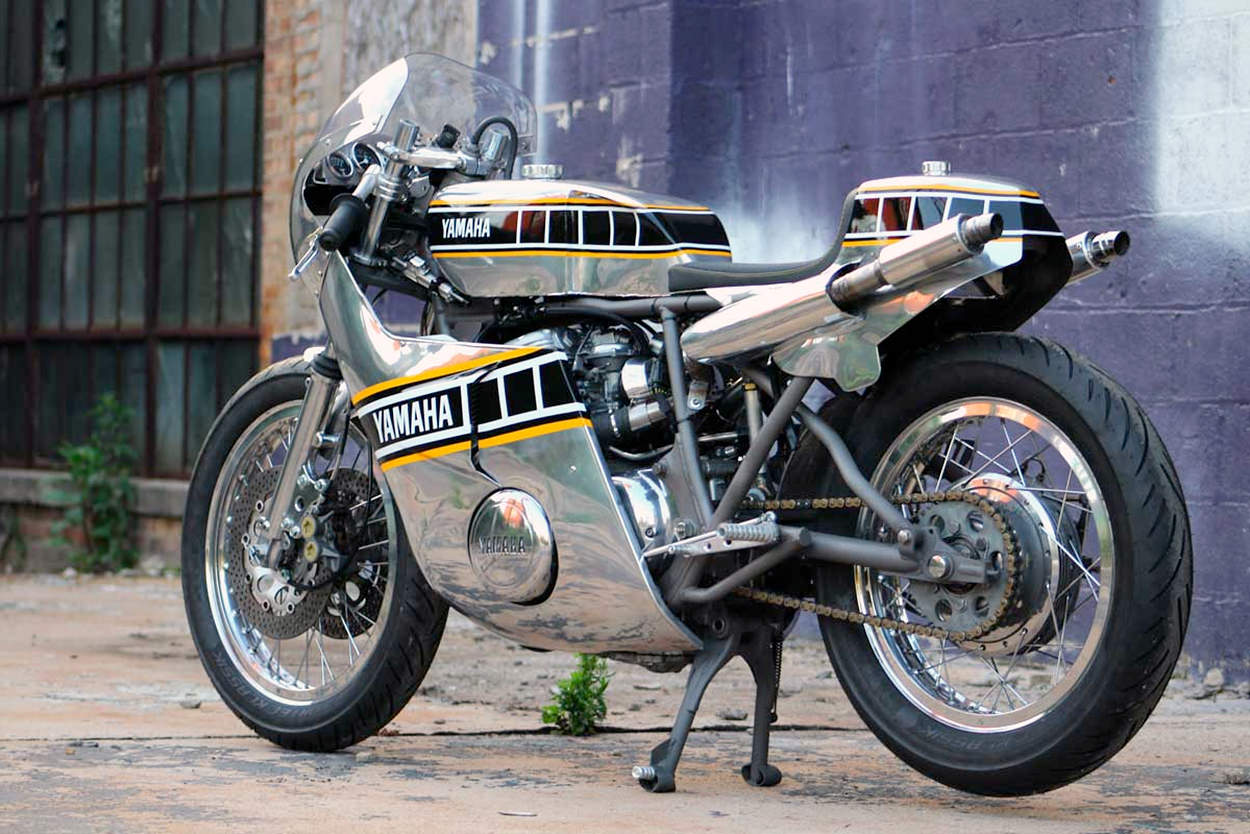
Yamaha TX750A cafe racer by Ron George
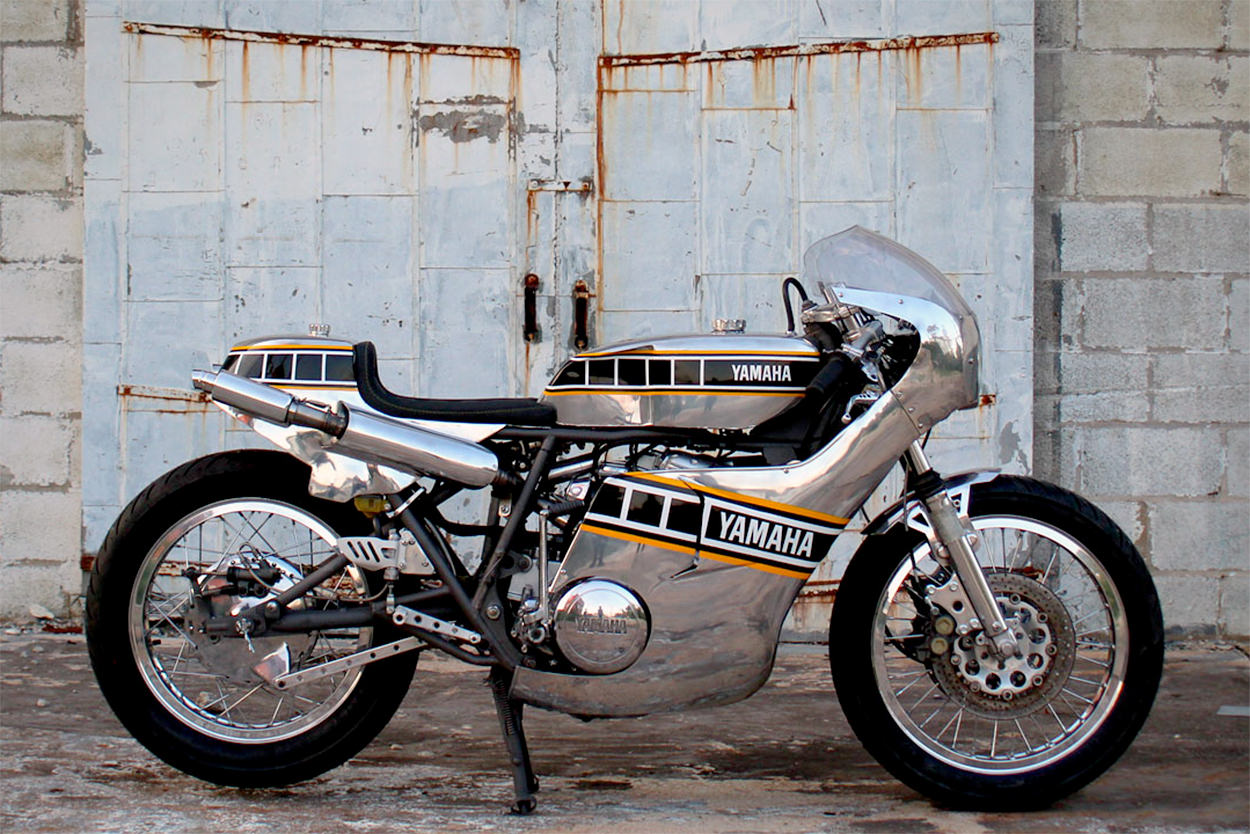
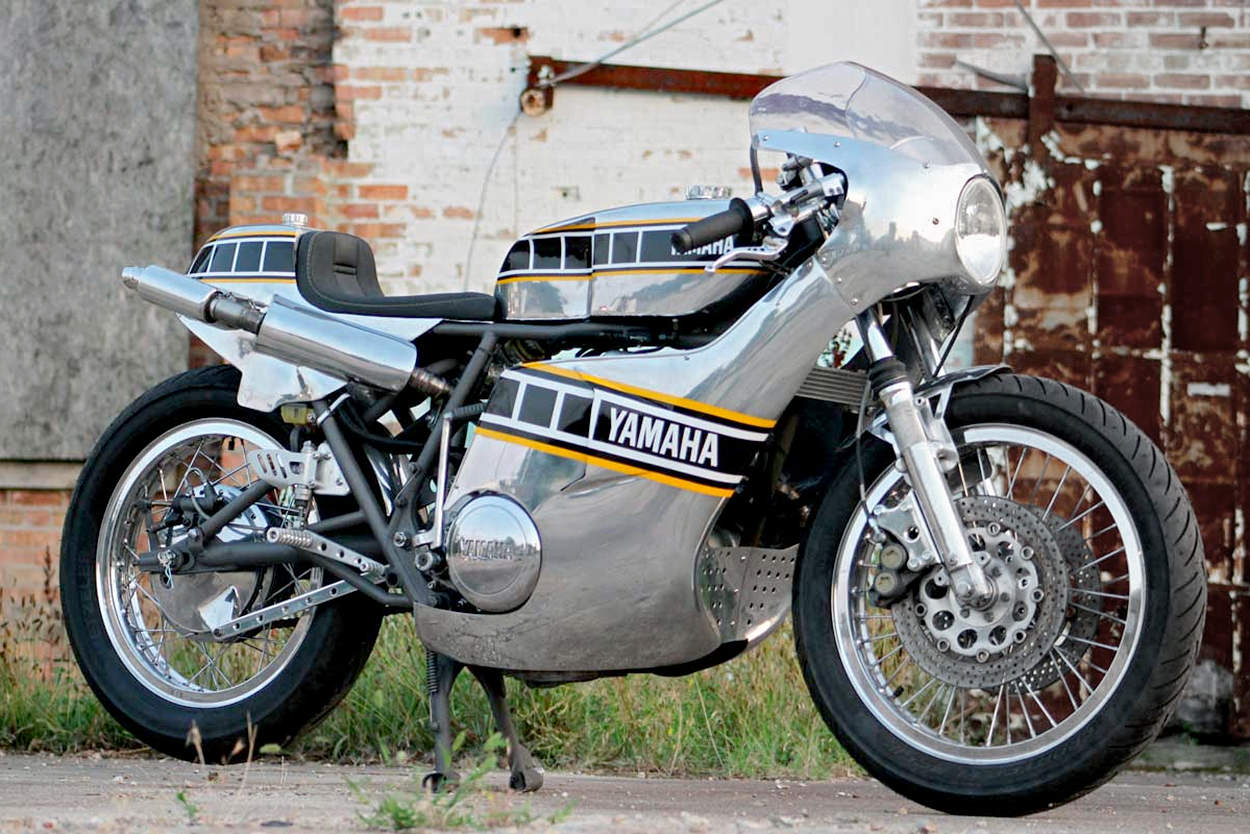
Yamaha TX750A by Ron George At a glance, the ‘speed blocks’ and perfectly formed bodywork on this Yamaha make it feel like an immaculately restored classic racer … except it’s not. It’s actually a custom TX750A—a bike that Yamaha made to replace the XS650, but ended up being a total flop.

Most builders wouldn’t touch one with a barge pole, but Chicago-based hobbyist Ron George was bold enough to have a go.

Yamaha TX750A cafe racer by Ron George
Ron got the donor from a friend, who’d picked it up as an abandoned project but decided not to go ahead with it. The TX was in pretty beat-up shape, but luckily it was a TX750 ‘A’, and not the first-gen TX that had a notorious amount of issues. And as you can probably tell, much of his inspiration came from Kenny Roberts’ iconic YZR500.

Rather than working off sketches and renders, Ron dove in head first to translate what was in his head into metal. All the bodywork is custom—and that’s especially remarkable,because this was Ron’s first time shaping aluminum. He didn’t stop there though, and the Yammie is sporting under-the-hood upgrades too.

Yamaha TX750A cafe racer by Ron George
The forks have been rebuilt, and there’s a completely custom (and adjustable) mono-shock setup out back, held up by a Yamaha R6 shock. The front brakes are twin R6 calipers with Suzuki rotors, and the rear drum brake has been converted to a hydraulic setup. Yes, really.

Ron did almost everything himself, from rebuilding the carbs and rewiring the bike, to adding in an oil cooler and TIG-welding a stainless steel exhaust system. He even tirelessly polished all the metal and laid down the graphics, outsourcing only the seat upholstery. Can you say ‘commitment?’ [More]

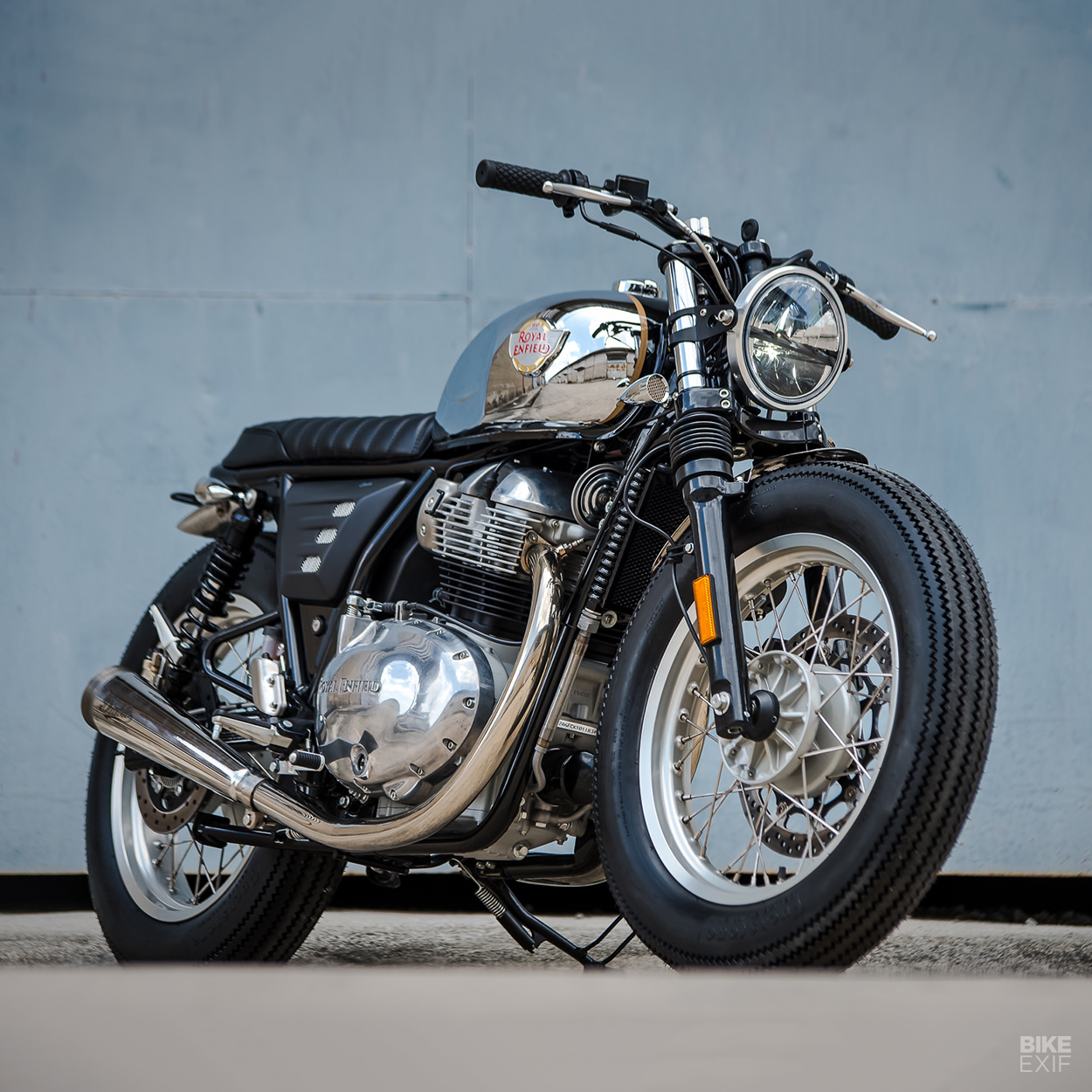
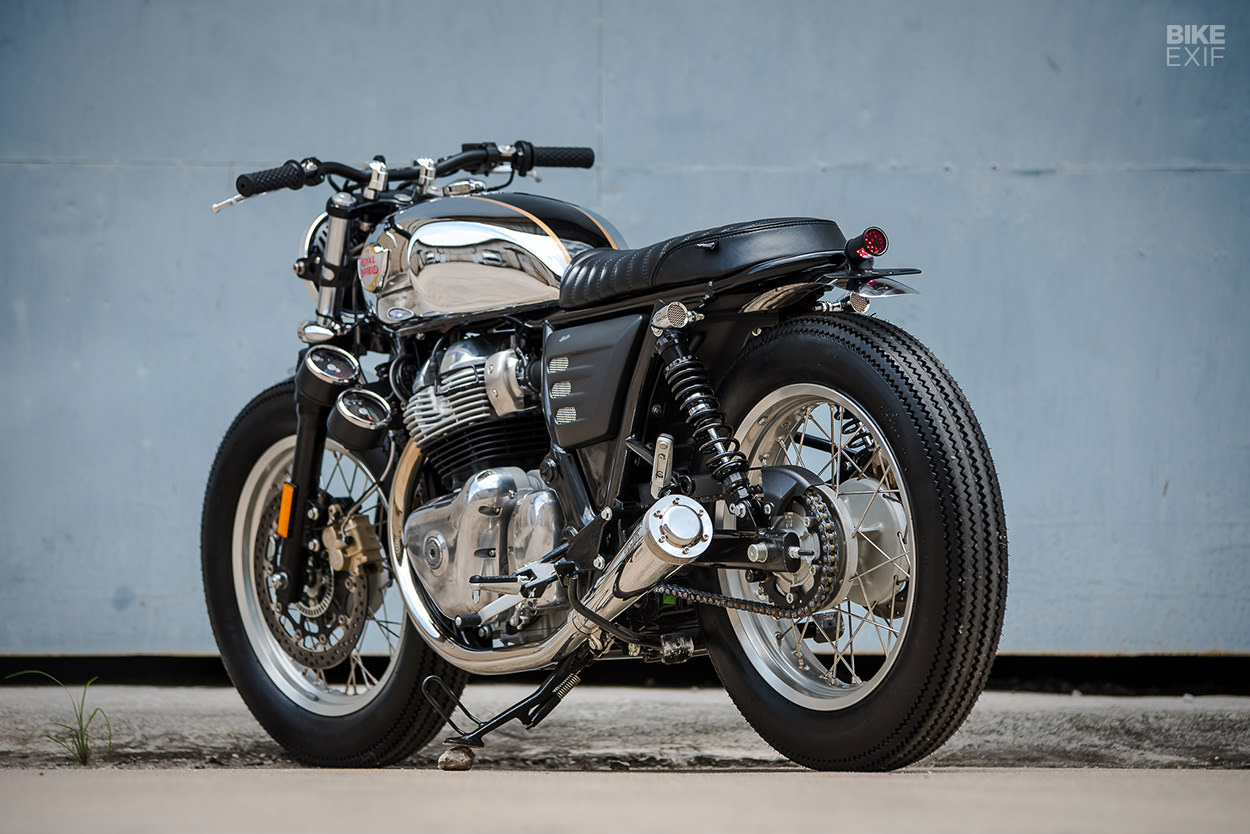
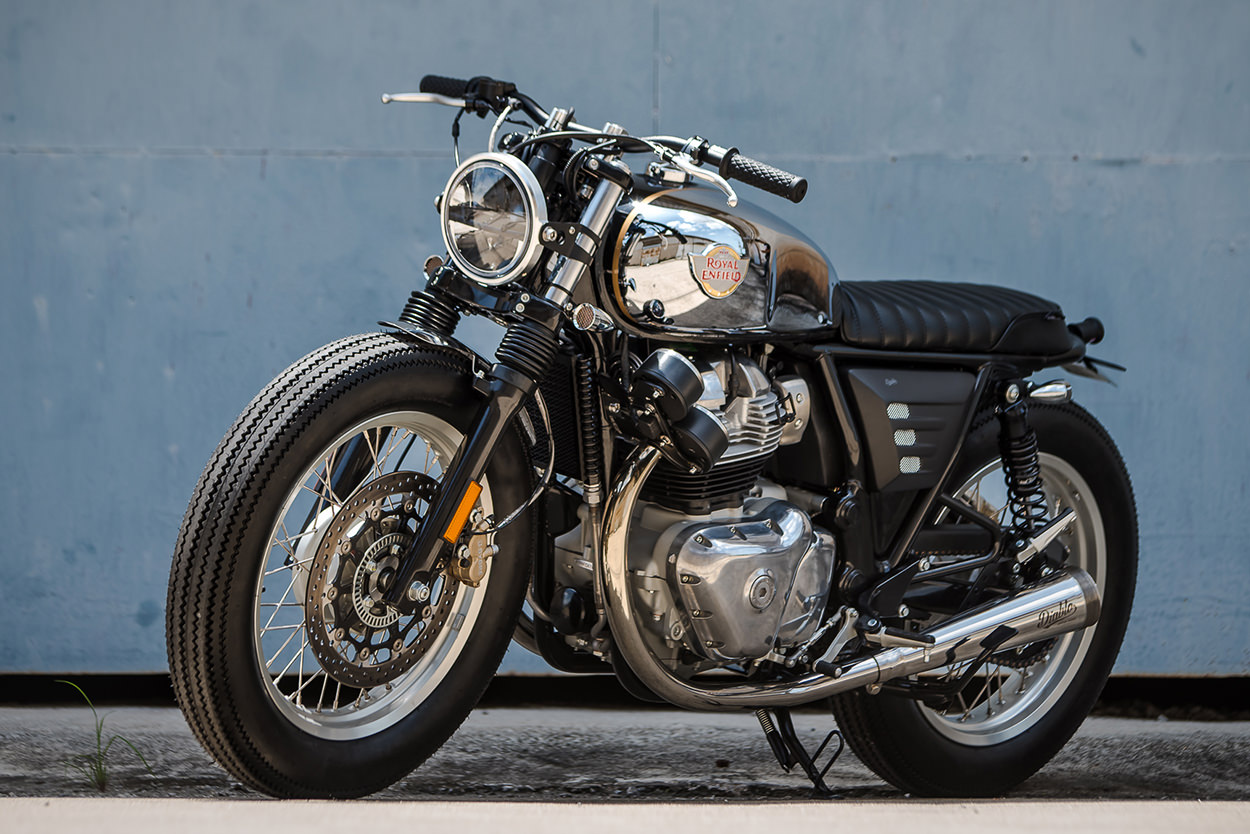
Custom Royal Enfield Interceptor by K-Speed
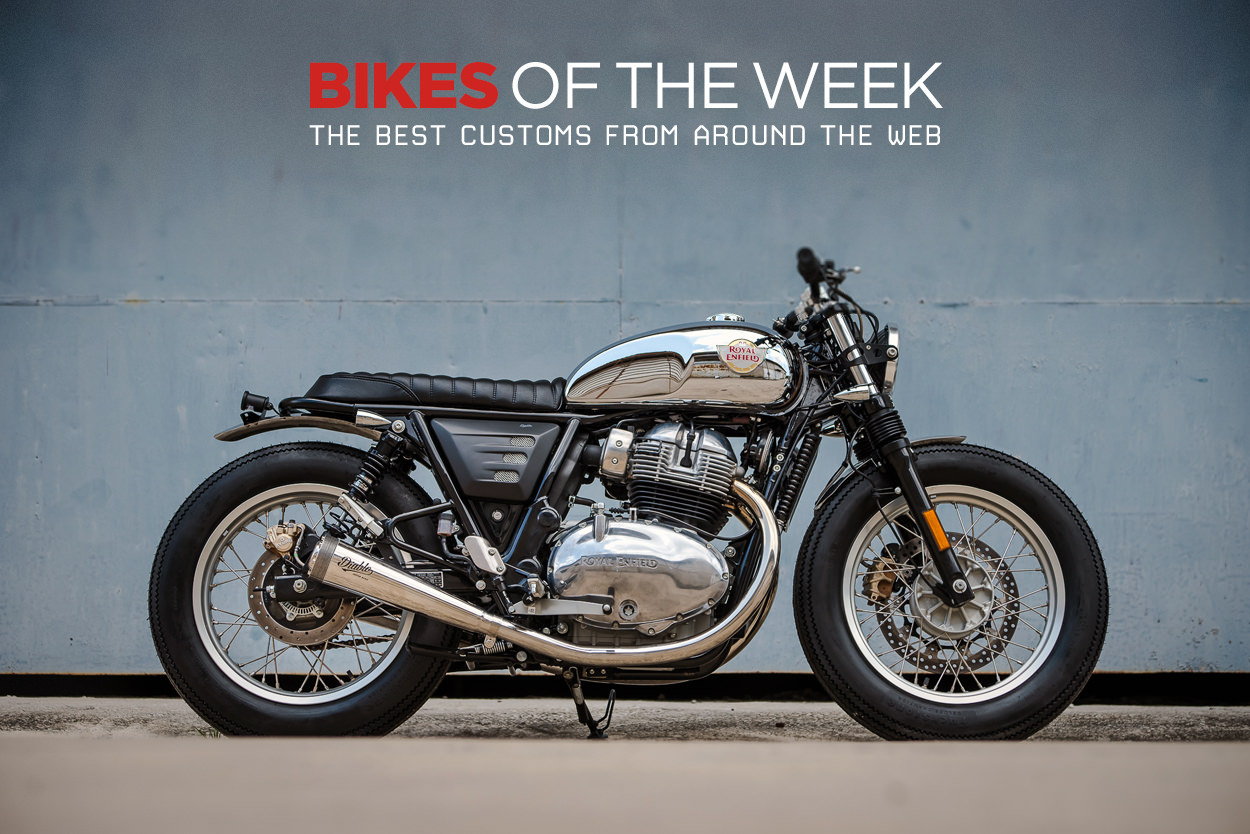
Royal Enfield Interceptor by K-Speed Royal Enfield’s new parallel twin Interceptor is still a relative newcomer on the scene, but it’s already making waves. It’s one of those rare bikes that looks great out the box, looks even better with a few tweaks, and is ripe for even heavier custom work.

Custom Royal Enfield Interceptor by K-Speed
This Interceptor lands somewhere in the middle. It’s a showpiece for Thai super-shop K-Speed, who have loaded it with a full range of bolt-on Enfield parts they’ve just developed. The only fabrication here is a cut-and-shut on the rear of the frame—but everything else you see is doable with the right tools and a bit of time.

Most of the parts are from K-Speed’s ‘Diablo’ catalog. That includes the rear fender, with its license plate bracket and LED taillight, and the seat, side panels and rear shocks. These shocks are a little shorter than stock, so K-Speed dropped the front end to match, then installed 17” wheels with vintage rubber, and a short front fender.

Custom Royal Enfield Interceptor by K-Speed
There’s also a new LED headlight, LED turn signals all round, and a set of low and tight handlebars with new grips and controls, and mini-switches wired in. The speedo’s sitting on a relocation bracket to the left of the fuel tank, just to clean up the cockpit even more. A full twin Diablo exhaust system rounds out the package. [K-Speed]

Custom BMW R1200GS by Motorieep
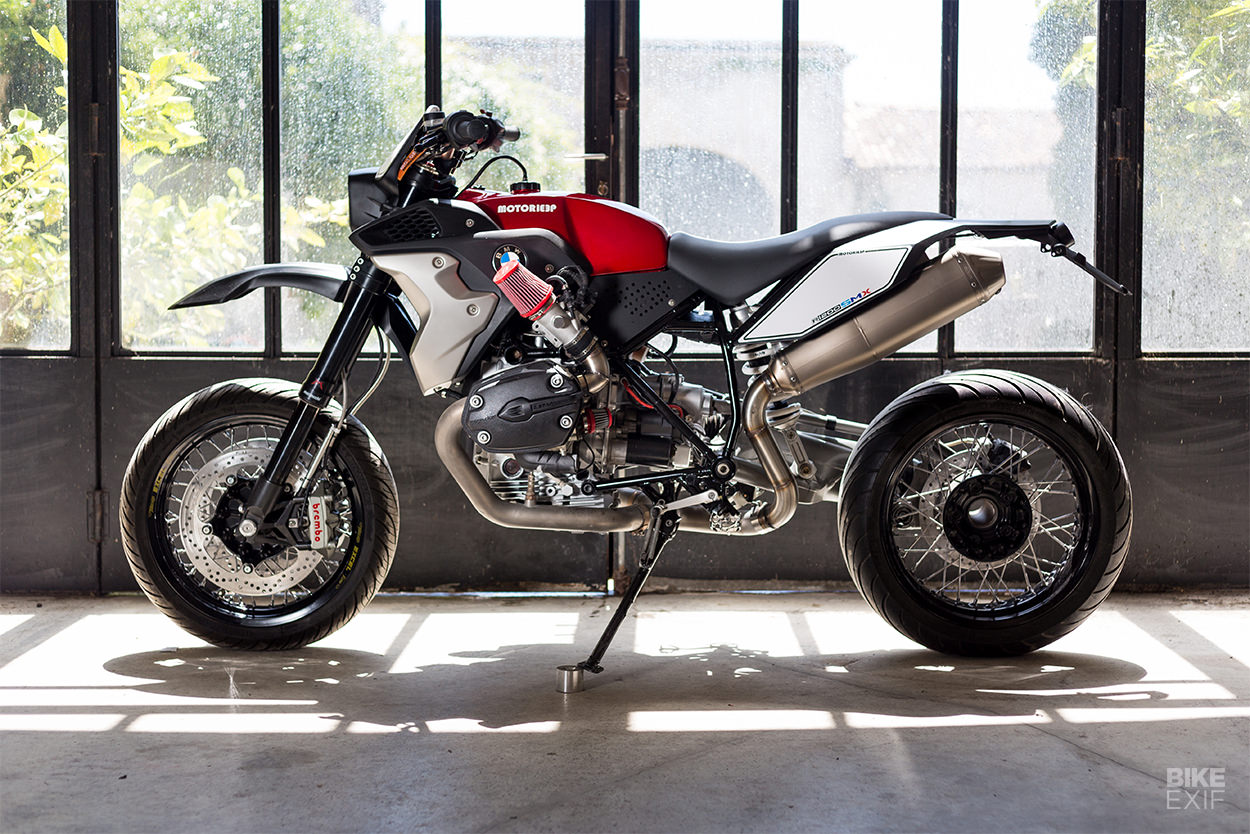
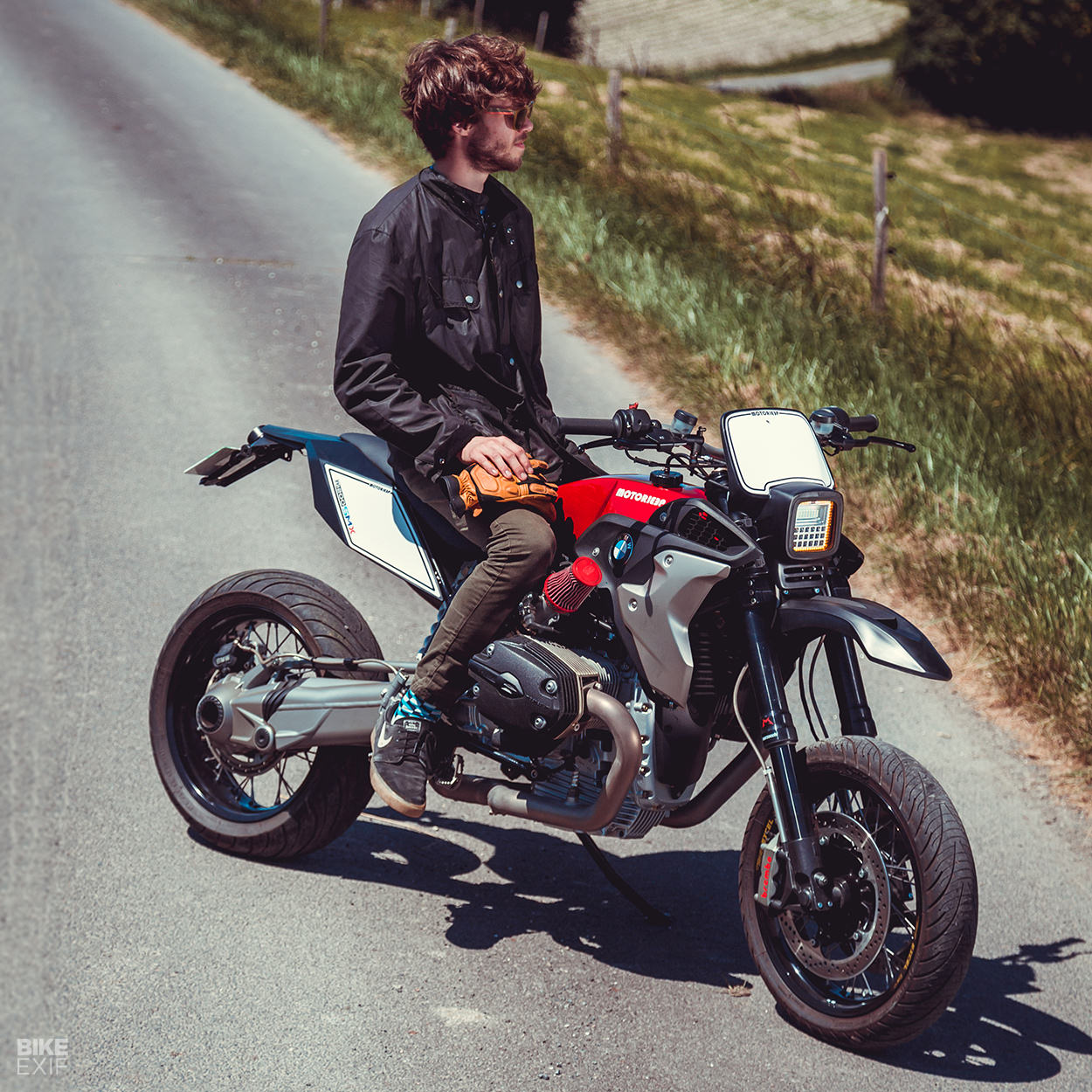
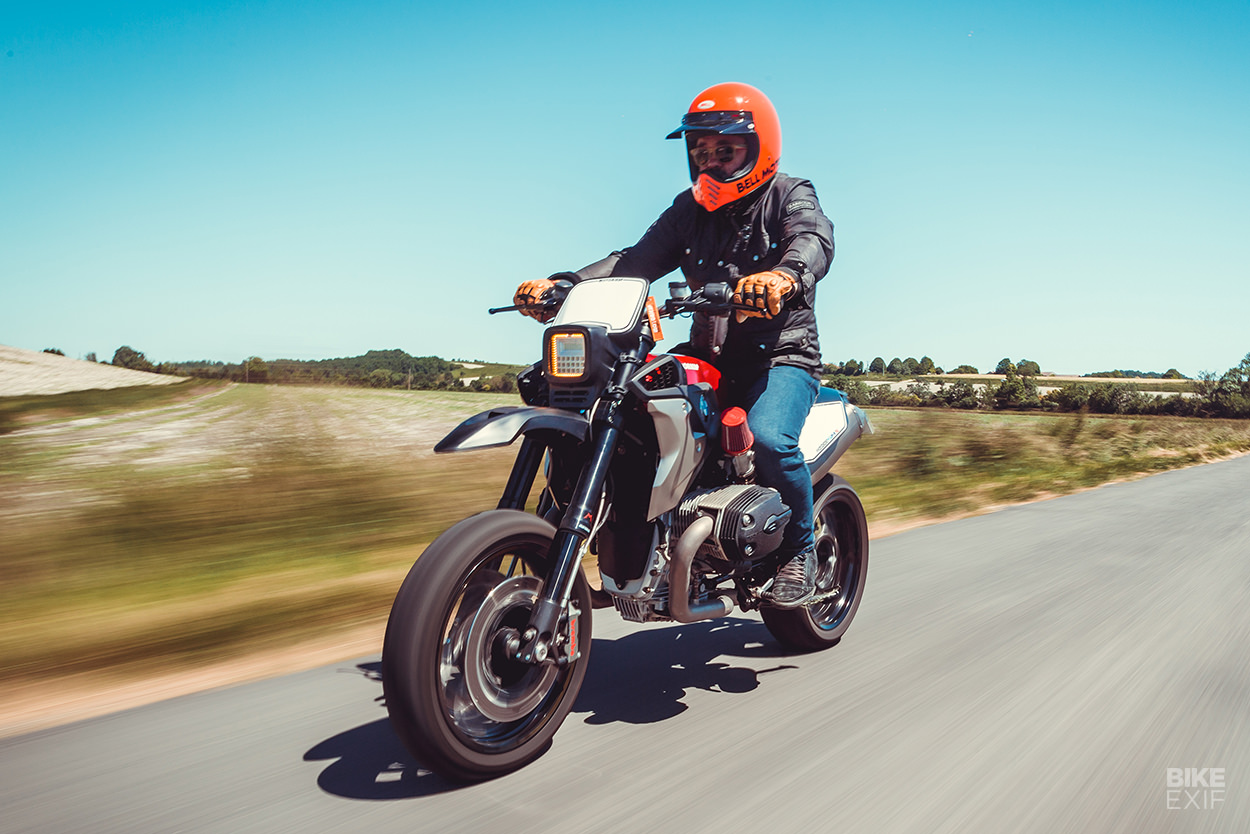
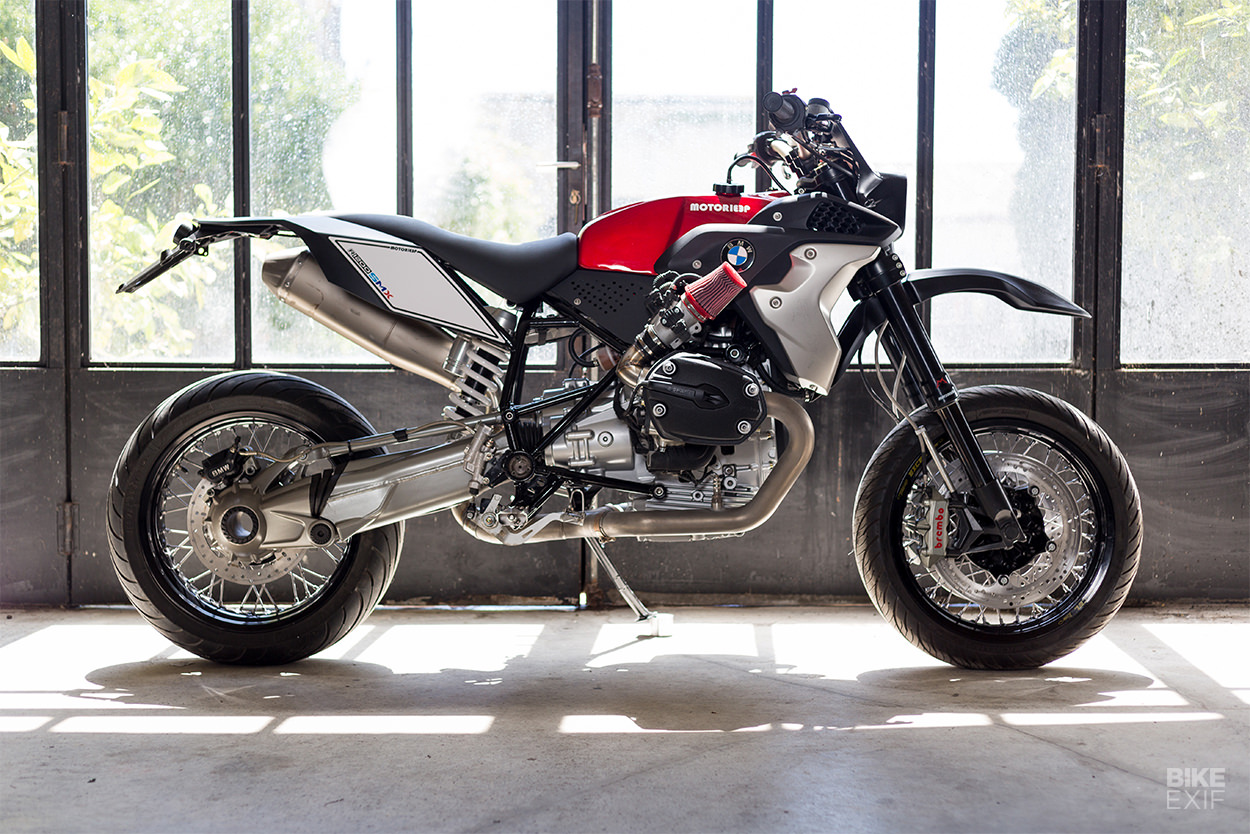
BMW R1200GS by Motorieep The big GS is one of the world’s best-selling adventure bikes, but it’s real tricky to customize. Most attempts to circumnavigate its quirky Telelever front end and complex bodywork fall flat, and few GS customs actually turn out great. Pierre at French workshop Motorieep has cracked the code though, with this wild GS-based supermotard.

Custom BMW R1200GS by Motorieep
The ‘1200 SMX’ is based on a 2007 R1200GS Adventure, but there’s little of the original chunky silhouette left. It’s been transformed with a genius concoction of parts: a modified Ducati 125 Regolarita Six Days fuel tank, a set of newer R1250GS front side panels, and KTM 690 SMC rear plastics.

The tank uses an external fuel pump and only holds seven liters—but there’s space under the seat to install a secondary 10-liter reservoir.

Custom BMW R1200GS by Motorieep
The front end’s been changed entirely, with a set of 50 mm Marzocchi upside-down forks. The rear shock’s from WP Suspension, and the brakes are from Brembo. Pierre swapped the swingarm out for one from a BMW HP2 Megamoto, and laced up a pair of 17” Excel rims.

Finishing kit includes an Acerbis headlight nacelle with LED internals, a custom speedo mount, a UFO front fender and upgraded foot pegs. Pierre also added a Lithium-ion battery, moved the fuel injectors, added a set of BMC conical filters, and built stainless steel exhaust headers that terminate with an Akrapovič slip-on.

Custom BMW R1200GS by Motorieep
If the 1200 SMX appeals to you as much as it does to us, good news: Pierre will build you one in five weeks, provided you throw €27,000 his way. But only one, mind you … he’s limited production to three units, and two are already sold. Once that’s gone, you’ll have to wait until he designs the next-gen 1200 SMX, which will be based on the newer, liquid-cooled version of the GS. [Motorieep]

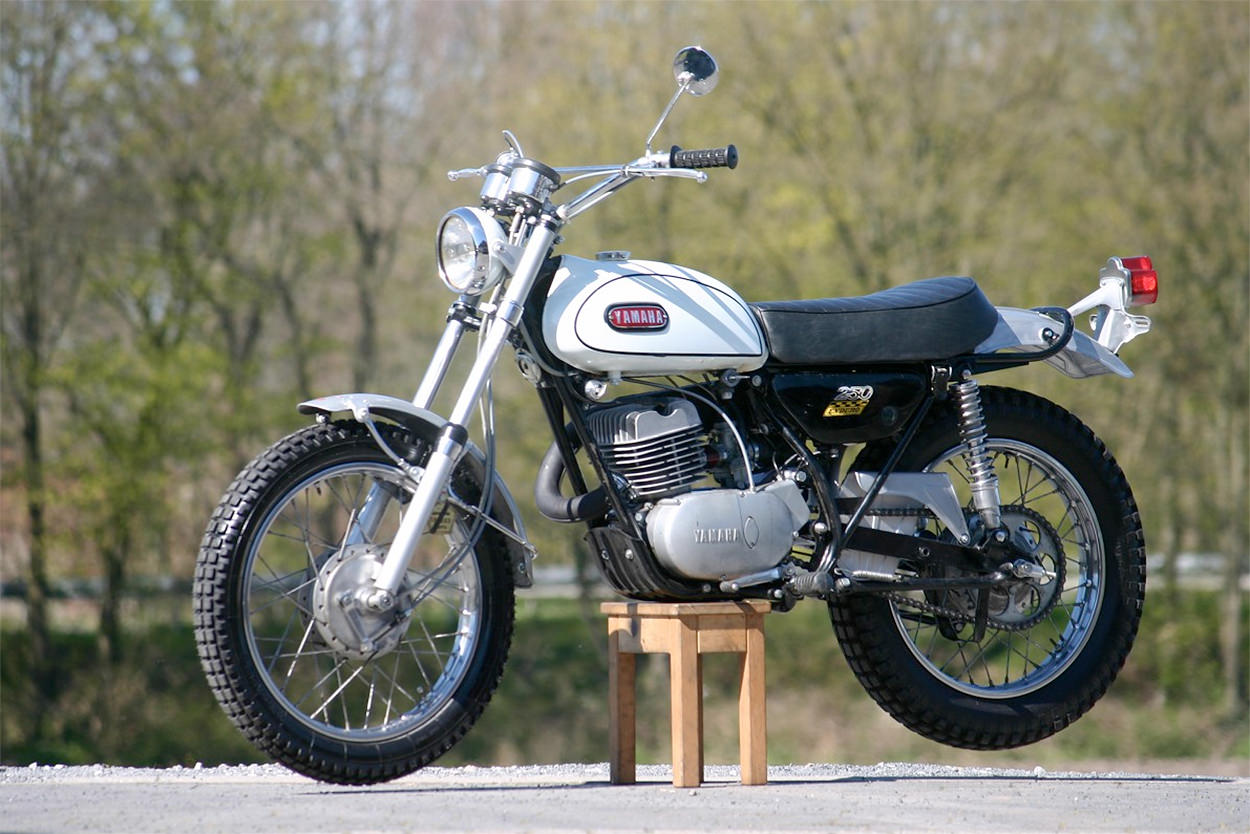
Yamaha DT-1 restoration by Peter Abelmann
Yamaha DT-1 restoration by Peter Abelmann There’s a growing sentiment that small capacity motorcycles will save motorcycling. And when it comes to a legacy of building smaller bikes, Yamaha have some real gems scattered across their back catalog—like the charming DT-1.

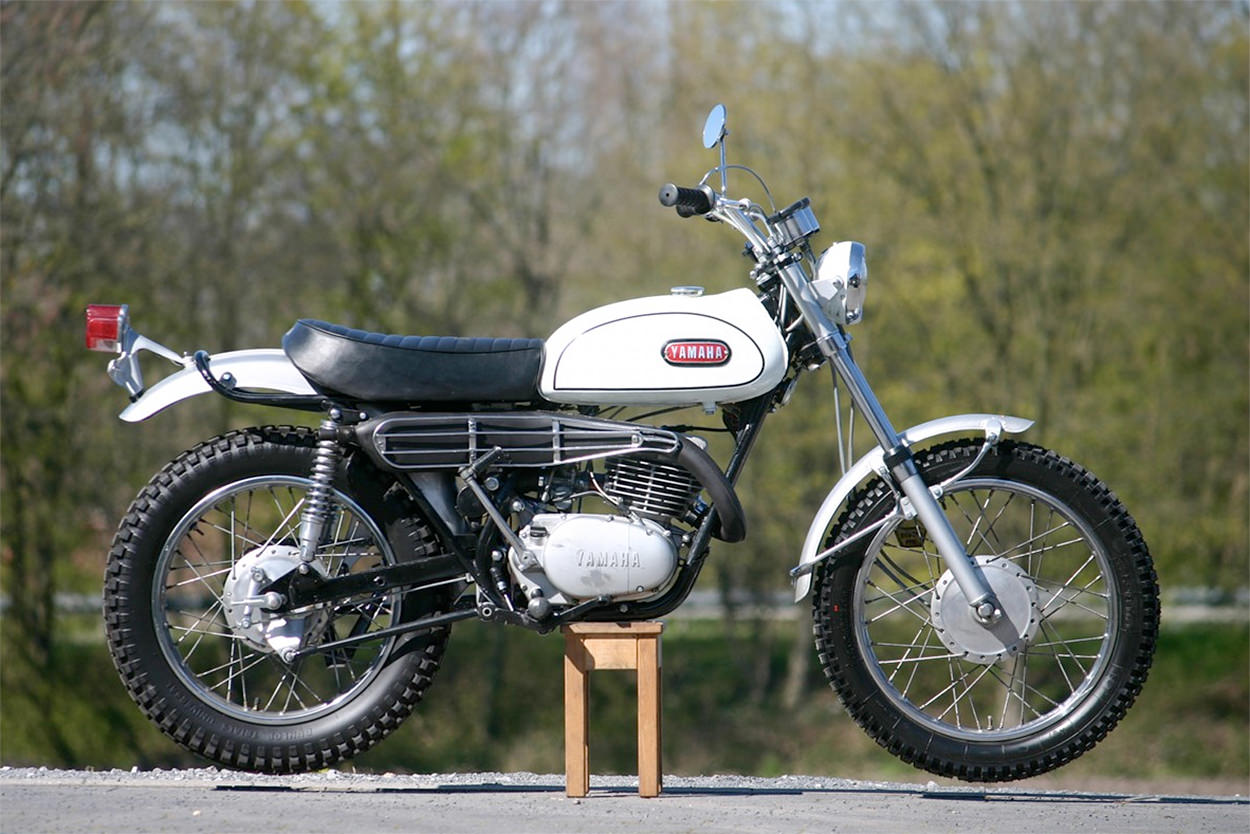
First released in 1968, the DT-1 was effectively a street legal dirt bike before ‘dual sport’ was a thing. Powered by a 250 cc air-cooled two-stroke single, it was simple, solid and inexpensive.

Yamaha DT-1 restoration by Peter Abelmann
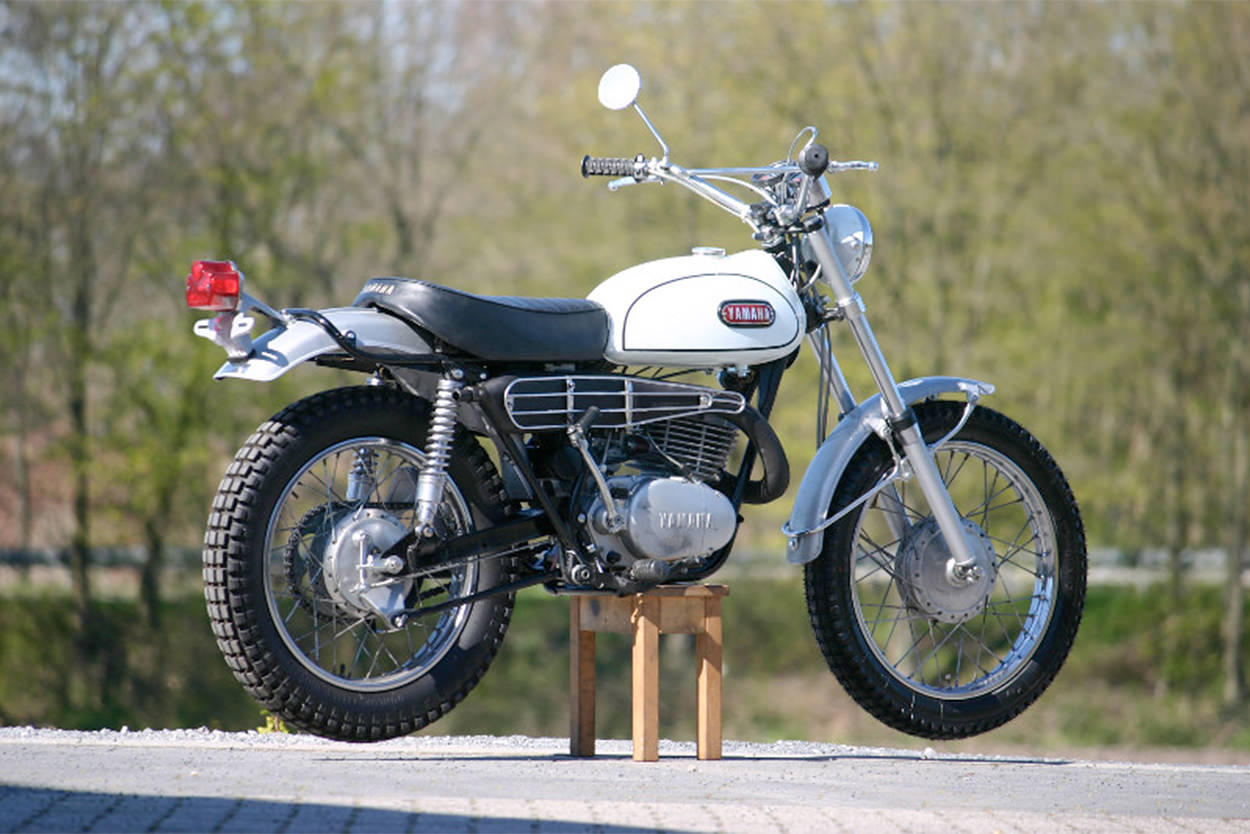
According to Peter Abelmann, a German classic Yamaha two-stroke expert, the DT-1 was never really brought into Europe. But he managed to find one that was allegedly imported for a now-deceased tennis star; it had very low mileage but hadn’t been stored well, so Peter decided to bring it back to life.

Peter started with a deep clean, which also involved battling stubborn corrosion. Then it was onto repairing parts that hadn’t survived—like a single fork stanchion that had to be swapped out for a part from Peter’s stash. The previous owner had also fitted a 21” wheel up front, so Peter sourced an OEM 19” unit and slotted it in.

Yamaha DT-1 restoration by Peter Abelmann
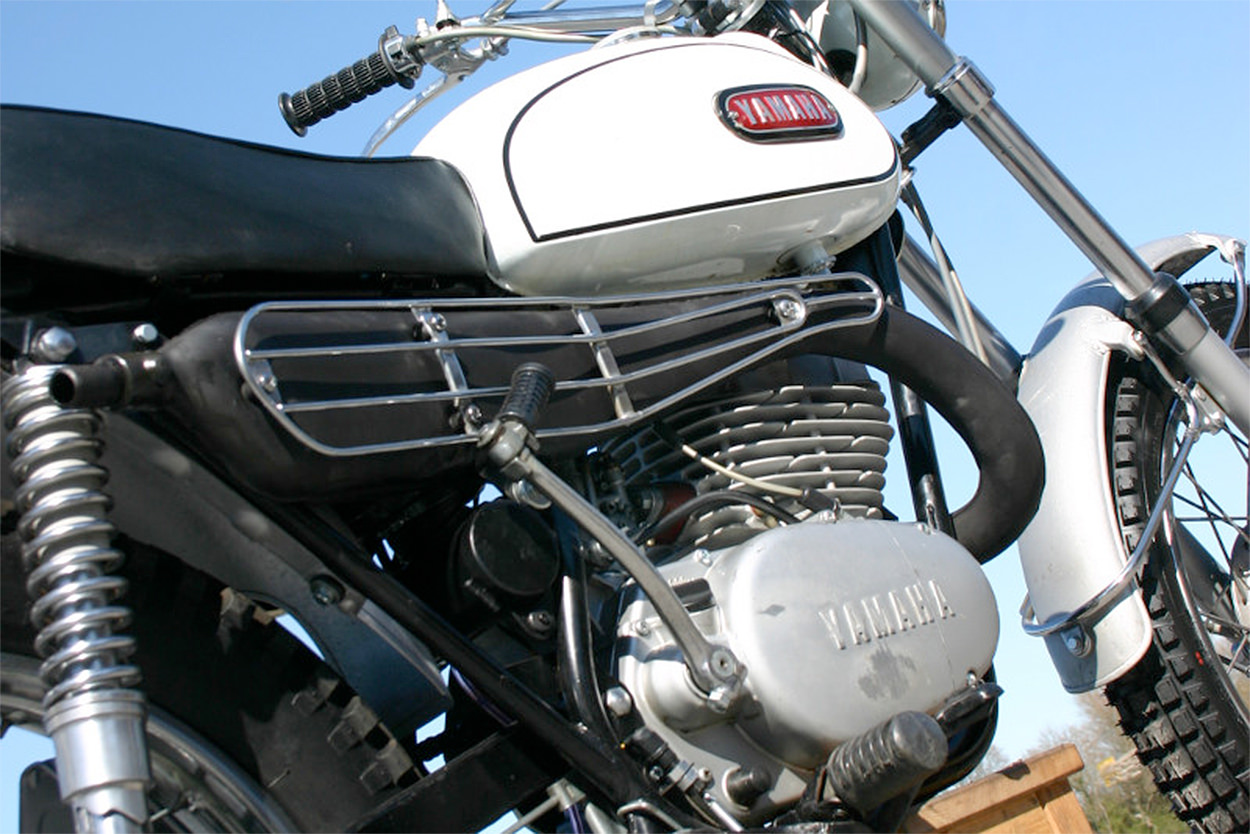
The engine was still good to go, but Peter did have to make two major changes. Somewhere along the line, the head had been swapped for a ‘Genuine Yamaha Tuning’ performance part, but it didn’t sound right, so he swapped it for an original head. And one of the cooling fins had broken, so he had a friend repair it with aluminum.

Some parts were repainted (like the exhaust), while others were simply touched up. The end result takes us right back to the late 60s, with just enough patina to keep things authentic. [Via]

Yamaha DT-1 restoration by Peter Abelmann


from Bike EXIF https://ift.tt/3k5IJDW