We've rounded up a trio of handsome custom motorcycles to end the weekend in style. Our list includes a Moto Guzzi V7 scrambler by Australia's Black Cycles, a single-cylinder Kawasaki by Heiwa MC, and an aggressive BMW R nineT from Spain.Moto Guzzi V7 by Black CyclesThe Moto Guzzi V7 has been the bi...
from BikeEXIF https://ift.tt/en4jUgk
Sunday, 31 August 2025

Saturday, 30 August 2025
Meet Otto Dax: Steady Garage's Sassy Honda Dax 125
A lot of people adore mini-bikes, but few love them with the same reckless abandon as Steady Garage. Founded by Kevin Dunn, Jimmy Chen, Bahwee Suh, and Duy Nguyen, the Californian outfit put themselves on the map with their zany Honda Grom and Ruckus customs, and continues to deliver a steady stream...
from BikeEXIF https://ift.tt/lJiFsoj
from BikeEXIF https://ift.tt/lJiFsoj
Friday, 29 August 2025
Groove FT450: A Feisty Royal Enfield Guerrilla 450 Flat Tracker from Indonesia
Royal Enfield has a nose for talent. The Indian marque regularly sniffs out the world's best workshops, farming bikes out to them as part of their in-house custom build program. This time, the baton was passed to Frontwheel Motors—an Indonesian outfit whose star is rising fast.With a brand new Royal...
from BikeEXIF https://ift.tt/LvXiVCn
from BikeEXIF https://ift.tt/LvXiVCn
Thursday, 28 August 2025
Luxury Lids: Are Expensive Helmets Really Worth It?
How much is your head worth? This simple question opens up a myriad of complexities in its response. I think we can all agree that you can’t put a price on your head. You can, however, put a price on the tools to protect them.While some manufacturers pride themselves on creating affordab...
from BikeEXIF https://ift.tt/qsXLB7S
from BikeEXIF https://ift.tt/qsXLB7S
Wednesday, 27 August 2025
The Beginner’s Guide to Car Maintenance: How to Keep Your Vehicle Running Like New
Purchasing an automobile is among the largest investments for many drivers. But maintaining that investment in good condition? That is where the tricky part comes in. With confusing service schedules, the increasing nature of repair costs, and hectic schedules, it’s easy to neglect the maintenance until a minor issue escalates to a hefty expense.
The fact is that it is not as complex as it may appear to maintain your car. You can have your car appearing and performing like new for years to come with a few consistent habits and with some basic knowledge. And if you need a little motivation, you can even hang some printable posters for free in your garage as friendly reminders to stay on top of things.
You are either a brand-new driver or a person who has never really thought much about car care, but this guide will take you through the basics—minus the frightening car mechanic vocabulary.
Table of Contents
Why Maintenance Is More Than Just Oil Changes
Oil changes are of course significant, but they are merely the tip of the iceberg. Your car is a complex network of mechanical, electrical, and safety components, and all of them need to be routinely serviced. :)Not taking care of them not only affects performance but also may even reduce the life of your car.
AAA emphasizes that drivers utilizing the maintenance schedule suggested by their manufacturer will be able to save up to $1,200 in yearly repair expenses. That amounts to a lot of money you would be spending on road trips, upgrades, or simply savings.

1. Learn Your Car’s Maintenance Schedule
All cars have an owner’s manual, and they are handier than you think. Internally, you will have a maintenance schedule based on your make and model. This way, you will know when to change fluids and parts, and other systems as well.
Hint: You are missing your manual, so check out many manufacturers who have free PDF files on their websites.
2. Get Familiar with Fluid Levels
These are the fluids that keep your vehicle on. One of the simplest and also most important habits that you can form is the habit of checking them on a regular basis.
- Engine oil: Check engine oil every month. If the oil of your car’s engine is black or gritty, you must change it immediately. In case it is golden or amber in color, you should change it soon.
- Coolant: It helps to stop overheating of your engine because it acts as a coolant. Knowledge check on the reservoir and supply it with more water in case it runs out.
- Brake fluid: Without brake fluid, one cannot come to a safe stop. Either clear or a pale yellow.
- Transmission fluid: The transmission fluid is the key to smooth shifting of gears. Usually a shade of crimson or pinkish-red in color.
3. Take Tire Care Seriously
With good tires, you would have better fuel consumption, a smoother ride, and safe handling. You may make them live longer by this:
- Keep the level of tire pressure at the level of PSI as indicated in the handbook of your vehicle owner or on a sign placed on the inside of the driver’s door.
- You should turn them in at 5,000–7,000 miles.
- Alignments of the wheels must be done annually or when you have realized the wheels are wearing unevenly.
4. Keep Your Battery Healthy
A flat battery can ruin your day. Modern automotive batteries have a general life expectancy between three and five years, but extreme temperatures may curtail their longevity.
- Inspect the terminals with regard to corrosion.
- Ensure that the cables are well tightened.
- Battery voltage must be checked once in 6 months, especially during winter or summer.
5. Replace Wiper Blades and Bulbs Promptly
Clear vision is a safety must. Blades will require replacement after a period of 6–12 months. In the case of bulbs, change the bulb immediately when one goes off—driving with one headlight may not only earn you a ticket but also make it more difficult to see at night.
6. Don’t Ignore Warning Lights
There are dozens of sensors in modern cars, which alert the dashboard to things as simple as low tire pressure, all the way to engine problems. When a light is on, do not turn a blind eye. An easy OBD-II scanner could assist you in detecting the problem before it becomes costly.
7. Wash and Protect Your Car Regularly
Car washing is not all about appearance. Paint and undercarriage parts may be destroyed by dirt, road salt and pollution. Semiannual waxing gives an extra level of protection against the elements.
Pro tip: In case of living in a place where winters are severe, an underbody wash may be planned at the end of the season to avoid rusting.
8. Use Technology to Stay Organized
There are a lot of free apps that can assist you in monitoring the condition of your vehicle:
- Drivvo: Logs fuel economy, expenses, and maintenance.
- Simply Auto: Sends service reminders and keeps repair records.
- Car Scanner: Lets you read and clear diagnostic trouble codes.
9. Drive Smarter to Reduce Wear and Tear
Your driving style is one of the reasons that your car may wear out. Easy starts and easy stops, as well as keeping out of potholes, can all help to avoid undue stress on your car. And yes—driving within your means aids not only fuel consumption but also the health of your engine.
10. Budget for Maintenance
Rather than car care being an unexpected expense, put aside a small amount per month to maintain and repair your car. This simplifies the management of routine expenses and the infrequent high-ticket repair without straining the pocket.
Seasonal Car Care Tips
- Winter: You ought to check antifreeze, wear winter tires, and check your batteries during the winter.
- Spring: Spring is the time to take off road salt and to verify that your tires are lined up.
- Summer: Watch the amounts of coolant and avoid long idling during the summer.
- Fall: Have the brakes checked and the wiper blades changed preceding the onset of the rainy season during the fall.
Long-Term Benefits of Regular Maintenance
An automobile that has been well-maintained:
- possesses a longer lifespan and high resale value.
- Improves the vehicle’s fuel economy.
- If you drive, it is safer.
- Over time, it will require fewer significant repairs.
Indeed, Kelley Blue Book observes that vehicles that have documented repair history may fetch a price 20 percent higher than comparable vehicles that have no such service history.
Quick Maintenance Checklist
- Check fluids monthly.
- Inspect and rotate tires regularly.
- Keep the battery clean and charged.
- Replace wiper blades and bulbs as needed.
- Wash and wax seasonally.
- Address dashboard warnings immediately.
Final Word
Maintenance of vehicles does not have to be tyrannical or expensive. It is possible to keep your car in excellent condition as time goes by with one or two habits, some slight organization, and a few simple tools to assist you in consistently being confident about the state of your car when you slip the keys into the ignition.
Remember, the car is more than a transportation. It is a friend in your day-to-day activities, your road drives, and your adventures. Be friends with it and it will be friends with you.
from Auto Blog | Latest Car News and Reviews, Trucks, Bikes, and Motorcycles https://ift.tt/RPcpgxX
Off the Reservation: Lessons from a Lifetime of Restoring Classic Indian Motorcycles
John Morrison Batchelder Jr. is not going to friend you on Facebook. He isn’t going to like your posts or watch your latest YouTube video. He isn’t going to answer your calls when he’s on the road. If curiosity strikes, Google is the last place he will look to educate himself, and he sure as hell wo...
from BikeEXIF https://ift.tt/EiCpe31
from BikeEXIF https://ift.tt/EiCpe31
Tuesday, 26 August 2025
Road Kraken: Rough Crafts Gives the Fat Boy the Wide Wheel Treatment
In Scandinavian folklore, the Kraken is a titanic sea beast that haunts sailors. This Harley-Davidson Fat Boy from Taiwan's Rough Crafts mirrors that myth—its monstrous rear tire and menacing livery leaving no doubt why it’s called the ‘Road Kraken.’Rough Crafts front man Winston Yeh doesn't often b...
from BikeEXIF https://ift.tt/DlEbKaM
from BikeEXIF https://ift.tt/DlEbKaM
Dirty Intentions: Prepping a Harley Sportster for Off-Road
It’s been said that it is more fun to ride a slow bike fast than a fast bike slow, but the same can be said for riding inappropriate ones. Besides adults on pit bikes, nothing exemplifies this idea better than hooligan bikes. Typically built on the Harley Davidson Sportster Platform, these warp the ...
from BikeEXIF https://ift.tt/nxmFGcg
from BikeEXIF https://ift.tt/nxmFGcg
Monday, 25 August 2025
Speed Read: A Moto Morini STR Sport by Biltwell and More
The spunky Moto Morini STR Sport goes under the knife at Biltwell Inc., while Vietnam's NUEN Moto begins shipping out its first production electric motorcycle. Over in France, FCR Original treats the BMW R 12 nineT to a slick makeover.Moto Morini STR Sport by Biltwell Inc.The Moto Morini STR Sport i...
from BikeEXIF https://ift.tt/nxcUW3o
from BikeEXIF https://ift.tt/nxcUW3o
Saturday, 23 August 2025
Five New Bikes for August: From Track-Ready Super Sports to Iconic Revivals
Motorcycle manufacturers have been busy over the past month, with major brands dropping new models. From highly anticipated reveals to strategic revivals, the motorcycle landscape has some fresh new launches from Triumph, Suzuki, Honda, KTM, and Kawasaki. Triumph Thruxton 400: The Café Racer fo...
from BikeEXIF https://ift.tt/a1UI0GJ
from BikeEXIF https://ift.tt/a1UI0GJ
Friday, 22 August 2025
Schizzo Redux: WalzWerk's Made-to-Order BMW R 12 Café Racer
Marcus Walz cut his teeth in the chopper scene, but these days his name is synonymous with high-class BMW boxer customs. Around 80 percent of the bikes leaving his WalzWerk Motorcycles workshop are classic R-series builds—many of them part of the made-to-order Schizzo series.WalzWerk’s latest build ...
from BikeEXIF https://ift.tt/5J1nX09
from BikeEXIF https://ift.tt/5J1nX09
Thursday, 21 August 2025
Better Late Than Never: A Charming Custom Yamaha XJ650 from a First-Timer
There’s a Spanish saying: ‘Nunca es tarde si la dicha es buena.’ It loosely translates as 'It’s never too late if the outcome is good,’ and it’s the perfect way to sum up the story of this custom Yamaha XJ650.The bike belongs to 47-year-old José Montes, and it’s his first custom motorcycle build. “I...
from BikeEXIF https://ift.tt/AeN0HfZ
from BikeEXIF https://ift.tt/AeN0HfZ
Time on Two Wheels: Watches for Motorcycle Riders
For many people, watches, like wallets and keys, are items that you can’t leave the house without. Not just a way to tell the time, watches have become technological hubs linking the wearer with their technology and have become a hub of their own biology. For motorcycle riders, watches present ...
from BikeEXIF https://ift.tt/fVBYWKF
from BikeEXIF https://ift.tt/fVBYWKF
How to Handle a Faulty Vehicle in California
Purchasing a car is supposed to be a fun process, but when there is a faulty vehicle, you may be in for a stressful ride. California has the largest registration of vehicles (over 31,000) in the United States, and thus, its lemon law becomes more significant. The law covers consumers with in-depth aspects such as buying a vehicle with problems that affect the usage, safety, or value.
According to thousands of car owners, they have had real-life chances to use the car over and over again with numerous problems, including incessant engine issues and malfunctioning safety systems. Being aware of your rights is useful, and when you understand the following actions to take after a Faulty vehicle is discovered, you can receive a replacement or a refund, or other fair compensation.
Table of Contents
What Is a Lemon?
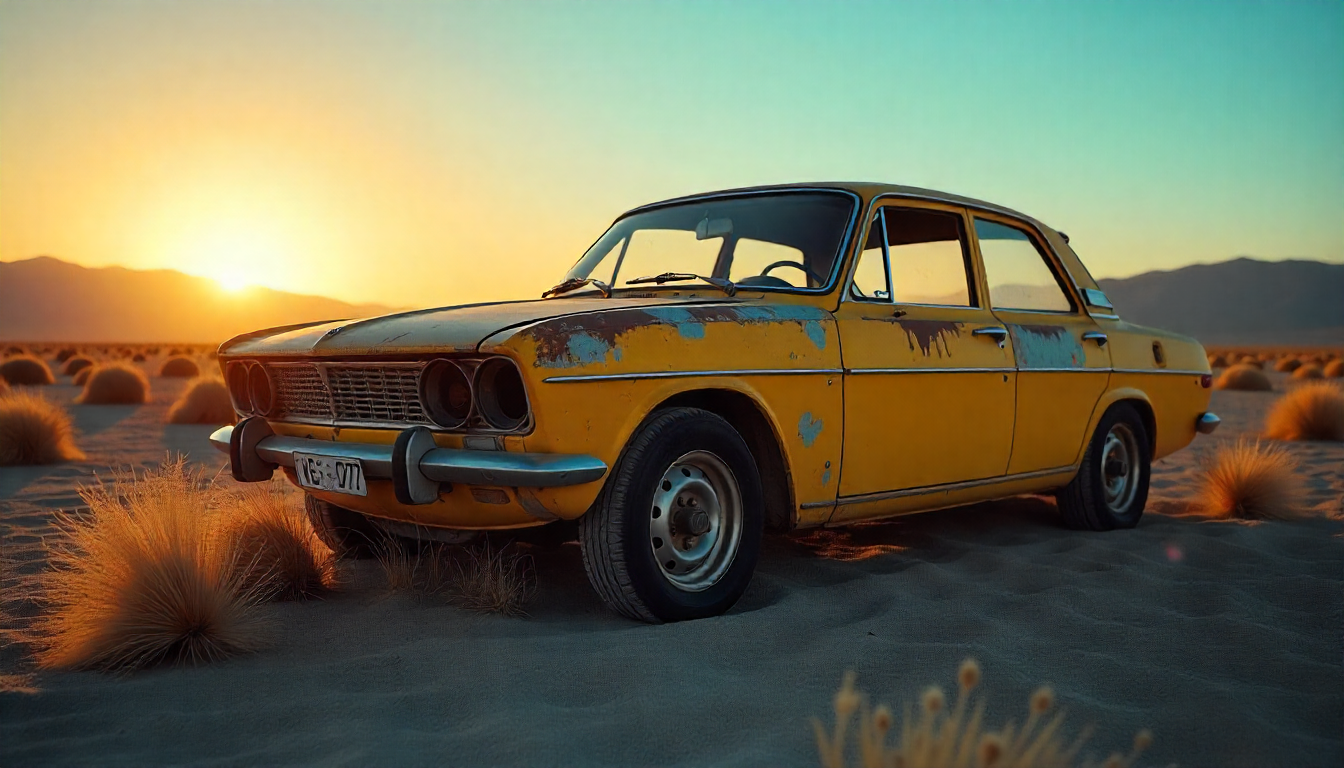
A “lemon” is a vehicle with an expensive defect within the warranty of the manufacturer. It must be repaired a few times. In California, this usually implies several services of the same repair. This may also be under the lemon law, where a car is taken out of service because of repair work that has taken excessively long. These are examples of common nouns:
- Recurring transmission problems
- Brake or steering failures
- Persistent electrical issues
The best owners trace all their information, such as repair orders and service history. Write anything said to the dealer. This helps your case and can be used to demonstrate that the vehicle had a series of problems.
The First Steps After Discovering a Fault
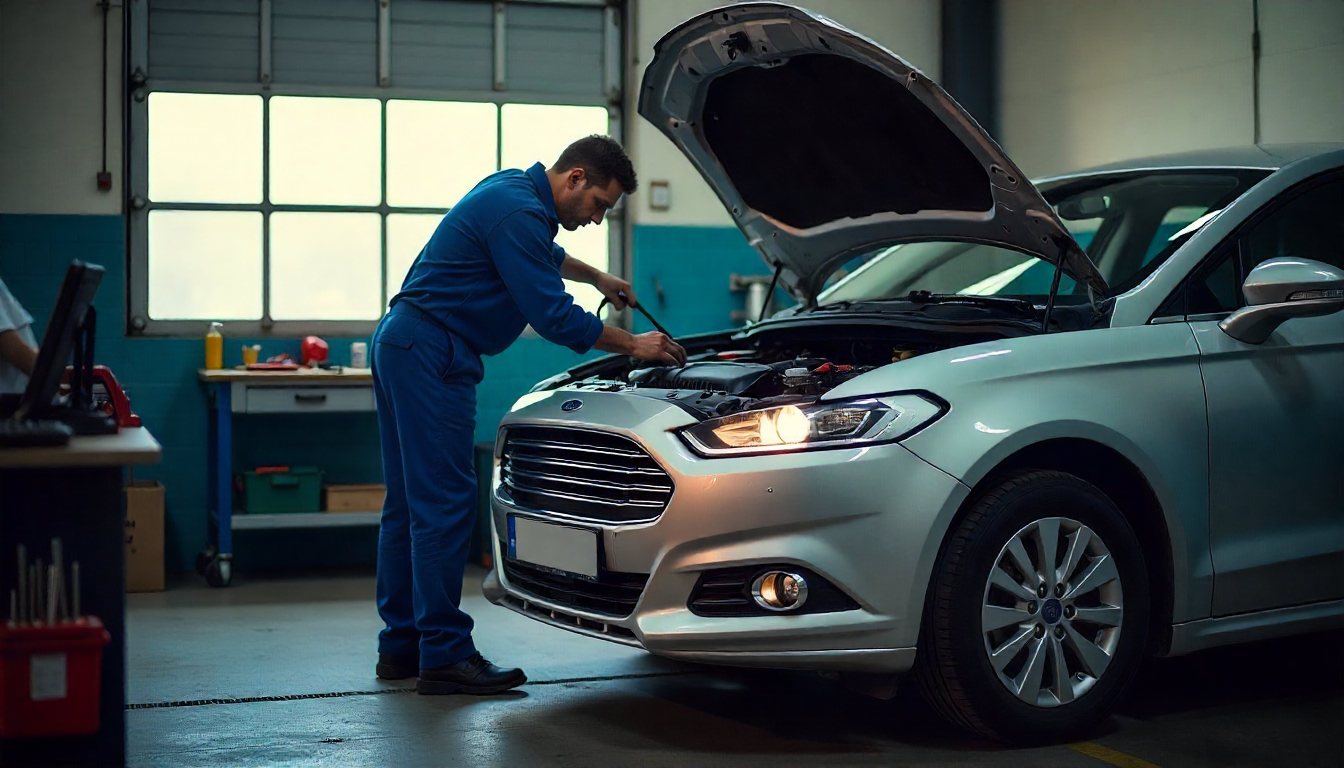
The initial step that needs to be undertaken is reaching out to the dealer as soon as you suspect a fault. You will have to state in detail the problem and ask that it be handled under warranty. Maintain a good record of the time that the service was there, repairs attempted, and persisting problems.
Understanding your warranty coverage and what is covered with regard to warranty repairs will help you defend your rights. Proper documentation provides you with a definite record in the event of the argument escalating to a higher level
When to Seek Legal Help

If repeated repairs fail or the dealer is uncooperative, it may be time to consult a California lemon law attorney.
Lawyers with experience in the field will inform you of your rights and can represent your interests in any negotiations with the company, as well as ensure that this claim falls within the scope of the law and is timely submitted.
Having legal help is useful when attempts to fix it are too numerous or the manufacturer refutes your complaint. A professional attorney will guide you through the process in a hurry as quickly as it will be possible. They will also improve the odds of an effective outcome.
Remedies Available
The lemon law of California gives several options. Consumers may have a right to:
- A substitute vehicle
- A refund of the purchase price
- A cash settlement
These remedies are also covered by reimbursement of incidentals. This may include the rent of a car and towing. A competent lawyer will assist in determining all the damages that you deserve so that you can be fully compensated for the time, the inconvenience, and even the money you lost due to the defective vehicle.
Timelines and Statutes of Limitations
You have to be swift in such instances. Lemon law claims in California are considered to have time limits. This will usually be attached to the date of purchase or lease of an item and the number of repair attempts in the process. By submitting your claim as early as possible, you will protect your rights. It also ensures that you do not lose your case because of the failure to meet the deadlines.
Protecting Yourself Before and After Purchase
Ensure you read the warranty and use vehicle history reports before purchasing. When buying, follow up with your own comprehensive records of all repairs and relationships with the dealer. When done correctly in the initial stages of the accident, good documentation may make the difference between a fruitful claim and a dragged-out dispute.
Endnote
A damaged vehicle does not need to mean a lost investment. An understanding of your rights, documentation of a problem, and timely action can help to seek a fair resolution. Seeking the advice of a lemon law attorney in California can give you the professional input and standing of a law specialist, and because of that, you will stand a better chance of receiving adequate compensation or a replacement car.
from Auto Blog | Latest Car News and Reviews, Trucks, Bikes, and Motorcycles https://ift.tt/KZXLpfA
Tuesday, 19 August 2025
Omakase: A Tasteful Kymco KTR Street Tracker by 2LOUD Custom
Part of what we do around here is celebrate motorcycles as canvases for art. But they're also, at their core, modes of transport. This tasteful Kymco KTR street tracker from 2LOUD Custom is a bit of both.The Taiwanese workshop customized the KTR for a friend of its founder, Ma 'Max' Yicheng. “He had...
from BikeEXIF https://ift.tt/qH6nFvc
from BikeEXIF https://ift.tt/qH6nFvc
Razor-Sharp: 5 Cars that Cure the Two-Wheel Craving
Progressive has this ad out right now with the tagline ‘Cars lie to us,’ with the following assertion that motorcycles tell the truth. The whole thing reeks of polished ad agency verbiage, but we all get the message that you experience a strip of pavement more for what it is on a motorcycle. There a...
from BikeEXIF https://ift.tt/Ow63HDy
from BikeEXIF https://ift.tt/Ow63HDy
Sunday, 17 August 2025
Speed Read: A Custom Triumph Speed Twin 1200 from Brazil and More

Triumph’s international bike build-off produces a worthy winner, Championship Cycles delivers a jaw-dropping Ducati 748, and KTM updates the 690 Enduro R and 690 Supermoto R. Here’s what you missed this week.

Triumph Speed Twin 1200 by Shibuya Garage This stunning Triumph Speed Twin 1200 recently took top honors in the Triumph Originals contest—a global initiative run by Triumph to highlight the customization potential of their Bonneville lineup. Built by Brazil’s Shibuya Garage, the bike combines founder Teydi Deguchi’s two passions—engines and art.

With a new Speed Twin 1200 in their São Paulo workshop, Shibuya Garage began by lowering the suspension and bolting on a set of solid wheel covers with Pirelli Scorpion Rally STR tires. Custom fork guards were combined with a custom front fender, while a tiny windscreen was installed over the blacked-out factory headlight.
Clip-on bars were attached over the top fork yoke, and the factory speedometer was squeezed into the space behind the windscreen. The sides of the tank were modified with sharp indents, with the lines flowing nicely into a custom seat, sitting on a modified rear subframe. A custom belly pan was fabricated, too, sharing a stunning paint detail with the front fender and windscreen.

Teydi also made a set of slick side covers before ingeniously dressing the swingarm to match. The swingarm design is a standout detail—as is the exhaust system. Twin pipes snake their way around the engine before exiting on the right-hand side, below the seat.
There’s also a smattering of Brazil-themed easter eggs throughout the build. The injector covers sport the colors of the Brazilian flag, the outline of the country is engraved on the primary cover, and the Brazilian timber used to create the details on the forks, side covers, and swingarm is just fantastic.

“The details are beautifully crafted and the overall design is well-organized,” says judge Kengo Kimura, founder of Heiwa Motorcycle in Japan. “It’s a motorcycle packed with design and ideas.”
If you can impress Kimura-san, you can impress the world. [Shibuya Garage | Images supplied by Triumph]

Ducati 748 by Championship Cycles Most bike builders are hesitant to accept abandoned projects, but when Mike Vienne from Championship Cycles was approached by a friend to get his Ducati 748 over the finish line, he couldn’t help but accept the challenge.
Mike’s friend initially started the project six years ago, but it was soon mothballed due to other life commitments (and a global pandemic). Fast forward to this year, and the 748 rolling chassis and engine were delivered to Mike’s Los Angeles workshop.

The brief was simple: transform the bike into a competent track machine without throwing fistfuls of money at it. Since Mike has built and raced many 748, 916, and 996 Desmoquattro Ducatis, most of the parts needed for the build were already on his shelves. His collection of spares is so vast that it took less than 48 hours to get the bike running again.
That sounds like a nice problem to have—but with the bike covered in stock parts and a basic racing fairing finished in primer grey, it looked a bit dull. (As dull as a Tamburini-era, track-prepped Ducati can be.) It needed a bit of character to spice things up a bit, so Mike set out to fix that.

The engine was dropped off at a local shop to be rebuilt, with the only modifications being some light headwork and a Ducabike semi-open slipper clutch. The majority of the budget was to be spent on improving the handling, so the first things to go were the heavy OEM wheels. In their place is a pair of lightweight Dymags, forged from aluminum.
The rear shock was replaced with a Nitron unit, giving Mike control over preload, rebound, and compression. The front brakes were then upgraded with 6-piston PFM calipers and narrow-band rotors.

The biggest visual change to the 748 is the relative lack of bodywork. An offhand comment about it being a naked bike was all it took for Mike to decide to go this route. However, the 748 was designed with a full fairing in mind, so removing it exposes all sorts of Italian plumbing that is better left hidden.
The bike was rewired with a custom race harness (shaving four pounds off the weight), and all the electronics were relocated to inside the tail. The ECU was moved to the front of the bike, behind the large tachometer and the temperature gauge.

The lower part of the frame was relieved of the fairing fixing points and painted bright white. The carbon bodywork is from Corsa Garage, with the front section modified to run as a sleek half fairing. It looks exceptionally good, especially in its red, black, and white livery.
As you’d expect, Mike reports that the finished bike is a hoot on track, with just enough wind protection on the straights to keep it stable. It looks good, goes fast, and there’s nothing we don’t like about it. [Championship Cycles | Images by Aaron McKenzie]

2026 KTM 690 Enduro R and 690 SMC R KTM has just unveiled the 2026 690 Enduro R and 690 SMC R, and, to the surprise of absolutely nobody, they’re nearly identical to their 2025 counterparts. KTM promises that the styling is sharper, which they appear to mean literally, because some of the body panels are pointier.
The main updates lie beneath the surface, focused on the 690’s LC4 single-cylinder engine. It’s now Euro5+ compliant and has a revised crankcase, clutch, and stator cover. The oil system has also been redesigned for reliability and performance.

For the 2026 690 Enduro R, KTM has also added a few mod cons in the way of a new 4.2” color TFT display and a USB-C charging port. The switchgear has been redesigned, and there is also a new LED headlight. In terms of new rider aids, the Enduro R gets cornering ABS, cornering traction control, and something KTM is calling ‘Dynamic Slip Adjust.’

The bonkers 690 SMC R supermoto gets the same Euro 5+-compliant LC4 engine, as well as some slightly different bodywork more suited to street riding. KTM mentions that the suspension tuning has been enhanced for better road feedback and agility. The SMC R gets the same updated dashboard and the cornering ABS and cornering traction control rider aids.

It’s certainly more of an evolution than a revolution, which might be a reflection of the Austrian marque’s recent financial position. That said, the 690 is still the most powerful single on the market, with little else in its class. And it’s easy to be a class leader in a segment of one. [KTM]

from Bike EXIF https://ift.tt/xU8AvRY
Saturday, 16 August 2025
Road Tested: Marrakesh Jacket and Outrider Pants from Klim

Different strokes for different folks, the saying goes, but if you ask any of us at the Bike EXIF HQ, the best riding gear is the stuff that doesn’t immediately look like riding gear. Of course, it has to be comfortable and safe and all that, but we’re just not the type of guys to hop off at the local spot in a snazzy sport bike jacket without developing some serious social anxiety.
The explosion of riding hoodies, flannels and jeans on the market proves that we’re not alone in this belief, and there’s never been a better time to cop some understated riding gear if your brain’s wired like ours. With my old threads looking tired after several summers of leaky old Harleys and dusty dual-sport adventuring, I couldn’t have been happier to receive a package from Klim containing smart and subtle new gear.

Klim Marrakesh Jacket Designed in the U.S. and made in Vietnam, there’s a lot to like about the Klim Marrakesh jacket right out of the package. The chassis feels sturdy, the armor is seamlessly integrated and the jacket could easily pass for everyday street wear. It’s relatively lightweight, and the fit and cut are right on the money (even for a spare-parts assembly like me).

You shouldn’t believe everything (or maybe anything) you read on the internet, but I’m here to tell you that it wasn’t marketing hyperbole when Klim said the Marrakesh “may be the most comfortable motorcycle jacket you ever wear.” The chassis is a tightly woven, four-way-stretch 1000D Karbonite Micromesh Cordura textile, which is a mouthful, but the point is that this jacket has a huge amount of stretch.

That may be a foreign concept in an armored riding jacket, but I’m telling you, it’s a game-changer. The chassis stretches in all the right ways when you move, meaning there’s no awkward pulling from the armored areas, and the jacket tail and sleeve cuffs stay right where you want them to be.

Another standout feature of the Marrakesh comes down to airflow. The woven fabric and perforated inner liner keep you cool and comfortable on warm days, and should the temperature drop, the cut of the Marrakesh easily allows you to toss on an additional layer without adding too much bulk. The dropped tail protects you from any indecent exposure and an adjustable cinch strap along the bottom allows you to tighten things up if need be.

But of course, protection is the name of the game, and the Klim Marrakesh makes use of some of the best armor in the business. Mesh hook-and-loop pockets in the shoulders and elbows are fit with D3O Ghost vented armor, and the back pad is D3O Viper. Some of the smartest armor on the market, these D3O products are exceptionally slim, breathable and flexible, and the non-sacrificial material is proven to stiffen on impact to mitigate injury.
Klim hasn’t gone as far as incorporating Kevlar zone reinforcements or similar features, but the Karbonite Cordura textile does offer exceptional abrasion resistance. Both the D3O Ghost and Viper armor are CE Level 1 rated, and the jacket receives an overall CE AA rating certified to EN 17092-3. Put simply, this is stellar performance for an everyday riding jacket.

It seems they’ve thought of all the right supporting features as well. The Marrakesh has one inside zippered pocket on the chest, an external chest pocket (equipped with a strap for key fobs), two external zippered hand pockets and a forearm ID/stat card sleeve.
That’s the perfect amount for retaining your everyday-carry items with room to spare, and they’re all fit with YKK zippers with sensible pulls for riding with gloves. They’ve also done an exceptional job integrating 3M Scotchlite Carbon-Black reflective material along the arms and shoulders to increase visibility at night.

All that may read a bit like a spec sheet, but it’s these smart features that make the Klim Marrakesh work so well. It’s a spectacular grab-and-go option that fits the bill for cruisers, dual-sports and street riders, and I struggled to come up with anything to gripe about, other than the exposed zipper, which could lead to scratches on sport bike tanks.
It’s best to remain as impartial as possible in these instances, but credit where credit is due—the Klim Marrakesh is probably the best riding jacket I’ve worn.

Klim Outrider Pant In my corner of the globe, Klim became a household name for their technical snowmobiling gear, but they started making massive inroads in the motorcycle gear scene in the mid-2000s. Klim’s moto-focused gear catalog keeps you covered from head to toe these days, and their selection of riding pants is exceptional (including riding jeans, moto pants and full-on adventure gear). Like the Marrakesh, I opted for something with everyday usability, landing on the Outrider pant in a casual brown duck color.

Fans of Carhartt, Dickies and so on will find themselves right at home in the Outrider. They’re made in Mexico with a regular canvas construction, double-layered on the cuffs and knees. You won’t find any fancy abrasion-resistant textiles in the single-layer construction, but I wouldn’t expect to for the price, and the Outrider is somewhat breathable with a slight amount of stretch. Branding is perfectly subtle, consisting only of a leather tag on the beltline and a custom button.

They feel a whole lot like regular duck canvas work pants, but the fit runs big in my experience. They’re longer and baggier than my standard fit, and I’d probably suggest sizing down if you don’t typically ride with a base layer. The fit is an important consideration with riding pants because it affects the way the knee protection sits relative to your body.
On the topic of armor, Klim equips the Outrider with sewn-in mesh pockets at the hips and knees, loaded with D3O Ghost armor. The flexible armor measures just 0.65 cm in thickness, making it effectively invisible. The hip armor is integrated so well, you don’t feel it at all, but you do notice the extra layers at the knee. As equipped, the Outrider has a pending Level A CE rating (EN 17092-4), which we feel is fitting for the price and casual cruising.

While the hip armor loads like a standard riding jacket, the hook-and-loop pocket for the knee armor is nestled between the double layers and is accessed from the outside. That means you could easily ditch the knee armor without undressing after the ride is through.
Other mindful features of the Outrider include reflective strips on the cuffs that are revealed only when you roll them up, increasing visibility after dark. In addition to your standard pockets, Klim built in a cellphone pocket on the right thigh and a coin pocket within the right pocket for keys or other small items.

This might be going out on a limb, but I also suspect that the riveted hand pockets are cut a bit higher and tighter on the Outrider, which would do a better job holding onto any items left inside during the ride. Another smart addition is a stretch zone in the crotch, and I appreciated that there are no metal features in the entire lap and inseam area that could lead to scratches.

Available in black, desert sand and brown duck, the Outrider is a stylish option for cruisers, standards and more, all at a great price point—just make sure you double-check the sizing guide. And one more tidbit: if your rides frequently get messy like mine, I’d opt for the black. Bonus points awarded if you can spot the fresh stain from the oil bag on my mid-’70s XL Sporty.

Klim | Images by Jeff Bruss
from Bike EXIF https://ift.tt/GbBKpRn
Friday, 15 August 2025
Little Metisse: A Vintage Motocross Frankenbike With Massive Style

The earliest off-road motorcycles were a far cry from the laser-focused machines that dominate dirt tracks today. Most were standard road bikes adapted for off-road use, which created a niche for specialist workshops like Rickman, who stepped in with purpose-built competition machines. It was a golden age, producing iconic motorcycles that we still admire today.
This winsome vintage motocrosser channels the classic era, with a subtle Japanese twist. If you can’t pinpoint the donor bike, don’t worry—the Indonesian custom shop Frontwheel Motors pieced it together from Honda, Yamaha, and Kawasaki parts.

Starting from scratch, shop boss Chandra Gunawan sourced the 150 cc engine from a Honda MegaPro (known as the CB150R in most countries) to power the build. Picking the pint-sized Honda donk was a considered move; the MegaPro is seen as a commuter, and Chandra wanted to prove that he could create something special from such humble origins.
On the hunt for a frame to house the Honda mill, Chandra stumbled across an unused Yamaha Scorpio frame at a local workshop. (If you’re not familiar with the Scorpio, it’s a 225 cc runabout that’s popular among Australasian custom shops.)

Frontwheel lopped off the Scorpio’s subframe, fabricated a new one, and modified the steering neck. Next, they scalped the running gear from a small-capacity Kawasaki KLX, including its forks, yokes, hubs, brakes, and swingarm.
The hubs were laced to Excel rims with Shinko tires, measuring 21” up front and 18” at the back. The swingarm was modified to accept a more classic twin-shock arrangement, before being connected to a pair of aftermarket shocks.

With the rolling chassis complete, Frontwheel treated the engine to a Keihin carb and a stunning stainless steel exhaust system. Then it was time to focus on the Honda/Yamaha’s bodywork.
“Several parts were inspired by the Rickman Metisse Triumph TR6, including the side panels and the fonts we used,” he says. “Rickman was a big name in the International Six Day Trial scene, popularized by Steve McQueen, and their story was very inspiring to me.”

Everything was fabricated by hand out of metal—from the petite vintage scrambler fuel tank, to the period-correct number boards and high-mounted fenders. A three-quarter-length seat completes the set, sitting perfectly between the tank and the kicked-up rear loop.
Since the bike is designated for off-road use, Frontwheel kept the accoutrements to a minimum. Suzuki TS125 handlebars are fitted with an Acerbis throttle and ProTaper grips, while a small chrome headlight wears an S.E.V. Marchal cover to add vintage MX flair. A tiny LED taillight adorns the rear fender.

Like everything else on this tidy scrambler, the livery hits all the right notes. A green hue dominates the bodywork, offset by a handful of silver, steel, and chrome finishes, and complemented by delicate gold striping and graphics that ape classic Rickman Metisse designs.
The whole package feels more like a period restomod than a Frankenbike, which is a testament to Frontwheel’s prowess as a custom shop. The workshop now plans to build a limited run of five of these—so you’d better hustle if you want to add one to your collection.
Frontwheel Motors Instagram | Paint by RSSQ | Images by Indiga Ikhlasani

from Bike EXIF https://ift.tt/0yzsTWc
Subscribe to:
Comments (Atom)